The California Native Plants That Commonly Qualify For Lawn Replacement Rebates In 2026
Lawn replacement rebates can make a yard makeover feel a lot more doable, but the plant choices still matter. California programs often favor landscapes that save water and fit the local climate.
That is why native plants tend to show up in many rebate friendly plans. They can help replace thirsty grass with a yard that feels alive instead of empty.
The best choices bring shape, seasonal color, and steady coverage without demanding a lawn’s old routine. Still, not every native plant is the right fit for every rebate program.
Rules can vary by water district, and small details may affect what qualifies in 2026. Before you start digging, it helps to know which California natives are commonly used in these projects.
Choose well, and your new front yard can look beautiful while working with the rules instead of against them.
1. Clustered Field Sedge Works As A Lawn-Like Native
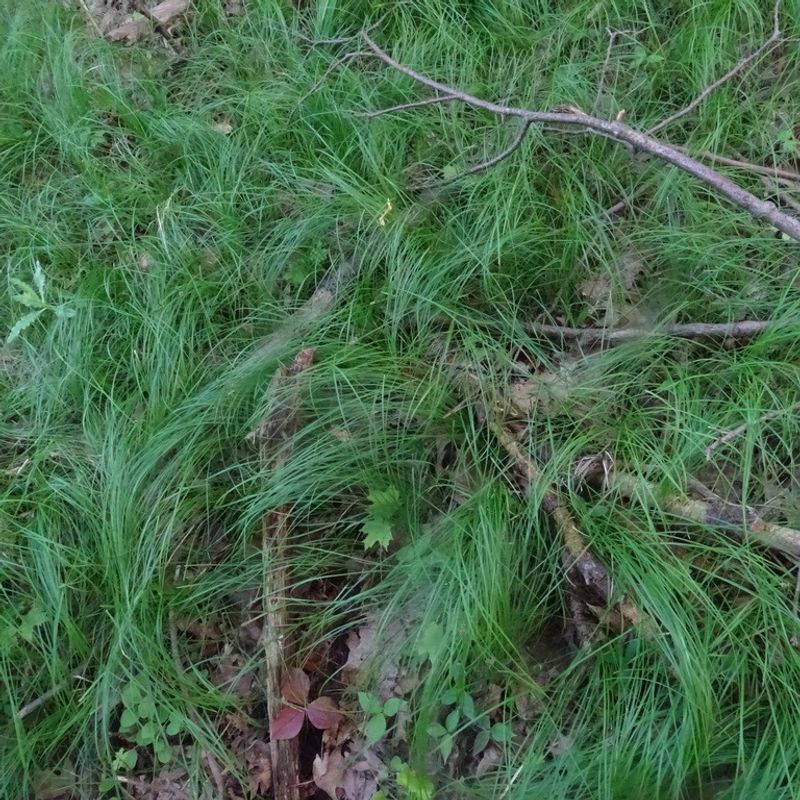
Not every lawn replacement has to look wild or untamed. Clustered Field Sedge, known scientifically as Carex praegracilis, is one of the most lawn-like native groundcovers available in California.
It grows in dense, fine-textured tufts that can pass for a traditional lawn from a distance.
Many water districts across the state include this sedge on their approved plant lists because it uses a fraction of the water that turf grass requires.
It handles both sun and partial shade, which makes it flexible for a wide range of yard layouts.
Once established, it needs very little irrigation to stay green and healthy.
Mowing is optional with this plant, but if you prefer a tidier look, it responds well to occasional trimming.
It stays relatively low on its own, usually reaching six to ten inches without any cutting. That saves you time and effort throughout the year.
Another bonus is that it spreads gradually to fill in bare spots over time. It works especially well in transition zones between planted beds and pathways.
Homeowners who want a soft, walkable surface without maintaining traditional turf often turn to this sedge as their top choice for rebate-eligible lawn replacement projects in 2026.
2. Dune Sedge Replaces Turf In Mild Coastal Yards
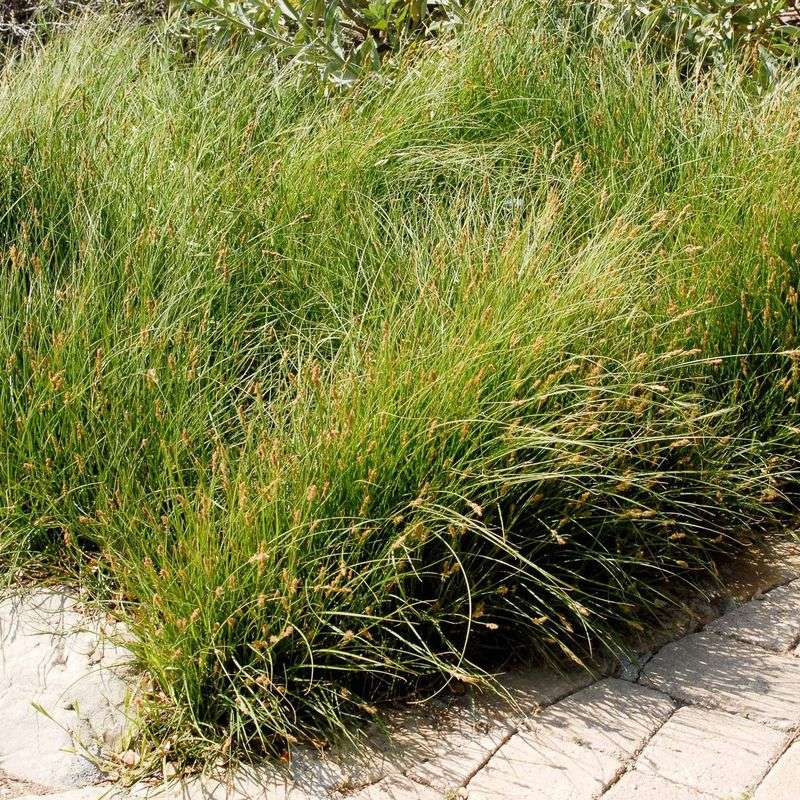
Coastal yards have their own set of challenges, including salt air, cool fog, and sandy soils that dry out fast. Dune Sedge, or Carex pansa, was practically made for those conditions.
It is native to coastal dunes and bluffs, so it already knows how to handle what the ocean throws at it.
Many coastal water agencies approve this plant for lawn replacement rebates because it thrives with minimal supplemental irrigation once it gets established. It forms a tight, low-growing mat that looks tidy and green through most of the year.
Unlike turf grass, it does not demand weekly mowing or heavy fertilizing to stay presentable.
Foot traffic is something this sedge handles reasonably well, especially in lighter use areas like front yards or side paths. It does best in full sun to partial shade, which covers most coastal yard exposures.
The blades are soft and narrow, giving the ground a fine, almost velvety texture.
Your California Garden Changes Every Week. Your Plan Should Too.
Gardening in California changes quickly throughout the season. Every Friday you’ll receive a simple weekly plan showing exactly what to plant, prune, fertilize, harvest, and protect so you never miss the right timing.
For homeowners near the coast who want to qualify for a rebate while keeping a lawn-like appearance, Dune Sedge is often the first recommendation from local nurseries and water conservation specialists.
Planting in fall or early winter gives it the best start before dry season arrives. It is truly one of the smartest swaps available for coastal rebate projects.
3. Seashore Bentgrass Handles Mowing With Less Water
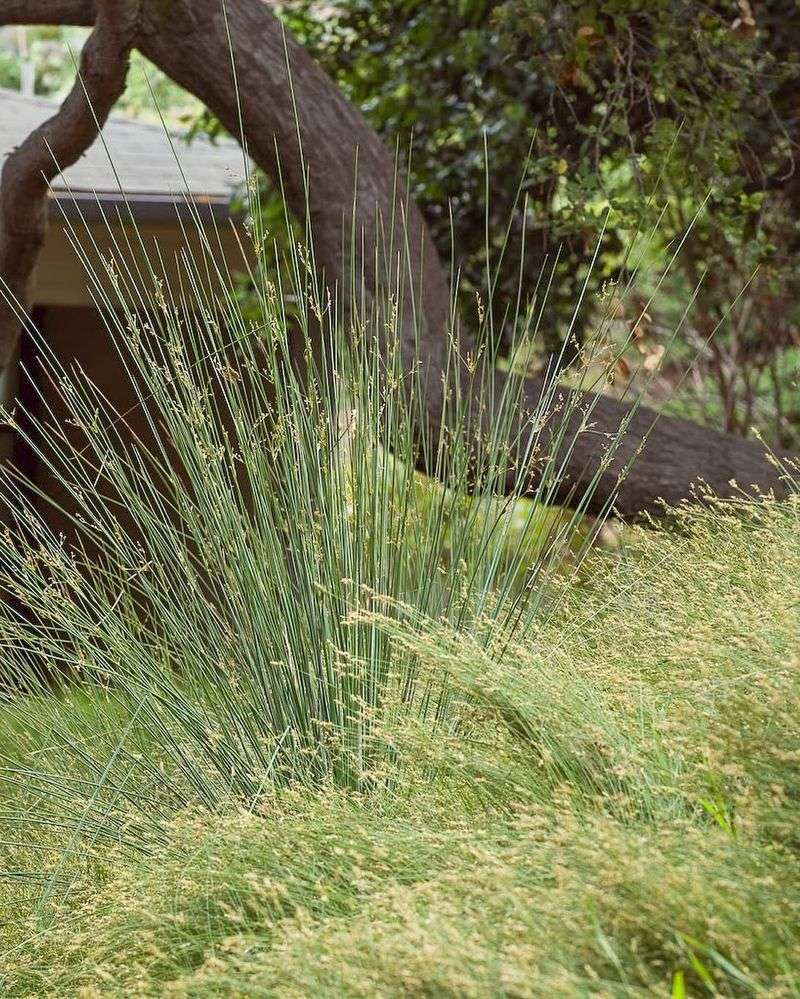
Some people just are not ready to give up the idea of a mowable lawn, and that is completely understandable.
Seashore Bentgrass, or Agrostis pallens, offers a middle ground that satisfies both water districts and homeowners who still want to run a mower over their yard.
It is a native grass that grows fine enough to be mowed like traditional turf.
What makes this grass stand out is its natural adaptation to low-water conditions along coastal and inland areas.
It has been used in golf course settings for its fine texture, but it also works beautifully in residential lawns.
Many rebate programs list it as an approved alternative to conventional turf.
Mowing height can be kept between half an inch and two inches depending on how formal you want the look.
It grows more slowly than traditional lawn grass, which means fewer mowing sessions throughout the season.
That alone saves time, fuel, and equipment wear over the course of a year.
Water savings with this grass are significant, often reaching fifty percent or more compared to fescue or bluegrass lawns.
It does best in areas with some summer fog or mild temperatures, making it especially suited for yards within a few miles of the coast.
If your rebate program allows mowable native grasses, Seashore Bentgrass is worth adding to your shortlist right away.
4. Creeping Red Fescue Fits Shadier Lawn Replacements
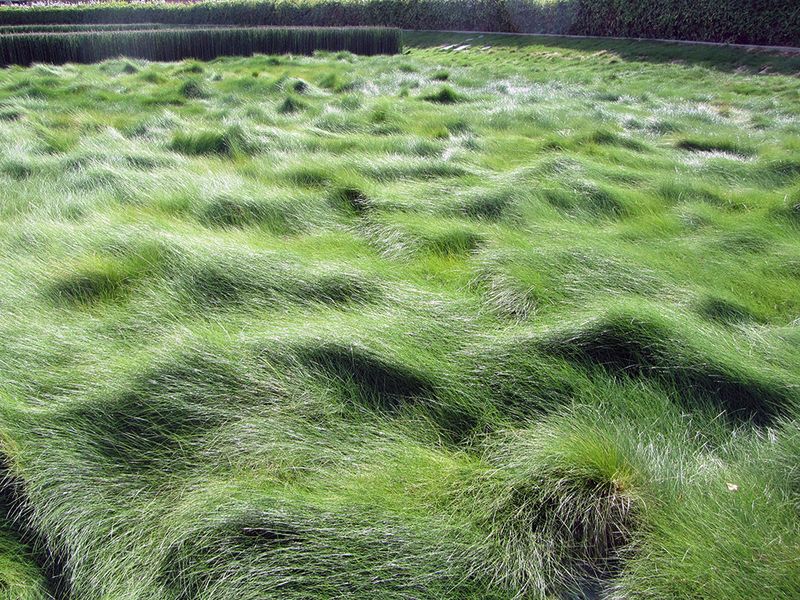
Shady yards have always been tricky to landscape, especially when you want something that qualifies for a rebate. Creeping Red Fescue, or Festuca rubra, solves that problem with ease.
It is one of the few native-adapted grasses that genuinely thrives in low-light conditions without demanding extra water or attention.
Most lawn replacement programs across California approve this grass because of its strong drought tolerance and its ability to grow in spots where other plants struggle.
It forms a dense, fine-bladed mat that softens the ground and provides a clean, natural look.
Unlike many shade-tolerant plants, it stays relatively uniform and does not get patchy over time.
You can mow it if you prefer a neat appearance, or let it grow to its natural height of around six to twelve inches for a meadow-like feel. Either way, it looks intentional and well-kept.
It blends especially well with native trees like oaks and bays that create the shaded conditions it loves.
Homeowners replacing lawns under large trees often find that few other options work as reliably as this grass. It spreads gradually through rhizomes, filling gaps without becoming invasive.
Watering deeply but infrequently once or twice a month during dry months is usually enough to keep it looking its best through summer and fall in most parts of California.
5. Idaho Fescue Adds Native Meadow Texture
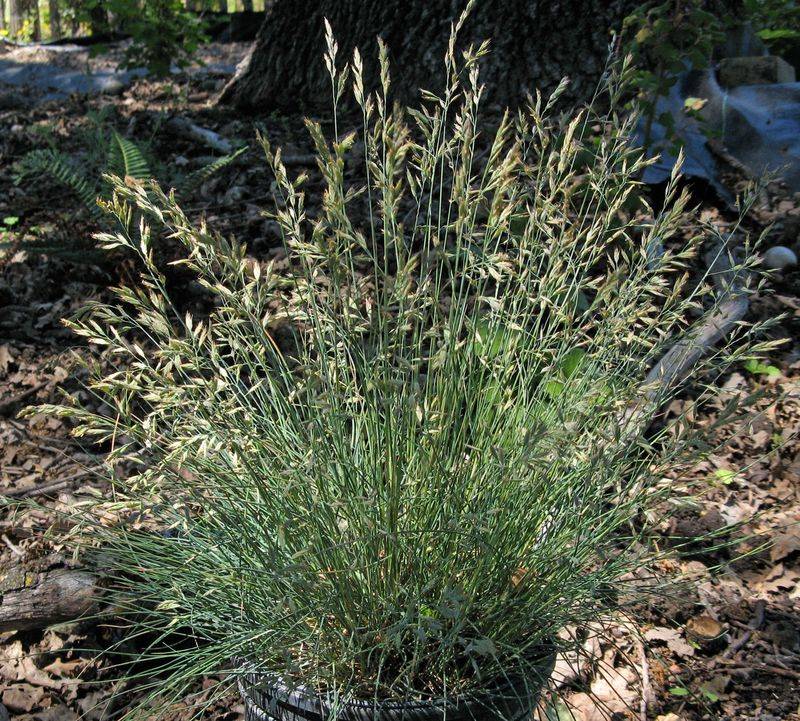
There is something quietly beautiful about a meadow-style yard, and Idaho Fescue is one of the best native grasses for creating that look.
Known as Festuca idahoensis, this cool-season bunchgrass forms tidy, blue-green clumps that bring texture and movement to any landscape.
It looks especially striking when planted in groups across a former lawn area.
Water agencies throughout the state frequently include it on approved lists for rebate programs because of its impressive drought tolerance.
Once established, it can survive on rainfall alone in many inland and foothill regions. That makes it one of the most cost-effective plants for a long-term water-saving landscape.
The clumping habit means it does not spread aggressively, so you stay in control of your garden layout.
Spacing plants about eighteen inches apart gives them room to fill out while still looking intentional from the start.
Mixing Idaho Fescue with native wildflowers creates a layered, naturalistic design that pollinators love.
It grows best in full sun and well-drained soils, which are conditions found across a wide range of yard types in California. Seasonal browning in summer is normal and should be expected, but the clumps green back up with fall rains.
Many landscape designers now recommend this grass as the anchor plant for meadow-style rebate projects because it is reliable, native, and genuinely low maintenance year after year.
6. Common Yarrow Can Be Mowed Like A Soft Groundcover
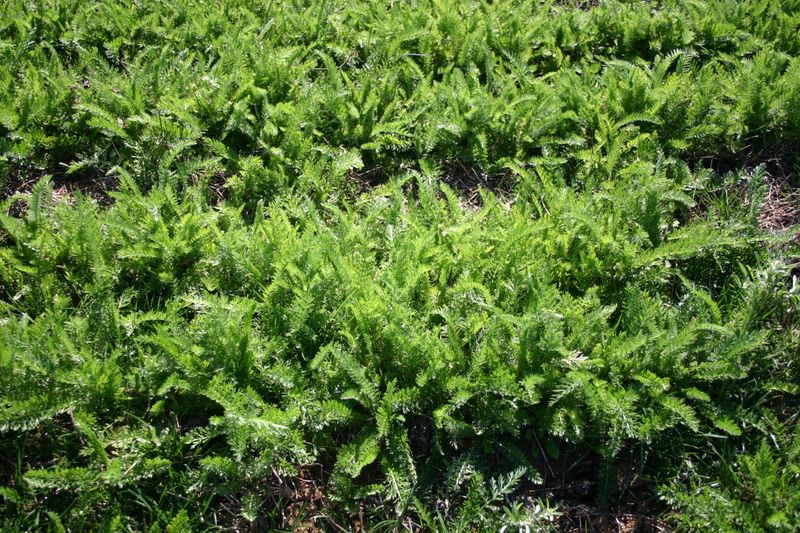
Feathery, fragrant, and surprisingly tough, Common Yarrow is one of those plants that earns its place in almost any yard. Achillea millefolium is native to California and has been used in low-water landscapes for decades.
What many people do not realize is that it can actually be mowed to stay low and function like a soft, flowering groundcover.
Rebate programs often approve it because it checks every box: it is native, drought tolerant, and requires no fertilizer once it gets going.
The feathery foliage forms a dense mat that suppresses weeds and keeps soil covered year-round.
White flower clusters appear in spring and early summer, adding seasonal color without any extra effort.
Mowing it down once after flowering keeps it tidy and encourages fresh, compact growth. Between mowings, it stays relatively flat and soft underfoot, making it a practical choice for yards with light foot traffic.
It also works well along borders, in strips between paving, and in areas where other groundcovers have struggled.
One of its best qualities is its resilience. It bounces back quickly from dry spells, foot traffic, and even neglect.
Bees and butterflies visit the flowers regularly, adding ecological value to your yard. For homeowners who want a rebate-qualified groundcover that still looks like something intentional and beautiful, Common Yarrow rarely disappoints anywhere.
7. California Fuchsia Brings Color To Rebate-Friendly Beds
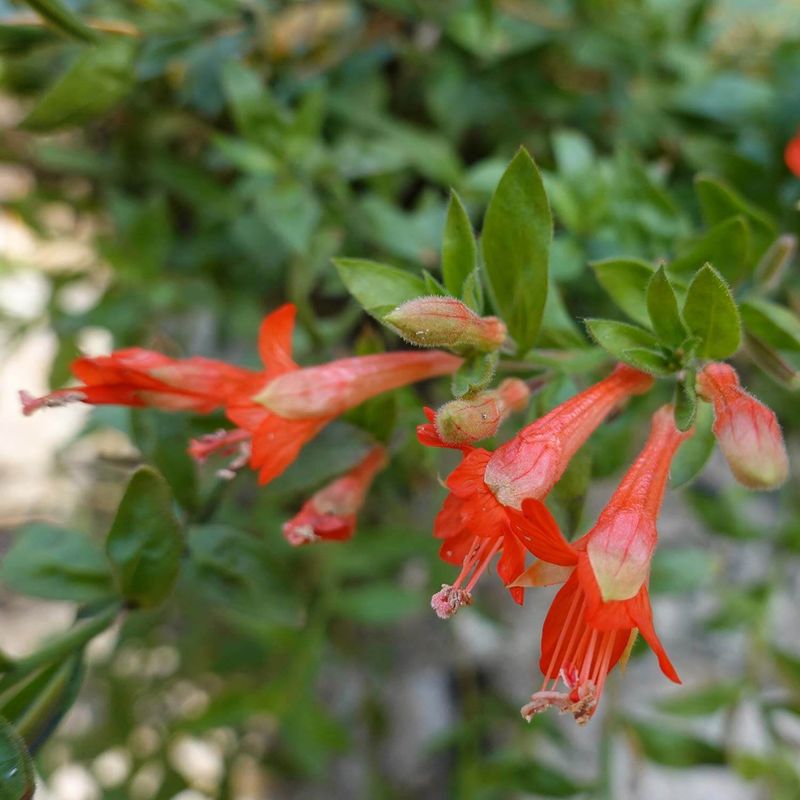
Bold, bright, and beloved by hummingbirds, this plant turns heads every fall when most other flowers have already faded.
California Fuchsia, or Epilobium canum, produces a spectacular show of tubular orange-red blooms from late summer through autumn.
It fills the gap in the garden calendar when color is hard to come by.
Water districts list it as an approved plant for lawn replacement rebates because it is highly drought tolerant and native to a wide range of habitats. Once established, it needs almost no supplemental water during summer.
That is remarkable for a plant that flowers so vigorously during the hottest, driest months of the year.
It spreads through underground runners, forming a loose, flowing mat that covers ground quickly. This spreading habit is actually useful for filling large areas left bare after turf removal.
Cutting it back hard in late winter encourages fresh, tidy growth each spring.
Hummingbirds are drawn to the flowers like magnets, so planting it near a window or patio gives you a front-row seat to the show. It grows well in full sun and tolerates poor, rocky soils with no complaints.
Heights typically range from one to three feet, making it ideal as a mid-level accent in mixed native beds.
For color, wildlife value, and water savings combined, few rebate-eligible plants compete with this one across California.
8. Coyote Mint Adds Fragrance Without Lawn Watering
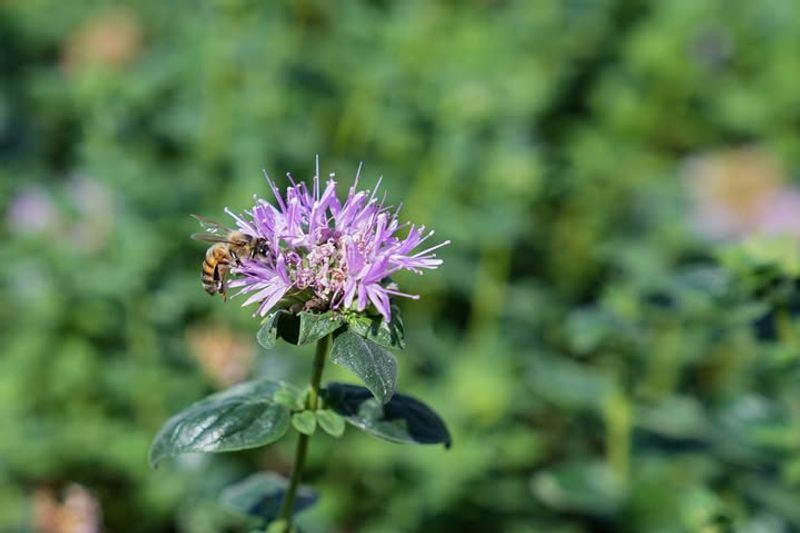
Few plants reward you with as much sensory pleasure as Coyote Mint. Monardella villosa releases a clean, minty fragrance when brushed or warmed by the sun, and its purple flower clusters draw bees and butterflies in impressive numbers.
It is one of those plants that makes a garden feel alive. Rebate programs frequently approve it because it is both native and exceptionally water efficient.
After the first year of establishment, it can survive on rainfall alone in many parts of California, including inland foothill and chaparral zones.
That level of drought tolerance is hard to beat in a flowering perennial. It grows as a low, spreading mound that reaches about one to two feet tall and wide.
That compact size makes it perfect for filling gaps in mixed native plantings or for edging along pathways and driveway borders.
Planting several together creates a fragrant, pollinator-friendly drift that looks intentional and well-designed.
Pruning lightly after flowering keeps the plant looking fresh and encourages a second flush of blooms in some years. It prefers well-drained, sandy, or rocky soils and full sun exposure.
Heavy clay soils can be amended with coarse sand or gravel to improve drainage before planting.
For homeowners who want a rebate-qualified plant that offers fragrance, wildlife habitat, and low water use all at once, Coyote Mint delivers on every count.
9. California Buckwheat Feeds Pollinators After Turf Is Gone
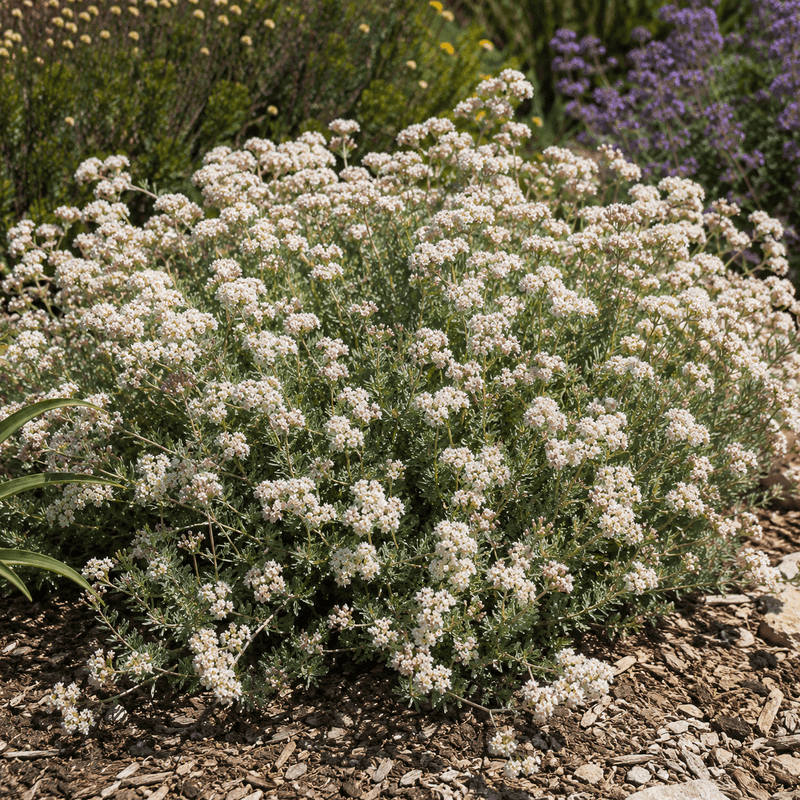
Walk past a patch of California Buckwheat on a warm afternoon and you will hear it before you see it.
Eriogonum fasciculatum buzzes with bees, wasps, and butterflies from late spring through fall, making it one of the most ecologically valuable native shrubs you can plant.
It is also one of the most widely approved plants for lawn replacement rebate programs across California.
The flowers start out creamy white and slowly rust to a warm coppery brown as the season progresses.
Many gardeners actually prefer the dried flower heads, which add texture and color to the landscape well into winter.
Birds visit the seed heads too, adding another layer of wildlife activity to your yard.
It is extremely drought tolerant and thrives in poor, well-drained soils with full sun. Rocky hillsides, sandy berms, and dry slopes are all fair game for this tough shrub.
Once established, it rarely needs any supplemental watering outside of the first growing season.
Heights vary by variety, but most forms stay between two and four feet tall and spread three to five feet wide.
Pruning is optional, but a light trim after the main flowering period can keep the plant looking tidy and encourage fresh growth.
For homeowners converting large lawn areas into habitat-rich, water-saving landscapes, this shrub provides instant structure and ecological purpose right from the start.
10. Deergrass Gives Former Lawns A Clean Native Structure
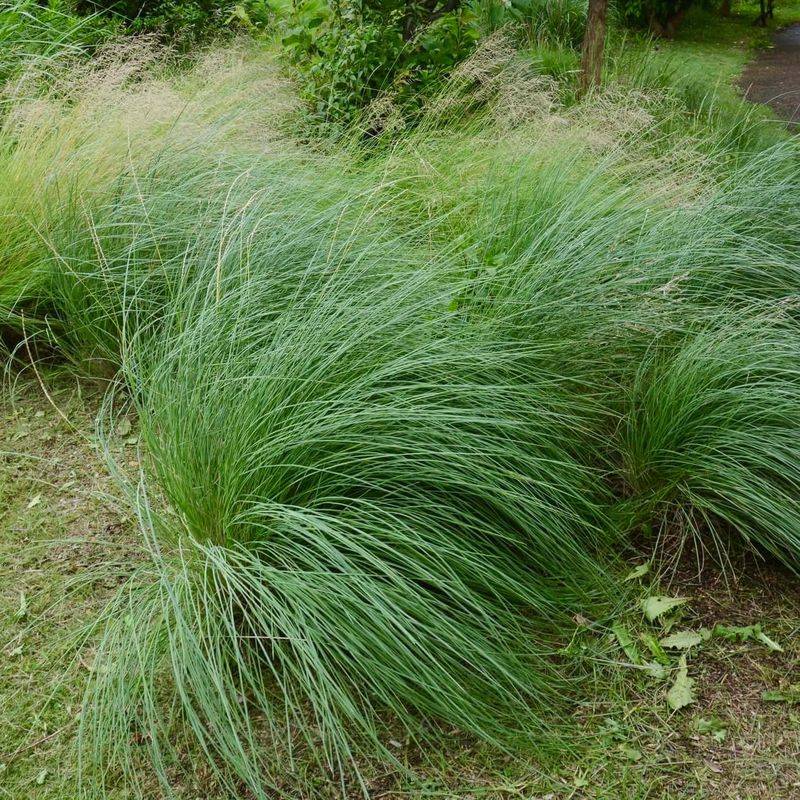
Structure matters in a garden, especially when you are transitioning from a flat, uniform lawn to a native landscape.
Deergrass, or Muhlenbergia rigens, brings exactly that kind of visual backbone to a former turf area. Its tall, arching clumps create bold vertical interest that anchors the whole planting.
Water agencies include it on approved rebate plant lists because it is a true California native with impressive drought tolerance.
It grows naturally in riparian areas and dry meadows, so it handles both occasional flooding and extended dry periods with equal calm.
That adaptability makes it one of the most versatile grasses available for rebate projects.
The seed stalks rise dramatically above the foliage in late summer and fall, creating a striking silhouette against fences, walls, or open sky.
They can reach four to five feet in height, while the base clump stays around two to three feet.
This layered form adds depth and movement that a flat lawn simply cannot provide.
Spacing plants three to four feet apart across a former lawn creates a rhythmic, naturalistic pattern that looks designed rather than random.
Cutting clumps back by about half in late winter rejuvenates growth and keeps the plant looking fresh each spring.
Deergrass pairs beautifully with low-growing native groundcovers and flowering perennials, creating a layered planting scheme that earns rebate approval and genuine curb appeal at the same time.
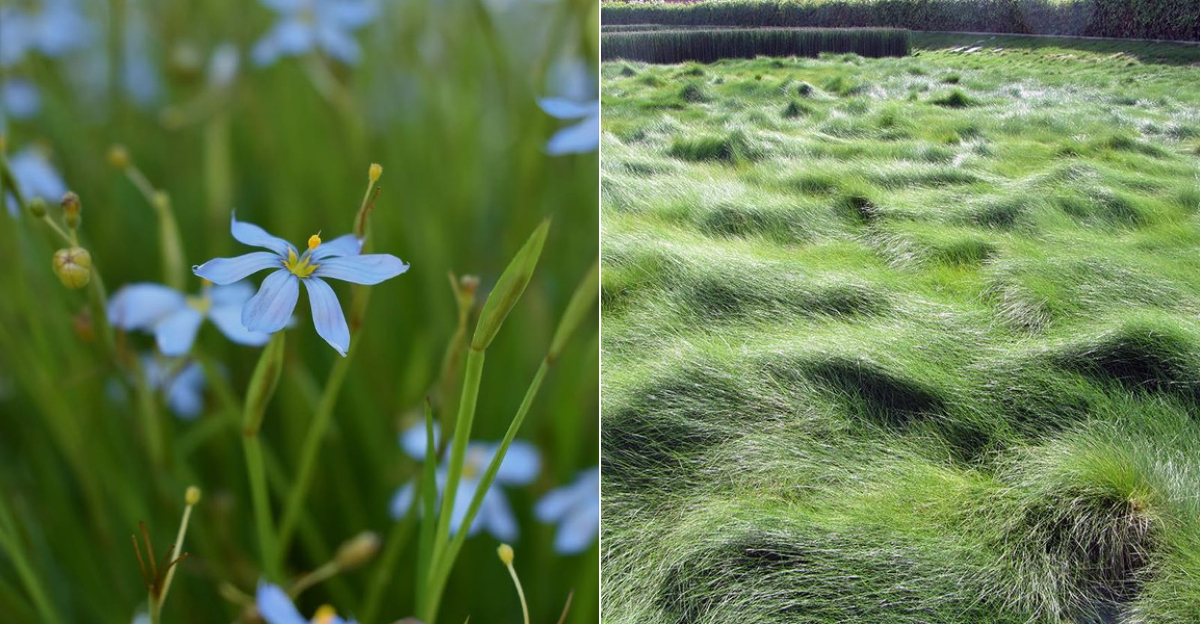
11. Blue-Eyed Grass Softens Edges With Native Blooms
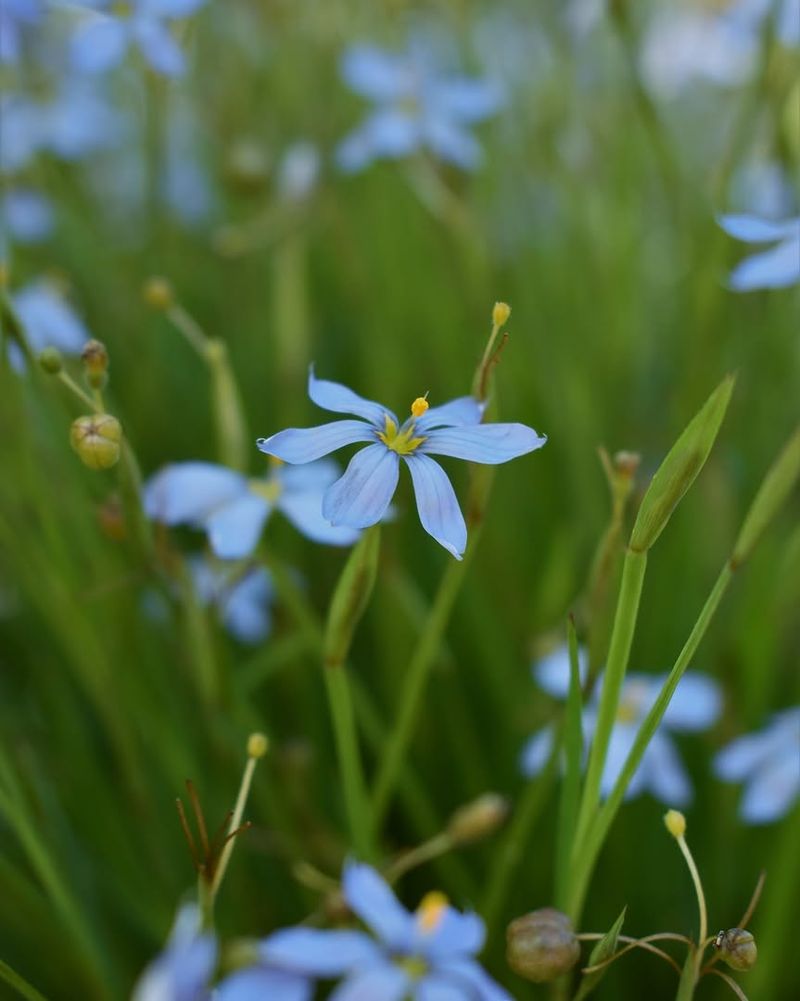
Delicate and charming, Blue-Eyed Grass is proof that native plants do not have to sacrifice beauty for toughness.
Sisyrinchium bellum produces small, violet-blue flowers with bright yellow centers that bloom from late winter through spring, often covering the plant completely with color.
It is one of the most cheerful native plants you can add to a rebate-approved landscape.
Despite its delicate appearance, it is quite resilient. It handles dry summers, clay soils, and occasional foot traffic better than its dainty flowers suggest.
Water districts in many parts include it on approved lists because it is genuinely low-water once established and provides excellent ground coverage in mixed plantings.
The grass-like foliage blends naturally with sedges, fescues, and other fine-textured native plants, making it ideal for softening edges along pathways, borders, or the transition between planted beds and hardscape.
It grows in tidy clumps about six to twelve inches tall, so it never overpowers neighboring plants.
Self-seeding is one of its best qualities. After flowering, it drops seeds that sprout nearby, gradually filling in gaps without any extra effort from you. That natural spreading behavior saves money on new plants over time.
For homeowners who want a rebate-eligible plant that adds seasonal color, softens hard edges, and grows more abundant each year, Blue-Eyed Grass is a genuinely rewarding choice for almost any yard in California.