What Happens If You Prune Oregon Roses Right Before The First Frost?
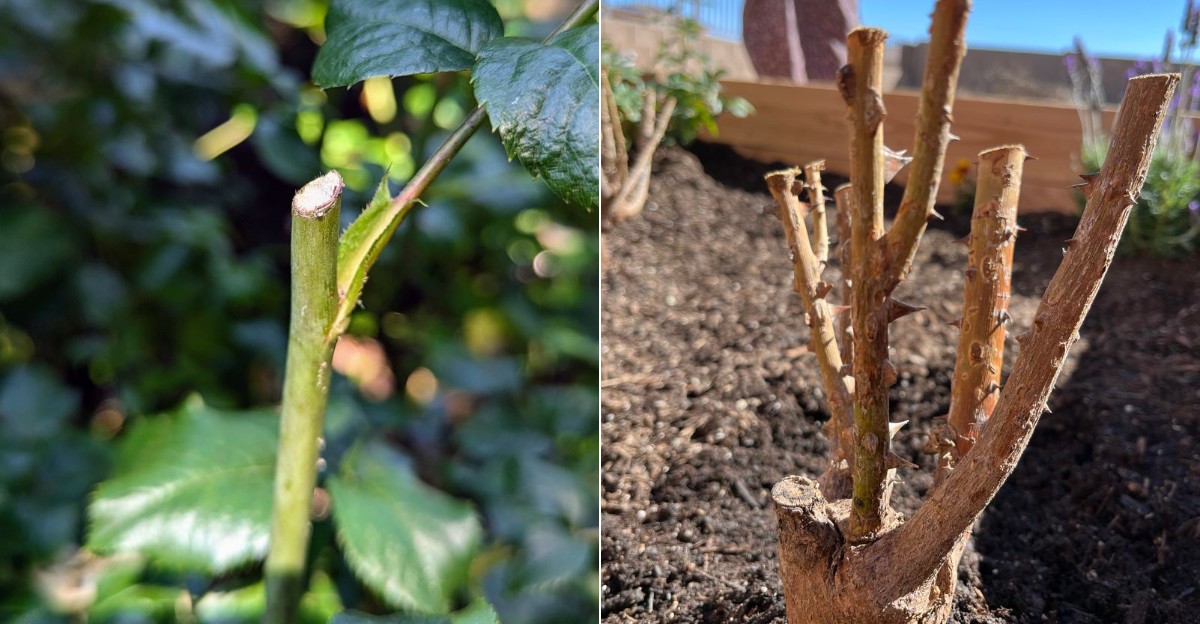
A rose bush can look tempting when the season winds down. A few messy stems, fading blooms, and uneven branches can make you want to grab the pruners and give the whole plant a tidy finish before winter arrives.
The timing, however, can make a bigger difference than the haircut itself. Oregon roses respond to seasonal changes, and a late trim can affect how the plant handles the transition into colder weather.
The tricky part is that the garden may still feel active when the first frost is approaching. Some roses are holding onto late blooms, while others are already slowing down.
That in-between stage can make it hard to know if a cleanup is helpful or simply too early.
A little pruning at the right moment can support a healthier plant, but the wrong timing may create extra stress when the rose should be settling in.
Before you make those final cuts of the year, take a closer look at what your rose is doing. The calendar matters, but the plant itself often provides the best clues.
1. New Growth Gets Zapped By Frost
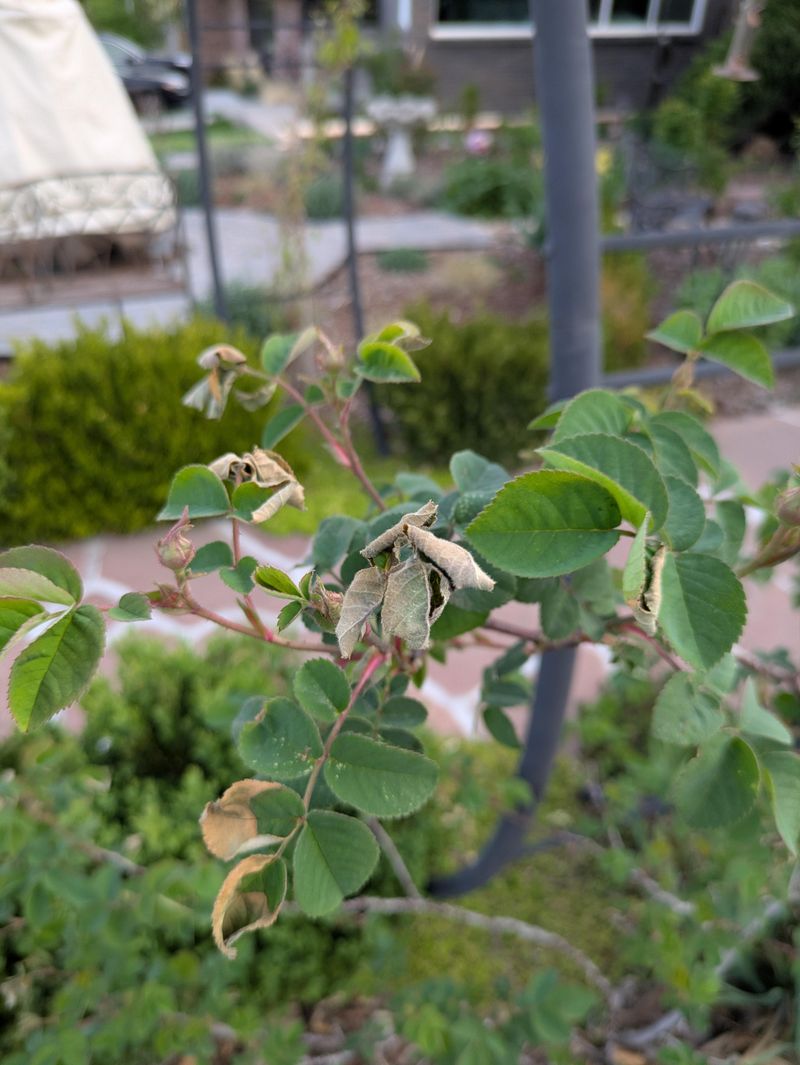
Here is the biggest problem with cutting back roses late in the season. Pruning can encourage new growth when conditions are suitable, which is risky if cold weather arrives soon afterward.
Those tender new sprouts are soft and full of water. When Oregon’s first hard frost rolls in, the cold freezes that water inside the stems.
The result is blackened, mushy tips that quickly die back. Instead of helping your rose, you have handed it a batch of weak growth that cannot survive the cold.
Think of it like waking someone up in the middle of the night and telling them to run a race. They are not ready, and neither is your rose.
This wasted energy also weakens the whole plant. Roses store food in their roots and canes to make it through winter, and forcing new growth drains those reserves at the worst possible time.
Experienced Oregon gardeners usually wait until late winter, around February, to do major pruning. By then the danger of pushing tender shoots has passed.
If you must clean up in fall, only remove withered or broken branches. Save the real shaping for when warmer days are on the way, and your roses will thank you with a stronger spring.
2. Open Cuts Turn Into Disease Doorways
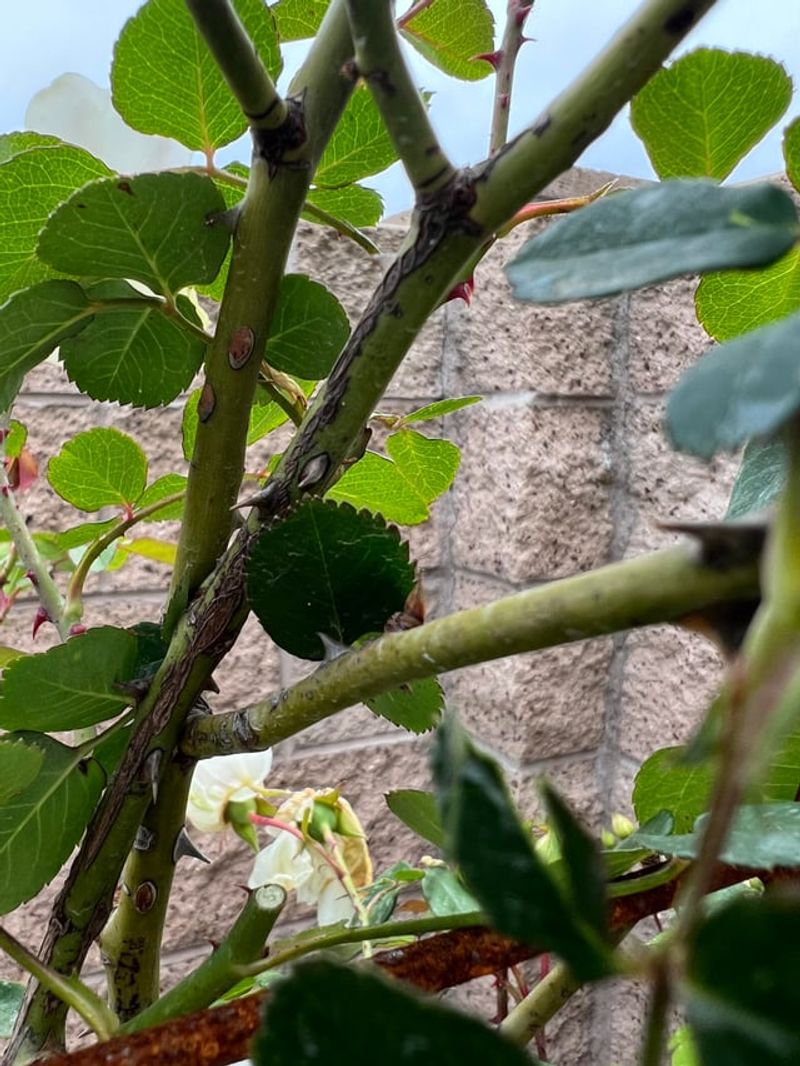
Every time you snip a rose cane, you create an open wound. In warm weather, that cut heals over fairly fast and seals itself against trouble.
Right before frost, though, the plant slows way down. “Cool temperatures slow the plant’s ability to seal and recover from wounds.
Oregon’s fall weather is famously wet and cool, which is exactly what fungi and bacteria love. Those open cuts become welcome mats for diseases like canker and black spot.
Once an infection sneaks in through a fresh wound, it can spread down the cane during winter. By spring, you may find whole branches withered or streaked with ugly brown lesions.
Your Oregon Garden Changes Every Week. Your Plan Should Too.
Gardening in Oregon changes quickly throughout the season. Every Friday you’ll receive a simple weekly plan showing exactly what to plant, prune, fertilize, harvest, and protect so you never miss the right timing.
Damp conditions make things worse because water sits on the cut surface, giving germs a moist place to settle. It is a recipe for a sick plant.
Gardeners who prune in late winter avoid much of this because cuts made just before the growing season heal quickly as sap starts to flow again.
If you have to remove a diseased or broken cane in autumn, clean your tools with rubbing alcohol first. This simple step stops you from carrying germs from one plant to another.
Waiting for the right season keeps those doorways closed and your roses much safer.
3. Your Rose Loses Its Winter Coat
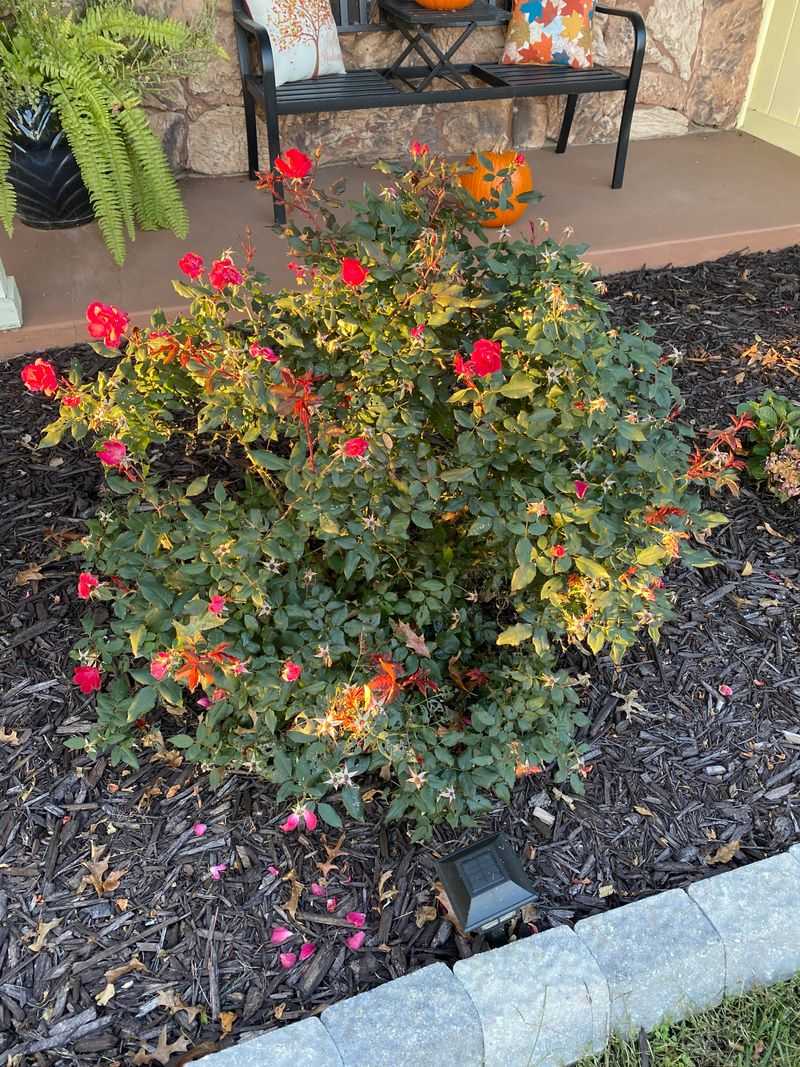
Long rose canes might look messy, but they actually serve a purpose in winter. Those tall stems act like a shield that protects the lower, more important parts of the plant.
When you chop them off right before frost, you strip away that natural protection. The bud union, which is the swollen spot where the rose was grafted, becomes exposed to biting cold.
In many Oregon spots, especially higher elevations and the eastern side of the state, winters can dip low enough to harm an unprotected bud union. That is the heart of your rose.
Leaving canes long helps trap snow and slow down harsh winds. It is a bit like keeping a coat on until the storm passes.
Seasoned growers often tie tall canes together loosely in fall to stop them from whipping around, rather than cutting them short. This keeps protection in place without stressing the plant.
Then they pile mulch, compost, or leaves around the base for extra warmth. The combination guards against freeze damage.
Cutting everything back early removes both the height and the signal to stay dormant. You end up with a bare, shivering plant facing the coldest months with no defenses.
Save the trimming for spring, and let those canes do their winter job first.
4. Fewer Blooms Come Next Summer
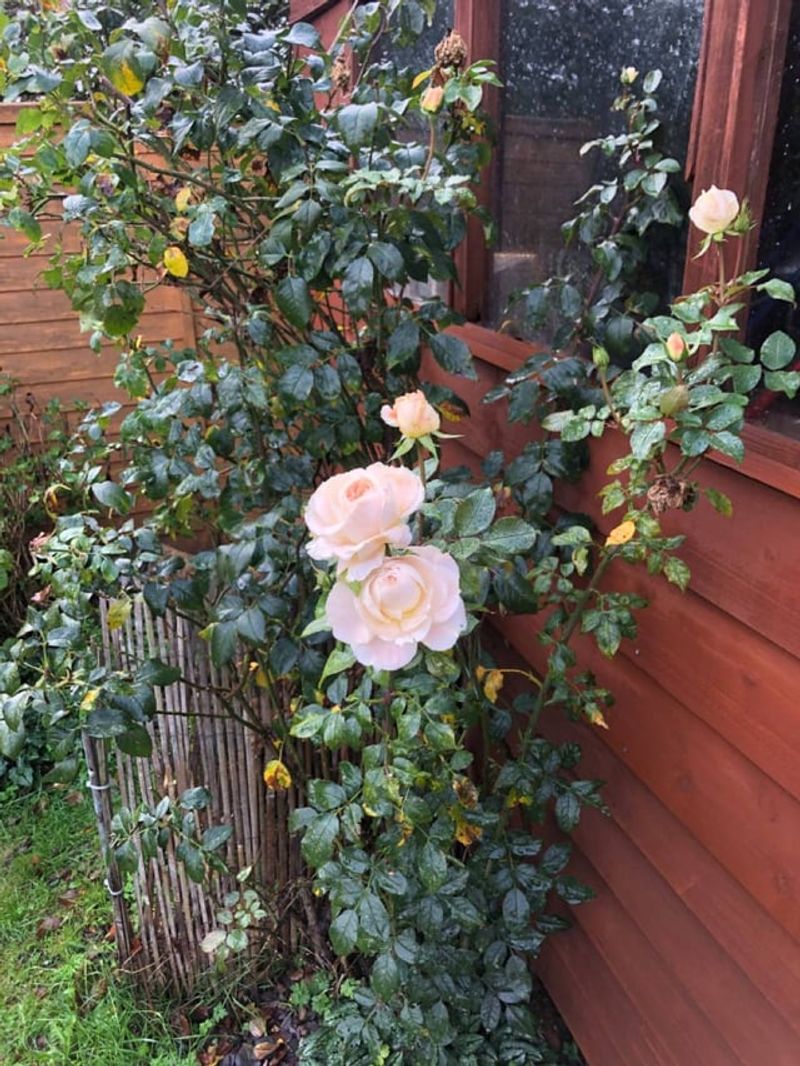
Nobody grows roses to end up with fewer flowers. Yet pruning at the wrong moment can lead to exactly that disappointing outcome.
When a rose burns energy growing tender shoots that frost then kills, it starts spring already tired. A worn-out plant simply cannot produce as many buds.
Roses need strong, healthy canes to support big flushes of blooms. If those canes were damaged over winter because of a badly timed cut, there is less structure to hold flowers.
Picture your rose as a factory. Late pruning drains its supplies before the busy season, so production slows down when you most want blossoms.
Some varieties bloom on old wood from the previous year. Cutting that wood off in fall means you snip away next summer’s flowers before they ever form.
Oregon’s long, mild growing season can give roses spectacular displays, but only if the plant enters spring with plenty of stored energy. Timing your care correctly protects that potential.
Gardeners who wait until late winter to prune tend to see fuller, more colorful bushes. Their roses hit spring rested and ready to perform.
So if a big, showy display matters to you, resist the urge to prune before frost. A little patience now pays off with armfuls of blooms later.
5. Late Pruning Can Disrupt Winter Preparation
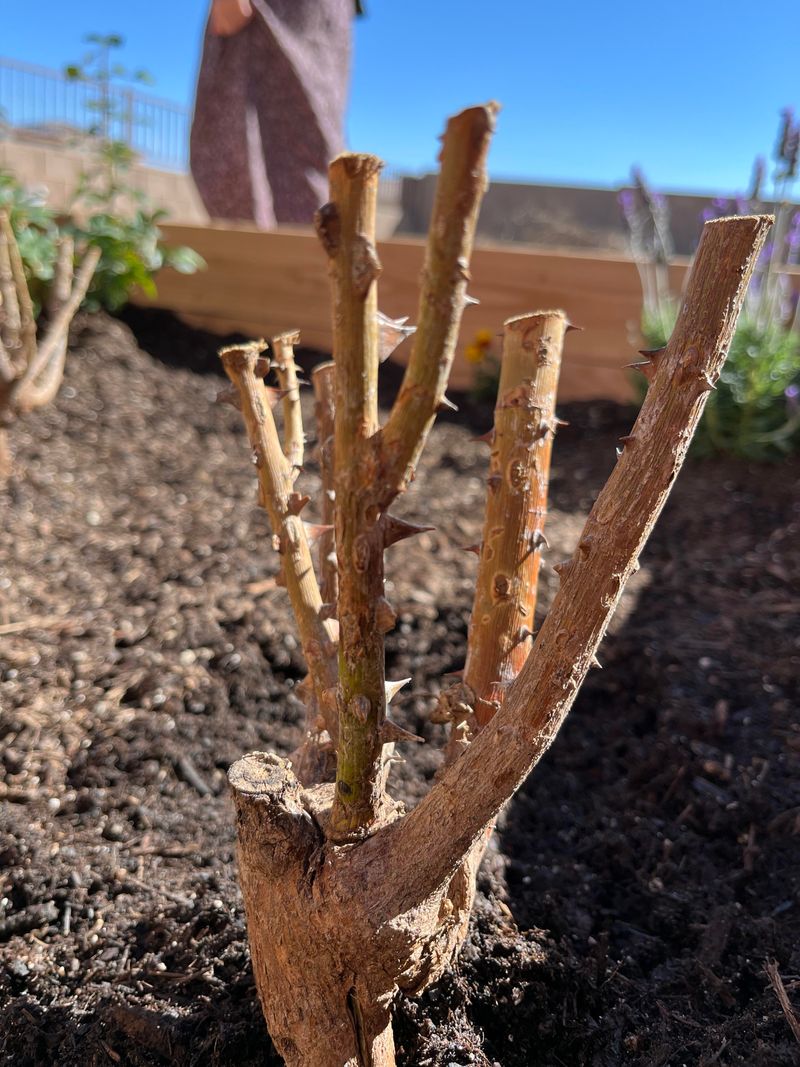
Roses have an internal clock that tells them when to rest. As days shorten and temperatures drop, the plant naturally starts shutting down for winter.
Heavy pruning right before frost throws a wrench into that timing. The cut tricks the rose into thinking it is time to grow again instead of sleep.
Down in the roots, this creates confusion. Energy that should be tucked away for spring gets pulled upward to fuel new shoots that will not survive.
A rose that cannot settle into proper dormancy stays vulnerable. Its systems are half awake when the cold hits, and that makes freeze injury far more likely.
In Oregon’s Willamette Valley, mild spells can already tempt roses to break dormancy. Adding a poorly timed prune only makes the plant more jumpy and unstable.
The healthiest roses are those that can slow their growth naturally and rest through the coldest months before spring growth begins. That deep rest is what lets them bounce back strong.
Letting your rose follow its natural rhythm in fall is the kindest thing you can do. Avoid big cuts that send mixed signals to the roots.
When spring finally comes and you prune properly, the plant wakes with full energy reserves. That is how you grow a rose that thrives year after year.
6. Fresh Cuts Heal More Slowly Before Winter
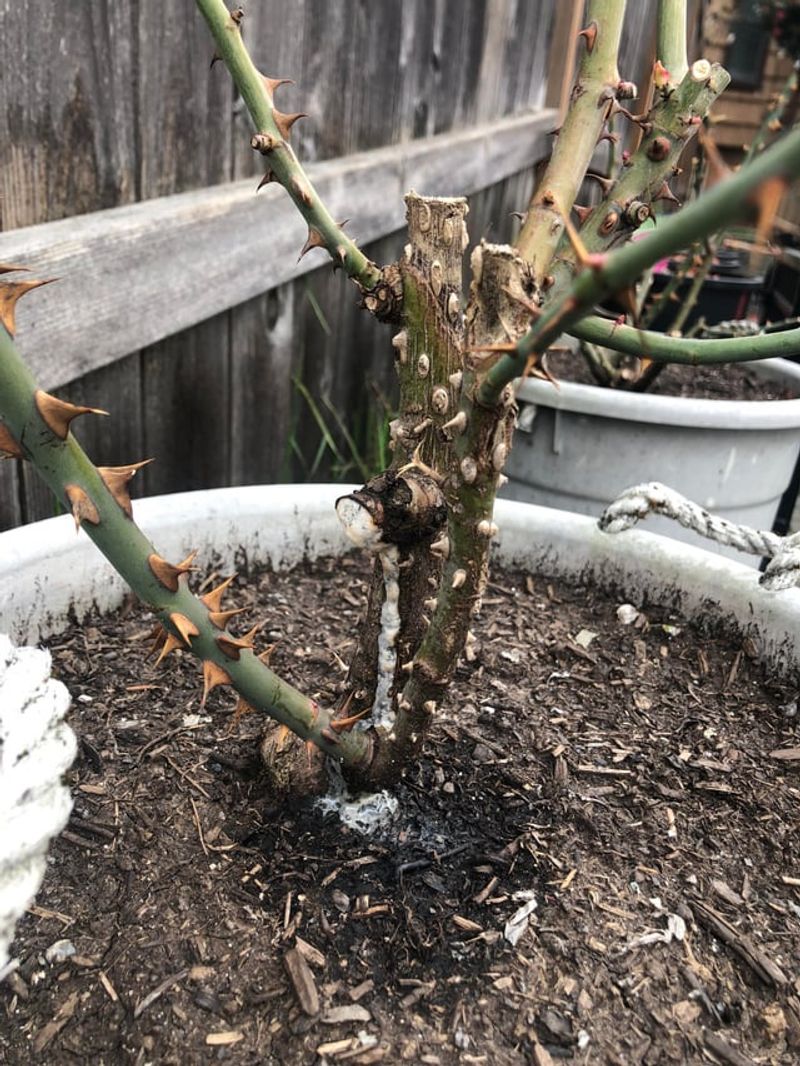
Cutting a rose stem creates an open wound that the plant needs time to seal and recover from. During the warmer growing season, roses can respond quickly because they are actively growing.
As Oregon’s fall weather turns cooler and wetter, growth slows down. Fresh pruning cuts may take longer to heal, leaving the plant more exposed to moisture and potential disease problems.
The biggest concern is not losing sap, but creating vulnerable spots on the plant right before winter. Fungi and other pathogens can take advantage of damaged tissue, especially during long periods of damp weather.
Cold temperatures can also make recovery slower because the rose is naturally shifting toward winter rest. This is why many gardeners prefer to save major pruning for late winter, when the plant is preparing to grow again.
If you must remove a broken, or diseased cane in autumn, use clean, sharp tools and make a careful cut. Removing damaged growth when necessary is better than leaving a problem on the plant.
By avoiding unnecessary cuts before frost, you give your roses the best chance to enter winter healthy and begin spring growth with fewer problems.
7. The Right Time To Prune Instead
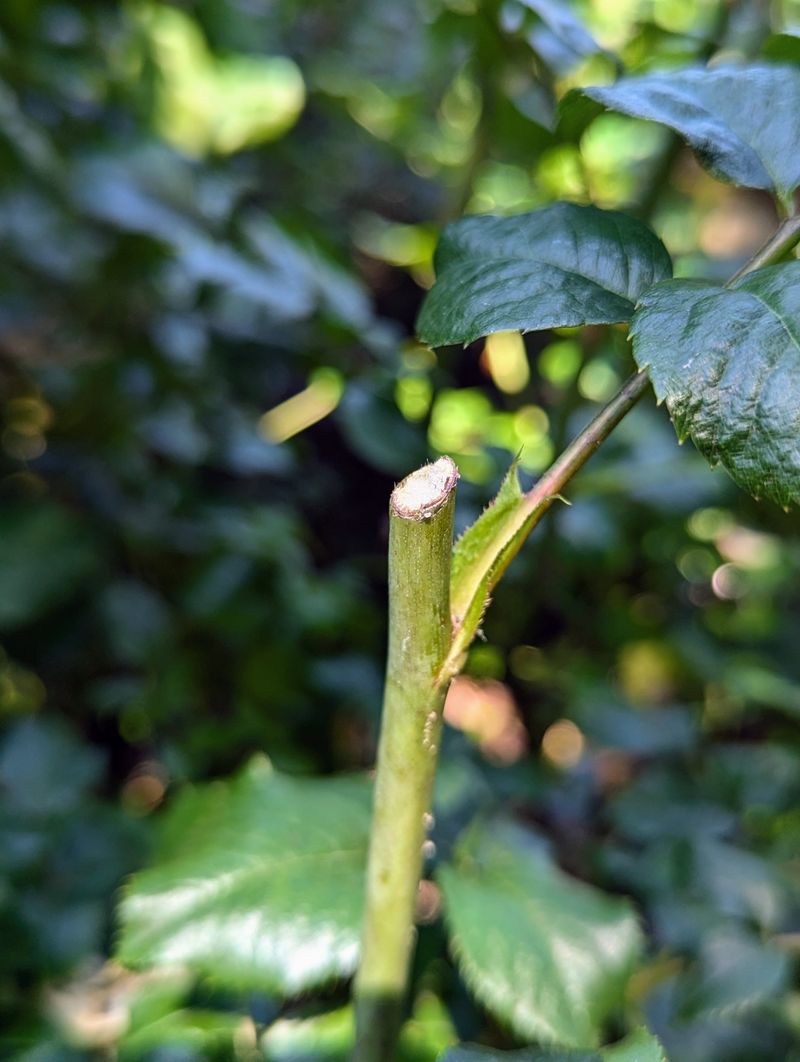
Now for the good news, because there is a smart way to handle all of this. The best window for major rose pruning in Oregon is late winter, usually February into early March.
At that point, the worst freezes have passed and buds are just beginning to swell. Cuts heal fast because the plant is about to burst into active growth.
Look for the moment when forsythia blooms in your area. Many local gardeners use that yellow flower as a natural signal that rose pruning season has arrived.
In fall, keep your work light and simple. Snip off only withered, broken, or clearly diseased canes, and remove fallen leaves to reduce disease.
You can also shorten extra long canes by just a third if you worry about wind whipping them around. That gentle trim protects without triggering new growth.
Always use sharp, clean tools and cut at a slight angle above an outward-facing bud. This encourages the plant to grow in an open, healthy shape.
Adding mulch around the base in autumn gives roots warmth through cold spells. Combine that with patience, and your roses stay strong.
By saving real pruning for the right season, you set your Oregon roses up for a spring full of vigorous growth and gorgeous flowers.