10 Essential Tips For Growing Carrots From Seed For Your Sweetest Oregon Harvest Yet
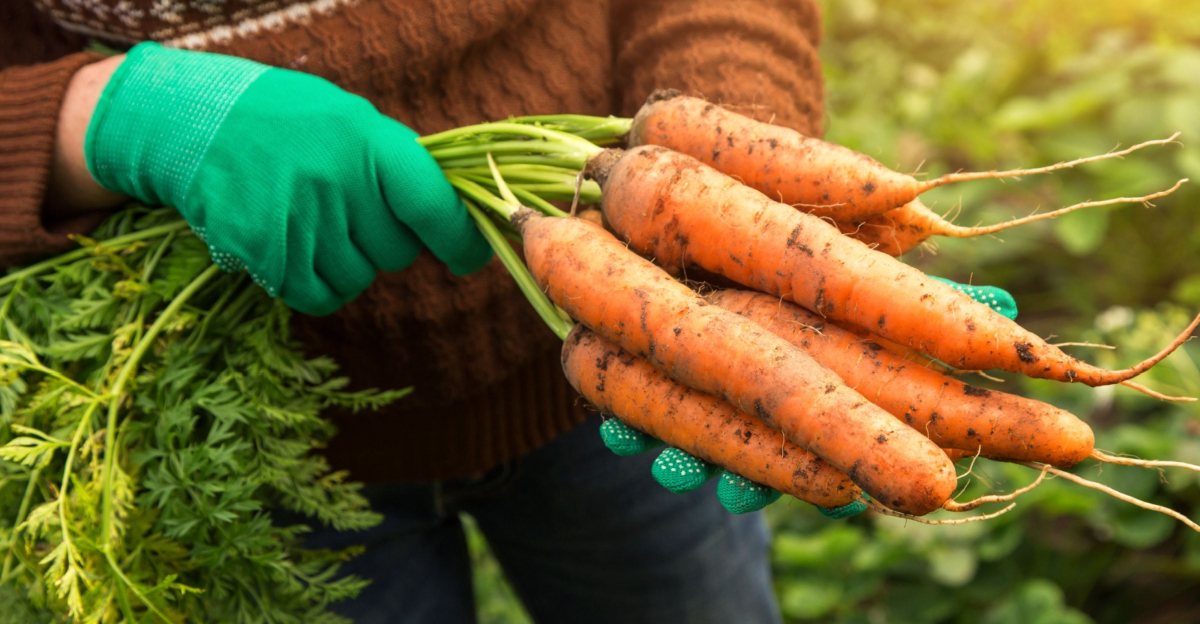
Carrots have a reputation for being finicky, and honestly that reputation is not entirely undeserved.
Those tiny seeds need loose soil, steady surface moisture, and decent timing to even get started, and then they need thinning, patience, and enough cool-season growing time to actually develop into something worth pulling.
But here is the thing: when Oregon carrots come together, they are genuinely exceptional.
Cool growing conditions bring out natural sweetness that store-bought carrots rarely match, and there is something deeply satisfying about pulling up a proper homegrown root from your own garden bed.
Oregon’s range of growing conditions across the state means timing and soil preparation matter more than most beginners expect, but none of it is particularly complicated once you understand what carrot seeds are actually asking for.
Get those basics right and the harvest takes care of itself.
1. Direct Sow Carrots Where They Will Grow
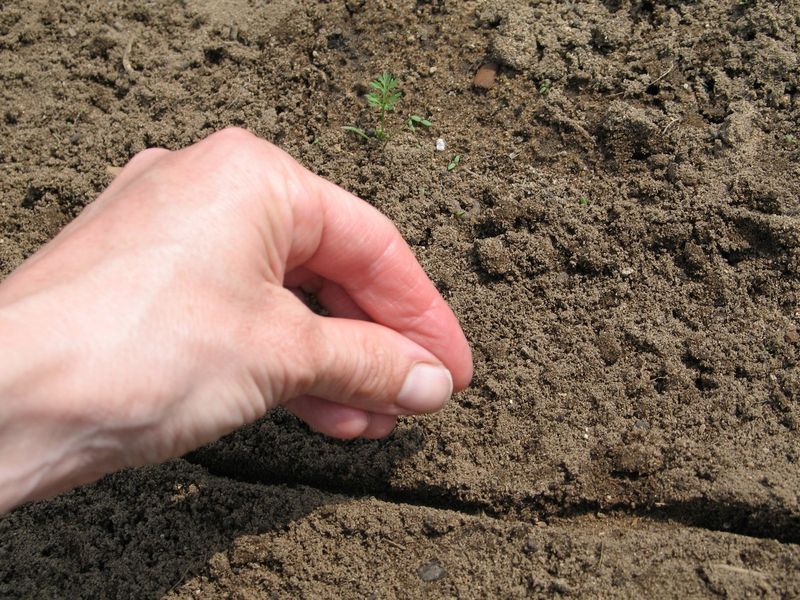
Unlike tomatoes or peppers, carrots do not appreciate being started in trays and moved around.
The root begins forming almost immediately after germination, and any disturbance to that early taproot can cause forking, stunted growth, or misshapen roots that look nothing like the carrots you imagined.
Direct sowing means placing seeds exactly where they will grow until harvest, which gives the root a clean, uninterrupted path downward.
For Oregon home gardeners, this means preparing your garden bed or raised bed before you ever open the seed packet.
Rocky, clumpy, or compacted ground is one of the most common reasons carrot roots come out short and twisted even when the green tops look healthy.
Getting the soil ready first makes direct sowing much more effective.
Choose a spot with full sun and good drainage. Raised beds work well in Oregon gardens where native soil tends to be heavy or clay-rich.
Once your bed is ready, sow seeds thinly in shallow furrows and cover lightly. Avoid moving seedlings later, and resist the urge to transplant thinned seedlings, since they rarely recover well and are better composted than replanted.
2. Choose The Right Oregon Planting Window
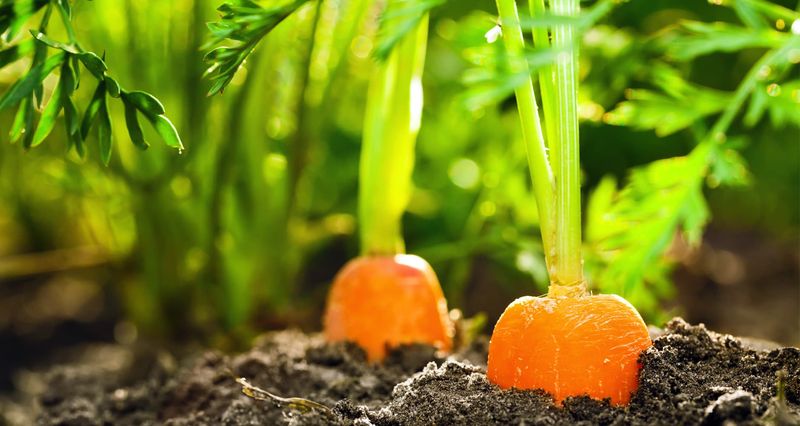
Planting times for carrots shift noticeably depending on where in Oregon you garden. Willamette Valley gardeners often have the flexibility of both a spring sowing in late winter or early spring and a summer sowing aimed at a fall harvest.
Coastal Oregon gardens tend to stay cooler longer, which can support a wider planting window. Central and Eastern gardeners face shorter seasons and should pay close attention to first-frost dates when planning late-season sowings.
Carrot seeds germinate best when soil temperatures are in a moderate range, not too cold and not too hot.
Extremely warm summer soil can slow or reduce germination, so summer sowings in hotter Oregon regions may need extra attention to surface moisture and shade cloth to help seeds get started.
A fall carrot crop is worth planning for. Carrots that mature as temperatures cool often develop better flavor than those harvested in the heat of summer.
Count backward from your expected first-frost date using the days-to-maturity listed on your seed packet to figure out the latest reasonable sowing date for your area.
Your Oregon Garden Changes Every Week. Your Plan Should Too.
Gardening in Oregon changes quickly throughout the season. Every Friday you’ll receive a simple weekly plan showing exactly what to plant, prune, fertilize, harvest, and protect so you never miss the right timing.
Matching your sowing to your regional window gives roots the best chance to develop fully before the season ends.
3. Prepare Loose Stone-Free Soil
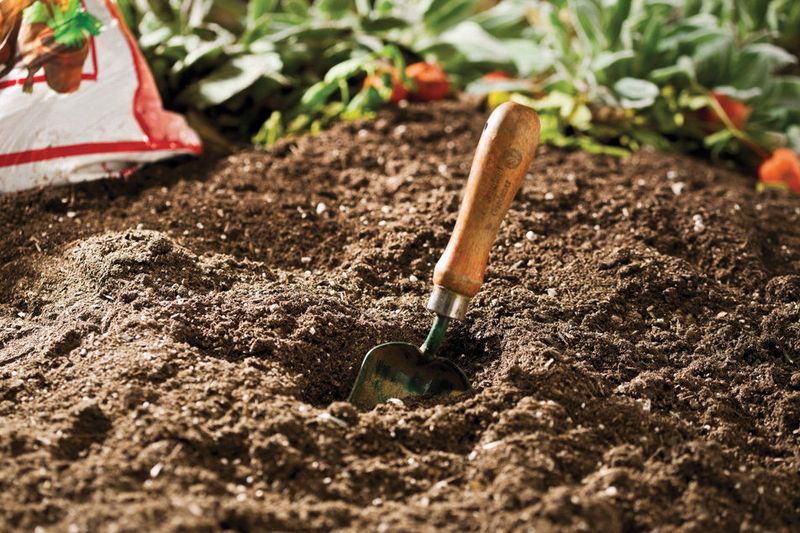
Rocks, hard clods, and compacted layers are a carrot’s worst enemy underground. When a developing root hits resistance, it splits, forks, or curls sideways rather than pushing straight down.
The result is a carrot that may taste fine but looks too irregular to use easily and can be frustrating after months of waiting.
Preparing soil well before planting is one of the most important steps Oregon gardeners can take for a productive carrot bed. Loosen the soil to a depth that matches the variety you plan to grow.
Longer varieties like Imperator types need deeper, fluffier ground than shorter Chantenay or Danvers types. If your Oregon garden has heavy clay or rocky native soil, raised beds filled with a loose, well-draining mix can make a significant difference in root quality.
Work in aged compost to improve soil texture and drainage without adding too much nitrogen, which can encourage leafy tops at the expense of root development. Remove stones and break apart any large clods by hand or with a rake.
A fine, crumbly seedbed is the goal. When you run your fingers through the prepared soil and feel no resistance, your bed is close to ready for carrot seeds.
4. Plant Tiny Seeds Shallowly
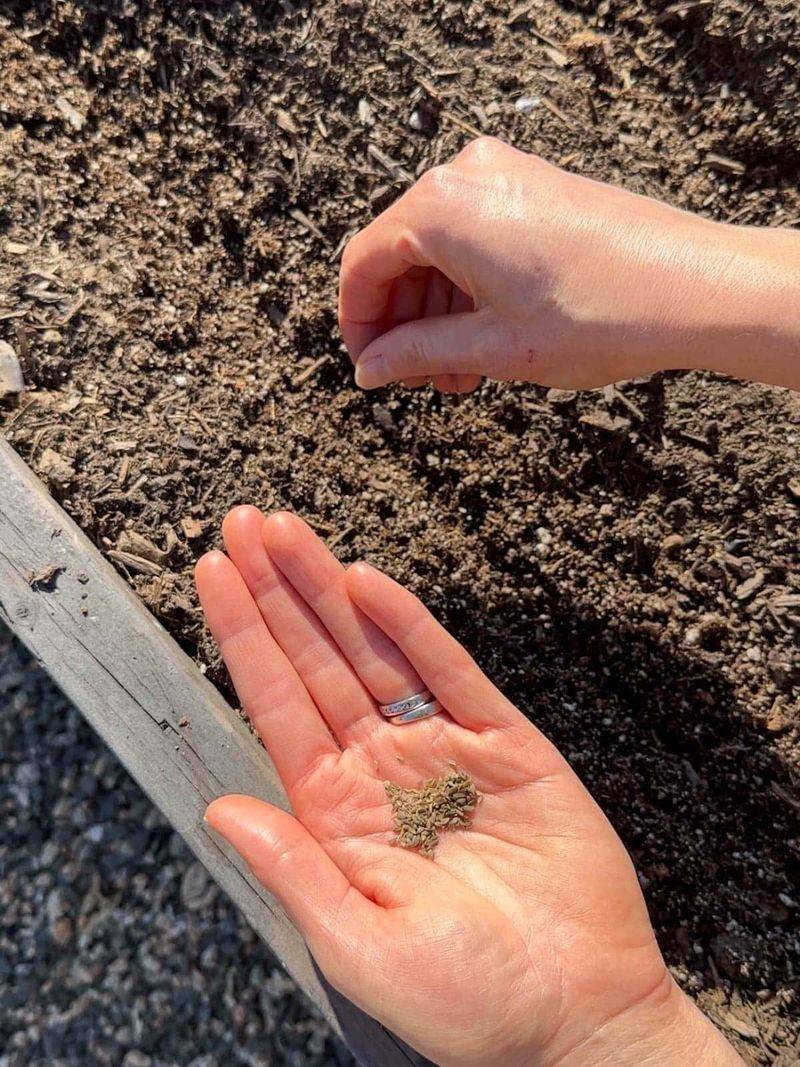
Carrot seeds are among the smallest vegetable seeds most home gardeners handle, and their size makes planting feel uncertain. A common mistake is burying them too deeply, which can prevent fragile seedlings from pushing through to the surface.
Following the depth guidance on your seed packet is a reliable starting point, and most recommendations keep carrot seeds quite close to the surface.
Shallow planting also means the seeds stay in the zone where surface moisture is most consistent during the germination period.
Since carrot seeds can take longer to sprout than faster-germinating crops like radishes or lettuce, keeping them at the right depth helps them stay hydrated without rotting in overly wet conditions.
Spacing matters too. Sowing seeds thinly along a furrow reduces the amount of thinning needed later, though some overlap is hard to avoid with seeds so small.
Some Oregon gardeners mix carrot seeds with dry sand or fine vermiculite before sowing to help spread them more evenly. Pelleted carrot seeds are another option that makes spacing easier, though they typically cost more than standard seed.
However you sow, firm the soil gently over the seeds to ensure good contact between seed and soil, which supports more reliable germination.
5. Keep Seedbeds Moist Until Sprouting
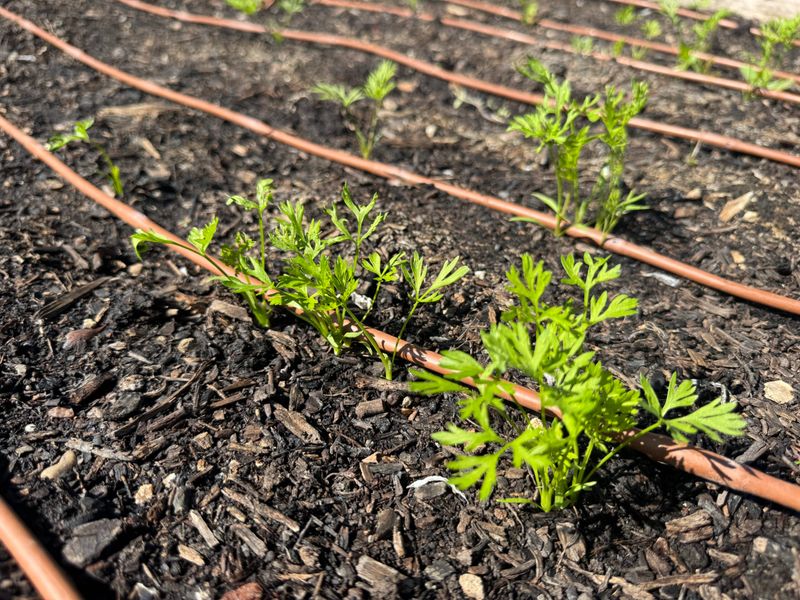
Slow germination is one of the most common complaints from first-time carrot growers.
Carrot seeds can take anywhere from one to three weeks to emerge depending on soil temperature, moisture, and variety, and that long wait tests the patience of even experienced gardeners.
The key to getting seeds to sprout is maintaining consistent surface moisture throughout the entire germination period.
In Oregon gardens during warmer months, the soil surface can dry out surprisingly fast, especially in raised beds or sandy-mix soils. A dry seedbed even for a day or two can interrupt germination and reduce the number of seedlings that emerge.
Light, frequent watering keeps the top layer of soil damp without washing seeds out of their shallow furrows.
A gentle spray setting on your hose nozzle or a watering can with a fine rose head works better than a strong stream that can shift seeds or compact the soil surface. Watering in the morning gives moisture time to soak in before the heat of the day.
If you are sowing during a dry Oregon summer, you may need to water the seedbed more than once a day until the first seedlings appear. Consistency during this early stage pays off with a more even stand of young plants.
6. Prevent Crusting Before Seedlings Emerge
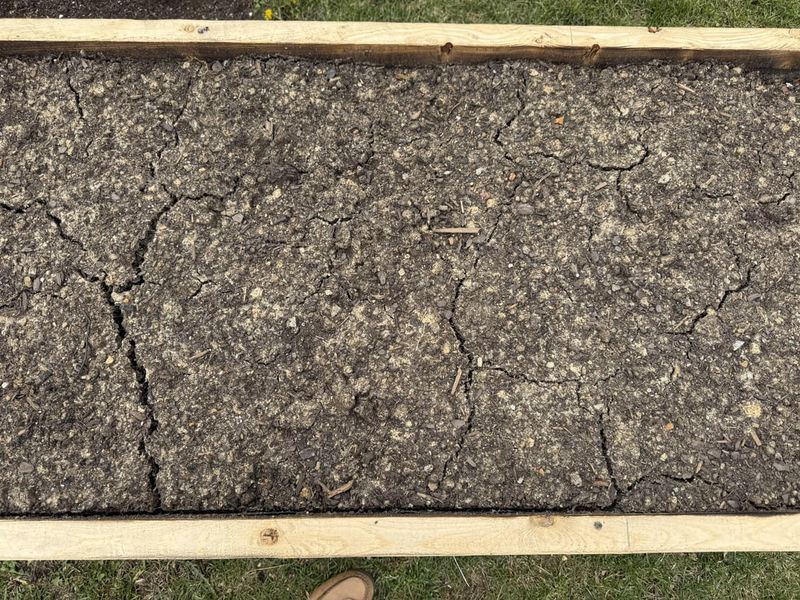
A hard crust forming on the soil surface before carrot seedlings emerge is more of a problem than many gardeners expect. Carrot seedlings are small and fragile, and if the soil surface dries and hardens into a crust, the seedlings can struggle to push through.
Some may bend sideways or fail to emerge entirely, leaving gaps in what should be a full row.
Clay-heavy soils common in parts of Oregon are especially prone to crusting after watering or rain. When the fine particles pack together and dry out, they can form a nearly solid layer.
Mixing a small amount of fine compost into the top inch of your seedbed before sowing can help keep the surface from setting too hard.
A very thin layer of compost or fine mulch placed over the seeded row after planting can also reduce crusting while still allowing seedlings to push through.
Some gardeners use a light row cover or floating fabric to shade the seedbed and reduce surface drying between waterings. This can be especially helpful during warm, dry Oregon summers when evaporation is high.
Whatever method you choose, the goal is keeping the surface loose and slightly moist so that when seedlings are ready to emerge, they meet soil that gives way rather than resists them.
7. Thin Seedlings Before Roots Crowd
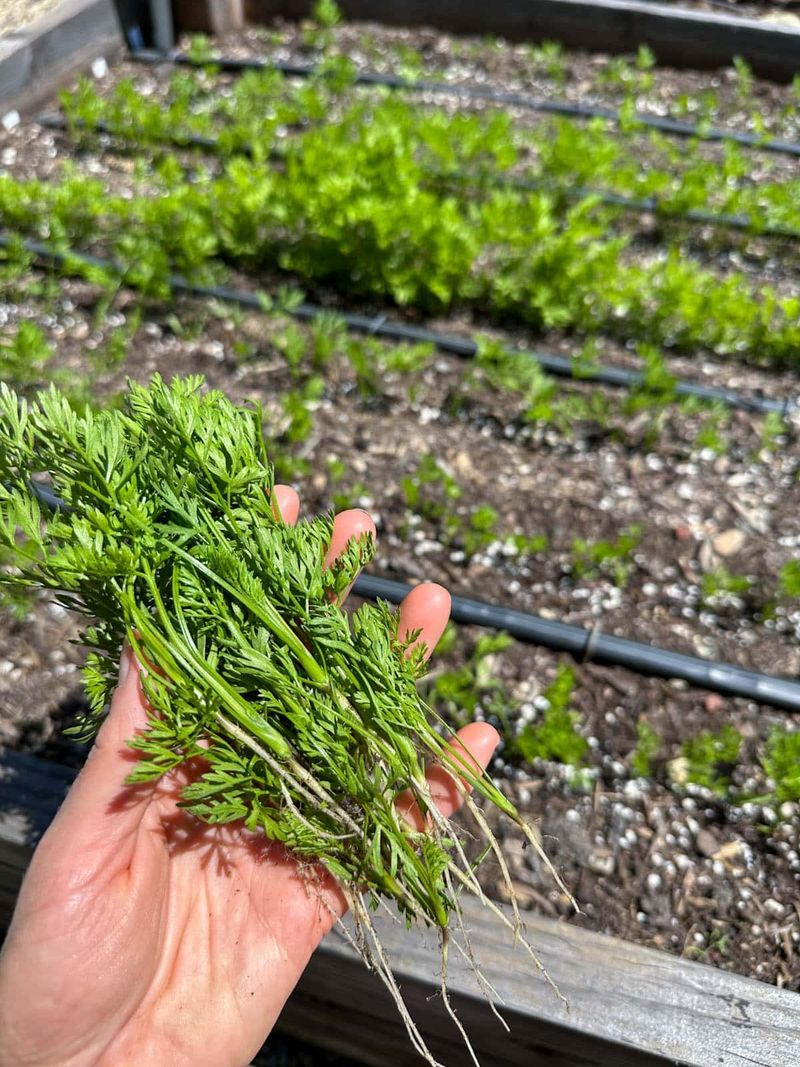
Pulling out perfectly healthy little seedlings feels counterintuitive, but thinning is one of the steps Oregon carrot growers most often skip or delay, and it shows at harvest.
When carrot seedlings grow too close together, their roots compete for the same small pocket of soil.
The result is a cluster of undersized, tangled roots instead of the full-sized carrots you were hoping to grow.
Thinning works best when seedlings are small, around one to two inches tall. At that stage, the soil is usually still loose and moist from germination watering, making it easier to pull extras without disturbing neighboring plants too much.
Snipping seedlings at soil level with small scissors is gentler than pulling, since pulling can loosen the roots of nearby plants you want to keep.
Spacing recommendations vary by variety, so check your seed packet for guidance. Generally, carrot seedlings benefit from a few inches of space between each plant in the row.
If thinning feels wasteful, keep in mind that young carrot thinnings are edible and can be added to salads.
Thinning in stages is also an option, removing the smallest or weakest plants first and returning to thin again once roots have grown a bit more and spacing needs become clearer.
8. Water Steadily As Roots Develop
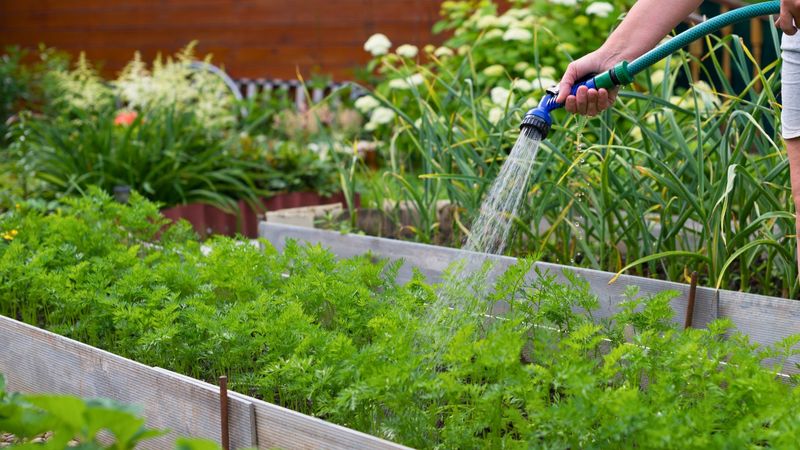
Once carrot seedlings are established and roots are actively growing, consistent watering becomes one of the most important factors in producing good-quality roots.
Irregular watering, where the soil swings between very dry and very wet, can stress developing roots and affect their texture.
Carrots that experience uneven moisture during root development may crack, split, or develop a woody texture.
Deep, infrequent watering encourages roots to grow downward toward moisture rather than staying near the surface. Shallow, frequent watering can result in shorter roots that do not develop to their full potential.
Soaker hoses and drip irrigation work well for carrot beds because they deliver moisture directly to the root zone without wetting the foliage, which can reduce the risk of fungal issues.
Oregon gardeners in drier regions or those growing summer crops may need to water more frequently than those gardening in cooler, wetter coastal or valley areas. Pay attention to how quickly your soil dries between waterings and adjust accordingly.
Mulching around established carrot plants can help retain soil moisture and moderate soil temperature.
Avoid letting the bed dry out completely during the root-filling stage, as consistent moisture supports better root development and helps reduce stress-related quality issues at harvest.
9. Match Carrot Varieties To Your Soil
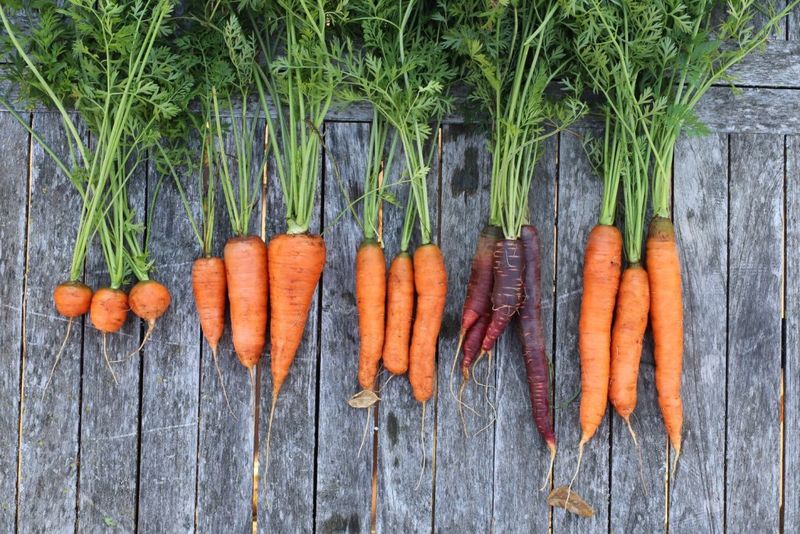
Not every carrot variety performs the same way in every Oregon garden, and choosing the wrong type for your soil can lead to disappointing results even when everything else goes right.
Long, slender Imperator-type carrots need deep, loose, rock-free soil to develop properly.
If your garden has shallow topsoil, heavy clay, or a raised bed that is not deeply filled, a shorter variety will likely perform better.
Chantenay and Danvers types are known for being more forgiving in heavier or less-than-ideal soil conditions. Their roots are shorter and broader, which means they do not need to push as deep to reach full size.
Round or ball-shaped varieties can even work in containers deep enough to support a few inches of root growth, making them a practical choice for small-space Oregon food gardens.
Reading seed catalog descriptions carefully before buying helps you match variety traits to your actual garden conditions.
Pay attention to days-to-maturity as well, especially if you are planning a fall crop in Central or Eastern Oregon where the growing season is shorter.
A variety that takes longer to mature than your season allows will not reach its potential regardless of how well you tend the bed. Variety selection and soil preparation work together more than most beginners realize.
10. Harvest In Cool Weather For Better Flavor

Pulling carrots out of cool fall soil in an Oregon garden is one of the more satisfying moments in the vegetable-growing calendar.
Carrots are a cool-season crop, and roots that mature as temperatures drop in late summer or fall often develop a richer, more pleasant flavor than those harvested during the heat of summer.
The science behind this involves how the plant responds to cooler conditions, converting starches into sugars as temperatures fall.
Planning your sowing date with the harvest season in mind helps you take advantage of Oregon’s natural fall cooling.
Count forward from your sowing date using the variety’s days-to-maturity, and aim for roots to be nearing full size as September and October temperatures arrive in your area.
Coastal Oregon gardens tend to stay mild well into fall, extending the harvest window. Inland and higher-elevation gardens may need earlier sowing to finish before hard frosts arrive.
Carrots can often stay in the ground for a period after reaching maturity, especially in cool fall soil, which gives you flexibility in harvest timing. Taste a root before pulling the whole bed to judge readiness.
Flavor, texture, and size together tell you more than calendar dates alone. Good variety selection, steady moisture, and loose soil all contribute to a satisfying harvest alongside cool-weather timing.