The One Task Ohio Lawns Need In September Or Fall Weeds Take Over By October
You probably noticed it already. The lawn that looked full and green in spring has a few tired patches now, places where the grass feels thinner, softer, or just not as strong as it used to be.
After an Ohio summer, that is almost expected. The problem is what happens next.
Those bare spaces do not stay empty for long once fall weeds realize there is room to move in. Many homeowners wait until the damage is obvious, then try to fix a lawn that has already lost its advantage.
September is when you can still change that outcome. The temperatures, soil conditions, and timing all line up for one of the most important lawn recovery moves of the year.
It is not about adding more fertilizer or watering harder. It starts with giving your existing grass a better chance to fill the spaces summer left behind.
That means aerating the soil and overseeding before October arrives.
1. Aeration Breaks Up Ohio’s Stubborn Clay Soil
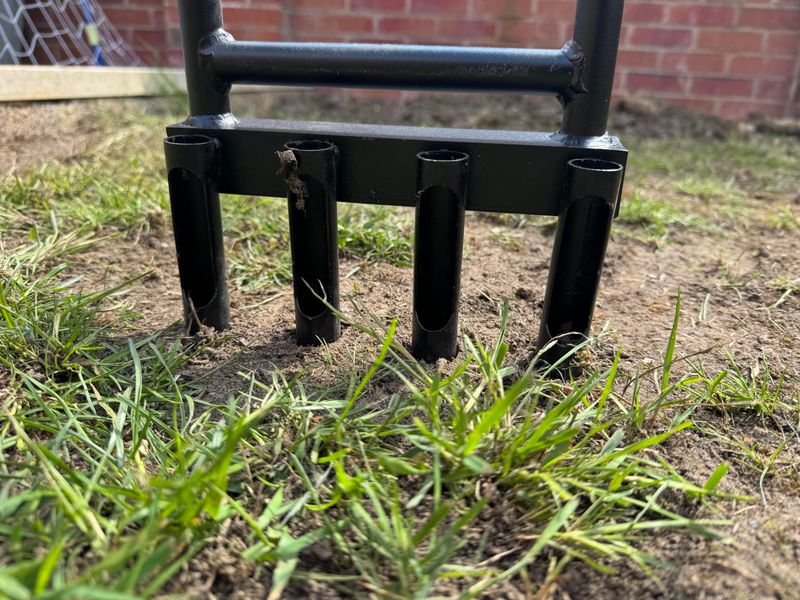
Many Ohio lawns have clay-heavy soils that can become compacted over time, especially in high-traffic areas. Every footstep, mower pass, and rainy day squeezes the soil tighter until roots can barely push through.
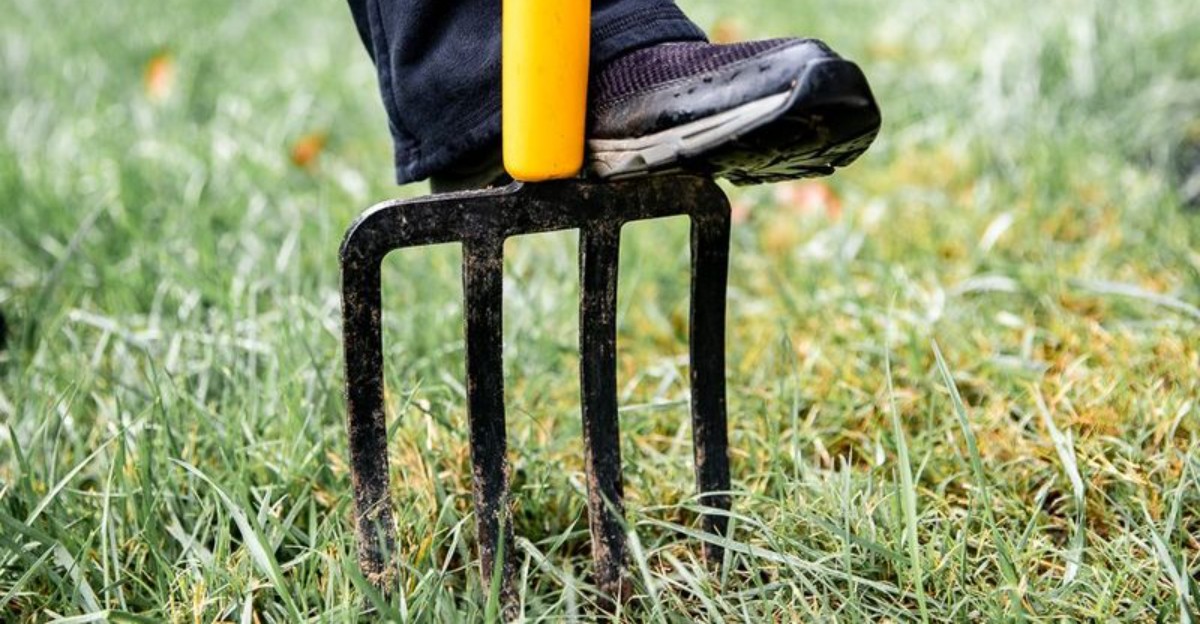
Aeration fixes this by punching thousands of small holes across your lawn. Those holes loosen the dirt and give grass roots room to stretch and dig deeper.
When roots reach further down, they find more water and food to keep the blades green.
A machine called a core aerator pulls out little plugs of soil, and that is the real magic. Leaving those plugs on the surface allows them to break down and return soil and organic material back into the lawn.
You do not need to rake them up.
Compacted clay is one of the biggest reasons grass struggles here, so tackling it in September makes a huge difference. Cooler air and softer, damp ground make the job easier on both you and the machine.
Once the soil opens up, everything else you do works better. Fertilizer soaks in, seeds settle into the holes, and rain stops pooling on the surface.
Loosening that tight clay is honestly the first step toward a lawn your neighbors will notice.
2. Lets Air And Nutrients Reach The Roots
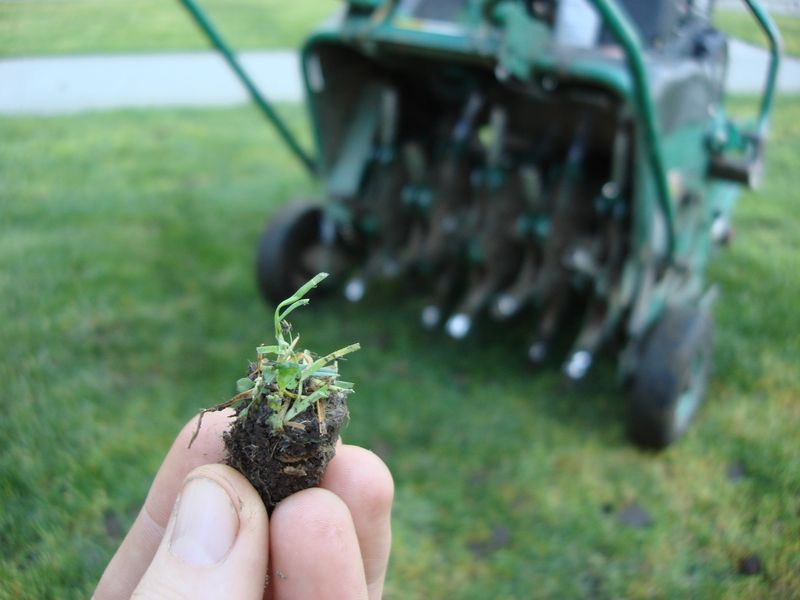
Grass is a living thing, and just like us it needs to breathe. When soil gets packed down, air cannot move freely, and the roots basically get stuck holding their breath.
Opening up the ground with aeration changes that fast. Fresh air flows into the soil, and helpful tiny organisms that live down there wake up and do their job.
Those little creatures break down old material and turn it into food for your grass.
Here is where things get even better. Aeration improves access to the root zone, helping water, nutrients, and seeds reach areas where they can be used more effectively.
That means your money and effort actually reach the part of the plant that matters most.
Fall is a smart time for this because grass is busy storing energy for winter. Feeding the roots now helps them grow strong before the cold sets in.
Your Ohio Garden Changes Every Week. Your Plan Should Too.
Gardening in Ohio changes quickly throughout the season. Every Friday you’ll receive a simple weekly plan showing exactly what to plant, prune, fertilize, harvest, and protect so you never miss the right timing.
Think of the holes as tiny delivery tunnels carrying air, water, and nutrients straight to where roots drink. Without them, half of what you apply never gets used.
Give your lawn this simple gift in September, and you will see thicker, healthier blades that hold their color longer. A breathing lawn is a happy, hungry lawn ready to grow.
3. Helps Rain Soak In Instead Of Running Off
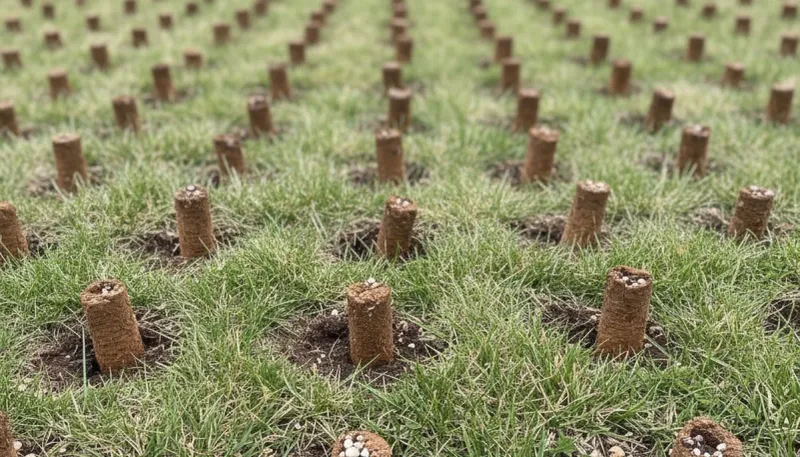
Ever notice how water pools on parts of your yard after a good Ohio downpour? That standing water is a warning sign that your soil is too tight to drink properly.
When ground stays compacted, rain has nowhere to go, so it slides off the surface or sits in puddles. Meanwhile the roots underneath stay thirsty even though water is right there.
Aeration solves this frustrating problem by creating open channels. Rain and sprinkler water flow down into the holes and spread through the soil where roots can actually use it.
Less runoff also means less soil washing away from your yard.
Better drainage matters a lot during our wet fall season. Constant puddles can drown grass and invite mushrooms and mold to move in.
You will spend less time and money watering too, since more of every drop stays put instead of draining into the street. That is a win for your wallet and the environment.
Doing this before October rains arrive sets your lawn up to handle whatever the sky dumps on it. A yard that soaks up water evenly stays greener and firmer underfoot.
Aerating for better water movement is one of those quiet fixes that pays off all season long.
4. Cuts Down Thick Thatch Buildup
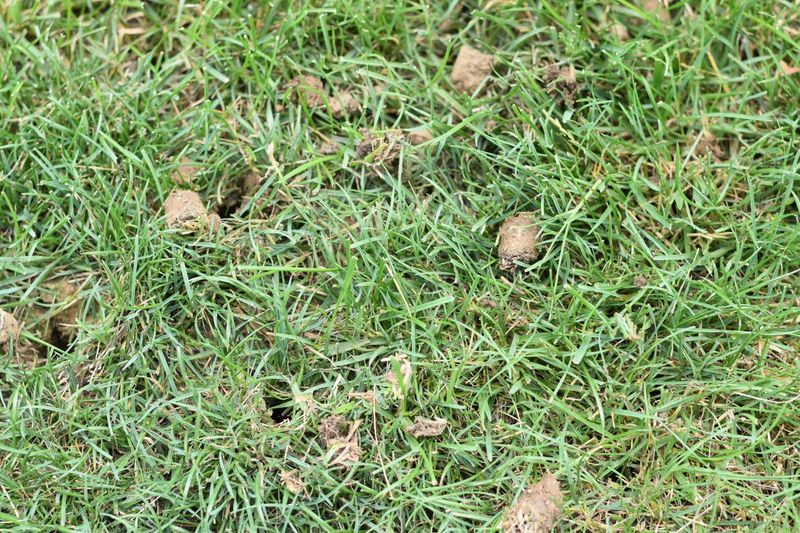
Between your green blades and the soil hides a spongy brown layer called thatch. A little bit is fine, but too much acts like a locked door that keeps water and food out.
Thatch is made of withered roots, stems, and old clippings that pile up faster than they break down. When that layer gets thick, your lawn starts feeling bouncy and dry no matter how much you water.
Aeration improves soil conditions and encourages microbial activity, which can help maintain a healthier lawn ecosystem. Those microbes speed up the rotting process and slowly shrink the layer down to a healthy size.
Getting rid of extra thatch also removes a favorite hiding spot for lawn diseases. Excess moisture, poor airflow, and heavy thatch can create conditions where some lawn diseases are more likely to develop.
Fall is a great time to attack thatch because grass recovers quickly in the cool weather. The plugs left behind do the slow work for you over the following weeks.
A thinner thatch layer means seeds, air, and nutrients finally reach the soil the way they should. Your lawn feels firmer and looks fresher almost right away.
Tackle that hidden buildup now, and you clear the path for stronger, healthier growth all through fall.
5. Builds Deeper, Stronger Grass Roots
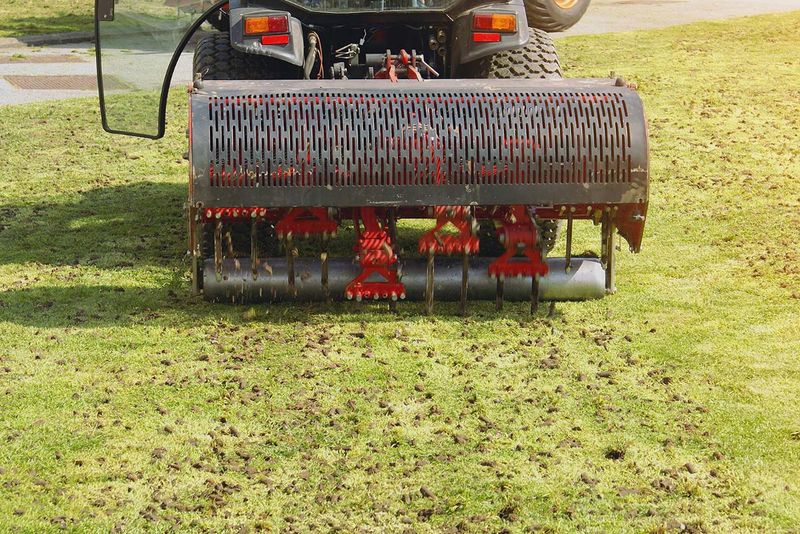
Strong grass starts underground, where the roots do all the hard work most people never see. The deeper those roots go, the tougher your lawn becomes against dry spells and harsh winters.
Loose, aerated soil invites roots to travel down instead of sideways. When they reach deeper into the earth, they tap into water and minerals that shallow roots simply cannot find.
This deeper reach makes a real difference during Ohio’s rough weather swings. A lawn with a strong root system shrugs off drought, bounces back from foot traffic, and survives freezing months better.
September is the perfect month to encourage this growth because cool temperatures push grass to focus energy below the surface. The plant is preparing for winter, so every bit of root development counts.
Aerating also lets fertilizer feed those roots directly, giving them the fuel to grow thick and healthy. Combined with the extra air and water, roots have everything they need to thrive.
Come spring, all that hidden work shows up as a lush, green carpet that greens up early and stays that way. Neighbors will wonder what your secret is.
Investing in root strength now means less struggle and fewer bare patches next year. Healthy roots truly are the backbone of a beautiful yard.
6. Creates Perfect Seed-To-Soil Contact
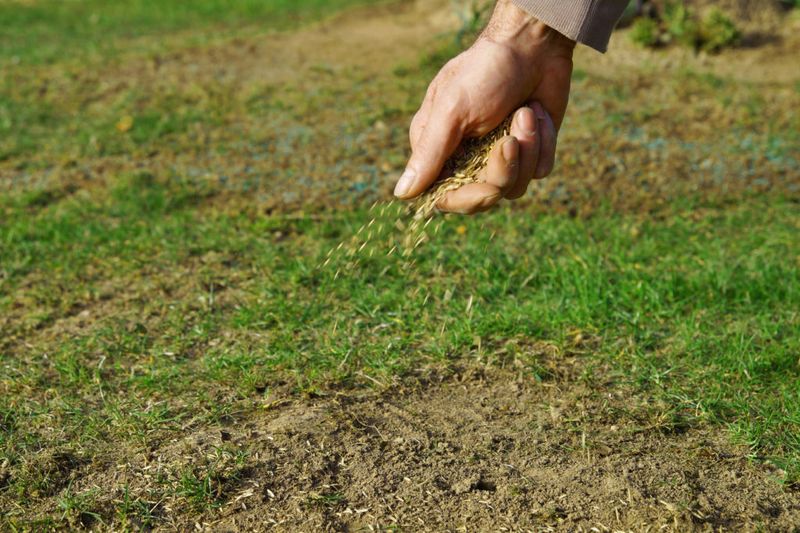
Tossing seed onto hard ground is a bit like tossing marbles onto concrete, most of it just bounces around and never takes hold. For seeds to sprout, they need to snuggle right against the soil.
Aeration and overseeding make a perfect team for exactly this reason. Those little holes from aeration become cozy pockets where fresh seeds settle in and get protected from wind and hungry birds.
Inside each hole, seeds find moisture, shade, and direct contact with soil. That combination is exactly what they need to wake up and start growing roots.
Overseeding after aeration gives seeds better access to soil and improves the chances of successful establishment. The timing lets seeds tuck into the openings before they close back up.
Ohio’s fall weather adds to the success with steady rain and mild temperatures that keep the ground moist. Seeds barely have to work to find water.
Skipping the aeration step first usually leads to spotty, disappointing results where seed washes away or dries out. The holes really do make all the difference.
By pairing these two tasks in September, you give every seed its best shot at becoming a thick blade of grass. It is the smartest way to fill in a thin, tired lawn.
7. Fills Bare Spots With Fresh, Thick Grass
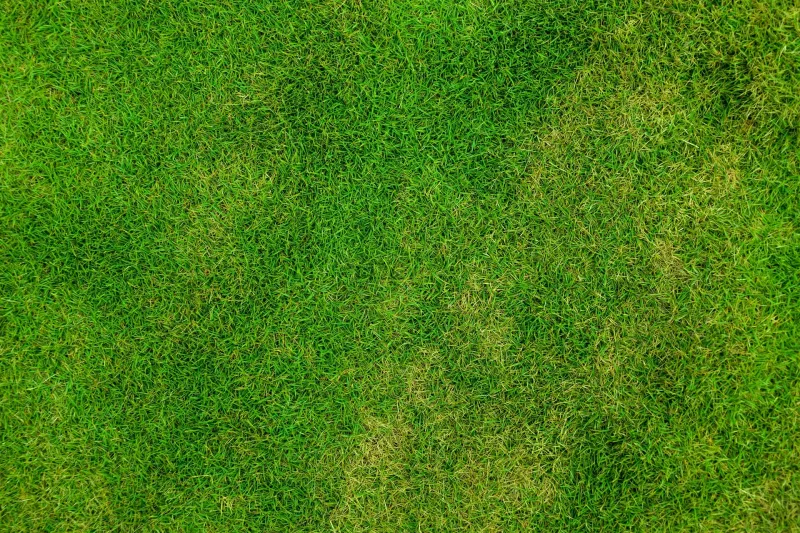
Nothing makes a yard look sad quite like brown, bare patches scattered across the grass. Summer heat, pets, and foot traffic all leave behind these thin spots by the time fall arrives.
Overseeding is the fix that brings those tired areas back to life. Spreading new seed across the whole lawn fills in gaps and blends everything into one even, green surface.
The new grass grows in fresh and young, giving your lawn a thicker, fuller look almost like a brand new carpet. Even areas that always seemed patchy can turn lush again.
Choosing quality cool-season seed like Kentucky bluegrass, tall fescue, or perennial ryegrass works great in Ohio. These types love our climate and stay green well into the cooler months.
Doing this in fall gives seedlings time to settle before winter and explode with growth in spring. You are basically planting for two seasons at once.
A thicker lawn also feels better under bare feet and handles play and pets without thinning out so fast. It is both prettier and tougher.
Filling those empty patches now means you head into next year with a full, uniform yard instead of a spotty mess. Fresh seed truly is the easiest lawn makeover around.
8. Crowds Out Weeds Before They Take Hold
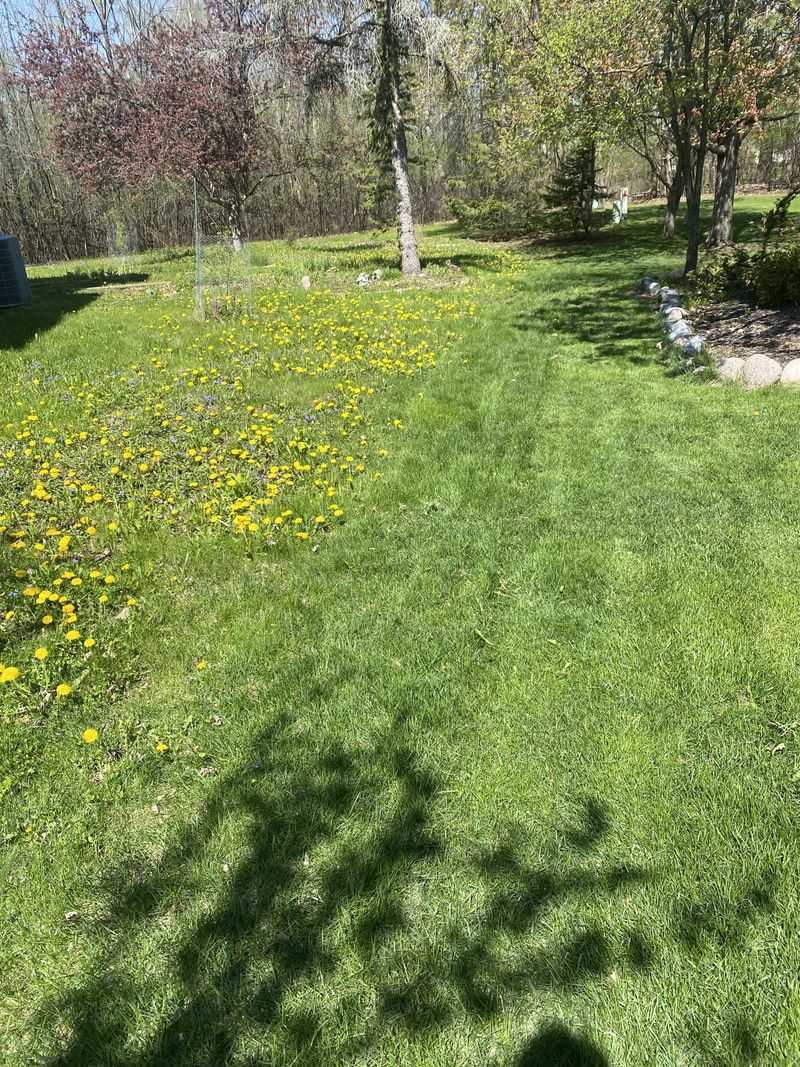
Weeds are sneaky opportunists that grab any open space they can find. Every bare patch in your lawn is basically an open invitation for crabgrass, dandelions, and clover to move in.
Here is the clever part about overseeding. When new grass fills in thick and dense, it shades the soil and blocks the sunlight that weed seeds need to sprout.
No sunlight reaching the dirt means weed seeds stay stuck and never grow. Your grass literally out-competes them for space, light, and food.
September timing is a huge advantage too. Many summer weeds like crabgrass are already deceasing, so your new seedlings face way less competition getting started.
By the time October rolls around, a thick lawn leaves no room for winter weeds to take over. You block the problem before it ever begins instead of fighting it later.
A dense, healthy yard is honestly the best natural weed control there is. It works quietly all on its own without extra sprays.
Skipping fall overseeding often means spending next spring pulling weeds and applying chemicals. That is more work, more money, and more frustration.
Filling your lawn with grass now is like locking the door before uninvited guests show up. Thick turf keeps those pesky weeds out for good.
9. Sets Your Lawn Up For A Strong Spring
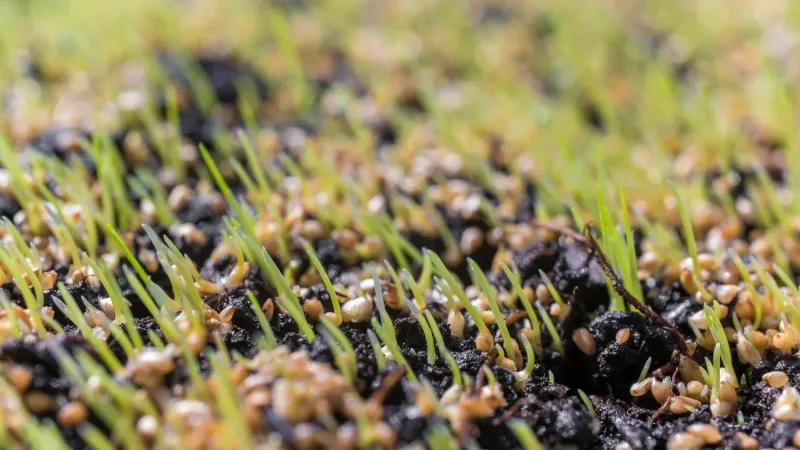
The work you put in this September pays off long after the leaves fall. Fall aeration and overseeding give your grass the head start it needs to shine next year.
New grass planted now has time to build a solid root system before winter dormancy. When those roots are strong, the whole plant survives the cold much better.
Come spring, your lawn wakes up early and greens up faster than yards that were ignored in fall. While neighbors wait for their grass to fill in, yours is already thick and vibrant.
All that fall preparation means less struggle later. A healthy, established lawn fights off disease, handles drought, and resists weeds with far less effort from you.
Fall’s cool air and reliable rain do a lot of the heavy lifting, so grass establishes with hardly any babysitting. It is the easiest planting window of the whole year.
Think of these fall tasks as an investment that keeps paying dividends. One good weekend of effort saves you weeks of patching and weeding down the road.
Setting your yard up now means walking into spring with a lush, full lawn already in place. That head start makes every following season easier and greener.
September really is the moment to act.