The Herbs Oregon Pollinators Cling To Once The Nights Turn Cold
Your Oregon herb garden can still be busy even when cooler nights start making summer feel like a memory.
Some plants keep producing flowers when other parts of the yard begin slowing down, creating valuable stops for bees and other pollinators that are still searching for food.
It is easy to overlook these late-season blooms because the garden may not look as lively as it did earlier in the year. But a few flowering herbs can continue offering color, scent, and nectar when options become more limited.
You might notice more buzzing around certain plants than others, especially on sunny afternoons when pollinators take advantage of every available resource.
Those small visitors are not just passing through randomly. They are responding to what your garden still provides.
The right herbs can do more than add flavor to your kitchen. They can help extend the life of your pollinator-friendly space while giving your garden interest as the seasons change.
If you want your yard to stay active a little longer, look closely at the herbs that keep drawing attention when the weather starts cooling down.
1. Oregano’s Late Bloom Party
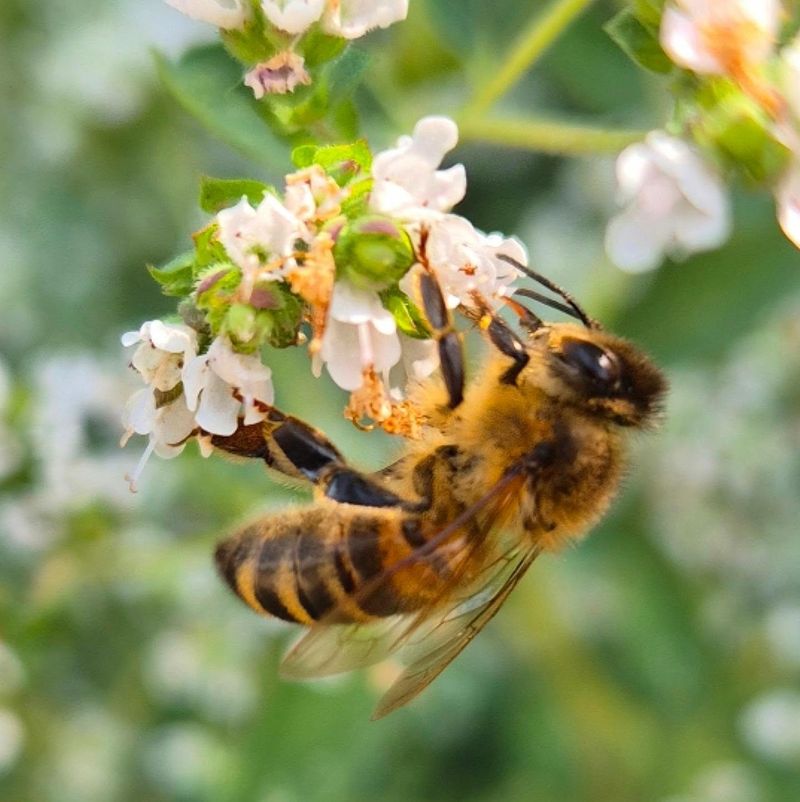
Most cooks think of oregano as a pizza topping, but let it flower and you’ll witness a small miracle. When the days shorten in Oregon, oregano keeps pushing out clusters of tiny purple and white blooms that bees simply cannot resist.
The secret is timing. While summer flowers wither, oregano stays productive well into October, giving honeybees and native bumblebees one last big meal before winter.
Each little flower holds a surprising amount of nectar for its size.
Growing it is almost too easy. Oregano thrives in dry, sunny spots and doesn’t mind our rocky or sandy soil.
Once established, it barely needs watering, which makes it a favorite for gardeners who forget to reach for the hose.
Here’s a tip worth remembering: skip harvesting some of your plants and let them flower fully in late summer. Those blooms are what feed the pollinators when the nights turn cold.
Fun fact, oregano belongs to the mint family, which explains why it spreads happily and returns year after year. Plant it once and you’ll have both a kitchen herb and a bee buffet for many autumns to come, all from a plant that asks for almost nothing in return.
2. Lavender’s Second Wind
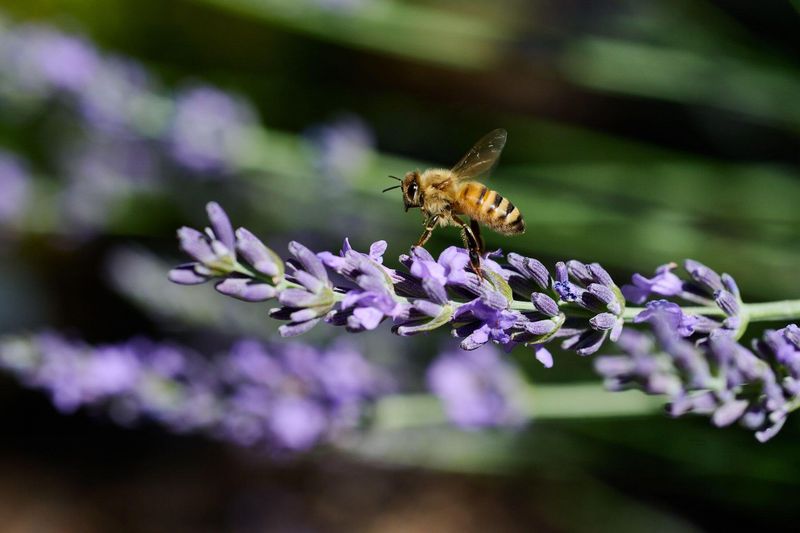
There’s something magical about lavender that refuses to quit. In many gardens, certain lavender varieties send up a fresh wave of purple spikes just as autumn settles in, drawing pollinators from all around.
Bumblebees especially love these late blooms. On cool mornings you can spot them moving slowly across the flowers, tanking up on nectar to fuel their chilly journeys back to the nest.
Lavender loves the same conditions oregano does, meaning full sun and soil that drains well. Oregon’s summer-dry climate suits it perfectly, and it handles the cooler fall temperatures without complaint.
If you want repeat blooming, give your lavender a light trim after its first summer flush. This little haircut encourages new flower stalks that show up right when pollinators need them most.
Your Oregon Garden Changes Every Week. Your Plan Should Too.
Gardening in Oregon changes quickly throughout the season. Every Friday you’ll receive a simple weekly plan showing exactly what to plant, prune, fertilize, harvest, and protect so you never miss the right timing.
Beyond feeding bees, lavender fills your garden with a calming scent that lingers even in cooler air. Many farms grow entire fields of it, and those fields hum with activity late in the season.
Did you know lavender has been used for thousands of years, all the way back to ancient Rome, where people added it to their baths? Today it does double duty, soothing humans and saving pollinators when frost threatens to end the feast.
3. Catmint That Never Says Stop
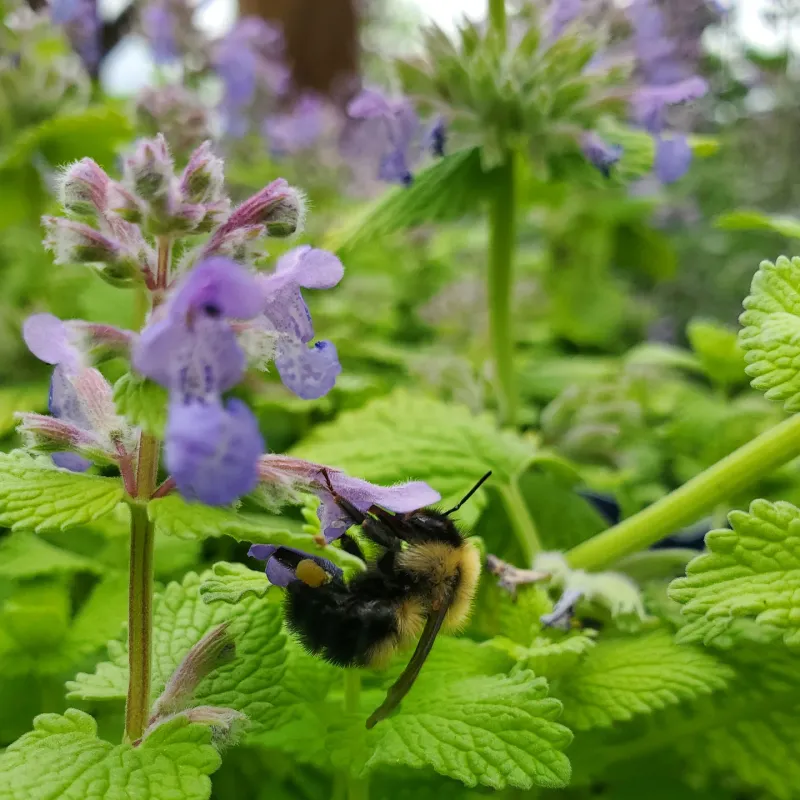
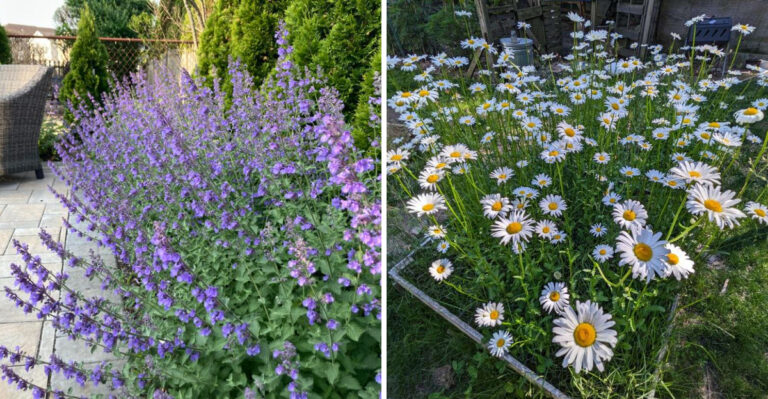
If any herb deserves a medal for stamina, it’s catmint. This soft, silvery plant starts blooming in early summer and just keeps going, sometimes flowering right up to the first hard frost in Oregon.
Bees adore its endless supply of blue-purple flowers. Watch a catmint patch on a cool October afternoon and you’ll see honeybees, bumblebees, and even tiny native bees all sharing the same plant peacefully.
Catmint is a cousin of catnip, so don’t be surprised if neighborhood cats roll around in it. The good news is it’s tough enough to bounce back from a little feline attention.
Care could not be simpler. Give catmint sunshine and average soil, then cut it back halfway once flowering slows.
That trim triggers a brand new burst of blooms exactly when pollinators are running low on options.
Because it forms a low, spreading mound, catmint works beautifully along garden edges and pathways. It softens hard lines while quietly doing important work for local wildlife.
Here’s something neat: catmint is drought tolerant once it settles in, so it survives Oregon’s dry stretches and still produces flowers. For gardeners who want maximum pollinator activity with minimum fuss, few plants stretch the growing season as generously as this reliable performer.
4. Thyme’s Quiet Comeback
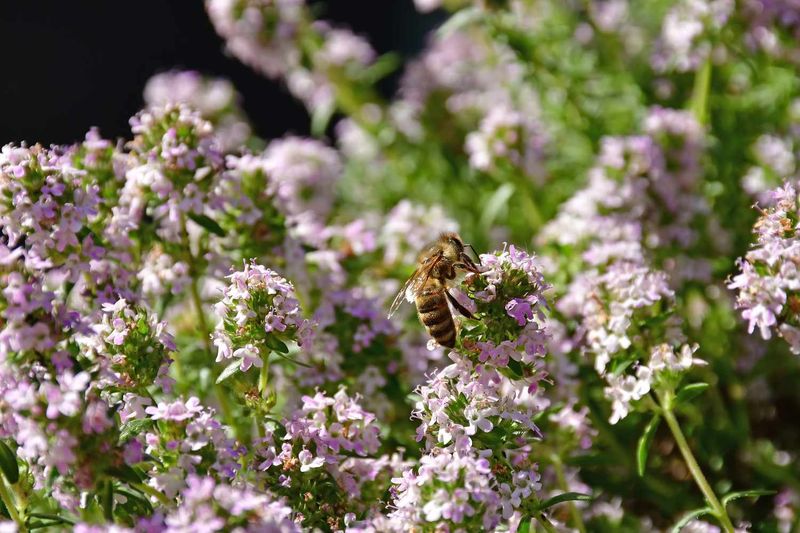
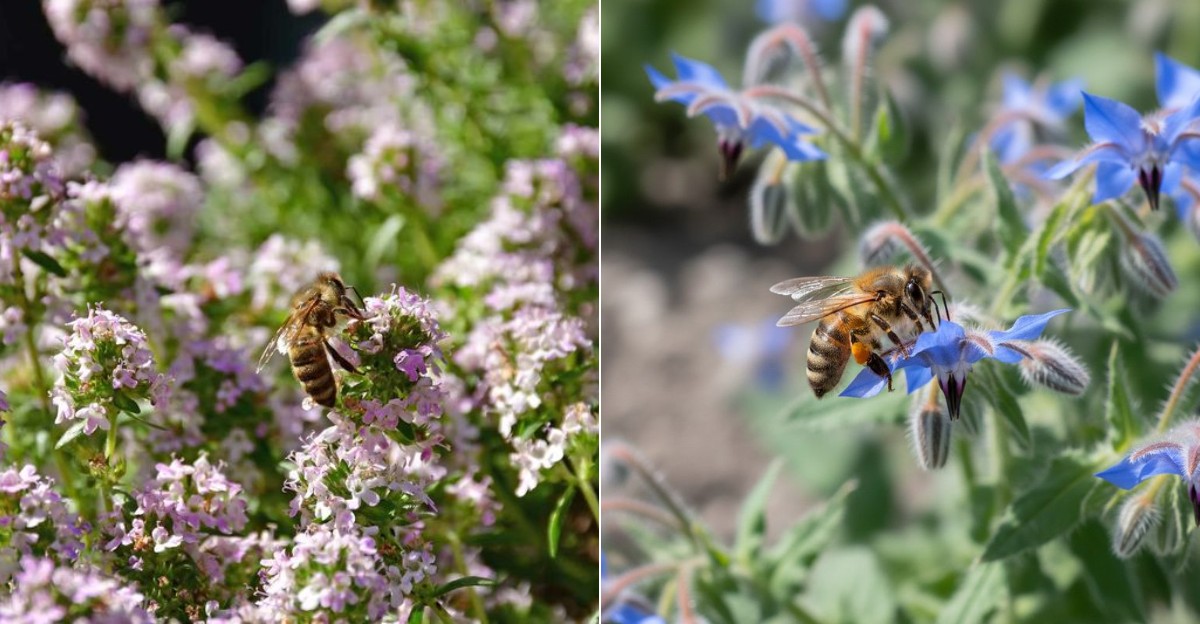
Thyme might be small, but its impact on late-season pollinators is huge. This creeping herb hugs the ground and covers itself in tiny flowers that keep opening even as the nights grow cold.
Small bees and hoverflies find thyme especially welcoming. The flowers sit low and open, making them easy landing pads for tinier insects that struggle with bigger, deeper blooms.
One of thyme’s best qualities is how it fills empty spaces. Plant it between stepping stones or along rock walls and it spreads into a fragrant carpet that smells wonderful when you brush against it.
Oregon’s well-drained soils and sunny spots are exactly what thyme wants. It shrugs off dry spells and cold snaps alike, making it one of the most dependable herbs in a fall garden.
Want to help pollinators even more? Let a section of your thyme flower instead of clipping it for cooking.
Those blossoms become tiny fuel stations during the chilly transition into winter.
A bit of history for you: ancient Greeks burned thyme as incense and believed it gave people courage. These days its bravest act might be feeding the last hungry bees of the season, holding steady while stronger plants surrender to the cold and quietly disappear.
5. Anise Hyssop, The Purple Magnet
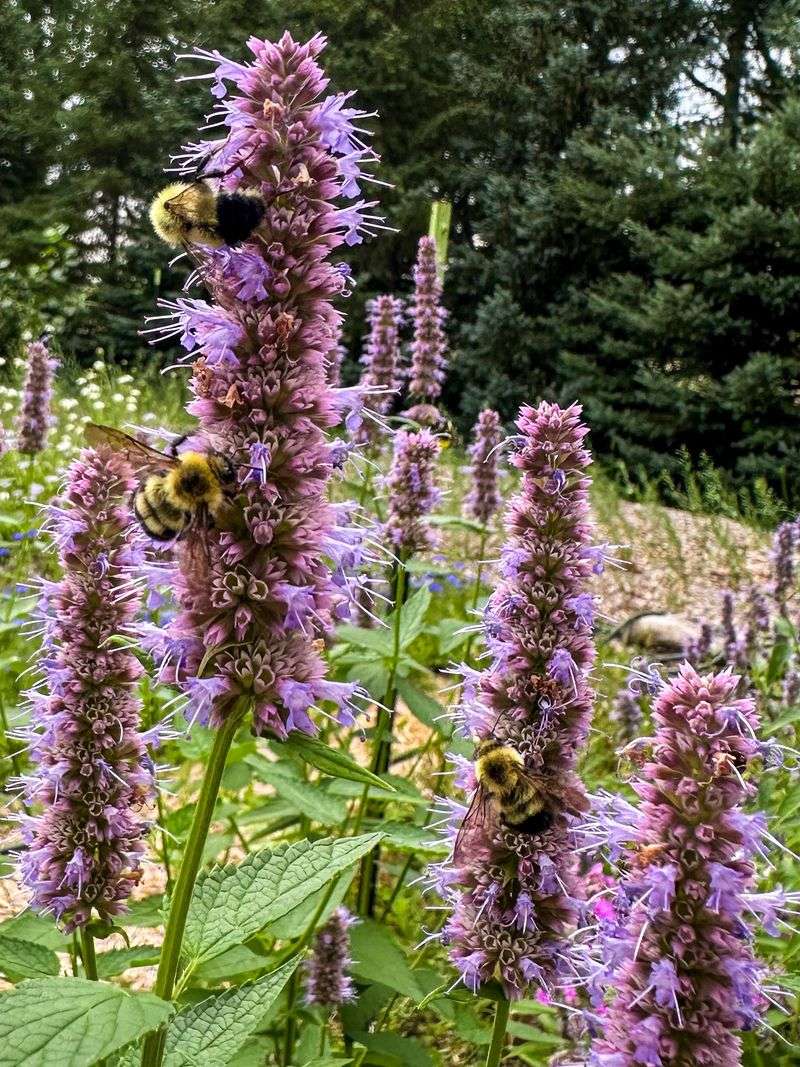
Picture a plant so popular with bees that its flower spikes practically vibrate with activity. That’s anise hyssop, and it’s one of the biggest crowd-pullers in any fall garden.
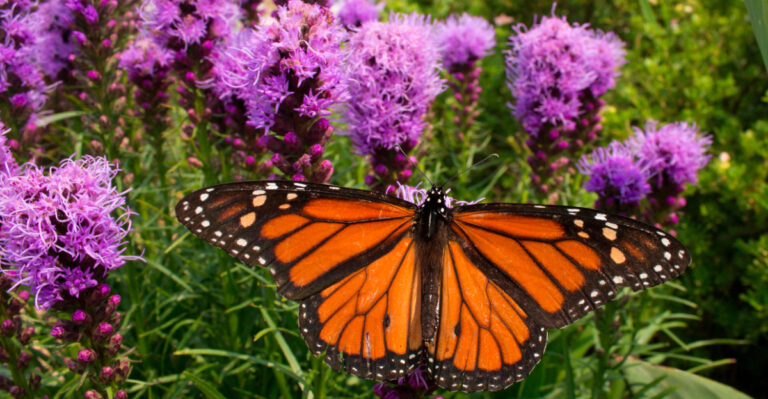
The tall purple spikes bloom for weeks and weeks, often lasting until the cold finally shuts them down. Butterflies, bees, and beneficial insects all flock to it, making it a true pollinator hotspot.
Its leaves carry a sweet licorice scent that gives the plant its name. Crush one between your fingers and you’ll understand why it’s also brewed into a soothing herbal tea.
This herb loves full sun but tolerates a range of soils, which suits Oregon’s varied landscapes. It’s also fairly drought resistant, so it keeps blooming through dry autumn spells that stress other plants.
To keep the show going, remove faded flower spikes and fresh ones will follow. This steady replacement means there’s almost always food available when pollinators come searching in cooler weather.
Native bees find anise hyssop irresistible, and supporting them matters more than ever. Many wild pollinators struggle to find late-season food, so a single well-placed plant can make a real difference.
Add a few clumps to your garden and you’ll create a buzzing sanctuary that carries insects safely toward winter’s edge.
6. Rosemary’s Cold-Weather Courage
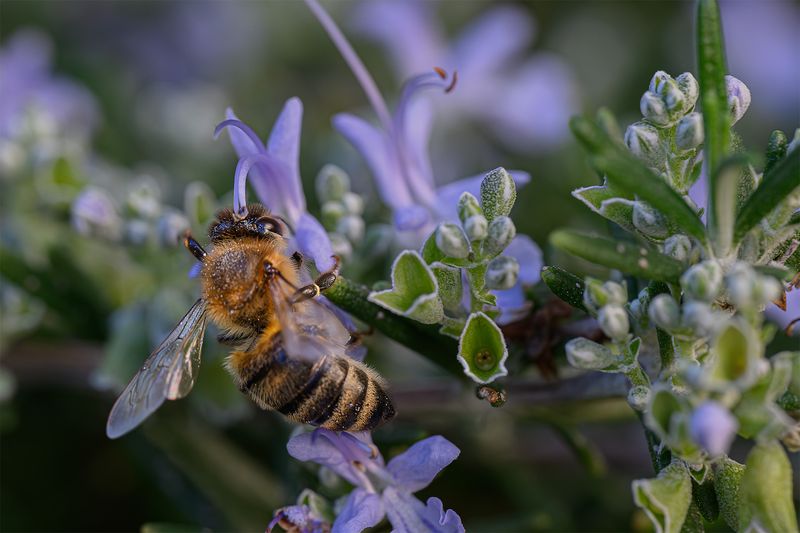
While most herbs give up when temperatures drop, rosemary stands firm like a green fortress. In milder parts of Oregon, this woody evergreen keeps its needles all year and even pushes out delicate blue flowers late in the season.
Those flowers are a rare treat for pollinators. On surprisingly warm autumn days, honeybees will visit rosemary blooms when almost nothing else is offering nectar.
Rosemary asks for very little. Plant it in a sunny, sheltered spot with good drainage, and it rewards you with fragrant leaves and occasional flowers for years on end.
Because it’s a shrub, rosemary also gives insects shelter from wind and cold. Bees can tuck into its branches when a chilly breeze rolls through, resting before their next flight.
Try planting rosemary near a warm south-facing wall. The extra heat helps it flower earlier in spring and hang on longer into fall, extending its usefulness for both cooks and pollinators.
An interesting bit of lore: sailors once believed rosemary could ward off bad luck, and students in ancient times wore it to sharpen their memory during exams. In Oregon gardens today, its real gift is staying green and generous when frost threatens, offering a reliable meal to whatever brave bees still wander the cooling air.
7. Borage, The Bee’s Blue Refill
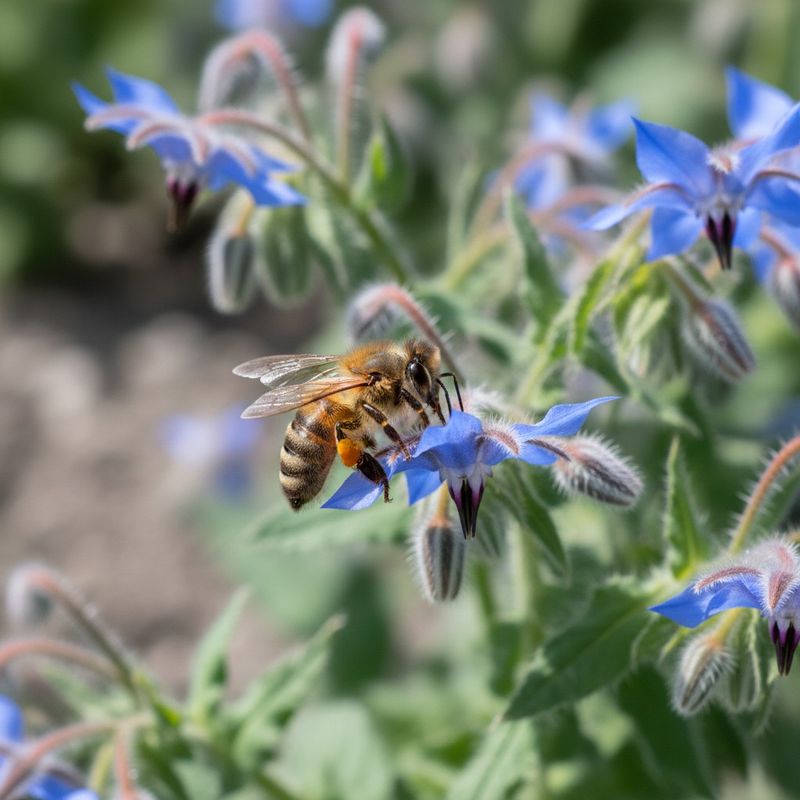
Few flowers refill their nectar as fast as borage, and bees seem to know it. This bristly herb produces star-shaped blue blooms that recharge with sweet nectar within minutes of being emptied.
That quick refill makes borage a favorite pit stop for busy pollinators. In cool autumns in our state, when calories are precious, a plant that offers constant food is worth its weight in gold.
Borage grows fast and freely, often reseeding itself so new plants pop up the following year. Scatter a few seeds and you might enjoy borage flowers season after season without any extra effort.
It isn’t fussy about soil and handles Oregon’s shifting fall weather with ease. The plant keeps flowering until frost, stretching the feeding window for bees right to the very end.
Gardeners love borage for another reason too. Its edible flowers taste faintly of cucumber and look beautiful frozen inside ice cubes or sprinkled over salads.
Here’s a charming detail: borage was once called the herb of gladness, and old writers claimed it could lift a sad heart. Whether or not that’s true for people, it certainly brings joy to hungry bumblebees.
Tuck borage into a corner of your garden and you’ll give pollinators a dependable, ever-refilling feast as the cold closes in.