What It Means When Yellowjackets Keep Appearing In Your California Garden Beds
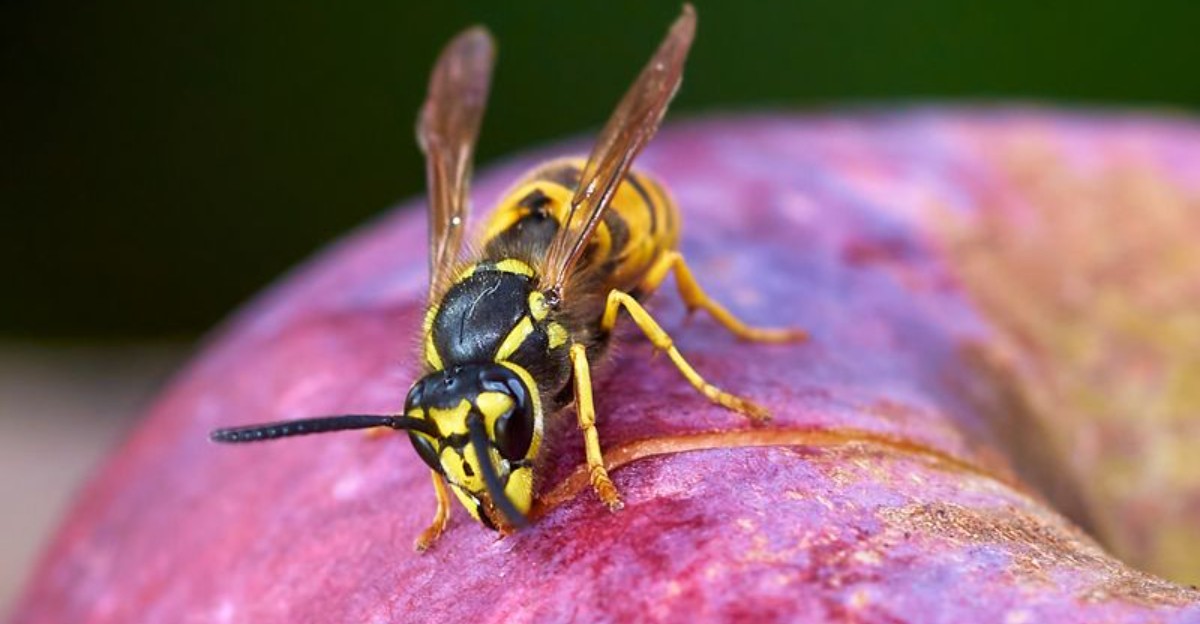
You step into your California garden expecting a quiet afternoon, then notice yellowjackets repeatedly circling the same flower bed.
At first, it may seem like a few random visitors, but when they keep returning to one area, it is natural to wonder what has caught their attention.
These wasps can be especially noticeable because they do not always behave like the occasional insect passing through. They may hover, patrol, and revisit the same spots again and again, turning a familiar part of your yard into a place you approach more carefully.
The reason they gather is often connected to what is happening around that section of the garden. Small details that are easy to ignore can influence where they spend their time and why they keep coming back.
You do not need to assume every yellowjacket sighting means the same thing. Their behavior, location, and timing can provide important clues about what is happening nearby.
If one garden bed has become a yellowjacket hotspot, take a closer look. The activity may reveal something about your yard that is easy to miss at first.
1. A Hidden Nest Is Nearby
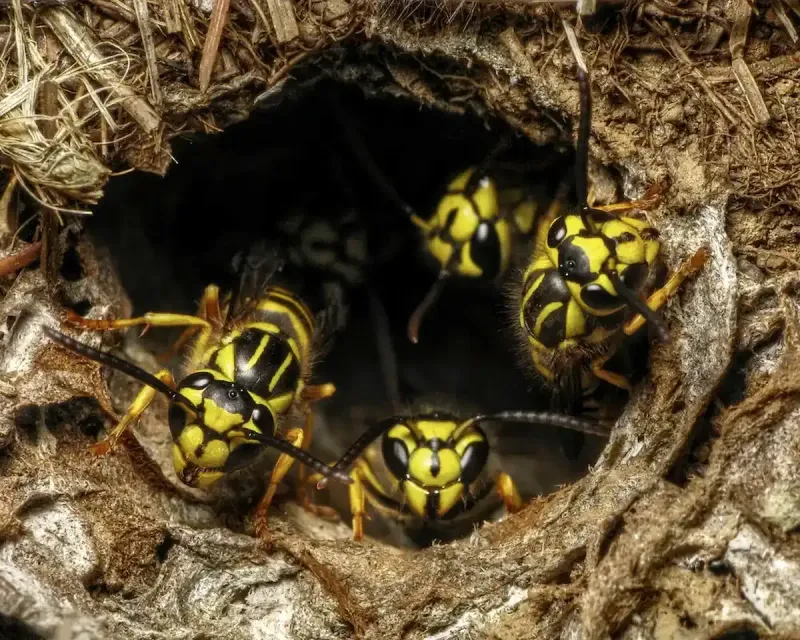
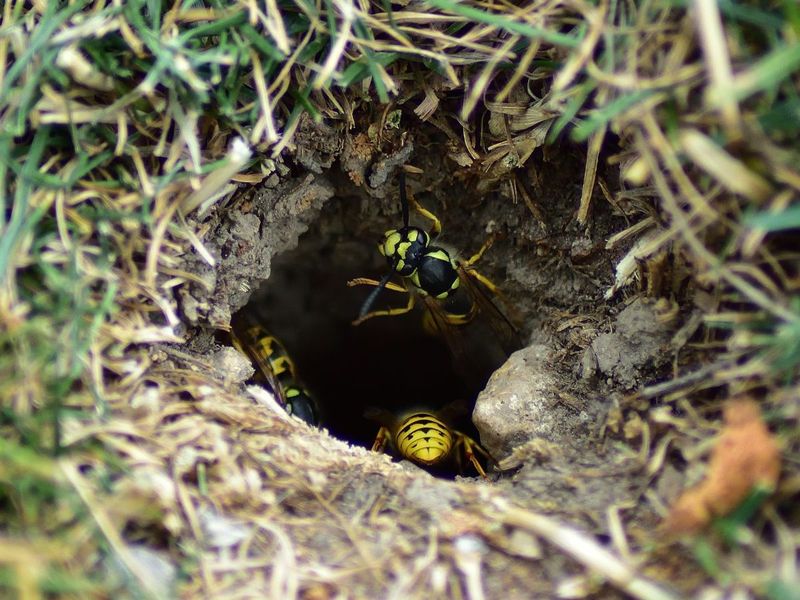
When yellowjackets keep circling the same spot, chances are a nest sits close by. These wasps often build homes underground, tucking them into old rodent burrows or loose soil.
You might notice a steady stream of them flying in and out of one small hole. That traffic pattern is a big clue.
The busier the entrance, the larger the colony likely is inside.
Nests can also hide inside wall cracks, thick shrubs, or stacked firewood near your beds. Watch where the wasps travel at dawn and dusk when they are most active.
Following their flight path carefully, from a safe distance, helps you spot the exact location. Never block a nest opening, since trapped wasps get angry and may find another way out.
If the nest is small and far from foot traffic, you can sometimes leave it alone until fall. Cold weather naturally empties most nests over time.
For nests near play areas or doorways, calling a pest professional is the smartest move. They have the right gear to handle it safely.
Marking the spot with a flag during the day makes treatment easier at night. Knowing a nest is present explains why the same visitors keep showing up again and again.
2. Ripe And Fallen Fruit Is Attracting Them
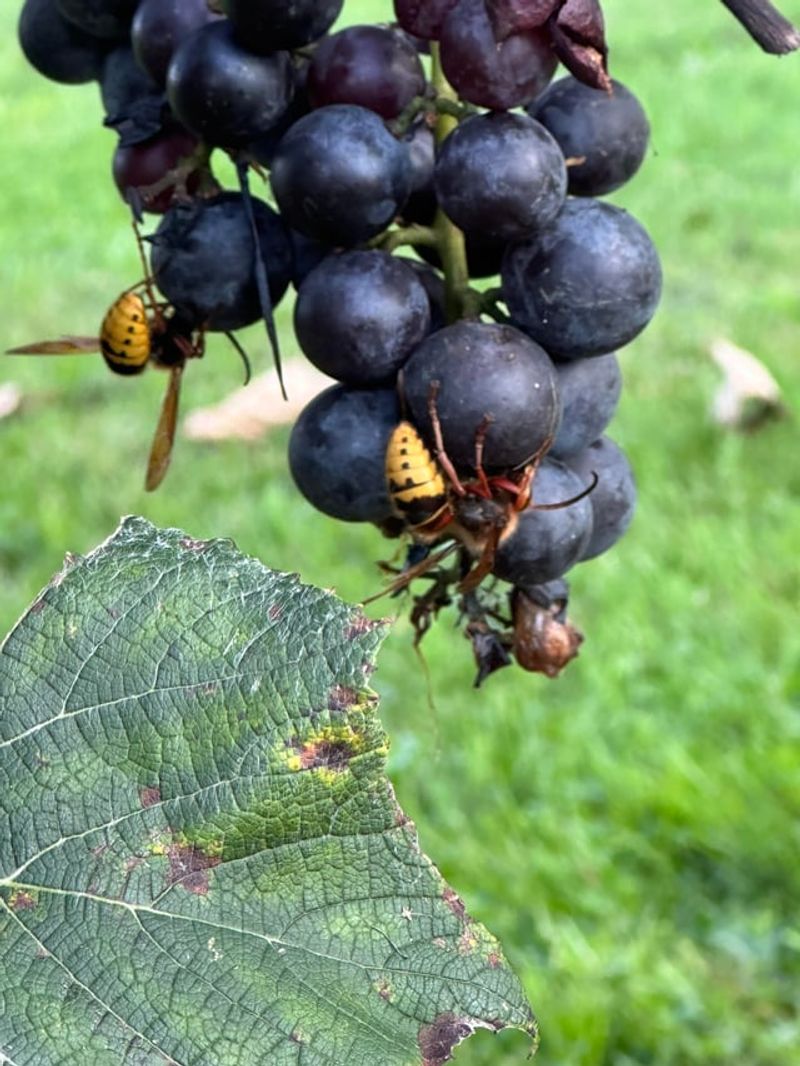
Sweet, juicy fruit is like a magnet for hungry yellowjackets. If you grow plums, figs, grapes, or apples, in California dropped fruit on the ground becomes an easy snack.
The sugary juice from bruised or split fruit smells wonderful to these wasps. They can find it from surprisingly far away.
Even fruit still hanging on the branch draws them when it gets soft and overripe. One nibbled peach can bring in a whole crowd by afternoon.
Cleaning up fallen fruit every day makes a huge difference. Toss it into a sealed bin or compost pile with a tight lid.
Your California Garden Changes Every Week. Your Plan Should Too.
Gardening in California changes quickly throughout the season. Every Friday you’ll receive a simple weekly plan showing exactly what to plant, prune, fertilize, harvest, and protect so you never miss the right timing.
Picking fruit as soon as it ripens keeps it from sitting too long and turning into a buffet. Regular harvesting helps your plants and lowers wasp visits at the same time.
Rinse off any sticky juice from patios or tables where fruit may have splattered. Those hidden sugar spots keep the wasps coming back.
If a tree keeps dropping too much, spread a tarp underneath to catch the fruit for quick removal. Less mess means fewer buzzing guests.
Once the sweet buffet disappears, most yellowjackets lose interest and search elsewhere for their next meal.
3. Standing Water Gives Them A Drink
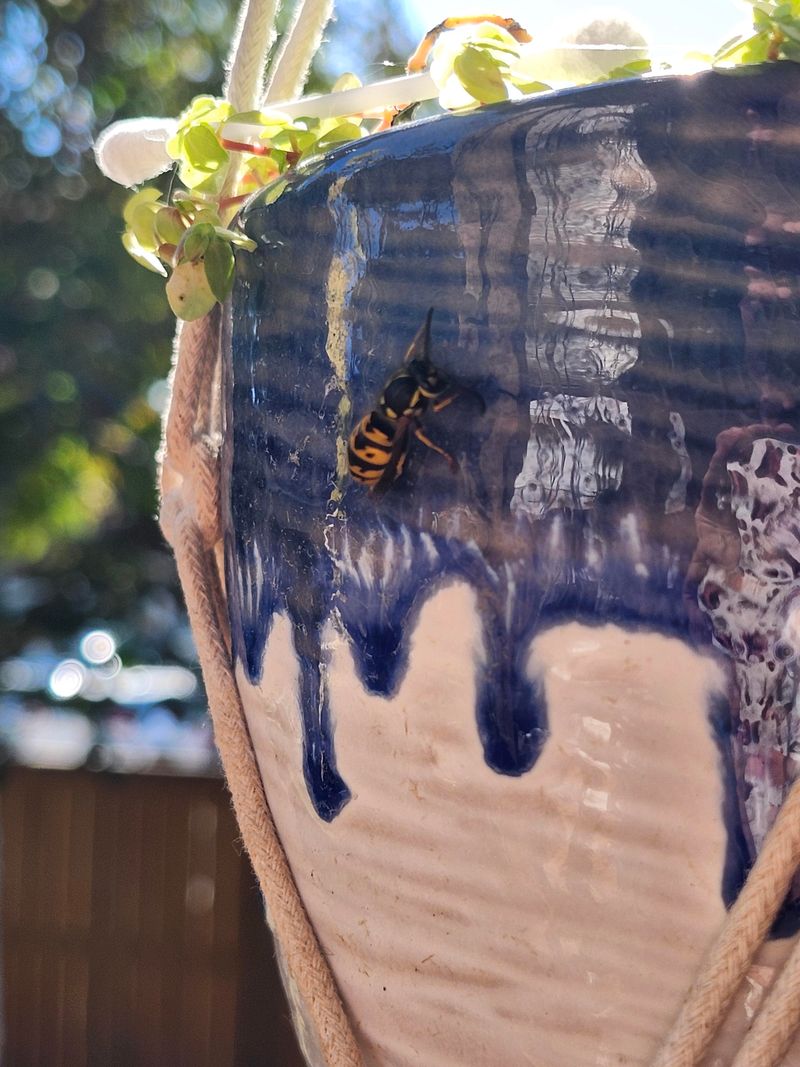
Just like people, yellowjackets need water to survive, especially during hot, dry spells. A birdbath, leaky hose, or shallow puddle can turn into their favorite watering hole.
They gather moisture to cool their nests and to mix with food. Any reliable water source keeps them returning day after day.
Overwatered California garden beds that stay soggy also invite them in for a sip. Damp soil holds the moisture they crave.
Fixing dripping faucets and hoses removes one of their easy drinking spots. Even a slow drip can support many thirsty wasps.
Emptying saucers under potted plants after watering helps a lot. Those little trays collect water that wasps love.
Try watering your beds early in the morning so the surface dries by midday. Drier soil is less inviting to visitors.
If you keep a birdbath for real birds, place it far from seating areas and refresh it often. Moving water sources away from your gathering spots reduces close encounters.
Covering rain barrels with fine mesh keeps wasps out while saving water. Small fixes like these cut off their supply.
When the water dries up around your favorite spots, the wasps usually spread out and bother you far less.
4. They Are Hunting Garden Pests
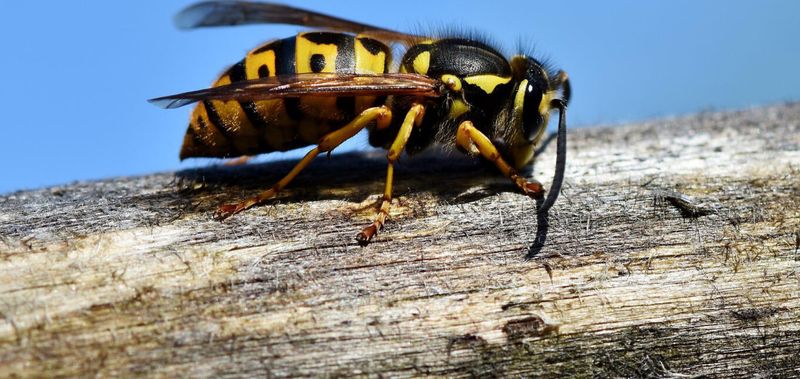
Believe it or not, yellowjackets are skilled hunters that eat other bugs. If your beds have plenty of caterpillars, flies, or aphids, the wasps come to feast.
They snatch soft insects to feed their young back at the nest. A pest-filled garden becomes their hunting ground.
This side of yellowjackets actually helps gardeners in small ways. They act like natural pest control between meals.
Seeing them zip through your plants often means there is a bug problem worth checking. Their presence can point you toward hidden trouble.
Inspecting leaves for chewing damage or clusters of tiny insects tells you what is going on. Look under leaves where pests love to hide.
Handling your pest issue with gentle methods, like rinsing off aphids, removes the wasps’ food source. Fewer bugs mean fewer hunters.
Encouraging birds and ladybugs also keeps pest numbers down naturally. A balanced garden needs fewer wasp helpers.
While their hunting is useful, too many wasps still feels uncomfortable near your veggies. Aim for balance rather than total removal.
Once the pest buffet shrinks, the yellowjackets tend to move along to richer hunting spots somewhere else.
5. Warm Weather Is Boosting Their Numbers
Timing plays a big role in how many yellowjackets you notice. Their colonies grow biggest during late summer and early fall.
As the weather stays warm, more workers hatch and go searching for food. That is why sightings often spike in August and September.
Longer, hotter days let the nest expand quickly. A colony that started small in spring can hold thousands by autumn.
Understanding this cycle helps you plan your garden time. Fewer wasps buzz around in the cooler morning hours.
Doing chores early or later in the day keeps you away from peak activity. Midday heat brings the most flyers out.
Being extra tidy with food and fruit during these busy months pays off. The bigger the colony, the more scouts it sends out.
Cold nights eventually slow the nest down and shrink its numbers. Nature handles most of the cleanup by winter.
Knowing the season is peaking helps you stay patient and calm. The rush usually fades once temperatures drop.
If the crowd feels overwhelming, focus on removing attractions until the weather cools things down for you.
6. Bright Flowers Are Inviting Company
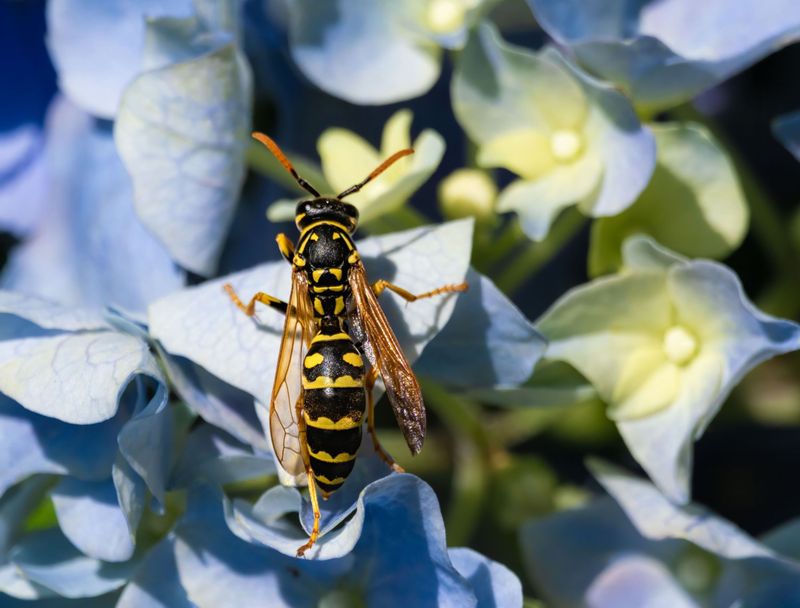
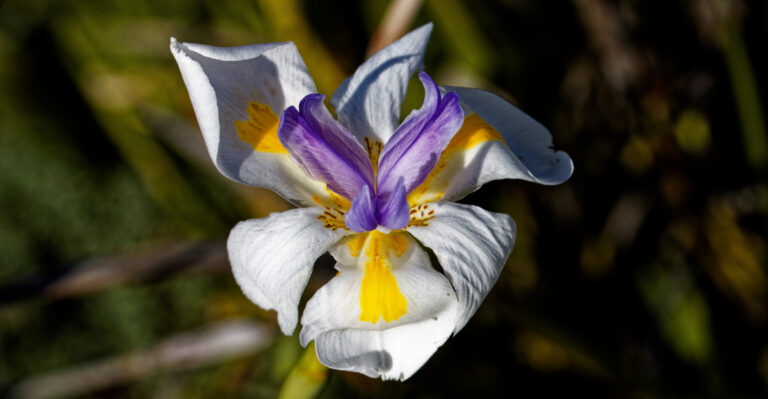
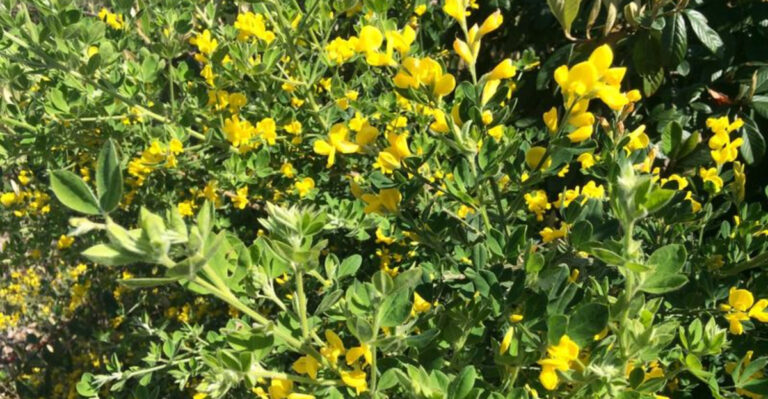
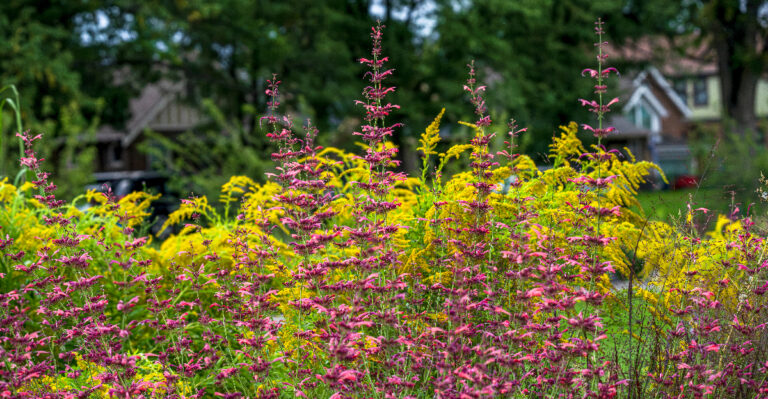
Colorful blooms do more than please your eyes, they also call to yellowjackets. These wasps sip nectar from flowers for quick energy.
Bright yellow and white blossoms seem to catch their attention the most. Sweet-smelling plants add to the appeal.
While bees usually get the credit, wasps enjoy nectar too. A flower-packed bed offers them a steady snack bar.
Choosing where you plant strong-smelling flowers can help you steer wasps away from seating areas. Keep the sweetest blooms toward the garden’s edges.
Planting fragrant herbs like mint or basil nearby may make certain spots less appealing to them. Some scents seem to nudge wasps elsewhere.
You do not have to remove your favorite flowers to enjoy your yard. Just place them thoughtfully around the space.
Wearing plain colors instead of bright floral patterns lowers your chance of being mistaken for a bloom. Wasps sometimes investigate colorful clothing.
Skipping sweet perfumes and scented lotions outdoors also keeps them from checking you out. Strong smells can confuse them.
With smart planting choices, you can keep a beautiful California garden while giving wasps fewer reasons to hover near you.
7. Sweet Sap From Trees And Plants
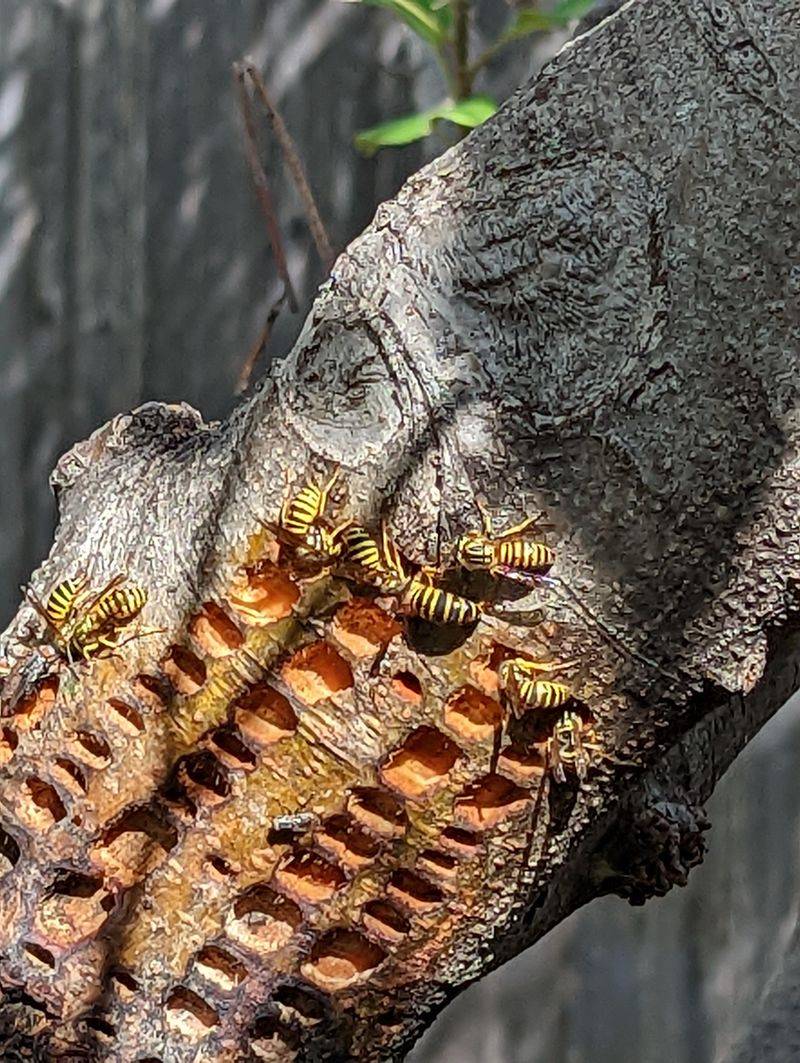
Trees and plants sometimes leak a sticky, sugary sap that wasps adore. Yellowjackets happily lap up this natural sweet treat.
Certain insects, like aphids, produce a sugary goo called honeydew on leaves. That coating turns your plants into a snack station.
Damaged bark or pruned branches can ooze sap that draws them in. The stickier the surface, the more they gather.
Checking your plants for shiny, sticky leaves helps you spot the source. Honeydew often means aphids are hiding above.
Rinsing leaves with water washes away the sugary film. A clean plant loses its wasp appeal quickly.
Controlling aphids gently, with a strong spray or helpful ladybugs, stops the honeydew supply. Fewer aphids means less sweet mess.
Pruning trees at the right time in California reduces heavy sap flow. Careful cuts heal faster and leak less.
Cleaning sap off patios, railings, and furniture removes hidden sugar spots. Wasps notice even small sticky patches.
Wrapping fresh pruning wounds when needed can slow the oozing. Less sap means fewer sweet-toothed visitors.
Once you cut off these hidden sugar sources, the wasps lose one more reason to keep dropping by your beds.
8. It May Be Time To Call A Pro
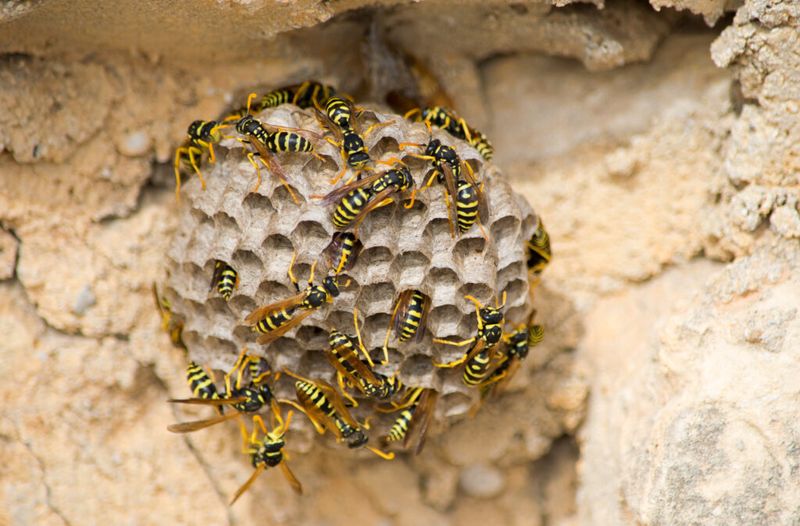
Sometimes the smartest move is asking an expert for help. When a large nest sits near your home, treating it yourself can be risky.
California pest professionals have the right suits, tools, and know-how to handle big colonies safely. They remove nests without putting you in harm’s way.
If anyone in your family reacts badly to stings, do not take chances. A quick call keeps everyone protected.
Signs like heavy wasp traffic near doors, walls, or play areas point toward professional help. Busy nests grow fast and bold.
Experts can also find hidden nests you might never spot on your own. Their trained eyes catch the little clues.
Many pest services offer follow-up visits to make sure the problem stays gone. That peace of mind is worth a lot.
Asking about safe, low-chemical options protects your veggies, pets, and pollinators. Good pros respect your garden goals.
Getting a few quotes helps you find fair pricing and friendly service. Reviews from neighbors point you to reliable teams.
Reaching out early, before the colony peaks, usually makes treatment easier and cheaper. Waiting only lets the nest grow.
Trusting a pro means you can enjoy your outdoor space again without worrying about angry surprises.