How To Tell If A California Plant Problem Is Pests Or Simply Stress
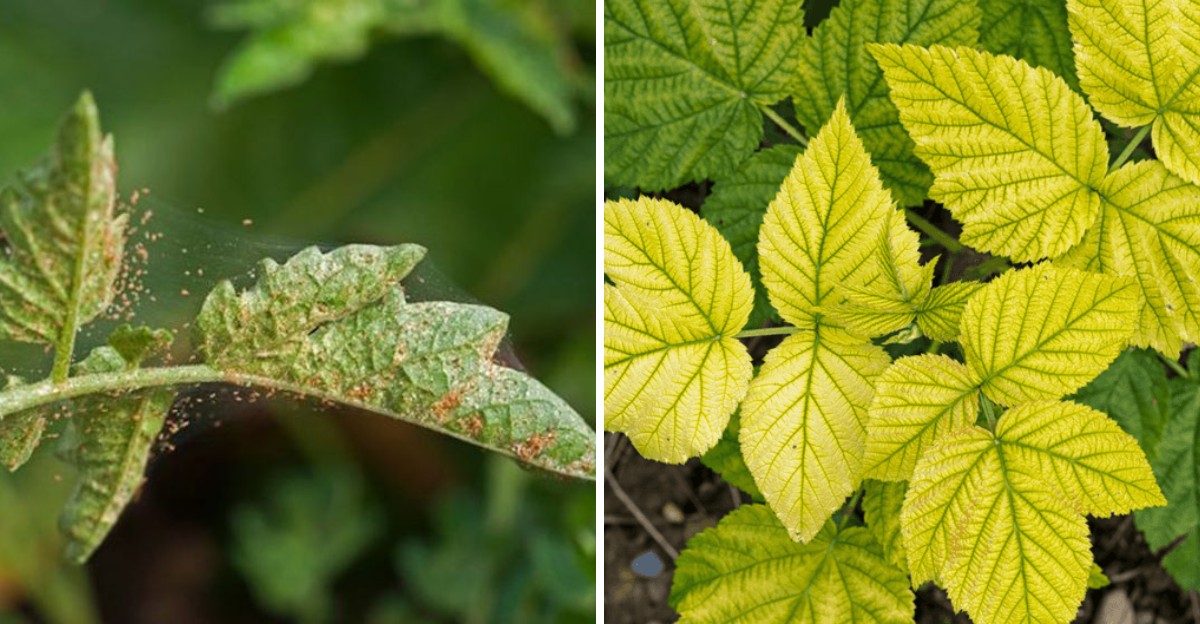
Yellow leaves, crispy edges, and drooping stems tend to show up in California gardens at the worst possible moment. The first instinct often points toward a spray bottle or a hose, sometimes both.
Plants can’t explain what’s bothering them, though. The same sad look might come from tiny visitors feeding quietly or from conditions around the roots and leaves.
Guessing wrong costs time and money, and it can even leave the real trouble untouched.
A calmer approach works far better. Careful observation, a few simple tools, and a little memory work narrow the list of suspects quickly.
Every clue builds on the last, much like a good detective story. By the final chapter, the culprit rarely stays hidden for long.
Look For The Pattern Across The Whole Plant
A few steps back often reveals more than a close-up stare. Standing about ten feet away offers a big-picture view, and that view often tells the story.
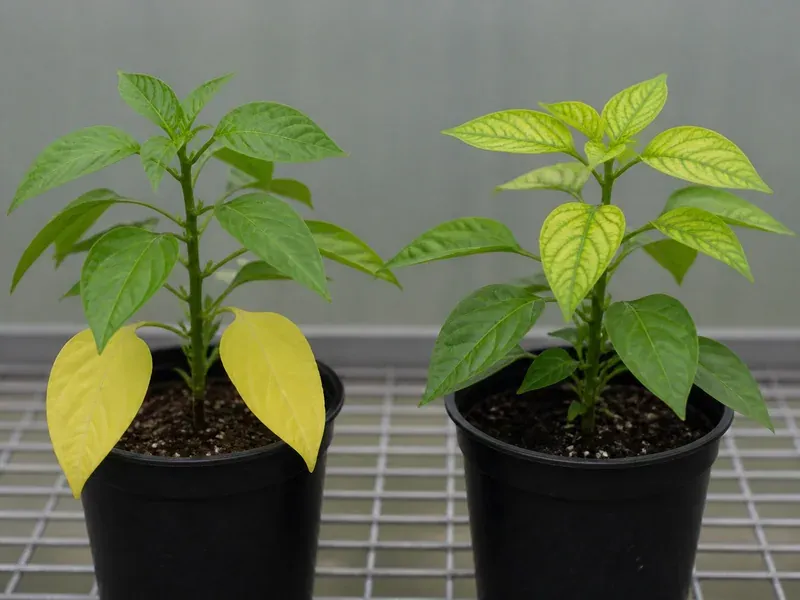
Environmental stress usually spreads damage evenly. Problems from water, light, nutrients, salt, or heat tend to show up across the whole plant or in a symmetrical pattern.
Every leaf on the sunny side might look pale, or all the older leaves might turn yellow at once. Several plants of different types in the same bed may struggle together, too.
Pests rarely play that fair. Insect damage tends to be patchy and random, with one branch chewed while the next looks perfect.
Aphids often cluster on tender new tips, while other insects may favor just a few leaves. Damage that seems scattered or concentrated in odd spots hints at something alive doing the work.
A simple comparison helps here. Damage that looks painted on with a wide roller points toward stress, while damage dabbed on with a tiny brush points toward pests or disease.
Nearby plants offer another clue. A row of different shrubs wilting along a hot wall suggests the setting, not an insect.
UC IPM recommends this kind of whole-plant look as a first step in sorting out plant problems. It narrows the possibilities before any closer inspection begins.
One lonely plant in trouble, surrounded by healthy neighbors, deserves the next step. That means a closer look at its leaves.
Check Under Leaves With A Hand Lens
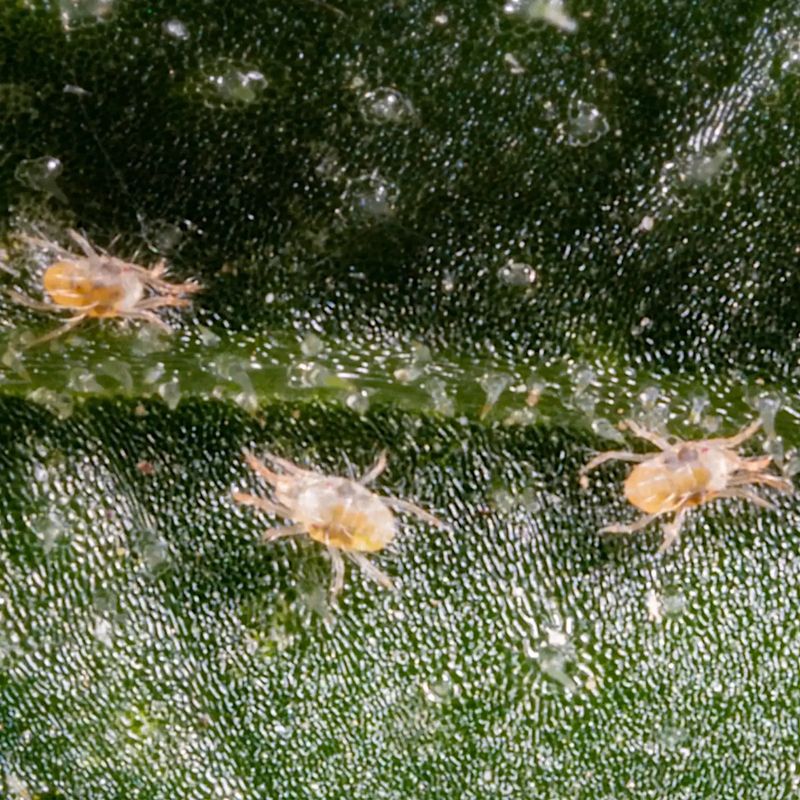
Many insects make sneaky little tenants. Plenty of them hide on the undersides of leaves, where sun and rain rarely reach, so a glance at the tops can miss the whole party.
A hand lens makes a huge difference. A simple 10x magnifier costs only a few dollars and reveals details bare eyes can’t catch.
Spider mites, young whiteflies, and thrips are often smaller than a pinhead. Under a lens, they turn into tiny moving dots, crawling specks, or winged shapes.
Flipping several leaves on different parts of the plant gives the clearest picture. New growth, older leaves, and the stems where leaves attach all deserve a look.
Eggs count as clues, too. They may appear as tiny round dots, neat clusters, or fuzzy white patches.
Your California Garden Changes Every Week. Your Plan Should Too.
Gardening in California changes quickly throughout the season. Every Friday you’ll receive a simple weekly plan showing exactly what to plant, prune, fertilize, harvest, and protect so you never miss the right timing.
Scale insects can look like small bumps stuck to stems. They’re easy to mistake for part of the bark.
A sheet of white paper offers another useful test. A gentle tap on a branch held above it drops specks onto the surface.
Crawling specks are likely mites or insects. Specks that sit still may just be dust.
One insect doesn’t mean a pest problem. Many are harmless visitors or even helpers, like lady beetles and lacewing larvae.
Counting what turns up and noting how many leaves are affected paints a truer picture. A few insects rarely cause real harm, but a crowd calls for a closer plan.
Sticky Residue Points To Sucking Pests
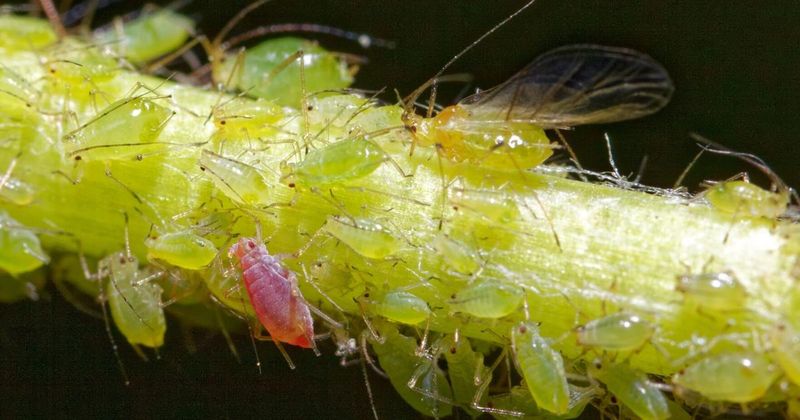
A car parked under a tree can come back covered in sticky spots. Annoying, yes, but also a valuable clue.
That shiny goo is often honeydew, and it means sap-feeding insects are busy above. Aphids, soft scales, mealybugs, and whiteflies drink plant sap through tiny straw-like mouthparts.
They take in more sugary liquid than they can use, releasing the extra as honeydew. It coats leaves, stems, patio furniture, and anything below.
A fingertip brushed across an affected leaf picks up the tackiness right away. That simple touch test separates insect trouble from many stress problems.
Over time, honeydew can turn black. A fungus called sooty mold grows on the sugary film, coating leaves in a dark, dusty layer.
Sooty mold doesn’t infect the plant directly, but it blocks sunlight from reaching the leaves. A damp cloth often wipes it away, revealing green tissue underneath.
Ants offer another strong hint. They love honeydew and protect sap-feeding pests from natural enemies to keep the sweet supply flowing.
A steady line of ants marching up a trunk often signals aphids or scales nearby. UC IPM notes that managing ants can help natural enemies bring these pests back under control, and sticky barriers on trunks are one common approach.
Plain environmental stress doesn’t produce honeydew. A hot, thirsty plant may wilt or scorch, but it won’t turn sticky.
Tracing that film upward and checking leaves above it usually leads straight to the source.
Webs Droppings And Chewed Edges Signal Insects
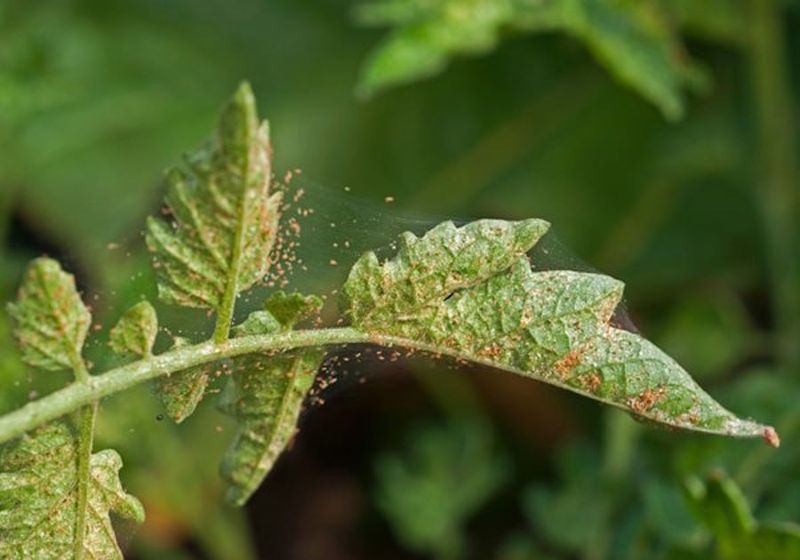
Half-moon bites along a leaf edge, ragged holes, or tiny dark pellets on the leaves below are calling cards no stress problem can fake. Heat and drought don’t have teeth.
Chewing damage comes first on the list. Caterpillars, beetles, grasshoppers, and earwigs bite off pieces of leaves, leaving holes or jagged edges.
Snails and slugs chew too, though they aren’t insects, and they leave shiny slime trails behind. Clean, notched edges on certain plants often come from root weevil adults feeding at night.
Droppings, sometimes called frass, offer the next clue. Caterpillar droppings look like small green, brown, or black pellets resting on leaves or the ground.
A pile on a lower leaf often means the eater hides just above. Tomato hornworms are famous for this, and their green bodies blend in remarkably well.
Webbing tells its own tale. Fine, silky threads covering leaves and stems often point to spider mites, especially during hot, dusty California summers.
Leaves under heavy mite feeding may look speckled or bronzed. Some caterpillars also spin webs or roll leaves together to hide inside.
Damage with no culprit in sight calls for a nighttime visit. Many chewers feed after dark and hide by day, so a flashlight can catch them in the act.
A correct name makes all the difference. UC IPM Pest Notes offer photos and descriptions for common garden pests, helping match the evidence to the right suspect.
Even Yellowing Often Means Stress
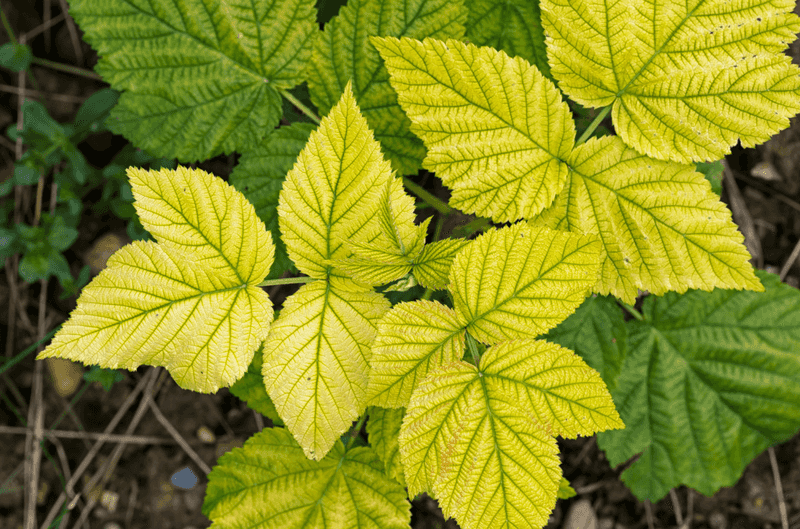
Yellow leaves act as the plant world’s version of a warning light. Before blaming insects, the way that yellow spreads deserves a careful look.
Smooth, even yellowing across many leaves often points to growing conditions rather than pests. Watering mistakes top the list.
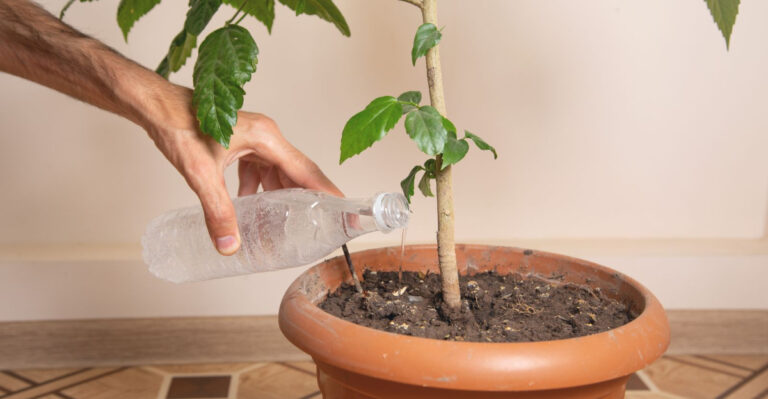
Too much water fills soil pockets and pushes air away from roots, so leaves turn pale and droopy. Too little water causes yellowing and wilting as well.
In California, overwatering ranks as a surprisingly common cause. Automatic sprinklers running on a fixed schedule often deliver far more than plants need.
Nutrients matter, too. A plant short on nitrogen often yellows evenly, starting with older lower leaves.
Iron problems look different, with yellow leaves but green veins, usually on new growth. Gardenias, azaleas, and citrus often show this pattern in the alkaline soils found across much of the state.
Light plays a role as well. A plant moved into deep shade may slowly turn pale and lanky, and some older leaves yellow and drop naturally as plants age.
Location on the plant narrows things down. Old leaves yellowing first hints at nitrogen, while new leaves with green veins suggest iron.
Yellowing everywhere at once often means water or root trouble. Pest damage, by contrast, tends to look speckled, spotty, or stippled rather than evenly washed out.
A quick check under the leaves with a hand lens helps settle any lingering doubt.
Scorched Edges Suggest Heat Or Salt Stress
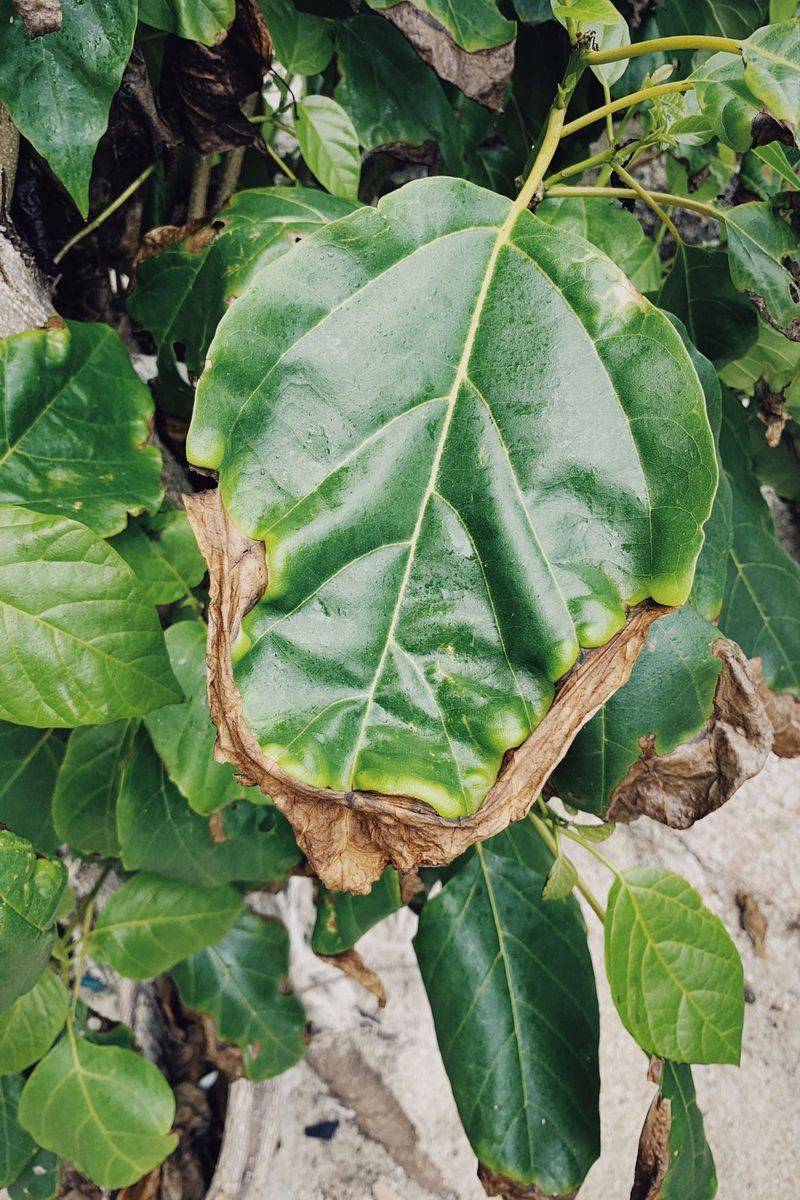
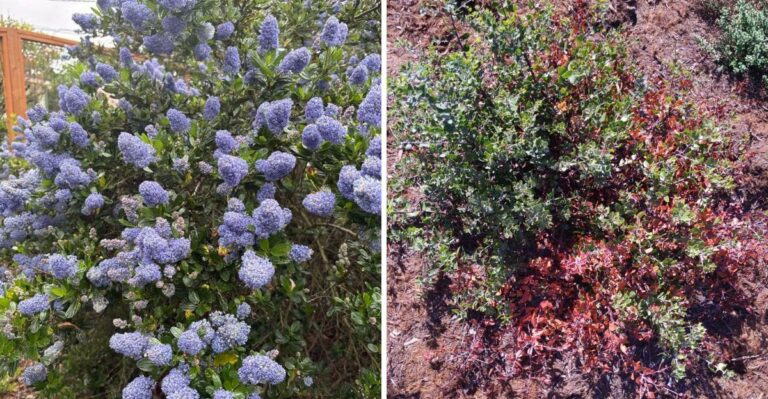
A heat wave rolls through the Central Valley, and two days later a hydrangea looks toasted. Brown, crispy leaf edges and tips are classic signs of stress, not hungry insects.
Leaf scorch happens when water can’t reach the leaf edges fast enough. Hot sun, dry winds, and low humidity pull moisture out faster than roots can supply it.
Tissue farthest from the veins dries out first, so margins and tips turn brown. Santa Ana and Diablo winds can trigger this almost overnight.
Salt creates a similar look. California water and soil often carry salts that build up near the roots over time, and fertilizer overuse adds to the load.
Salty soil makes it harder for roots to take up water. The result shows as brown leaf tips and edges, especially on sensitive plants like avocados and some palms.
A white crust on the soil surface or around pot edges offers a strong hint. That crust signals salts piling up in the root zone.
Deep, slow watering now and then helps flush salts below the roots. Winter rains often lend a hand, too.
Scorch usually appears in a tidy pattern, often worse on the sunny or windward side. Insect damage rarely follows such neat lines.
Browning that hugs the edges evenly, with no insects, sticky residue, or chewing in sight, points toward stress. In that case, shade, water, and patience do more good than any spray.