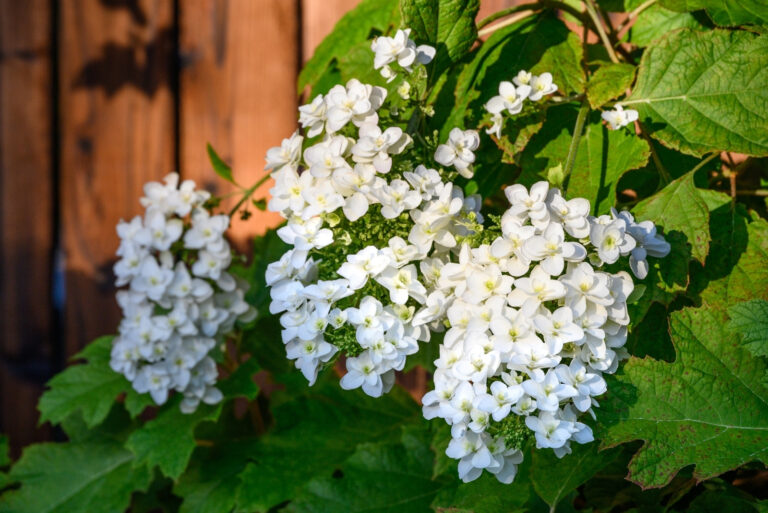
9 Flower Seeds You Should Collect In September
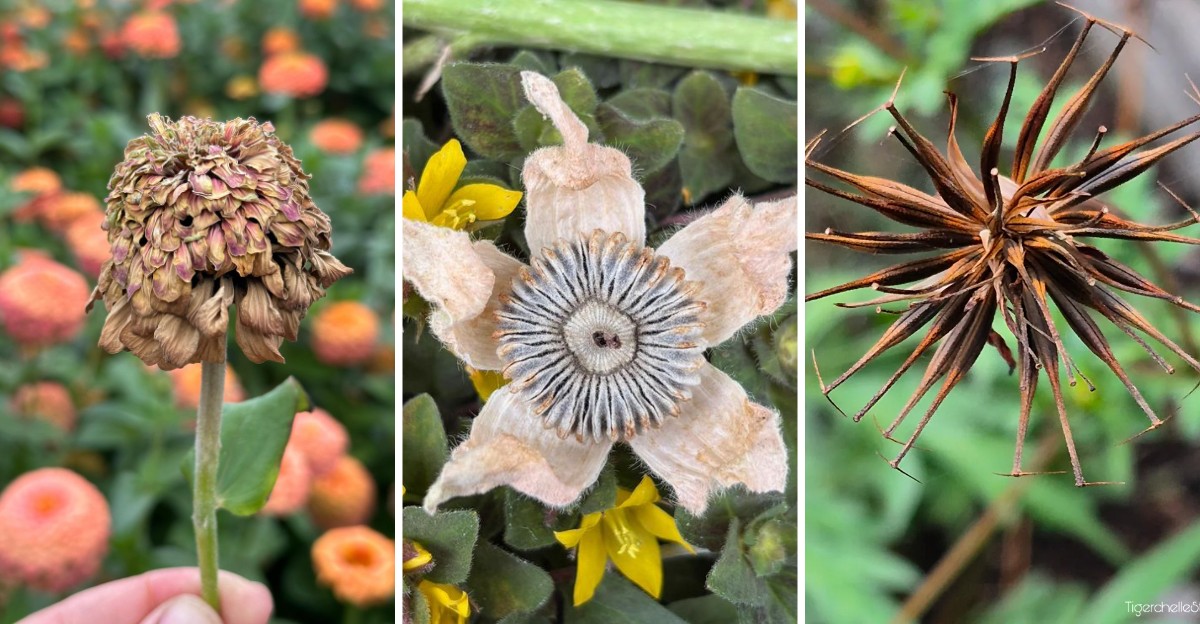
There is a moment in late summer when the garden quietly changes its mind. The blooms fade, the stems rattle, and something valuable hides inside those crispy brown heads.
Most gardeners walk right past it with pruners in hand. That is a shame, because free plants for next year are sitting there in plain sight.
All you really need is a paper bag, a dry afternoon, and a little curiosity. September rewards the patient gardener more than any other month.
So before you tidy everything away, let me show you what is worth saving. Nine familiar garden favorites are practically handing you next spring on a plate.
Calendula, The Cheerful Curl Of Seeds
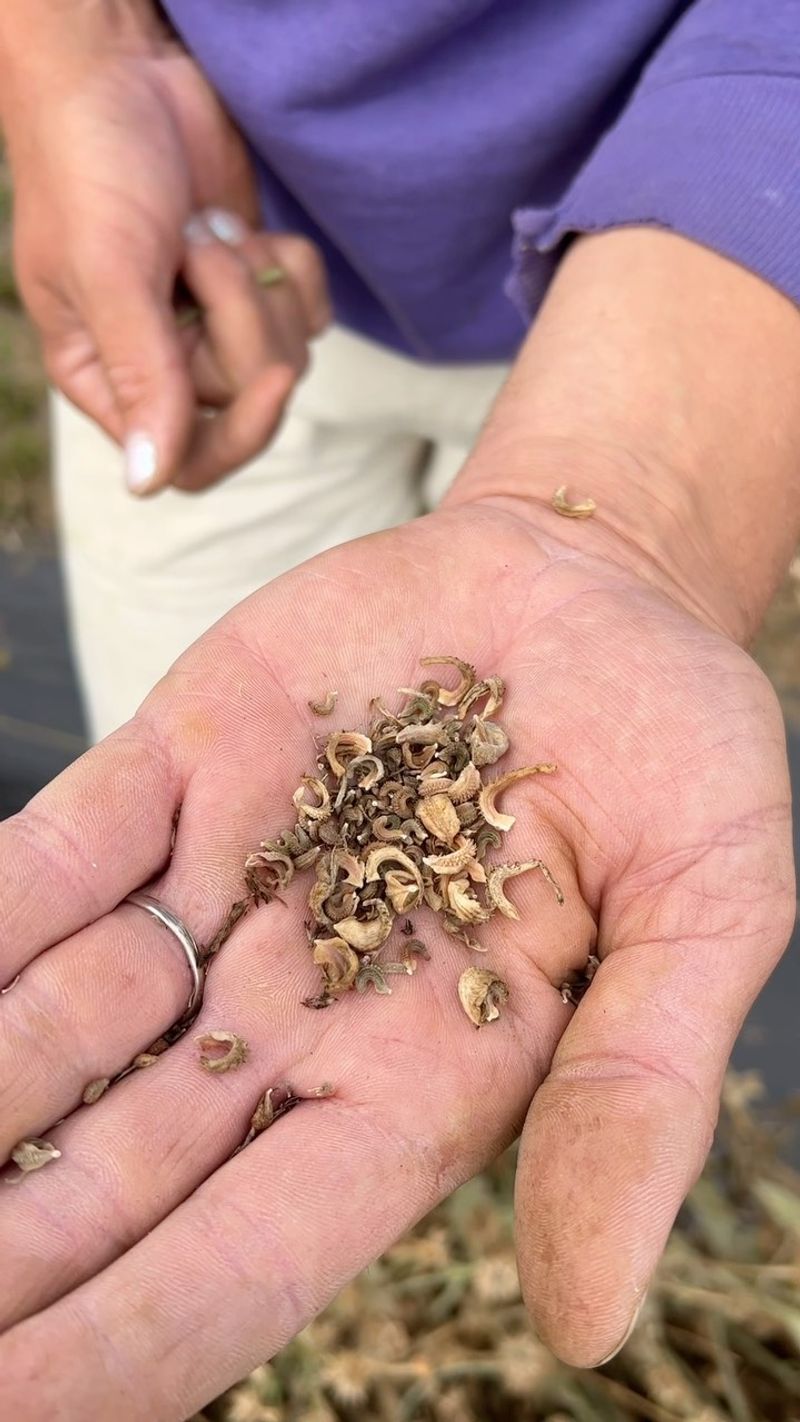
Few seeds look as strange as calendula’s. They curl like tiny claws or dried shrimp, and once you spot them you will recognize them anywhere.
Let the orange and yellow flowers fade right on the plant. When the center turns brown and the curved seeds feel dry and papery, they are ready to gather.
Pinch the whole seed head off and roll it gently between your palms over a bowl. The seeds separate easily, and one flower head can give you twenty or more.
Store them in a labeled paper envelope somewhere cool and dark. Calendula seeds stay viable for about three years, though fresher seed sprouts faster and stronger.
Here is a nice bonus: calendula self-sows so generously that you will likely find volunteer seedlings next spring anyway. Collecting simply lets you choose where they grow instead of leaving it to chance.
Gardeners have grown calendula for centuries, using the petals in soups, salves, and dyes. Medieval cooks called it poor man’s saffron because the petals tinted rice and butter a warm gold.
Sow your saved seed directly in the ground in early spring, or scatter it in autumn for earlier flowers. Cover the seeds lightly, since they germinate best with a thin blanket of soil.
Choose seed from your healthiest, most colorful plants. Over several seasons you will slowly build a strain suited to your own garden conditions.
Sunflower Heads Worth Bagging Before The Birds Arrive
Ask any goldfinch and it will tell you sunflower seeds are the best thing about September. Which is exactly why you need to move quickly.
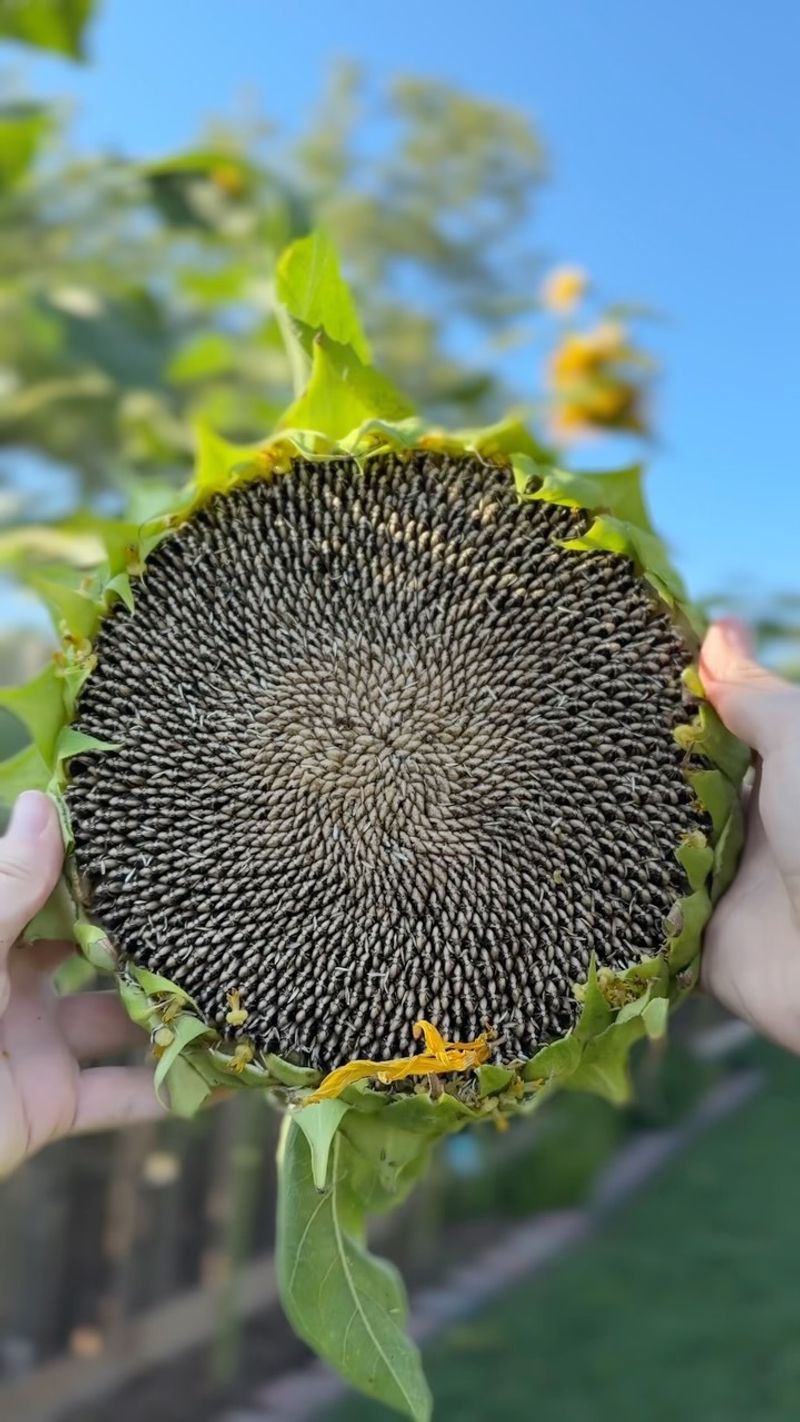
Watch the back of the flower head rather than the petals. When that green disc turns yellow, then brown and papery, the seeds inside have finished filling out.
Petals will have dropped and the head will droop heavily toward the ground. Give a few seeds a gentle tug, and if they release cleanly, harvest time has arrived.
Cover ripening heads with a paper bag or a piece of mesh secured with twine. Birds and squirrels will strip an unprotected head in a single afternoon.
Cut the stem about a foot below the head and hang it upside down in a dry, airy shed. After a week or two, rub the seeds out with your thumbs or a stiff brush.
Only save seed from open-pollinated varieties. Hybrid sunflowers produce offspring that rarely match the parent plant, which can be a fun surprise or a real letdown.
Russian growers turned sunflowers into a major crop in the 1800s, then shipped improved varieties back to North America where the plant originally grew wild.
Keep the plumpest seeds for planting and share the rest with your winter bird feeder. Store planting seed in a sealed jar in a cool cupboard.
Poppy Pods That Rattle Like Tiny Pepper Shakers
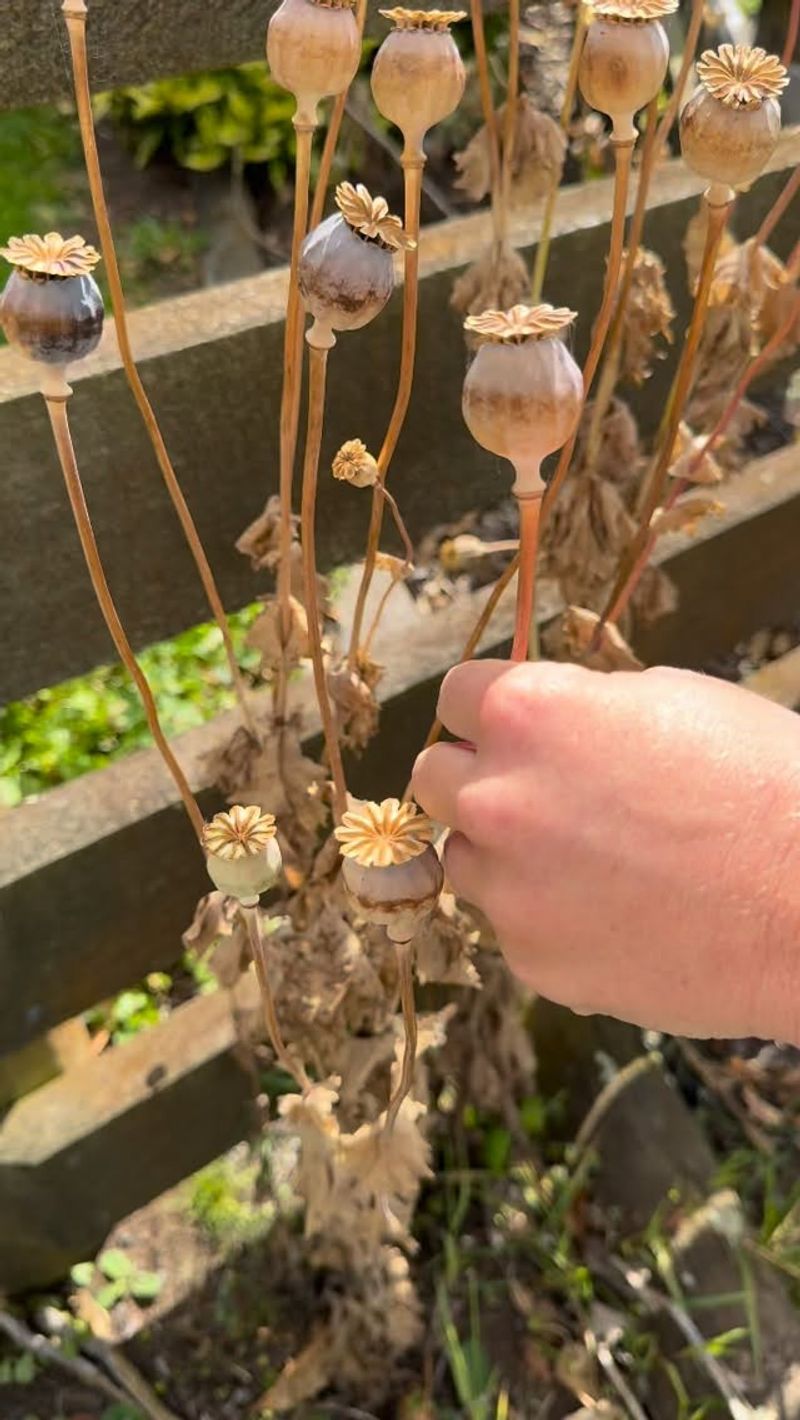
Shake a ripe poppy pod and you get a sound like a miniature maraca. That rattle is nature telling you the seeds are ready.
Poppy pods turn from soft green to dry, papery grey-brown as they mature. Small vents open in a ring just under the crown at the top.
Those vents exist so wind can sprinkle seed as the stem sways. Clever design, but not helpful when you want the seed yourself.
Snip the pod with a few inches of stem and turn it upside down over a bowl or envelope. Thousands of pinhead-sized seeds will pour straight out.
One decent pod holds enough seed for a generous drift of flowers. Poppies dislike being transplanted, so scatter the seed exactly where you want blooms.
Sow in autumn or very early spring, pressing the seed onto the surface without burying it. Light helps poppy seed wake up.
Breadseed and Shirley poppies both save beautifully, and Iceland poppies work too. Oriental poppies produce seed as well, though named varieties may not come true.
Fun bit of history: dried poppy pods have been used in flower arrangements for generations, and Victorian gardeners prized them for winter bouquets.
Keep the seed dry above all else. Slightly damp poppy seed clumps into a paste and loses its spark quickly, so let pods finish drying indoors before storing.
Cosmos Seeds Shaped Like Little Brown Needles
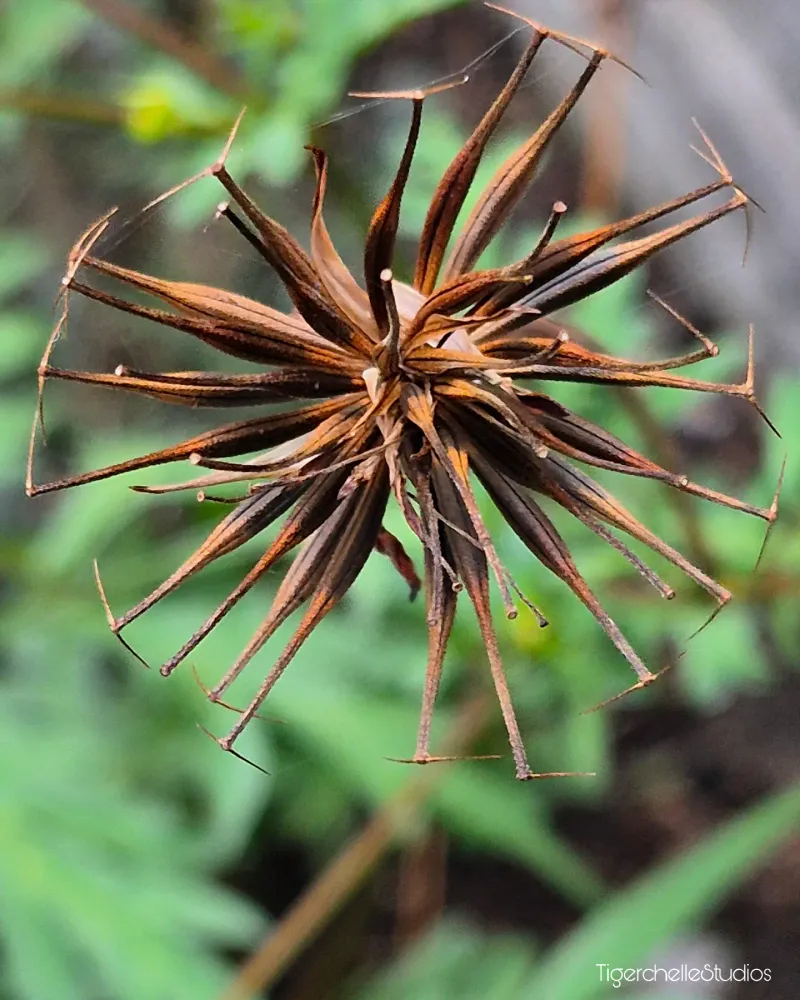
Skinny, dark, and slightly spiky, cosmos seeds look more like pine needles than anything that could produce a cloud of pink flowers. Appearances deceive.
By September your cosmos plants are usually a leggy tangle of blooms and spent heads. The finished flowers form a starburst cluster of thin seeds at the tip of each stem.
Wait until the cluster is brown and brittle before touching it. Green seeds shrivel in storage and rarely sprout.
Simply hold a bowl underneath and brush the seeds off with your fingertips. They release with almost no effort at all.
A single plant produces hundreds of seeds, which makes cosmos one of the most rewarding flowers for beginner seed savers. Share the surplus with neighbors or scatter it along a fence line.
Both the tall Sensation types and the smaller Sonata series save well. Sulphur cosmos, with its orange and gold tones, works the same way.
Colors may mix over the years since bees move pollen freely between plants. Many gardeners enjoy the surprise, but if you want pure white, save only from an isolated white plant.
Spanish missionaries in Mexico named the flower kosmos, meaning ordered or harmonious, because of its evenly spaced petals.
Sow saved cosmos after the last frost in a sunny spot with lean soil. Rich, heavily fed ground gives you towering leaves and stingy flowers.
Zinnia Petals Hiding Arrowhead Seeds
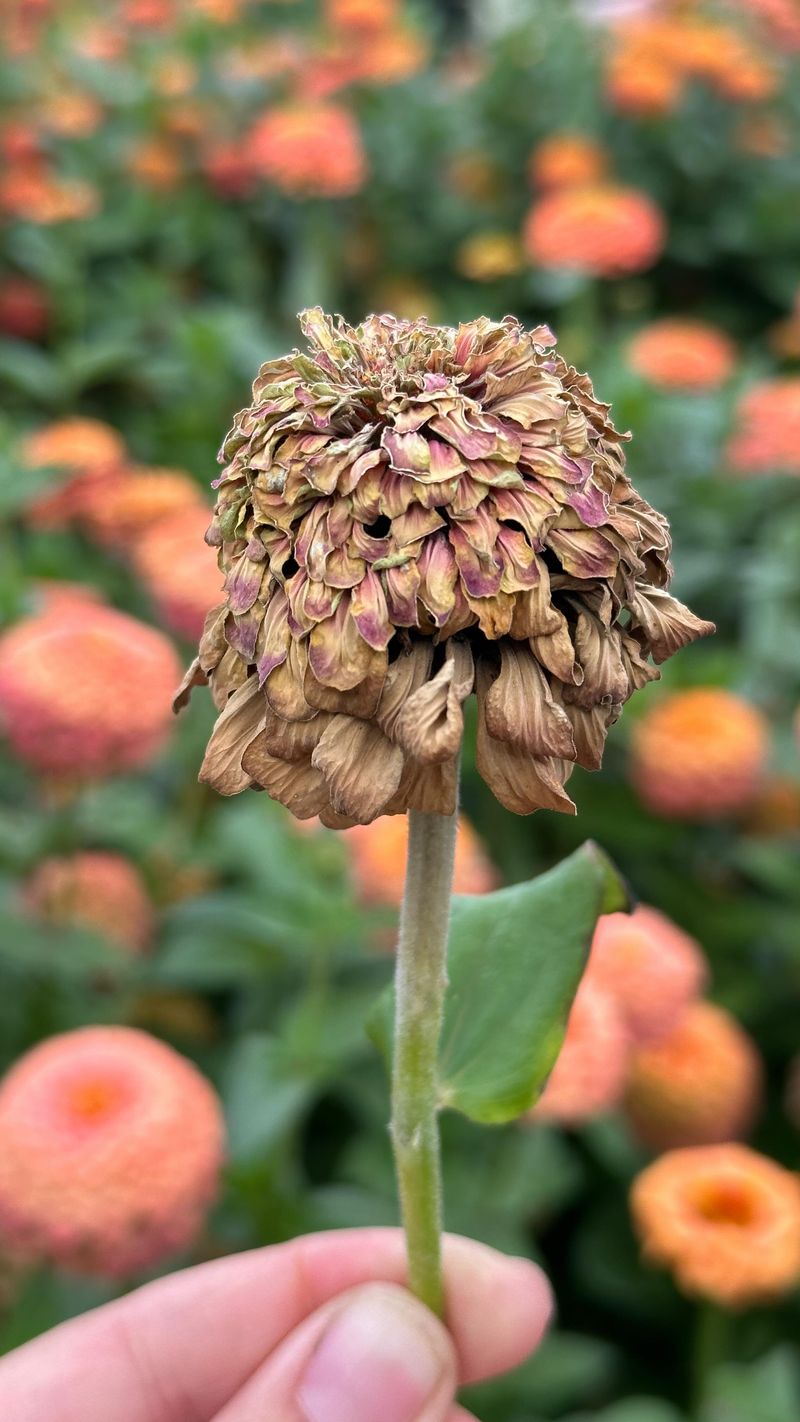
Zinnia seed saving feels a bit like a treasure hunt, because the seeds hide right at the base of each petal. Pull a dried head apart and you will see them.
Most seeds are shaped like a tiny arrowhead, flat and tan with a pointed tip. Fat, well-filled arrowheads sprout best, while thin papery ones usually do nothing.
Leave a few of your favorite blooms on the plant instead of cutting them for vases. Let them go fully brown and crispy on the stem.
Snap off the dried head, then crumble it into a shallow dish. Petals, chaff, and seeds will all mix together, which is perfectly fine for home use.
Sort out the plumpest seeds if you want the best germination. Otherwise just plant the whole crumbly mix in spring and thin the seedlings later.
Bees cross-pollinate zinnias constantly, so saved seed from a mixed bed produces unpredictable colors and forms. Treat it as a free lottery ticket each spring.
Double-flowered zinnias sometimes produce single-flowered offspring, which still attract plenty of butterflies. Nothing goes to waste.
Zinnias came originally from Mexican grasslands, where early Spanish visitors reportedly found them unremarkable and called them mal de ojos, or eyesore. Breeders have thoroughly proved them wrong.
Store the dry seed in an envelope and sow after frost danger passes, since zinnias resent cold soil.
Nigella, The Love-In-A-Mist Balloon Pods
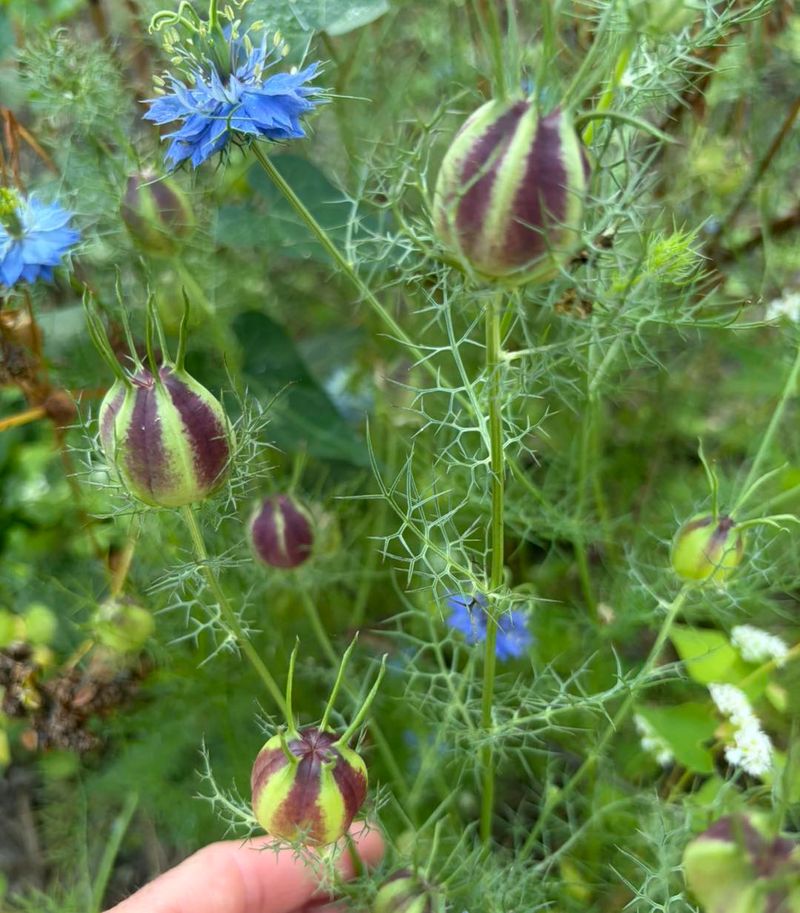
Nigella pods look like something out of a fantasy novel: striped balloons crowned with curving horns. They are almost too pretty to open.
Those inflated pods start green and purple-striped, then fade to a papery beige as they ripen through late summer.
Give one a squeeze in September. If it feels dry and hollow rather than firm and juicy, the black seeds inside are ready.
Snip the pods with long stems attached and tip them upside down into a container. The seeds spill out through openings at the top like salt from a shaker.
Save some intact pods for dried arrangements too, since they hold their shape for years and look striking in a winter vase.
Nigella hates root disturbance, so direct sowing is the way to go. Scatter seed in autumn where you want it and let the winter chill do the rest.
Autumn-sown plants tend to be sturdier and bloom weeks earlier than spring-sown ones. The feathery foliage appears surprisingly early in the season.
The seeds of a close relative, Nigella sativa, are the black cumin used in Middle Eastern breads. Ornamental love-in-a-mist seed is best kept for planting rather than cooking.
Expect volunteers popping up in gravel paths and border edges. Collecting seed just gives you control over where the mist drifts next year.
Sweet Pea Pods Snapping In The Sunshine
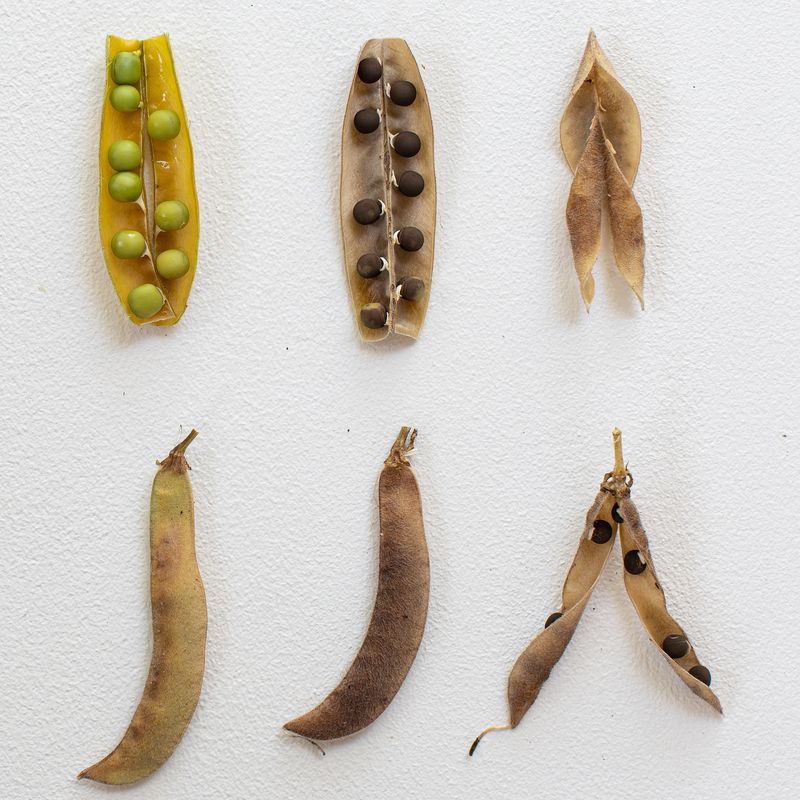
On a warm September afternoon you can actually hear sweet pea pods pop. The dried shells twist and fling their seeds several feet away.
Stop removing spent blooms from a few vines in August so pods have time to form and ripen. Sweet peas stop flowering once they set seed, so sacrifice only your best plants.
Pods look like small fuzzy pea pods and turn from green to leathery brown. Seeds inside become hard, round, and darkly mottled.
Pick them just before they split, when the pod feels papery but still holds together. Waiting one day too long scatters your harvest into the lawn.
Shell the pods over a bowl and spread the seeds on a tray for another week of drying indoors.
Sweet peas mostly self-pollinate, which means saved seed usually resembles the parent plant closely. That makes them wonderfully reliable for beginners.
Store the hard seeds in a paper envelope in a cool spot. Mice love them, so a tin or jar with a lid is wise.
A Sicilian monk named Franciscus Cupani sent sweet pea seeds to England in 1699, and gardeners have been hooked on the fragrance ever since.
Sow in autumn in mild areas or late winter under cover. Soaking the seeds overnight softens the tough coat and speeds up sprouting considerably.
Hollyhock Wheels Packed With Flat Seeds
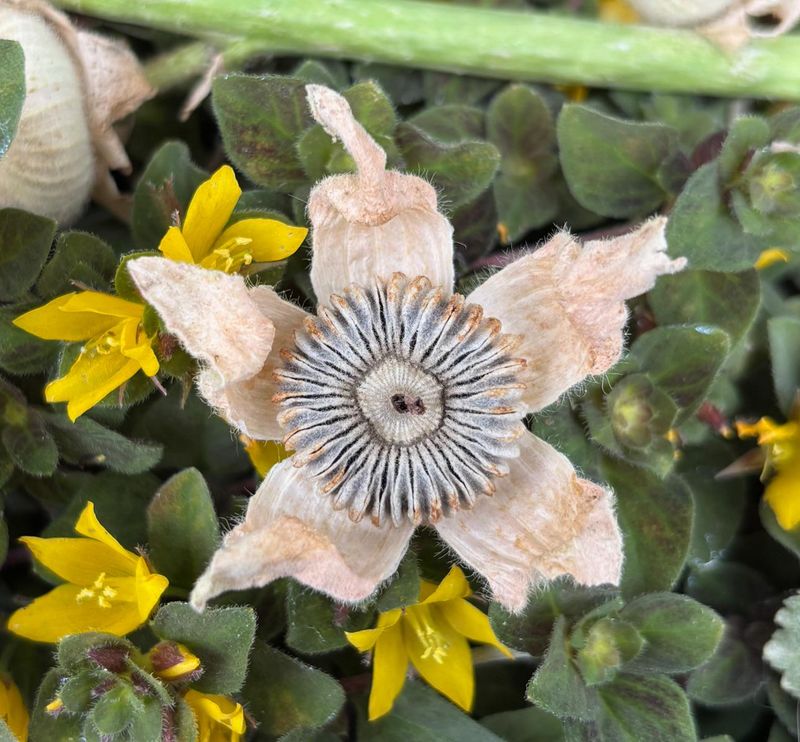
Hollyhock seeds stack inside their pods like coins in a roll. Crack one open and you will find a neat wheel of flat, papery discs.
Those towering stalks finish flowering from the bottom upward, so the lowest pods ripen first while the top still shows color.
Watch for capsules that have turned brown and started to crack around the edges. Ripe seeds inside are grey-brown and firm rather than pale and soft.
Pop the whole capsule off and break it apart over a bowl. Twenty or more seeds tumble out of each one.
Because hollyhocks are usually biennial, sowing fresh seed in September gives you leafy rosettes before winter and flowers the following summer.
Rust disease plagues hollyhocks in damp seasons. Gather seed from plants with the cleanest leaves, and burn or bin infected foliage rather than composting it.
Bees cross-pollinate freely, so a mixed border produces a rainbow of unexpected shades. Old cottage gardens got their glorious jumble of hollyhock colors exactly this way.
Hollyhocks traveled from Asia into European gardens during the Crusades, and colonists later planted them beside doorways and outhouses across North America.
Press the seed just under the soil surface and keep it damp until sprouting. Self-sown seedlings often appear at the base of the parent plant, ready to move.
Marigold Tufts You Can Pull By The Handful
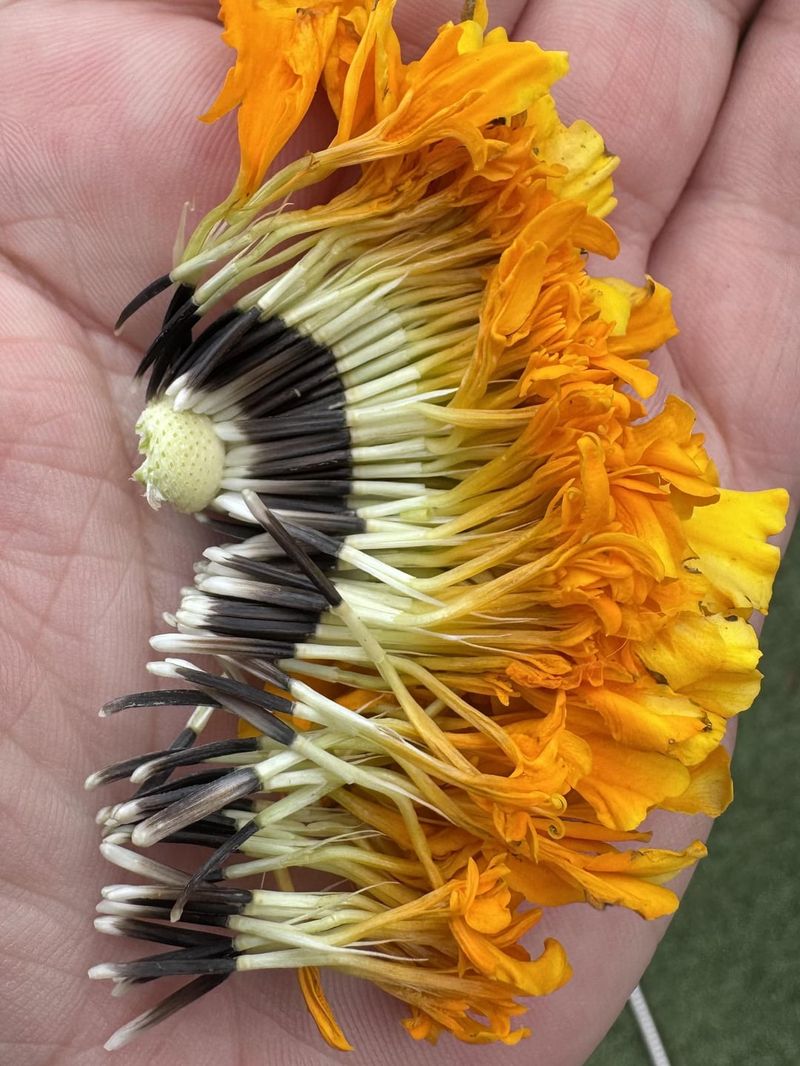
Grab a browned marigold head, give the base a squeeze, and a whole paintbrush of seeds slides out in one satisfying pull. Nothing in seed saving is easier.
Each seed is long and thin, black at one end with a pale straw-colored tuft at the other. They look a bit like tiny arrows with feathers.
Let spent flowers dry fully on the plant until the green base turns tan and crumbly. Damp heads may develop mold, so pick on a dry day.
Spread the seeds on newspaper for a few days before packing them away. Any leftover moisture will spoil an envelope full of good seed.
French and signet marigolds save especially well, and African types work too. Seed from hybrids may produce plants that differ from the parent.
Marigolds germinate fast, often in under a week, which makes them a brilliant choice for children learning to grow things from scratch.
Many vegetable gardeners tuck them between tomatoes and beans, believing the strong scent confuses certain insect pests.
The flowers hold deep meaning in Mexico, where marigolds decorate altars during an annual autumn celebration honoring ancestors, their bright color and scent said to lead spirits home.
Sow your saved seed indoors a few weeks before the last frost, or drop it straight into warm soil in late spring.