Why September Is The Best Time To Plant Garlic In North Carolina Gardens
Garlic has a well-earned reputation for being one of the more forgiving crops a North Carolina gardener can grow, but here is the thing nobody tells you upfront: timing is basically everything.
Plant at the right moment and you are looking at fat, flavorful bulbs ready to pull the following summer.
Miss the window and you end up with results that are, let’s just say, a little underwhelming. September in North Carolina quietly delivers some of the best conditions garlic could ask for.
Cooler nights, warm soil that has not yet lost its summer energy, and steadier moisture create a genuinely solid environment for roots to get established before winter moves in.
If you have ever wondered why some gardeners pull gorgeous bulbs while others scratch their heads at harvest time, September planting is usually a big part of the answer.
1. Warm Soil Gives Roots A Strong Head Start
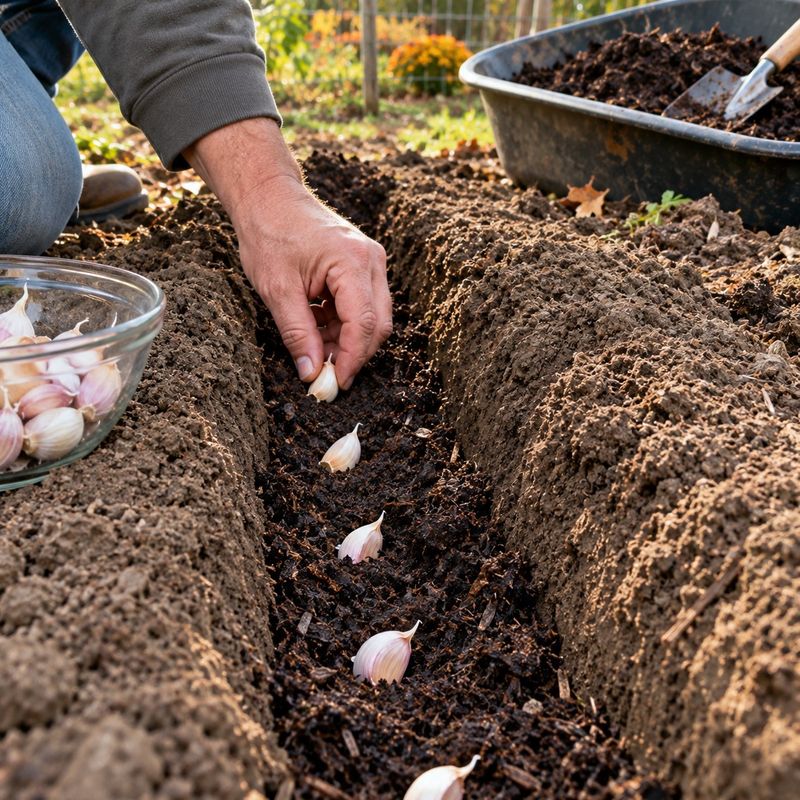
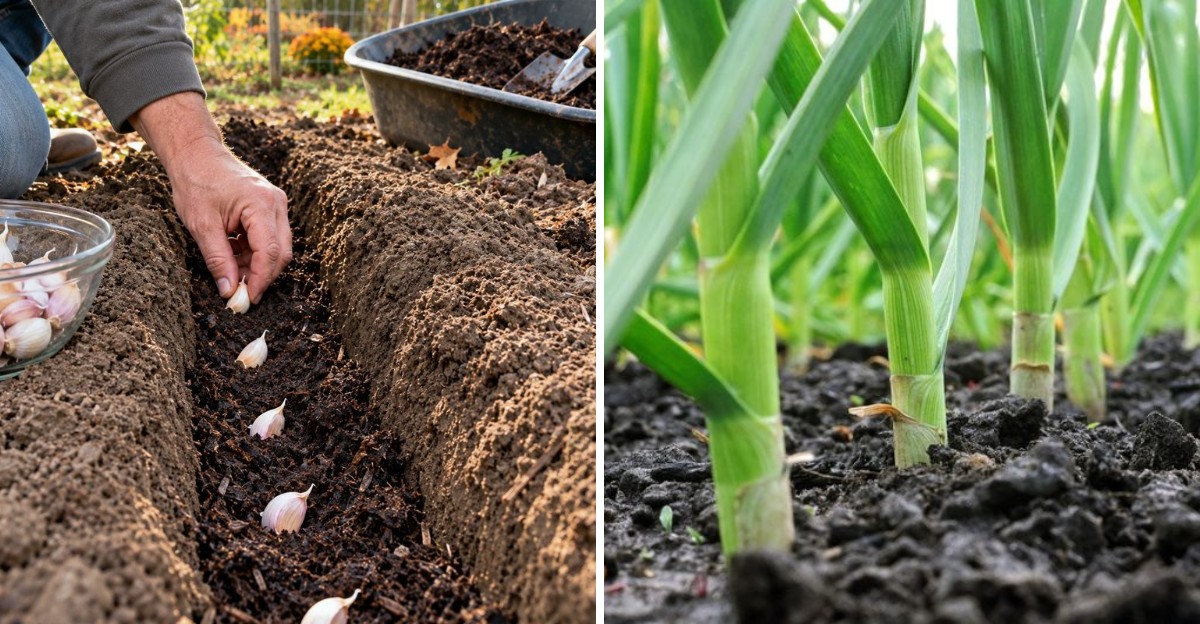
Soil temperature is the quiet hero behind great garlic, and September soil across North Carolina still holds plenty of summer warmth. That leftover heat encourages cloves to push out roots quickly, sometimes within a week or two of planting.
Roots matter more than most folks realize. A clove that anchors itself before the first frost will handle North Carolina’s up-and-down winter far better than one planted late and left scrambling.
In the Piedmont and coastal plain, ground temperatures in September often sit in that sweet spot near the sixties, which garlic loves.
I like to check the soil with my hand before I plant. If it feels comfortably warm, not scorching, the timing is right for most gardens.
Mountain gardeners may find early September works best since their soil cools faster than the rest of the state.
Skipping this window is a common mistake. Wait until November, and those cloves may sit in cold ground with barely any root growth, leaving them vulnerable during winter’s freeze-thaw swings.
Give your garlic that warm-soil advantage, and you set the stage for vigorous spring growth. Strong roots now mean less babysitting later, which is exactly what busy gardeners appreciate.
2. Cooler Nights Signal Garlic To Wake Up
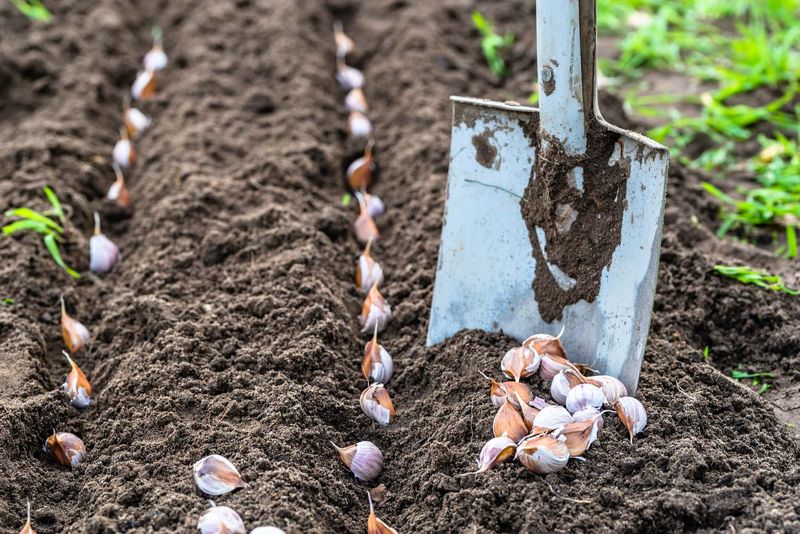
Garlic responds to shifting temperatures almost like it has a built-in calendar. As evenings start cooling down in September, cloves sense the change and begin their natural growth cycle.
Those crisp nights, paired with still-warm afternoons, create the exact rhythm garlic prefers. The plant reads the drop in nighttime temperatures as a cue to establish itself before the real cold settles across the state.
Gardeners in the North Carolina mountains notice this shift earlier than folks near the coast, where warm evenings can linger into October. Paying attention to your local nighttime lows helps you nail the timing instead of guessing.
There’s a practical benefit too. Cooler nights slow down fungal problems and reduce the stress heat can place on freshly planted cloves.
Summer planting almost never works here because the intense heat exhausts the young roots.
I usually watch the ten-day forecast in late summer. Once I see nights consistently dipping and the muggy days easing off, I know the window has opened.
Your North Carolina Garden Changes Every Week. Your Plan Should Too.
Gardening in North Carolina changes quickly throughout the season. Every Friday you’ll receive a simple weekly plan showing exactly what to plant, prune, fertilize, harvest, and protect so you never miss the right timing.
Trusting these seasonal signals keeps you in sync with what garlic actually wants. Instead of forcing a schedule, you’re working alongside North Carolina’s natural transition into fall, and your bulbs will thank you for it next summer.
3. Fall Moisture Keeps Cloves From Drying Out
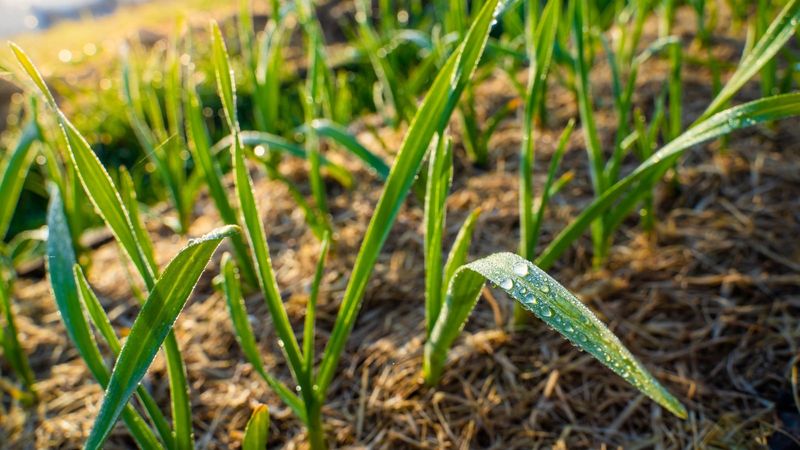
Water is where September really shines for North Carolina growers. The month often brings steadier rainfall than the parched stretches of July and August, which means your newly planted cloves stay evenly moist without constant hand-watering.
Consistent moisture is exactly what roots need to spread out and grab hold. Dry soil, on the other hand, can leave cloves sitting idle, waiting for water that never comes.
Across much of the state, tropical systems and cooler fronts tend to roll through in early fall, giving gardens a natural drink. That free irrigation saves you both effort and money, especially in larger beds.
Still, don’t assume the sky will handle everything. In drier seasons, or in fast-draining sandy coastal soil, you may need to water your garlic bed once or twice a week until the rains show up.
A light layer of straw mulch helps hold that moisture in place while keeping the soil temperature steady. I add a couple inches right after planting.
Balance is key here. Garlic dislikes soggy, waterlogged ground just as much as bone-dry conditions, so raised beds work well in wetter parts of North Carolina.
Get the moisture right, and your cloves settle in comfortably, ready to face whatever winter throws at them.
4. Enough Time To Beat The First Frost
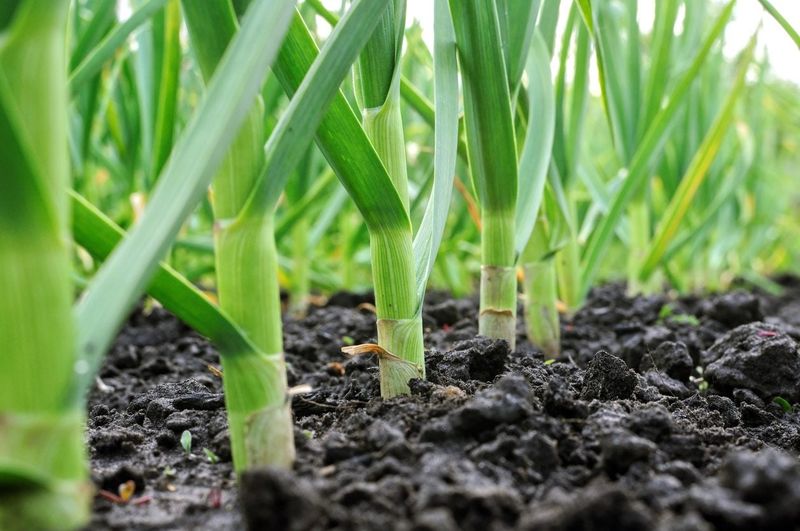
Timing your planting so roots form before frost is a game-changer, and September delivers that cushion beautifully. Most of North Carolina doesn’t see a hard frost until late October or November, giving cloves several unhurried weeks to establish.
Those extra weeks are pure gold. A well-rooted clove shrugs off freezing nights, while a barely-rooted one struggles when the ground stiffens up.
Frost dates vary quite a bit across the state. Gardeners in the North Carolina mountains face earlier cold, so they benefit from planting in the first half of September, while coastal and Piedmont gardeners have a little more wiggle room.
Knowing your local first-frost date takes the guesswork out. A quick check with NC State Extension resources or a neighbor who has gardened for years can point you in the right direction.
Cutting it too close is a mistake I’ve watched newer gardeners make. Planting in mid-November often leaves cloves with almost no time to root before winter locks down the soil.
Give yourself that comfortable head start instead. The buffer September provides lets garlic ease into the season at its own pace.
By the time the first freeze arrives, your bed will already be quietly working underground, building the foundation for a strong spring push.
5. Bigger Bulbs Come From Longer Growing Seasons
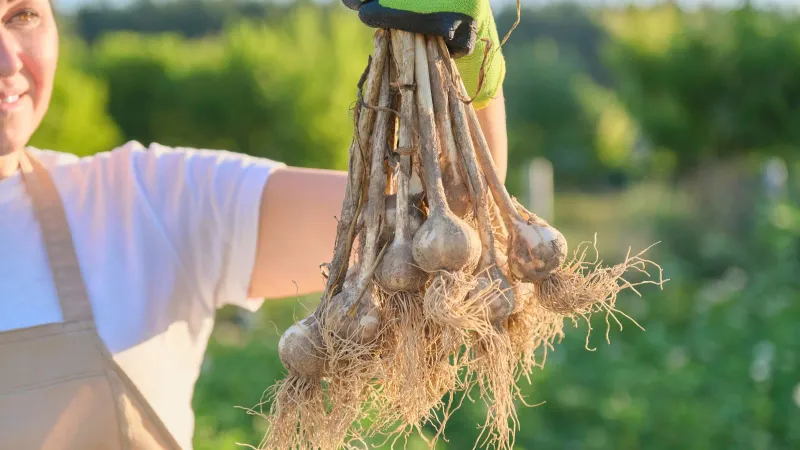
Want head-turning garlic bulbs? The size of your harvest is directly tied to how long the plant has to grow, and September planting stretches that season generously.
Garlic isn’t a crop you rush. From the moment cloves go in during early fall until harvest the next summer, the plant slowly builds energy underground.
More months in the ground usually mean fatter, more impressive bulbs.
Cloves planted in September get nearly nine full months to develop before harvest. Compare that to a late or spring planting, and the difference in bulb size can be striking.
The long, mild stretch of North Carolina fall lets roots and early shoots grow steadily without stress. By spring, those plants are already established and ready to bulk up fast once the days lengthen.
I’ve grown garlic both ways, and the September crop always comes out ahead. Late plantings tend to produce smaller cloves that just never catch up.
Choosing the right variety helps too. Softneck types often perform well in the warmer parts of North Carolina, while hardneck varieties can shine in the cooler mountain regions.
Reward yourself with that extended season. A few minutes of planting now sets up a harvest worth bragging about next July.
6. Cooler Weather Means Fewer Pests And Diseases
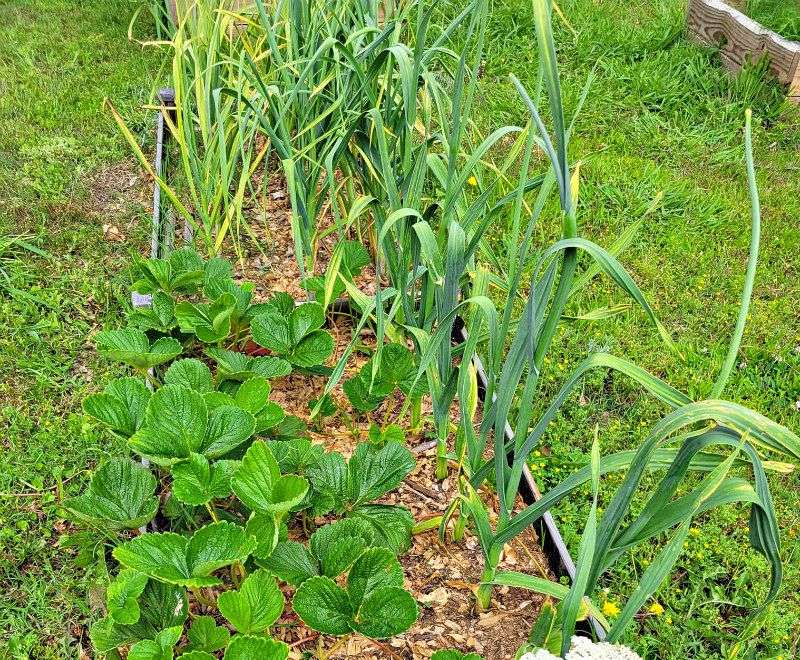
Bugs and fungal troubles love the sticky summer heat, which is exactly why September planting sidesteps so many problems. As temperatures ease, pest pressure drops right along with them.
Fewer pests means your young garlic can focus on rooting instead of defending itself. The cooler, drier conditions of fall discourage many of the fungal diseases that thrive in warm, humid soil.
Humidity is a real challenge in North Carolina, especially in the coastal plain where muggy air lingers. Planting once that heavy summer moisture fades gives your cloves a cleaner, healthier start.
Rot is a frequent complaint among gardeners who plant too early in warm, wet soil. Waiting for September’s milder weather lowers that risk considerably across the state.
Good habits still matter. I always plant certified garlic from a reliable source rather than grocery-store bulbs, which can carry hidden diseases into North Carolina beds.
Rotating where you plant garlic each year also keeps soil-borne problems from building up. Avoid planting where onions or garlic grew the previous season.
Clean soil, cool air, and healthy cloves form a winning combination. By working with the calmer conditions September offers, you dodge a long list of headaches that summer gardening tends to invite.
7. Roots Grow While The Rest Of The Garden Rests
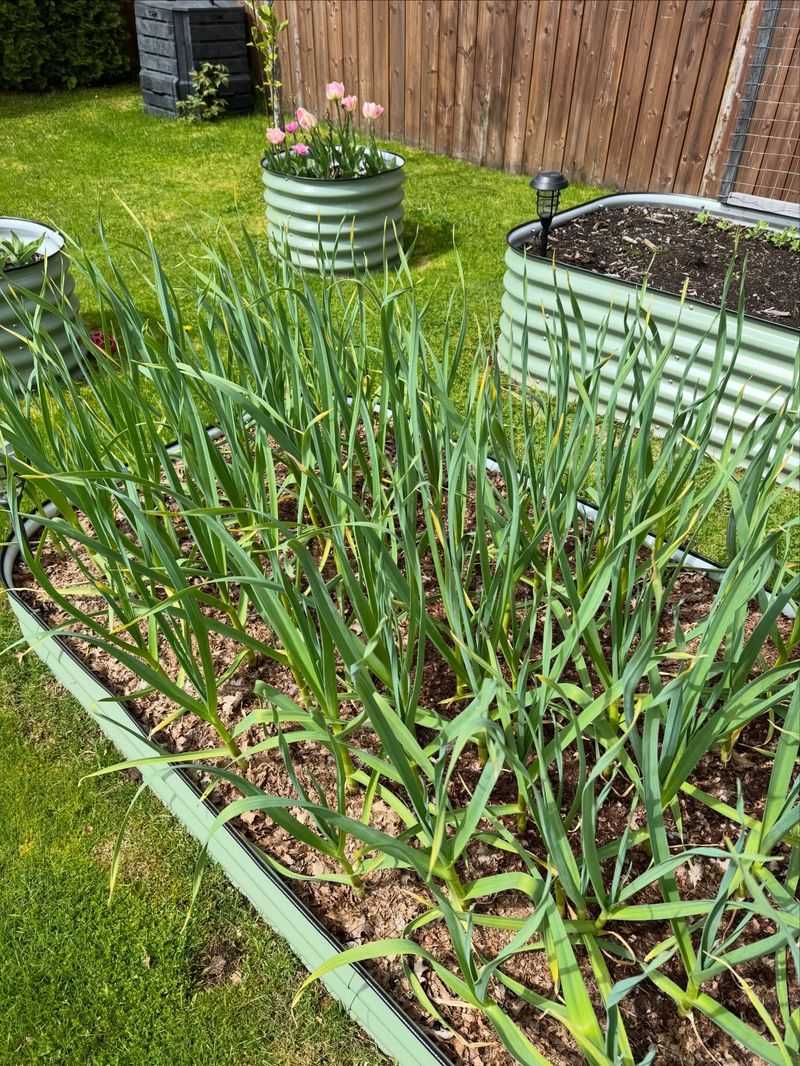
There’s something satisfying about knowing part of your garden is busy while everything else winds down. Garlic planted in September works underground all through fall, quietly building roots when most crops are finishing up.
That behind-the-scenes activity is a huge advantage. While tomatoes and squash fade with North Carolina’s cooling weather, your garlic is just getting started beneath the surface.
Fall is a season of transition for gardeners, and empty beds often sit unused. Filling that space with garlic makes your garden productive during months it might otherwise sit idle.
The plant sends out roots even as the top growth stays modest or hidden. Come spring, those established roots let the garlic surge ahead of anything you’d plant later.
I love this about garlic because it fits so neatly into the calendar. After pulling out spent summer crops, I clear a bed, amend the soil, and tuck in cloves without any rush.
Adding compost before planting gives those roots rich material to explore all winter. Well-drained soil keeps the cloves comfortable during North Carolina’s wet spells.
Think of September garlic as an investment that grows while you relax. By the time you’re dreaming up next year’s garden, your garlic will already be well ahead of the game.
8. Easier Soil Preparation Before Winter Sets In
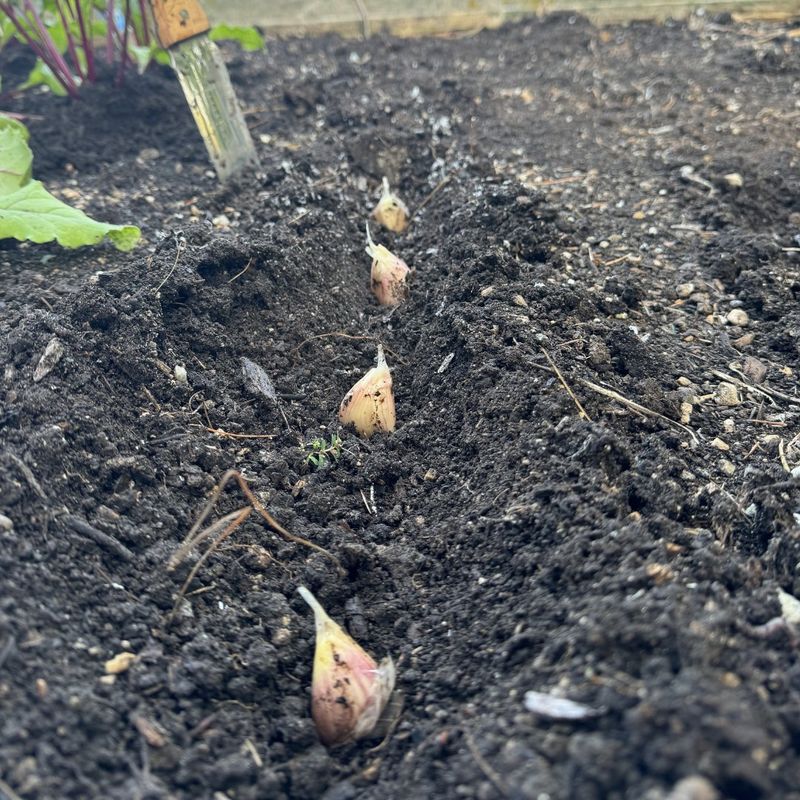
Prepping soil in September is a downright pleasant chore compared to fighting frozen or soggy ground later. The mild, workable conditions of early fall make bed preparation quick and comfortable across the state.
Loose, well-drained soil is what garlic craves, and September gives you the perfect chance to build it. The ground is neither baked hard by summer sun nor waterlogged by winter rains.
Clay-heavy soil is common throughout the North Carolina Piedmont, and it can be tough to work when wet or dry. Tackling it during September’s balanced weather lets you loosen and improve it without a struggle.
I mix in a few inches of compost and check that drainage is good before planting a single clove. Raised beds work wonders in areas where heavy soil holds too much water.
A soil test through NC State Extension is worth doing before you plant. Garlic prefers a slightly acidic to neutral pH, and knowing your numbers helps you adjust with the right amendments.
Waiting until winter turns this easy task into a muddy mess. Frozen or saturated soil resists every attempt to prepare it properly.
Take advantage of the comfortable September window. Well-prepared soil now gives your cloves a rich, welcoming home for the long months ahead in North Carolina gardens.
9. A Head Start On Next Summer’s Harvest
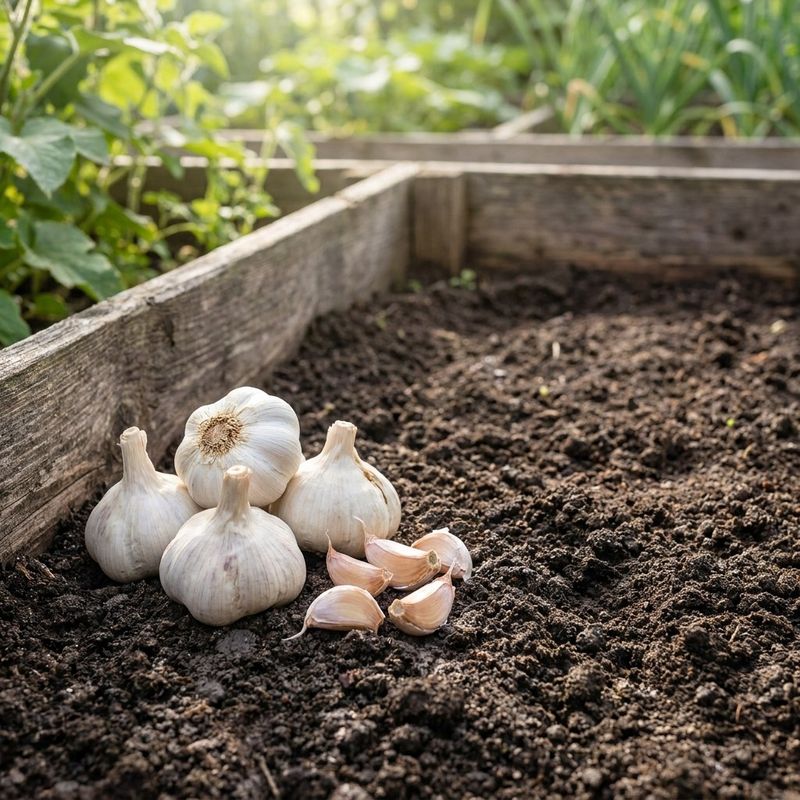
Planting garlic in September feels like sending a message to your future self, and it’s always a good one. By getting cloves in the ground now, you set up a satisfying harvest that arrives the following summer with hardly any effort in between.
Garlic is famously low-maintenance once established. After that September start, gardeners mostly just mulch, water occasionally, and wait for the magic to happen.
The payoff comes around June or July, depending on where you garden in the state. Mountain harvests tend to run a little later than those in the warmer Piedmont and coastal areas.
Watching those green shoots appear in early spring is genuinely exciting. They’re one of the first signs of life in many gardens, long before summer crops go in.
Harvest timing matters as much as planting. I pull my garlic when the lower leaves brown but several green ones remain, then cure the bulbs in a shady, airy spot.
Properly cured garlic from a North Carolina fall planting can store for months, flavoring meals well into the next year.
Few crops offer this kind of reward for so little ongoing work. Slip those cloves in this September, and you’ll be pulling homegrown garlic before you know it.