Can Oregon Homeowners Remove A Street Tree That Is Damaging A Sidewalk?
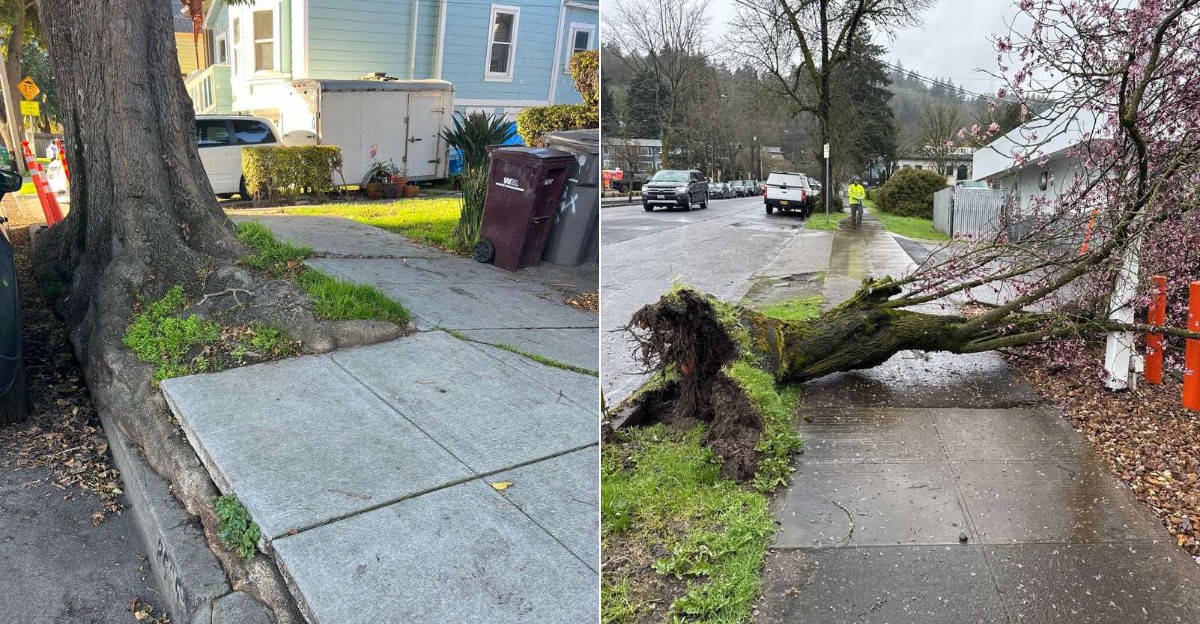
A cracked or lifted sidewalk can turn a beautiful street tree into a frustrating problem. One day you are enjoying the shade and curb appeal, and the next you are wondering who has the authority to deal with the roots pushing up the pavement.
Street trees can be confusing because they often sit right beside private property while being connected to city rules.
You may see the tree outside your home, but removing it is not always as simple as grabbing a saw and calling it a weekend project.
The same goes for sidewalk damage. Roots, concrete, safety concerns, and maintenance responsibilities can all become part of the conversation.
Different Oregon cities may handle street trees differently, and permits are often part of the process.
Before making any plans, it helps to understand what you actually control and what requires approval. A damaged sidewalk does not automatically mean a tree can be removed, and the solution may involve more than just taking the tree down.
Knowing the rules first can save you from unexpected costs, delays, or a much bigger headache later.
1. Street Trees Often Belong To The City
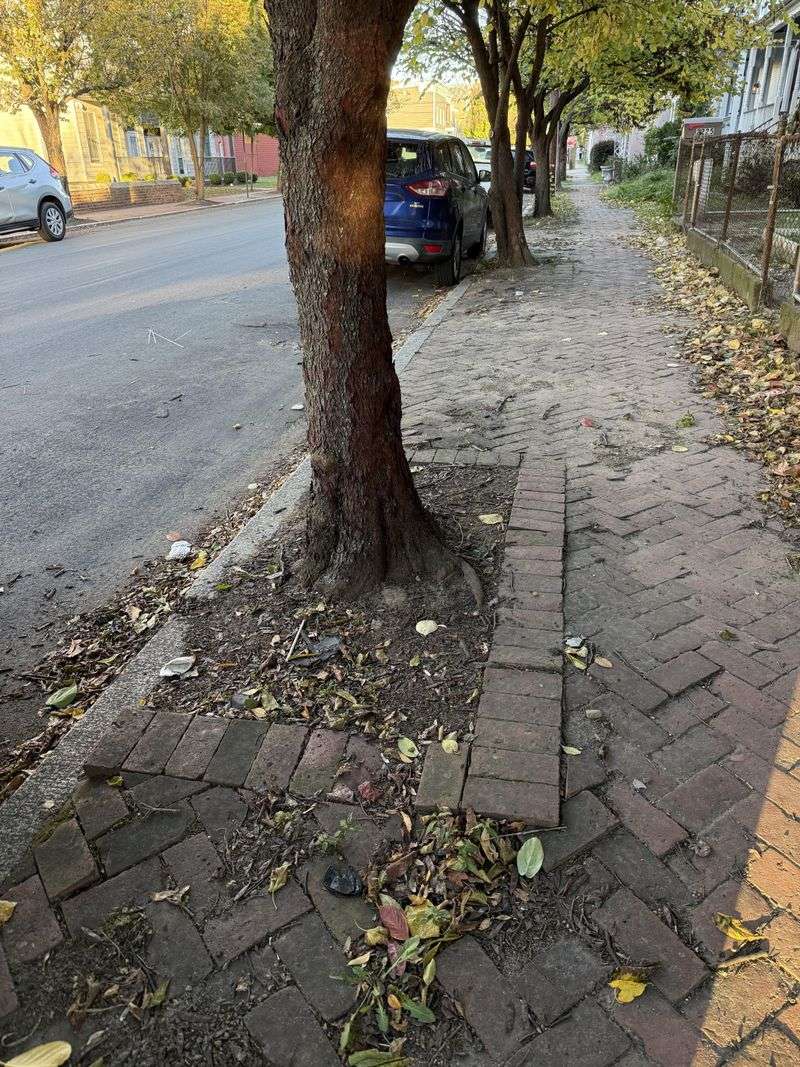
Many homeowners are surprised to find out that the tree in front of their house does not belong to them. Even if a tree is planted in the strip of grass between the sidewalk and the street, it is often considered city property.
That narrow strip of land is called the right-of-way, and most cities have full control over it.
Because the city owns the tree, homeowners generally cannot remove it on their own. Doing so without permission could result in a fine or even a bill to replace the tree.
Some cities charge thousands of dollars in penalties for removing a street tree without approval.
This rule exists to protect the urban forest. Cities invest in street trees because they provide shade, clean the air, reduce stormwater runoff, and improve neighborhood beauty.
Losing even one tree can affect the whole block. So before you assume the tree is yours to deal with, check with your local city office or public works department.
They can tell you exactly who owns the tree and what your rights are as a homeowner. A quick phone call or visit to the city website can clear up a lot of confusion and help you avoid making a costly mistake.
Always verify ownership first before taking any steps toward removal or trimming of a street tree near your property.
2. Sidewalk Damage Does Not Always Mean Removal Is Allowed
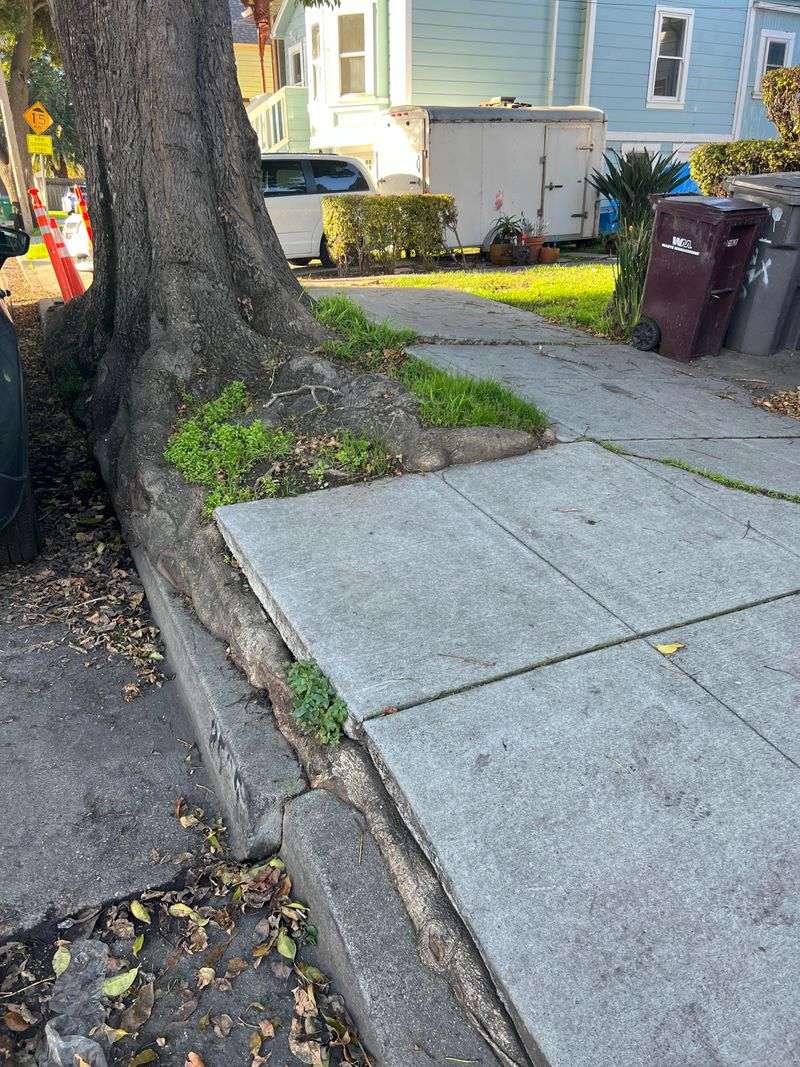
Just because a tree is cracking your sidewalk does not automatically give you the right to remove it. Many people assume that visible damage is enough reason to take the tree down, but cities often see it differently.
The damage has to be evaluated carefully before any removal decision is made.
Oregon cities typically look at several factors before approving a removal request. They consider the size and health of the tree, how severe the damage is, and whether there are other ways to fix the problem.
Your Oregon Garden Changes Every Week. Your Plan Should Too.
Gardening in Oregon changes quickly throughout the season. Every Friday you’ll receive a simple weekly plan showing exactly what to plant, prune, fertilize, harvest, and protect so you never miss the right timing.
A small crack might not be enough to justify cutting down a large, healthy tree that has been growing for decades.
Cities also weigh the cost of repair against the environmental value of the tree. A mature tree can provide hundreds of dollars in annual benefits through shade and air quality alone.
That makes cities reluctant to approve removal just because the sidewalk needs some work. In many cases, they will suggest alternative solutions before agreeing to take the tree down.
Sidewalk grinding, root barriers, or rubber sidewalk panels can sometimes fix the problem without losing the tree. Homeowners who go straight to requesting removal may be surprised when the city pushes back.
Understanding that sidewalk damage is just one part of the decision can help you prepare a stronger case and explore all available options before pushing for full removal of the tree.
3. Permits May Be Needed Before Cutting
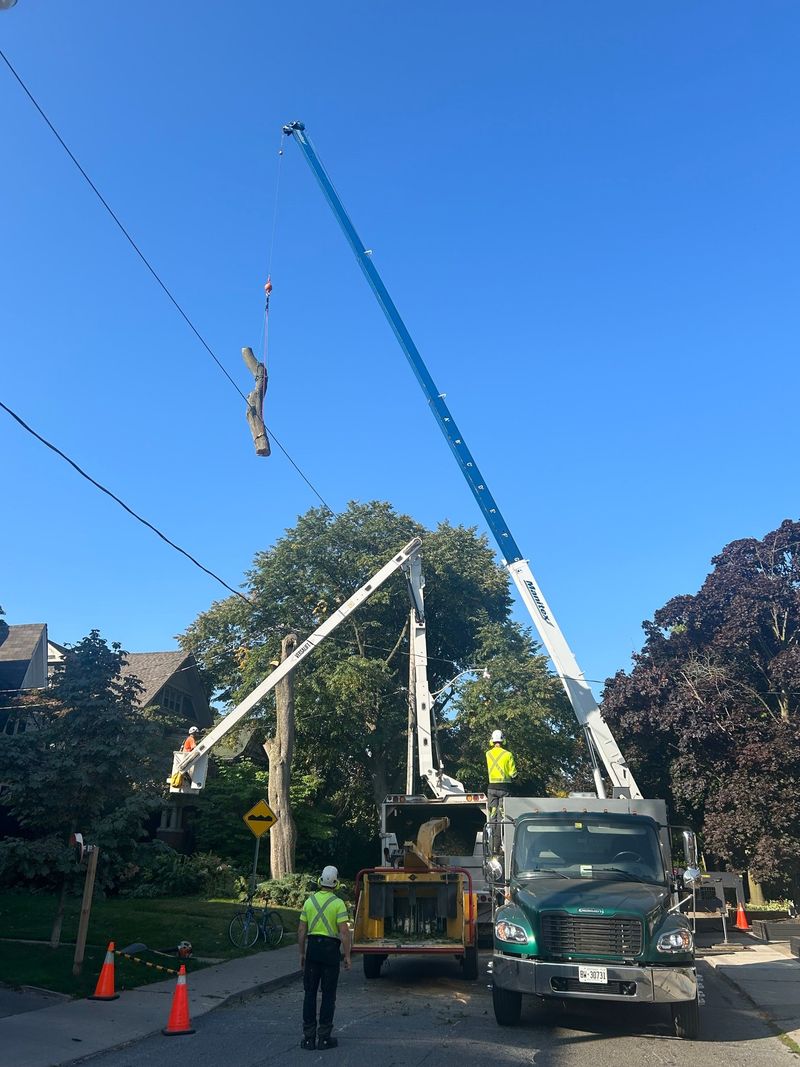
Getting a permit before removing a street tree is not optional in most Oregon cities. It is a required step, and skipping it can lead to serious consequences.
Even if the tree is clearly damaging your sidewalk, you still need to go through the proper channels before any cutting begins.
The permit process usually involves submitting an application to the city. You may need to include photos of the damage, a description of the problem, and sometimes a report from a certified arborist.
Some cities also require a site visit from a city inspector before they approve anything.
Processing times can vary. Some cities take a few weeks, while others may take longer depending on the backlog of requests.
During busy seasons like spring and fall, wait times can stretch out. Planning ahead is important if you want the work done before winter weather makes things worse.
Fees for tree removal permits also vary by city. Portland, for example, has a detailed permitting system through its Urban Forestry division.
Eugene and Salem have their own processes too. Each city has its own forms, timelines, and requirements.
Checking your city’s official website is the best starting point. Some cities even offer online applications, which can speed things up.
Never assume a verbal okay from a neighbor or a contractor is enough. Always get written city approval before any tree work starts on a public right-of-way.
4. Cities Usually Have Their Own Tree Rules
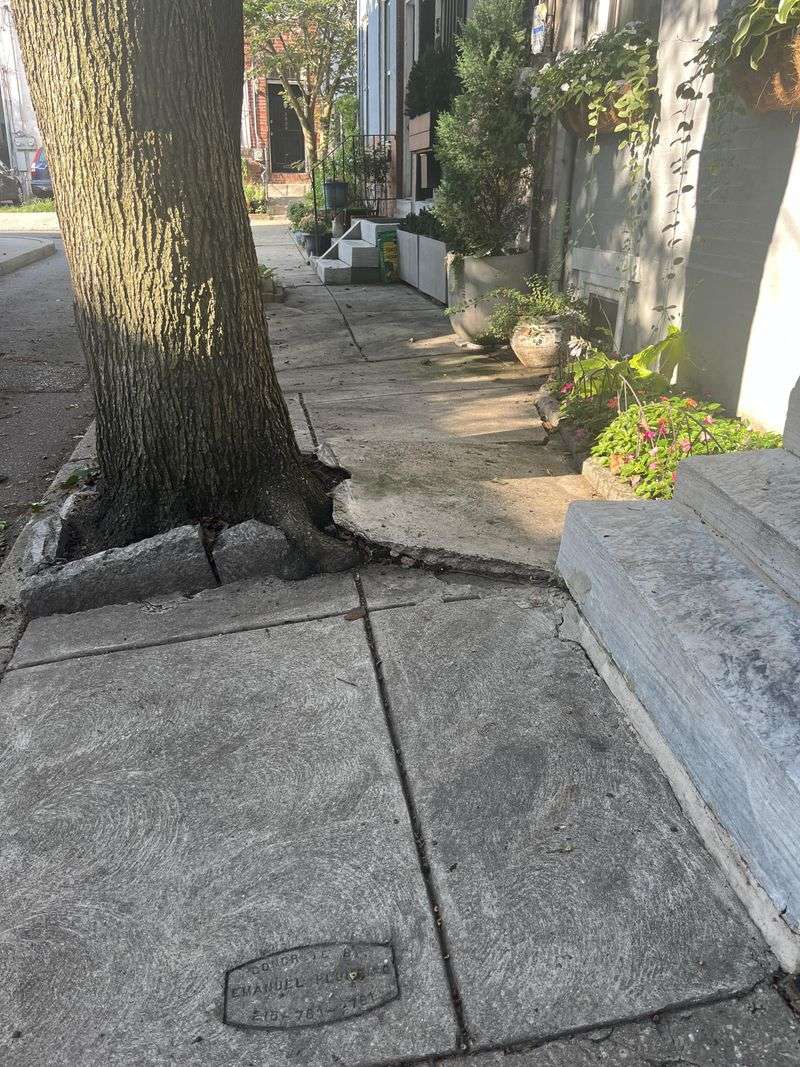
Oregon does not have one single statewide law that covers every street tree situation. Instead, each city has its own tree ordinance, and those rules can be very different from one place to another.
What is allowed in one Oregon city might be completely off-limits just a few miles away.
Portland has one of the most detailed urban forestry programs in the state. The city tracks street trees, requires permits for most tree work, and has a list of protected species that cannot be removed without special approval.
Eugene and Salem have their own programs with different rules and fee structures.
Smaller cities and rural areas may have fewer regulations, but that does not mean anything goes. Even in towns with looser rules, there are often basic guidelines about who can authorize tree removal and how it must be done.
Some cities also have tree boards or urban forestry committees that review removal requests. Knowing your specific city’s rules is crucial before you take any action.
Look up your city’s tree ordinance online or call the planning or public works department directly. Ask specifically about street trees in the right-of-way and what the process is for requesting removal due to sidewalk damage.
Getting the right information from the right source will help you move through the process more smoothly. Local rules are the foundation of every street tree decision in Oregon, so always start there.
5. Root Pruning Can Be More Complicated Than It Looks
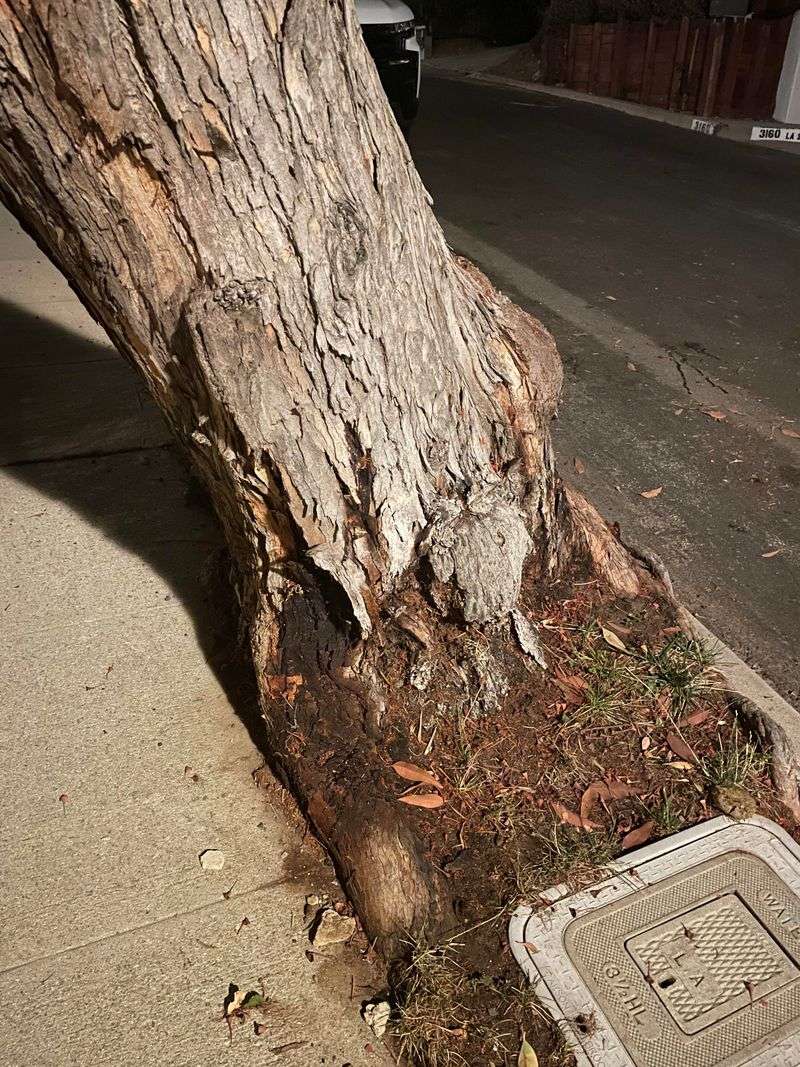
When a tree’s roots are lifting the sidewalk, it might seem like cutting the roots would be a quick fix. But root pruning is a more delicate process than most people expect.
Cutting the wrong roots can seriously weaken the tree and make it unstable, which creates a whole new set of problems.
Tree roots provide stability and absorb water and nutrients. If too many roots are cut, or if the wrong ones are removed, the tree can become structurally unsound.
A weakened tree is more likely to fall during a storm, which can be dangerous for people, cars, and nearby structures.
Root pruning should only be done by a qualified arborist who understands how trees respond to root loss. The arborist will assess which roots can safely be cut and which ones must be left alone.
They will also look at the overall health of the tree and recommend the best approach. In some cases, root pruning combined with sidewalk repair is a great middle-ground solution.
It preserves the tree while fixing the damage without requiring full removal. However, the city may still need to approve this type of work if the tree is in the public right-of-way.
Always check before hiring anyone to work near a city-owned tree. Taking shortcuts with root pruning can lead to a hazardous tree situation that costs far more to fix than the original sidewalk crack ever did.
6. An Arborist May Need To Inspect The Tree
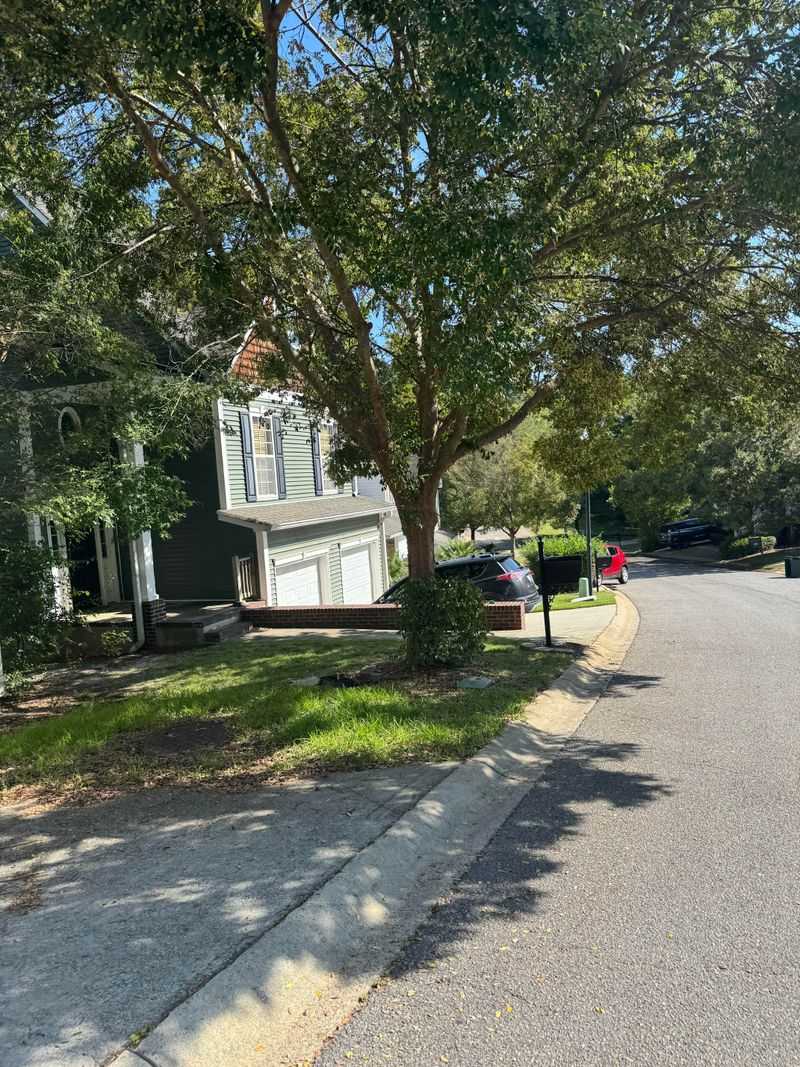
Before any decision is made about a street tree, many cities require an inspection by a certified arborist. An arborist is a trained professional who specializes in the care and evaluation of trees.
Their job is to assess the tree’s health, structure, and potential risks.
When a homeowner reports sidewalk damage caused by tree roots, the city may send its own arborist to take a look. In other cases, the homeowner may need to hire a private certified arborist and submit their report to the city as part of the permit application.
Either way, the arborist’s findings carry a lot of weight in the decision-making process.
A good arborist will look at the tree from top to bottom. They check for signs of disease, structural weakness, root damage, and overall stability.
They also consider the species of the tree and how it typically behaves as it grows. Some species are more likely to cause root damage than others.
After the inspection, the arborist provides a written report with their recommendations. That report might suggest removal, root pruning, or a combination of repairs and monitoring.
Following the arborist’s advice gives your removal request more credibility with the city. If you hire your own arborist, make sure they are certified by the International Society of Arboriculture, often called the ISA.
That certification shows the city that the evaluation was done by a qualified professional, not just someone with a saw and a truck.
7. Replacement Trees May Be Required
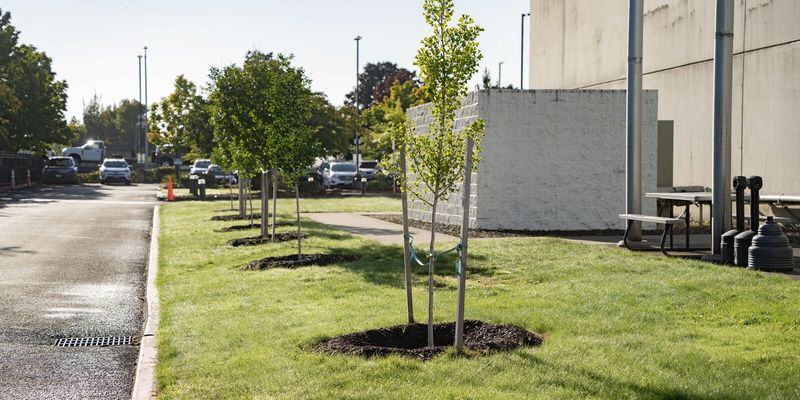
Getting approval to remove a street tree in Oregon often comes with a condition attached. The city may require you to plant a replacement tree as part of the removal agreement.
This is a common policy in cities that are actively working to maintain or grow their urban tree canopy.
Replacement requirements vary by city. Some cities require a one-to-one replacement, meaning one new tree for every one removed.
Others have a different ratio or may allow a fee to be paid in place of planting. The city typically specifies what species can be planted and where the new tree must go.
Choosing the right replacement tree matters a lot. Cities often provide a list of approved species that are less likely to cause sidewalk damage in the future.
Smaller root systems, slower growth rates, or trees that naturally grow upward rather than outward are often preferred. Planting the right tree the first time can prevent the same problem from happening again years down the road.
Homeowners are usually responsible for the cost of the replacement tree and its planting. In some cases, the city may offer a reduced-cost tree through a community planting program.
Portland’s urban forestry program, for example, has offered free or discounted trees to residents in certain situations. Check with your city to see what options are available.
Replacement planting is not just a rule. It is a chance to start fresh with a tree that fits the space better.
8. Report The Problem Before Taking Action
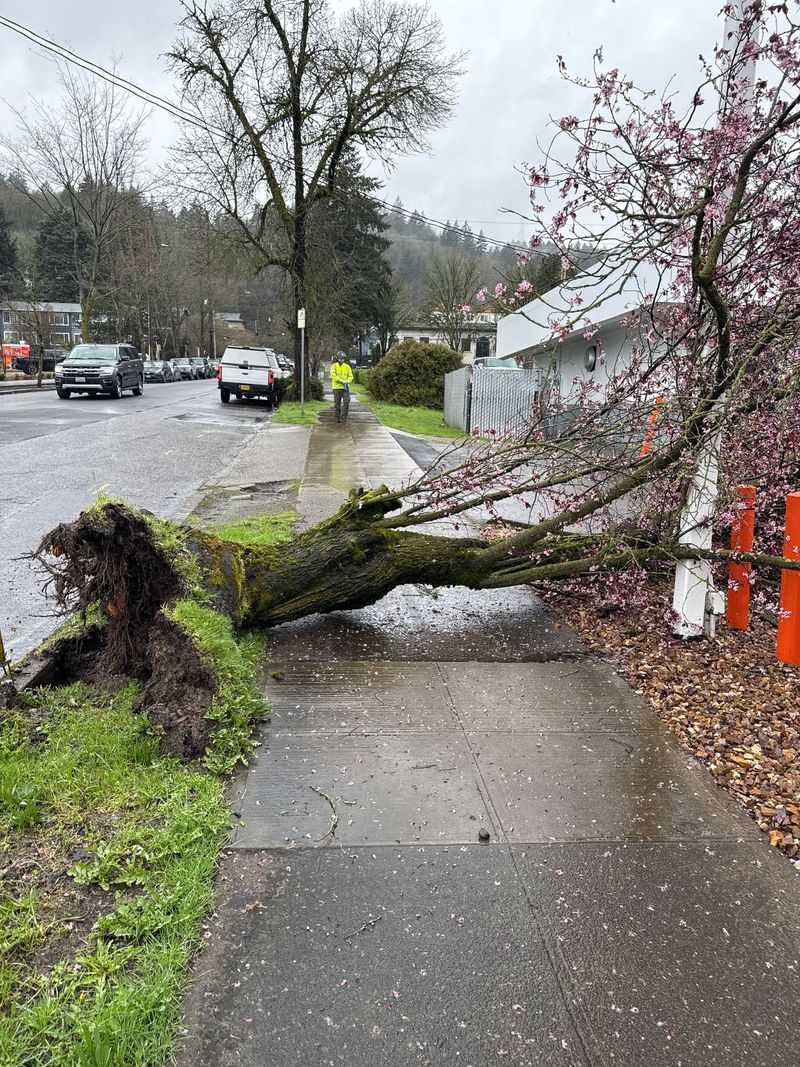
One of the smartest things an Oregon homeowner can do when a street tree is damaging the sidewalk is to report the problem to the city right away. Filing a formal report creates a paper trail and puts the city on notice that a hazard exists.
This step protects you legally and gets the process moving in the right direction.
Most cities have online portals or phone lines where residents can report sidewalk damage and tree-related issues. When you file a report, include photos of the damage, a description of how long the problem has been going on, and any safety concerns like tripping hazards.
The more detail you provide, the better.
Reporting the problem first also shows the city that you are working with them, not around them. Homeowners who try to fix things on their own without reporting the issue often end up in trouble, even when their intentions are good.
A formal report also helps establish that you noticed the problem and took responsible action. In some cases, the city may take over the repair process entirely, especially if the tree is city-owned and the damage is on a public sidewalk.
That means the city could handle both the tree and the concrete at no cost to you. Every situation is different, but reporting the issue is always the right first step.
It sets the foundation for a cooperative process and gives you the best chance of getting a fair and legal resolution.