Why Crimson Clover Is A Smart September Cover Crop For Western Oregon Gardens
A bare garden bed does not have to sit empty once summer crops finish. That open space can either spend the cooler months collecting weeds and looking forgotten, or it can become a place where something useful is quietly happening.
Crimson clover is one option that fits especially well into Western Oregon gardens. This colorful cover crop can bring more than a splash of green to empty beds, adding benefits that support the soil while the garden moves into a slower season.
The timing matters because fall conditions create a unique opportunity. Cooler temperatures, seasonal moisture, and empty planting spaces can give certain crops a chance to establish before winter settles in.
Instead of viewing the end of the growing season as the finish line, you can use it as a transition period.
A thoughtful cover crop choice can help prepare your garden for what comes next while making those bare patches work harder.
If your vegetable beds are starting to wind down, crimson clover may be worth a closer look. It is a small planting decision that can have a much bigger impact beneath the surface.
1. Crimson Clover Protects Bare Soil Through Winter
Bare soil in a winter garden is like leaving a wound uncovered. Rain hits the surface hard, washing away the top layer of soil that took years to build up.
In Western Oregon, where fall and winter rains can be heavy and persistent, this is a real problem for home gardeners.
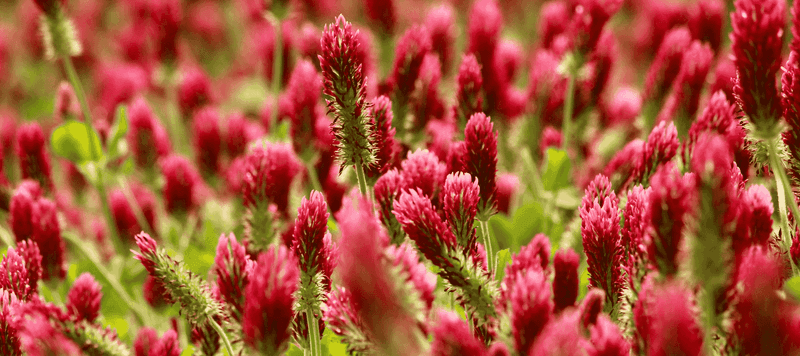
Crimson clover forms a thick, low mat of leafy growth that acts like a protective blanket over the soil. It slows down raindrops before they hit the ground, which reduces surface erosion significantly.
The plant also shades out many winter weeds, which means less work pulling them out come spring.
Planting in September gives crimson clover enough time to establish a solid root system before the heaviest rains arrive in November and December. Even if the tops die back a little in cold snaps, the roots hold the soil firmly in place.
The plant bounces back quickly when temperatures rise again.
Soil that stays covered through winter also holds more warmth than bare soil. That warmth encourages helpful soil organisms to stay active even in cooler months.
Those organisms break down organic matter and keep nutrients cycling through the soil.
Protecting your soil through winter is one of the easiest ways to start spring ahead of schedule. Crimson clover handles that job with almost no maintenance needed from you once it is planted and watered in.
2. It Adds Organic Matter As It Grows
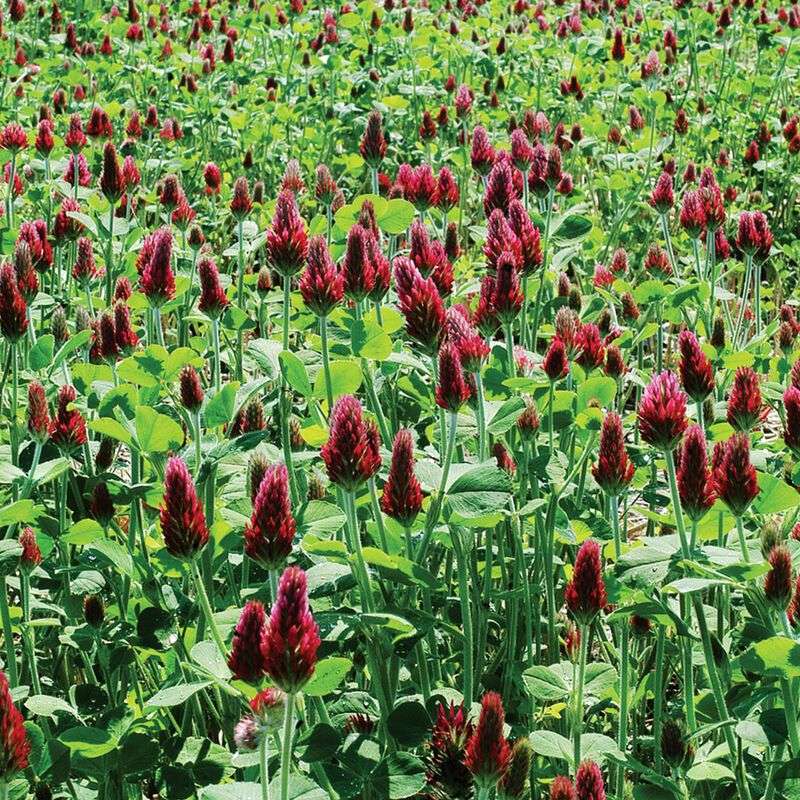
One of the most valuable things any cover crop can do is feed the soil as it grows. Crimson clover does exactly that.
Every leaf, stem, and root it produces eventually breaks down into organic matter that improves soil texture and fertility.
Organic matter is basically the lifeblood of healthy garden soil. It helps sandy soils hold water better and helps clay soils drain more easily.
Your Oregon Garden Changes Every Week. Your Plan Should Too.
Gardening in Oregon changes quickly throughout the season. Every Friday you’ll receive a simple weekly plan showing exactly what to plant, prune, fertilize, harvest, and protect so you never miss the right timing.
Over time, gardens with more organic matter grow stronger, more productive plants. Adding it through a cover crop is one of the most natural ways to build up your beds.
When you mow or cut down crimson clover in spring, all that green material stays on the soil surface or gets turned in. Soil microbes get to work breaking it down quickly, releasing nutrients like nitrogen, phosphorus, and potassium.
Those nutrients become available just in time for your spring vegetable transplants.
The speed at which crimson clover grows through fall and early spring means it produces a solid amount of biomass in a short period. Even a small garden bed planted in September can yield a meaningful amount of green material by the time you are ready to cut it back.
Building organic matter does not have to be complicated or expensive. Growing crimson clover through the off-season is one of the most effective and low-cost ways to enrich your garden soil year after year.
3. The Roots Help Improve Garden Soil
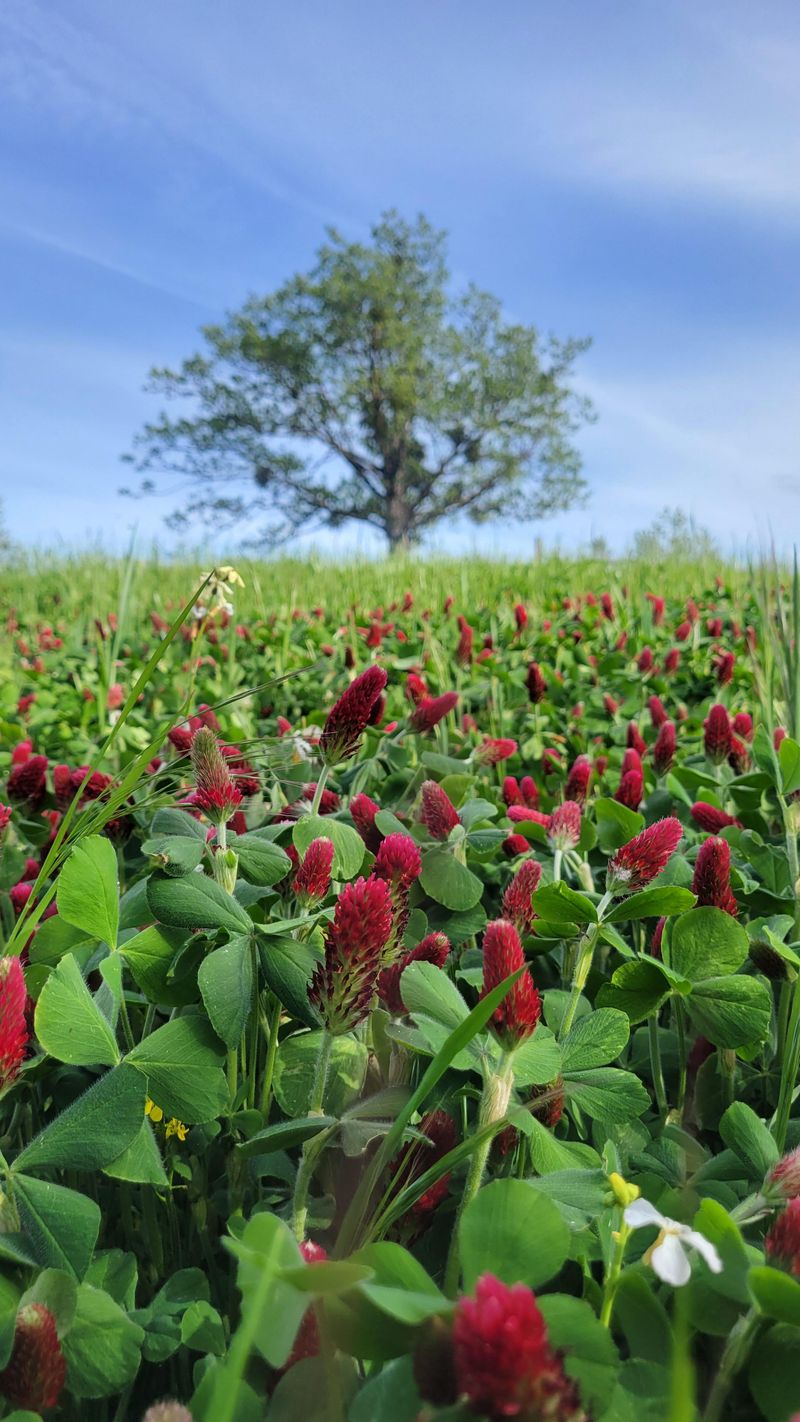
What happens underground in a garden is just as important as what happens above it. Crimson clover has a secret weapon hiding beneath the soil surface: nitrogen-fixing root nodules.
These tiny structures work with soil bacteria to pull nitrogen from the air and convert it into a form plants can use.
Nitrogen is one of the most important nutrients for vegetable growth. Buying nitrogen fertilizer can get expensive, and synthetic versions can sometimes harm soil life over time.
Crimson clover produces its own nitrogen supply naturally, which means you get a free fertilizer boost without spending extra money.
Beyond nitrogen, the roots themselves improve soil structure. As they grow and then break down, they leave behind small channels in the soil.
Water moves through those channels more easily, and plant roots from future crops can follow the same paths deeper into the ground.
Compacted soil is one of the most common problems in home gardens. Heavy foot traffic and rain can squeeze air pockets out of the soil, making it hard for roots to grow well.
Crimson clover roots gently break up compaction over the fall and winter months without any digging required from you.
Letting the roots do their work quietly underground all season long pays off in a big way when spring planting begins. Soil that has hosted crimson clover roots tends to be looser, more fertile, and easier to work with than soil that sat bare all winter.
4. Fall Rain Helps Seeds Establish Quickly
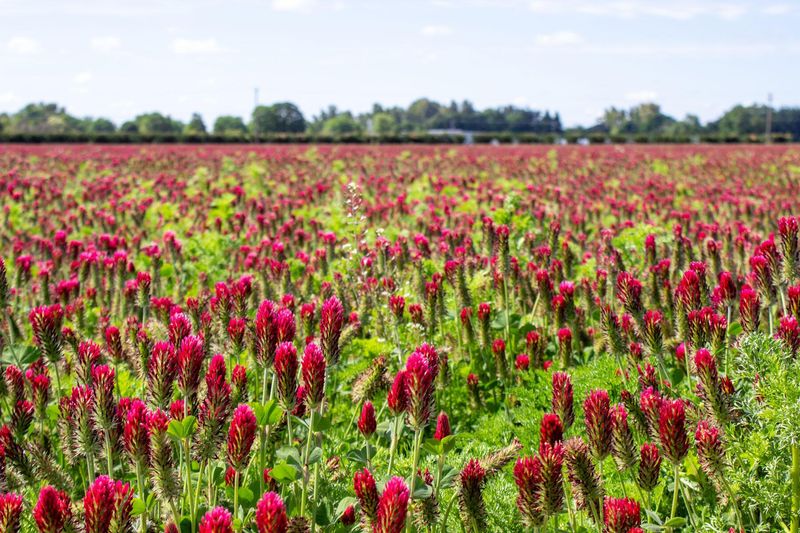
Timing is everything when it comes to planting cover crops. September in Western Oregon sits right at the start of the rainy season, which makes it one of the best possible moments to get crimson clover seeds into the ground.
The soil is still warm from summer, and the rains are just beginning to arrive.
Warm soil speeds up germination. Crimson clover seeds can sprout in as little as five to seven days when soil temperatures are between 50 and 65 degrees Fahrenheit.
September soil in the Willamette Valley and surrounding areas typically falls right in that sweet spot before October cools things down.
Once the fall rains kick in, you barely need to water at all. Nature takes over the job of keeping the seedbed moist, which is exactly what young clover plants need to establish strong roots before winter.
That saves time and water for the gardener.
Planting too late in October or November means the soil is colder and the rains can be heavier and more damaging to fresh seeds. September planting gives the plants a head start of several weeks, which makes a noticeable difference in how thick and healthy the stand looks by December.
Working with the natural rainfall patterns of Western Oregon rather than against them is a smart gardening strategy. Crimson clover fits that approach perfectly, taking full advantage of the seasonal shift from dry summer to wet fall.
5. It Gives Pollinators An Early Spring Food Source
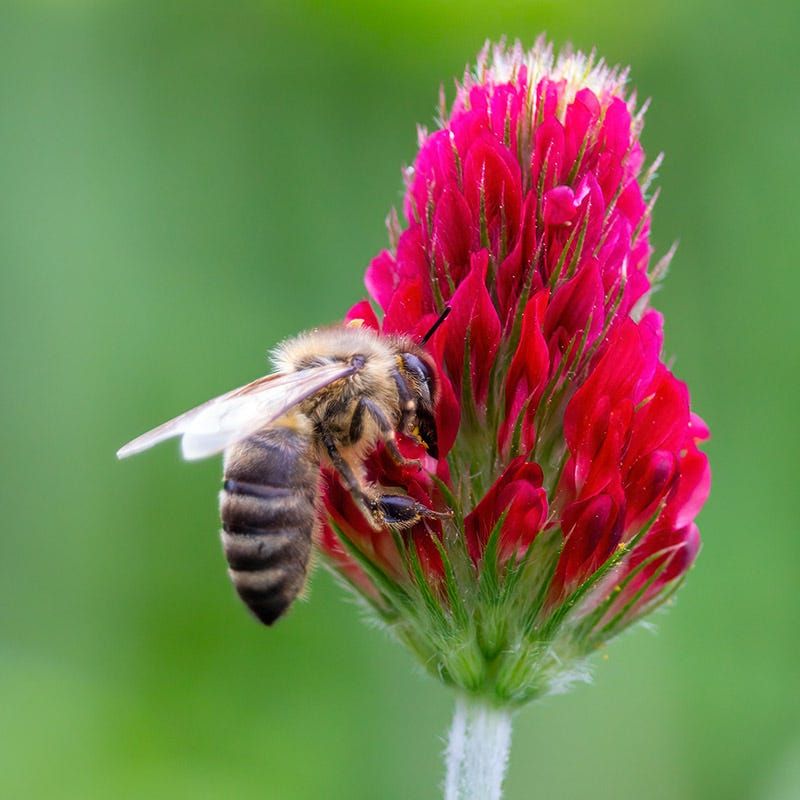
By the time late winter turns to early spring, many pollinators are hungry. Bees and other beneficial insects are waking up from their winter rest and searching for food.
Most garden plants have not yet bloomed, and wild flowers are still weeks away. Crimson clover steps in right at that critical moment.
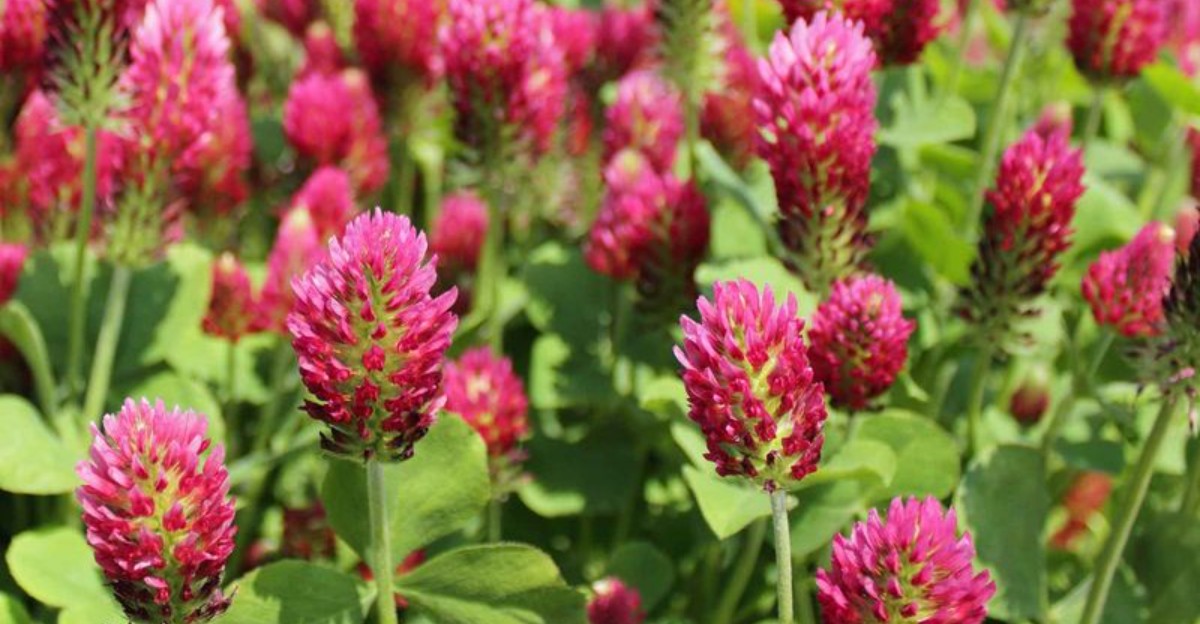
The bright red blooms of crimson clover appear in late spring, often as early as April or May depending on the weather. For honeybees, bumblebees, and native solitary bees, those flowers are a welcome and valuable food source.
The nectar and pollen help build up colony strength right when it matters most.
Pollinators do not just benefit the clover. They move from flower to flower throughout your garden and neighborhood, helping fruit trees, berry bushes, and early vegetables get pollinated.
A single patch of crimson clover can support dozens of beneficial insects over the course of a few weeks.
Gardeners who grow crimson clover often notice more bee activity in their beds even after the clover has been cut back. That is because the presence of flowering plants helps establish regular pollinator traffic patterns in the area.
Once pollinators know your garden is a good food source, they keep coming back.
Supporting pollinators does not require a complicated plan. Letting crimson clover bloom for even a couple of weeks before cutting it back gives those helpful insects a meaningful boost at the start of the growing season.
6. Cut It Before It Sets Too Much Seed
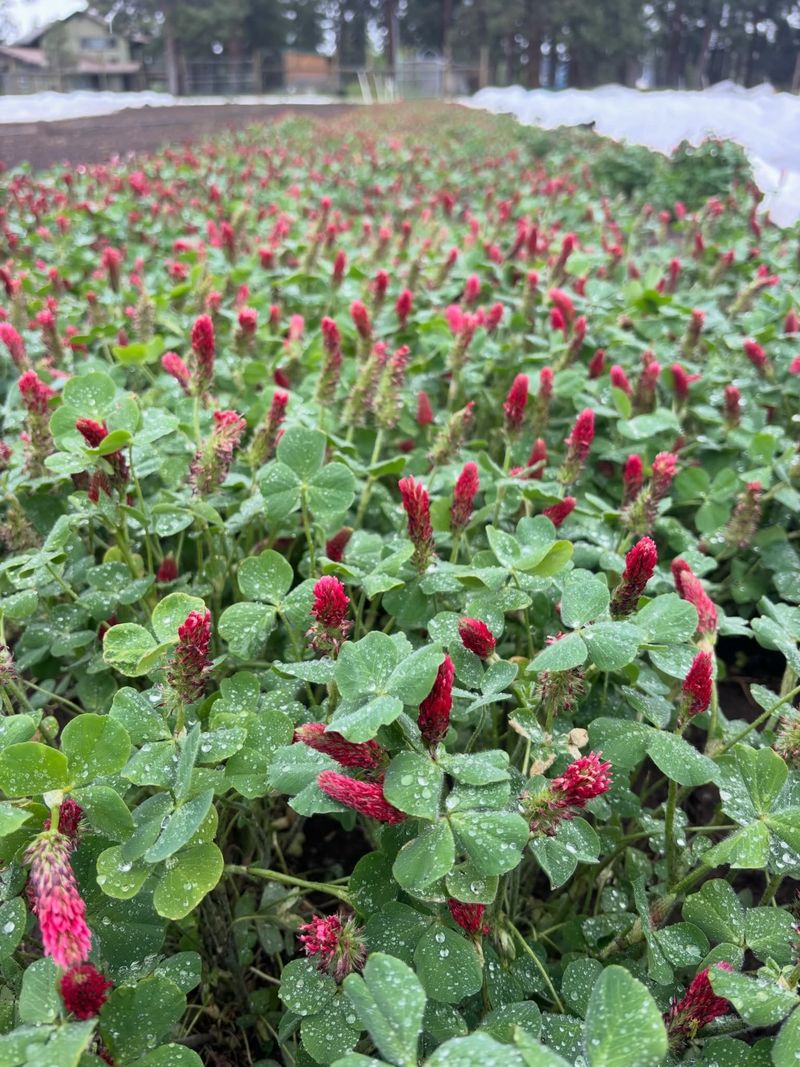
Crimson clover is a generous plant, but it does need a little management to keep it from spreading more than you want. The key is cutting it back at the right time.
Once those bright red flowers begin to fade and the seed heads start to dry out, it is time to take action.
Waiting too long to cut means seeds will drop into the soil and sprout again later, sometimes in spots where you do not want them. That can create extra weeding work down the road.
Cutting when the flowers are still fresh but beginning to fade keeps the plant from reseeding heavily.
A simple string trimmer, a sharp pair of garden shears, or even a push reel mower can handle the job on most home garden beds. Cut the plants down to a few inches above the soil.
You can leave the clippings right on the surface as a mulch, or rake them into a pile for the compost bin.
In Western Oregon, the window for cutting usually falls somewhere between late April and late May, depending on how warm the spring has been. Checking the plants every week or two once flowering starts will help you catch the right moment without missing it.
Managing the timing of your cut is a small effort with a big payoff. You get all the soil-building benefits of the cover crop without dealing with unwanted clover popping up all over your garden beds later in the season.
7. It Works Well Between Vegetable Seasons
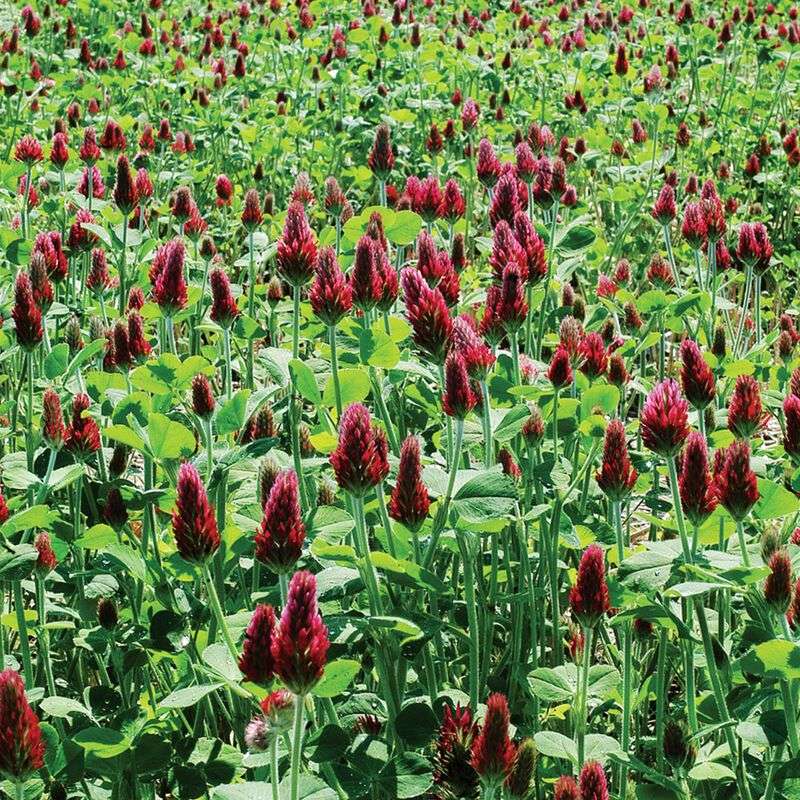
Most home vegetable gardens in Western Oregon sit empty from October through March. That is nearly half the year when the soil could be doing something productive.
Growing crimson clover during those quiet months turns idle beds into working soil-builders without disrupting your regular planting schedule.
After summer crops like tomatoes, squash, or beans are pulled out, the beds can look pretty rough. The soil is often depleted, compacted, and weedy.
Seeding crimson clover right into those cleared beds refreshes the soil and fills the space with something useful while you wait for spring.
Crimson clover does not compete with your vegetable crops because it grows during the season when vegetables are not in the ground. The timing fits neatly into the natural gap between fall cleanup and spring planting.
You get the benefits of a cover crop without sacrificing any vegetable growing time.
For gardeners who rotate crops from bed to bed each year, crimson clover fits easily into the rotation. You can plant it in any bed that will not be used until late spring or early summer.
By the time you need that bed again, the clover will have already done its work and been cut back.
Using the off-season productively is one of the hallmarks of a well-managed garden. Crimson clover makes that easy by fitting naturally into the rhythm of a Western Oregon vegetable garden without requiring major changes to how you already garden.
8. A Cover Crop Prepares Beds For Spring
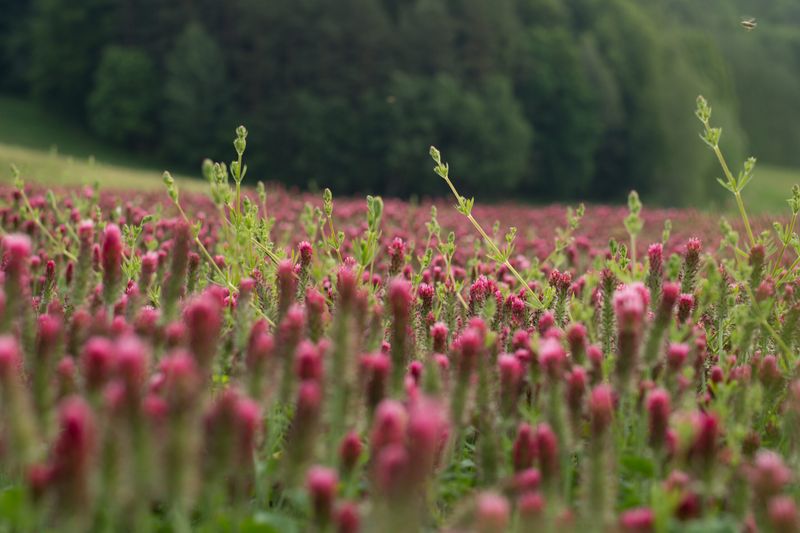
Spring planting goes so much smoother when the soil has been well prepared over winter. Crimson clover does a lot of that preparation work for you without requiring much effort on your part.
By the time you are ready to plant vegetables, the beds have already been improved in several important ways.
The nitrogen fixed by the roots becomes available to plants shortly after the clover is cut and the roots begin to break down. That means your spring transplants and seedlings get a natural nitrogen boost right when they need it most, during their first weeks of growth in the garden.
Soil that hosted a cover crop over winter also tends to have better structure than bare soil. The combination of root activity, organic matter addition, and protection from rain erosion leaves the soil loose, crumbly, and easy to work.
Many gardeners find they need less tilling or digging in beds that had cover crops.
There is also a psychological benefit to starting spring with healthy, well-covered beds. Walking out to a garden full of lush green clover feels a lot more encouraging than looking at bare, muddy soil.
That positive start can motivate you to get the season going with more energy and enthusiasm.
Crimson clover sets your garden up for success before the first seed of the new season ever goes into the ground. Few other cover crops offer that same combination of ease, affordability, and reliable results in the Western Oregon climate.