The September Task That Decides If Your North Carolina Weigela Blooms Next Year
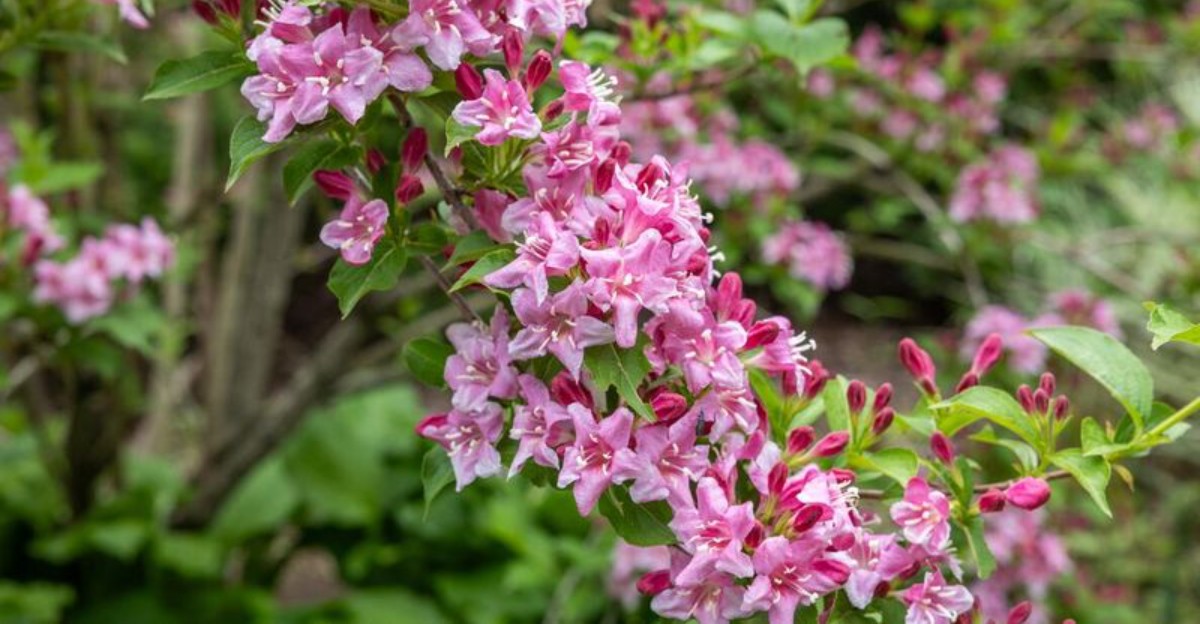
Weigela is known for its abundant spring blooms, but what happens in North Carolina gardens this September plays a bigger role in that show than most gardeners realize.
Since weigela sets its flower buds on old wood well before winter arrives, any pruning done at the wrong time this fall can accidentally remove the very growth responsible for next year’s flowers.
This makes timing one of the most important factors in whether a weigela comes back with a full, colorful bloom or a noticeably sparser one.
Because the shrub won’t correct itself or rebloom quickly if buds are lost, a single misstep now can mean waiting a full year for the next real chance at a strong display.
1. Stop Pruning Before Winter
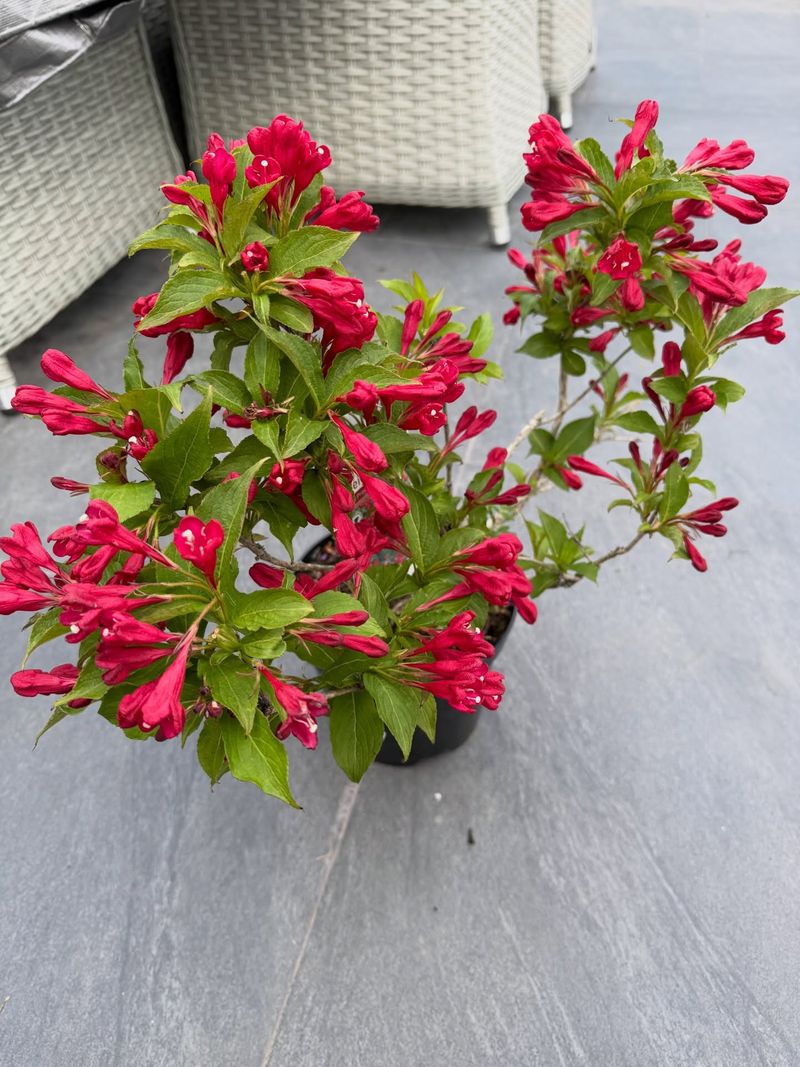
Here is a mistake that catches so many gardeners off guard. By September, your weigela has already started forming tiny flower buds along its branches, getting ready for next spring. When you prune now, you snip those buds right off.
Those small bumps on the stems might not look like much, but they hold all the promise of next year’s blooms. Cutting them away means fewer flowers, or sometimes none at all. It feels tidy in the moment, yet the shrub pays the price later.
Leaving the healthy stems alone gives your weigela the best chance to shine. The branches you see now are the ones that will burst open with color once the weather warms up.
Think of each stem as a tiny factory storing energy and flower buds through the cold months.
In North Carolina, fall can trick you into thinking it is still gardening season. The days stay mild and the shrub may look a little wild. Resist the temptation to shape it up right now.
Set the shears aside and let the plant do its quiet work. Your weigela knows exactly what it needs to prepare for spring, and staying hands-off is the kindest thing you can do.
If you really want a neat garden, focus on raking leaves or pulling weeds instead. Save the pruning energy for the right season. Your patience will pay off in a big, colorful way when those buds finally open and fill your yard with cheerful blooms.
2. Understand Where Weigela Flowers Form
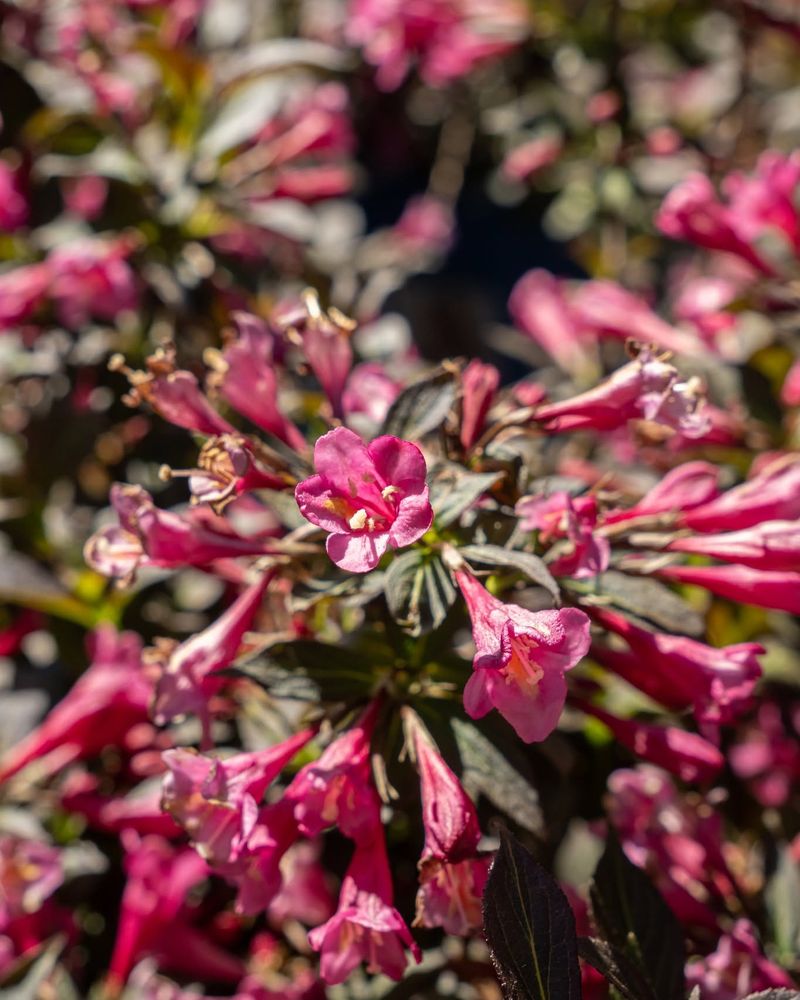
Weigela has a personality worth knowing, and it comes down to one simple fact. This shrub blooms on old wood, meaning the branches that grew last year are the ones that flower now.
That detail changes everything about how you care for it. If you chop back last season’s growth at the wrong time, you are removing the very stems that were about to burst into bloom. The plant needs those older branches to put on its spring display.
Picture the shrub as a storyteller. Each year’s growth becomes next year’s flowers. When you cut away last year’s chapter in September, you erase the ending before it even happens.
New shoots that pop up during summer will not flower until they have aged a full season. So the fresh, green stems you see are working toward blooms that are still a year away. Rushing to trim them sets your shrub back.
Your North Carolina Garden Changes Every Week. Your Plan Should Too.
Gardening in North Carolina changes quickly throughout the season. Every Friday you’ll receive a simple weekly plan showing exactly what to plant, prune, fertilize, harvest, and protect so you never miss the right timing.
Knowing this helps you make smarter choices year-round. Instead of guessing, you can look at a branch and understand its role. Older, sturdier wood equals flowers, while soft new growth is still getting ready.
North Carolina gardeners who learn this rhythm end up with fuller, brighter shrubs. They stop fighting the plant and start working with it. That teamwork shows up in every spring bloom.
Once you get how weigela flowers form, the whole care routine clicks into place. You will feel confident leaving those branches alone and excited about the color coming your way.
3. Remove Only Real Problems If Needed
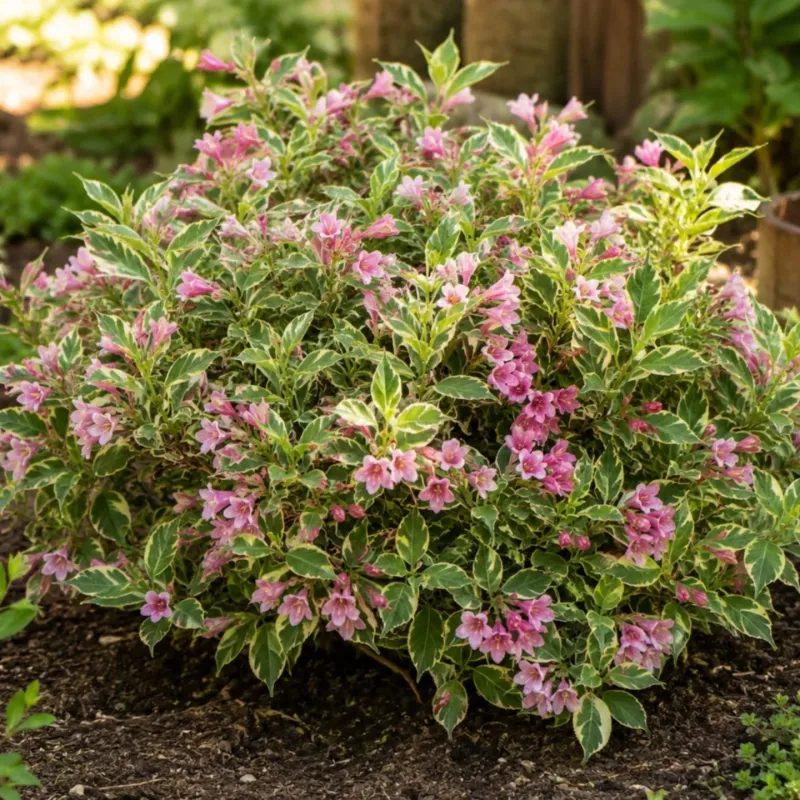
Sometimes a branch really does need to go, and that is perfectly fine. If a stem is broken, damaged, or clearly no longer alive, you can trim it away even in September without hurting your shrub.
The trick is knowing the difference between fixing a problem and simply tidying up. A snapped branch after a storm counts as a real issue. Trimming the whole shrub just to make it look rounder does not.
Damaged wood can invite pests or disease if you leave it hanging around. Removing those trouble spots keeps the rest of the plant healthy and strong. Just make your cuts clean and only take what needs to go.
Use sharp, clean tools to avoid crushing the stems or spreading germs. A quick wipe of the blades before you start makes a big difference. Then focus only on the branches that are causing trouble.
Everything else should stay put. Those healthy stems are loaded with flower buds, and cutting them now would cost you spring color. Restraint is your best friend here.
North Carolina weather can be rough in fall, with wind and heavy rain snapping branches. Checking your shrub after storms helps you catch problems early. Handle the real issues and leave the rest alone.
Think of yourself as a careful editor, not a bulldozer. Remove only what truly needs removing and step back. Your weigela stays neat where it matters and keeps all the buds it needs for a beautiful show next year.
4. Water During Dry Fall Weather
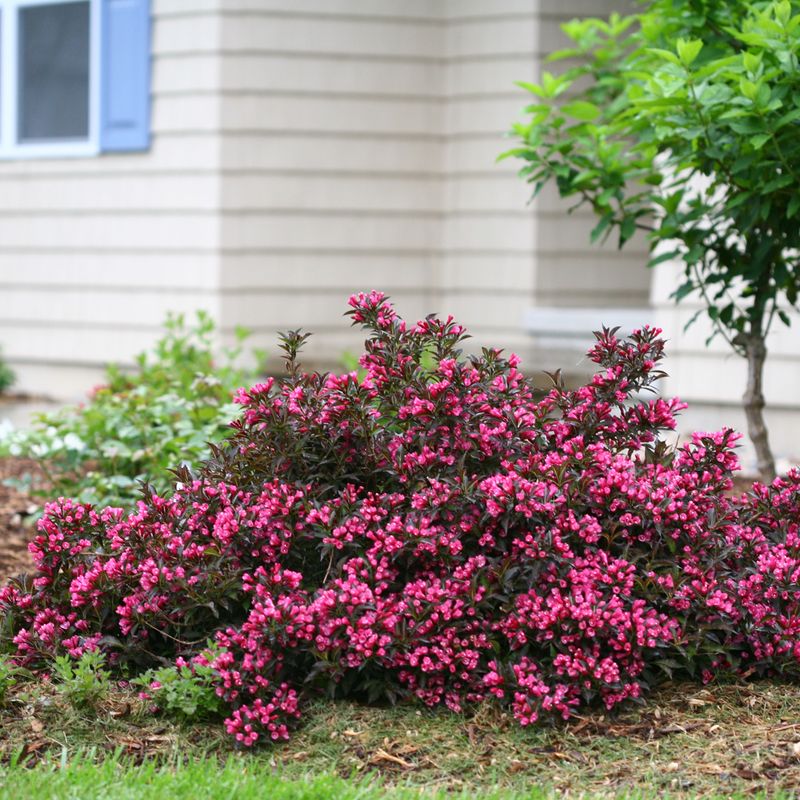
Fall in North Carolina can turn surprisingly dry, and your weigela feels it even when the air cools down. A shrub that went into a rough summer or one you planted recently needs a little extra help staying hydrated.
Roots do a lot of quiet work in autumn. They keep drinking and storing water to prepare the plant for winter. When the soil dries out, that important process slows down and the shrub gets stressed.
Giving your weigela a deep drink during dry spells makes a real difference. Water slowly at the base so it soaks down to the roots instead of running off the top. A good soaking once a week beats a light sprinkle every day.
Young plants especially depend on this. Their roots have not spread out yet, so they cannot reach deep moisture on their own. A steady water supply helps them grow strong before the cold arrives.
Stick your finger into the soil to check. If it feels dry a couple inches down, it is time to water. If it still feels damp, you can wait a bit longer.
Healthy roots mean a healthy shrub going into winter. A plant that enters the cold season well hydrated bounces back faster and blooms better in spring. Thirsty plants struggle and may produce fewer flowers.
So keep an eye on the weather and grab the hose when things dry out. A few thoughtful waterings now set your weigela up for a gorgeous, colorful comeback.
5. Avoid Late Fertilizer Pushes
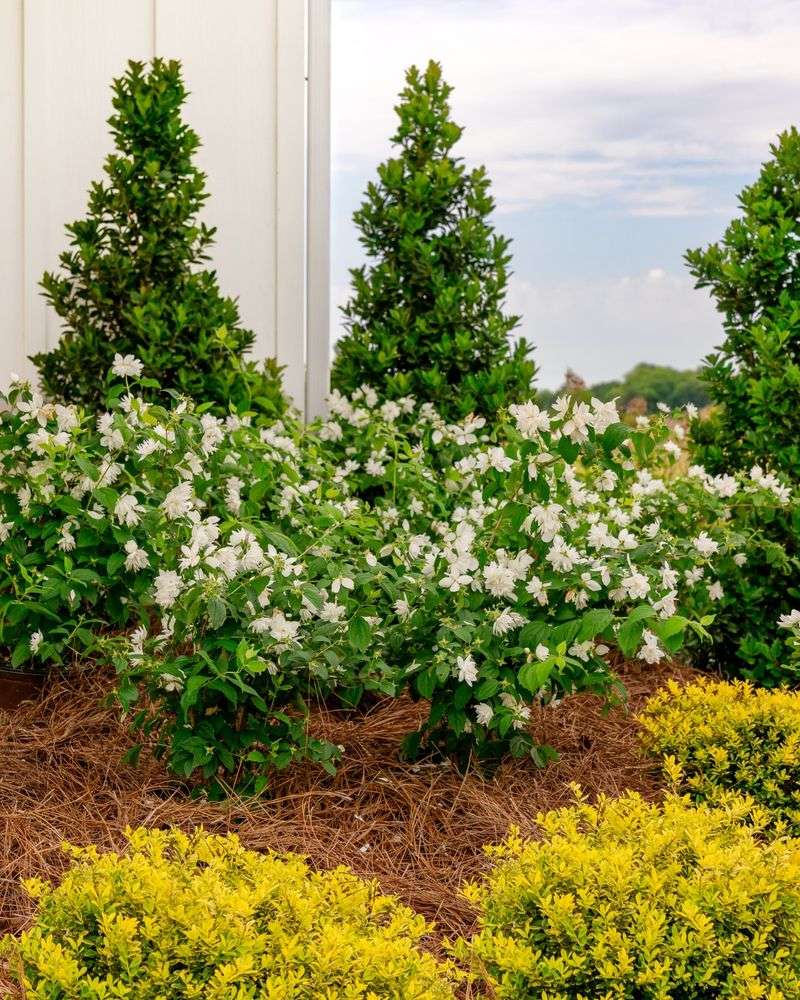
Reaching for fertilizer in September feels helpful, but it can actually backfire. Feeding your weigela heavily this late in the year tells the plant to push out tender new growth right when it should be winding down.
That soft new growth is fragile. When the first cold snap hits, those delicate shoots get damaged easily. Instead of helping your shrub, the fertilizer leaves it weaker heading into winter.
Weigela naturally slows down in fall. It starts moving energy into its roots and stems, getting ready to rest. A big burst of fertilizer interrupts that natural rhythm and confuses the plant.
Most established shrubs do not need fall feeding at all. They have stored enough energy over the growing season to carry them through winter and into spring. Adding more just creates problems you can easily avoid.
If you love feeding your plants, the best time is early spring when growth is welcome. That is when a boost of nutrients helps the shrub power up for the blooming season ahead.
For now, let your weigela settle in peacefully. Skipping the fall fertilizer is one of the easiest things you can do, and it protects the plant from stress.
Think of it like bedtime for your shrub. You would not hand someone a big energy drink right before sleep, and the same idea applies here. Let the plant slow down naturally.
Keep that fertilizer bag closed until spring. Your weigela will thank you with sturdy stems and plenty of blooms when the warm days return.
6. Check For Pests And Stress
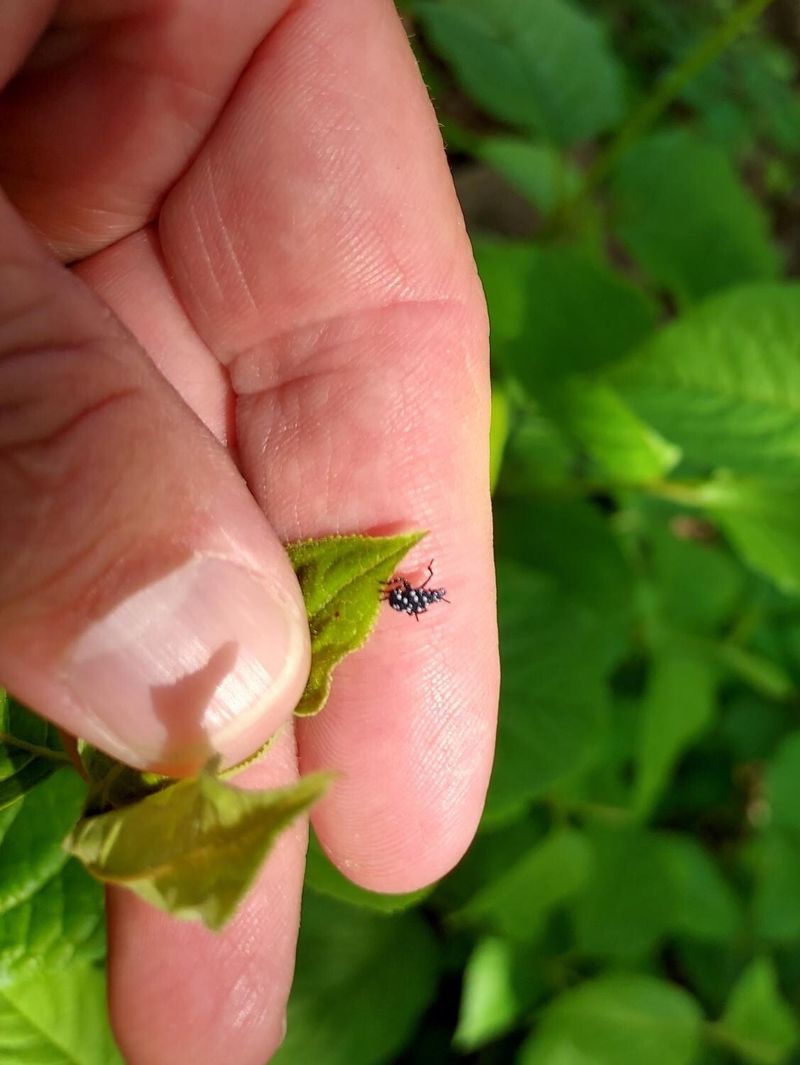
September is the perfect month to give your weigela a good once-over. Before winter settles in, a quick inspection helps you catch small problems before they grow into big ones.
Start by looking at the leaves, both top and bottom. Little holes, chewed edges, or sticky spots can mean insects have moved in. Spotting them now gives you time to act.
Discolored or spotted leaves might point to disease. Yellowing or wilting could signal that the shrub is thirsty or stressed from the summer heat. Each clue tells you something about how your plant is doing.
Run your eyes along the branches too. Look for anything that seems off, like unusual growth, cracks, or areas that look weak. Healthy stems feel firm and look full of life.
Catching trouble early makes it so much easier to handle. A few pests are simple to manage, but a full invasion is a headache. The same goes for stress, which is easier to fix before the plant gets run down.
North Carolina’s warm, humid summers can leave shrubs a little worn out by fall. A stressed weigela heading into winter may struggle to bloom well next spring. Giving it attention now helps it recover.
Make this checkup a regular habit. Grab a cup of coffee, stroll out to the shrub, and really look at it. A few minutes of watching pays off big.
A healthy, pest-free weigela enters winter strong and ready to reward you with a beautiful spring show.
7. Add Mulch The Right Way
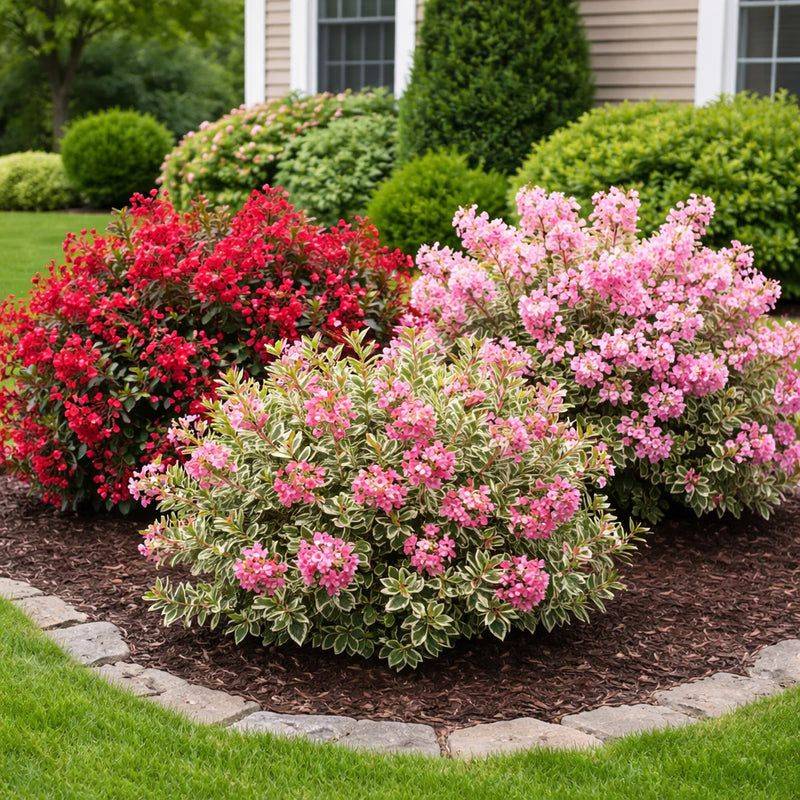
A good layer of mulch is like a cozy blanket for your weigela’s roots. Spread around the base of the shrub, it helps the soil hold onto moisture and keeps the roots comfortable as temperatures drop.
Organic mulch works best. Shredded bark, wood chips, or chopped leaves all do a great job. As they slowly break down, they even feed the soil and improve it over time.
Aim for a layer about two to three inches deep. That is enough to lock in moisture and protect the roots without smothering the plant. Too thin does little, and too thick can cause problems.
Here is the part people often get wrong. Never pile mulch right up against the trunk or stems. Keep it a few inches away so the base of the shrub can breathe.
Mulch touching the trunk traps moisture against the wood, which invites rot and pests. Leaving that little gap keeps everything healthy and dry where it should be. Think of it as a doughnut shape, not a volcano.
In North Carolina, mulch also helps steady the soil temperature through cold snaps and warm spells. That stability keeps roots from getting shocked by sudden changes. A calmer root zone means a happier plant.
Freshening up your mulch in fall is quick and rewarding. It makes the garden look tidy and gives your shrub real protection at the same time.
Get the mulch right and your weigela stays snug all winter, ready to burst into bloom when spring finally arrives.
8. Plan Spring Pruning Instead
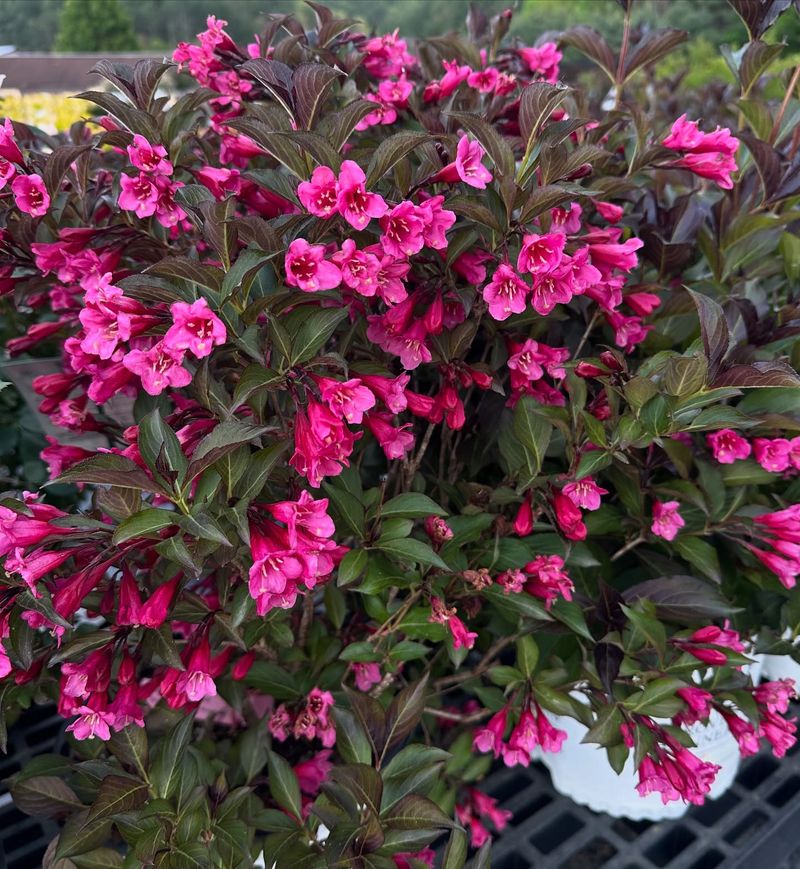
If your fingers are itching to prune, mark your calendar for spring instead. The best time to trim weigela comes right after it finishes flowering, usually in late spring or early summer.
Timing is everything with this shrub. Pruning after the blooms fade gives the plant the whole summer to grow fresh stems. Those new stems then age into the wood that flowers the following year.
Prune too early and you cut off buds. Prune too late and you do the same thing. But hit that sweet spot right after flowering, and you get the best of both worlds.
When spring pruning time comes, focus on removing some of the oldest branches. Taking out a few aged stems near the base encourages the shrub to send up vigorous new growth. That keeps the plant full and youthful.
You can also shape the shrub a bit at this time. Trim back overly long stems to keep it neat and balanced. The plant has plenty of time to recover and set new buds.
This approach turns pruning into a helpful tool instead of a risky move. You get a tidy shrub and a promise of blooms all in one. It feels good to work with the plant’s natural cycle.
So tuck those shears away for now and enjoy the fall. When your weigela finishes its spring show, that is your green light.
Planning ahead like this rewards you with a healthier shrub and year after year of stunning, colorful flowers.