The One Thing North Carolina Asters Need Before September Ends
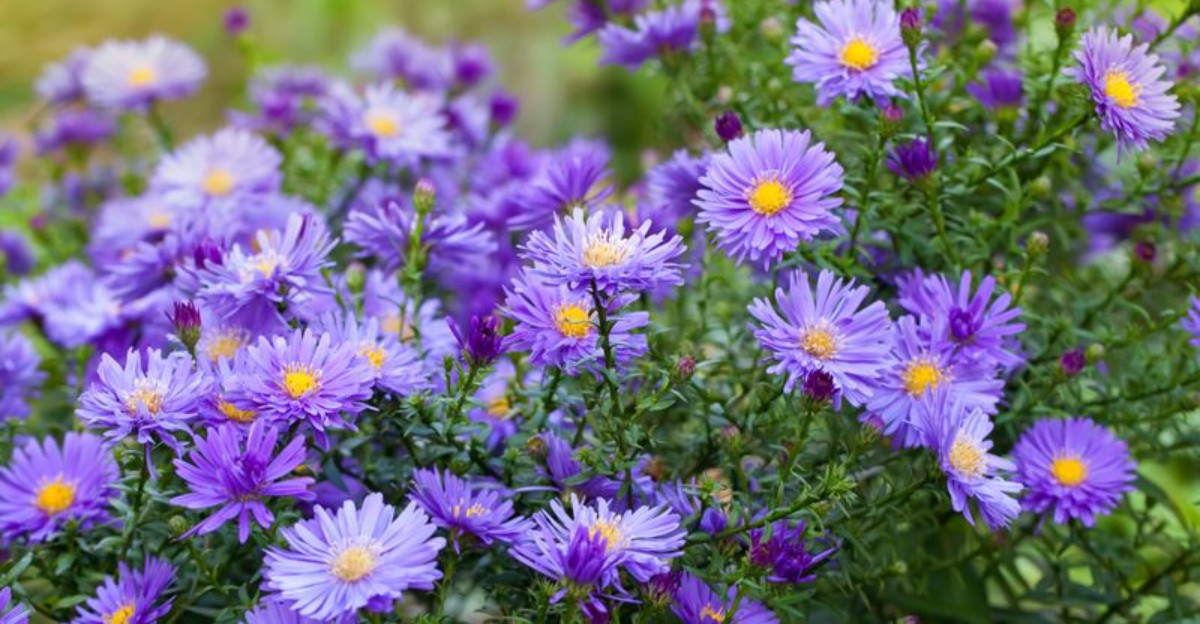
Asters are one of the standout bloomers in North Carolina gardens each fall, but how well they perform depends heavily on one key need as September comes to a close.
These plants are putting significant energy into flower production right now, making consistent care more important than it was earlier in the season when growth was more relaxed.
Neglecting this need during peak blooming can lead to fewer flowers, shorter bloom time, or a plant that looks noticeably less full than it should.
Because asters are actively working hard this time of year, small lapses in care tend to show up quickly in their appearance.
Addressing this one need before the month ends can make a real difference in how long and how fully asters bloom this fall.
1. Keep The Root Zone Consistently Moist
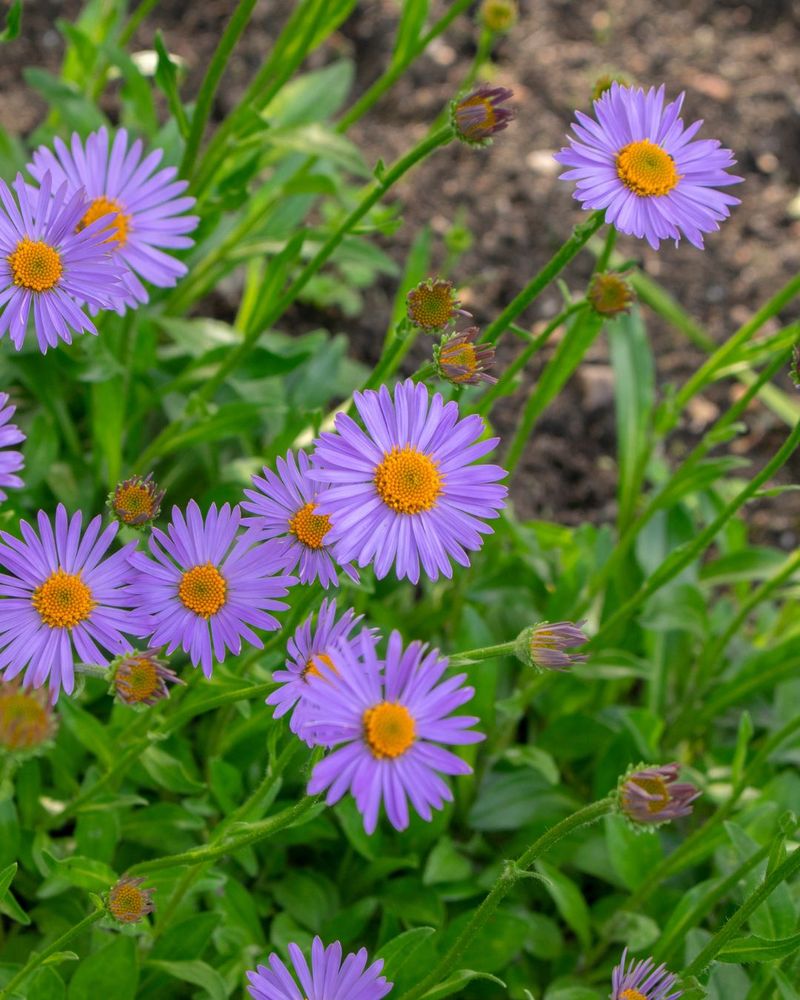
Late summer heat can be rough on asters, and their roots feel it first. When the soil around the base stays evenly moist, the plant can pull up water steadily and keep pushing out flower buds.
Uneven watering causes trouble. If the ground swings from bone dry to soaked, asters get stressed and may drop buds before they open. Drought stress also weakens stems and leaves, leaving fewer blooms for fall.
Aim for soil that feels like a wrung-out sponge, not muddy and not dusty. During hot spells, that might mean watering a few times each week.
A slow, deep soak works better than a quick splash because it reaches the deeper roots where it counts.
Morning is the best time to water. The plant drinks up before the heat of the day, and leaves have time to dry, which helps prevent problems later.
Watch how your asters look. Leaves that wilt in the afternoon but perk up at night usually just need a bit more moisture. Leaves that stay droopy all day are asking for a good drink right away.
Keep in mind that plants in containers dry out faster than those in the ground. Pots may need a check every single day when temperatures climb.
Steady moisture through late August and September gives asters the strong start they need to bloom fully. Get this one habit right and you set the stage for a colorful autumn display that neighbors will notice.
2. Check Soil Before Watering
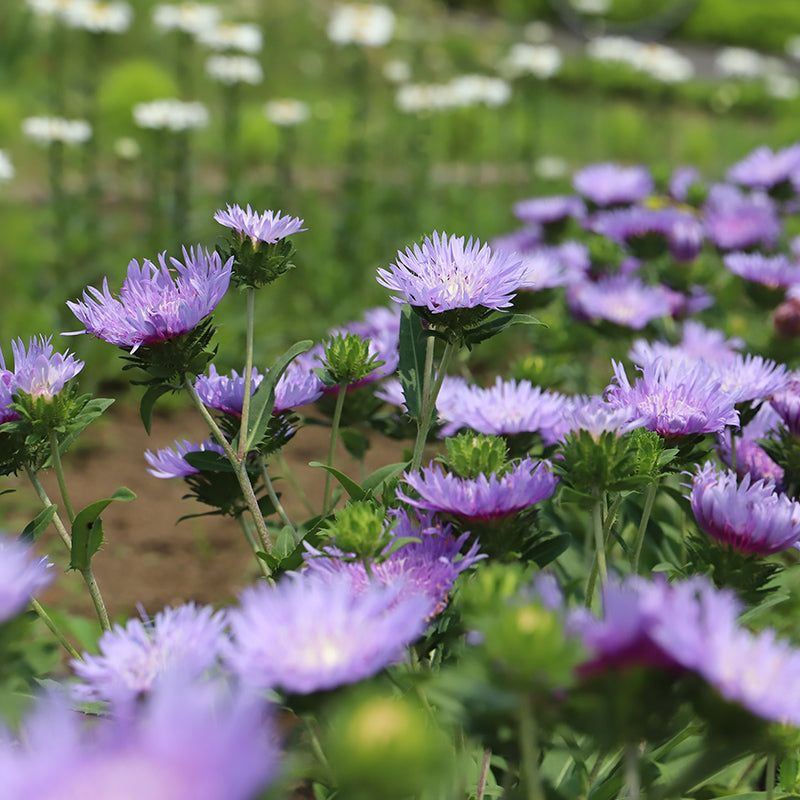
Grabbing the hose out of habit can actually hurt your asters. Before you water, take a second to feel the soil first. This small check saves your plants from getting too much or too little.
Push your finger about two inches into the ground near the roots. If it comes out with damp soil clinging to it, hold off. If it feels dry and crumbly down there, it is time to water.
Asters like moisture, but they do not enjoy sitting in soggy ground. Roots that stay wet all the time can rot, and rotting roots mean a weak plant with few flowers. Good drainage keeps that from happening.
If water pools on top of your soil and takes forever to soak in, the drainage needs help. Mixing in compost loosens heavy clay and lets extra water flow through instead of drowning the roots.
Your North Carolina Garden Changes Every Week. Your Plan Should Too.
Gardening in North Carolina changes quickly throughout the season. Every Friday you’ll receive a simple weekly plan showing exactly what to plant, prune, fertilize, harvest, and protect so you never miss the right timing.
Raised beds and slightly mounded soil also help water drain away. Asters planted in spots that drain well can handle a good soaking without any worry.
The finger test works better than any schedule because weather changes all the time. A rainy week means you skip watering, while a hot dry stretch means you check more often.
Learning to read your soil turns you into a smarter gardener. You waste less water, protect the roots, and give your asters exactly what they need.
That balance between moist and drained is the sweet spot where these fall bloomers truly thrive.
3. Mulch To Slow Moisture Loss

A layer of mulch acts like a cozy blanket for your aster roots. It slows down how fast water escapes from the soil, so the moisture you add sticks around longer during hot afternoons.
Spread two to three inches of organic mulch around your plants. Shredded bark, chopped leaves, or straw all work great. As these materials break down, they even feed the soil a little, which is a nice bonus.
Beyond holding water, mulch keeps the soil temperature steady. North Carolina late-summer sun can bake bare ground, but a mulched bed stays cooler and calmer.
Roots love that stable environment and respond with stronger growth. Mulch also blocks weeds. Fewer weeds means your asters do not have to fight for water and nutrients, so more of those resources go straight into making flowers.
Leave a small gap around the stems when you spread it. Piling mulch right against the base can trap too much moisture there and invite rot. A couple of inches of open space keeps the crown healthy.
Refresh the layer if it gets thin over time. A quick top-up in early fall keeps all the benefits going as the blooming season peaks.
Skip plastic sheeting for this job. It blocks air and water from reaching the roots the right way, and asters do best with natural materials that breathe.
With mulch in place, you water less often and worry less about heat. Your asters stay comfortable and can focus all their energy on that gorgeous fall color.
4. Avoid Heavy Late Nitrogen
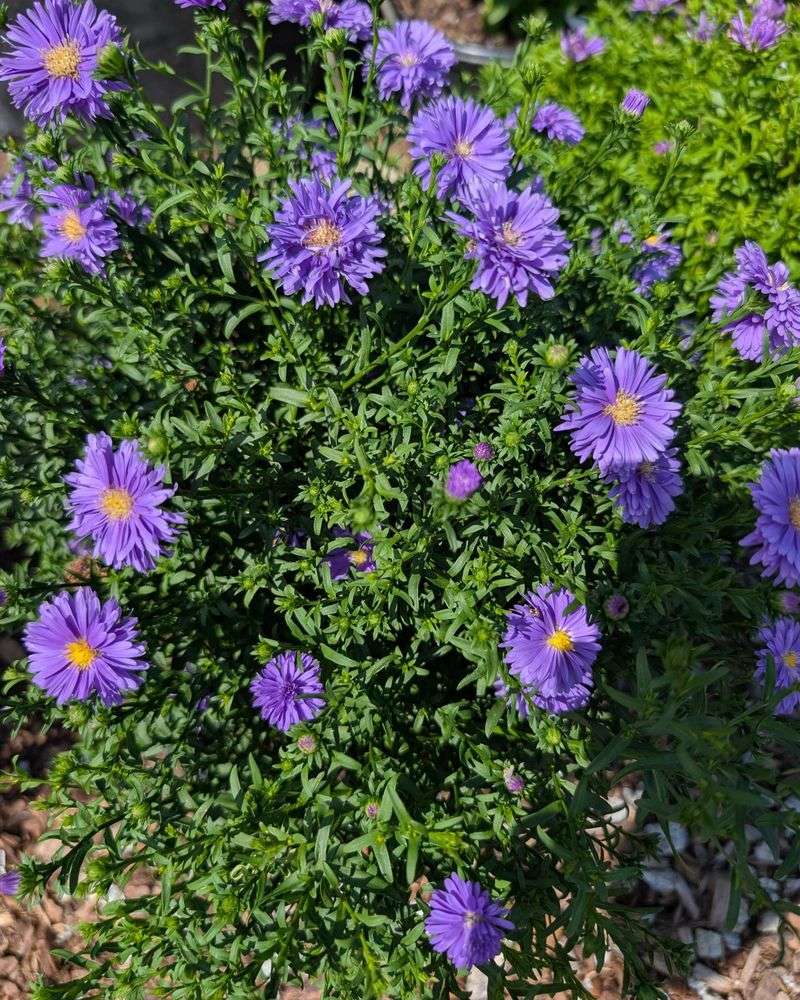
Feeding your asters sounds like a good idea, but too much nitrogen this late can backfire. Heavy nitrogen pushes the plant to grow lots of leaves instead of flowers, and leafy asters give you fewer blooms.
By late summer, asters are shifting their focus to making buds. A big nitrogen boost interrupts that plan and tells the plant to keep growing green stems and foliage. That is not what you want when fall color is the goal.
Balanced soil serves them far better right now. If your ground already has healthy compost worked in, your asters likely have everything they need to bloom without extra feeding.
All that soft leafy growth from too much nitrogen can also attract pests and flop over easily. Weak floppy stems make the whole plant look messy and struggle to hold up its flowers.
If you feel your soil is truly lacking, choose a gentle, balanced fertilizer instead of a strong nitrogen one. A light hand goes a long way at this point in the season.
The best time for richer feeding was earlier in spring and summer when the plant was building its frame. Now the job is simply to support the blooms already forming.
Think of it like this: you want your asters spending energy on flowers, not on more leaves. Holding back on late nitrogen lets them do exactly that.
A calm, balanced approach to feeding keeps your plants tidy, strong, and covered in the colorful blooms that make fall gardens shine.
5. Give Crowded Plants Enough Airflow
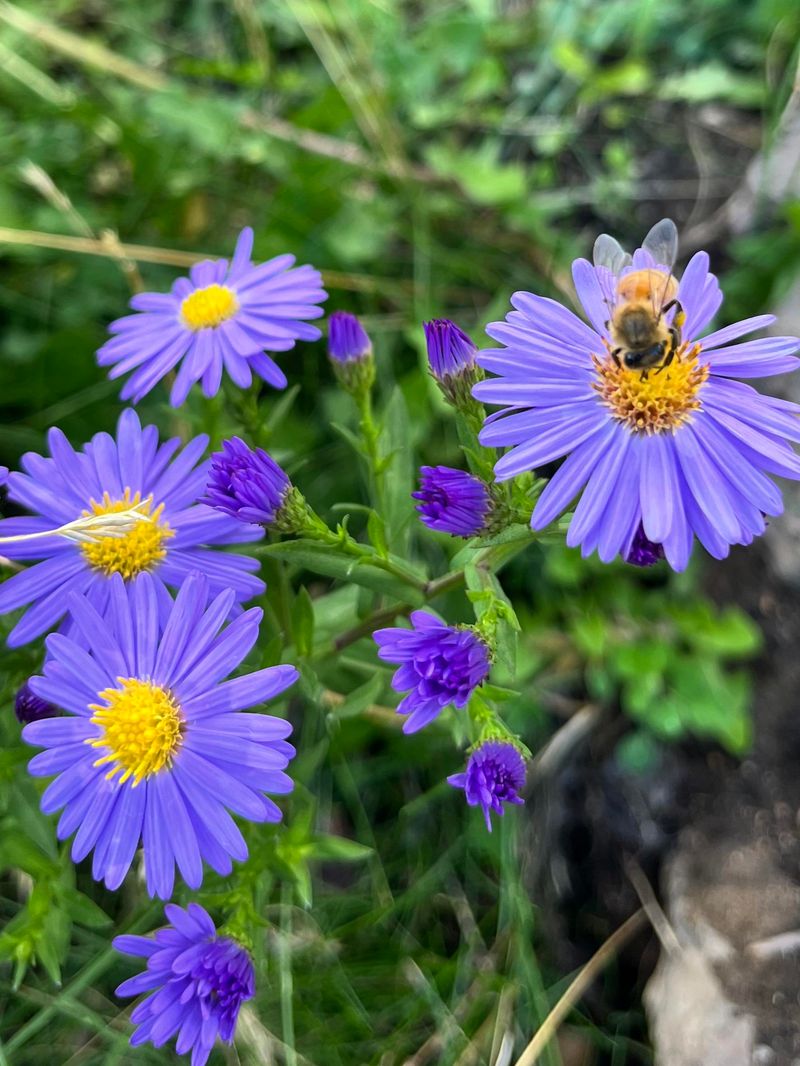
Asters packed too tightly together can run into trouble fast. When plants crowd each other, leaves stay damp long after rain, and that lingering wetness invites disease.
Moving air is your friend here. A gentle breeze passing between plants dries the foliage quickly, which keeps mildew and spots from taking hold. Good spacing makes that airflow possible.
When you plant or divide asters, give each one room to breathe. A foot or two of space between plants usually does the trick, depending on how big the variety grows.
If your asters are already crowded, you can thin out a few stems in the middle. Removing some inner growth opens up the plant and lets air flow right through the center.
Crowding also creates competition. Plants fight over water, light, and nutrients, and the stressed ones bloom less. Spacing solves that battle and lets each aster grow to its full potential.
Notice how healthy plants have leaves that dry off soon after a shower. That quick drying is a sign the airflow is working the way it should.
Tall varieties especially benefit from breathing room. Their dense foliage traps humidity easily, so a little extra space around them pays off with cleaner, healthier leaves.
Dividing overgrown clumps every few years keeps crowding under control for the long run. You get more plants to share, and the parent clump gets a fresh start.
Give your asters space and let the breeze move through, and you will see fewer problems and far more of those cheerful fall flowers.
6. Remove Diseased Foliage
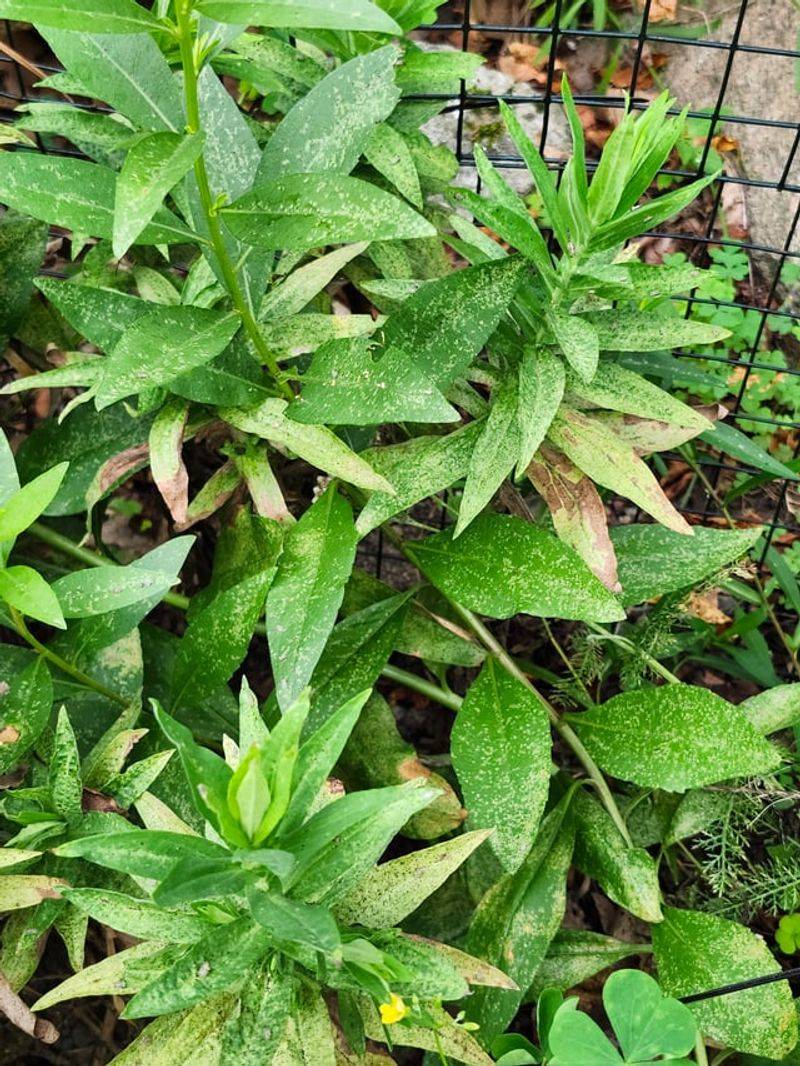
Spotting a few sickly leaves on your asters is not the end of the world, but ignoring them can be a mistake. Badly spotted or wilted foliage should come off so the trouble does not spread.
Diseases like mildew and leaf spot travel easily. When you snip away the worst leaves and stems, you stop those problems from moving to the healthy parts of the plant.
Use clean pruners for the job. Wiping the blades with rubbing alcohol between cuts keeps you from carrying germs from one plant to the next.
Do not toss the sick clippings on the ground near your asters. Infected leaves lying at the base can send trouble right back up into the plant. Bag them up and throw them away instead of adding them to your compost.
Clearing fallen debris around the base helps too. Old, damp plant bits create the perfect hiding spot for fungus and pests, so a tidy area keeps things healthier.
Try to remove only what truly looks bad. Stripping off too many leaves at once stresses the plant, so aim for the parts that are clearly struggling.
Morning is a smart time for this task, when leaves are dry and easier to handle. Working on dry foliage also lowers the chance of spreading anything wet and sticky.
A little cleanup goes a long way toward keeping asters strong. By pulling off the problem leaves and clearing the mess below, you give your plants a clean slate to finish the season with bright, healthy blooms.
7. Provide Enough Sunlight For Fall Flowers
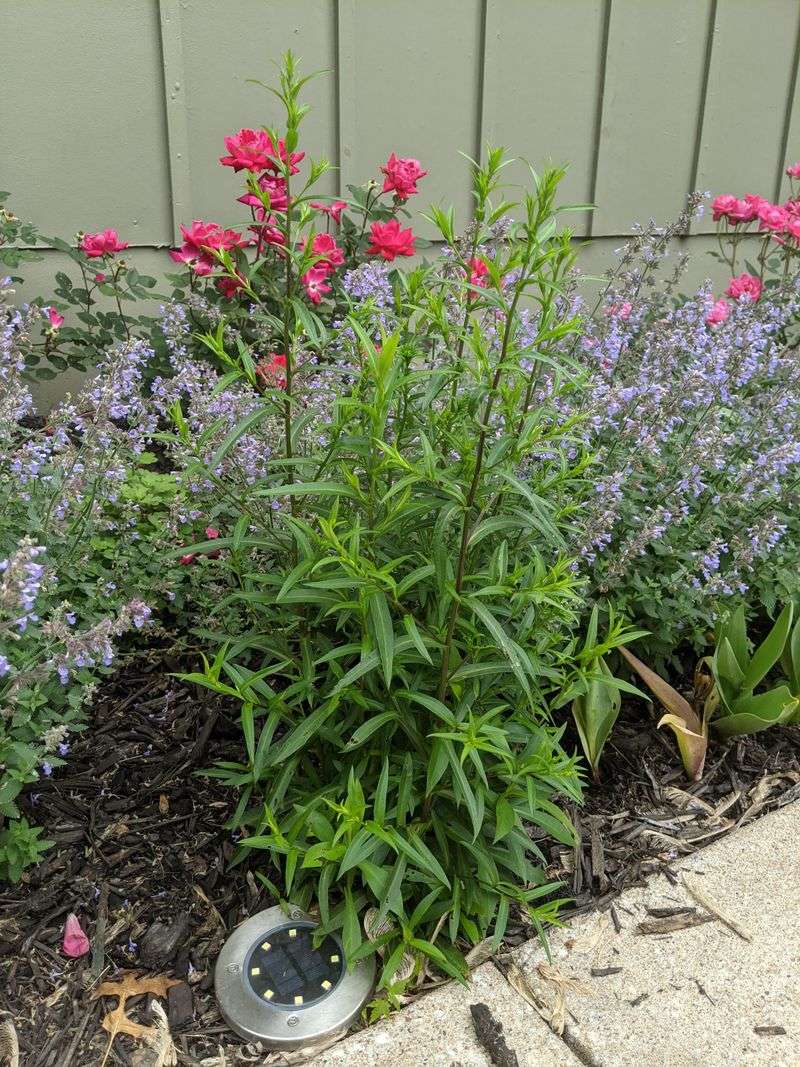
Sunshine is the secret behind a big aster show. These plants soak up light and turn it into fuel for flowers, so the more sun they get, the more blooms you enjoy.
Most asters do best with at least six hours of direct sun each day. Give them that bright spot and they reward you with sturdy stems packed full of color.
Too much shade tells a different story. Asters stuck in dim corners grow tall and leggy as they stretch toward the light, and their stems turn weak and floppy.
Shady spots also mean fewer flowers. The plant simply does not have enough energy to make lots of buds, so you end up with more leaves than blooms.
If nearby shrubs or trees have grown and started blocking the sun, a little trimming can open things up. Letting more light reach your asters makes a real difference in how well they perform.
For container asters, moving the pot into a sunnier location is an easy fix. You can chase the best light throughout the season without much effort.
Notice how plants in full sun stand up straight and full while shaded ones lean and thin out. That contrast shows just how much sunlight shapes their growth.
Morning sun is especially helpful because it dries dew from the leaves early. Dry foliage means fewer disease worries and a healthier plant overall.
Plant your asters where the sun shines bright, and they will thank you with strong stems and a fall display bursting with cheerful purple and blue.
8. Protect The Plant As Fall Arrives
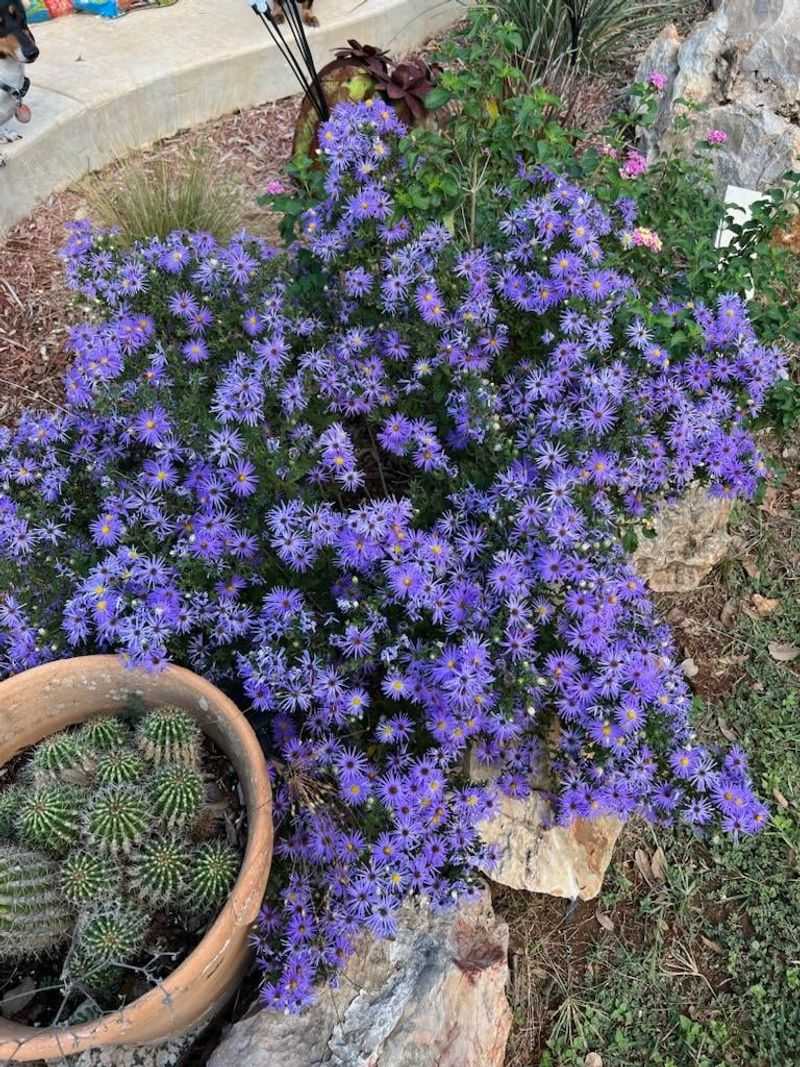
As fall settles in, all your earlier care starts to pay off. Steady moisture, healthy soil, and good airflow work together to help asters finish their bloom period strong.
The goal now is to avoid piling on any new stress. Sudden changes, rough handling, or skipped watering during a dry stretch can cut the flowering short right when it should shine.
Keep checking the soil and watering when it feels dry. Even as temperatures cool, asters still need moisture to keep their buds opening one after another.
Once blooms begin to fade, you can leave the spent flowers or trim them lightly. Leaving some seed heads gives birds a treat and adds interest through the colder months.
When flowering finishes for the year, let the plant rest. Cutting stems back too early or too hard can weaken the roots before they store up energy for next spring.
A fresh layer of mulch in late fall protects the crown through winter chill. That extra cover shields the roots from harsh cold and freeze-and-thaw swings.
Healthy asters that finish the season well enter the cold months in strong shape. Strong roots now mean a fuller, more vibrant plant when warm weather returns.
Everything you did through late summer builds toward this moment. The moisture, the airflow, the clean foliage, and the sunlight all add up to a plant ready to close the year beautifully.
Care for your asters through fall, and they will bounce back year after year, filling your garden with color when so many other flowers have already faded.