10 Places You Should Never Plant Butterfly Bush In Michigan
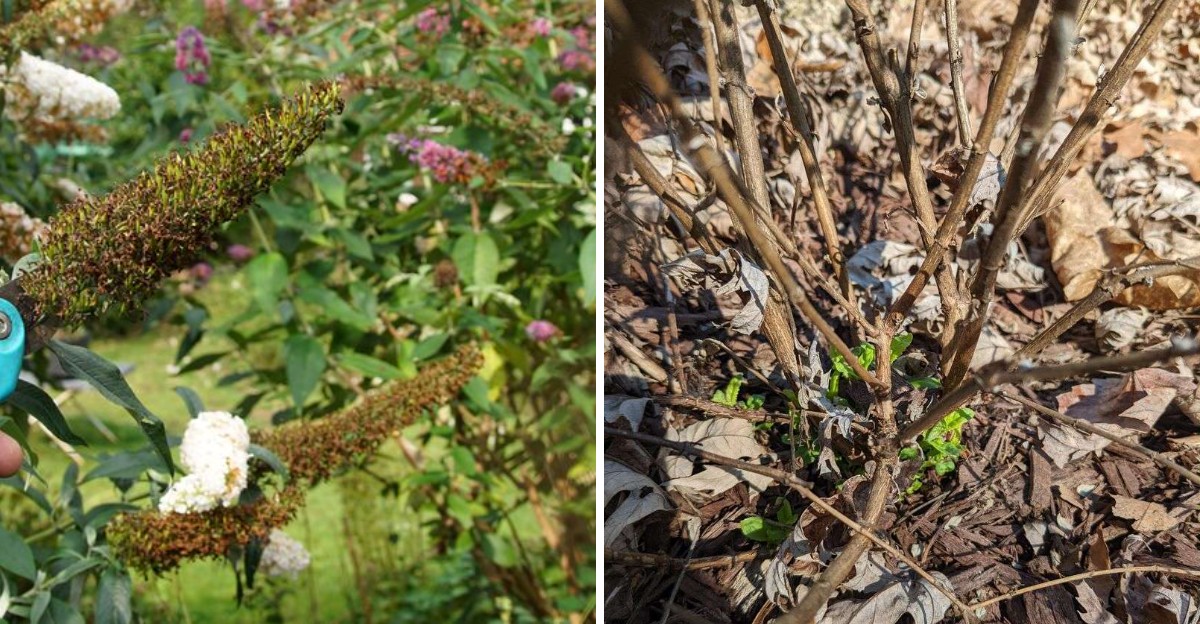
Butterfly bush is a popular choice for attracting pollinators, but where it’s planted in a Michigan yard matters more than most gardeners realize.
This shrub produces huge numbers of seeds, and they spread easily into nearby natural areas, wetlands, and waterways.
Once there, escaped butterfly bush seedlings may compete with native plants in some habitats. Even a single mature shrub can send seeds drifting far beyond the yard it started in, carried by wind or water to unexpected places.
A spot near a ditch, a pond edge, or the border of a wooded area can quietly turn one pretty shrub into a much bigger spreading problem over time.
Knowing which spots to avoid lets gardeners enjoy butterfly bush’s pollinator appeal without helping it spread into wild spaces nearby.
1. Near Natural Areas Or Woodlands
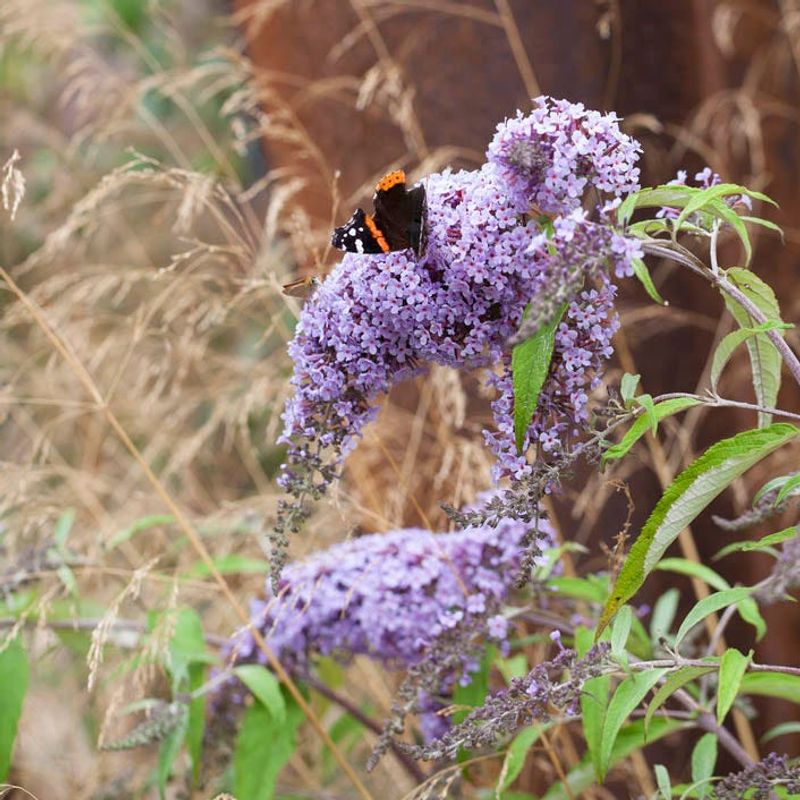
Michigan is filled with beautiful forests, prairies, and open meadows, and butterfly bush can cause trouble when planted too close to them. The seeds travel easily on wind and can sprout far from your garden.
Once those seeds land in a wild area, young plants pop up and start crowding out native flowers and grasses. Local plants have grown in these spaces for a very long time, and they support insects, birds, and other animals in ways butterfly bush cannot.
When an outside plant spreads into a natural area, it changes the balance. Native seedlings may lose room to grow, and the whole habitat can shift over time. That is a big price to pay for one pretty shrub.
If you live near a nature preserve, state land, or even a wooded park, think twice before planting butterfly bush at the edge of your property. Escaped seedlings are hard to spot until they are already established.
A smart move is to keep butterfly bush far from any wild boundary. Better yet, pick a seedless variety if you truly want one, since these produce little or no viable seed.
You can still enjoy pollinators without the risk. Native shrubs and wildflowers bring in just as many visitors and keep the surrounding land healthy.
Gardening close to natural areas comes with extra responsibility, and choosing wisely protects the places that make Michigan special. A little planning now keeps both your yard and the wild spaces thriving for years.
2. Along Michigan Dunes And Open Sandy Areas
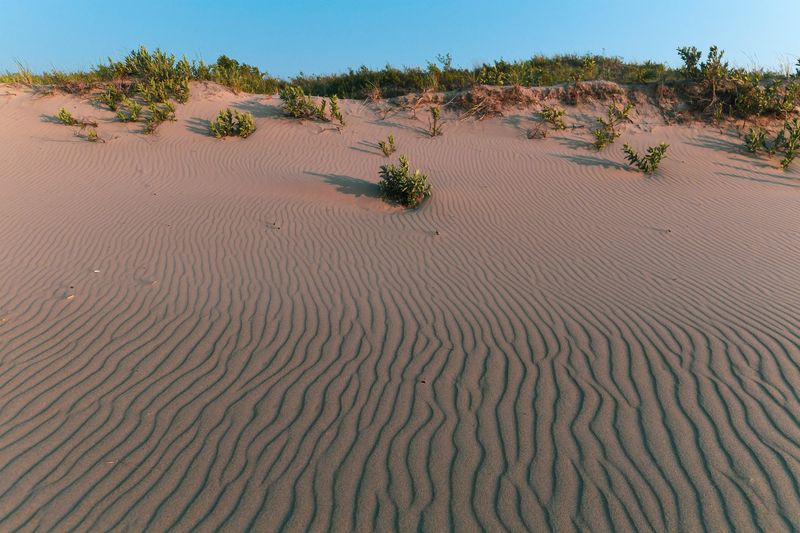
The sand dunes along Lake Michigan are some of the most stunning landscapes in the whole country. They are also fragile, and that makes them a poor place for butterfly bush.
Sandy, open ground is exactly the kind of spot where tough spreading plants take hold fast. The loose soil and open sunlight give seedlings an easy start, and before long they can outcompete the special grasses and flowers that hold the dunes together.
Dune plants do important work. Their roots grip the sand and keep it from blowing away, which protects the whole shoreline. When an outside shrub moves in, it can weaken that natural system.
Planting non-native shrubs near fragile dune habitats increases the risk of introducing plants that may compete with native vegetation. Even a few plants can turn into many over several seasons.
Your Michigan Garden Changes Every Week. Your Plan Should Too.
Gardening in Michigan changes quickly throughout the season. Every Friday you’ll receive a simple weekly plan showing exactly what to plant, prune, fertilize, harvest, and protect so you never miss the right timing.
If your home sits near the lakeshore, resist the urge to add butterfly bush to your landscaping. The seeds could easily blow into protected dune areas nearby.
There are wonderful native choices that handle sandy soil beautifully. Beach plants and hardy native shrubs give you color and structure without threatening the coast.
Protecting the dunes is something every lakeshore gardener can help with. These places take generations to form, and they need our care.
Choosing plants that belong in sandy Michigan soil keeps the shoreline strong and the views gorgeous. Your yard can still look amazing while doing its part for one of the state’s greatest treasures.
3. In Wet, Poorly Drained Soil
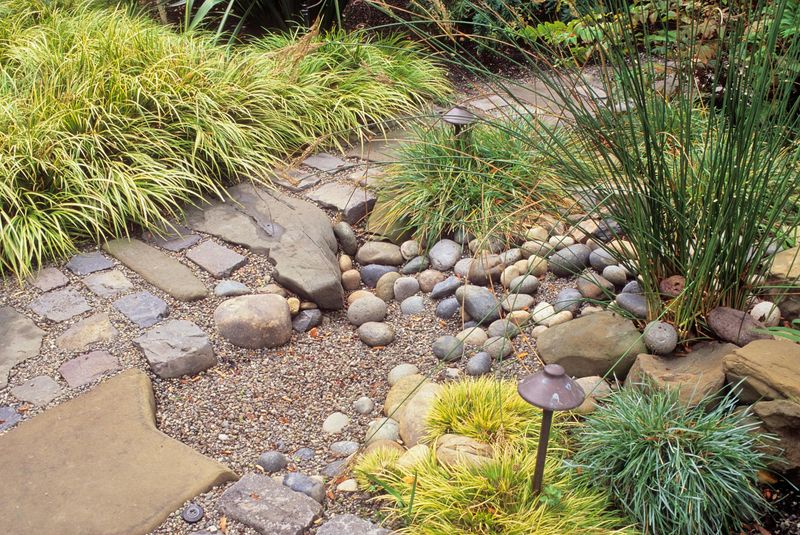
Butterfly bush loves soil that drains well, so a soggy spot is one of the worst places you can put it. Wet feet make this shrub unhappy fast.
When water sits around the roots, they cannot get the air they need. Over time this leads to weak growth, yellow leaves, and root rot that the plant struggles to recover from.
Michigan yards often have low spots where rain and melting snow collect. These areas may look fine in summer but stay wet in spring and fall, which is tough on plants that crave dry, loose ground.
Poor drainage also hurts winter survival. Roots sitting in cold, wet soil are far more likely to suffer damage when temperatures drop, and butterfly bush already faces enough winter stress in our climate.
Before planting, check how your soil handles water. Dig a hole, fill it, and see how fast it drains. If water lingers for hours, that spot is not the one.
You can improve drainage by adding compost or planting in a raised area, but sometimes the easiest answer is simply choosing a different location. A gentle slope or a spot with sandy loam works much better.
For those constantly damp corners, pick plants that actually enjoy moisture. Native shrubs made for wet ground will thrive where butterfly bush would only sulk.
Matching the plant to the site saves you frustration and gives your butterfly bush the strong, healthy start it needs to bloom well.
4. In Deep Shade
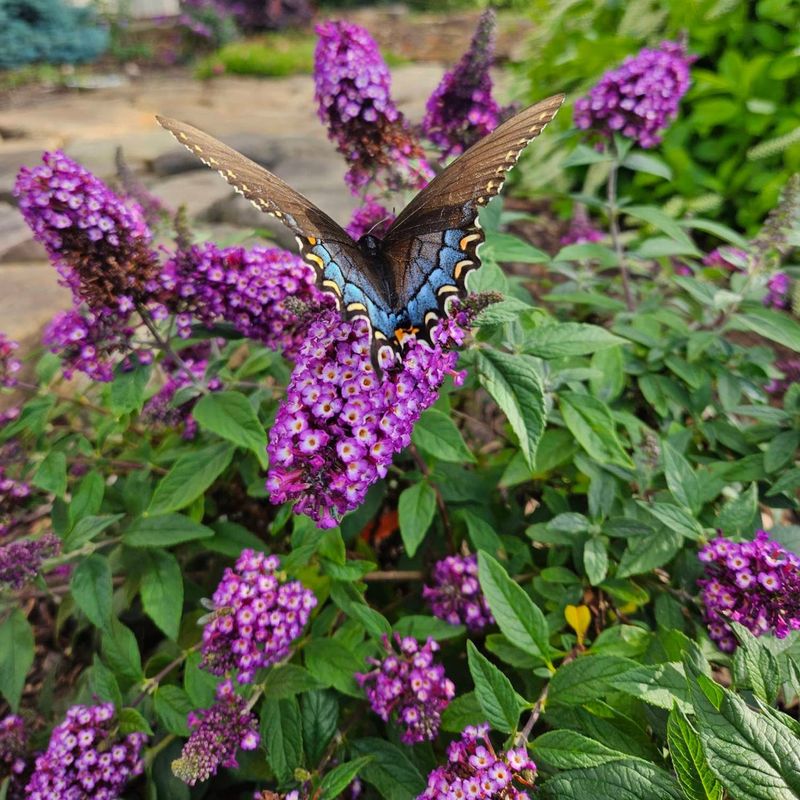
Sunshine is the secret to a butterfly bush covered in blooms, which is why deep shade is a big mistake. This plant is a true sun lover.
Growing under a thick tree canopy leaves it starved for light. Instead of full, colorful flowers, you get long stretched stems reaching for any bit of sun they can find.
Fewer blooms mean fewer butterflies, too. The whole reason people plant this shrub is to attract pollinators, and a shady, flowerless plant simply cannot deliver that show.
Shade also makes the plant weaker overall. Stems grow thin and floppy, leaves may look pale, and the shrub often struggles to fight off pests and disease.
For the best results, butterfly bush needs at least six hours of direct sun each day. More is even better, and it will reward you with thick clusters of flowers all season long.
Take a good look at your yard at different times of day before planting. A spot that seems bright in the morning might be shaded by afternoon once nearby trees leaf out.
If your garden is mostly shady, do not force it. There are lovely shade-loving plants that will look far happier in those darker corners.
Save the sunny, open areas for your butterfly bush. Along a fence, in the middle of a bed, or in a bright border, it will shine.
Giving this shrub the light it craves turns a sad, leggy plant into a blooming magnet buzzing with life.
5. In Small Foundation Beds
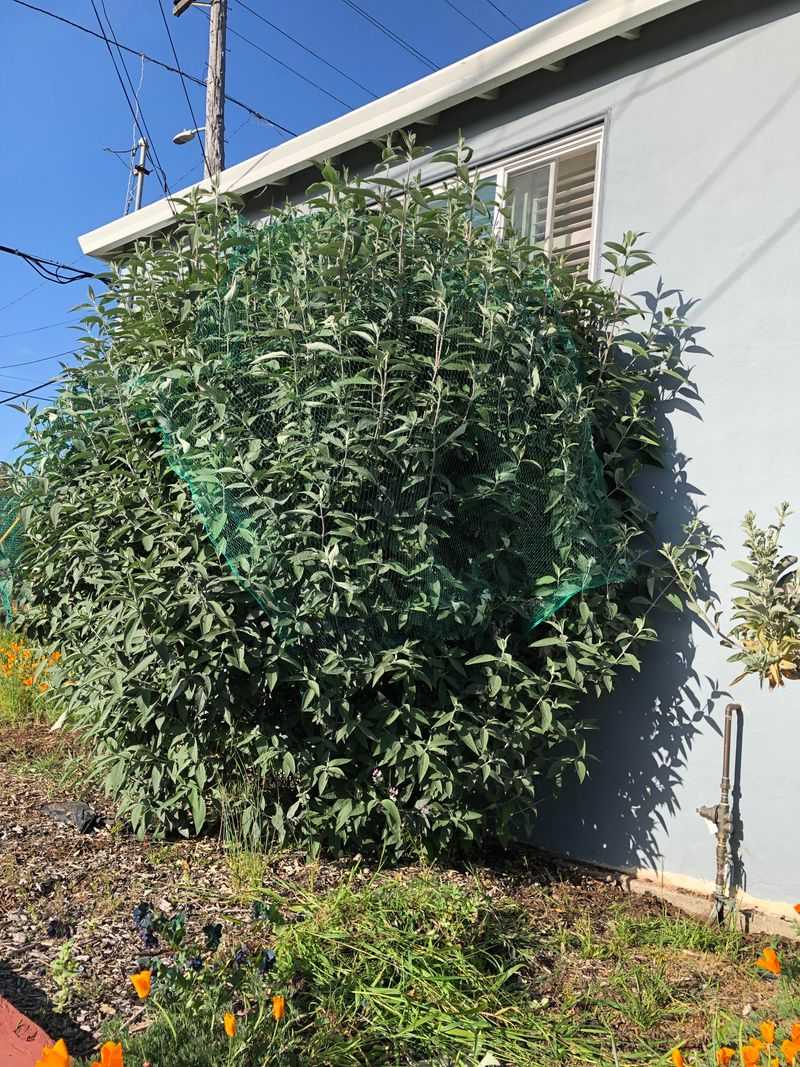
That cute little butterfly bush at the garden center can fool you. Given the right conditions, it grows much bigger than most people expect.
Many types reach six to ten feet tall and just as wide. In a tight foundation bed, that kind of size quickly becomes a problem.
Planted too close to your house, it can block windows, crowd doorways, and lean against siding. Pruning helps, but you end up fighting the plant constantly to keep it in bounds.
Sidewalks and driveways suffer too. Branches spill over walkways, and every trip past the plant means brushing through leaves and flowers, which gets old fast.
Small beds also limit root space and airflow. A cramped shrub is more likely to have pest issues and weak growth because it cannot spread out the way it wants to.
Before planting, always check the mature size on the plant tag. Then give it room to reach that full width without bumping into anything.
If you love the look near your home, choose a compact or dwarf variety bred to stay small. These types fit tight spaces far better and need less trimming.
Better yet, place full-size butterfly bush in an open part of the yard where it can grow freely. It will look fuller and healthier with breathing room.
Planning for the future size of any shrub saves you years of headaches. A little math now means no wrestling with an overgrown giant later on.
6. Where You Cannot Deadhead Spent Flowers
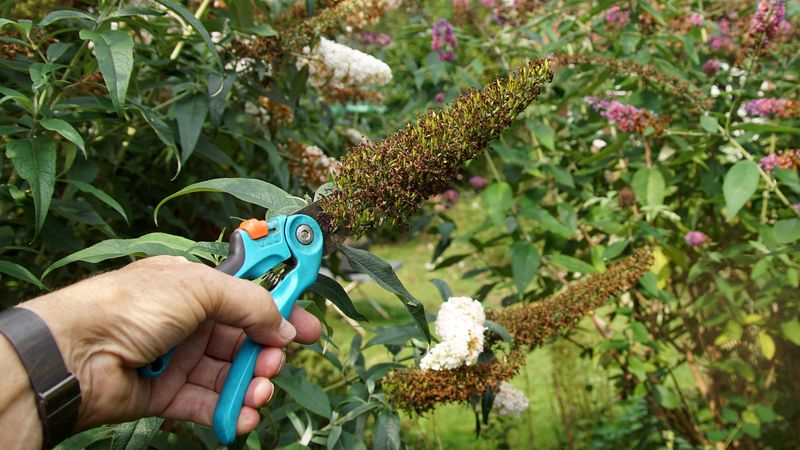
Snipping off faded flowers is one of the most important jobs when you own a butterfly bush. So planting it somewhere you cannot reach is asking for trouble.
Removing old blooms is called deadheading, and it does two great things. It keeps the plant flowering longer, and it stops many varieties from making seeds that sprout where you do not want them.
Those extra seedlings are the real concern. Some butterfly bush types produce seeds that spread easily, and if you cannot trim the spent flowers, that plant can turn into a source of unwanted seedlings.
Now picture a butterfly bush tucked behind a shed, jammed against a fence, or planted on a steep bank. Reaching every flower cluster becomes a real chore, and skipped deadheading leads to more work down the road.
Hard-to-reach spots also make regular pruning tough. Butterfly bush needs a good cutback each year, and you want to be able to walk right up to it with your tools.
Choose a location with easy access on all sides. A spot where you can circle the plant makes maintenance quick and even a little enjoyable.
If you know you will not keep up with trimming, look for a seedless variety. These produce little or no viable seed, which lowers the spreading risk.
Matching the plant to how much care you can give keeps your garden tidy. Easy access means happy blooms and far fewer surprise seedlings popping up nearby.
7. In Areas With Severe Winter Exposure
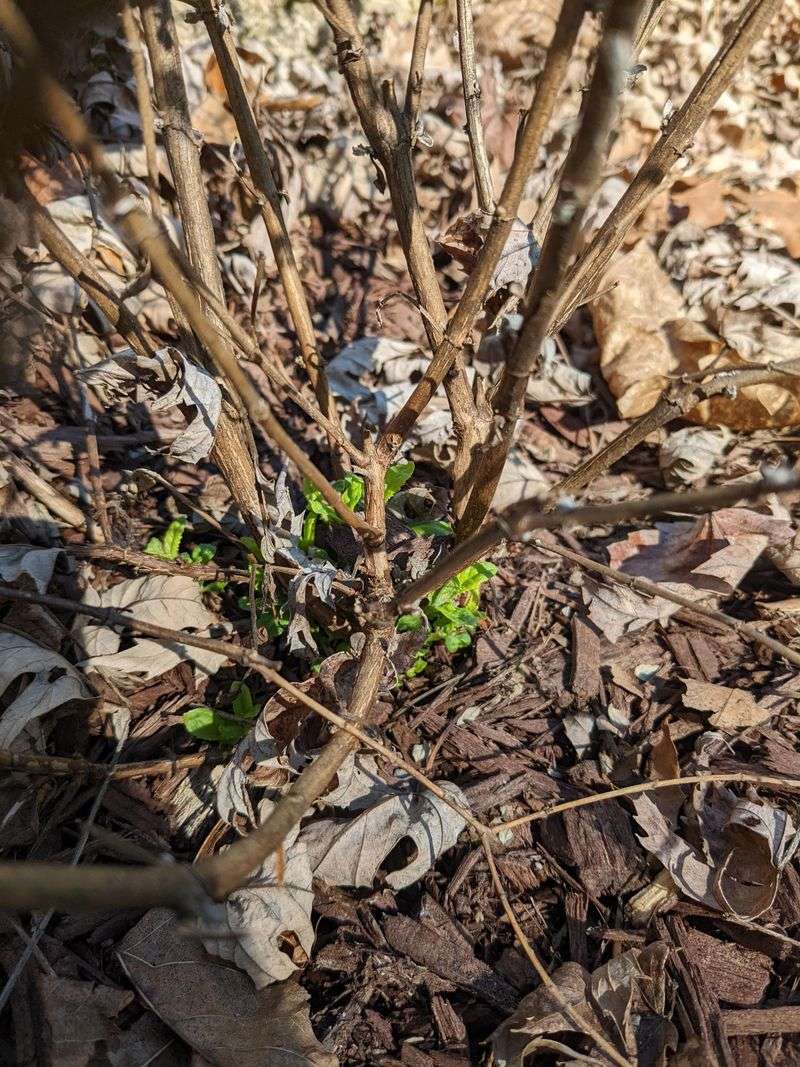
Michigan winters are no joke, and butterfly bush feels every bit of the cold. Planting it in an exposed, windy spot puts it at serious risk.
Strong winter winds dry out the stems and pull moisture from the plant when it cannot replace it. In open areas with little shelter, that damage adds up fast.
Snow actually helps here. A blanket of snow protects the base of the plant and insulates the roots, but windswept spots often stay bare, leaving the shrub with no cushion against the cold.
Butterfly bush is already borderline hardy in parts of our state. In tough winters, stems may suffer harsh damage and need heavy pruning come spring.
A sheltered site makes a big difference. Planting near a south-facing wall, a fence, or other shrubs blocks the worst of the wind and traps a little extra warmth.
These protected spots also hold snow better, giving the roots the covering they need. Even a corner of the yard that stays calm during storms can improve your plant’s odds.
Adding a layer of mulch in late fall helps too. A few inches over the root zone shields it from wild temperature swings.
When choosing a home for your butterfly bush, think about how that spot feels in January, not just July. The sunniest summer corner might be the harshest in winter.
Picking a cozy, wind-protected location gives your shrub a much stronger chance of bouncing back beautifully each spring with fresh new growth.
8. Near Pollinator Gardens That Need Native Host Plants
Butterfly bush earns its name because adult butterflies love its sweet nectar. But there is a catch many gardeners miss.
Nectar feeds adult butterflies, but butterfly bush does not provide the host plants many caterpillars need. Caterpillars need specific native plants, called host plants, to grow and change into butterflies.
Monarchs are a perfect example. Their caterpillars only eat milkweed, so a garden full of butterfly bush and no milkweed leaves them with nowhere to raise the next generation.
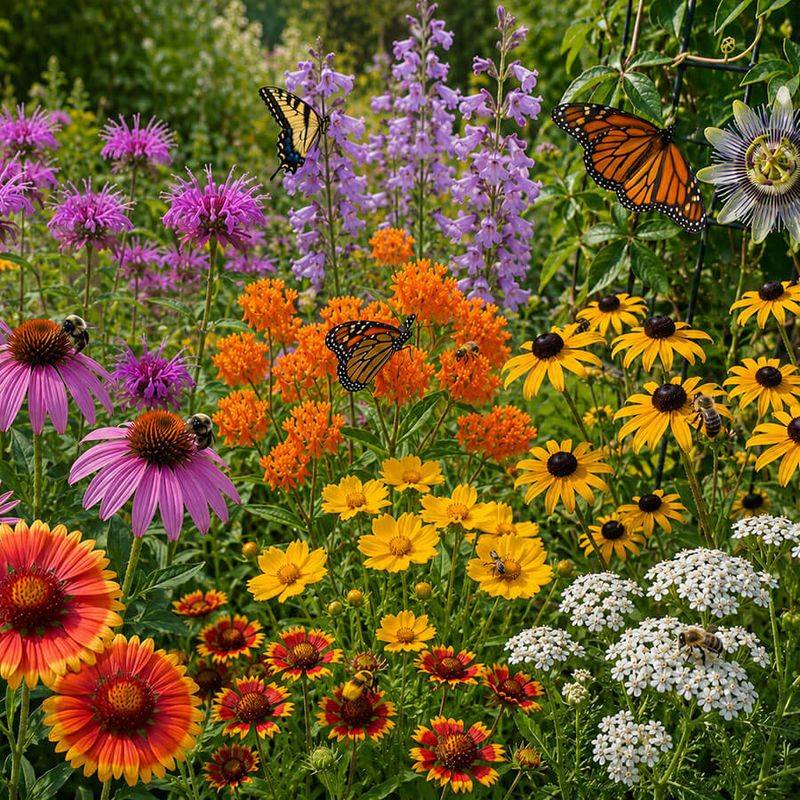
If you build a pollinator garden, the goal is to support the whole life cycle, not just one part of it. That means including plenty of native host plants alongside any nectar sources.
Relying on butterfly bush alone can actually shortchange the insects you are trying to help. It looks busy with visitors, but those butterflies still need native plants somewhere to lay their eggs.
The best pollinator gardens mix nectar and host plants together. Native flowers like milkweed, asters, and coneflowers feed adults and support caterpillars, too.
Butterfly bush can play a small role as a nectar snack, but it should never take the place of the natives that do the heavy lifting.
Think of it like a diet. Dessert is fun, yet nobody grows strong on dessert alone, and the same idea applies here.
Filling your garden with native host plants creates a true home for butterflies at every stage. That is how you build a space buzzing with real, lasting life instead of just pretty visitors passing through.
9. In Poorly Prepared Soil
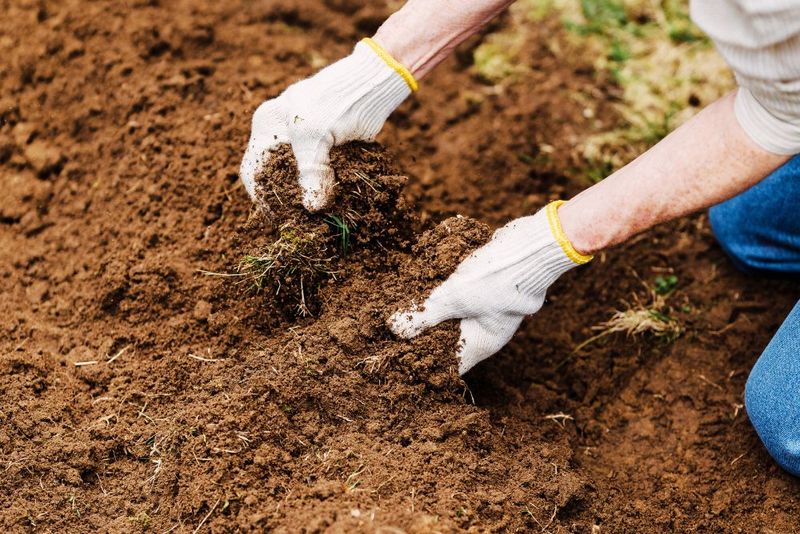
Tossing a butterfly bush into whatever soil you have and hoping for the best rarely works out. The ground you plant in shapes how well the shrub grows.
This plant does best in loose, well-draining soil that lets water pass through and air reach the roots. Heavy, compacted, or clay-filled ground holds too much water and chokes the roots.
Many people think fertilizer is the fix for a struggling plant. In truth, good drainage and the right location matter far more than piling on plant food.
Too much fertilizer can even backfire. It pushes lots of leafy growth while giving you fewer flowers, which is the opposite of what most gardeners want.
Before planting, take time to prep the site. Loosen the soil deeply and mix in compost to improve both drainage and structure.
If your yard has thick clay, consider building up the planting area or blending in coarse material to help water move through. A little effort here pays off for years.
Test how the spot drains before you dig. Water that pools and sits is a warning sign that the soil needs work or that you should pick another location.
Once the roots have loose, breathable ground to spread into, the plant grows stronger on its own. It handles heat, cold, and dry spells much better.
Skipping soil prep is one of the most common reasons butterfly bush underperforms. Give it the right foundation, and you set the stage for a healthy, flower-filled shrub.
10. Where A Native Shrub Would Better Fit
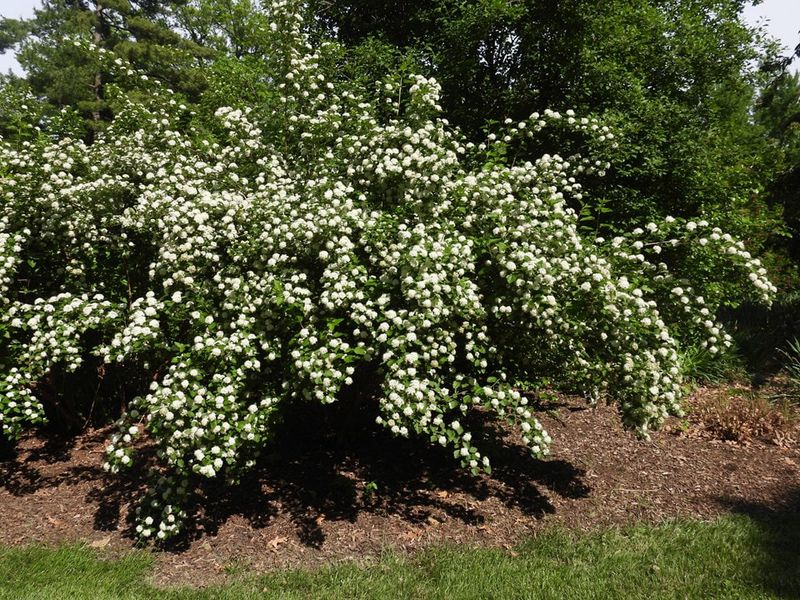
Sometimes the smartest choice is to skip butterfly bush and plant a Michigan native instead. When your goal is helping local wildlife, natives simply do more.
Native shrubs evolved within regional ecosystems alongside local insects, birds, and other wildlife. They offer food, shelter, and nesting spots in ways an imported plant cannot match.
Ninebark is a great pick, with pretty peeling bark, clusters of flowers, and berries that birds enjoy. It handles Michigan conditions like a champ.
For soggy areas, buttonbush is a standout. It loves wet ground, produces unique round blooms, and draws in pollinators by the dozen.
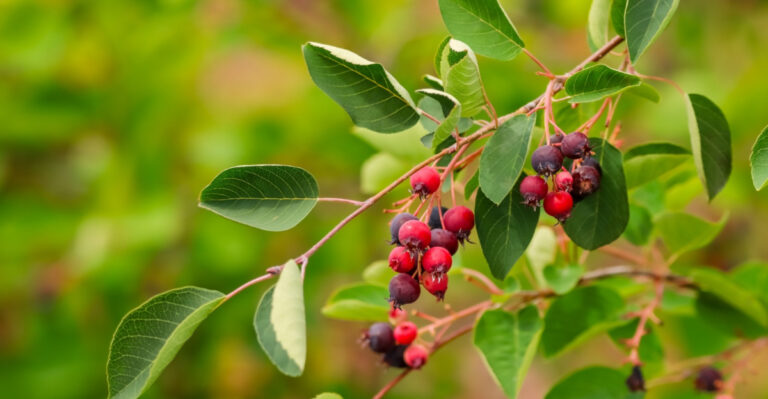
Serviceberry brings spring flowers, tasty berries, and lovely fall color all in one plant. Birds flock to it, and people love the fruit, too.
Native viburnums round out the list with showy blooms and berries that feed wildlife through the colder months. They fit beautifully into almost any yard.
Each of these choices supports the full web of life in your garden, from tiny insects to songbirds. That is something butterfly bush struggles to do on its own.
Going native also means less worry about seedlings escaping into wild areas. You get beauty without the risk of harming nearby habitats.
These plants are usually tough and low-fuss once settled in, since they already belong to this climate. That means less watering, less babying, and more enjoyment.
Picking a native shrub is a gift to your yard and to Michigan itself. You create a colorful, living space that gives back to the world around it every single season.