Northern Ohio Homeowners Have Less Time to Seed Grass Than They Think
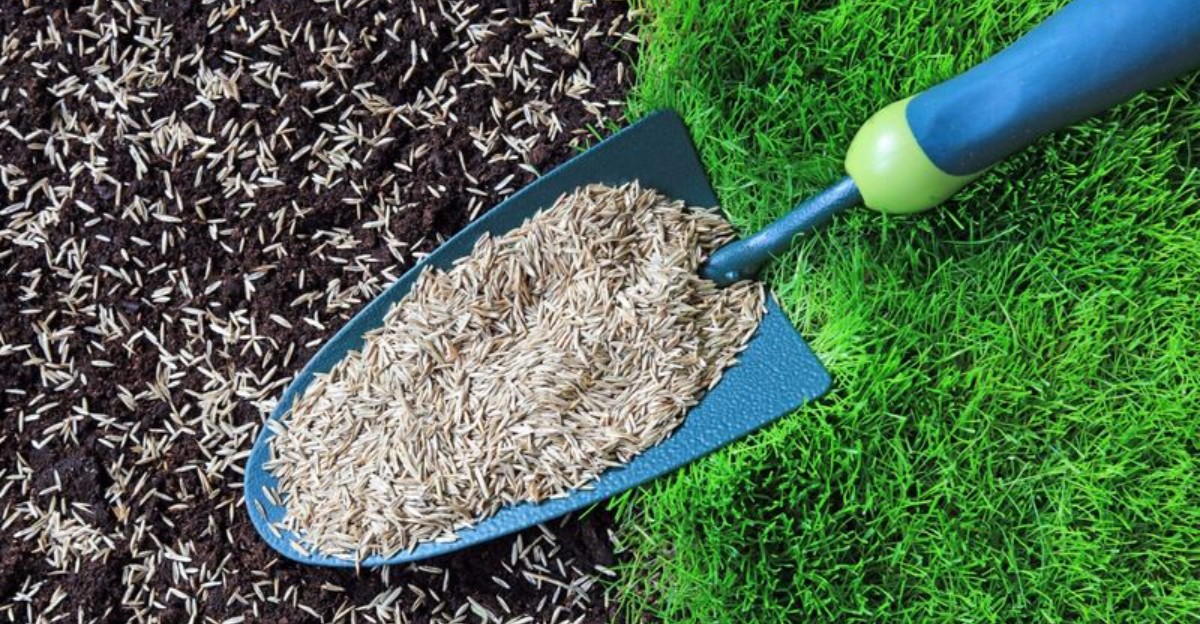
Most homeowners picture a wide-open window for fall seeding. Plenty of weekends left, no real rush.
That assumption is exactly where things start to go wrong. Grass seed needs a set number of days to germinate and grow strong enough before winter shuts everything down.
Count backward from the first hard frost and that window shrinks fast, often closing weeks earlier than most people expect. Wait too long and the seed either fails to germinate at all or sprouts too weak to survive the cold that follows.
Northern Ohio tends to lose that window earlier than the rest of the state, thanks to a shorter stretch of warm soil temperatures in fall.
Homeowners who seed on a southern Ohio timeline usually end up disappointed by spring, staring at thin, patchy grass instead of the thick lawn they were expecting.
Here’s how to figure out exactly how much time is actually left.
1. The Prime Fall Window Slams Shut Quickly
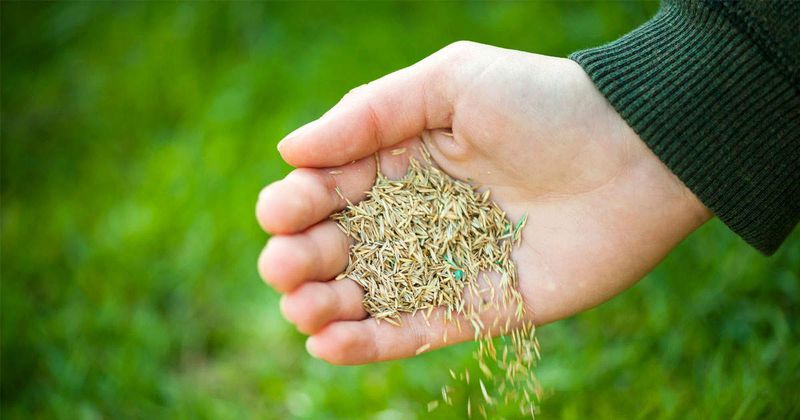
Most homeowners assume autumn stretches on forever for planting. The reality in Northern Ohio is much tighter than the crisp fall air suggests.
Northern Ohio’s best seeding window usually arrives in late summer and early fall, with earlier planting giving new grass more time to establish before winter. That leaves you just a few short weeks to get everything right.
Warm summer soil paired with cooler nights creates ideal rooting conditions. Miss that overlap, and seedlings root slowly and struggle to settle in before frost arrives.
Life gets busy in late summer with vacations, school starting, and weekend plans. Blink, and your best chance quietly passes by.
Marking your calendar early helps you beat the rush. Order your seed and prep your soil before August even begins.
Think of this window like a store having a flash sale. The doors open briefly, and once they close, you wait a full year for the next round.
Planning ahead turns a stressful scramble into a smooth, rewarding project you can actually enjoy.
2. Spring Seeding Is A Shaky Backup Plan
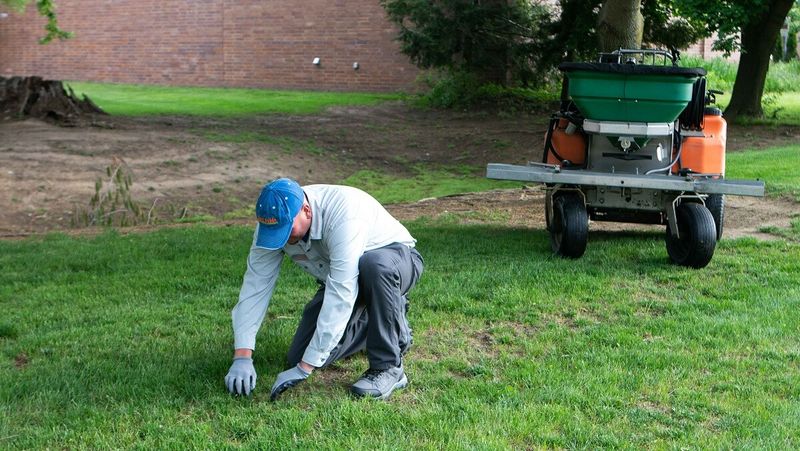
Spring feels like the natural time to plant, with everything waking up green. Unfortunately, this season offers only a wobbly second chance in Northern Ohio.
Spring seeding is usually attempted after soil temperatures rise and before summer heat creates stress, but the window is much less forgiving. That is a narrow stretch, and it comes loaded with extra hurdles you would not face in fall.
Young grass planted in spring has barely rooted before summer heat comes charging in. Tender blades then fight for survival against harsh conditions.
Wet, cold spring soil also delays germination, eating into your limited days. You might wait longer than expected just to see the first sprouts appear.
Because this timing is less reliable, many pros treat it as a last resort. If fall works for your schedule, it rewards you far more generously.
Should spring be your only option, prep aggressively and water carefully. Give those seedlings every advantage before the warm months test them.
Your Ohio Garden Changes Every Week. Your Plan Should Too.
Gardening in Ohio changes quickly throughout the season. Every Friday you’ll receive a simple weekly plan showing exactly what to plant, prune, fertilize, harvest, and protect so you never miss the right timing.
Consider spring seeding a patch-up rather than a full overhaul. Managing expectations keeps you from feeling let down by patchy results.
3. Soil Temperature Refuses To Cooperate
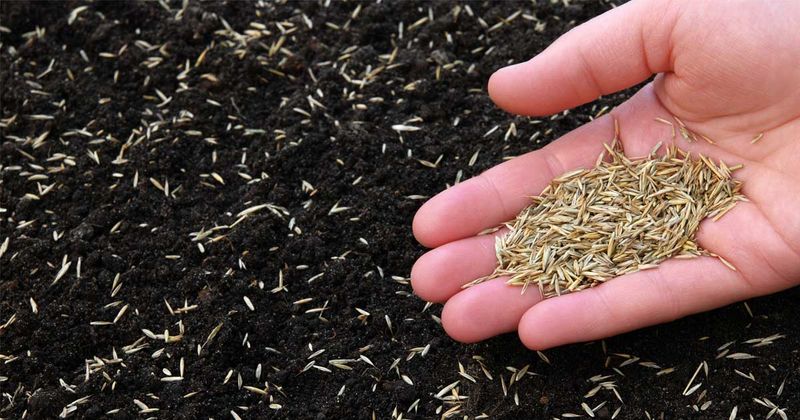
Air temperature gets all the attention, but soil temperature quietly runs the show. Grass seed has surprisingly specific comfort zones underground.
Cool-season grasses generally germinate best when soil temperatures are in the ideal range for the specific grass type, often around the 50s and 60s Fahrenheit. Stray outside that range, and germination slows or stalls entirely.
Plant when the ground runs too warm, and weeds outpace your grass while seedlings feel stressed. The competition can quickly overwhelm your delicate new blades.
Early spring often brings cold, soggy soil that keeps seeds dormant longer than you want. Late summer heat can push the ground past the ideal mark too.
A simple soil thermometer becomes your best friend here. Checking the ground before planting removes a lot of guesswork.
The narrow temperature sweet spot shrinks your usable calendar even further. Two windows that already feel short become tighter once soil readings enter the picture.
Watch the ground, not just the forecast. When those numbers land in the happy zone, that is your cue to spread seed and get to work.
4. Weeds Crash The Party And Steal Space
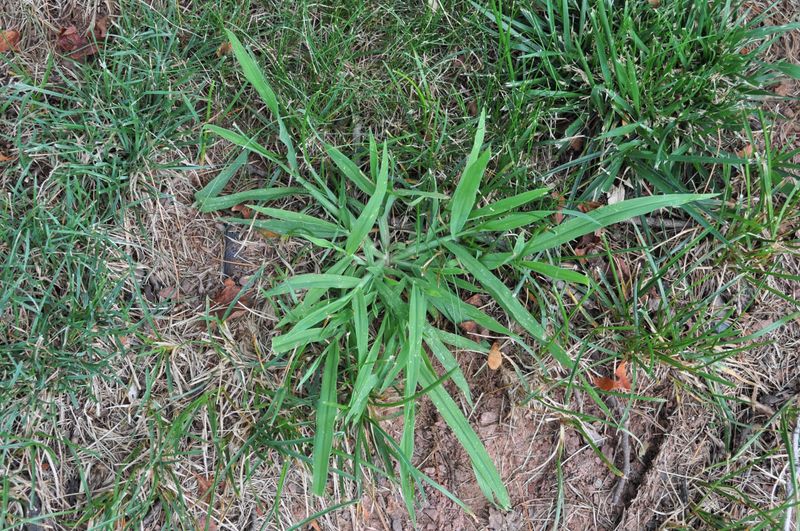
Weeds treat your bare soil like an open invitation to a feast. Crabgrass in particular loves to muscle in during spring planting.
Spring seeding invites heavier weed pressure than fall does. Fast-growing invaders sprout quickly and hog sunlight, water, and nutrients from your baby grass.
Here is the tricky part that catches many homeowners off guard. Many traditional pre-emergent crabgrass controls can also interfere with new grass seed, which makes spring weed prevention much more complicated.
That forces an uncomfortable choice during spring. You either protect against weeds or grow new grass, but rarely both at the same time.
Fall planting sidesteps much of this drama because weeds slow down as temperatures drop. Your grass gets breathing room to establish itself in peace.
If you do seed in spring, plan to hand-pull stubborn weeds. Skipping chemical treatments keeps your seedlings safe while adding to your workload.
Think of it like planting flowers in a crowded garden bed. Without room to grow, even strong seeds get bullied out.
Timing your seeding around weed cycles gives your lawn a fighting chance.
5. Summer Heat Bears Down Too Soon
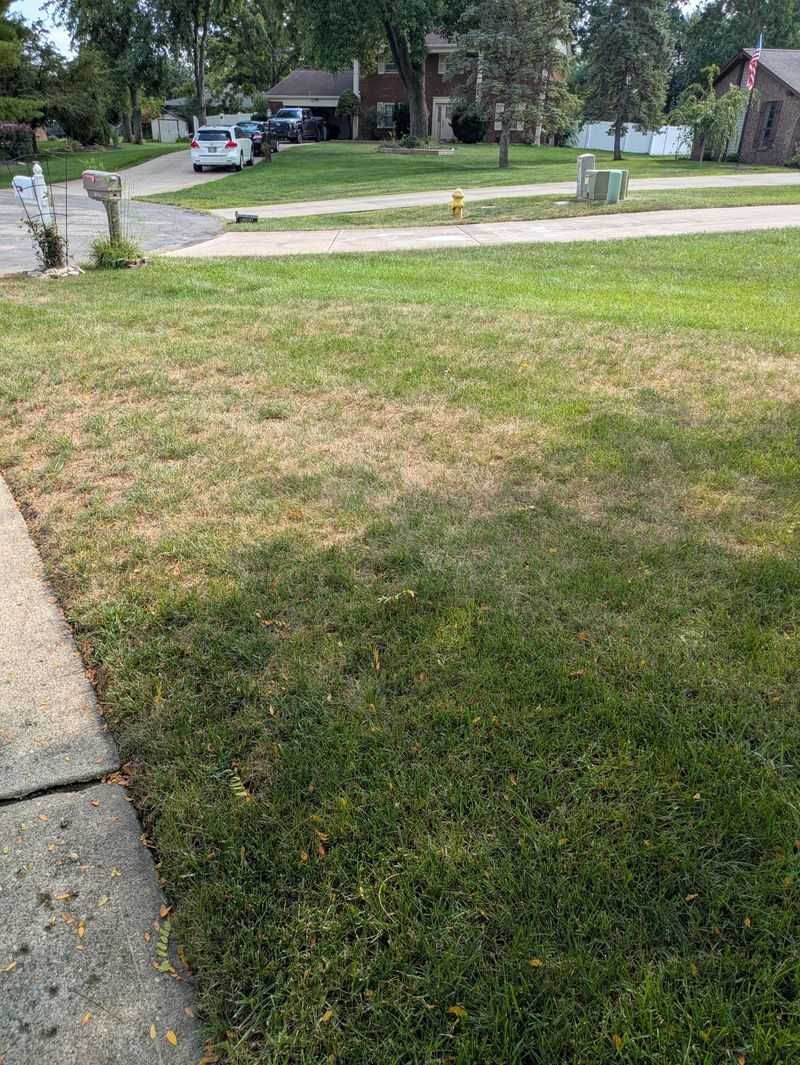
Summer arrives with a punch that young grass simply is not ready for. That looming heat is a big reason spring seeding stays so short.
Seed too late in spring, and tender seedlings face scorching temperatures before they toughen up. Aggressive weeds pile on during the same stretch.
Cool-season favorites like Kentucky bluegrass and perennial ryegrass respond to drought by going dormant. Your fresh lawn can fade to brown just when you hoped for lush green.
The threat of heat basically caps how late you can safely plant in spring. Every warm day nibbles away at your already slim window.
New roots need time to dig deep before the heat tests them. Rushing the timing leaves them shallow and vulnerable.
Watering helps, but no hose fully replaces cooler weather for stressed seedlings. Nature sets the schedule, and summer does not negotiate.
This is exactly why fall gets so much love from lawn pros. Cooling temperatures welcome new grass instead of punishing it, making the season far kinder to your hard work.
6. Clay Soil Fights Good Seed-to-Soil Contact
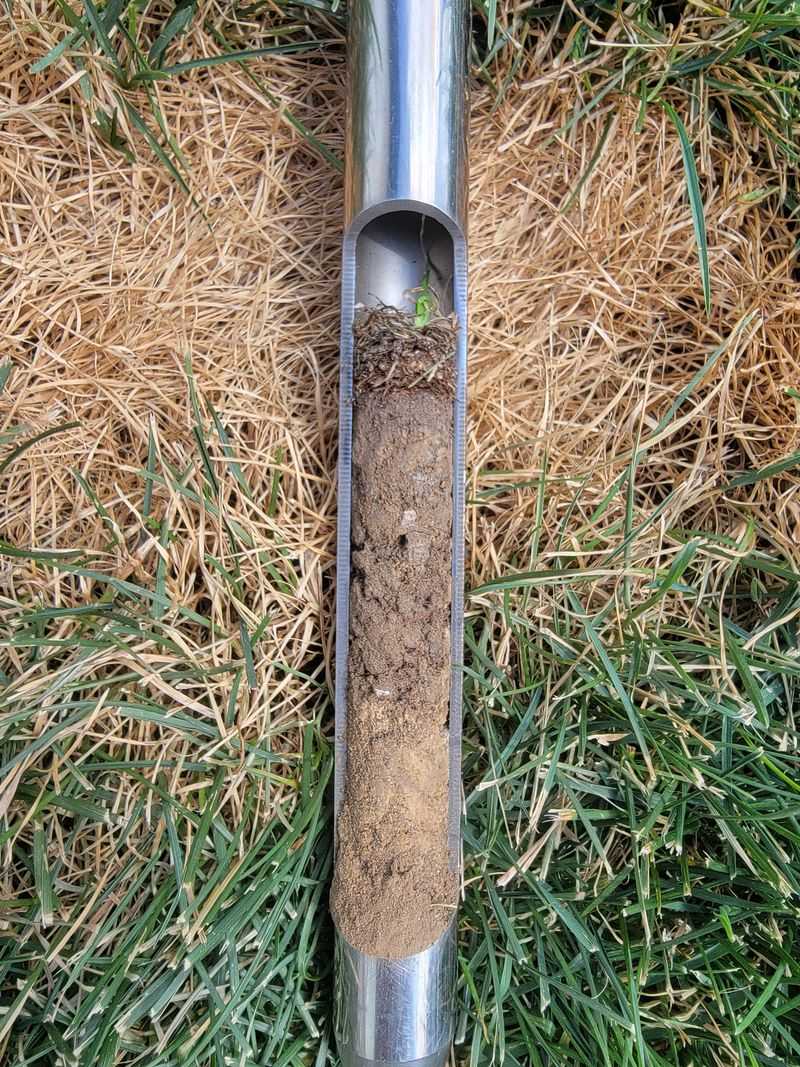
Seeds need a snug hug from moist soil to sprout, not a chilly perch on top of debris. Northern Ohio’s clay soil makes that hug hard to give.
Poor seed-to-soil contact ranks among the top reasons new grass fails. Seeds stuck on thatch or dry crust simply cannot soak up the water they crave.
Clay compacts easily, forming a stubborn barrier that keeps seeds from nestling in. Instead of settling into the ground, they sit exposed and thirsty.
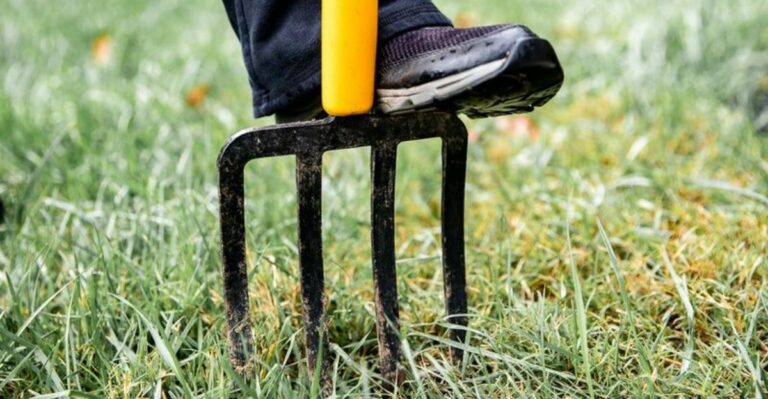
Loosening the top one to two inches of soil makes a huge difference. Raking or aerating opens little pockets where seeds can tuck themselves in.
This prep step takes time that many homeowners underestimate. Rushing straight to spreading seed often leads to disappointing bare spots.
Think of it like planting in packed sand versus fluffy garden mix. Loose soil welcomes roots, while hard ground shrugs them off.
Because clay demands extra prep, your actual planting starts later than planned. Building in soil work ahead of time keeps your seeding window from shrinking even more.
7. Prepare Before You Spread A Single Seed
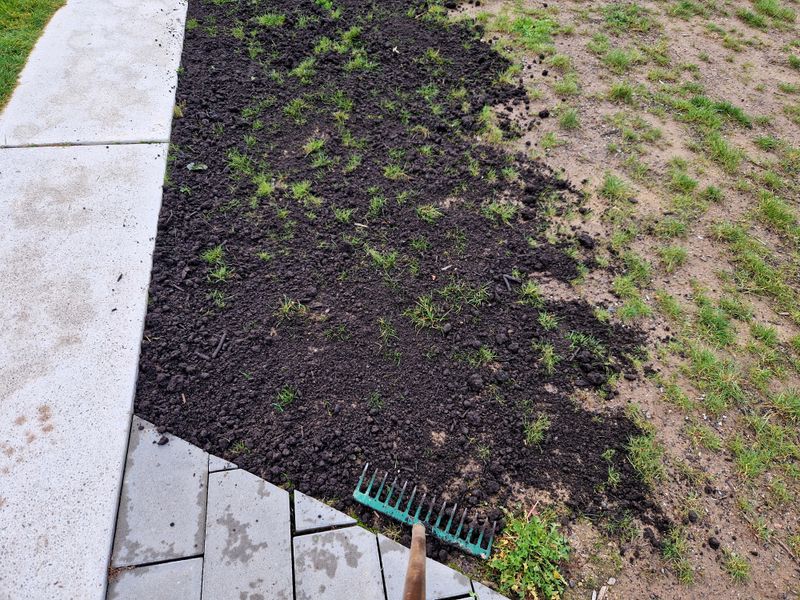
The biggest mistake homeowners make is thinking seeding day is where the work begins. In reality, the best lawns start with preparation before the first seed ever touches the ground.
Northern Ohio gives you a shorter fall window, so wasting those valuable days on last-minute fixes can put your whole project behind. Taking care of the groundwork early gives your seed the best chance to establish before winter arrives.
Start by mowing the existing lawn slightly shorter than usual before seeding. This opens up space for sunlight to reach young seedlings and keeps established grass from shading out new growth.
Clear away heavy thatch, remove leaves and debris, and break up compacted areas where seeds may struggle to settle. If your soil feels hard and water sits on the surface instead of soaking in, aeration can create small openings that help roots and moisture move deeper.
A soil test is also worth doing before making major changes. It can reveal whether your lawn needs adjustments to improve growing conditions instead of leaving you guessing.
The goal is simple: create a welcoming home for every seed you spread. Good preparation gives grass a smoother start, stronger roots, and a much better chance of surviving the challenges ahead.
Think of it like building a foundation before putting up a house. The work underneath determines how well everything above it performs.
When Northern Ohio’s seeding window starts closing, the homeowners who prepared early are the ones who still have time on their side.
8. Watering Never Takes A Day Off
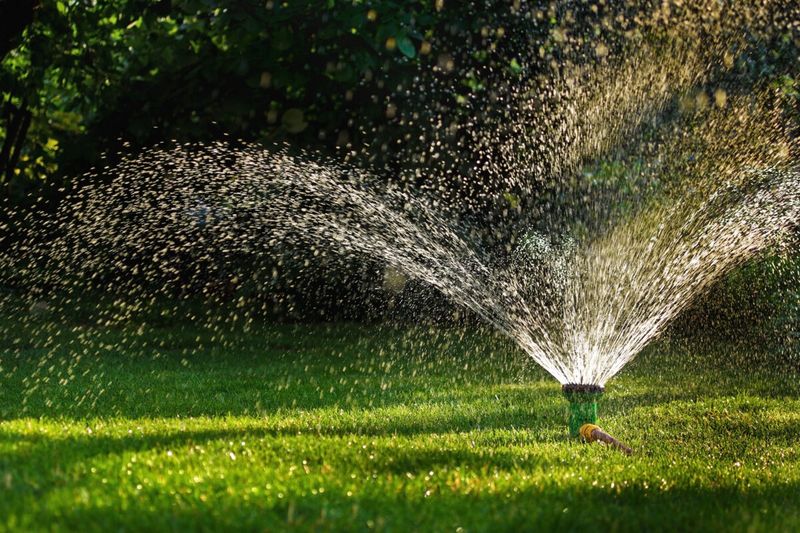
New grass is thirsty in a way that surprises first-time seeders. Skimp on water, and even perfect timing falls apart fast.
Too little moisture is a leading cause of poor seeding results. The soil must stay consistently damp until your grass roots firmly into place.
During germination, the top inch of soil needs to stay moist. Let that surface dry out even once, and sprouting seeds can be harmed.
Light, frequent watering may be needed during germination to keep the seedbed consistently moist without creating standing water
Travel plans, busy workweeks, or forgetful mornings can undo weeks of effort. Missing watering during a warm stretch is especially risky.
Setting up a timer or sprinkler system removes some pressure. Automation keeps your seedbed damp even when life pulls you away.
Think of it like caring for a new pet that needs steady attention. Consistency matters more than intensity.
Because watering demands such devotion, plan your seeding for a stretch when you can stay home and tend it faithfully.
9. Lawn Diseases Lurk In Warm, Humid Weather
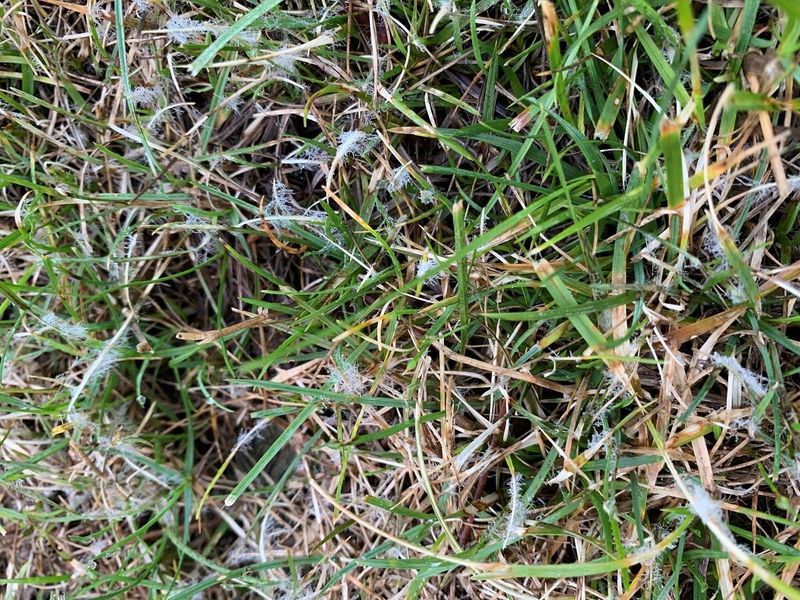
Just when your grass is at its most fragile, fungus wants to move in. Ohio lawns face a lineup of diseases that target new growth.
Germinating and establishing grass is especially vulnerable to these troublemakers. Warm, humid conditions give fungi the perfect setting to spread.
Dollar spot and rust show up in late spring, early summer, and again in fall. Both thrive when the air turns muggy and sticky.
Red thread favors cool, moist weather during late spring and early summer. Brown patch is most common during warm, humid periods, especially in summer.
After winter, Northeast Ohio lawns sometimes reveal pink and gray snow molds. These leave matted, discolored patches that slow recovery.
Because so many diseases peak in spring and summer, they narrow your safe planting times further. Fall’s cooler, drier stretches often dodge the worst outbreaks.
Good airflow, smart watering, and healthy soil help keep fungus at bay. Watering in the morning lets blades dry before nightfall.
Staying alert for early signs lets you act before small spots spread across your whole yard.
10. Hidden Pests Feast Before You Notice
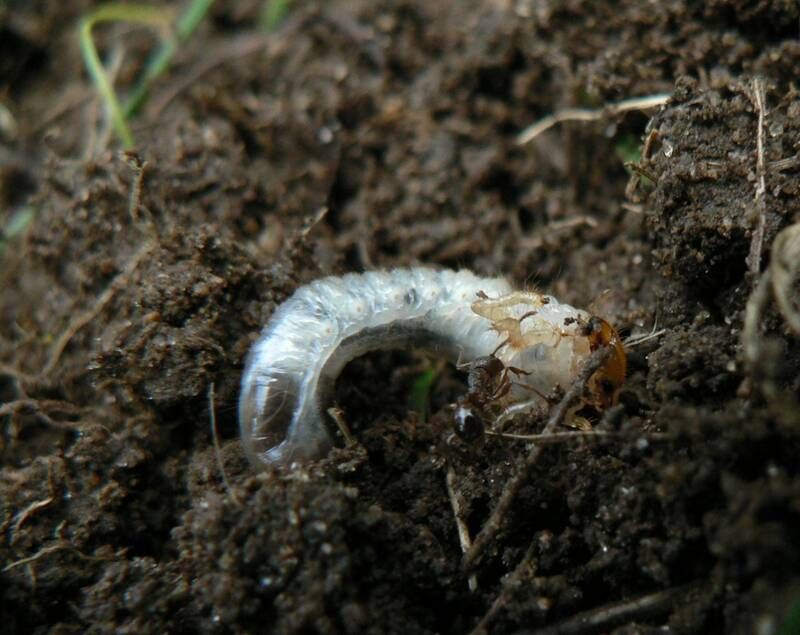
Some of the biggest threats to your grass hide right beneath your feet. Several lawn pests can be active around late summer and early fall, making inspection important before investing in new seed.
Many grub problems become noticeable in late summer and early fall as larvae feed near the soil surface. They cause irregular patches and can make turf lift right off the ground.
These pests hibernate over winter and return hungry in spring. Their timing collides with both of your seeding windows.
Chinch bugs get busy during hot, dry stretches in July and August across Northeast Ohio. They drain grass sap and inject toxins, mimicking drought damage.
Armyworms chew through grass blades, with harm showing up in late summer or early fall. A large group can chew through new growth surprisingly fast.
The sneaky part is how long these bugs stay hidden. By the time damage appears, the problem is often widespread.
Checking your soil and turf regularly helps you catch trouble early. Peeling back a small section reveals whether grubs are lurking below.
Because pests peak right when you want to plant, scouting ahead protects your investment and keeps your fresh lawn from becoming a buffet.