Don’t Ignore Wilting Zucchini Leaves In Your Ohio Garden Today
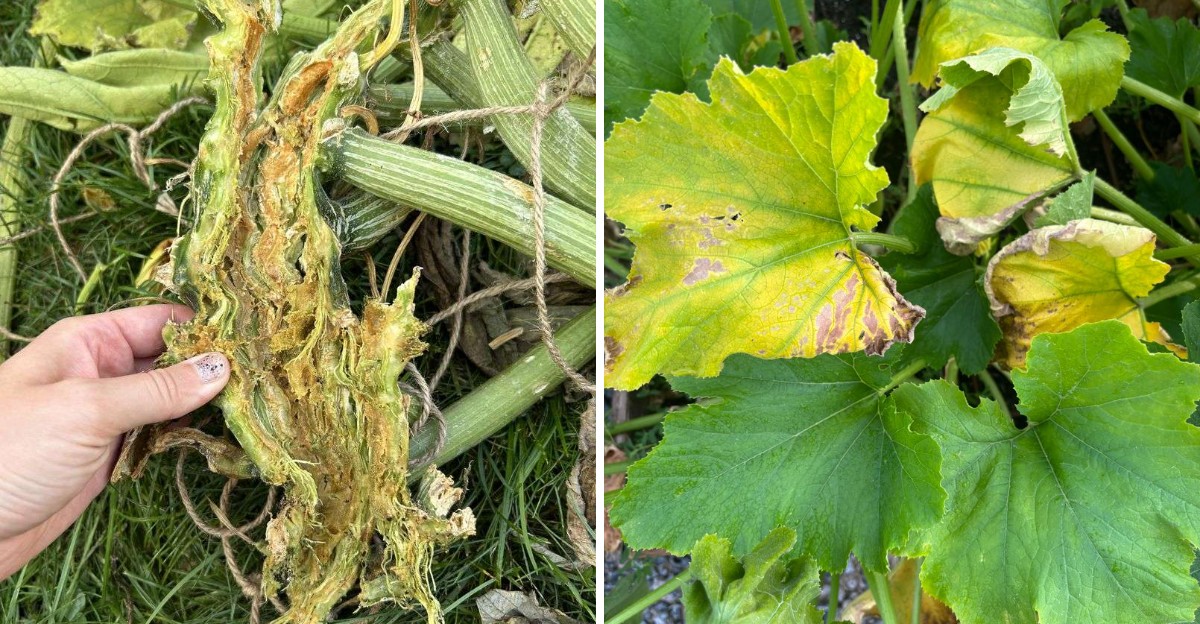
The zucchini looked fine this morning.
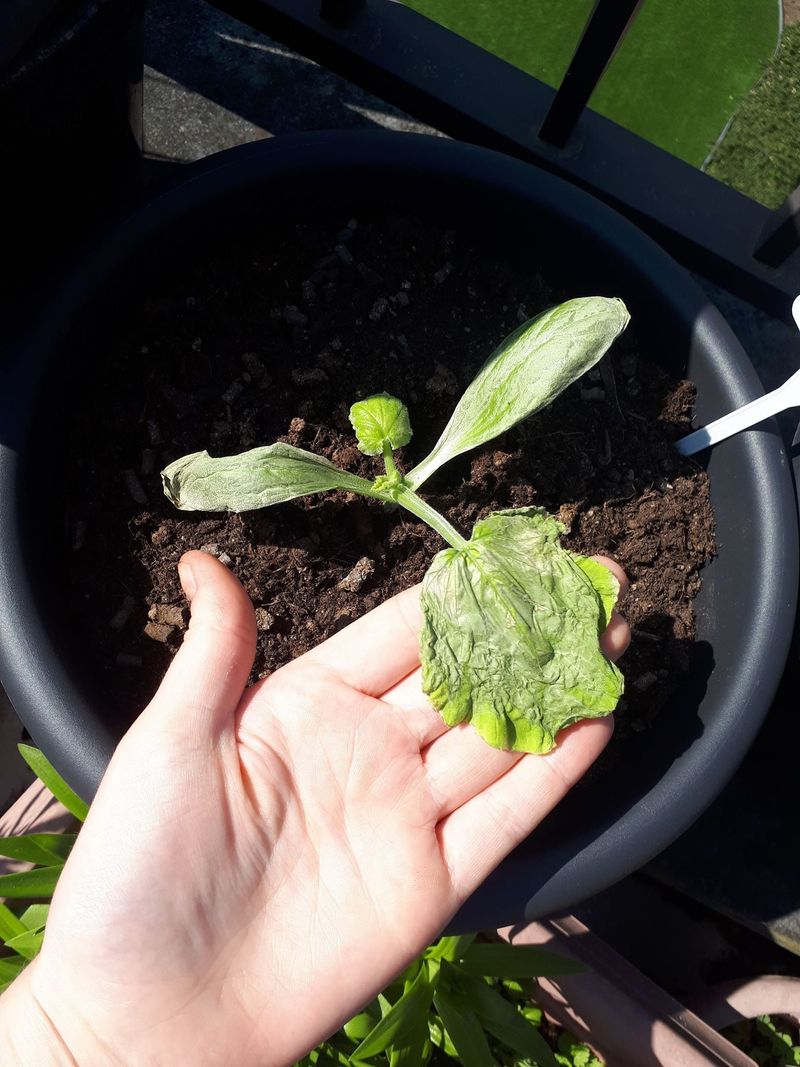
You watered last night. The soil is still damp. And yet here you are at two in the afternoon, staring at a plant that has completely collapsed like a deflated balloon, full of blossoms just yesterday.
Ohio gardeners face this exact moment every July, and the instinct is usually to water more. That instinct is almost always wrong.
Wilting zucchini in damp soil is a different kind of problem, and it has several possible causes that look almost identical from the outside but require completely different responses. Getting it wrong costs you time, plants, and potentially the whole squash patch.
One cause is sometimes fixable. One is not. One is not a problem at all.
Telling them apart quickly is the whole game, and it starts with knowing exactly where to look and what you are looking for.
Ready to figure out what your zucchini is actually telling you?
1. Squash Vine Borers Cause Sudden Wilting
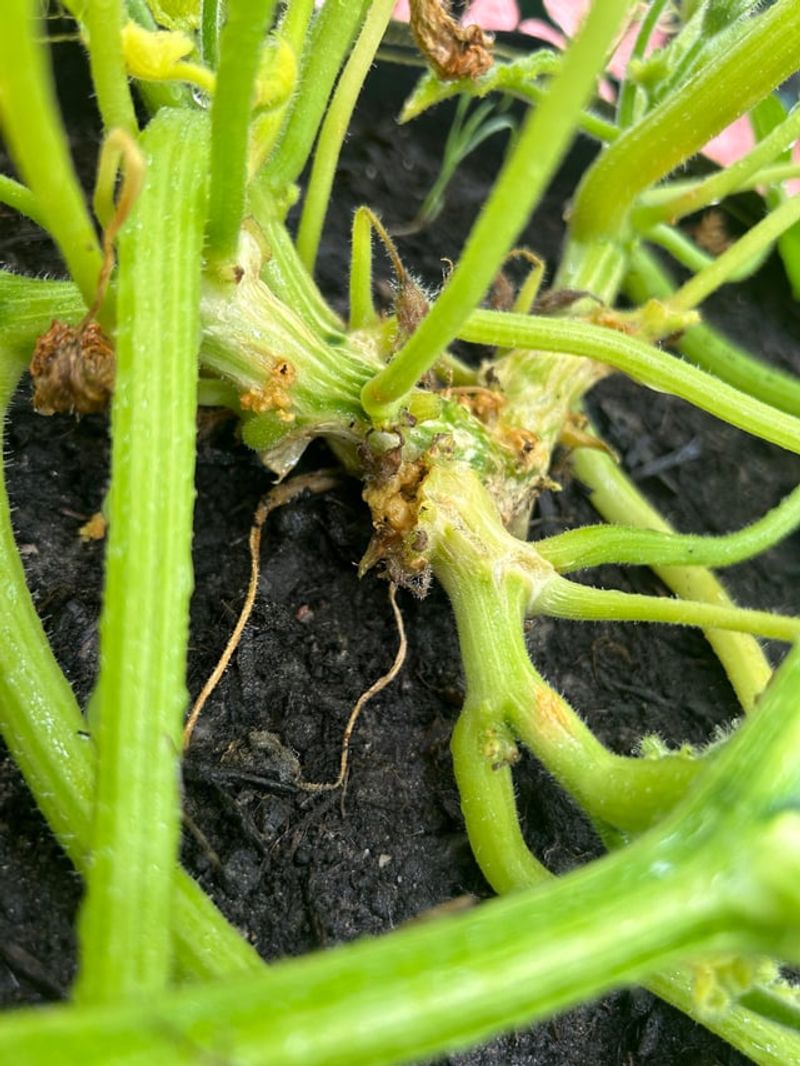
A fat, cream-colored grub with a dark head is tunneling through the inside of your zucchini stem right now, and you have absolutely no idea it is there.
That is the squash vine borer larva, and it is one of the most damaging pests summer squash faces in Ohio.
The adult moth is a clear-winged insect with an orange and black body that flies during the day and looks convincingly like a wasp.
In most of Ohio, moths begin laying eggs in late June and early July, placing tiny brown eggs directly at the base of squash stems where they are easy to miss.
When eggs hatch, larvae bore straight into the stem and begin eating the tissue that carries water from roots up to the leaves.
That is what causes the dramatic collapse. Leaves that looked completely healthy at breakfast can be lying flat on the ground by lunch, with the soil underneath still moist.
Early on, only one or two vines may droop while the rest of the plant holds up. That uneven wilting is a strong signal that borers are working inside rather than a disease affecting the whole plant at once.
Zucchini and other hollow-stemmed summer squash get hit hardest. Butternut and other thick solid-stemmed varieties tend to handle the pest more easily.
Checking plants every few days through July gives you a real window to catch damage while there is still something worth saving.
The grub does not pause to wait for a convenient time. Checking in July is not paranoia. It is just how you stay ahead of something that moves fast underground.
2. Bacterial Wilt Spreads Through Cucumber Beetles
Those small yellow beetles with black stripes or spots hopping around your squash blossoms are carrying more than just an appetite.
Striped and spotted cucumber beetles carry the bacterium that causes bacterial wilt, and they are the main way the disease moves from plant to plant in Ohio gardens.
The bacteria live inside the beetles through winter. When beetles feed in spring and early summer, the pathogen enters through fresh feeding wounds and moves into the plant’s water-conducting tissue.
Your Ohio Garden Changes Every Week. Your Plan Should Too.
Gardening in Ohio changes quickly throughout the season. Every Friday you’ll receive a simple weekly plan showing exactly what to plant, prune, fertilize, harvest, and protect so you never miss the right timing.
Once inside, the bacteria multiply and produce a thick, slimy material that blocks those tubes completely. Water cannot move upward, so leaves wilt even when roots sit in perfectly moist soil.
Wilting from bacterial wilt often starts on one leaf or one runner and then spreads across the whole plant over several days. Unlike heat stress, it does not recover overnight when temperatures drop.
Here is the honest part: there is no cure for a plant already infected, and no product will reverse it.
Because of that, controlling beetles early is the entire strategy. Row covers over young plants, clearing garden debris where beetles overwinter, and scouting carefully in May and June all reduce the risk before infection can start.
Covers need to come off once flowers open so bees can reach the blossoms. Cucumbers and muskmelons are highly vulnerable too.
Zucchini can be affected to varying degrees depending on beetle pressure and the season, which is one more reason early beetle control matters more than any late-season response could.
3. Check The Stem Base For Clues
Get down on your knees and push the big leaves aside.
The bottom four to six inches of stem, right where it meets the soil, tells you more about what is happening inside that plant than any leaf ever will.
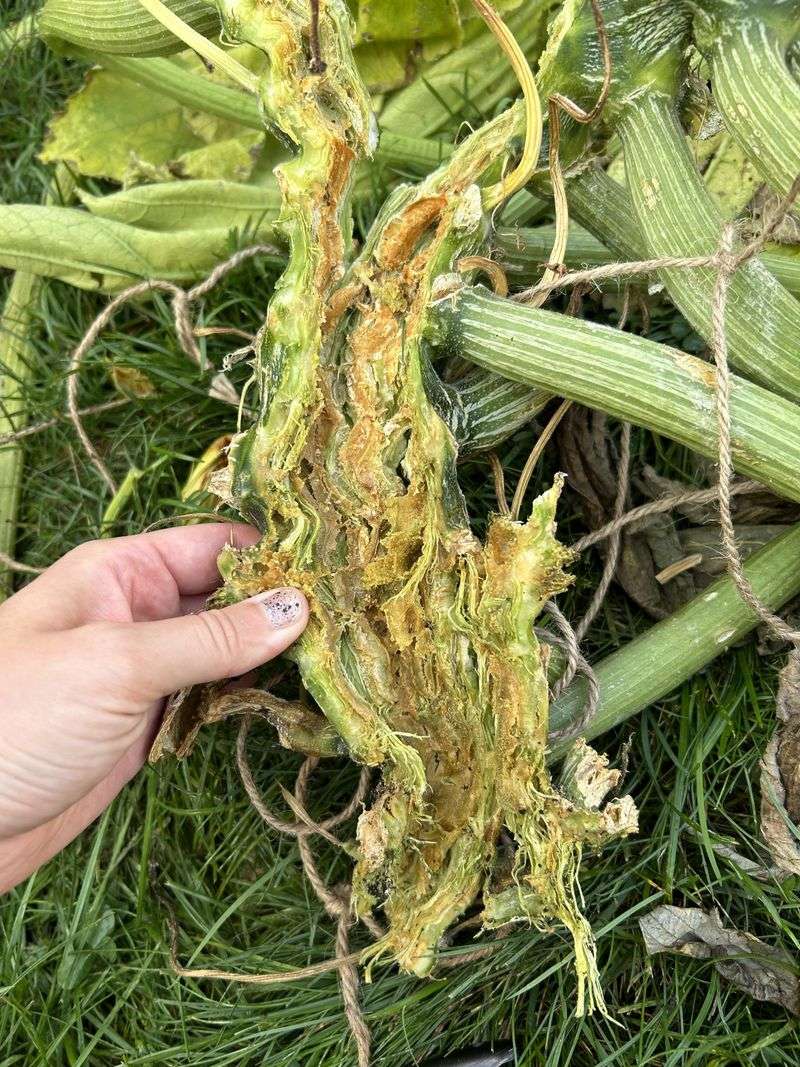
Borers leave behind frass, which looks like wet yellowish-green sawdust or coarse crumbs oozing out of a small hole near ground level.
Sometimes frass builds into a visible pile at the soil line. After rain it may smear along the stem, but the telltale crumbly texture is still there if you look closely.
Around the entry hole, the stem often feels soft, spongy, or hollow when pressed lightly. Shredded or split tissue just under the surface is another sign of tunneling happening inside.
Bacterial wilt leaves no frass and no entry hole. A stem base that looks clean and firm with no debris around it points away from borers and toward something else entirely.
When frass is present, some gardeners carefully slit the stem lengthwise with a thin blade, remove the larva, and then mound damp soil over the wound so new roots can develop above the damage.
This rescue works best when caught early and does not always succeed. Keep looking after removing one grub, because several larvae can share a single plant.
Marking the date you first spot frass on your garden calendar helps you time protection measures accurately the following summer. The borer is not random. It runs on a schedule, and so can you.
4. Heat Stress Can Mimic Disease Symptoms
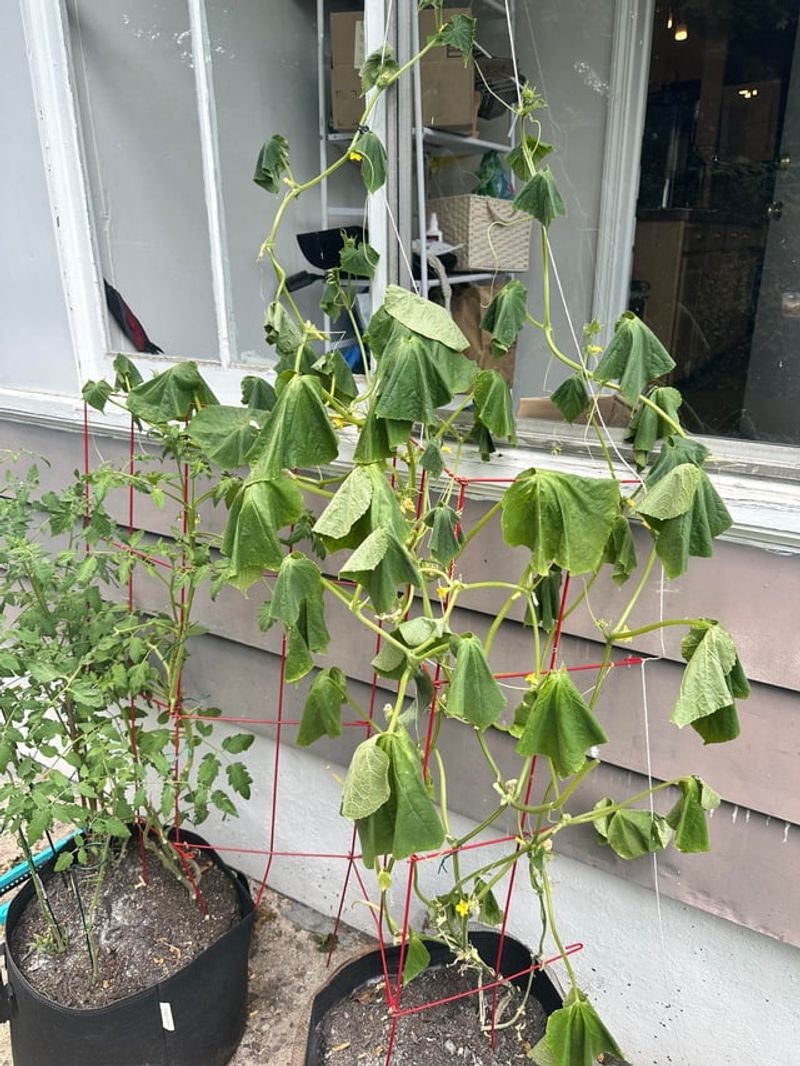
Not every droop in July is a disaster. Sometimes it is just Tuesday afternoon in Ohio.
On a 90-degree day, big zucchini leaves lose water through their surface faster than roots can pull it up, so the plant relaxes for a while.
Those huge leaves function like solar panels with enormous surface area. Sagging during peak heat reduces sun exposure and slows water loss. The plant is managing itself, not failing.
The key is timing. Heat wilt shows up during the hottest part of the day and disappears on its own as temperatures fall in the evening.
Walk out at dusk or first thing the following morning. A plant dealing with heat stress will look completely normal again without any intervention from you.
A plant that stays flopped through a cool night is communicating something more serious happening inside the stem. That single observation separates unnecessary panic from a genuine problem better than almost anything else you could do.
Deep, less frequent watering helps roots grow downward and handle hot stretches more effectively. Two to three inches of straw or shredded leaf mulch keeps soil temperatures steadier through Ohio’s humid summers.
Watering in the early morning gives plants a full water supply before the worst heat arrives. Evening watering can leave foliage damp overnight and invite powdery mildew, which is its own problem entirely.
Before reaching for any tool or removing anything, give the plant one cool night to recover. That free diagnostic costs exactly nothing and saves a lot of healthy zucchini from unnecessary removal.
5. A Simple Water Test Reveals The Cause
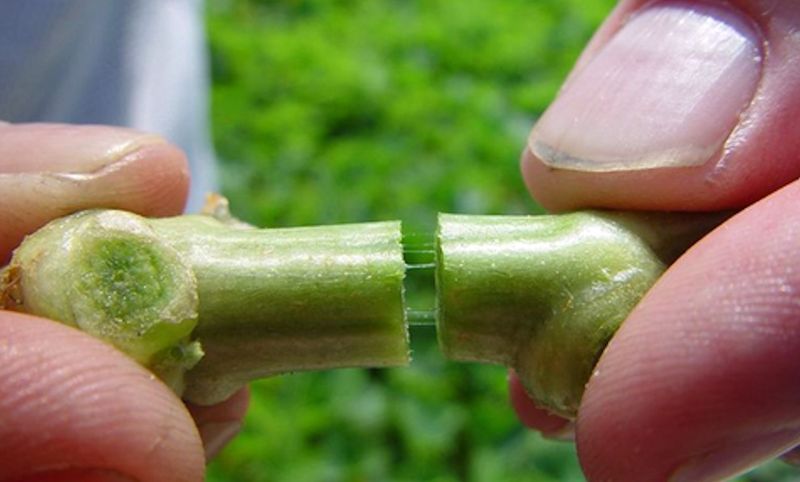
There is a low-tech way to confirm bacterial wilt that needs nothing but a clean knife and steady hands.
Snip through a wilted stem near the base with a sharp blade. Press the two freshly cut ends back together for about ten seconds, then pull them apart slowly.
If bacterial wilt is present, thin sticky strands stretch between the cut surfaces like tiny threads of glue. That gooey material is the bacterial slime blocking the water-conducting tissue.
You can also press a fingertip to one cut end, then lift. Sticky, stringy sap that stretches an inch or more is a positive result worth taking seriously.
A clean, watery cut with no threads suggests bacterial wilt is probably not the issue. That sends you back to looking for frass, entry holes, or the simpler explanation of heat stress.
Test a stem that is actively wilting rather than one that has already dried out completely. Old, desiccated tissue will not produce a readable result.
Wipe the blade with rubbing alcohol between plants. A dirty blade can carry problems from one hill to the next, which is a problem you created rather than inherited.
This test is a strong indicator rather than a laboratory confirmation. If results are unclear or the situation feels serious, county extension offices and plant diagnostic labs can confirm exactly what is happening.
The ooze test takes about thirty seconds and gives you the most useful information available without mailing anything to anyone. That kind of efficiency deserves more appreciation than it gets.
6. Acting Fast Can Save Nearby Plants
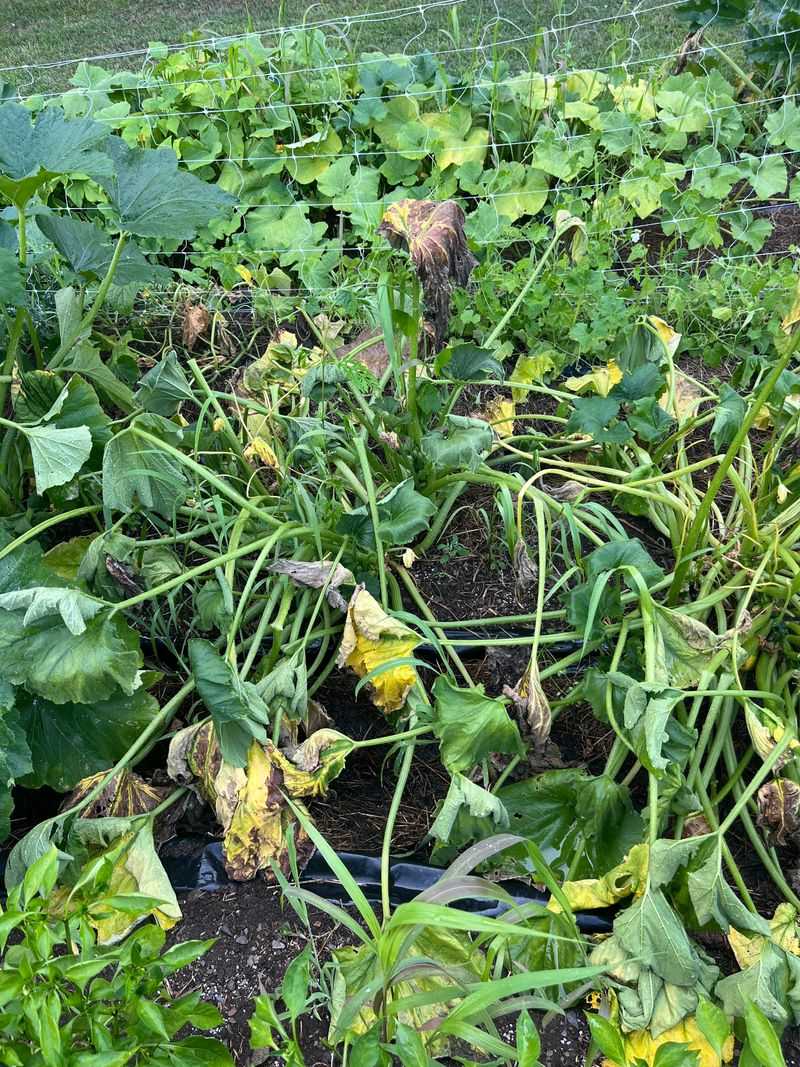
One collapsed plant does not have to mean the end of the squash patch. What happens in the next few days determines whether the trouble spreads down the row.
Pull out plants confirmed with bacterial wilt right away.
Beetles continue feeding on sick plants, pick up more bacteria, and carry it directly to healthy neighbors. Every extra day a wilted plant stays in the ground is another day of active transmission risk.
Bag the removed plant or bury it away from the garden rather than tossing it onto an open compost pile.
For borer-affected vines, destroying the stems also eliminates larvae that would otherwise pupate in the soil and emerge as adults next summer.
Watch the remaining plants closely for cucumber beetles. Hand-picking them into soapy water in the early morning, when beetles move slowly in cooler temperatures, reduces numbers without requiring any spray.
Floating row covers over young plants block both cucumber beetles and egg-laying borer moths. Remove or open them once female flowers appear so pollinators can reach the blossoms and set fruit.
Some Ohio gardeners plant a second round of zucchini in early July. Seedlings that emerge after the main borer flight often escape damage entirely and produce well into September.
Rotating squash to a different bed each year and clearing old vines in fall removes overwintering shelter for both pests.
Small consistent habits like these quietly prevent the headaches you would otherwise be diagnosing again in twelve months.
7. Some Causes Have No Real Fix
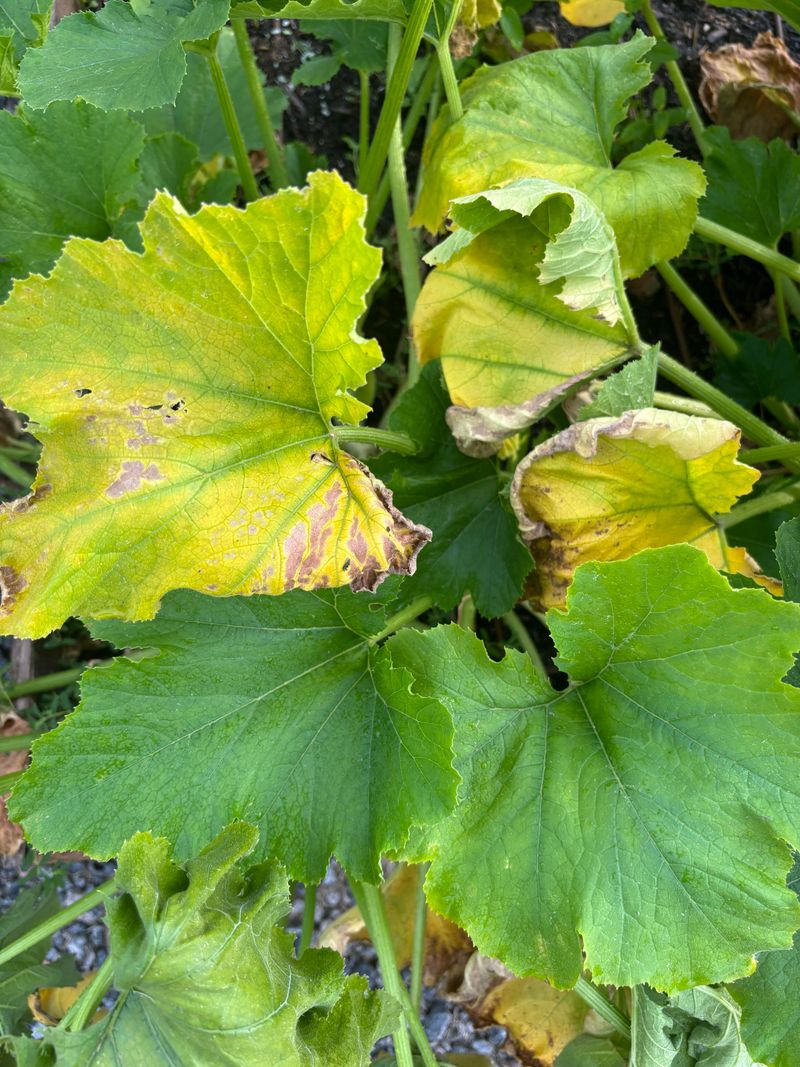
Honesty serves better here than false hope.
Once bacterial wilt has established itself inside a zucchini plant, nothing you buy, spray, or mix at home will bring it back.
The bacteria are already living inside the water-conducting tissue where no product can reach them, which is exactly why every recommendation points toward prevention and beetle control rather than treatment.
The most useful move is removal. Getting a confirmed plant out of the garden protects everything still standing and opens space to replant.
Vine borers offer better odds, at least sometimes.
When frass is spotted early and the plant has not fully collapsed, slitting the stem, removing the larva, and mounding damp soil over the wound can let new roots form and keep the plant producing through the season.
Success is not guaranteed. Heavily tunneled stems and plants with several larvae inside usually decline anyway despite the intervention.
Timing matters more than technique. A borer caught in early July has a real chance. One discovered in a mushy, hollow stem in August rarely does.
Losing a plant is information, not failure. Note the date, the symptoms, and which bed it happened in.
Use that record next spring to time row covers accurately, start a second planting strategically, and scout for beetles before the damage begins instead of after.
Ohio summers offer plenty of second chances, and zucchini grows fast enough to reward anyone willing to take one. The garden is already planning its comeback. You just have to show up with better timing next year.