What Ohio Hydrangeas Need This Fall (And When To Leave The Pruners Alone)
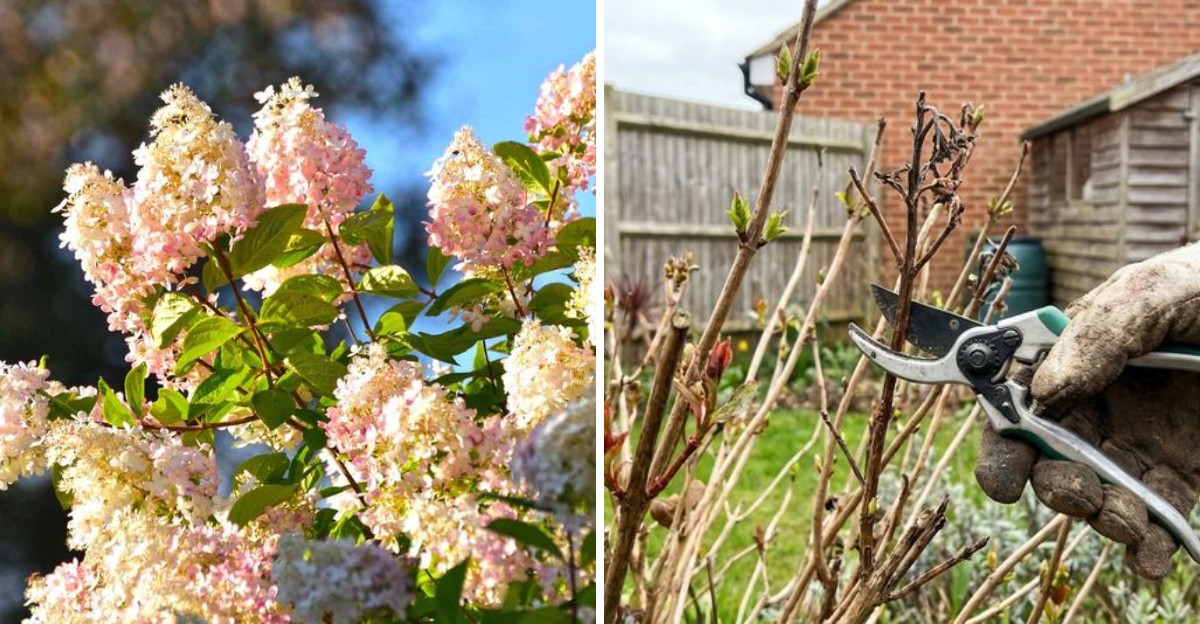
Pruners in one hand, hydrangea in front of you, and one wrong snip can cost an Ohio gardener a whole summer of flowers.
Fall asks two things of these shrubs. One needs a little attention from you.
The other needs you to keep your hands in your pockets.
Mix them up and the damage stays hidden until June, when the blooms you counted on never show.
Two hydrangeas side by side can follow completely different rules. That’s what trips people up.
Read the plant before you read the calendar. A few quiet weeks now buy you a full season of color.
1. Know Whether Your Hydrangea Blooms On Old Or New Wood
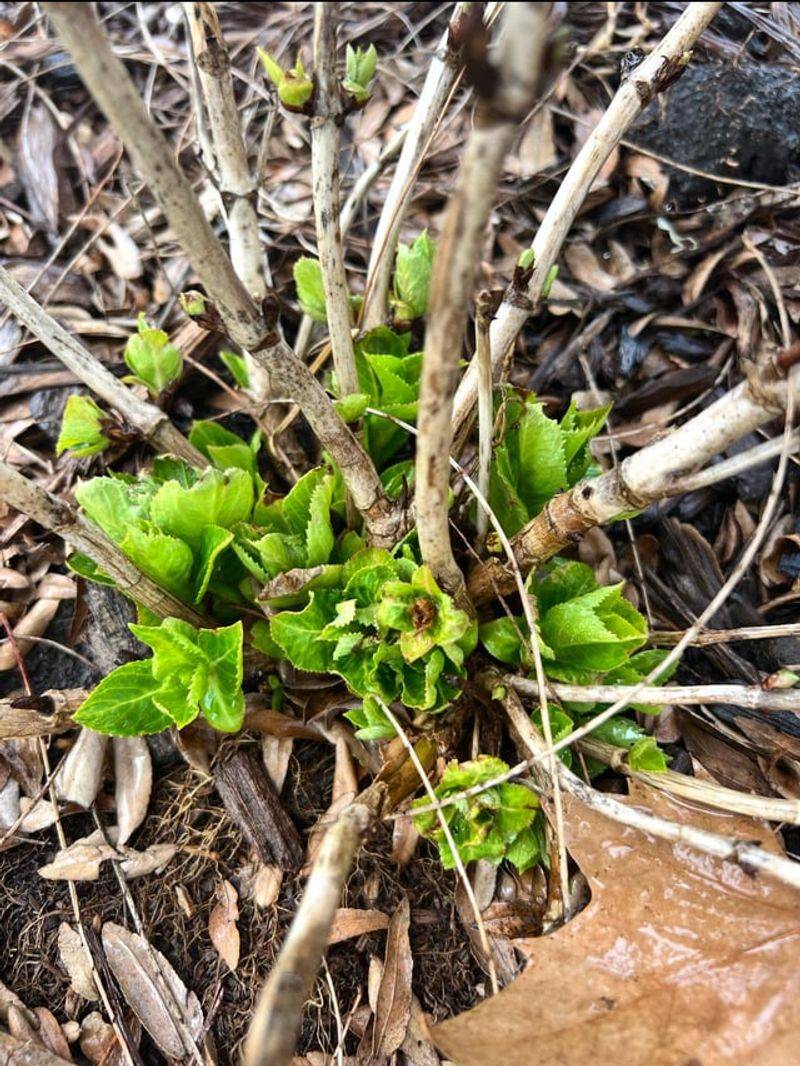
Picture two neighbors on the same Ohio street, both snipping their shrubs on the same October Saturday. Next summer, one yard explodes with color while the other shows only leaves.
The difference comes down to where each plant hides its flower buds. Some types build buds on old wood, while others wait for new wood.
Old wood means stems that have been on the plant for at least one full growing season. Those stems form next year’s buds in late summer.
New wood is the fresh growth that pops up each spring after winter rest. Plants that bloom on new wood make buds on that same season’s stems.
So a fall haircut on an old-wood bloomer can quietly remove next summer’s show. A new-wood bloomer, on the other hand, barely notices the trim.
Not sure which one you own? Check the plant tag, look up the variety name, or snap a photo for a local garden center.
Bigleaf and oakleaf types usually bloom on old wood. Smooth and panicle types bloom on new wood.
Write the answer on a garden stake or in your phone notes. Future you will be grateful every single autumn.
Once you know the type, every other fall choice on this list gets a whole lot easier. Think of it as reading the map before the road trip.
2. Leave Bigleaf Hydrangeas Unpruned This Fall
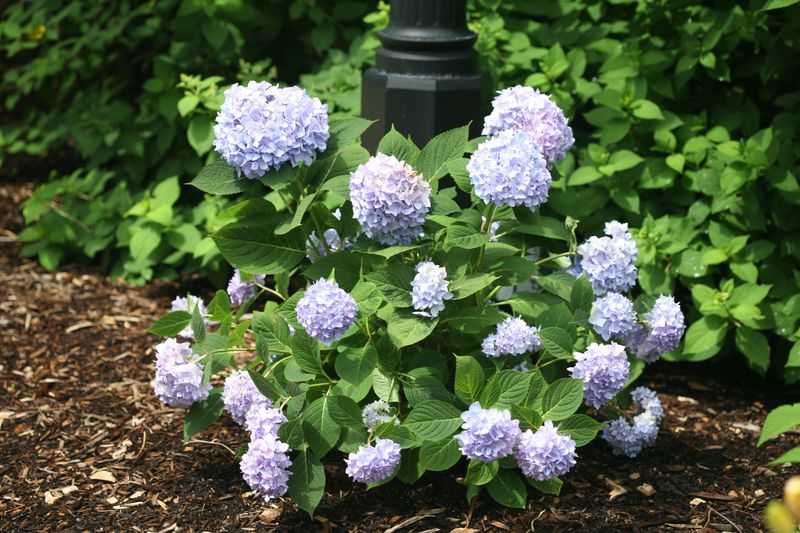
Those big blue and pink mopheads that make Ohio porches look like a postcard come with a catch. Older bigleaf varieties bloom on old wood.
By fall, the buds for next summer are already tucked inside the stems. Cut those stems now, and you cut away the flowers too.
The best plan this autumn is to put the pruners back in the shed. Let the shrub head into winter with its framework untouched.
If the plant has outgrown its spot, mark your calendar for next midsummer. Size control works best right after the blooms fade.
Want things a little tidier? You can snip off spent flowers with short cuts just a couple of nodes below the flower head.
Watch for plump buds along the stem as you go. Stay above them so those sleeping flowers stay safe.
Clearly broken or damaged stems can come off whenever you spot them. Anything beyond that light cleanup can wait.
Your Ohio Garden Changes Every Week. Your Plan Should Too.
Gardening in Ohio changes quickly throughout the season. Every Friday you’ll receive a simple weekly plan showing exactly what to plant, prune, fertilize, harvest, and protect so you never miss the right timing.
A shaggy shrub in November may look a bit messy next to a neat lawn. Come July, that patience pays off in big, bold color.
Winters can be rough on bigleaf buds anyway, so every stem you save gives the plant better odds. Think of each one as a lottery ticket for summer.
3. Oakleaf Hydrangeas Need Their Stems Too
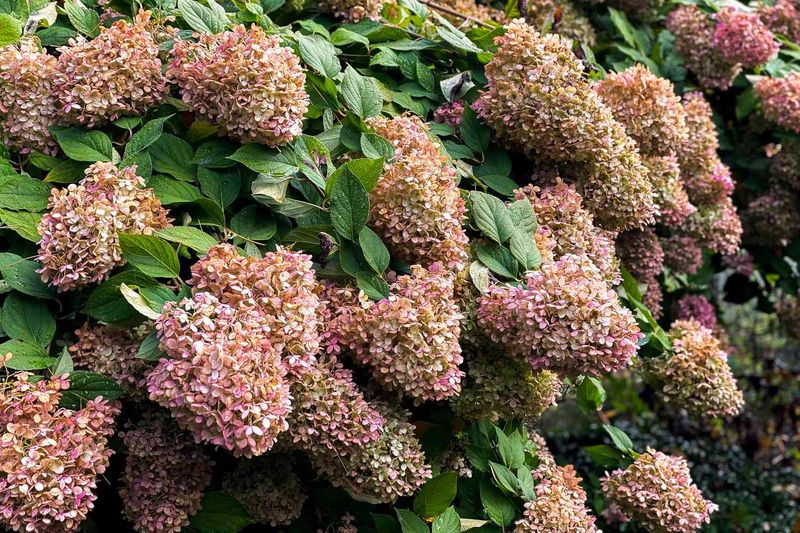
Native to the southeastern United States, the oakleaf hydrangea is the showoff of autumn. Its big, lobed leaves turn burgundy, orange, and deep red.
Behind that fiery foliage, the plant is busy getting ready for summer. Oakleaf types bloom on old wood and set their flower buds early in fall.
Pruning now, or even in late winter or spring, removes those buds. Fewer buds means fewer of those cone-shaped white blooms next June.
The sweet spot for trimming is right after flowering, usually in June or July. That timing gives new buds plenty of months to form and harden before cold weather arrives.
Here is some good news for busy gardeners. Oakleaf hydrangeas need very little pruning and look their best in their natural shape.
Branches that are damaged, look unwell, or rub against each other can go at any time of year. Everything else can stay put.
Those stems also bring winter charm you might not expect. The bark peels in cinnamon-colored strips that look lovely against snow.
Leave the plant standing, and you get four seasons of interest from one shrub. Not bad for a plant that asks so little of you.
Birds may even perch in the branches on chilly mornings. A quiet yard gets a little more lively that way.
4. Reblooming Types Give You More Wiggle Room
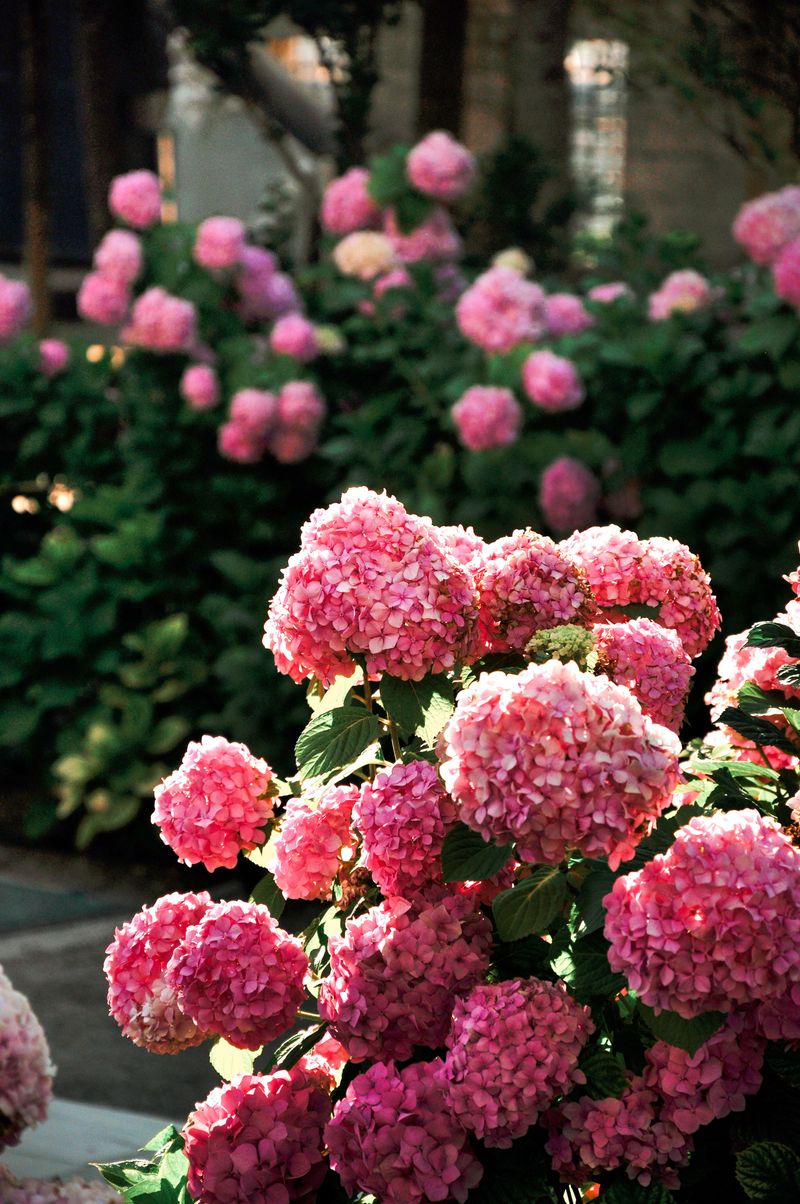
If you have ever accidentally trimmed the wrong shrub, reblooming hydrangeas are here to forgive you. Varieties like Endless Summer flower on both old and new wood.
That double-duty habit makes them far more flexible. Even if a cold snap or a stray snip takes the old buds, new spring growth can still bloom.
Still, protecting the old wood has real perks. Those stems give you an earlier and fuller first round of flowers.
During summer, snipping faded blooms encourages the plant to keep pushing out fresh ones. It is a fun little chore with a morning coffee in hand.
Once mid to late fall arrives, stop removing spent flowers. The plant needs that quiet time to settle in and prepare for next year.
Larger pruning jobs fit best in summer or early fall. Waiting longer risks removing the buds meant for the spring show.
For most Ohio gardens, a light touch in autumn works well. Leave the stems standing and let the dried flowers ride out the season.
Fun fact: Endless Summer was one of the first reblooming bigleaf types sold widely in the early 2000s. It changed how many northern gardeners felt about mopheads.
Wiggle room is great, but it is not a free pass. A little restraint now still gives you the best of both bloom cycles.
5. Smooth Hydrangeas Can Be Cut Back In Late Fall
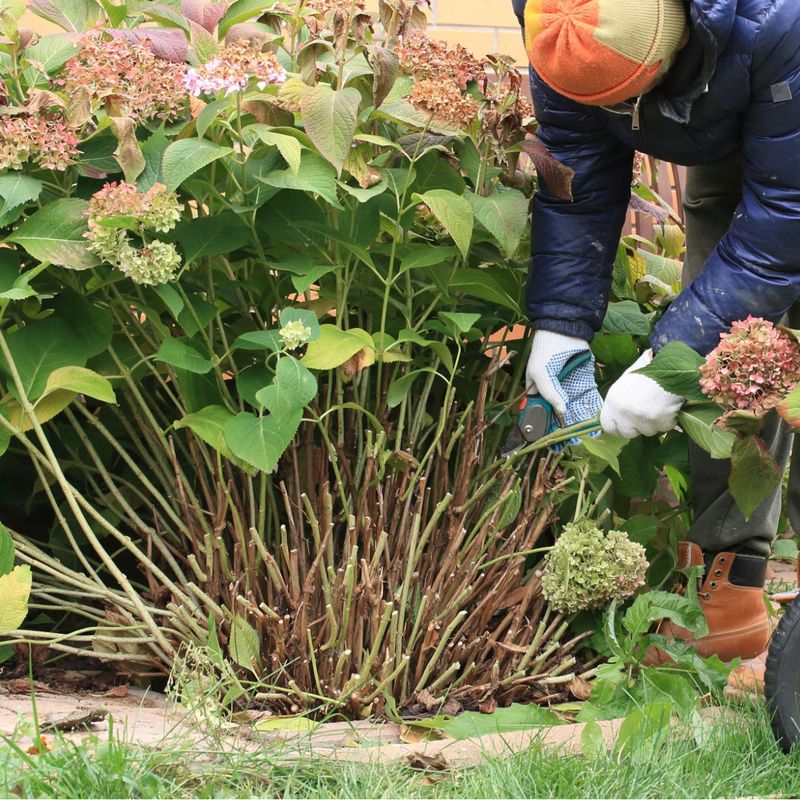
Annabelle is the Ohio grandma of hydrangeas, tough, cheerful, and hard to upset. Smooth hydrangeas like her actually grow wild in Ohio woodlands.
They bloom on new wood, building flower buds on fresh spring stems. That means you can prune with confidence and still get flowers.
Late fall is one fine window for cutting back. Late winter and early spring work just as well.
Most gardeners cut the stems down to about 6 to 12 inches tall. Taller cuts leave a sturdier framework for the new growth to lean on.
Pruning at these times can lead to a stronger plant with more blooms. There is one trade-off worth knowing before you grab the loppers.
Fall cutting sometimes leads to thinner stems that flop after a summer rain. Those giant white snowball blooms get heavy fast.
To help, you might cut back in fall but save thinning and light trimming for spring. That combo often builds sturdier stems.
Supports like peony rings can also keep heavy heads off the ground. Set them in place early, before the shrub fills out.
Clean, sharp pruners make the job quick and tidy. Toss the clippings in your compost pile and call it a productive afternoon.
Few shrubs bounce back so cheerfully. Annabelle seems to enjoy the fresh start.
6. Panicle Hydrangeas Can Be Pruned In Fall
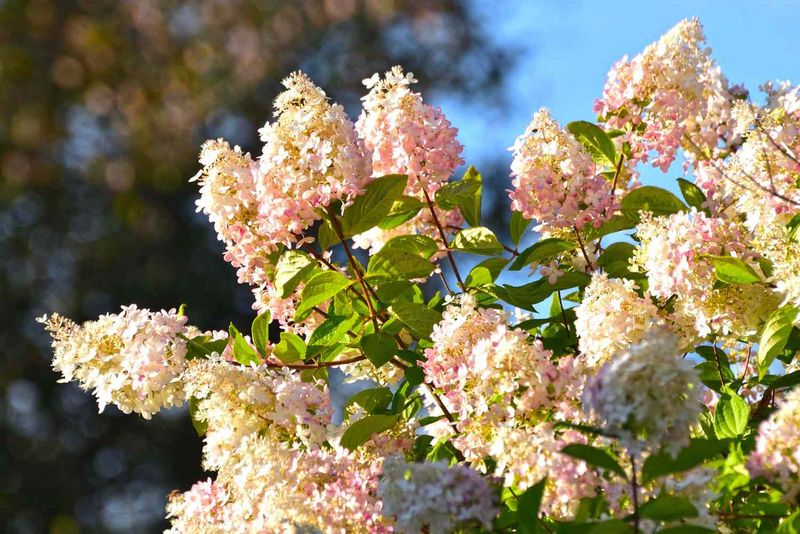
Panicle hydrangeas are the tough kids of the family. They shrug off cold snaps, full sun, and clay soil that would make other shrubs sulk.
Like smooth types, they bloom on new wood each spring. That gives you freedom to prune without losing next summer’s cone-shaped flowers.
Many experts prefer late winter or early spring for pruning. Others say late fall or early winter works fine once the plant goes dormant.
Dormant means the leaves have dropped and growth has paused for the year. In much of the state, that happens around mid to late November.
Panicles do not need a trim every year, but shaping helps manage size. Aim to remove up to one-third of the height and width.
Start with stems that are damaged, crossing, thin, or growing in an odd direction. Then step back and look at the overall shape.
Resist the urge to go wild. Heavy cuts can trigger weak, floppy growth that struggles to hold up those big blooms.
Grab a pair of gloves and a warm jacket. A crisp November afternoon is the perfect time for this job.
Fun fact: panicles are one of the few hydrangeas you can train into a small tree form. Many nurseries sell them that way already.
7. Panicle Flower Heads Can Stay Into Spring
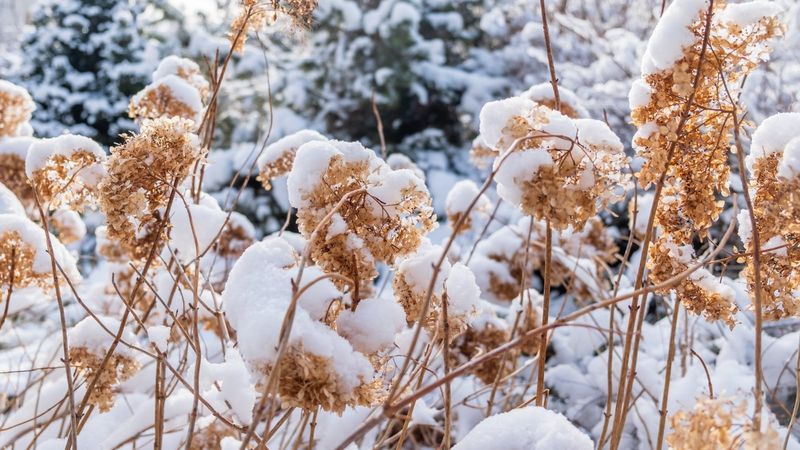
Snow settling on a dried hydrangea bloom looks like powdered sugar on a cream puff. That winter scene is one big reason to leave the flower heads alone.
Panicle blooms fade from white or pink to soft tan as fall goes on. They turn papery and hold their shape surprisingly well through cold months.
Leaving them in place adds texture to a bare winter yard. Frost clings to the petals and sparkles in the morning light.
There is a practical side, too. On old-wood bloomers, dried flowers left after mid-August may shield next year’s buds from wind and cold.
Panicles bloom on new wood, so their heads are mostly about beauty. You get to pick the look you like best.
Prefer a neater winter garden? Leave the heads up for now and trim them in spring when you do your other pruning.
Some gardeners also clip a few heads in fall for indoor arrangements. They last for months in a vase with no water at all.
Heavy snow can bend stems under the weight. A gentle shake with a broom handle after a big storm helps them spring back.
Birds and curious kids may enjoy the dried blooms as much as you do. Sometimes the simplest choice is just to let them be.
8. Don’t Let Hydrangeas Go Into Winter Dry
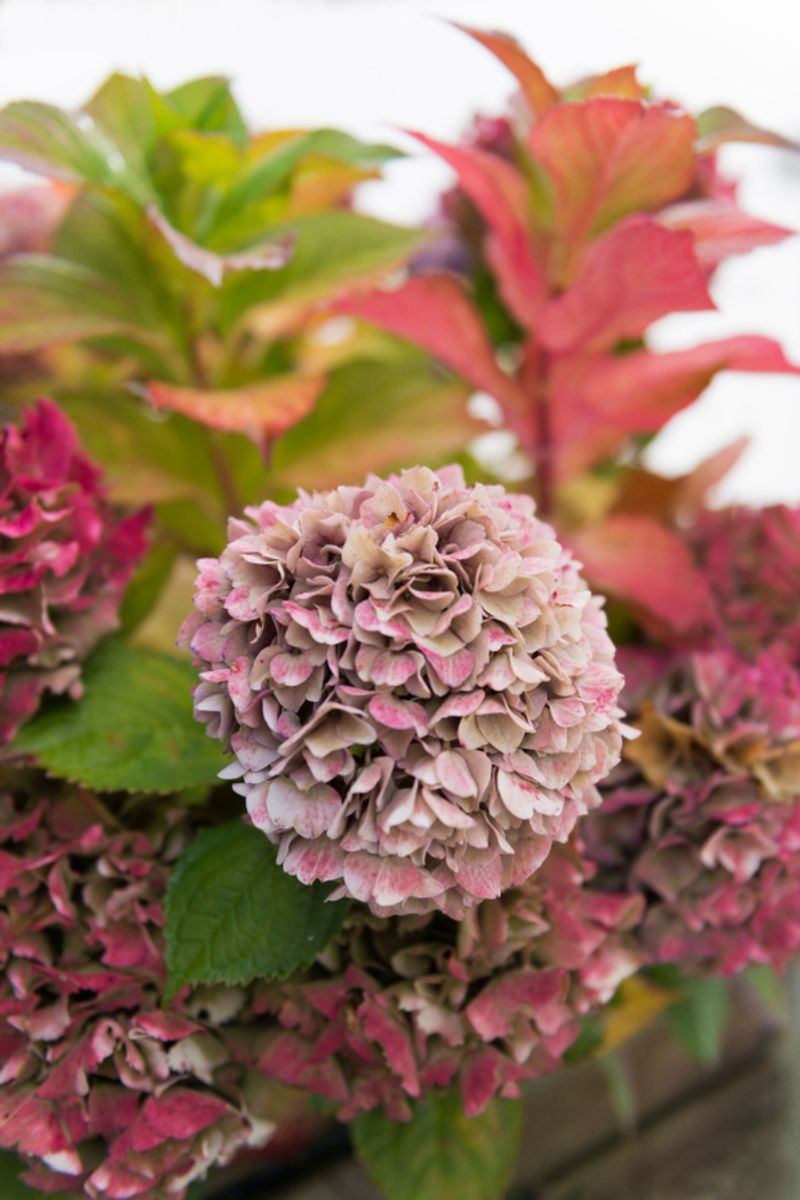
Ohio autumns can be sneaky dry, even when the air feels cool and damp. Hydrangeas notice the difference long before you do.
Their name even hints at the issue, since hydra comes from the Greek word for water. These shrubs drink a lot, and that thirst does not stop in October.
Water deeply throughout fall until the ground starts to freeze. A slow soak at the base reaches roots far better than a quick spray.
Dry autumns call for extra attention. If rain or snow has been scarce, plan on a deep drink about once a week.
A simple test helps. Push a finger two inches into the soil, and if it feels dry, grab the hose.
Well-watered plants tend to handle winter better and bloom more freely the next summer. Thirsty plants go into the cold already stressed.
Mulch is your second line of defense. Spread a layer about 4 to 8 inches deep around the base in late November or early December.
That blanket holds in moisture and keeps roots cozy during freeze and thaw cycles. Shredded leaves, pine straw, or bark all work nicely.
Keep the mulch a few inches away from the stems themselves. That small gap helps prevent rot and discourages hungry critters.
Disconnect the hose before a hard freeze. Your plants and your plumbing will both thank you.
9. Wait For Spring To Remove Winter-Damaged Stems
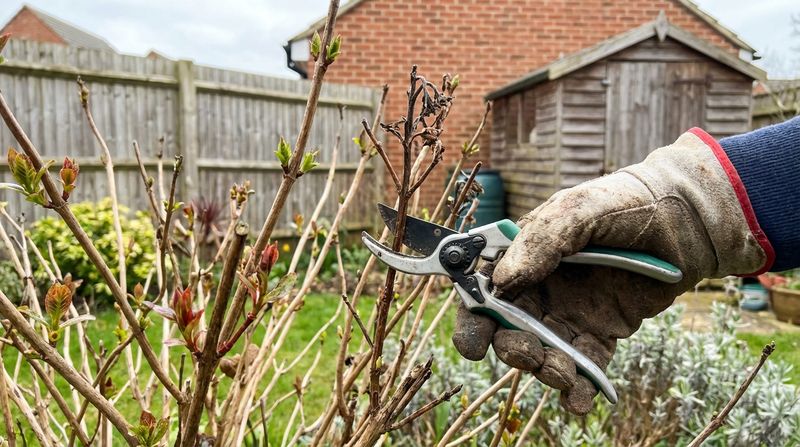
February in Ohio can look rough, with brown, brittle stems that seem beyond hope. Hold off on judging them too soon.
Many stems that look rough in winter wake up just fine in spring. Waiting until the first green buds swell shows you what truly needs to go.
Here is a handy trick for checking stems. Gently scratch the bark with a fingernail, and green inside means the stem is fine.
Brown, dry tissue under the bark tells you that section is damaged. Cut those stems back to healthy wood or down at the base.
Removing damaged and very old branches lets the plant focus energy on strong new growth. It also helps cut down on pest problems.
For old-wood bloomers, be careful with stems that skipped flowering this year. They may be holding buds for the season ahead.
Timing matters, too. Pruning before your last frost date can spark tender growth that a late cold snap may harm.
In most of the state, that last frost lands between mid-April and early May. Check your local extension office for your exact area.
While you are out there, rake away fallen leaves around the base. Clearing that debris lowers the chance of disease spreading.
Patience feels hard when spring fever hits. Your hydrangeas reward it with healthier stems and fuller blooms.