8 Reasons Alabama Gardeners Struggle To Stop Black Spot On Roses
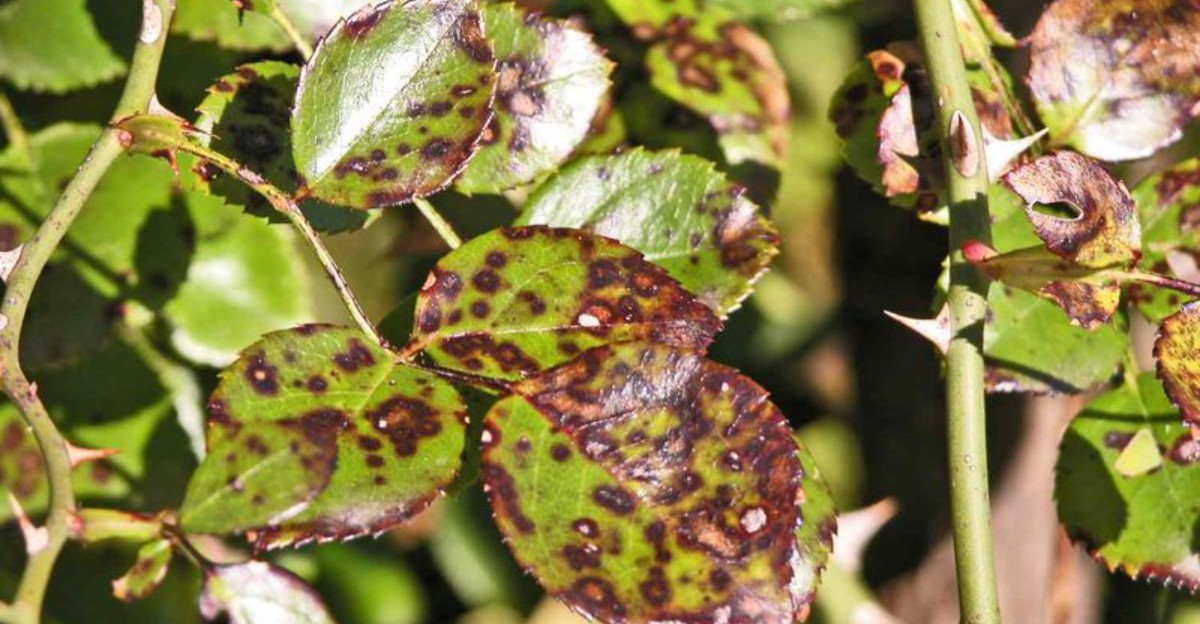
Black spots don’t ask permission before spreading across your roses. Alabama humidity works against your roses fast. You water at night, believing it helps, while disease thrives.
Shade from crowded branches traps moisture around your stems. Your pruning habits might be hurting your own roses. Fungal spores travel fast once your garden turns humid. Southern summers push your roses harder than you expect.
Alabama’s growing season keeps your roses exposed longer. Lower branches thin while you search for answers. Chemical sprays rarely fix what’s happening beneath your soil. Soil health and airflow shape what you see.
Weak roots invite trouble that spreads through your plant. Timing your care matters more than you might think. Lasting results should outlast your earliest bloom cycle.
Real change starts once you understand what’s driving it. Small mistakes compound fast in your warm, humid garden. Here’s exactly what’s breaking your roses down, piece by piece.
1. Humidity That Refuses To Take A Day Off

Ask anyone who has walked outside at 7 a.m. in Birmingham during August, and they will tell you the air feels thick and humid. That thick, sticky moisture is exactly what black spot fungus loves.
The spores that cause the disease need leaf surfaces to stay wet for roughly seven hours before they can settle in and start growing. In Alabama, dew often lingers well past sunrise, especially in shaded corners and low spots where air pools.
Add afternoon thunderstorms that roll through nearly on schedule, and your rose leaves may stay damp for a big chunk of the day. Conditions like these are enough to favor fungal growth.
Gardeners in drier states often need fewer repeat applications, since drier air slows the fungus down. Here, the moisture keeps resetting the clock, so protection wears thin faster than expected.
One practical fix is placing roses where morning sun hits them first, since early light dries foliage quicker than late afternoon rays. Even a two hour head start makes a difference.
Raised beds also help, because water drains away instead of sitting around the crown and splashing upward.
Fun bit of trivia: black spot fungus, Diplocarpon rosae, has been studied by plant scientists for well over a century, and warm humid regions have long been recognized as trouble zones.
You cannot dial down Alabama humidity, but you can choose planting spots that give leaves a fighting chance to dry.
2. Sprinklers Doing More Harm Than Good
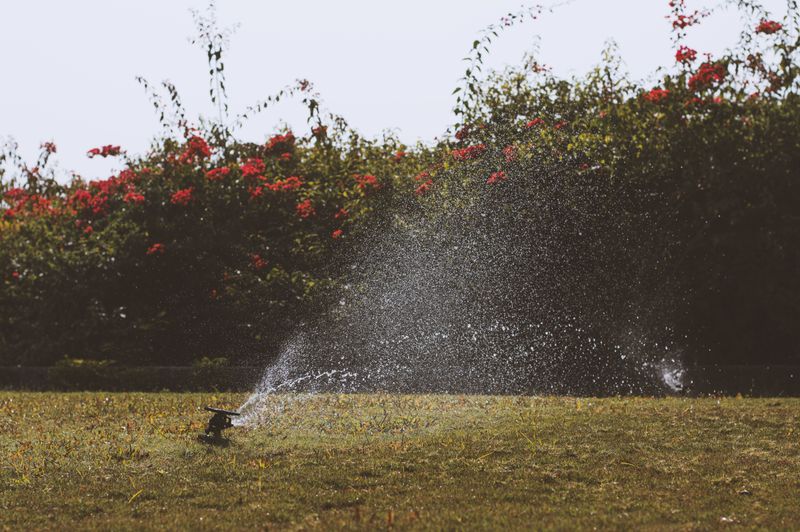
Here is a habit that trips up plenty of well meaning gardeners: watering roses from above with a sprinkler or hose spray. It feels helpful, but it soaks the leaves and creates the exact conditions the fungus wants.
Black spot spores travel in water droplets. When a sprinkler hits the soil, it kicks infected splashes back onto the lower foliage, spreading the problem upward one leaf at a time.
Evening watering makes matters worse. Leaves stay wet all night, giving spores hours of undisturbed time to take hold.
Your Alabama Garden Changes Every Week. Your Plan Should Too.
Gardening in Alabama changes quickly throughout the season. Every Friday you’ll receive a simple weekly plan showing exactly what to plant, prune, fertilize, harvest, and protect so you never miss the right timing.
Switching to a soaker hose or drip line solves a surprising amount of this. Water goes straight to the roots where it belongs, and foliage stays dry.
If you must use a hose, aim low and water in the morning so any stray splashes dry off by mid day.
Timers help too. Set irrigation for around 6 a.m. rather than 8 p.m., and you shave hours off leaf wetness.
Another overlooked trick is mulch. A two to three inch layer of pine straw or shredded bark forms a barrier that stops soil splash from reaching leaves during heavy rain.
Alabama gets plenty of natural rainfall in summer, so many rose beds are being watered twice without anyone realizing it.
Check your sprinkler pattern this week. You might find your roses are getting drenched by a system meant for the lawn.
3. Fallen Leaves Left Sitting Under The Bush
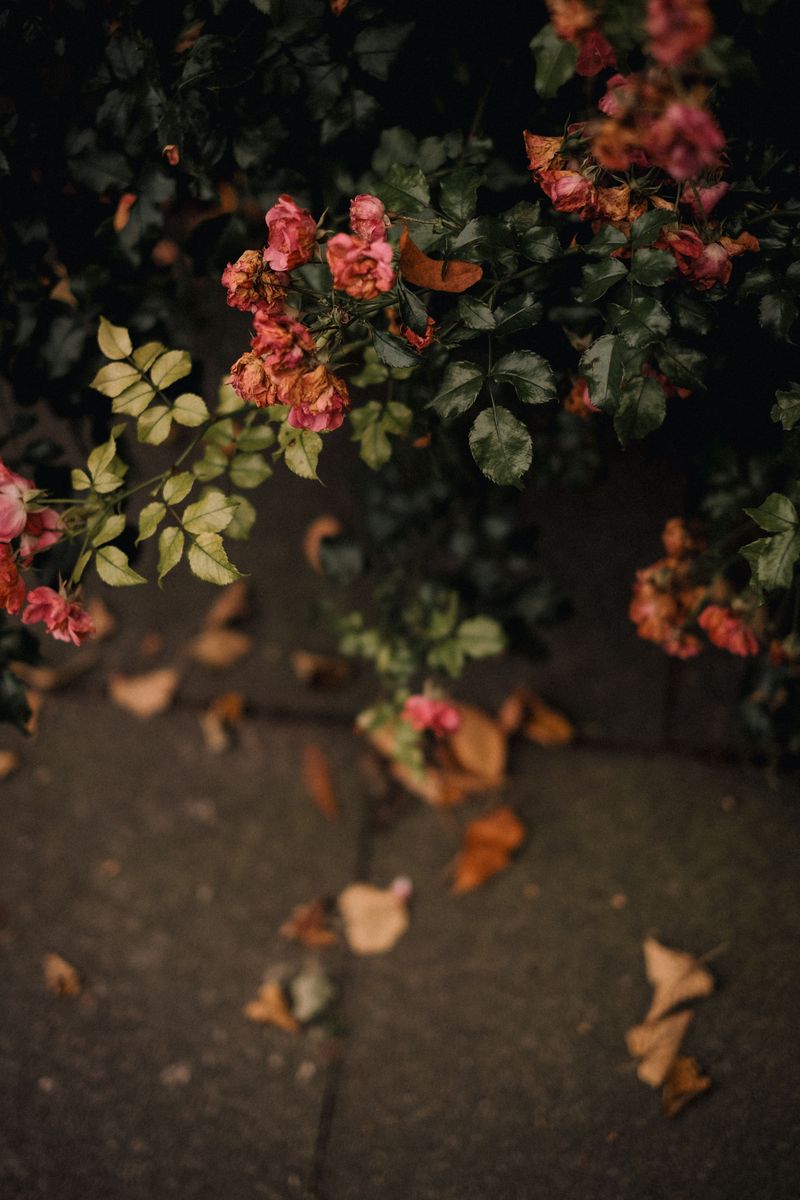
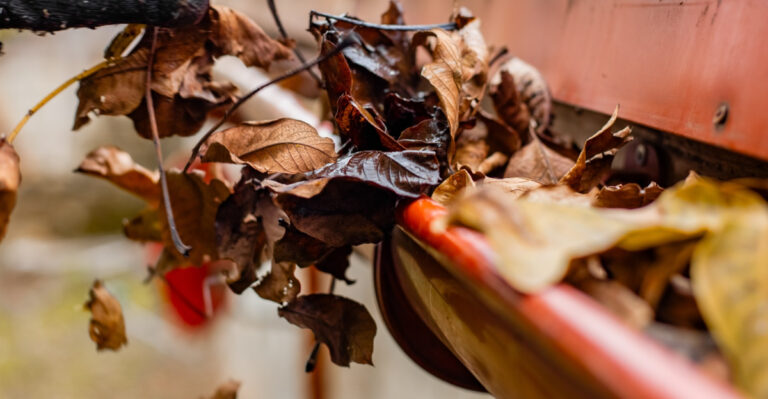
Cleanup is nobody’s favorite garden chore, and that is precisely why black spot keeps coming back. Infected leaves that drop to the ground are not finished causing trouble.
Spores overwinter on that fallen debris and on infected canes. When spring rain splashes the soil, those spores hop right back onto fresh new growth.
Skipping fall cleanup basically allows the fungus to survive into next season. The cycle restarts before your roses have even leafed out fully.
Raking under rose bushes every couple of weeks during the growing season keeps the spore load down. In September, when leaf drop picks up, make it a weekly habit.
Bag the debris or burn it if local rules allow. Composting infected leaves in a cool backyard pile often is not hot enough to break down the fungus.
Refreshing mulch after cleanup adds another layer of defense, covering any spores that stayed behind in the top layer of soil.
Some Alabama gardeners strip remaining leaves off their roses during winter pruning in late January. It looks drastic, but it removes a huge reservoir of overwintering spores.
Many experienced growers notice a pattern: beds that are cleaned up well in December tend to stay healthier through the following summer.
Ten minutes with a rake now saves weeks of spraying later, and your knees will thank you for spreading the work out.
4. Roses Planted Shoulder To Shoulder
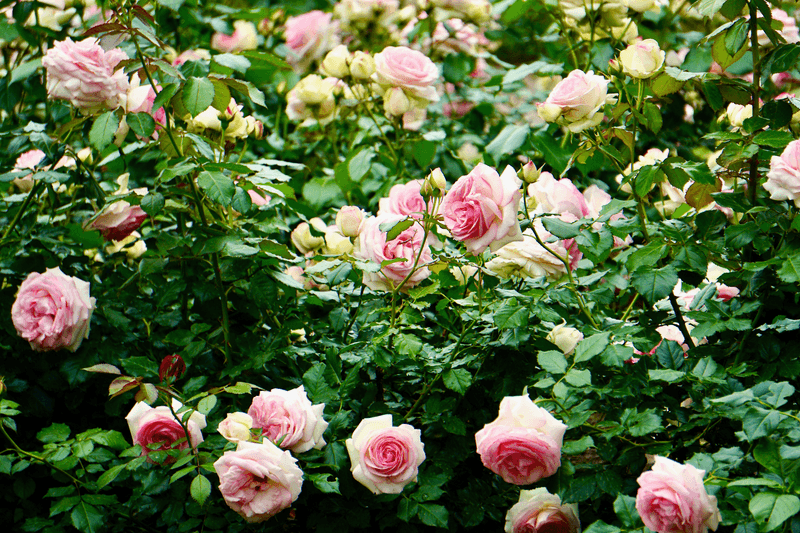
Garden centers show roses in tidy little pots, and it is easy to forget how wide they get. Three years later, those charming shrubs are elbowing each other for space.
Crowded plantings trap humid air between the leaves. Without a breeze moving through, foliage stays damp far longer than it should.
Standard shrub roses generally want three to four feet between plants, and climbers need even more. Hybrid teas can handle closer spacing, but two feet is about the minimum.
Pruning for an open, vase shaped center makes a real difference. Removing crossing canes and thin twiggy growth from the middle lets air flow straight through the plant.
Watch the neighbors too. A boxwood hedge or overgrown azalea planted right against a rose bed blocks airflow just as effectively as another rose would.
Fences and walls create the same problem when roses sit tight against them. Leaving eighteen inches of breathing room behind the plant helps enormously.
In Alabama’s long growing season, roses put on more growth than gardeners in cooler states expect. What looked spacious in April feels jammed by July.
September is a fine time to walk the bed and take notes on which plants are touching. Mark them now, then move or thin during the dormant season.
Airflow will not cure black spot on its own, but it is one of the cheapest improvements you can make.
5. Choosing Varieties That Were Bred For Cooler Places
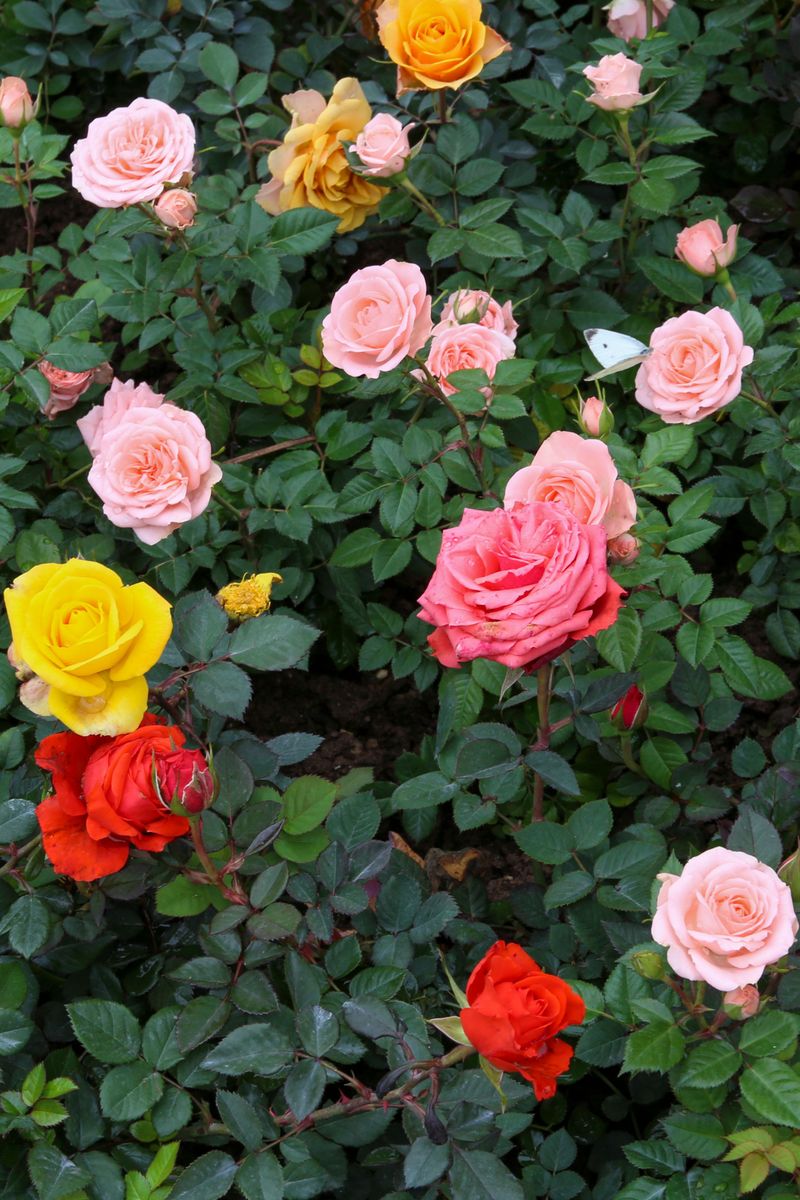
Not all roses handle the Deep South the same way, and that catalog photo will not tell you the whole story. Some varieties were developed in climates where black spot barely registers as a threat.
Many classic hybrid teas fall into that group. Gorgeous blooms, wonderful fragrance, and foliage that loses out to fungus by midsummer in Alabama.
Resistant options exist and have gotten much better over the past twenty years. Look for Knock Out types, Drift roses, Home Run, Belinda’s Dream, and several Earth Kind designated selections tested specifically in southern conditions.
Old garden roses often shine here too. China roses, teas, and Noisettes were grown across the South long before fungicides existed, and many still hold their leaves through steamy summers.
Belinda’s Dream deserves a special mention. It was bred by a Texas mathematics professor and became the first rose ever named to the Earth-Kind list.
Resistance is not the same as immunity, so even tough varieties may show a few spots during a wet stretch. The difference is that they shrug it off and keep growing.
Before buying, check with your county extension office for regionally tested recommendations. Alabama Cooperative Extension keeps lists suited to local conditions.
Fall is prime planting season across the state, so this is a good moment to rethink a struggling bed.
Swapping one problem plant for a proven performer often does more than an entire season of spraying.
6. Spraying Only After Spots Show Up
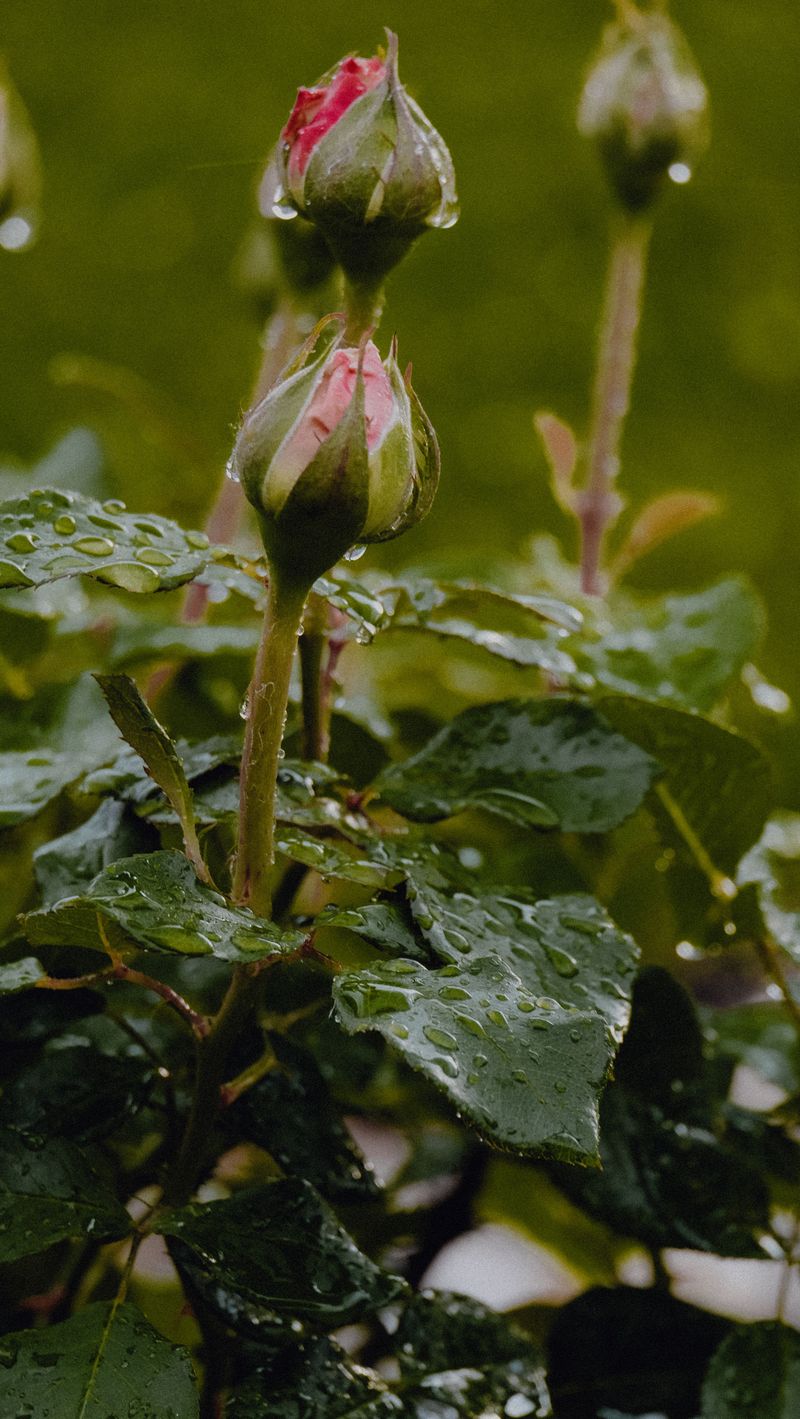
Timing trips up more gardeners than product choice ever will. Waiting until you spot the telltale black circles means the fungus already has a foothold.
Fungicides labeled for black spot mostly work as protectants. They coat healthy leaves and stop new spores from taking hold, but they cannot erase existing damage.
Spotted leaves stay spotted. Once a leaf turns yellow and drops, no spray brings it back.
Effective programs start early, usually when the first leaves unfurl in spring, and continue on a regular schedule through the humid months. Every seven to fourteen days is typical.
Rain washes protection away, so a heavy storm often means reapplying sooner than the label interval suggests. Alabama summers make this a real consideration.
Rotating between different active ingredients also matters. Using the same product all season can let resistant fungus strains build up over time.
Options range from horticultural oils and neem to sulfur based products and synthetic fungicides. Reading and following the label is not optional, especially regarding temperature limits, since sulfur can burn foliage above 85 degrees.
Coverage counts too. Spraying only the tops of leaves leaves the undersides unprotected, and that is where a lot of infection begins.
Think of it like sunscreen rather than aspirin. Applied ahead of time it works beautifully, applied afterward it produces limited results despite the effort.
7. A Growing Season That Rarely Pauses
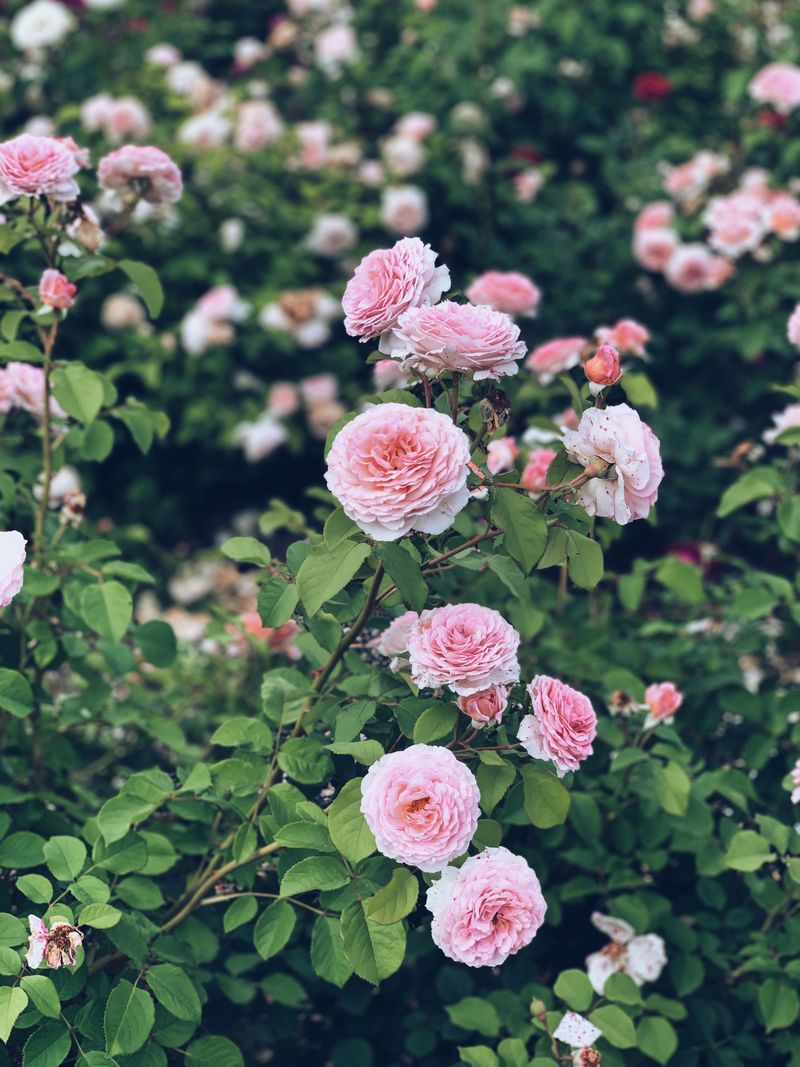
Gardeners up north get a hard freeze in October that shuts everything down. Alabama offers something closer to a long, lazy stretch of warm weather with occasional interruptions.
Roses here may push new growth from March into November, sometimes longer along the Gulf Coast. That is eight or nine months of tender foliage available to infection.
The fungus thrives between roughly 65 and 85 degrees, which describes an awful lot of Alabama days. Even October frequently sits in that sweet spot.
Longer seasons also mean more generations of spores. Each infected leaf can produce new spores in about ten days under good conditions, so the population multiplies quickly.
Practically speaking, this means a spray schedule that ends in July is not enough. Protection needs to stretch into fall while temperatures stay mild.
Mild winters compound the issue. Without sustained hard freezes, more spores survive on canes and debris to greet spring growth.
Some gardeners ease off nitrogen fertilizer after early September so plants are not pushing soft new growth right when fall rains arrive. Tender leaves are the easiest targets.
Others accept a natural slowdown and focus on cleanup instead, letting the bushes coast into dormancy without a lot of extra feeding.
Either approach beats assuming the season is over. In this part of the country, the calendar and the garden rarely agree on when to stop.
8. Weak Soil Increasing Plant Vulnerability

Red Alabama clay has distinct characteristics, and not all of them are helpful for roses. Compacted, poorly draining soil stresses roses in ways that show up on the leaves.
A stressed plant is less able to resist disease. Roots sitting in soggy clay cannot take up nutrients well, and thin, pale foliage gives fungus an easier landing pad.
Soil pH plays a role too. Roses generally prefer a range around 6.0 to 6.5, and much of Alabama’s native soil runs more acidic than that.
A soil test through the extension service costs very little and takes the guesswork out. Results will tell you whether lime or specific nutrients are needed.
Working compost into beds before planting improves both drainage and moisture holding capacity, which sounds contradictory but is exactly what clay needs.
Potassium and calcium contribute to sturdier cell walls, and sturdier tissue resists infection better than soft, sappy growth. Balanced feeding beats heavy nitrogen.
Overfeeding with high nitrogen products creates lush leaves that look impressive and fall ill quickly. Moderation genuinely helps here.
Mulch adds organic matter as it breaks down, feeding soil life that supports root health over time.
Roses planted in improved, well drained beds routinely hold their foliage longer than identical varieties stuck in unamended clay just a few feet away.
Building better soil is slow work with no dramatic before and after photo. It quietly reduces how often you reach for the sprayer.