The Sandy Mound In Some Alabama Lawns Is The Front Door Of A Protected Tenant That Shelters Hundreds Of Species
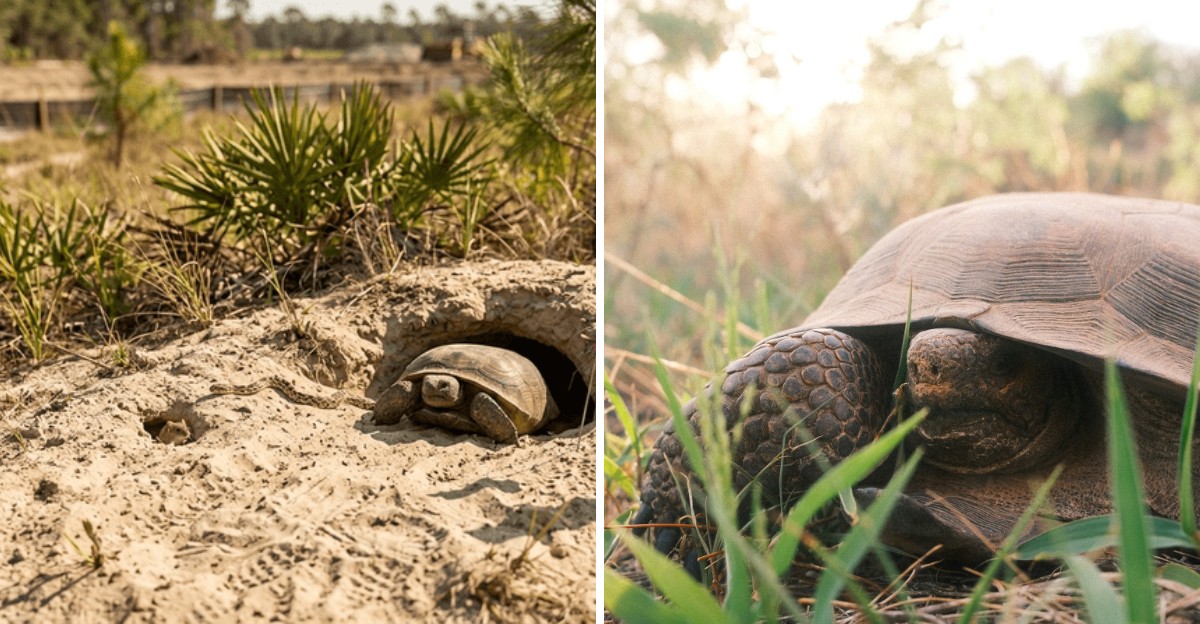
Why does a fan of pale sand sit on your grass? You spot a wide, arched doorway cut into the mound.
Fire ants raise plain domes, so you can rule them out fast. Dogs leave scattered mess, but you see a tidy apron of sand.
Behind that opening lives a gopher tortoise, and you share the lawn with it. Alabama has sheltered this armored reptile for ages longer than you can picture.
Its burrow can stretch longer than your car and plunge deep underground. Indigo snakes, frogs, mice, and insects borrow that shelter, so you host a crowded building.
State law shields this animal, and federal law also covers burrows in southwest Alabama. Leave the burrow intact, because that doorway belongs to a protected tenant with rights. Your shovel stays in the shed, and your curiosity gets a better job.
A Gopher Tortoise Lives At The End Of That Tunnel
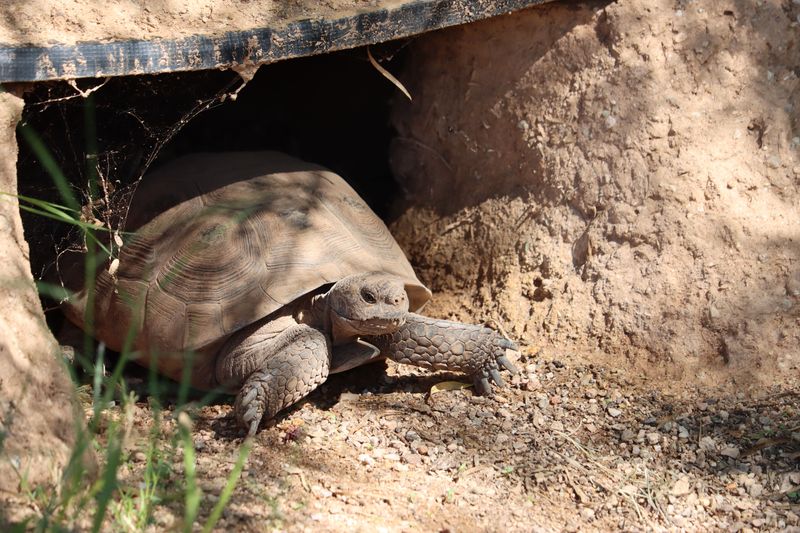
Picture a living bulldozer wearing a shell, and you have the right idea about your sandy visitor. The mound in your lawn is the apron of a gopher tortoise burrow.
Gopher tortoises are the only native tortoise east of the Mississippi River. In Alabama, they live in the southern third of the state, where soils are deep and sandy.
Their front legs are flat and shovel-shaped, built for moving dirt quickly. A single adult can dig a tunnel about 15 feet long and nearly 7 feet deep.
Some burrows stretch even farther, reaching 30 feet or more underground. The opening is usually shaped like a half-moon, flat on the bottom and curved on top.
That shape matches the tortoise’s own body, which helps you tell it apart from an armadillo hole. Armadillo holes tend to look round and messy, with scattered dirt around them.
Gopher tortoises are protected by state law in Alabama. West of the Mobile and Tombigbee Rivers, they are also listed as threatened under federal law.
That means you cannot harm, move, or keep one without proper permits. In Mobile, Washington, and Choctaw counties, even disturbing the burrow can have legal consequences.
If you spot a mound like this, count yourself lucky rather than worried. You are hosting a protected reptile that can live 40 to 60 years in the wild.
Many adults reach about 9 to 11 inches long and weigh roughly 8 to 13 pounds. They spend most of their lives within a short walk of home, like quiet homebodies.
A Shared Underground Home For Hundreds Of Neighbors
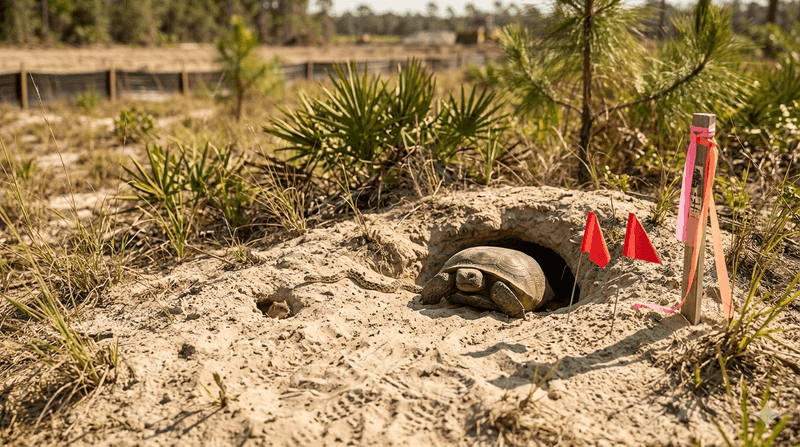
Imagine opening your front door to find a snake, a frog, and a rabbit napping in your hallway. For a gopher tortoise, that is a normal day.
Scientists have recorded more than 350 species using these burrows. That list includes insects, spiders, frogs, snakes, lizards, mice, rabbits, and even small foxes.
Some of these guests drop by only for shelter during a storm or a cold snap. Others, like certain beetles and crickets, live only inside these burrows.
The gopher frog is a famous roommate that hides in burrows most of the year. The eastern indigo snake, the longest native snake in the country, also depends on them.
Your Alabama Garden Changes Every Week. Your Plan Should Too.
Gardening in Alabama changes quickly throughout the season. Every Friday you’ll receive a simple weekly plan showing exactly what to plant, prune, fertilize, harvest, and protect so you never miss the right timing.
Burrows stay cool in summer and mild in winter, often in the 60s to low 70s Fahrenheit. They also hold moisture, which helps frogs and insects avoid drying out.
During wildfires, these tunnels act as protective refuges for animals that can get inside. Longleaf pine forests burn often, so this safe spot matters a lot.
Because so many animals rely on one digger, biologists call the gopher tortoise a keystone species. Remove it from the system, and the wider ecosystem can be affected.
Your backyard mound may be supporting a hidden crowd you will rarely see. A trail camera pointed at the entrance can reveal surprising visitors after dark.
Families who try this can spot opossums, armadillos, and curious lizards stopping by. It turns one sandy hole into a nature show right outside your window.
Just keep the camera a few yards back so nobody feels crowded. Even busy hotels need a little breathing room near the lobby.
October Habits Of A Busy Digger
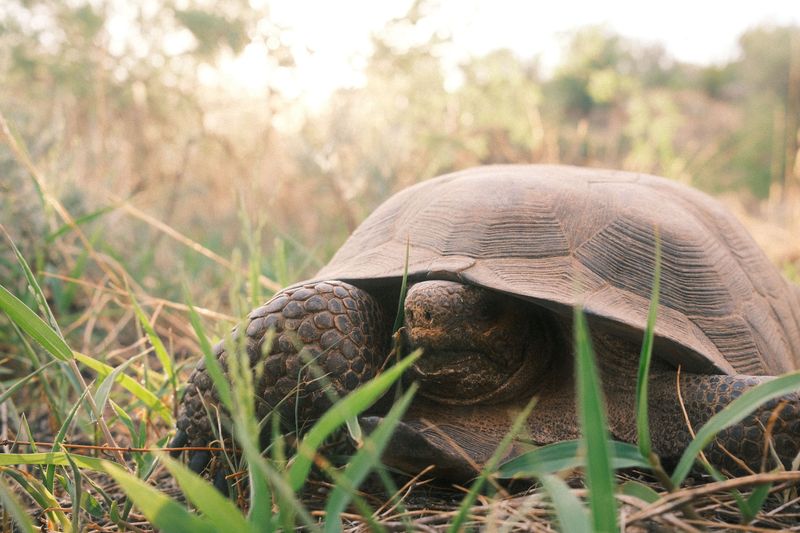
Fall in Alabama brings cooler mornings, football on the radio, and a slight change in tortoise behavior. October is a great month to notice burrows because grass growth slows down.
As temperatures dip, gopher tortoises spend more time underground and less time grazing. On warm, sunny afternoons, you may still catch one basking near the entrance.
They eat grasses, clover, wildflowers, and fallen fruit, so your lawn can look like a salad bar. Before winter, they try to fill up on these plants while they last.
Hatchlings are another October surprise in many parts of the state. Eggs laid in late spring often hatch from August through early fall.
Baby tortoises are about the size of a golf ball, with soft, bright yellow shells. They are easy to miss and easy to step on, so watch your feet.
Young tortoises often dig small burrows near the mother’s mound or tuck into leaf piles. Leaving a few leafy corners alone this month can give them safe cover.
By late fall and winter, adults slow way down and may stay inside for weeks. They do not truly hibernate, but they rest deeply during chilly stretches.
A quiet burrow in November does not mean the owner moved away. Keep treating that entrance as occupied, even if you have not seen anyone lately.
October is also the season for fall cleanup, fire pits, and leaf blowers. Plan those chores with your shelled neighbor in mind, and everyone gets a peaceful autumn.
Why Filling In A Burrow Causes Problems
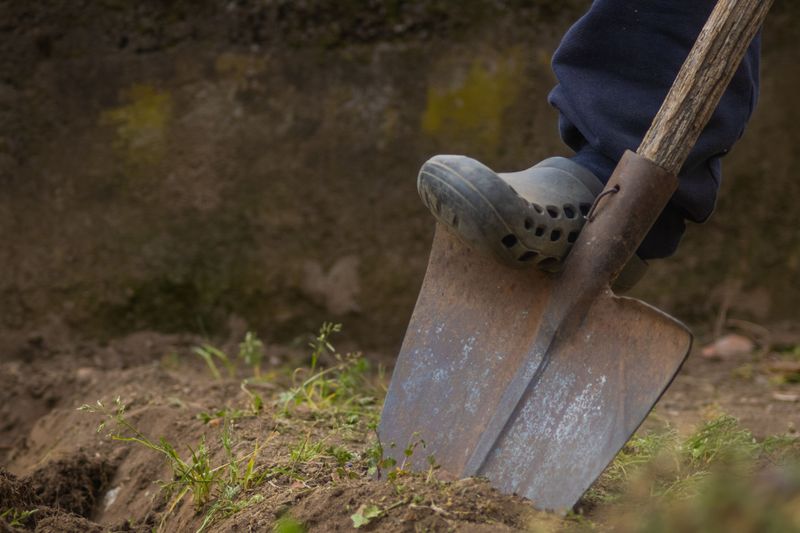
Grabbing a shovel and filling that sandy hole feels like a quick fix. It can seriously harm the tortoise and the animals sheltering with it.
Covering a burrow can trap the tortoise and other animals sheltering inside. Since tunnels can run several feet deep, the occupants may not be able to dig out.
It is also against the law in Alabama to harm or harass a gopher tortoise. Federal law also protects the burrow itself in the three southwest counties, so penalties can be higher there.
Other common slip-ups include running heavy equipment over the mound or parking a car on top. The weight can damage the tunnel, even if the entrance looks fine.
Some folks try to relocate the tortoise to a nearby field to clear space. Moving one without a permit is illegal and often fails, because tortoises try to walk home.
Pouring water, gasoline, or chemicals into the hole is another harmful practice. Those actions can harm protected wildlife and pollute your soil and groundwater.
Pet dogs can cause trouble too, especially breeds that love to dig. A curious pup can scare a tortoise, injure a hatchling, or disturb the burrow apron.
If a burrow sits in an awkward spot, ask for help instead of acting alone. Calling the experts protects you, your wallet, and the wildlife.
A little patience goes a long way with a slow neighbor. Most problems can be solved without anyone losing a home.
Think of the burrow like a neighbor’s mailbox you would not dare to bulldoze. Same rules of courtesy apply, just with more sand involved.
Mowing And Yard Work Around An Active Burrow
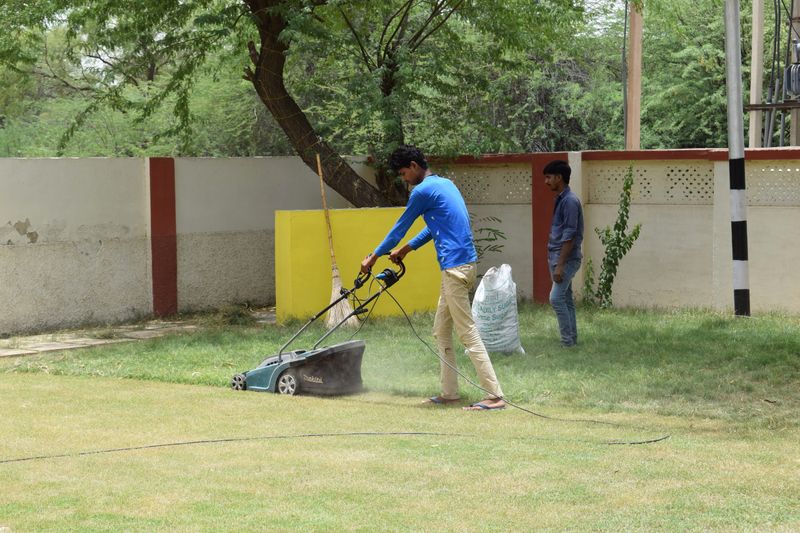
Good news first, sharing a lawn with a gopher tortoise is easier than it sounds. A few small habits keep both your grass and your guest in great shape.
Start by marking the burrow with a small flag or a stake about 13 feet from the entrance, as Alabama Extension suggests.
When mowing, keep heavy riding mowers well outside the marked zone if you can. Use a push mower or string trimmer nearby, and raise the blade to a higher setting.
Tall grass near the burrow is not a mess, it is food for your tortoise. Tortoises usually graze close to home, so leaving some greenery helps them eat.
Skip pesticides and harsh weed sprays around the mound whenever possible. Those chemicals can land on the plants tortoises eat and harm the insects living underground.
Planning a fence, pool, or shed nearby? Contact the Alabama Department of Conservation and Natural Resources before digging near a burrow.
Biologists can tell you whether the burrow is active and suggest safe building options. In federally protected areas, the wildlife service may also weigh in.
Keep dogs on a leash or fence off the burrow area during walks. Low fencing with a gap at ground level lets the tortoise pass while blocking pets.
Finally, teach kids to admire the tortoise from a distance, like a polite museum visitor. Pictures are welcome, but picking it up stresses the animal and is usually illegal without a permit.
A Tortoise-Friendly Yard For Years To Come
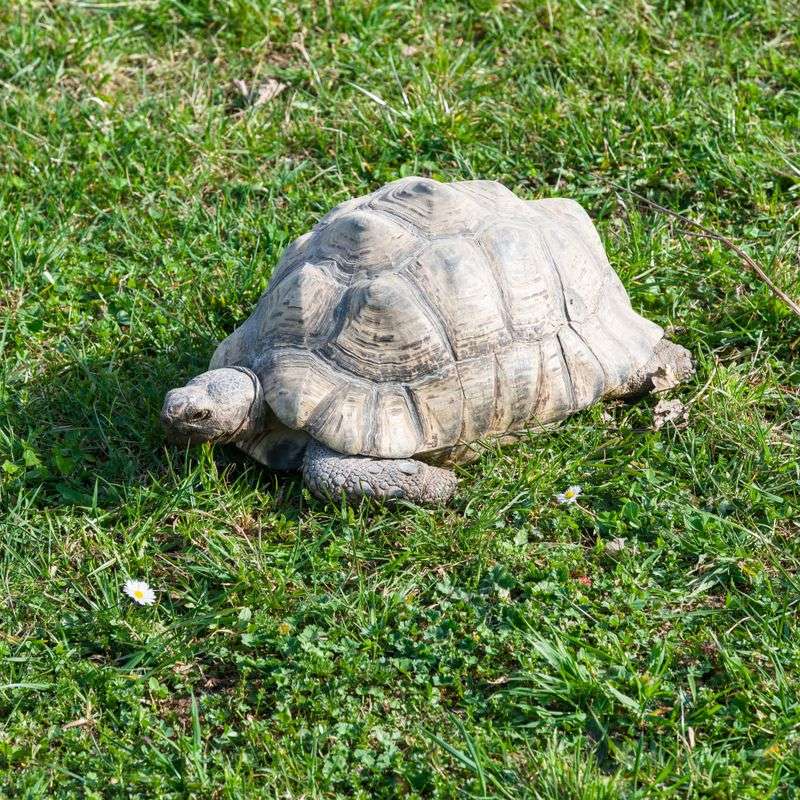
Long after your kids grow up, the same gopher tortoise could still be strolling your yard. Some live for many decades, so it may outlast your mortgage.
Planning for that future starts with sunshine and sandy soil. Tortoises need open, sunny spots to dig burrows and lay eggs, so avoid planting dense shade everywhere.
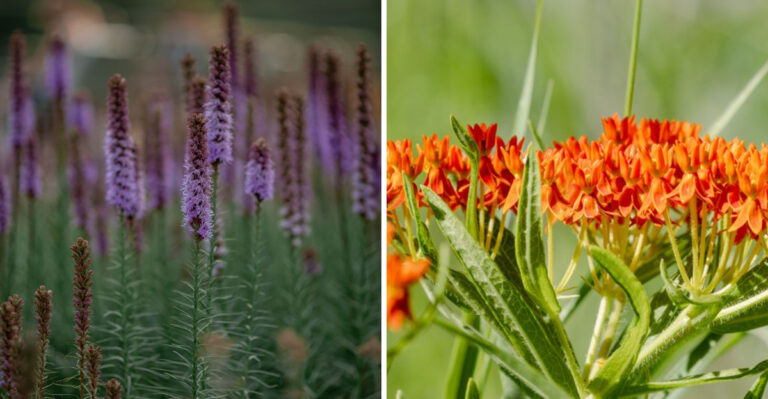
Native plants like wiregrass, partridge pea, and blackberries make excellent tortoise food. They also attract butterflies and bees, giving your yard a lively buzz.
Leave a natural corner where grass grows a bit taller and wildflowers can spread. That patch becomes a feeding and hiding place for tortoises of all sizes.
Talk with neighbors about the burrow so everyone understands the rules and benefits. A shared plan keeps one family’s good work from being undone next door.
Gopher tortoise numbers have dropped largely because of habitat loss, roads, and fire suppression. A protected backyard can add a small piece back to their shrinking range.
If you see a tortoise crossing a road, help only when it is safe for you. Check current Alabama wildlife guidance first.
Carry it in the direction it was heading, set it gently in the grass, and do not take it anywhere else.
You can also report sightings to Alabama wildlife officials or citizen science apps like iNaturalist. Those reports help biologists track where tortoises live and how populations are changing.
Over time, a yard that welcomes one tortoise becomes a haven for frogs, snakes, and insects too. Your sandy mound turns into a lasting refuge that hums along quietly underground.
Not bad for a pile of sand you almost raked away. Some of the best neighbors arrive slowly and carry their own roof.