The Leafy Green Ohio Gardeners Can Start As Summer Heat Finally Backs Off
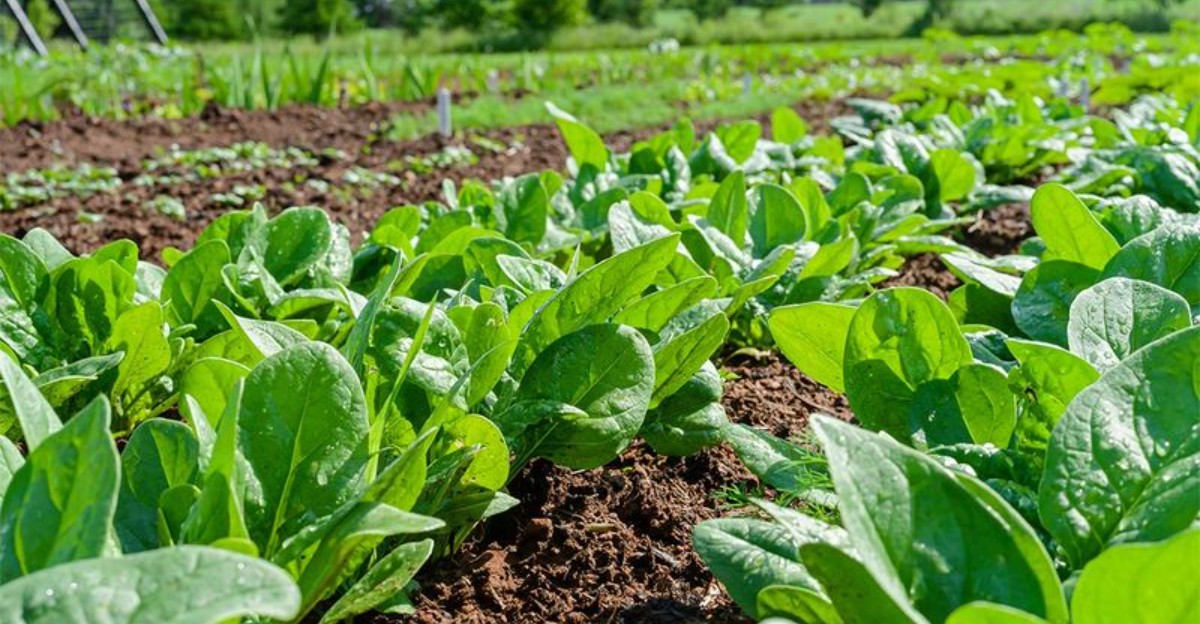
The garden’s been through it this summer. Tomatoes sprawling everywhere, peppers baking through weeks that made stepping outside after 10 a.m. feel like a bad idea.
Now the heat’s finally backing off, and there’s a small window most gardeners miss entirely. One built for something that actually prefers this cooler air.
This crop hates summer heat. It bolts, turns bitter, gives up if planted too early.
Drop the seeds in once Ohio’s late-summer heat starts loosening its grip, though, and everything changes. Cooler days.
Shorter stretches of harsh sun. Soil that isn’t baking anymore.
The window doesn’t stay open long. This crop also moves fast once it’s in the ground.
Patience isn’t really the ask here. Timing is.
1. Plant Spinach During Ohio’s Fall Window
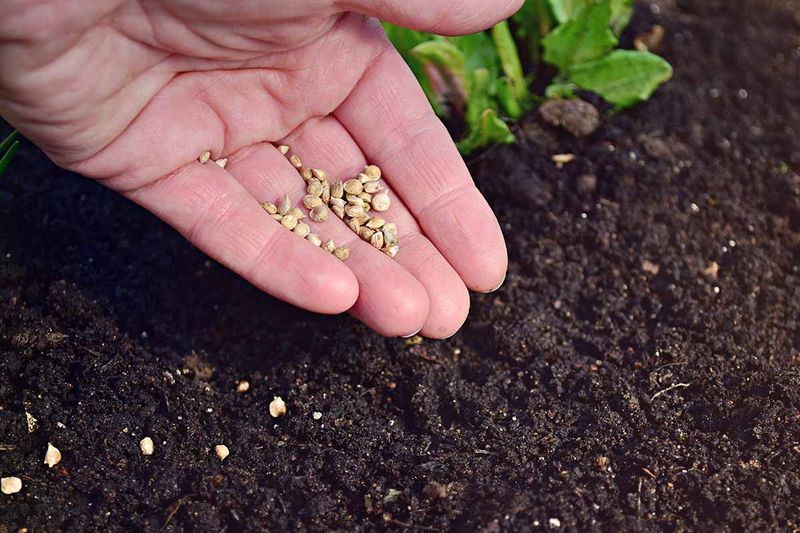
Timing is where fall spinach either shines or fizzles. Late summer is often the sweet spot in Ohio, with northern areas usually planting earlier and southern areas often having a little more flexibility.
Average first frost dates vary across the state, so use your local frost date as a planning guide. Spinach needs roughly 40 to 50 days from seed to harvest, so counting backward is your best planning tool.
Mid-August tends to hit the sweet spot in Ohio. Seeds sown then get about 6 to 10 weeks of growing time before a hard freeze arrives, which is plenty for full-size leaves.
Sowing a short row every two weeks stretches things out nicely. Instead of one big flush that overwhelms your fridge, you get steady handfuls of leaves from September through late November.
Mark your calendar rather than trusting memory. A quick note on your phone in mid-July saves you from that familiar late-September panic when the seed packet is still sealed.
Northern gardeners near Lake Erie may want to shift a week earlier, since frost tends to arrive sooner inland from the lake. Southern counties often push planting into early September without trouble.
Small timing adjustments make a surprising difference in leaf size and total yield.
2. Use Warm Soil To Speed Germination
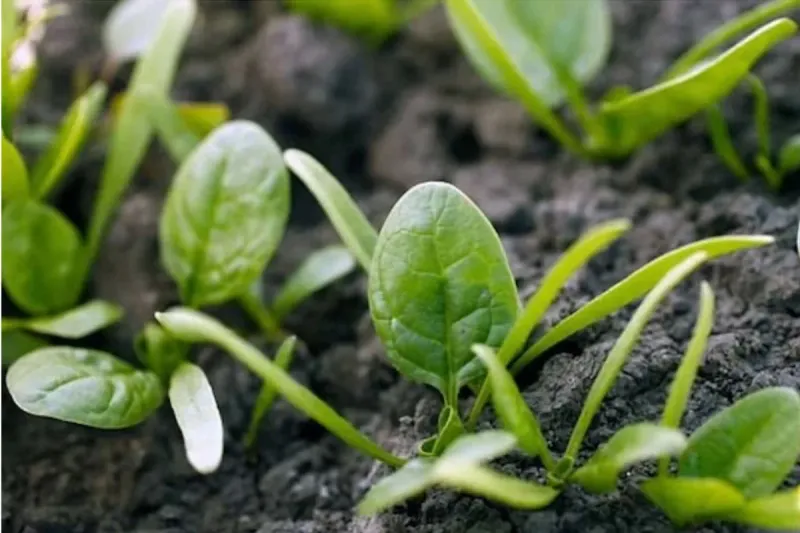
Soil temperature quietly controls whether your seeds sprout evenly or leave gaps in the row. Spinach germinates best when the soil reads between 40 and 70 degrees Fahrenheit.
Push that number above 75 degrees and germination rates drop noticeably. Seedlings that do emerge often look weak and thin, which is frustrating after all that careful raking.
Very cold soil slows things down too, stretching sprouting from a few days into two weeks or more. The middle range is where spinach feels comfortable.
A cheap soil thermometer removes all the guesswork. Stick it about two inches deep in the morning, and you will know instantly whether to sow now or wait a few days.
Steady moisture matters just as much as temperature. Spinach seeds sitting in soil that dries out between waterings tend to stall, so a light sprinkle once or twice daily helps.
Spreading a thin layer of straw or shredded leaves over the row keeps the surface cooler and damper. Pull the mulch back once green shoots appear so they get full light.
Your Ohio Garden Changes Every Week. Your Plan Should Too.
Gardening in Ohio changes quickly throughout the season. Every Friday you’ll receive a simple weekly plan showing exactly what to plant, prune, fertilize, harvest, and protect so you never miss the right timing.
Some gardeners experiment with brief seed chilling to improve germination during warm conditions, although proper planting temperatures are the bigger factor. That little trick nudges germination along when late-summer soil still holds heat.
3. Choose Varieties That Handle Cold Nights
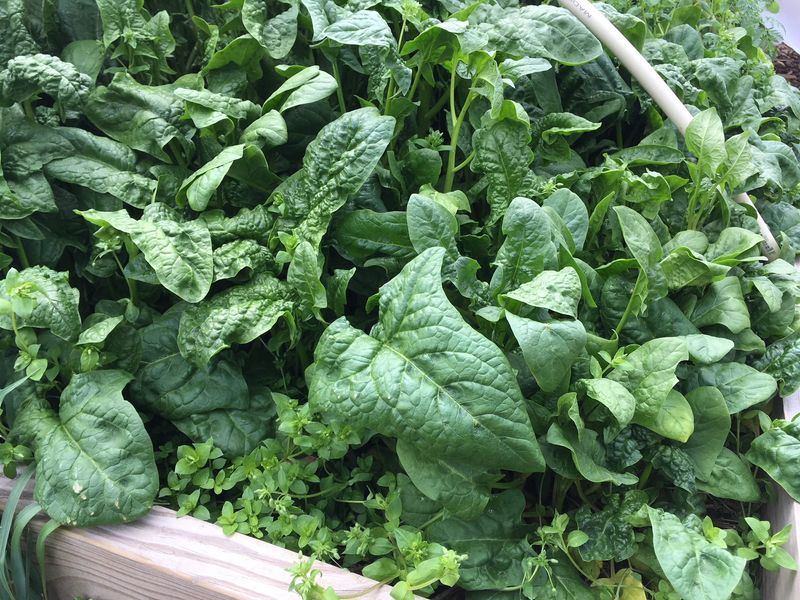
Not every spinach packet is built for November in Ohio. Once plants are established, spinach can hold on through temperatures dipping to 15 or 20 degrees Fahrenheit, but variety choice tips the odds in your favor.
Bloomsdale Longstanding is a classic worth trying, with crinkled leaves, excellent flavor, and an All-America Selections award to its name. Gardeners have trusted it for generations.
Giant Winter earns its name honestly. Big leaves and strong overwintering ability make it a favorite for anyone hoping to pick greens beyond Thanksgiving.
Renegade brings disease resistance to the table, especially against powdery mildew, which can creep in during damp autumn stretches. Fewer spotted leaves means more usable harvest.
Cold-tolerant varieties bred for fall and winter growing are good choices. Both handle chilly, wet Ohio soil better than most summer types.
Mixing two or three varieties in one bed is smart insurance. If a sudden cold snap knocks one back, the others usually keep going.
Here is a fun bit: cold weather actually sweetens spinach. Plants respond to chill by concentrating sugars in their leaves, which is why a November salad often tastes richer than a September one.
4. Give Spinach The Light It Needs Now
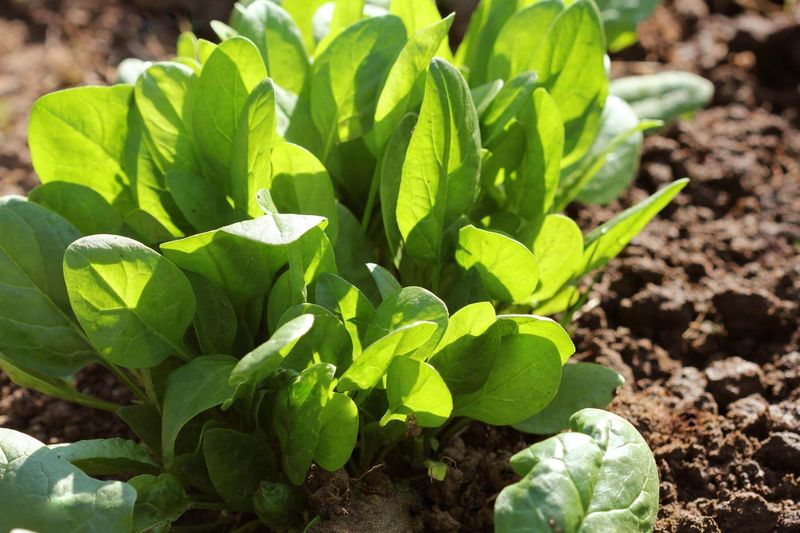
Sunlight in October behaves nothing like sunlight in July. The sun rides lower, the rays feel softer, and spinach soaks it all up without any of the stress summer brings.
Full sun is ideal for fall crops, though light shade works fine too. More direct light means faster growth and leaves that taste noticeably sweeter.
Spots that felt too shady in midsummer often brighten up beautifully once leaves drop from nearby maples and oaks. Watch your yard for a week and you will spot these changing patches.
Planting under a deciduous tree can actually work in your favor. Early on, filtered shade guards against lingering heat, and as branches go bare, the bed floods with light right when plants need it.
Shorter days do slow growth eventually. As daylight decreases in late fall, growth slows significantly, especially during the darkest part of winter.
That pause is not a problem. Plants sitting quietly through the darkest weeks often surge back with fresh growth in early spring.
Keep taller crops like kale or Brussels sprouts on the north side of the bed. Blocking that low autumn sun is an easy mistake with a simple fix.
5. Protect Young Leaves From Early Frost
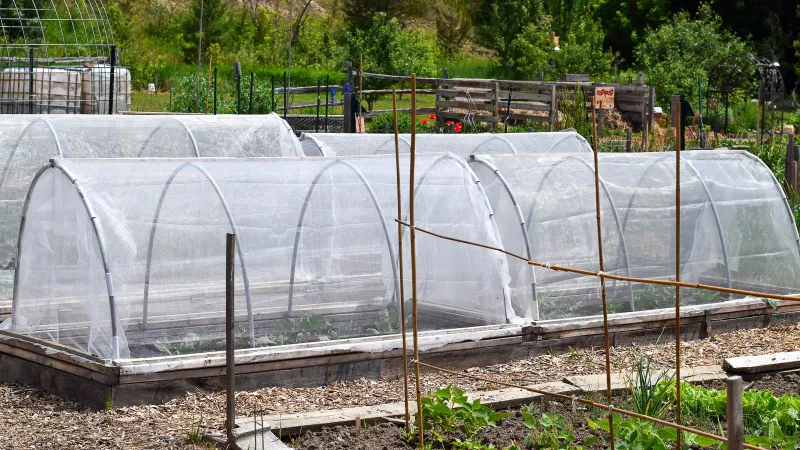
A surprise frost in early October catches plenty of Ohio gardeners off guard. Established spinach tolerates light freezes well, while younger plants benefit more from protection.
Floating row covers are the easiest fix. Made from breathable spun-bonded polypropylene, they let light and water through while trapping a few precious degrees of warmth underneath.
Old bedsheets, blankets, or burlap work in a pinch. Drape them over the bed in the evening and weigh down the edges with bricks so soil heat stays trapped.
Skip plastic laid straight on the leaves. Where plastic touches foliage, cold transfers right through and leaves get damaged, so suspend it on hoops if you use it at all.
Watering the bed the afternoon before a cold night helps more than people expect. Moist soil holds heat better than dry soil and releases it slowly overnight.
Uncover plants in the morning once temperatures climb. Leaving covers on during a sunny afternoon can cook young leaves and undo your careful work.
Hoops made from bent PVC or wire fencing keep fabric off the foliage. Cheap, reusable, and they store flat in the garage all summer.
6. Harvest Leaves Before Winter Settles In
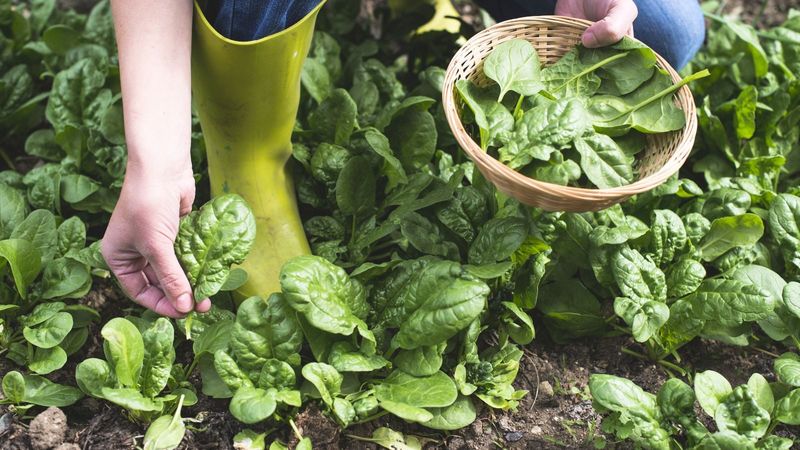
There is real satisfaction in walking outside with scissors on a chilly Saturday and coming back with a basket of greens. Spinach makes that easy because it does not demand a single all-at-once harvest.
Picking the outer leaves first keeps the center crown producing. The plant reads that trim as encouragement and pushes out fresh growth from the middle.
Prefer tender baby leaves? Snip them small and sow another short row every couple of weeks so replacements are always coming along behind.
Leaves left too long on the stem lose their charm. Texture toughens, flavor turns bitter, and what could have been a great salad becomes soup filler.
Harvesting slows dramatically once deep winter arrives and daylight shrinks. Plants basically hold their position, waiting rather than growing.
Come late February or March, returning warmth and longer days wake them up again. Overwintered plants often deliver an early spring harvest before anything else is even planted.
Morning picking gives you the crispest leaves. Cell walls are full of water then, so the greens stay perky in the fridge for days instead of wilting by dinner.
7. Avoid The Fall Spinach Mistakes Gardeners Make
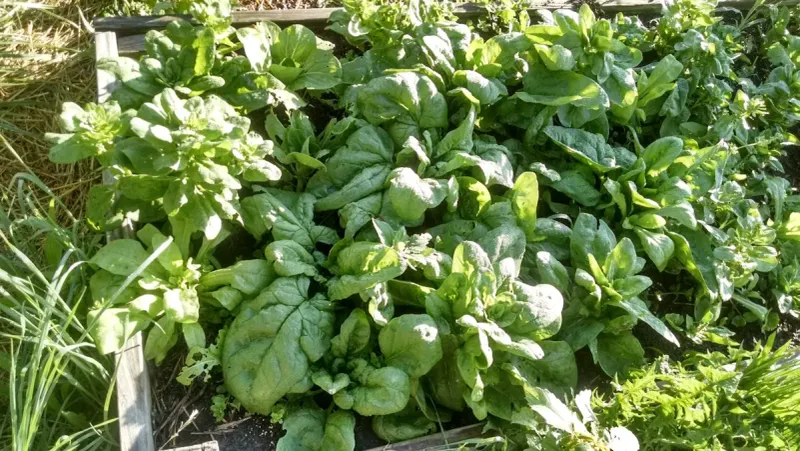
Most fall spinach disappointments trace back to a handful of repeat offenders. Planting too early tops the list, since warm soil triggers weak germination or sends plants straight to bolting.
Spinach also dislikes being moved. Its roots resent disturbance, so sowing seeds directly into the bed beats starting them in trays nearly every time.
Skipping the thinning step causes trouble later. Crowded seedlings compete for water and nutrients, stay small, and trap humid air that invites leaf diseases.
Thin plants to roughly 3 to 6 inches apart. Snip the extras at soil level with scissors instead of yanking, which protects the roots of the keepers.
Shallow roots mean spinach dries out fast. Frequent light watering keeps moisture even, while long gaps followed by a soaking tend to stress plants.
Seed depth trips people up too. Scattering seeds on the surface gives spotty results, so aim for about a half inch deep and firm the soil gently over top.
One more habit worth building: label your rows. Come November, telling a spinach seedling from a stray weed gets harder than you would think.
8. Grow Spinach Again After Summer Crops Fade
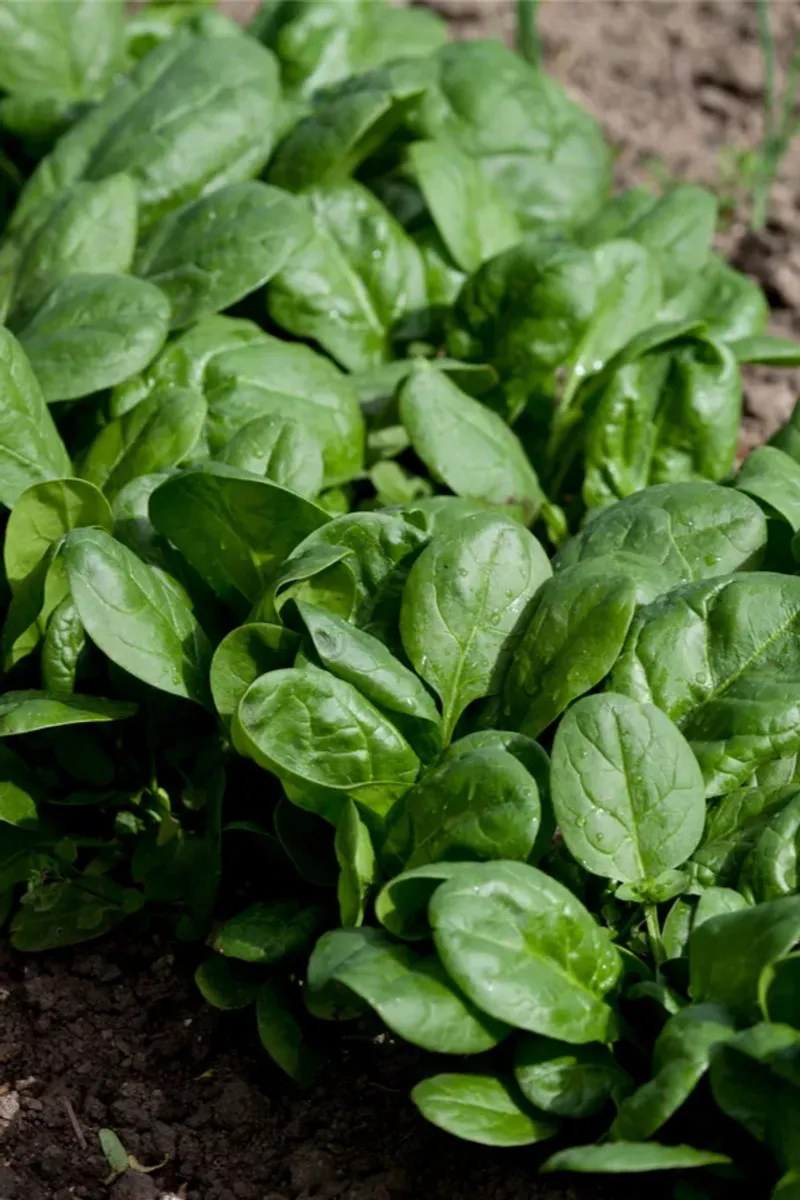
Pulling out tired bean vines and finished cucumber plants opens up prime real estate. Rather than letting those beds sit bare until spring, spinach steps right in.
Cool-season vegetables love the leftover space and the softer weather that comes with it. You get a second round of food from ground that already paid for itself once.
Shorter days and lower temperatures are exactly what spinach wants. Bolting becomes much less likely in fall than it ever is during a June heat wave.
Give the bed a refresh before sowing. Rake out old roots, scatter an inch of compost, and smooth the surface so tiny seeds make good contact with soil.
Beds where beans or peas grew are especially welcoming. Those crops leave behind nitrogen, and leafy greens are happy to use it.
Steer clear of replanting where chard or beets just finished. All three are relatives and can share the same soil pests.
Empty garden space in September tends to fill with weeds anyway. Putting spinach there instead means you are feeding your family rather than pulling crabgrass all autumn long.
9. Keep Fresh Greens Growing Into Fall
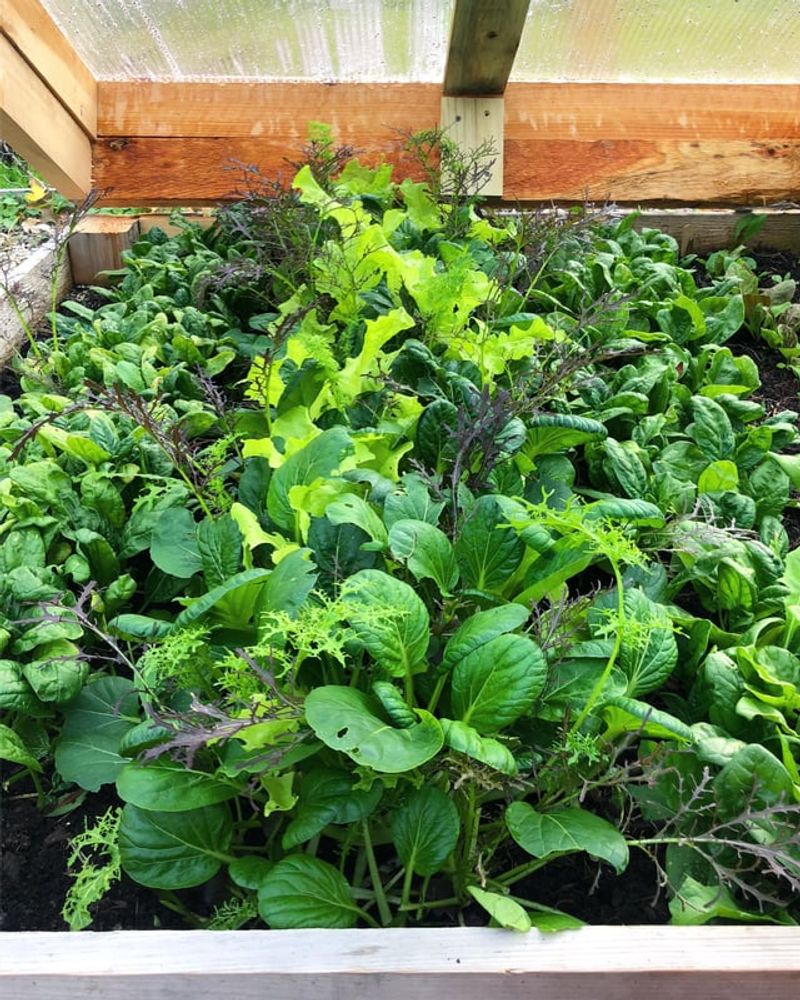
Picture cutting salad greens while snow dusts the yard. That scene is genuinely achievable in Ohio with cold-hardy varieties and a little protective gear.
Row covers stretched over hoops buy you weeks of extra harvest. Cold frames go even further, creating a pocket of mild air where plants keep chugging along.
When forecasts dip into the 20 to 25 degree range, add a second cover layer or swap to heavier fabric. Doubling up blocks wind and holds warmth close to the leaves.
Wind is often harder on plants than cold itself. Anchoring covers tightly along the edges makes a bigger difference than most gardeners realize.
Snow turns out to be a helper rather than a threat. A blanket of it insulates overwintered plantings, keeping soil temperatures steadier than bare exposed ground.
With thoughtful timing and simple protection, harvests can stretch from early fall all the way to spring. Many Gardeners pick their first spring salad from plants sown the previous August.
Start with one small covered bed this year. Once you taste homegrown greens in December, clearing space for more becomes an easy decision.