Connecticut Hummingbird Feeders Should Stay Up Longer Than Most People Think
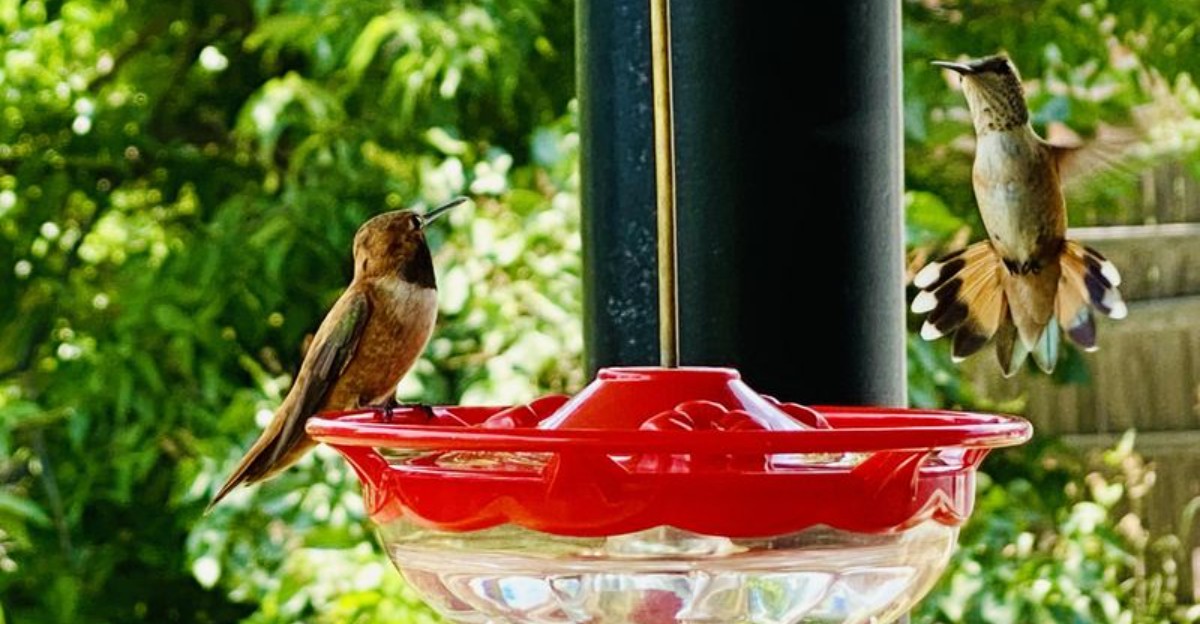
Late migrants slip quietly through Connecticut skies long after you assume the season has already ended for good. Your feeder, still hanging, could be the last reliable stop for miles.
Weather patterns across the region shift unpredictably enough that a warm stretch can pull stragglers straight toward your yard. You might catch a flash of color at your window in a month when most advice insists you give up.
Connecticut sits along a quiet, overlooked corridor that funnels these travelers south, and pulling your feeder early can cut off a critical fuel stop. Nobody wants your feeder to be the reason a tired traveler finds nothing where food should have been.
Neighbors near your street will insist the season ends in early fall, though they’re wrong more often than they realize. Curiosity alone should keep that feeder swinging outside your window just a little longer this particular year.
The Real Reason Late Feeders Matter In Connecticut
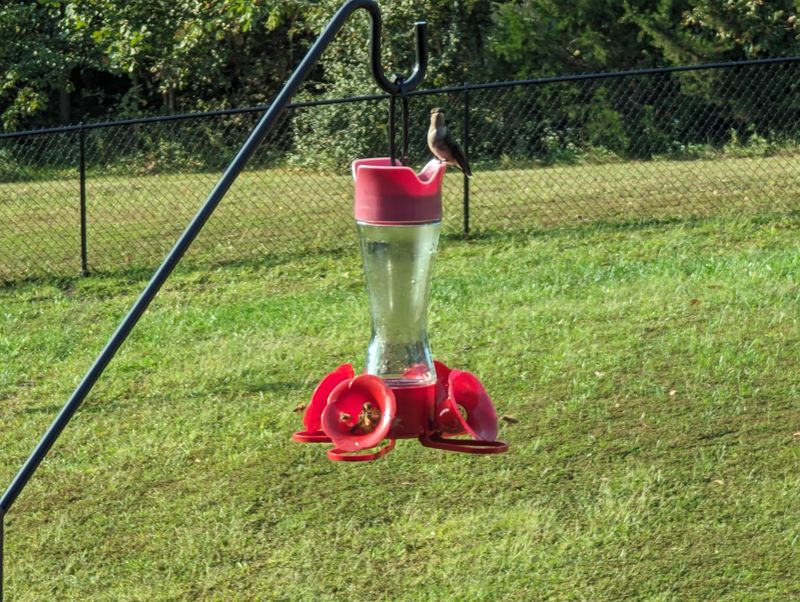
Here’s the part that surprises people. The hummingbirds sipping at your feeder in mid-September are often not the same ones you watched in July.
Ruby-throated hummingbirds nest across a huge range, stretching well up into Canada and northern New England. When those northern birds head south, Connecticut sits right in their flight path.
Your local pair may have already left. Meanwhile, birds from Quebec, Maine, and New Hampshire are still passing through, hungry and burning fuel fast.
A migrating hummingbird can nearly double its body weight before crossing long stretches of open water. That fat has to come from somewhere, and flowers are getting scarce by then.
Late-season nectar sources thin out quickly once frost touches the garden. Jewelweed fades, bee balm finishes, and the trumpet vine gives up.
A clean feeder becomes a reliable filling station during exactly the weeks it matters most. One good stop can shave hours off a bird’s search for food.
There’s also an old myth worth retiring. Leaving a feeder up does not convince a hummingbird to skip migration.
Their internal clock runs on day length, not on how much sugar water you offer. Shorter days trigger the urge to travel, and a full feeder rarely changes that instinct.
So keeping nectar available through the fall simply helps stragglers refuel. It costs you a little sugar and a weekly rinse.
For the bird, it might mean arriving in Central America with enough reserves to make it. That trade seems more than fair.
Timing The Season From First Arrival To Final Guest
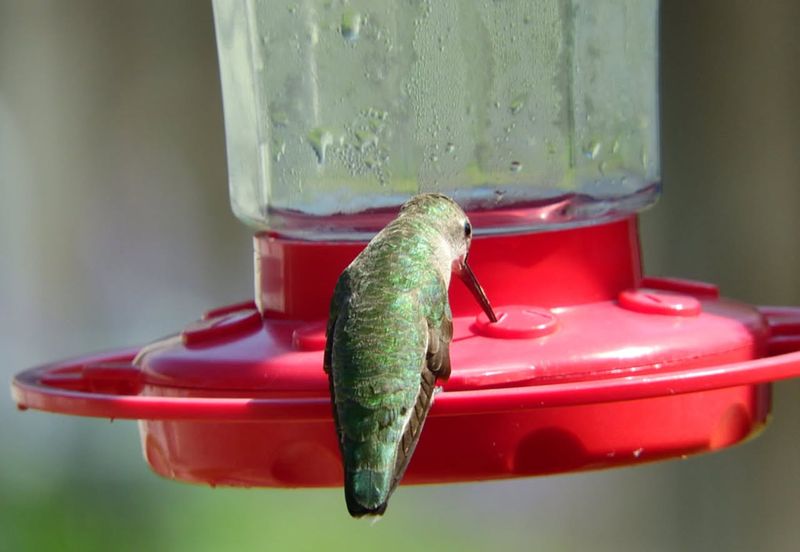
Connecticut’s hummingbird calendar is longer than most backyard watchers assume. The first ruby-throats usually reach the state in the last half of April, with scouts sometimes showing up earlier along the shoreline.
Hanging a feeder around April 15 gives those early arrivals something to find. They’re often exhausted and looking for anything sweet.
Summer brings the busy stretch, roughly June through August, when nesting females and territorial males squabble over ports. Activity peaks in late August as young birds join the crowd.
Your Connecticut Garden Changes Every Week. Your Plan Should Too.
Gardening in Connecticut changes quickly throughout the season. Every Friday you’ll receive a simple weekly plan showing exactly what to plant, prune, fertilize, harvest, and protect so you never miss the right timing.
Then comes the drop-off that fools everyone. By mid-September, the porch feels empty and it’s tempting to call it a wrap.
Hold on. Northern migrants keep trickling through Connecticut into early and mid-October most years.
A reasonable target is to leave at least one feeder up until two full weeks pass with no visitors at all. For much of the state, that lands somewhere in late October.
Some backyard hosts in Fairfield and New Haven counties push into early November. Milder coastal air and later frosts stretch the window a bit longer there.
Occasionally something unusual wanders in. Rufous hummingbirds, western birds that sometimes drift east, have turned up in Connecticut yards during November and even December.
Those visitors are rare treats for anyone patient enough to keep the nectar flowing. Most seasons you’ll just see a few late ruby-throats and then quiet.
Either way, the extra month of hosting asks very little of you.
The Early Takedown Mistake Nearly Everyone Makes
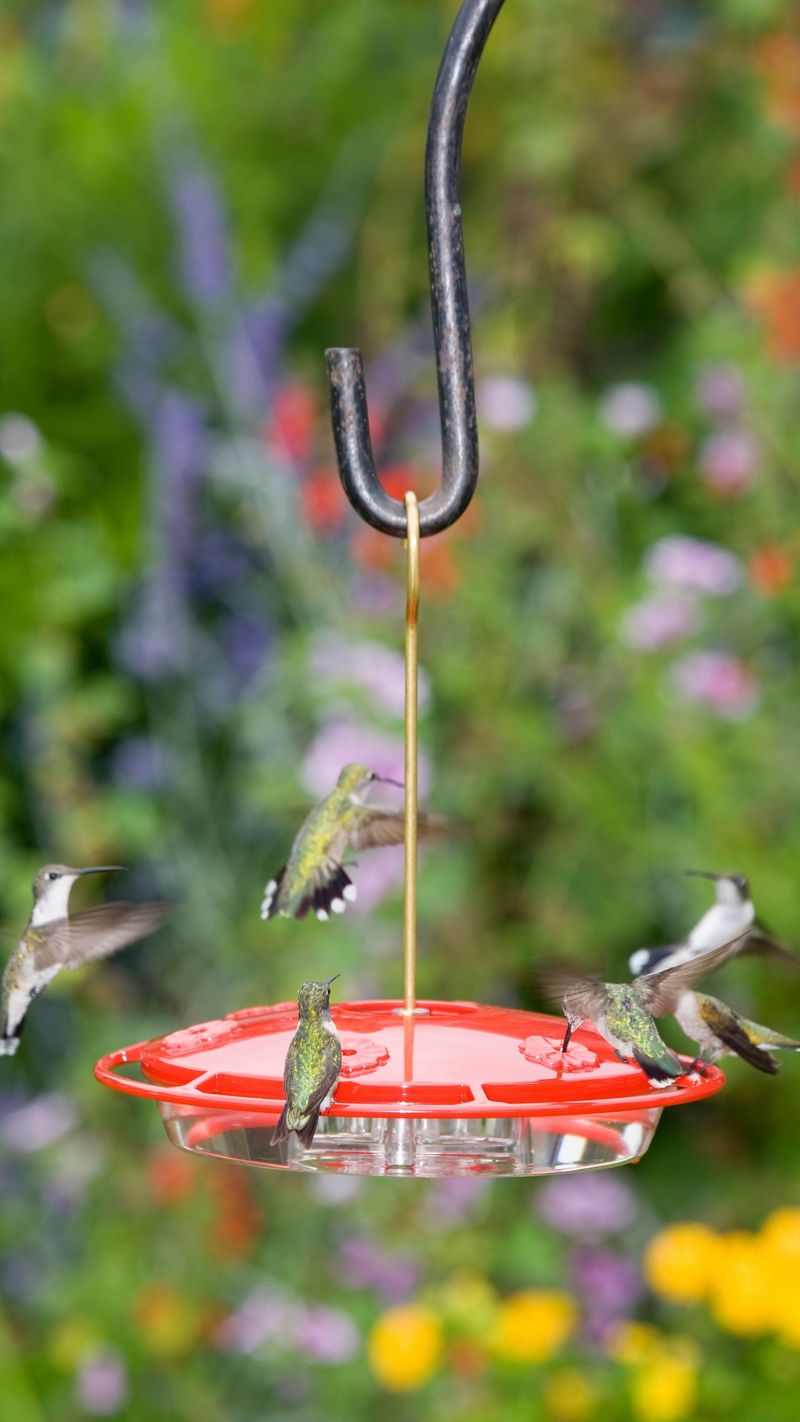
Labor Day weekend seems to flip a mental switch. The pool cover goes on, the patio furniture gets stacked, and the hummingbird feeder joins the pile.
Timing like that is understandable but early. Peak southbound movement through southern New England often runs from late August straight into the first week of October.
The old worry behind early takedown is that feeders trap birds here into cold weather. Researchers have looked at this closely and found little evidence to support it.
Hummingbirds leave when their bodies tell them to leave. A full feeder is a rest stop, not a roadblock.
Another common slip is pulling the feeder after a few empty days. Migration comes in waves tied to weather fronts, so quiet stretches are normal.
A cold snap with north winds can push a fresh group through overnight. If your feeder came down Tuesday, those birds arrive Wednesday to nothing.
Some people also stop refreshing the nectar in September while leaving the feeder hanging. Cloudy, spoiled sugar water is worse than no feeder at all.
Fall temperatures do help. Cooler air means nectar stays fresh a bit longer, so a change every four or five days usually works once nights turn chilly.
The fix is refreshingly simple. Leave one feeder up, keep it clean, and let the calendar decide instead of the holiday weekend.
Cold Weather Care And Nectar That Stays Drinkable
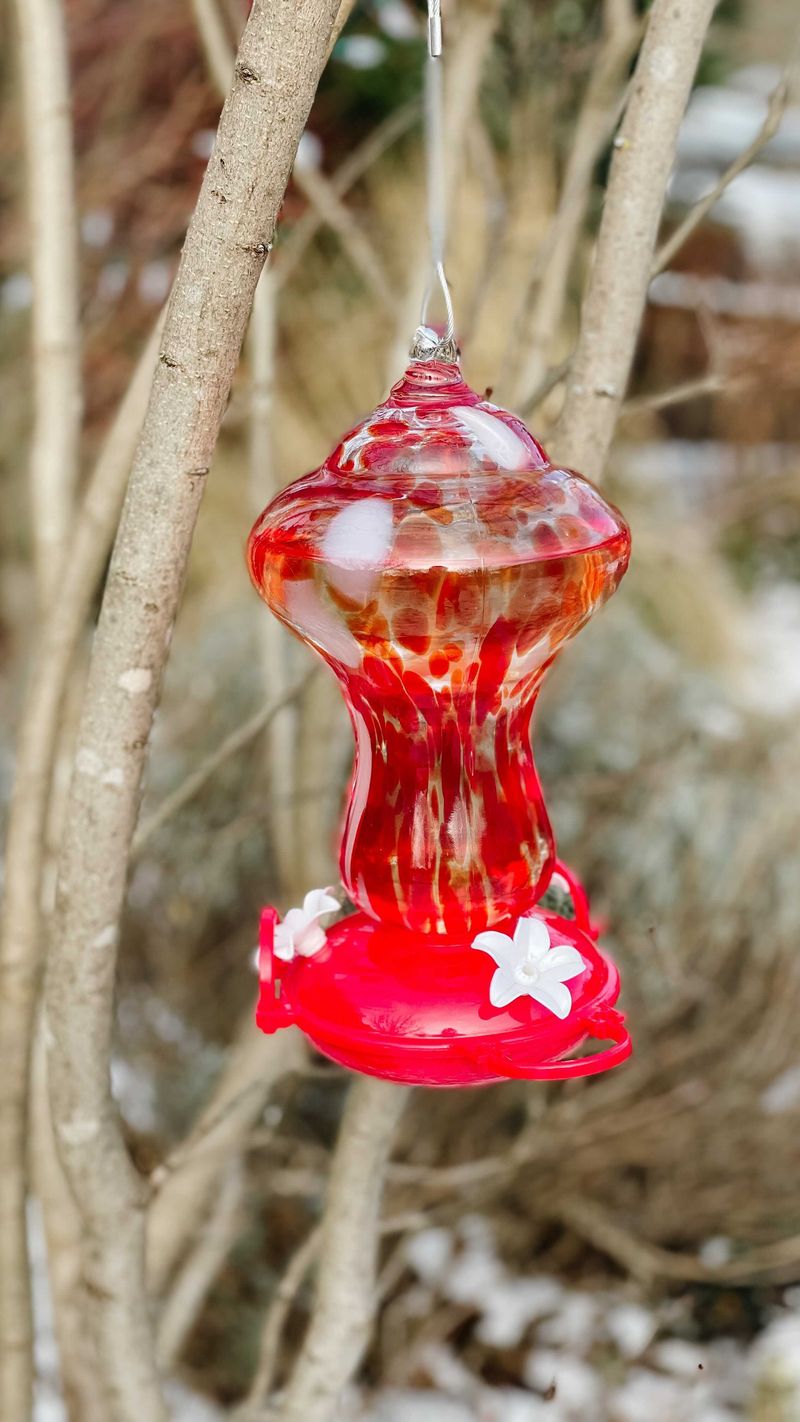
October mornings in Connecticut can dip into the thirties, and that changes the job a little. Standard nectar, four parts water to one part plain white sugar, starts to slush somewhere around 27 degrees.
Anyone worried about it can relax a little: hummingbirds tolerate cold far better than their size suggests. They drop into a deep sleep called torpor overnight, then wake hungry at first light.
Your goal is simply to have liquid ready at dawn. Bringing the feeder inside at bedtime and rehanging it before sunrise handles most chilly nights.
Hanging the feeder under a porch roof or against a south-facing wall buys a few degrees of protection. Wrapping the bottle with a small towel or foam sleeve helps too.
Skip the temptation to add extra sugar as antifreeze. Stronger mixtures can dehydrate the birds and strain their systems, and don’t match natural flower nectar.
Also leave out red dye, honey, and brown sugar. Dye offers nothing useful, honey grows harmful mold, and unrefined sugars contain iron that hummingbirds handle poorly.
Cleaning stays important even in cool weather. Rinse with hot water, scrub the ports with a small brush, and avoid soap residue that lingers in crevices.
A weak vinegar soak works well for stubborn film. Rinse thoroughly afterward and let everything air out.
Small habits like these turn a decorative feeder into genuine support. The birds notice the difference, and honestly, so will you when one shows up on a frosty morning.
Rewards Of Hosting Through The Quiet Weeks
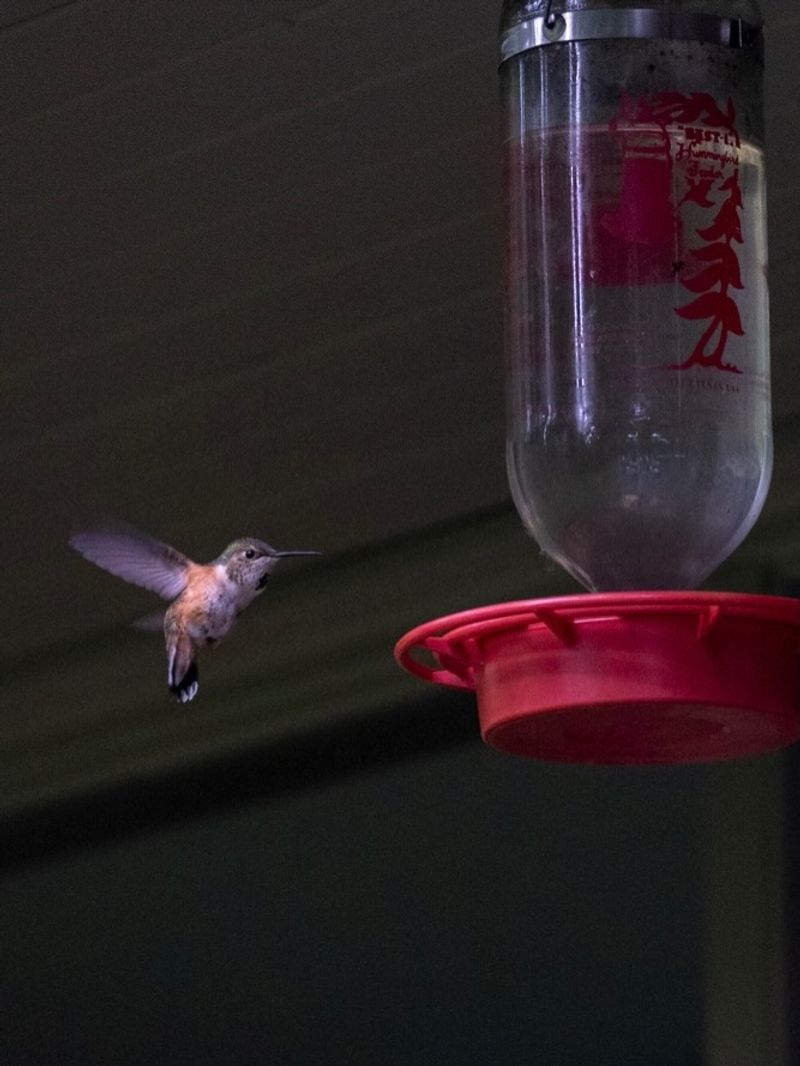
Ask any longtime Connecticut backyard watcher about their best sighting, and there’s a decent chance it happened in November. That’s when the odd ones show up.
Rufous hummingbirds breed in the Pacific Northwest and Alaska, yet a small number drift east each fall. Records from Connecticut and neighboring states show them lingering at feeders well past the ruby-throats.
These western wanderers are surprisingly hardy, handling temperatures that would send most people indoors. A feeder kept clean and thawed gives them a fighting chance.
Even without a rare visitor, late-season hosting has its own charm. The yard is quieter, the light turns golden, and a single hummingbird against bare branches is a striking sight.
Fall birds also behave differently. Young ruby-throats making their first trip south tend to be less territorial and more focused on eating.
You may watch three or four share ports without the usual aerial arguments. Summer regulars rarely allow that kind of peace.
There’s a community angle too. Reporting an unusual late sighting to a local birding group or an online database adds real value to what scientists know about shifting migration patterns.
Connecticut Audubon and state birding networks welcome those reports. Your porch becomes a small data point in a much bigger picture.
Mostly though, the reward is personal. Standing at the window with a hot drink while a bird barely heavier than a penny refuels for a trip to Costa Rica puts the morning in perspective.
Backyard Planting And Setup For Next Season
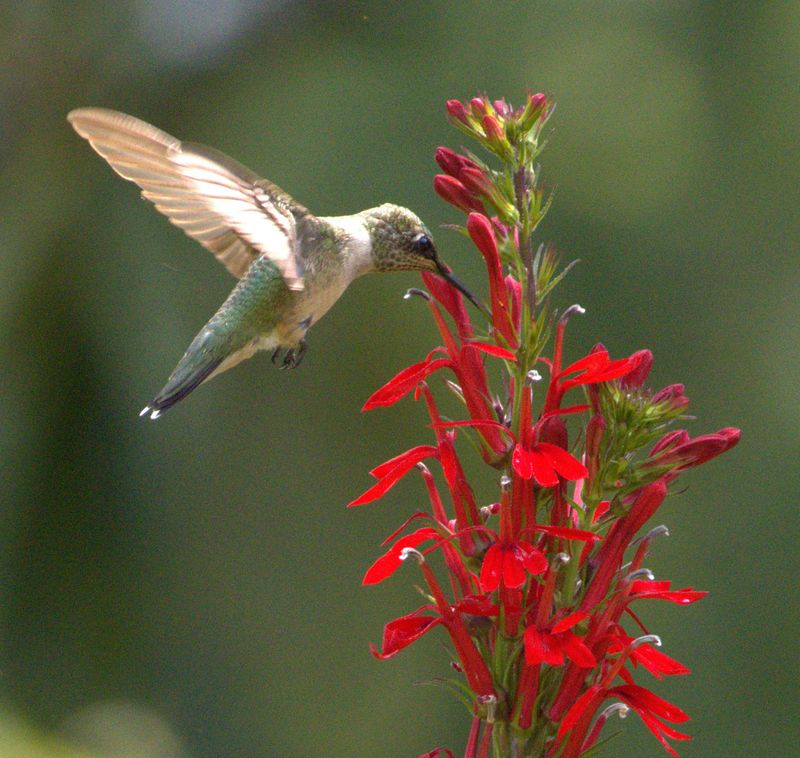
Feeders do good work, but flowers do it better and longer. Pairing the two turns an ordinary yard into a dependable stop on the migration route.
Cardinal flower ranks near the top for Connecticut gardens. Its scarlet spikes bloom from midsummer into September, right when southbound birds need calories.
Jewelweed grows wild along damp edges across the state and blooms late into the season. Leaving a patch alone in a back corner costs nothing and feeds plenty.
Bee balm and trumpet honeysuckle carry the summer menu, while native columbine covers the earlier spring stretch. Tubular flowers in red and orange draw the most attention.
Placement matters as much as plant choice. Hang feeders within sight of a shrub or small tree so birds have a perch to rest and watch from.
Spacing multiple feeders out of view of each other cuts down on squabbling. One bird can’t guard what it can’t see.
A shallow mister or dripping fountain adds another draw, since hummingbirds prefer moving water for bathing over standing birdbaths. They’ll fly through the spray repeatedly on warm days.
Easing up on pesticides helps more than most people realize. Tiny insects and spiders make up a large share of a hummingbird’s diet, especially for nestlings.
Plan the garden in spring, keep the feeder out into late fall, and the cycle takes care of itself. Next April, when a ruby-throat hovers where the feeder hung last year, you’ll know the effort stuck.