Connecticut Perennials That Move Better In September Than In Spring

Early September in Connecticut smells like cut grass, fallen leaves, and damp soil that has finally stopped baking. The beds look tired and a little floppy, and honestly, so do most of us by Labor Day.
A few of the toughest plants in your yard are quietly at their strongest right now. Under the mulch, roots are stretching and storing food while the leaves above act like the season is finished.
Spring hogs all the credit for fresh starts, mostly because garden centers get very loud in May. Autumn handles the same job with less fuss, cooler afternoons, and far fewer wilted regrets.
So before you hang up the shovel and swear off yard chores until Memorial Day, remember that your soil is still warmer than the air. It is also more forgiving than your neighbor’s opinion about your lawn, which is saying something.
1. Peonies Settle In With September Warmth

Longtime Connecticut gardeners tend to agree on one rule with peonies: shift them in fall, not spring. Spring digging interrupts fat buds that are already pushing skyward, and the plant sulks for a season or two.
September works because the roots are busy storing food while top growth slows down. Soil still holds summer warmth, so fresh feeder roots form before the ground stiffens in November.
Start by cutting the stems back to about six inches so you can see what you are working with. Dig a wide circle, roughly eighteen inches out from the crown, and lift the storage root with a spading fork rather than a shovel.
Rinse the soil away so the pink buds, called eyes, become visible. Cut the clump into pieces with three to five eyes each, using a clean knife.
Depth is where most people slip up. Set each eye no more than two inches below the finished soil line, since deep planting is the usual reason a peony makes leaves but skips flowers.
Pick a spot with at least six hours of sun and elbow room, because heavy clay plus crowding invites gray mold on the buds. Water once at planting, then let autumn rain handle the rest.
Well-fed peony roots like this can bloom reliably for decades without needing to be moved again.
2. Bearded Irises Rebound After A September Split

Bearded irises are the divas of the border, and they let you know when they are unhappy by refusing to bloom. Crowded rhizomes are usually the reason, and September is a fine time to sort out the traffic jam.
The rhizome is that thick, knobby stem sitting almost on top of the ground. It stores energy through winter, so you want it fat and firm before any move.
Lift the clump with a fork, shake off the soil, and snap the rhizomes apart where they naturally join. Each piece should carry one fan of leaves and a handful of white roots.
Trim the leaves into a fan about five inches tall so wind cannot rock the plant loose. Discard any pieces that feel spongy or smell sour, since soft rot travels through a bed fast.
Your Connecticut Garden Changes Every Week. Your Plan Should Too.
Gardening in Connecticut changes quickly throughout the season. Every Friday you’ll receive a simple weekly plan showing exactly what to plant, prune, fertilize, harvest, and protect so you never miss the right timing.
Watch for small holes or mushy streaks near the base, a clue that iris borers have been at work. Cutting away damaged tissue and replanting only healthy sections solves most of the trouble.
Plant shallow. The top of each rhizome should show at the surface like the back of a turtle, with roots tucked underneath and fans spaced a foot apart, all facing the same direction.
Skip heavy mulch over the crowns and go light on nitrogen. Bone meal or a low-nitrogen feed keeps growth firm rather than soft and floppy.
By next June, those tidy fans usually hand you more flowers than the tangled old clump ever managed.
3. Daylilies Bulk Up From September Divisions

Few perennials shrug off a shovel like a daylily. Slice a clump in half in September, water it in, and it usually blooms the following July as though nothing unusual happened.
Fall moves beat spring moves for one simple reason: the flower show is finished. In May you would be cutting off the very growth that was about to give you buds.
Begin by trimming the strappy foliage back to about six inches. The clump becomes easier to handle, and the leaves lose less water while roots settle.
Dig around the outside of the plant, then lever it up. Those thick, fleshy roots hold moisture, which explains why daylilies tolerate rough handling so well.
Wash off enough soil to see individual fans of leaves. Pry the clump into chunks of two or three fans, using two forks back to back for stubborn older growth.
Replant at the same depth, with the crown about an inch under the soil. Firm the soil gently, water well, and add a couple inches of shredded leaf mulch once the ground cools.
Connecticut roadsides overflow with the orange ditch lily, an old import that creeps by root, which is why gardeners keep it far from tidy borders. Named cultivars behave much more politely in a bed.
One tip earned the hard way: label your divisions. Bare fans look nearly identical in October, and next summer you will want to remember which one was the ruffled yellow.
4. Oriental Poppies Wake Up To September Planting

Oriental poppies pull a disappearing act in July. Leaves yellow, flop, and fade away, leaving a bare patch where those crepe-paper blooms stood in June.
Summer dormancy is exactly why September beats spring here. Late in the season, fresh rosettes of bristly leaves appear, a signal that roots have woken up and are ready to travel.
Spring digging catches the plant mid-bloom with brittle, juicy roots that snap under a shovel. The result is a sulky poppy and a flower season lost.
Push a stake into the ground in June so you can locate the crown months later. Empty poppy ground is easy to plant over by mistake.
Dig deep and wide, since the taproot runs farther down than most people expect. Aim for a foot of depth and keep as much soil clinging to the root as possible.
Any root pieces that break off count as a bonus. Lay them sideways in a pot of gritty mix, cover with an inch of soil, and many will sprout into new plants by spring.
Choose a site with sharp drainage and full sun. Soggy Connecticut winters bother poppies far more than cold does, so a slope or raised bed pays off.
Set the crown right at soil level, water once, then resist fussing. Poppies dislike being handled twice, so choose the permanent spot on the first try.
Come June, those papery orange and salmon petals make the autumn digging feel well worth it.
5. Bleeding Hearts Relocate Well In September Shade

Old-fashioned bleeding heart earns its applause in May and then quietly slips offstage by August. That vanishing habit is a gift for any gardener with a rearranging streak.
Once the foliage yellows and the plant rests, those brittle roots are far less likely to snap during a move. Warm September soil then encourages new root tips well before frost arrives.
Handle the roots gently, because they are thick, juicy, and packed with next spring’s energy. Rough treatment costs you flowers rather than the whole plant.
Push a fork under the clump from several angles and lift straight up. Divisions the size of your fist, each with a visible pink growing point, reestablish quickly.
Plant about two inches deeper than the top of the roots, water once, and cover with chopped leaves. Dappled shade, morning sun, and steady moisture mirror the woodland conditions this plant prefers.
Tag the location with a short stake in June, before the leaves vanish. Otherwise you will spear the crown while tucking in fall bulbs, a mistake most of us make exactly once.
Fringed bleeding heart, a native relative, keeps its blue-green foliage all season and accepts the same September treatment. It also blooms on and off until frost in a shady Connecticut border.
Give the new home protection from harsh afternoon sun and foot traffic. Under a high-limbed maple or along a north-facing foundation, these plants often outlast the gardener who set them there.
6. Siberian Irises Root Fast In September Beds

A mature Siberian iris clump can stop a spade cold. The roots knit into a dense mat, and after eight or ten years the middle often thins while the outer edges keep blooming.
September lands in the sweet spot for this kind of surgery. Bloom season ended in June, the grassy leaves still show you where everything sits, and roots grow eagerly in warm soil.
Water the clump the day before so it lifts with less argument. Then cut a circle around it with a sharp spade and rock the mass free.
Chop the clump into wedges using a pruning saw, an old bread knife, or the edge of your spade. Pieces about the size of a grapefruit, with six to ten fans, recover fastest.
Trim leaves to roughly eight inches and keep the roots damp the entire time. Drying out is the one thing these irises truly resent, so park divisions in a bucket of water or wrap them in wet burlap.
Replant with the crown an inch below the surface in soil that holds moisture. Rain gardens, pond edges, and the low corners of Connecticut yards suit them beautifully.
Water deeply once a week through October unless the sky takes over. Roots keep growing until soil temperatures slide toward forty degrees.
Bonus for crafters: the seed pods dry into handsome brown lanterns, so save a few stems for an indoor arrangement while you work.
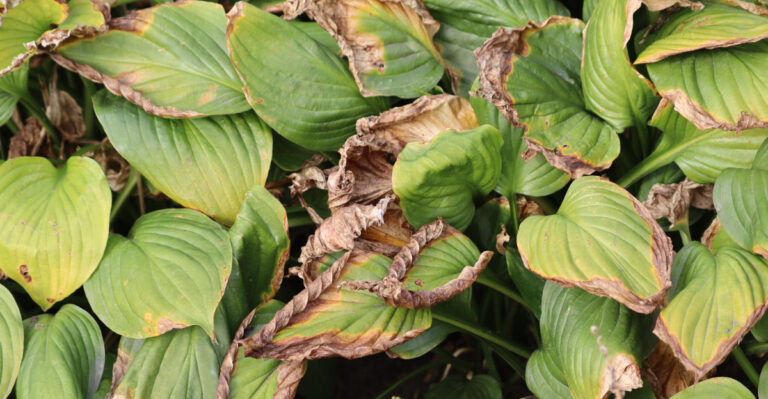
7. Hostas Recover Quickly From September Digging

Hostas are the workhorses of shady Connecticut yards, and they accept division at nearly any time. Even so, September delivers the smoothest recovery and the least drama.
Cool nights and shorter days mean less water escaping through those broad leaves. Divisions made in spring often wilt for weeks while the roots scramble to catch up.
Cut the foliage back by half before digging if the leaves are big. The plant has finished feeding for the year, so nothing important is lost.
Slide a spade straight down beside the crown to shave off a wedge, or lift the entire plant and cut it into sections with three to five buds each. A serrated bread knife handles thick crowns with ease.
Replant at the original depth, since burying the crown invites rot. Water thoroughly, then mulch after the ground cools so frost cannot heave the new roots loose.
Slugs adore tender fall growth and the damp weather that comes with it. Raking away soggy debris and scattering iron phosphate bait keeps the fresh leaves looking sharp.
Collectors sometimes swear by the two-fork trick, prying a clump apart instead of slicing it. Easier on the roots, harder on your back.
By next May, those divisions push up tight cones of new leaves, and by July the shovel marks are long gone. Blue varieties keep their frosty coating best with morning sun only.
8. Garden Phlox Shifts Easily In September Soil

By late summer, tall garden phlox often looks rough: powdery white lower leaves, floppy stems, and a woody, unproductive center. That decline is the plant asking politely for a September reset.
Crowded clumps trap humid air, and Connecticut Augusts supply humidity by the bucket. Dividing thins the stems and improves airflow, which goes a long way toward keeping mildew in check.
Cut the stems to about eight inches so you can actually see the crown. Then dig the clump, shake it loose, and pull the outer sections away from the tired middle.
Keep the vigorous edge pieces with pale roots and firm buds, and compost the woody core. Three to five shoots per division is plenty of plant.
Space the new divisions about two feet apart so leaves dry quickly after morning dew. Full sun and rich soil produce the sturdiest stems and the largest flower heads.
Water at ground level instead of over the top, and clear fallen leaves in October so spores have fewer hiding places over winter.
Do not let volunteer seedlings fool you. Phlox babies rarely match the parent color and tend to revert to a washed-out magenta that elbows aside the fancy cultivar you paid for.
Divide every three or four years and your reward is late-July fragrance drifting across the yard, plus hummingbirds and swallowtails treating the border like a favorite diner.