These 8 Fall Garden Chores Wisconsin Gardeners Tackle in September Save Hours of Spring Work
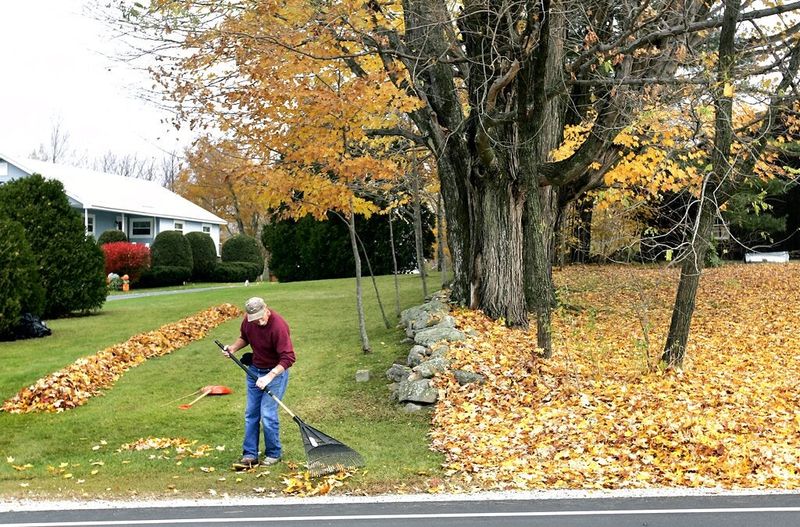
September is the sweet spot for gardeners across Wisconsin, when the air turns crisp and the soil is still warm enough to work. Tackling a few smart chores now means way less scrambling once the snow melts.
From planting bulbs to protecting tender plants, these tasks set your yard up for an easy, colorful spring. Grab your gloves, because the work you do this month pays off big later.
1. Plant Spring-Flowering Bulbs
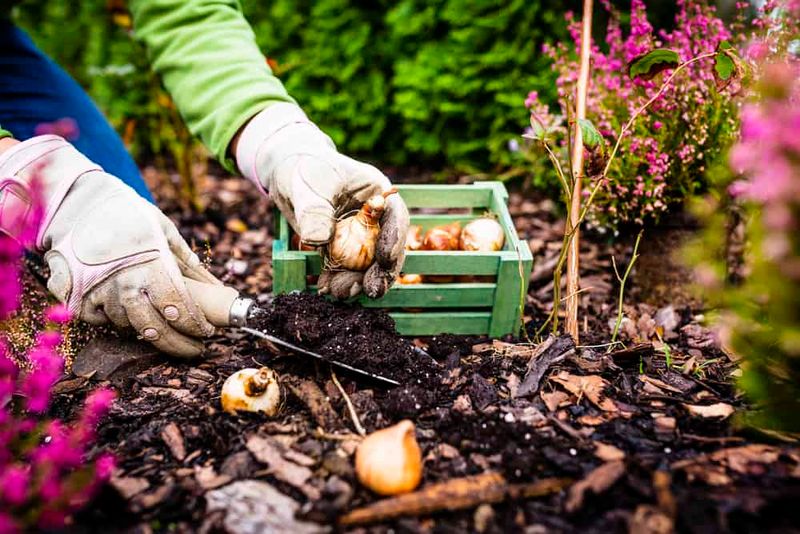
Few things beat the thrill of watching tulips and daffodils pop up while patches of snow still linger in the yard. For Wisconsin gardeners, September through October is prime time to get those bulbs in the ground.
Soil temperatures need to dip to around 50 to 55 degrees so the bulbs can grow roots before everything freezes solid. Plant crocuses, daffodils, tulips, and hyacinths at a depth about three times their height, pointy end up.
Doing this now means you skip the planting rush in spring entirely. Come April, all that effort rewards you with the earliest color of the season, and your busy Wisconsin spring stays wide open for other jobs.
2. Plant New Trees, Shrubs, and Perennials
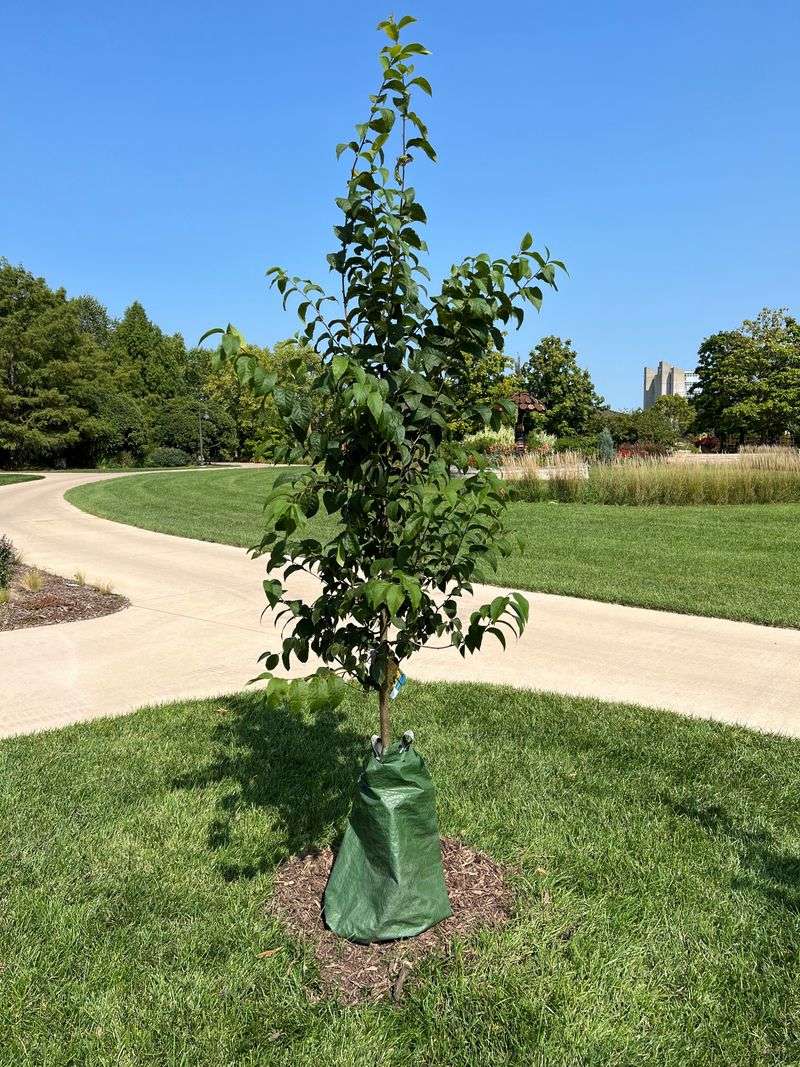
Cooler days and steady autumn rain make September a fantastic window for adding new trees, shrubs, and perennials to your landscape. Roots keep growing underground even after the leaves drop, so plants get a head start.
By planting now, Wisconsin gardeners give roots weeks to spread and anchor before the hard freeze arrives. That means less transplant shock and stronger growth when warm weather returns.
Water new plantings deeply until the ground freezes, and skip the heavy fertilizer for now. A plant settled in this fall will outpace anything you rush into the ground next May, saving you both time and worry.
3. Divide and Replant Perennials
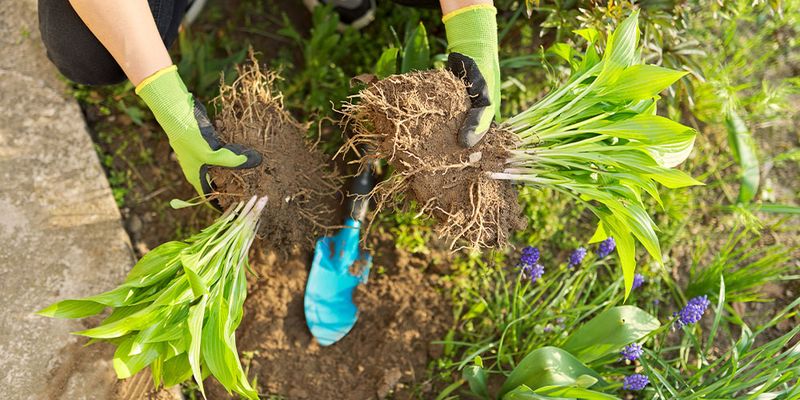
Overcrowded perennials get grumpy, blooming less and crowding each other out. September is the ideal moment to dig them up, split the clumps, and spread the wealth around your beds.
Plants like hostas, daylilies, and coneflowers respond beautifully to division in early fall. In Wisconsin, the divisions have just enough time to settle their roots before winter dormancy sets in.
Sharing extra pieces with neighbors is a bonus, and rejuvenated plants reward you with fuller growth next year. Best of all, you dodge the crowded, time-eating job of dividing everything during the hectic Wisconsin spring.
4. Aerate, Reseed, and Fertilize the Lawn
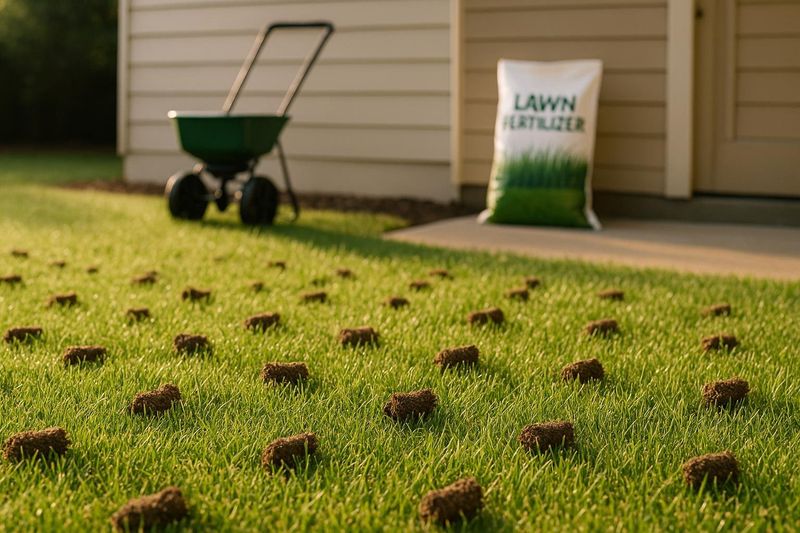
Your lawn does its best growing in the cool weeks of fall, which is why September is the month serious grass-lovers get busy. Aerating pulls out little plugs of soil, letting air, water, and nutrients reach compacted roots.
Follow up by reseeding bare or thin spots, since seed germinates well in Wisconsin’s mild autumn temperatures with fewer weeds competing. Then apply a fall fertilizer higher in potassium to toughen up roots for winter.
All this teamwork builds a thick, deep-rooted lawn that greens up fast next spring. Handling it now means you avoid dragging out the aerator and seed bag during the crowded Wisconsin spring cleanup.
Your Wisconsin Garden Changes Every Week. Your Plan Should Too.
Gardening in Wisconsin changes quickly throughout the season. Every Friday you’ll receive a simple weekly plan showing exactly what to plant, prune, fertilize, harvest, and protect so you never miss the right timing.
5. Clean Up Garden Beds and Compost Debris
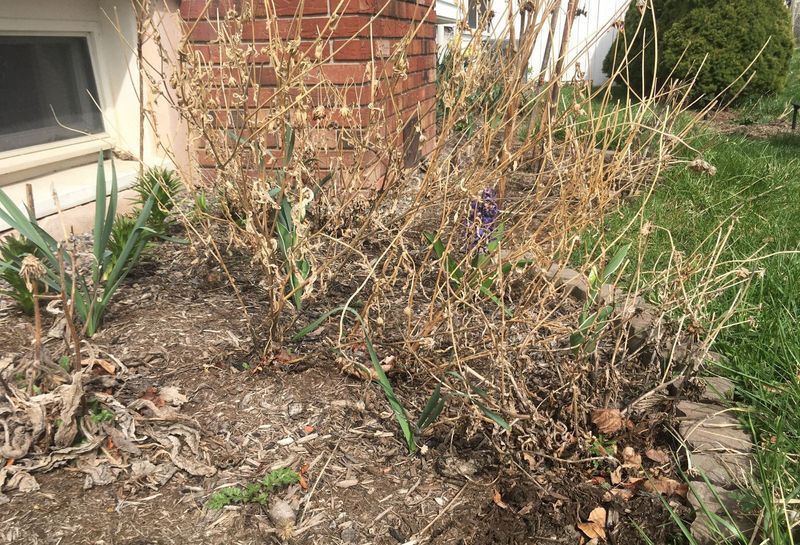
A tidy garden bed in fall is more than just good looks, it’s pest control in action. Pulling out spent annuals, finished vegetable plants, and any diseased foliage removes hiding spots where insects and fungus love to overwinter.
For Wisconsin gardeners, this cleanup slashes the chance of disease flaring up again next season. Toss the healthy plant material onto the compost pile, but keep anything diseased out to avoid spreading trouble.
By spring, that compost breaks down into free, nutrient-rich soil for your beds. Clearing the mess now means you walk into a clean, ready garden instead of facing a soggy tangle of dead plants after the Wisconsin thaw.
6. Amend Garden Soil for Spring
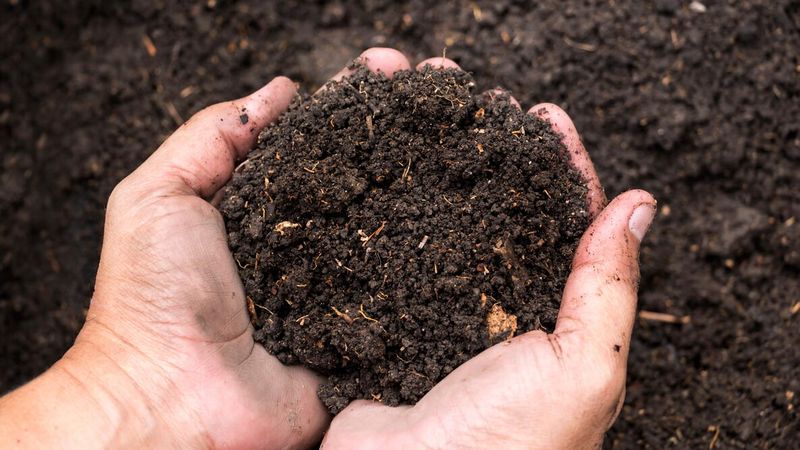
Rich soil is the secret behind every thriving garden, and fall gives it the perfect head start. Working compost or well-rotted manure into your beds in September lets those amendments break down slowly over the winter months.
Throughout Wisconsin, freeze-thaw cycles and earthworms help mix organic matter deeper into the soil naturally. By the time spring arrives, your beds are loose, fertile, and crumbly.
Testing your soil pH now is smart too, since lime or sulfur takes time to adjust the balance. Do this work in autumn and you can plant right away in spring, skipping the messy job of amending cold, wet ground.
7. Apply Winter Mulch and Protect Tender Plants
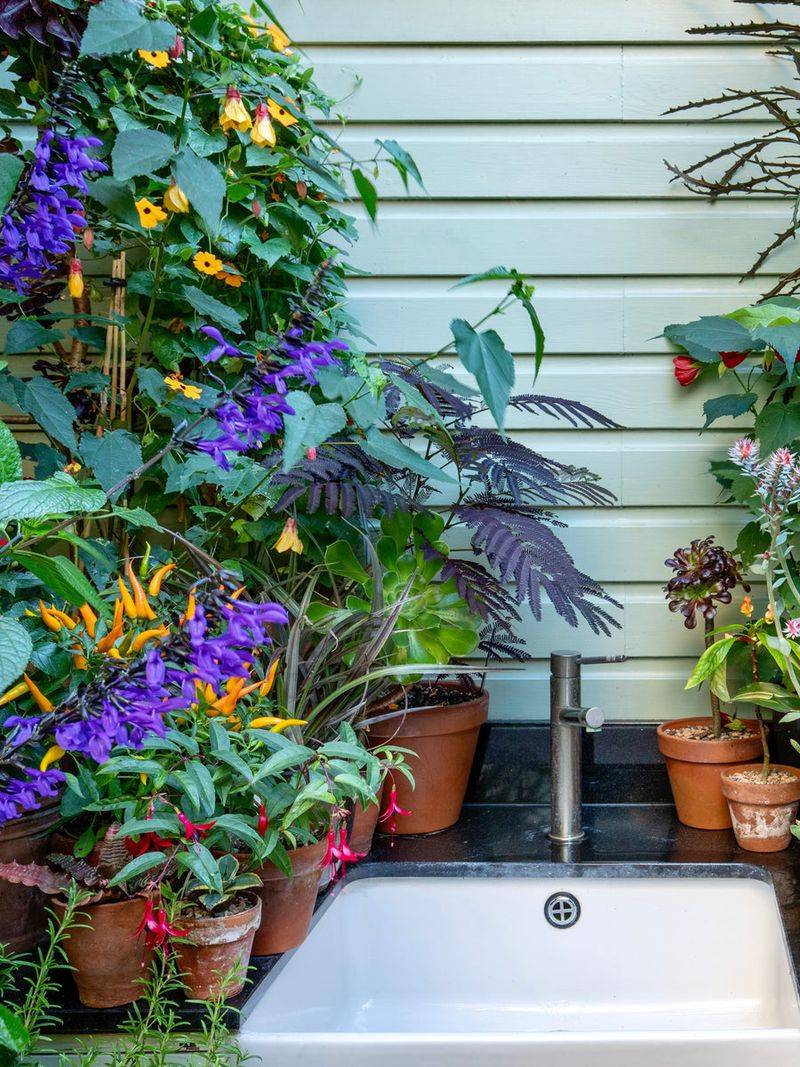
Winter in Wisconsin can be brutal, and a good layer of mulch is like tucking your plants into a warm blanket. Applied after the ground cools or freezes, usually late November, mulch insulates roots and guards against frost heave from repeated freeze-thaw swings.
Straw, shredded leaves, or wood chips all work well around perennials, trees, and shrubs. Before the first hard frost, bring potted houseplants indoors and dig up tender bulbs like gladiolus and dahlias to store in a cool, dry spot.
Saving those non-hardy plants means you won’t be buying replacements next season. A little effort now protects your investment and keeps your Wisconsin garden bouncing back strong when the growing season returns.