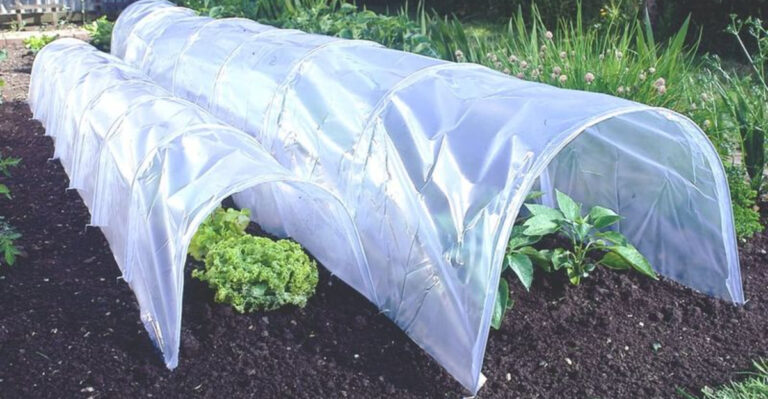
Cover Your Wisconsin Garden Beds With These Winter Cover Crops Before The Ground Freezes
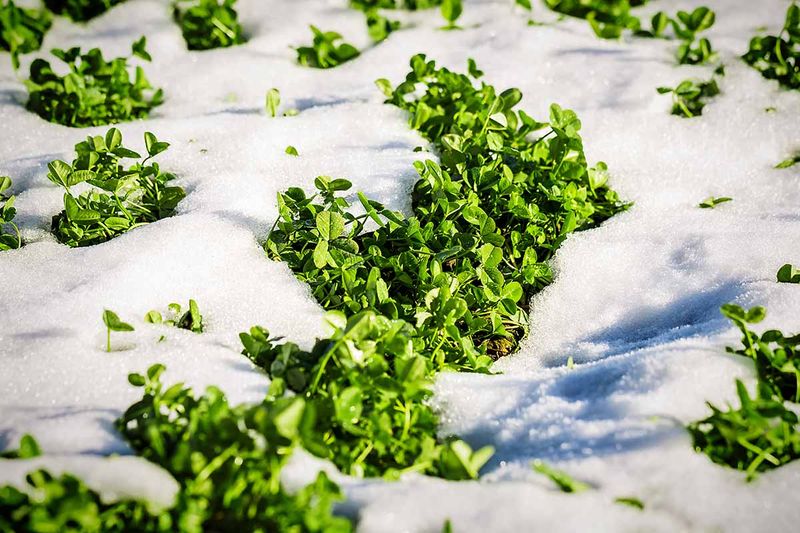
When fall rolls around in Wisconsin, your garden beds do not have to sit bare and lonely all winter. Planting cover crops before the ground freezes protects your soil, feeds it with nutrients, and keeps weeds from taking over.
These hardworking plants are like a warm blanket for your dirt, holding everything in place through cold, windy months. Read on to find seven cover crops that thrive in Wisconsin and give your spring garden a head start.
1. Winter Rye
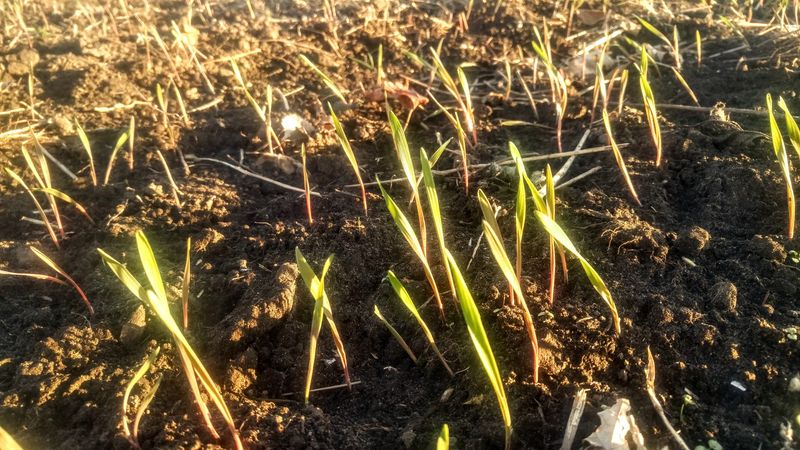
Tough as nails and ready for a fight with the cold, winter rye is the workhorse of Wisconsin cover crops. Plant it in August or September in Wisconsin and it forms a thick green mat before the ground freezes solid.
What sets winter rye apart in Wisconsin is its ability to bounce back fast in early spring, growing quickly the moment the snow melts. That rapid regrowth means it keeps protecting your Wisconsin soil long after most other crops have called it quits.
One thing to remember for Wisconsin gardeners is that winter rye is winter-hardy, so you will need to terminate it by late April before it grows too tall. It works beautifully in Wisconsin beds you plan to fill with summer favorites like tomatoes, peppers, and squash later on.
2. Winter Triticale
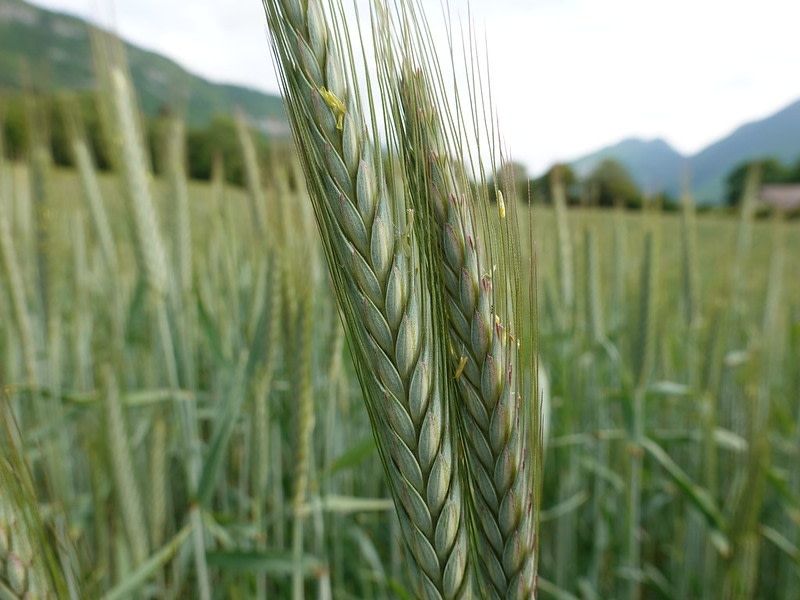
Part wheat, part rye, and all business, winter triticale brings the best of both parents to Wisconsin gardens. Planted in late summer or early fall, it delivers thick fall cover and speedy spring growth across Wisconsin beds.
Gardeners across Wisconsin like triticale because it handles cold weather nearly as well as rye but tends to be a little easier to manage in spring. Its dense roots help hold Wisconsin soil in place during those unpredictable freeze-and-thaw cycles.
Like rye, triticale is winter-hardy in Wisconsin, so plan to terminate it by late April before it gets ahead of you. For anyone wanting reliable protection without too many surprises, triticale is a smart pick for Wisconsin garden beds.
3. Oats
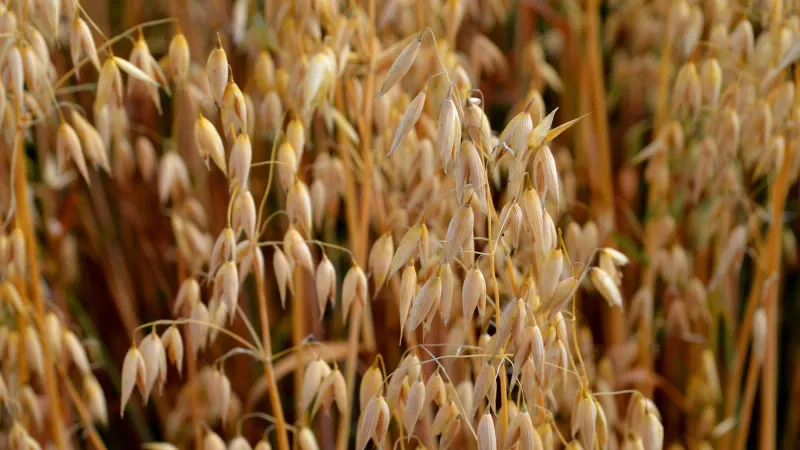
If you like the idea of a cover crop that quietly disappears on its own, oats might become your new best friend. Fast-growing and cheerful, oats shoot up quickly after an early fall planting in Wisconsin.
The magic of oats in Wisconsin is that they winter-kill, meaning a hard freeze knocks them out and leaves a tidy layer of residue behind. That leftover mat keeps Wisconsin soil from eroding through the winter without any spring cleanup headaches.
For Wisconsin gardeners who want to plant early vegetables like lettuce or peas in spring, oats are a perfect choice. Since they die back naturally, your Wisconsin beds are ready to work as soon as the ground thaws.
4. Spring Barley
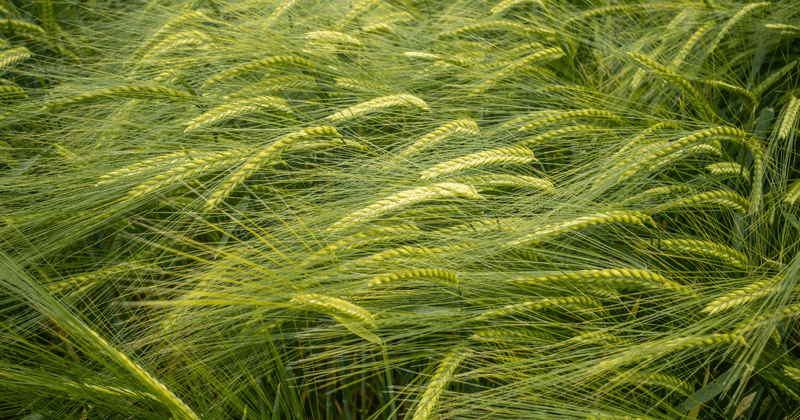
Barley may be famous for beer and bread, but it also pulls its weight as a fall cover crop in Wisconsin. It grows fast and fills in bare beds quickly once planted in late summer.
Much like oats, spring barley keeps growing across Wisconsin until a hard freeze arrives and winter-kills it. The residue it leaves behind blankets Wisconsin soil, guarding against wind and water erosion during the dormant season.
Your Wisconsin Garden Changes Every Week. Your Plan Should Too.
Gardening in Wisconsin changes quickly throughout the season. Every Friday you’ll receive a simple weekly plan showing exactly what to plant, prune, fertilize, harvest, and protect so you never miss the right timing.
Because it dies off on its own, barley is a low-fuss option for Wisconsin gardeners who do not want to deal with heavy spring termination. It also adds organic matter as it breaks down, giving Wisconsin soil a little extra boost for the next planting.
5. Tillage Radish
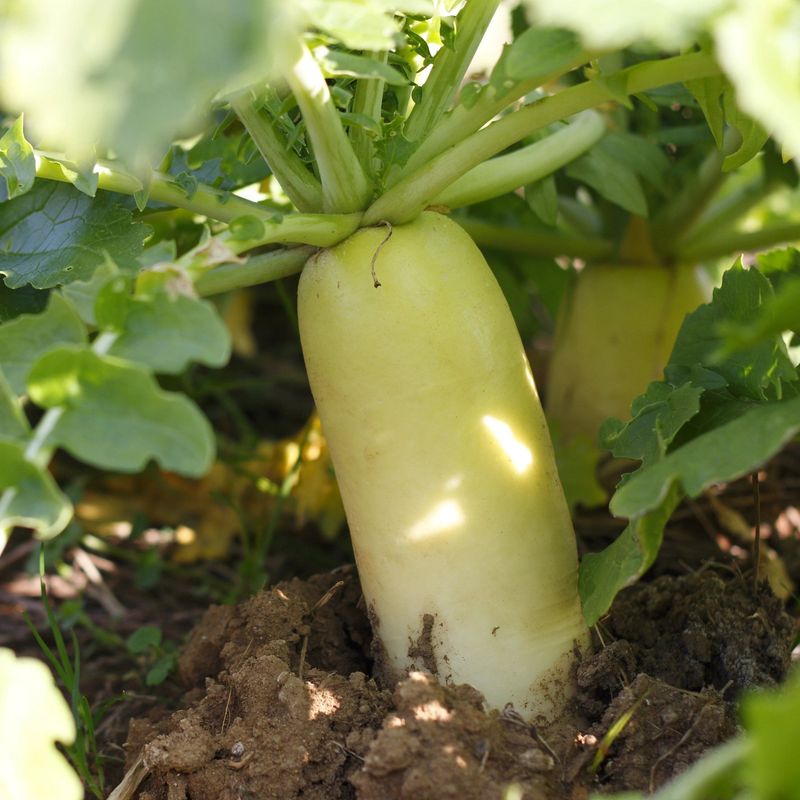
Meet the underground drill of the cover crop world. Tillage radish, along with oilseed and forage types, sends down deep taproots that punch through Wisconsin soil in a hurry.
Those long roots help loosen compacted layers in Wisconsin gardens and pull nutrients up from deep down. When the radishes winter-kill, they leave behind channels that improve water movement through Wisconsin soil come spring.
Fair warning for Wisconsin growers: radishes are speedy but their power to break up serious compaction has limits, so do not expect miracles. Still, tossing radishes into a Wisconsin cover crop mix adds variety and a fun surprise when you spot those chunky roots in the dirt.
6. Crimson Clover
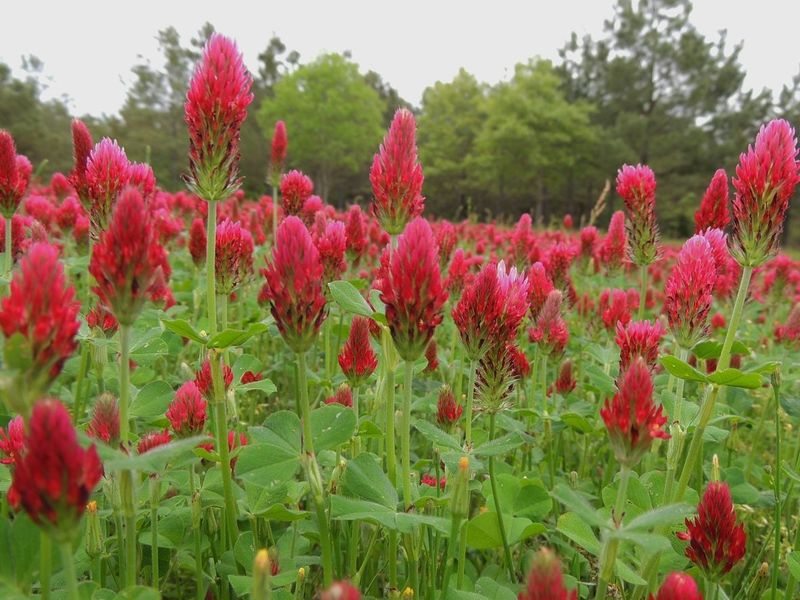
Beautiful and useful, crimson clover brings a splash of color along with a nutrient bonus. As a legume, it pulls nitrogen from the air and stashes it in Wisconsin soil for future plants to enjoy.
Crimson clover often winter-kills in Wisconsin, though it may survive milder Wisconsin winters and surprise you with red blossoms in spring. Either way, it feeds Wisconsin garden beds with natural fertilizer instead of the store-bought kind.
Pollinators in Wisconsin love clover too, so this crop does double duty by supporting bees and beneficial insects. For Wisconsin gardeners hoping to cut back on fertilizer, crimson clover is a friendly and pretty solution.
7. Hairy Vetch
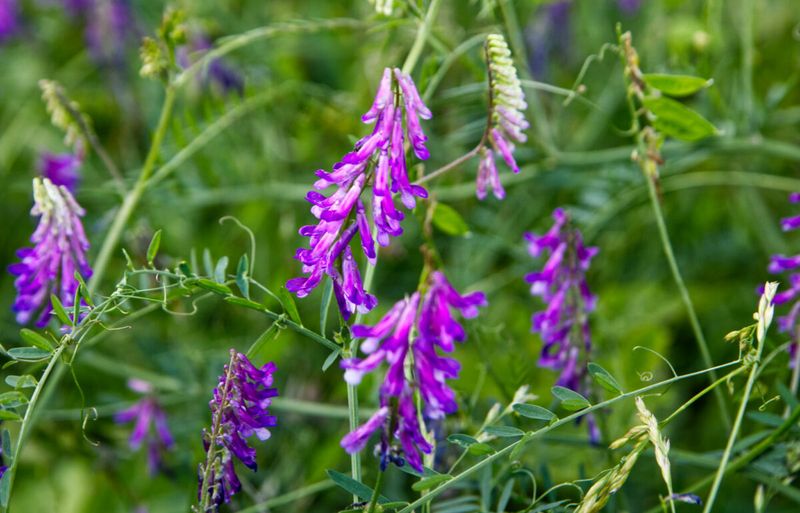
Sprawling, scrappy, and generous with nitrogen, hairy vetch rounds out our list with real staying power. This climbing legume grabs onto whatever is nearby and blankets Wisconsin soil with tangled green growth.
The standout trait of hairy vetch in Wisconsin is its cold tolerance paired with serious nitrogen fixing. It stores that nitrogen in Wisconsin soil, giving your spring vegetables a natural feast to grow strong.
Mixing hairy vetch with a grass like winter rye is a favorite trick among Wisconsin gardeners, since the grass gives the vetch something to climb. Together they deliver a powerful combo of erosion control and fertility for Wisconsin garden beds heading into the new season.