This Texas Ornamental Grass Replaces Tired Summer Annuals And Creates The Most Beautiful Fall Garden
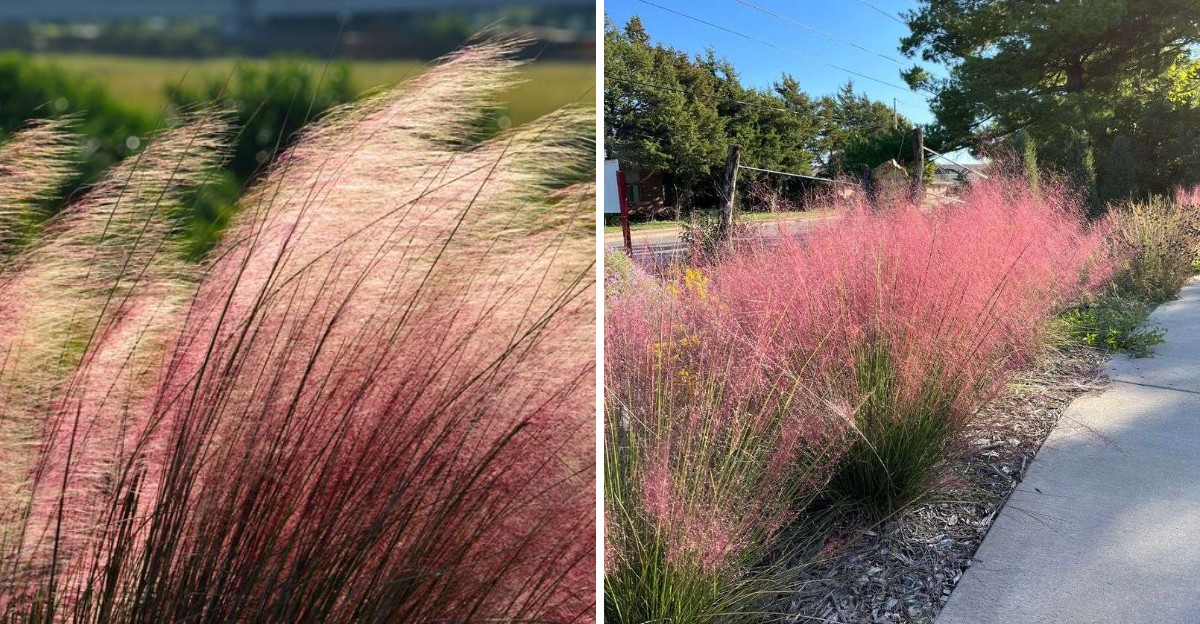
By the time fall approaches in Texas, most summer annuals have given everything they’re going to give.
The heat has had its way with them, the blooms have thinned, and the beds that looked full and colorful in May are starting to feel like something to replace rather than something to tend.
Most homeowners reach for more annuals and start the cycle over. But there’s a better answer for fall, and it doesn’t need to be replaced every season.
One Texas ornamental grass transforms late summer and fall garden beds in a way that annuals simply cannot replicate.
It doesn’t just fill space. It creates movement, texture, and a kind of effortless fall beauty that looks intentional and sophisticated without requiring the maintenance that most high impact plantings demand.
And in Texas, where it handles the heat, the drought, and the transition into fall without missing a beat, it earns every inch of space it occupies.
Plant Pink Muhly Grass For A Fall Garden Transformation
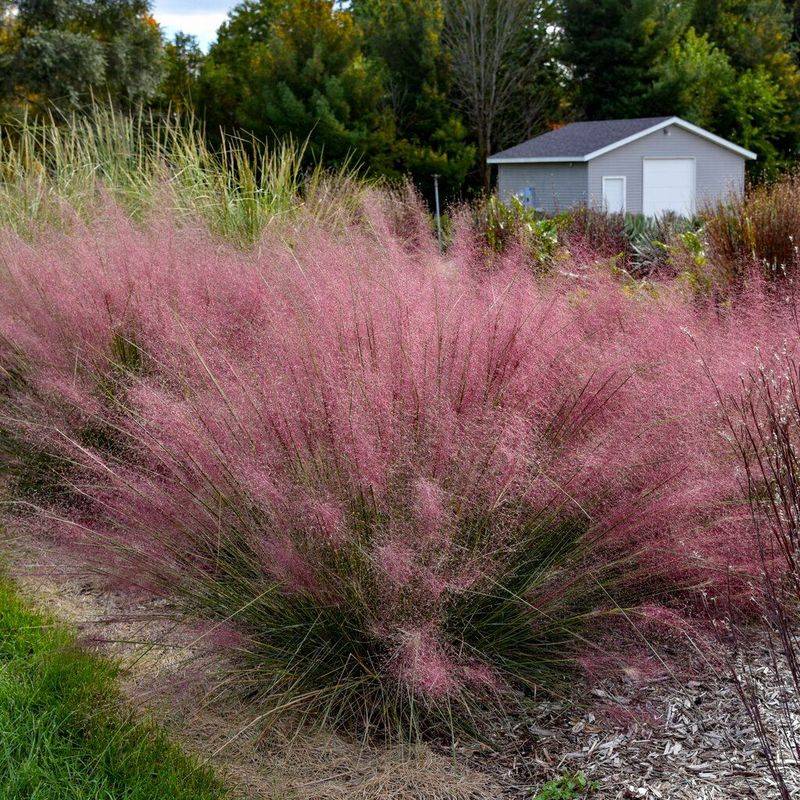
Meet the plant that turns a plain fall yard into something people slow down to look at. Pink muhly grass, known by its scientific name Muhlenbergia capillaris, is a Texas-friendly ornamental grass that puts on a show when summer flowers have long faded.
Native to the southern United States, this grass grows in neat, rounded clumps of thin green blades. During spring and summer, it stays quiet and green, blending into the background. Then autumn arrives, and everything changes.
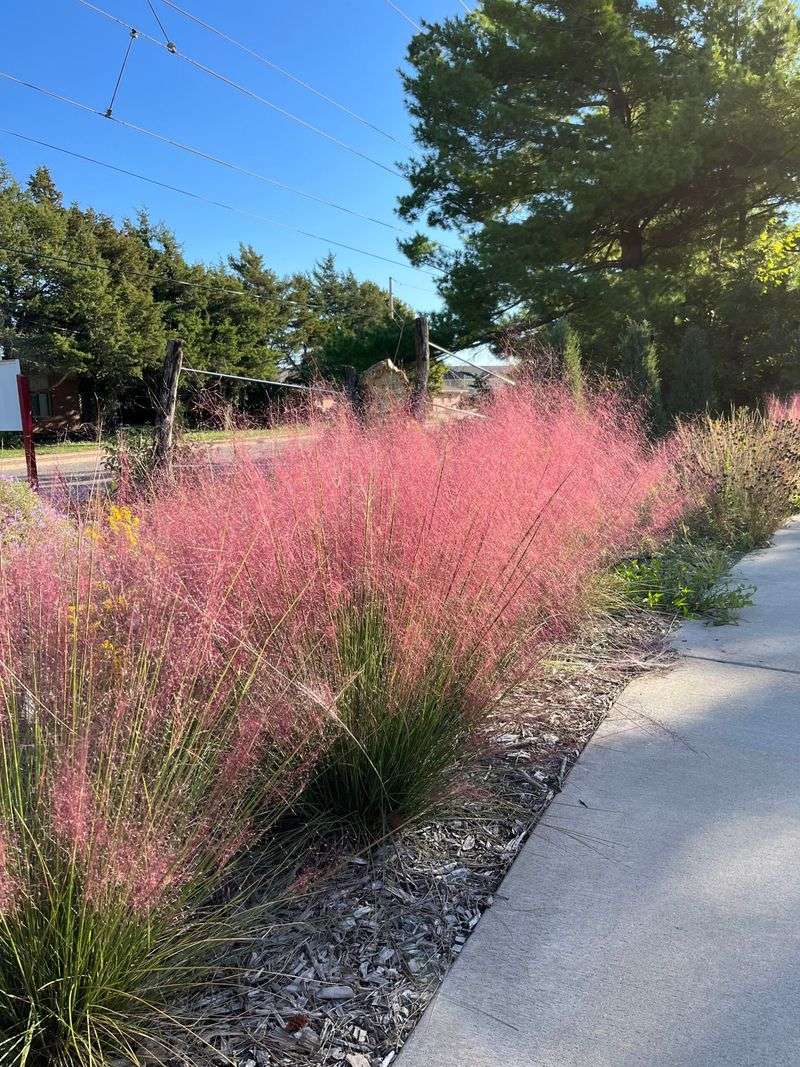
Tall, feathery plumes rise above the leaves in soft shades of pink and purple. From a distance, the plant looks like a pink cloud resting gently on the ground. Sunlight passing through the plumes makes them seem to glow.
What makes this grass so smart for Texas gardeners is timing. Just as marigolds, petunias, and other annuals give up in the heat, muhly grass steps forward with its best color. You get fresh beauty exactly when your garden needs it most.
Planting it is easy too. You can tuck it into an empty spot where tired flowers once grew and let it fill the space with texture and movement. A light breeze sets the plumes swaying, adding life to your yard.
Because it is native, it already knows how to handle Texas weather. Hot days, dry spells, and clay soil do not scare this plant.
Once you plant pink muhly grass, you gain a low-effort way to enjoy a bright, cheerful garden well into the cooler months of the year.
Why Muhly Grass Shines When Summer Annuals Fade
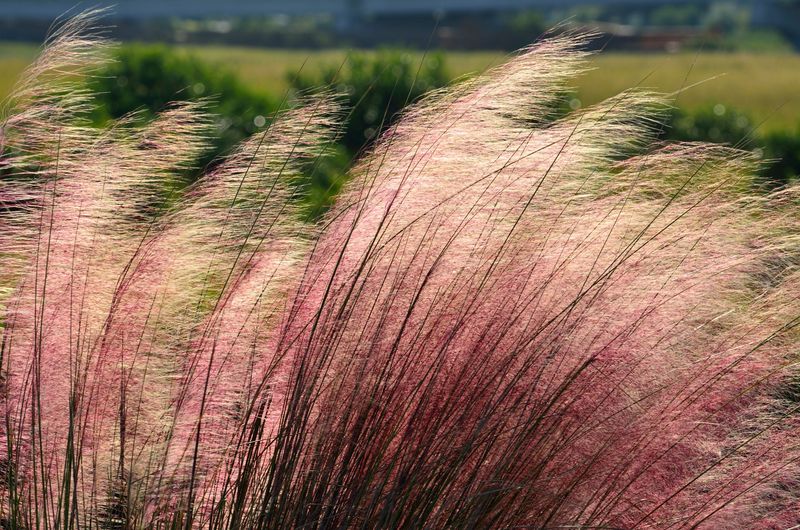
Picture your flower beds in late September. The zinnias look leggy, the impatiens have flopped, and the whole yard feels tired. Right at that moment, muhly grass wakes up and steals the spotlight.
Its soft pink flower plumes appear in early to mid fall, usually around September and October. These airy tufts seem to float above the plant, catching every bit of light. When the morning sun hits them, the whole clump appears to shimmer.
Your Texas Garden Changes Every Week. Your Plan Should Too.
Gardening in Texas changes quickly throughout the season. Every Friday you’ll receive a simple weekly plan showing exactly what to plant, prune, fertilize, harvest, and protect so you never miss the right timing.
Most summer annuals bloom hard and then wear out by the time cooler weather arrives. Muhly grass does the opposite.
It saves its energy all summer and spends it on a big finish, giving you fresh color when nearly everything else has stopped blooming.
The plumes also add something many gardens lack in fall, which is texture. Instead of flat green leaves, you get a fluffy, cloud-like shape that moves in the wind. This movement brings a sense of calm and life to the space.
Color-wise, the pink stands out against browns, golds, and reds of the season. It pairs perfectly with pumpkins, mums, and autumn decorations near your porch or walkway.
Even better, the show lasts for weeks. The plumes hold their color for a good stretch before fading to a soft tan, which still looks pretty in the garden.
By choosing this grass, you extend your garden’s beauty long past the summer rush. It fills the gap that annuals leave behind and keeps your yard interesting when your neighbors’ gardens have gone quiet and dull.
Give Muhly Grass The Right Growing Conditions
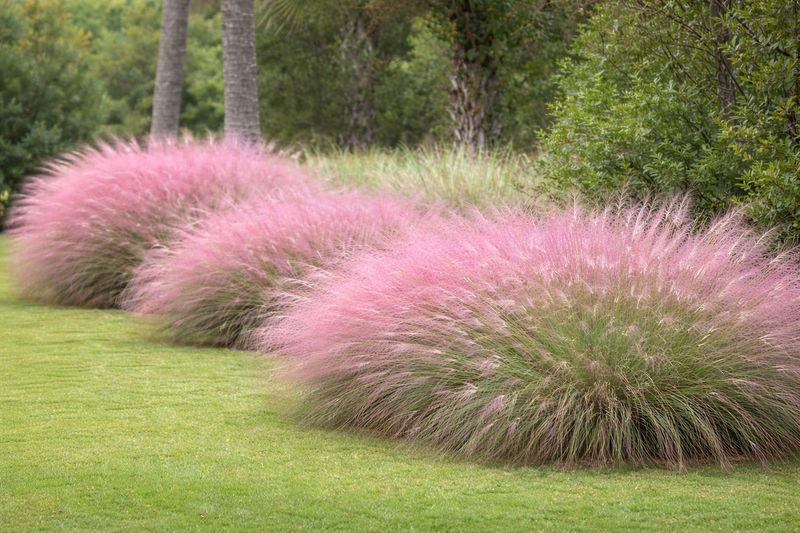
Want those dreamy pink plumes to show up strong? It all starts with giving the plant the conditions it loves.
Muhly grass is not picky, but a few simple choices make a big difference in how full and colorful it becomes.
Sunshine comes first. This grass wants full sun, which means at least six hours of direct light each day.
In a bright, open spot, it grows dense and produces its signature airy display. Too much shade, and the plumes turn sparse and weak.
Soil matters next. Well-drained ground is key because muhly grass does not like sitting in soggy conditions.
Sandy or rocky soil works great, and even Texas clay is fine as long as water drains away instead of pooling around the roots.
Spacing plays a bigger role than many people expect. Give each plant room to spread, usually two to three feet apart.
When clumps have space, air moves freely between them, and each one shows off its full round shape. Crowded plants compete and look messy.
When planting, dig a hole about the same depth as the root ball and set the grass in gently. Fill it back with soil and press lightly so the roots make good contact with the ground.
Water it regularly during the first few weeks so the roots settle in. After that, it needs far less attention.
Fall or spring is the best time to plant, giving the roots time to grow before harsh weather. Get these basics right, and you set your muhly grass up for a beautiful, healthy future.
Why Texas Gardeners Love Its Low-Maintenance Growth
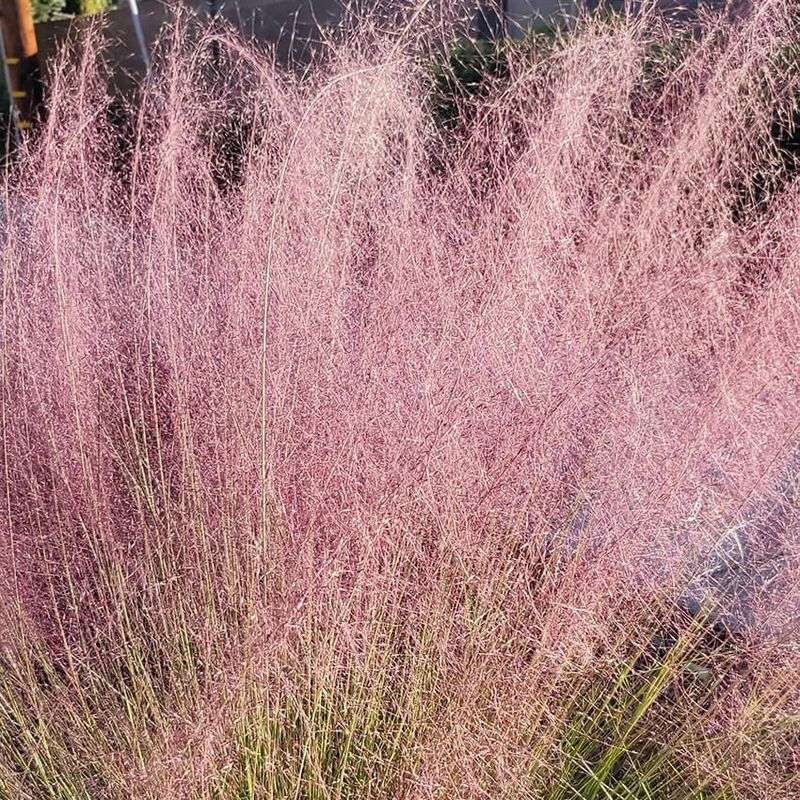
If you have ever felt tired of replanting flowers every single spring, this grass will feel like a gift. Texas gardeners adore muhly grass because it does so much on its own, asking for almost nothing in return.
Heat is no problem for this plant. While tender annuals wilt in July and August, muhly grass stands tall and stays green through the hottest stretches.
It was born for the southern climate and handles blazing afternoons without complaint. Water needs drop way down once the plant settles in. During its first season, it appreciates regular watering.
After that, it becomes drought resistant and can go long dry spells without extra help. That saves you time, money, and worry during water restrictions.
Here is the part gardeners love most. Muhly grass is a perennial, which means it comes back year after year.
You plant it once, and it returns each season with fresh growth and new plumes. No annual trips to the garden center for replacements.
It also skips the drama that many plants bring. Pests rarely bother it, and diseases are uncommon.
You will not spend weekends spraying or fussing over sick leaves. Fertilizer is barely needed either. In fact, too much can make the grass floppy. A lean, simple approach keeps it sturdy and happy.
For busy families, beginners, or anyone who wants a beautiful yard without endless chores, this plant is a dream come true. It proves that a stunning garden does not require constant labor. Plant it, enjoy it, and let nature handle most of the work for you.
How To Use Muhly Grass In Texas Landscapes
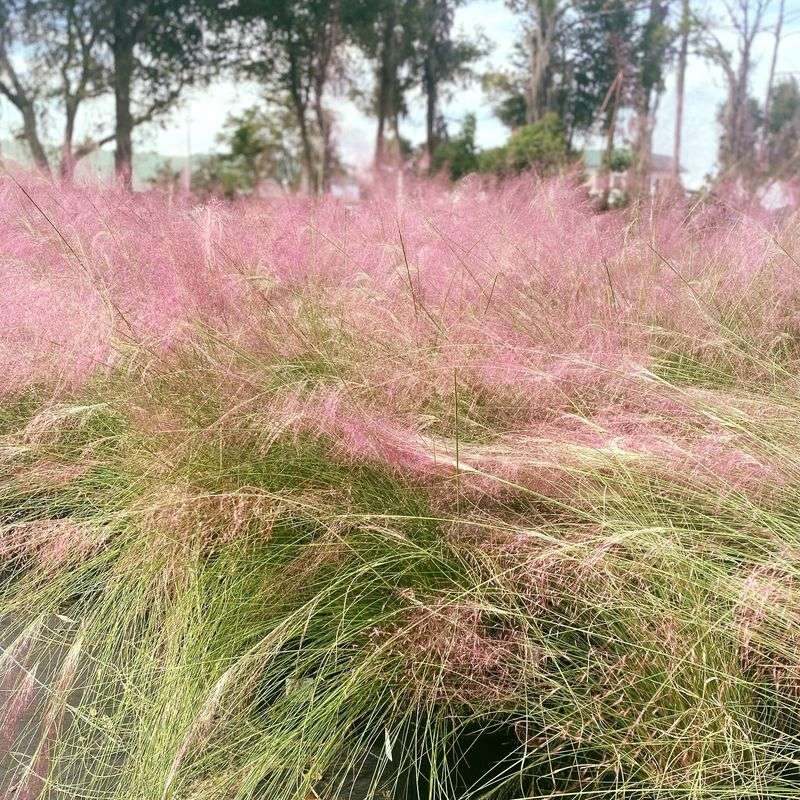
One of the best things about muhly grass is how many ways you can use it. This flexible plant fits into almost any spot, and a little planning makes it look like it belongs there naturally.
Borders are a classic choice. Line a walkway or driveway with a row of muhly grass, and in fall you get a soft pink edge that guides the eye. The repeating shapes create a tidy, professional look.
Entryways also come alive with this grass. A few clumps near your front door or mailbox greet visitors with color and movement. It makes a welcoming first impression without any extra effort.
Native and wildflower gardens love this plant too. Because it grows naturally in the region, it blends beautifully with other Texas natives like black-eyed Susans, coneflowers, and salvia. Together they support birds and pollinators.
Mixed plantings offer another fun option. Pair muhly grass with other drought-tolerant plants such as yucca, lantana, or agave.
The contrast between spiky, bold shapes and soft, feathery plumes creates a garden full of interest.
Mass plantings make the biggest statement. Group several clumps together in a large bed, and the fall bloom becomes a sweeping pink wave. This works wonderfully in front yards or open spaces where you want a wow effect.
You can even grow it in large containers on a patio, letting the plumes soften hard corners and add texture.
Wherever you place it, muhly grass brings a natural, relaxed beauty. Think about your goals, pick your spots, and let this grass tie your whole landscape together.
Keep Muhly Grass Looking Beautiful Through The Seasons
Keeping muhly grass gorgeous does not take much, but a few smart habits keep it looking its best all year long. The good news is that most of the care happens just once a season.
Pruning matters most. In late winter or very early spring, cut the whole clump back to a few inches above the ground.
This clears away the old growth and makes room for fresh green blades. A pair of sharp shears or hedge trimmers does the job quickly.
Timing that cut is important. Wait until late winter so the plant can provide structure and interest during the cold months.
The tan plumes and standing blades look lovely with frost and give birds a place to shelter.
Watering deserves a light touch. Once established, muhly grass prefers dry feet over wet ones.
Overwatering can lead to weak, floppy growth and unhappy roots. Let the soil dry out between waterings, and only give extra during long droughts.
Skip the heavy fertilizer. A single light feeding in spring is plenty, and often you can skip it entirely.
Too many nutrients cause the plant to grow tall and flop over instead of standing proud. Watch spacing over time too. As clumps grow, they may need dividing every few years.
Simply dig one up in spring, split it into pieces, and replant them for more grass around your yard.
Let the plant rest through winter without fuss. Its faded plumes add quiet beauty to the cold-weather garden.
Follow these easy steps, and your muhly grass will reward you with stunning color season after season for many years.