The Fall Transplanting Mistake That Stresses Oregon Plants
Moving plants in fall can be a smart way to give them a fresh start, but one wrong step can leave them struggling long after the transplant is finished.
Oregon’s cooler weather and seasonal rains create good conditions for many plants to settle in, yet timing and technique still matter.
The biggest mistake is treating every plant the same when it comes to transplanting. Some need extra root protection, some should be moved before conditions become too wet, and others may be better left in place until a different season.
Rushing the process or skipping preparation can put unnecessary stress on roots that are trying to adjust.
Before you dig up a shrub, perennial, or small tree, it helps to know what your plant needs and how to make the move as gentle as possible. A careful transplant now can help your garden bounce back with stronger growth later.
1. Digging Before Preparing The New Spot
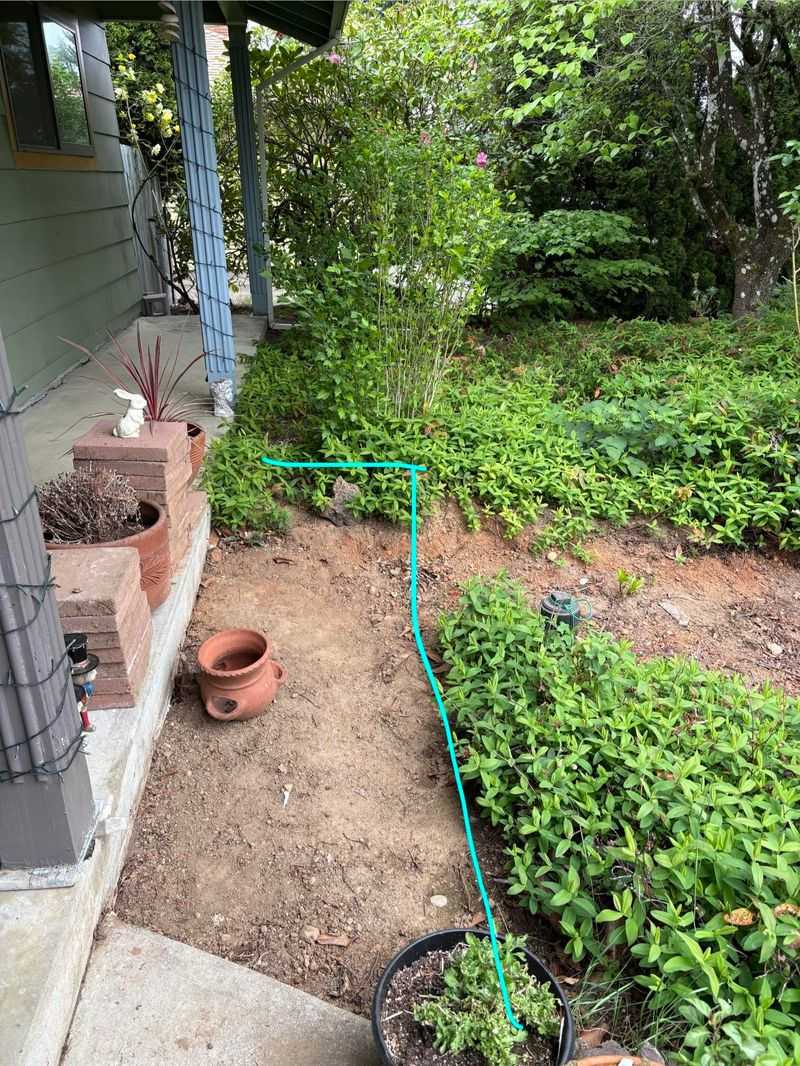
Rushing to lift a plant before its new home is ready is one of the easiest ways to cause harm.When roots come out of the ground, they need to go right back in soon.
The trouble starts when you dig up a plant and then realize the new hole isn’t ready.Roots sit exposed while you scramble to prepare the spot.Every extra minute adds stress.
Prep the new location first.Dig a hole about twice as wide as the root ball but only as deep.Loosen the surrounding soil so young roots can spread easily.
Check the soil in the new spot too.Oregon soils range from heavy clay to sandy loam.Mixing in a little compost helps roots settle faster.
Have your tools, water, and mulch nearby before you touch the plant.A ready workspace means the move happens quickly and smoothly.
Once the hole is set, then dig up your plant.Try to keep as much soil around the roots as you can.That soil protects the tiny root hairs that feed the plant.
Working in this order keeps the plant out of the ground for the shortest time possible.Less exposure means less shock and a faster recovery.
Planning ahead feels slow, but it saves your plant real trouble.A little patience up front pays off with a healthier plant next spring.
2. Leaving Roots Exposed Too Long
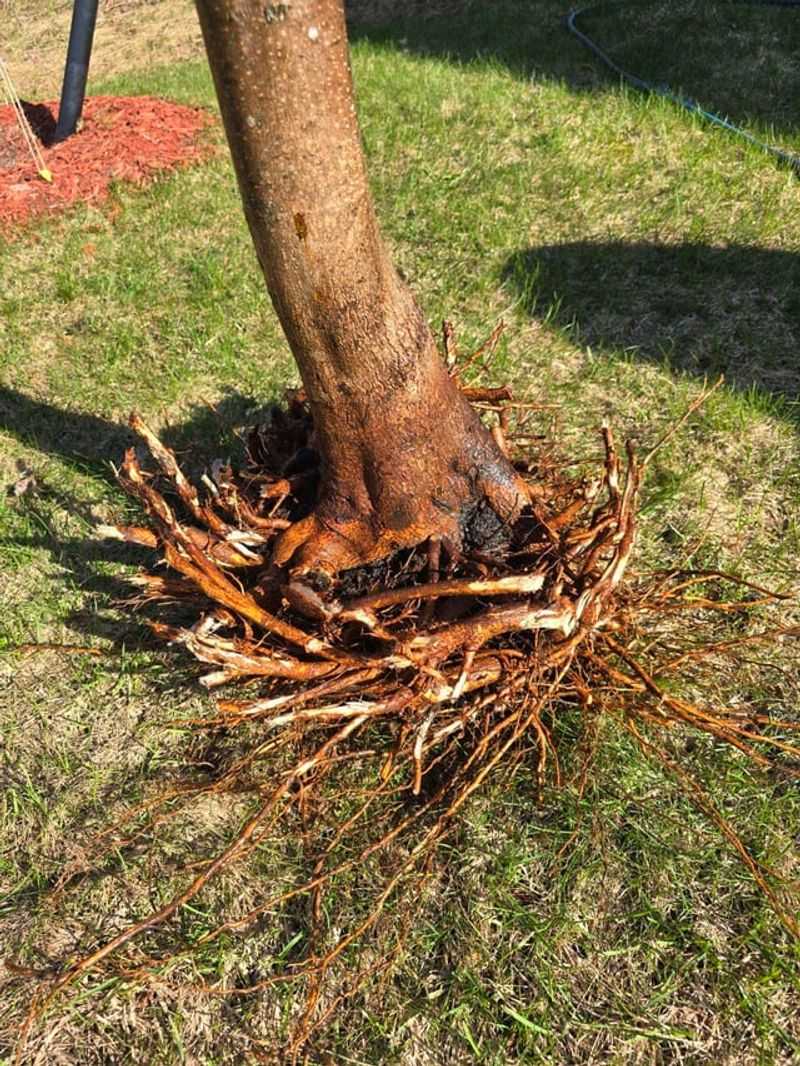
Roots are surprisingly delicate, and air is not their friend.Left uncovered, they dry out fast and lose the fine hairs that soak up water.
Picture pulling a plant, then stopping to answer a phone call or grab a snack.Those few minutes can leave roots crispy and weak.The plant pays for the delay later.
Speed matters most here.Move the plant from the old spot to the new one as quickly as you can.The shorter the trip, the better.
If you can’t plant right away, protect the roots.Wrap them in a damp cloth or cover them with wet burlap.A bucket of water works for short waits.
Your Oregon Garden Changes Every Week. Your Plan Should Too.
Gardening in Oregon changes quickly throughout the season. Every Friday you’ll receive a simple weekly plan showing exactly what to plant, prune, fertilize, harvest, and protect so you never miss the right timing.
Shade helps too.Set the plant out of direct sun and wind while you finish digging.Oregon’s fall breezes can dry roots faster than you’d expect.
Keep a spray bottle or watering can handy.A quick misting keeps roots moist during the move.Damp roots stay alive and ready to grow.
Never leave a bare-root plant sitting overnight.If you must pause a big project, heel the roots into loose soil temporarily.This buys you time without harm.
Treating roots gently during those in-between moments makes a huge difference.The plant will thank you with strong new growth once winter passes.
3. Breaking Apart The Root Ball Too Aggressively
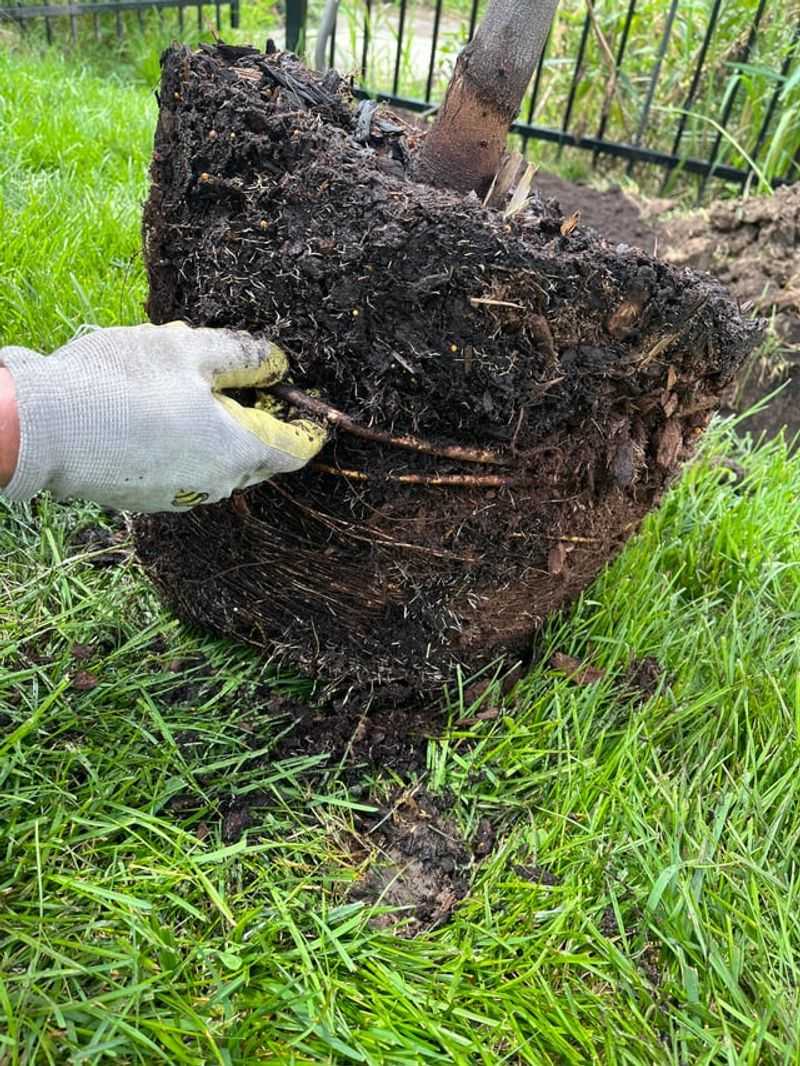
There’s a myth that you should tear roots apart to help them spread.In truth, rough handling can shock a plant badly.
Some gardeners yank and rip at the root ball, thinking they’re helping.Instead, they snap important roots and leave the plant weak.The damage shows up weeks later.
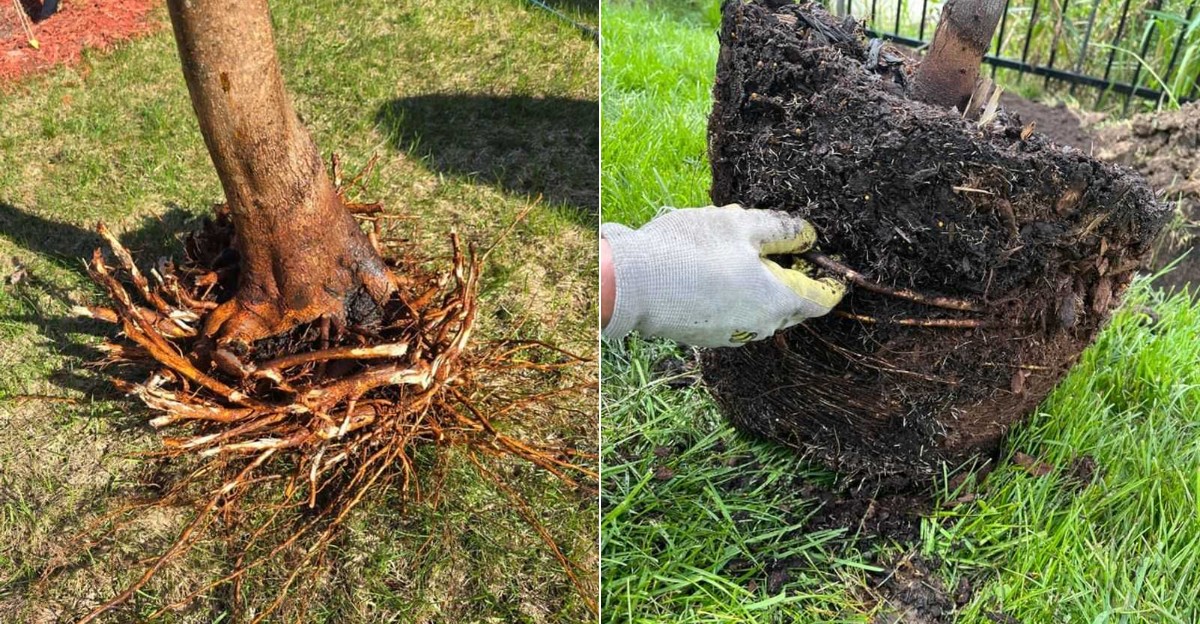
A gentle touch works better.If roots circle around a pot-bound plant, loosen the outer edges with your fingers.You only need to free them slightly.
For plants dug straight from the ground, leave the root ball mostly whole.That clump of soil holds tiny feeder roots that keep the plant fed.Keep it intact when you can.
Use clean, sharp tools if you must trim.A quick, clean cut heals faster than a torn, ragged one.Dull tools crush roots instead of slicing them.
Watch for tightly wound roots at the bottom.You can tease these apart carefully so they grow outward.Just avoid pulling with force.
Think of it like untangling hair, not ripping through knots.Slow, patient work protects the root system.The plant settles in with far less stress.
Handling roots kindly helps them reach into new soil quickly.That means better water uptake and stronger growth heading into the cold months.A calm approach really does win here.
4. Planting At The Wrong Depth
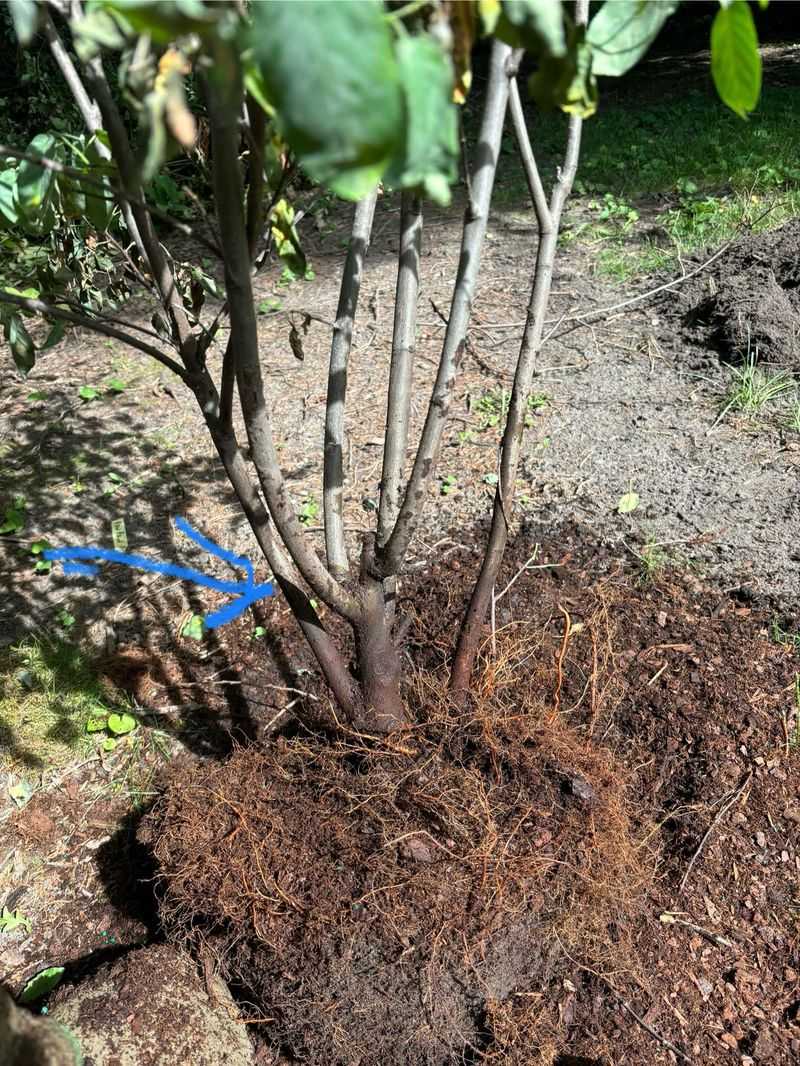
Depth might seem like a small detail, but it can make or break a transplant.Set a plant too deep or too shallow, and it struggles from day one.
Burying a plant too low is a common trap.Soil piled against the stem traps moisture and invites rot.The plant slowly weakens.
Planting too high causes the opposite problem.Roots sit exposed and dry out quickly.Neither extreme gives the plant a fair start.
Aim to place the plant at the same depth it grew before.Look for the root flare, where the stem widens near the roots.That flare should sit right at soil level.
Before backfilling, set the plant in the hole and check the height.Lay a stick across the hole as a guide.Adjust the soil beneath until it looks right.
Oregon’s wet winters make depth even more important.Plants sitting too low can drown in soggy clay soil.Good drainage starts with proper placement.
Fill the hole gently and firm the soil with your hands.Avoid stomping it down hard, which squeezes out air roots need.Loose but stable soil is the goal.
Taking a moment to check depth saves you headaches later.A plant set at the right level roots faster and grows stronger through the seasons ahead.
5. Skipping Water After Moving Plants
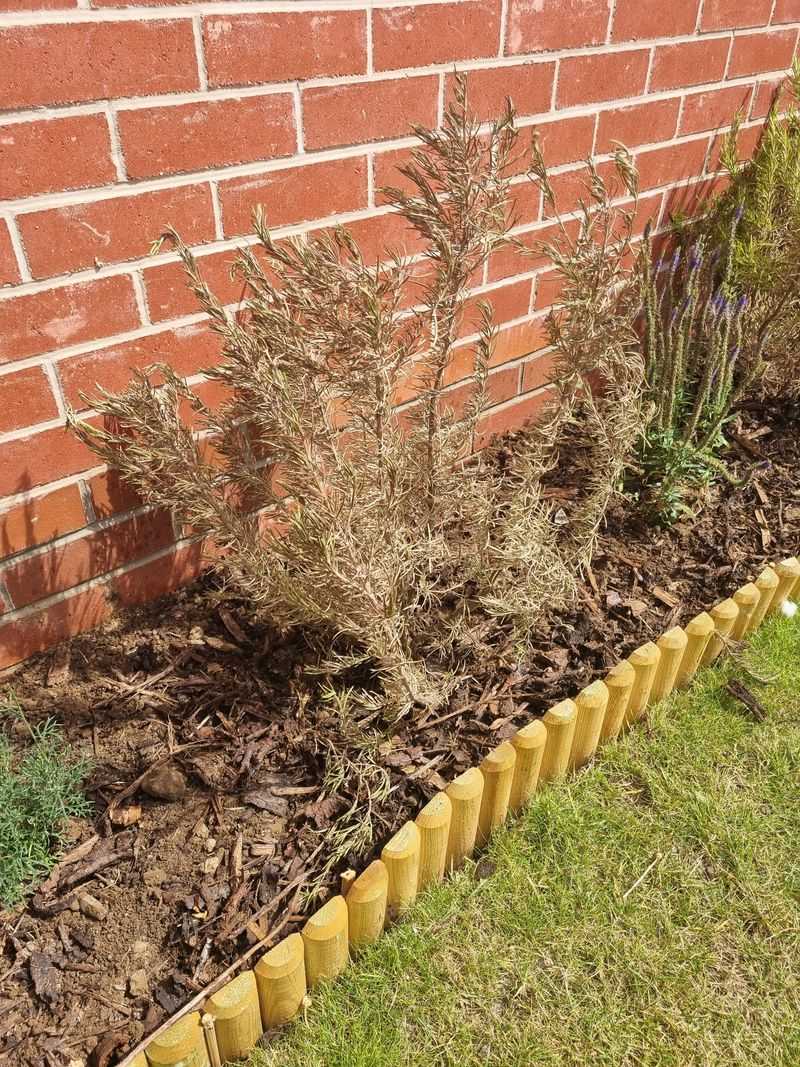
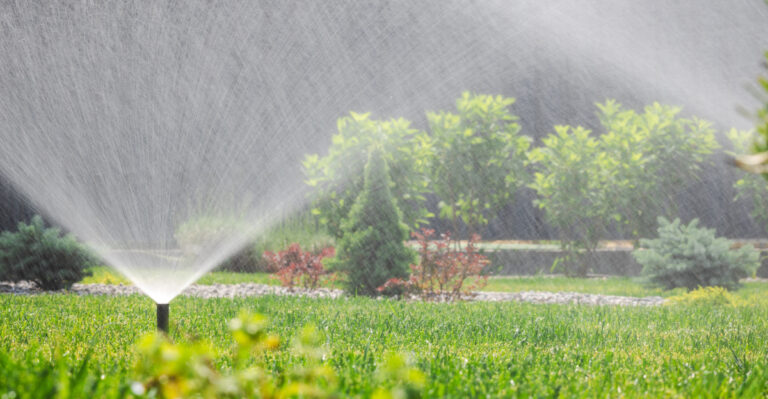
Fall rain in Oregon tempts many gardeners to skip watering.That’s a mistake newly moved plants can’t easily recover from.
Freshly transplanted roots need moisture to settle into their new home.Even on a cloudy, damp day, the soil around the roots may stay dry.A good soak makes all the difference.
Water helps in two ways.It removes air pockets around the roots and keeps the plant hydrated during a stressful time.Both matter for survival.
Give the plant a deep drink right after planting.Let the water sink down to the full root depth.A slow trickle works better than a quick splash.
Keep an eye on the soil over the following weeks.If the top few inches feel dry, water again.Don’t rely on rain alone during early fall.
Adding mulch on top locks in moisture.A two- to three-inch layer keeps roots evenly damp and cool.Just keep mulch away from the stem.
Avoid soaking the plant so much that water pools.Soggy soil starves roots of air.Aim for moist, not swampy.
As real rains arrive, you can ease back on watering.The plant will need less help once it’s established.Steady moisture in those first weeks sets up strong roots for the wet season ahead.
6. Moving Plants During The Wrong Weather
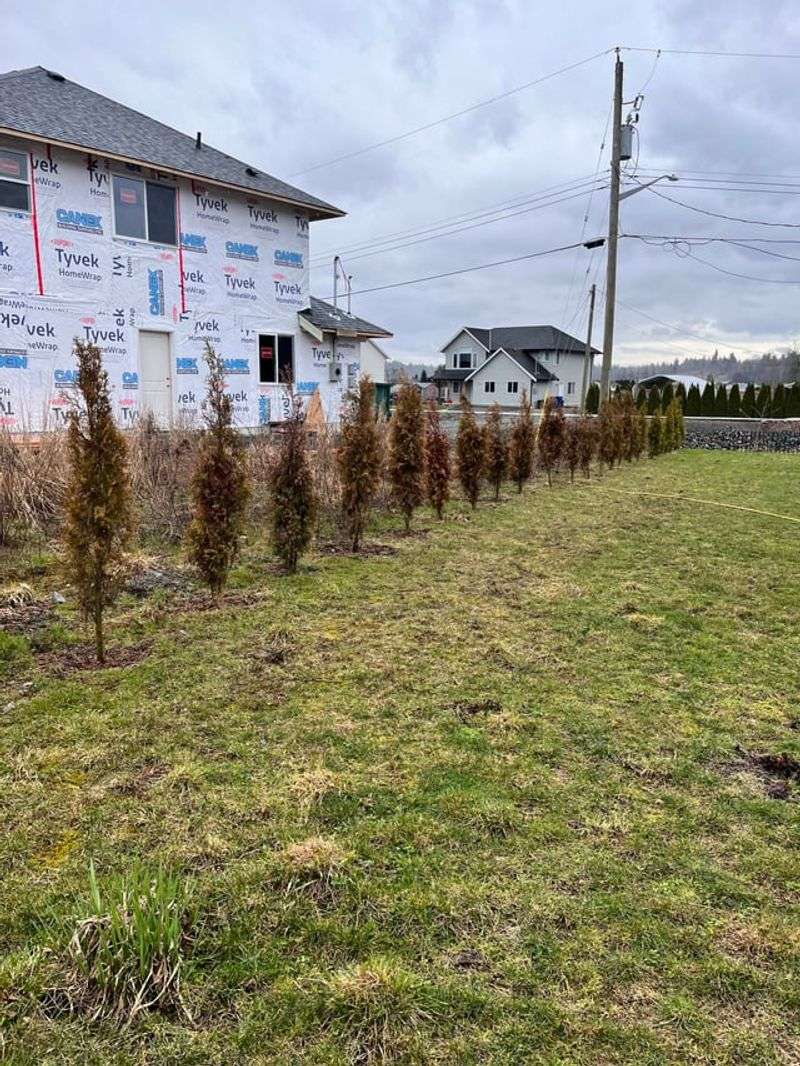
Timing the weather right can turn a risky move into an easy one.The wrong day, though, adds stress your plant doesn’t need.
Hot, sunny afternoons are tough on transplants.Heat pulls moisture from leaves and roots fast.The plant wilts before it can settle in.
Frosty days bring their own trouble.Frozen or hardening soil makes digging harder and can shock tender roots.Cold snaps stress plants further.
The sweet spot is a cool, cloudy day.Mild temperatures and soft light give plants a gentle start.Oregon’s overcast fall days are perfect for this.
Try to move plants in the morning or evening.Cooler hours reduce moisture loss.The plant has time to adjust before facing the sun.
Check the forecast before you dig.Look for a stretch of mild, damp weather with no hard frost coming.A little planning avoids a lot of stress.
Avoid transplanting right before a windstorm too.Strong wind dries out roots and can topple freshly planted shrubs.Calm conditions help everything stay put.
Rain in the days after planting is a bonus.Natural moisture helps roots settle without extra effort.Just make sure the ground isn’t waterlogged.
Picking the right window gives your plants their best shot.A calm, cool day sets the stage for a smooth recovery.
7. Choosing A Spot With Different Growing Conditions
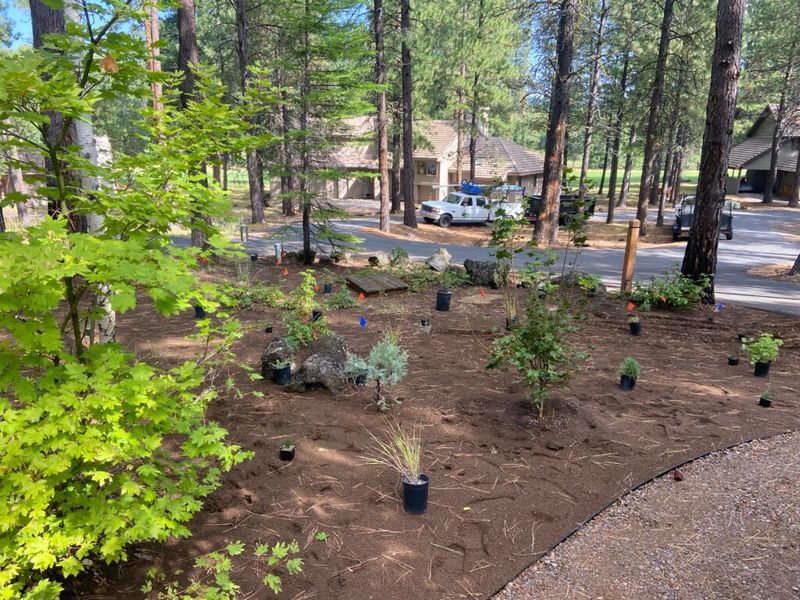
Not every corner of your yard offers the same conditions.Moving a plant into a mismatched spot sets it up for a hard time.
A sun-loving plant placed in deep shade won’t grow well.It stretches, weakens, and blooms poorly.The wrong light throws everything off.
The same goes for the reverse.A shade plant dropped into blazing sun scorches and wilts.Matching light needs is step one.
Soil matters just as much.Some plants love the rich, moist soil common in western Oregon.Others prefer the drier, sandy ground of the high desert.
Before you move anything, study the new spot.Watch how much sun it gets through the day.Note whether the soil stays wet or drains quickly.
Wind and shelter play a role too.A once-protected plant may suffer in an open, breezy area.Look for a location that feels similar to its old home.
Check the plant tag or a quick guide for its needs.Match those needs to the new spot as closely as you can.This small effort prevents big problems.
Think about mature size as well.A tiny shrub can grow large and crowd its neighbors.Give it room to fill out.
Placing a plant where it naturally thrives means less fuss for you.The right spot lets it settle in and grow with ease.
8. Adding Fertilizer Too Soon After Transplanting
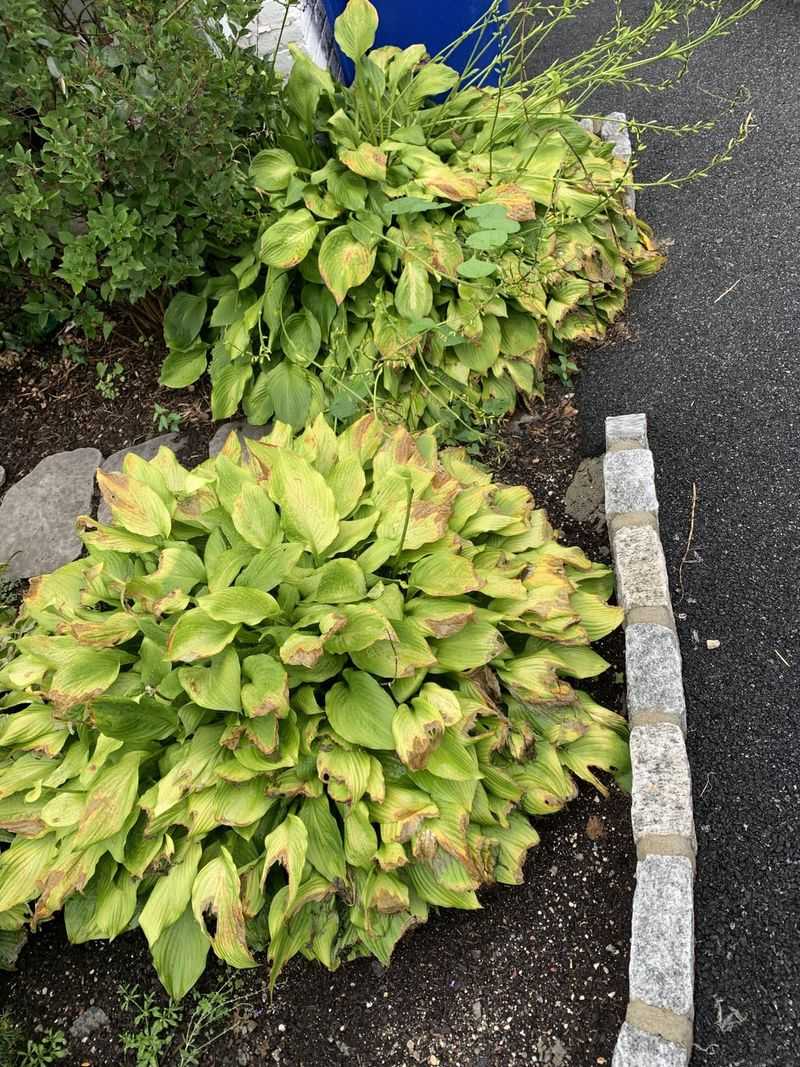
Reaching for fertilizer right after transplanting feels helpful, but it often backfires.Fresh roots aren’t ready for that boost.
Strong fertilizer can burn tender, damaged roots.Instead of helping, it adds more stress to a plant already adjusting.The timing is all wrong.
Newly moved plants focus their energy on rooting in.They aren’t ready to push out lots of new leaves yet.Feeding them too early pulls focus away from roots.
Give the plant a few weeks to settle first.Let it recover and grow new roots before you feed.Patience protects the plant.
Fall is also a slower growing season.Many plants naturally ease into rest as winter nears.Heavy fertilizer can push tender growth that cold weather harms.
When the time comes, choose a gentle option.A light layer of compost feeds slowly and safely.It improves soil without shocking roots.
Water is far more important than fertilizer at this stage.Steady moisture helps roots grow and reach for nutrients already in the soil.Focus there first.
If you want to help, add mulch instead.Mulch feeds the soil slowly as it breaks down.It also keeps roots cozy through winter.
Holding off on fertilizer is the kinder choice right now.Let your plant rest, root, and get strong.Come spring, a proper feeding will do far more good.