The Best Low-Growing Plants For Oregon Walkways That Stay Tidy
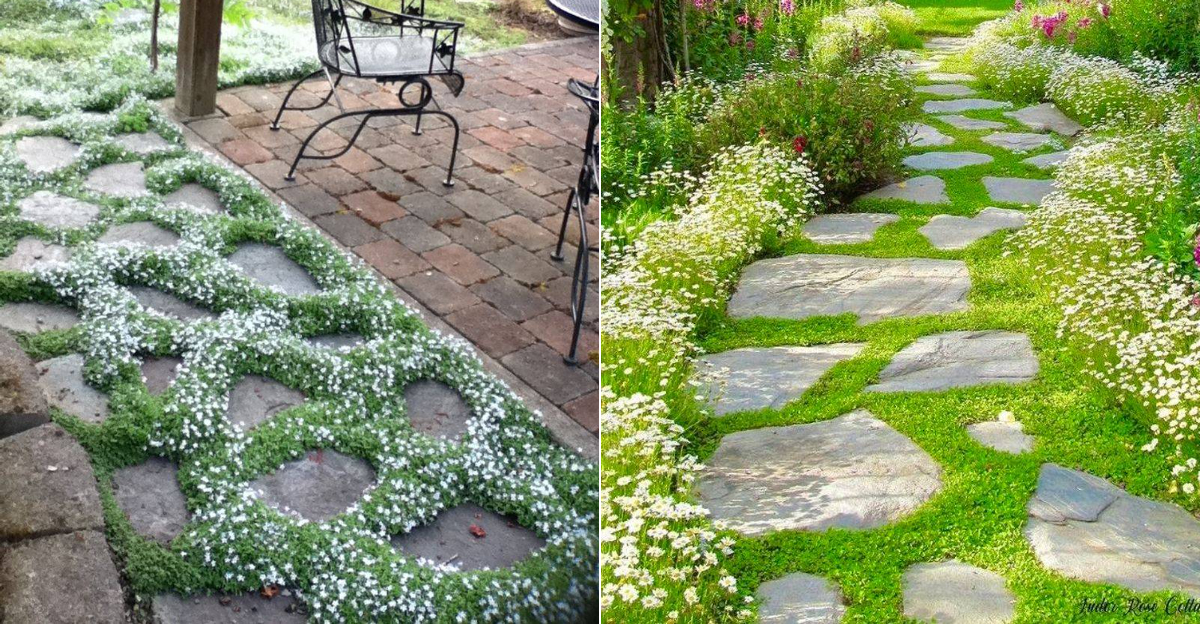
Walkways deserve plants that behave themselves. Nobody wants to brush past floppy stems, dodge muddy gaps, or trim edges every few days just to reach the front door.
In Oregon, low growing plants can make paths feel softer and more finished, but only the right ones stay neat through wet months and dry spells.
A good walkway plant should hug the ground, handle foot traffic nearby, and keep its shape without constant fuss.
It should also match the light, soil, and space along the path. Creeping thyme, beach strawberry, kinnikinnick, and other compact choices can add texture while keeping the walkway clear.
The goal is simple. Choose plants that frame the path instead of taking it over. With the right picks, your walkway can look cared for, natural, and easy to use all season.
1. Creeping Thyme Softens Walkway Edges Without Getting Messy
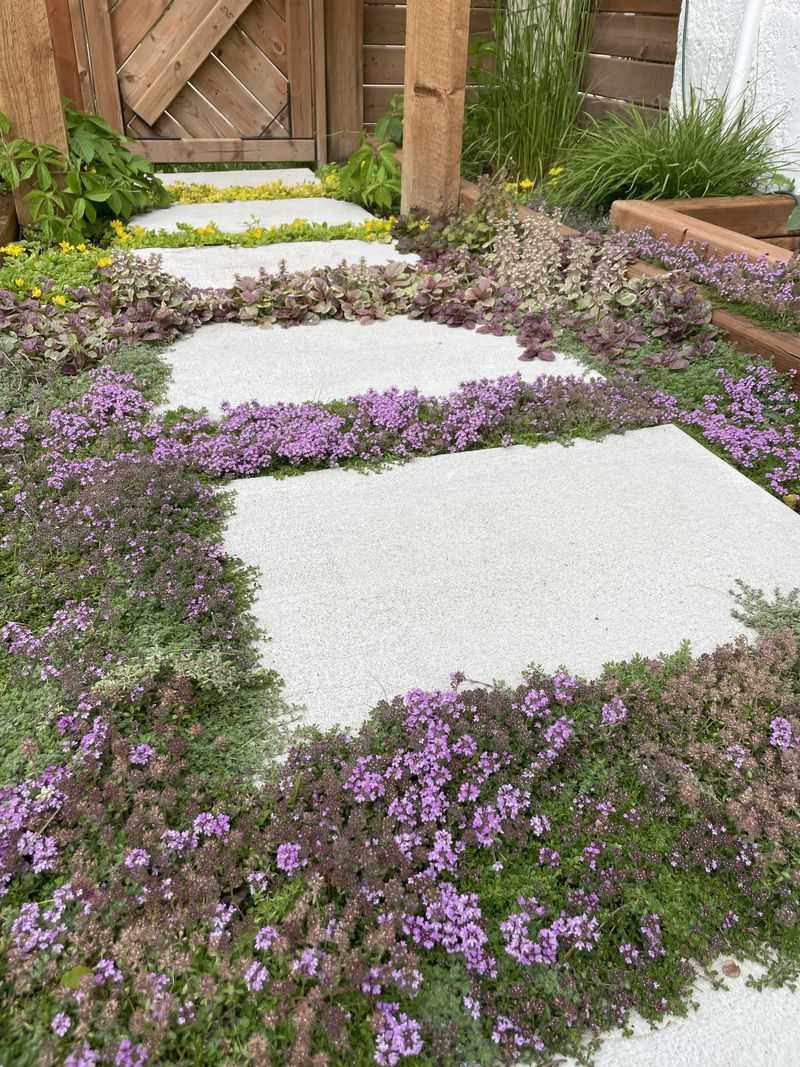
Few plants earn as much praise from Pacific Northwest gardeners as creeping thyme. It hugs the ground tightly, spreads at a slow and manageable pace, and never seems to get out of hand.
When it blooms in late spring and early summer, it covers itself in tiny pink or purple flowers that attract bees and look absolutely charming next to stone or concrete paths.
One of the best things about this plant is how tough it is. It handles dry summers well once it has settled in, which is a real bonus in areas that see little rain from July through September.
It does not mind being stepped on occasionally either, making it a smart pick for edges that get brushed by shoes or boots.
The foliage has a light herbal scent that gets released when touched, which is a nice bonus for anyone walking by.
Planting it is straightforward. Choose a sunny spot with well-drained soil, space plants about a foot apart, and water them in well.
After the first season, they need very little attention. Trim lightly after blooming if you want a tighter look, but honestly, many gardeners skip that step entirely.
It stays low, fills in beautifully, and never tries to take over the whole yard. For walkway edges that look effortlessly neat, this is one of the most reliable choices available in this state.
2. Woolly Thyme Stays Low And Tidy Between Stones
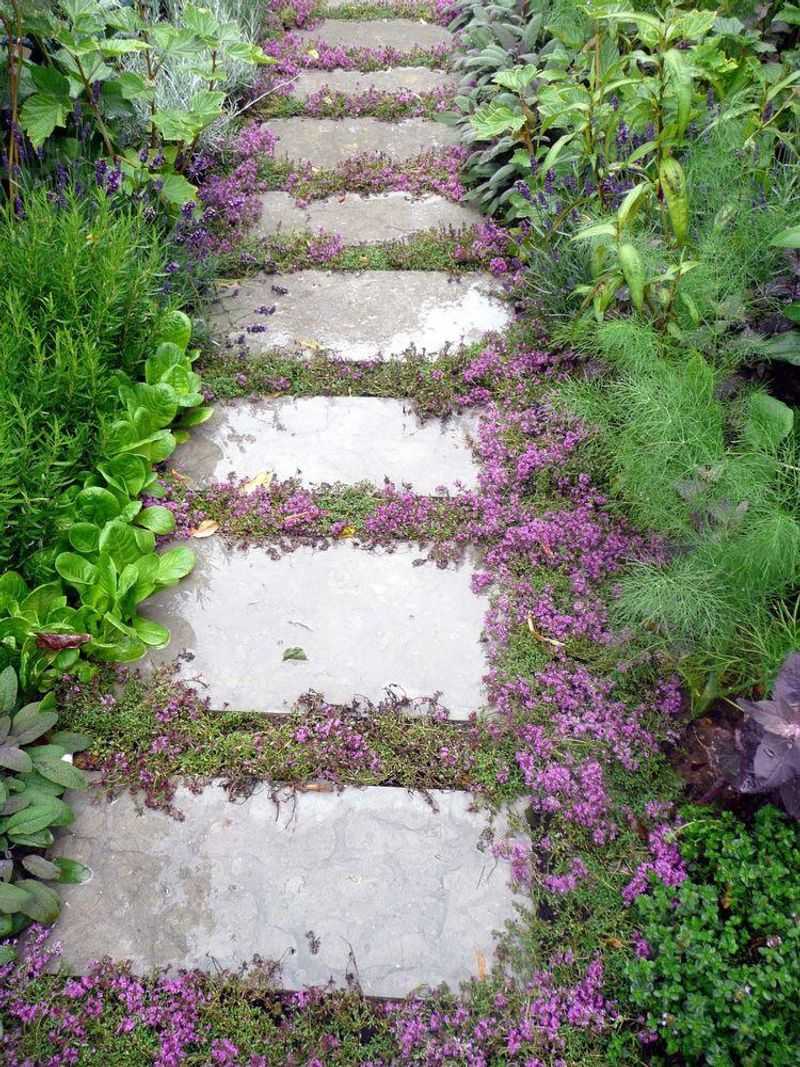
Soft, silvery, and almost velvety to the touch, woolly thyme is one of those plants that makes people stop and take a closer look.
Unlike its cousin creeping thyme, this variety has tiny fuzzy leaves that give it a unique texture.
It grows almost completely flat to the ground, making it a top choice for filling the gaps between stepping stones without puffing up or flopping over the edges.
This plant thrives in sunny spots with excellent drainage. Heavy clay soils can be a problem, so amending with sand or grit helps a lot before planting.
Once it is established, woolly thyme is surprisingly drought-tolerant and rarely needs watering during dry stretches.
It does not produce as many flowers as other thyme varieties, but the soft foliage more than makes up for that with its quiet, elegant look.
Your Oregon Garden Changes Every Week. Your Plan Should Too.
Gardening in Oregon changes quickly throughout the season. Every Friday you’ll receive a simple weekly plan showing exactly what to plant, prune, fertilize, harvest, and protect so you never miss the right timing.
Foot traffic is not a dealbreaker for this plant. It can handle light stepping without much trouble, which is exactly what you need between stones on a busy path.
It stays tidy through most of the year and does not spread aggressively into surrounding beds or lawn areas. Dividing clumps every few years keeps it fresh and healthy.
For anyone wanting a low-maintenance, visually interesting plant that fills stone gaps neatly, woolly thyme is a reliable and attractive.
3. Irish Moss Gives Shady Paths A Soft Green Look
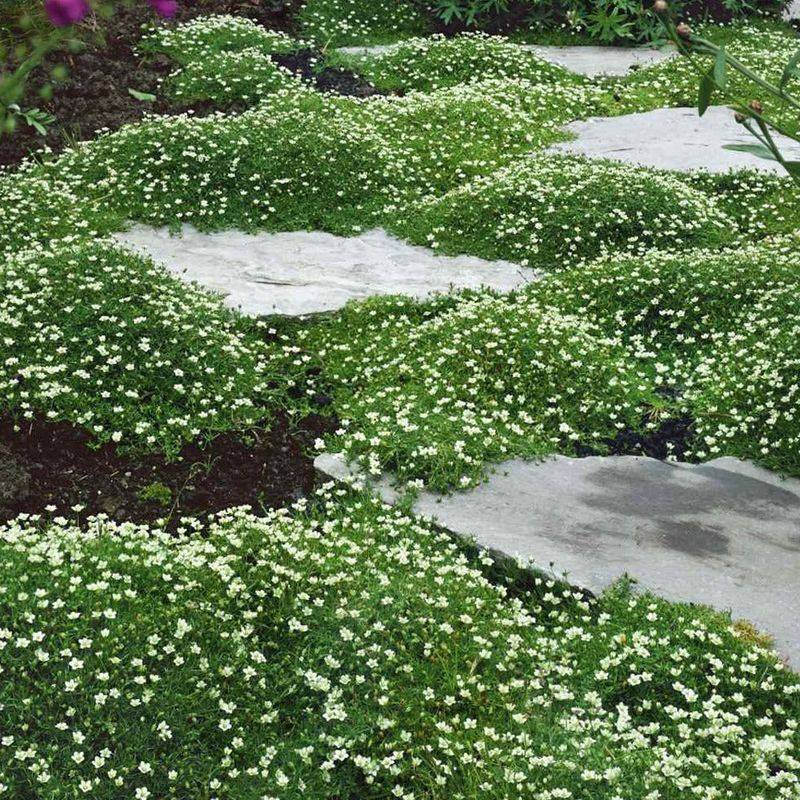
Shady walkways can be tricky to plant. Most ground covers prefer sun, and shade-tolerant options are not always neat or low-growing.
Irish moss is a standout exception. It forms a dense, emerald-green cushion that stays flat and tidy, making shaded paths look like something out of a storybook garden.
The texture is incredibly soft, almost like a green velvet mat pressed against the ground.
This plant loves moisture and cool temperatures, which makes it a natural fit for shaded areas in our state.
It does not handle long dry spells well, so spots that stay a bit damp or get some irrigation during summer work best.
Planting it in amended soil with good organic matter helps it get established faster and look fuller sooner. Space plugs about six inches apart and water regularly through the first season.
Come spring, Irish moss produces tiny white flowers that look like little stars scattered across the green mat. It is a surprisingly cheerful detail that many people do not expect.
The plant stays very low, rarely reaching more than an inch or two in height, so it never blocks a stone or spills too far over a path edge. Weeding is minimal once it fills in because the dense mat chokes out most unwanted plants on its own.
For shady spots where other ground covers struggle, this one genuinely delivers a polished and peaceful look all year long.
4. Scotch Moss Brightens Walkways With A Golden Carpet
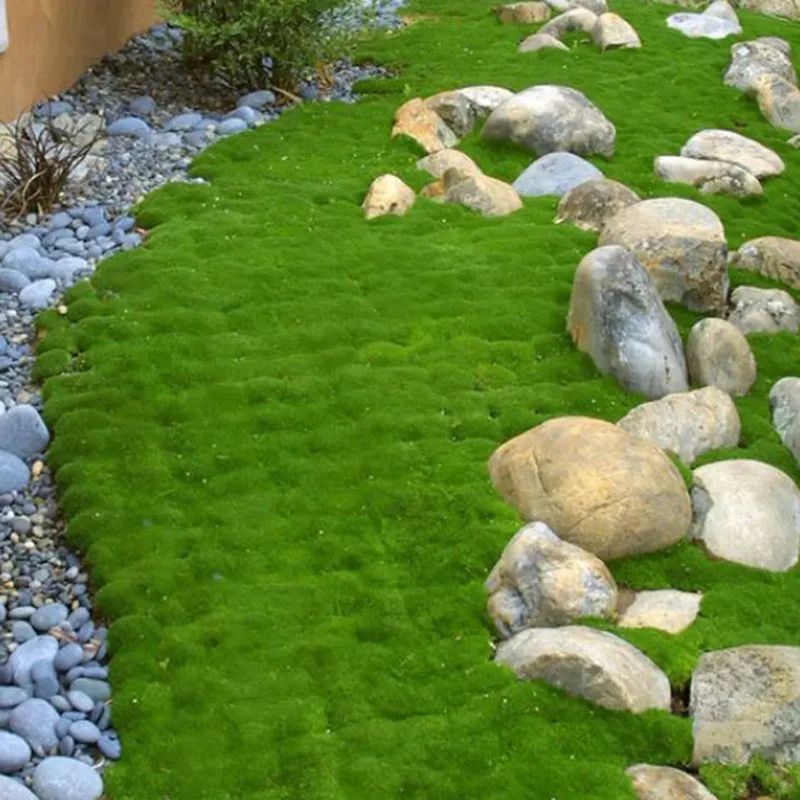
Not every walkway plant comes in green. Scotch moss brings a warm golden-yellow color to paths that makes the whole area feel sunnier and more vibrant.
It looks almost like a tiny meadow made of gold, especially when the light hits it in the morning.
Paired with dark stone or brick, the contrast is genuinely eye-catching and adds a lot of personality to an otherwise plain path.
Like its green cousin Irish moss, Scotch moss stays very low and forms a tight, cushiony mat. It prefers partial shade to full sun, and it needs consistent moisture to look its best.
Letting it dry out completely causes it to brown and thin out, so some attention to watering during dry months is important. A drip line or soaker hose nearby makes maintenance much easier in the summer months.
Despite needing a bit more water care, Scotch moss is not a fussy plant overall. It does not spread aggressively, and it holds its shape between stones without flopping or sprawling.
Dividing it every couple of years helps it stay dense and vibrant. Planting it alongside Irish moss creates a beautiful two-tone effect that looks intentional and well-designed.
Gardeners who want something a little unexpected along their walkways often find that this bright, cheerful ground cover becomes their favorite feature in the whole yard.
It is simple, striking, and surprisingly easy to maintain once it is settled in.
5. Blue Star Creeper Handles Foot Traffic In Small Gaps
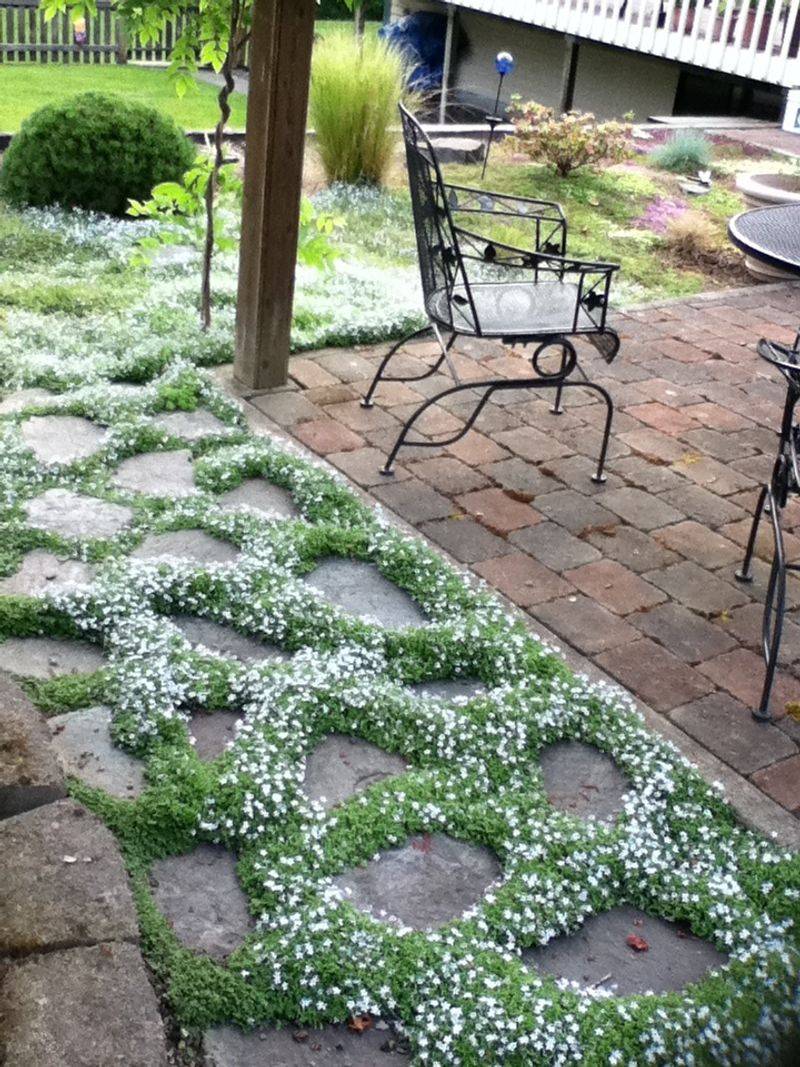
There is something almost magical about a plant that blooms right where people walk. Blue star creeper does exactly that.
It fills tiny gaps between pavers and stepping stones with a carpet of small, bright blue flowers that bloom generously from spring into early summer.
Even without flowers, the fine-textured foliage stays green and low, keeping paths looking neat between blooming periods.
What sets this plant apart from many other ground covers is its ability to handle occasional foot traffic without falling apart.
It bounces back well after light stepping, which makes it ideal for paths that see regular use.
It prefers some moisture and does best in partial sun to partial shade. In hotter, drier spots, some afternoon shade and regular watering help it stay lush and full through the summer.
Planting blue star creeper is simple. Start with small plugs or pots, tuck them into the gaps between stones, and water them in well.
They spread at a moderate pace and fill in nicely within one to two growing seasons. They do not tend to jump out of bounds aggressively, which keeps walkways looking intentional rather than overgrown.
This plant is a favorite among gardeners who want color at ground level without the hassle of replanting annuals each year.
For small gaps and high-traffic paths, it delivers a cheerful, reliable performance that is hard to beat in any walkway planting plan.
6. Stonecrop Keeps Hot Walkway Edges Neat And Dry
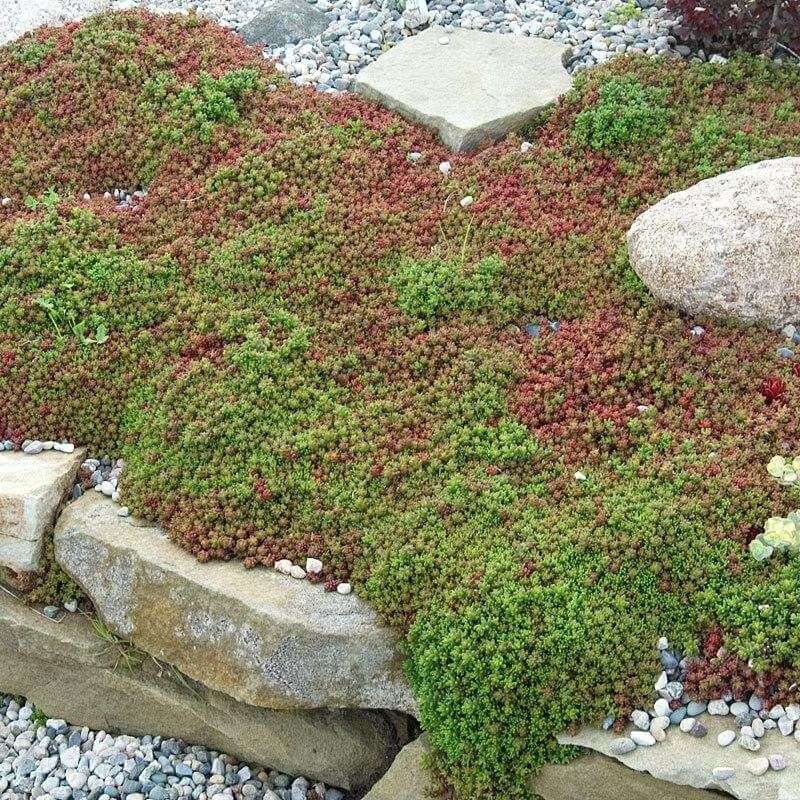
Sunny walkway edges that bake in the heat all summer long need a plant that genuinely does not mind the conditions. Stonecrop, also known as sedum, is built for exactly that.
It stores water in its thick, fleshy leaves, which means it can handle long dry stretches without wilting or looking ragged.
The rosettes stay compact and tidy, and many varieties turn lovely shades of red or orange as temperatures drop in fall.
This plant is not just tough, it is also pretty. Low-growing sedum varieties form dense mats of interesting textures and colors that look great next to stone, gravel, or concrete.
Some varieties produce small star-shaped flowers in late summer that attract pollinators.
The foliage itself does most of the visual work, staying attractive through most of the year with very little effort from the gardener.
Planting stonecrop is easy. It prefers sandy or rocky soil with excellent drainage and full sun.
Avoid planting it in heavy, wet soil, especially in spots that collect water after rain. Once established, it spreads slowly and stays in bounds without becoming a problem.
Dividing clumps every few years keeps them looking their best. For anyone dealing with a hot, dry walkway edge that nothing else seems to survive, low-growing sedum is the answer.
It is one of the most forgiving and low-maintenance options available for sunny spots in this state.
7. Corsican Mint Adds Fragrance Between Stepping Stones
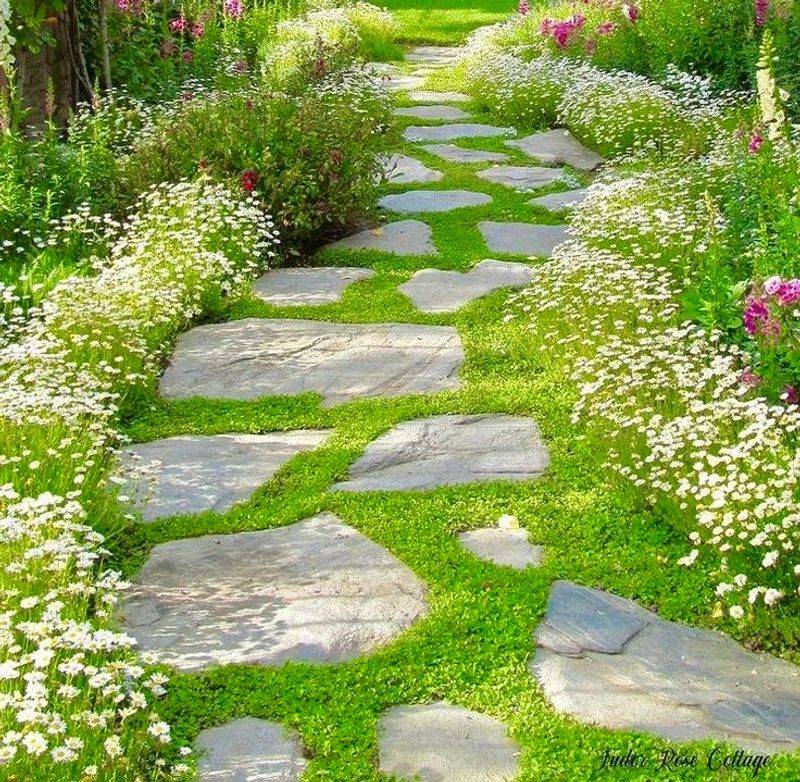
Every step releases a burst of fresh peppermint fragrance. That is the experience Corsican mint offers, and it is one of the most delightful sensory additions any walkway can have.
This tiny mint relative grows extremely flat, forming a dense, bright green mat that barely reaches a quarter inch in height.
It looks almost like a moss but smells unmistakably minty, which makes it a conversation starter every single time someone walks by.
It thrives in moist, partially shaded spots, which are plentiful in many parts of our state. Unlike larger mint varieties, Corsican mint stays in its lane and does not send runners racing across the yard.
That makes it a much more manageable choice for small gaps between stones where control really matters.
It does need consistent moisture to stay green and lush, so avoid dry, sunny positions where it tends to thin out.
Planting it between pavers is simple. Use small plugs, press them gently into moist soil, and water regularly until established.
It fills in slowly but steadily and creates a very polished, finished look between stones. The fragrance is strongest when the leaves are gently pressed or brushed.
Kids especially love the scent, which makes it a fun addition to family-friendly garden paths.
For anyone who wants their walkway to engage more than just the eyes, Corsican mint brings a sensory layer that no other ground cover on this list can match.
8. Oregon Stonecrop Fits Sunny Native-Style Walkways
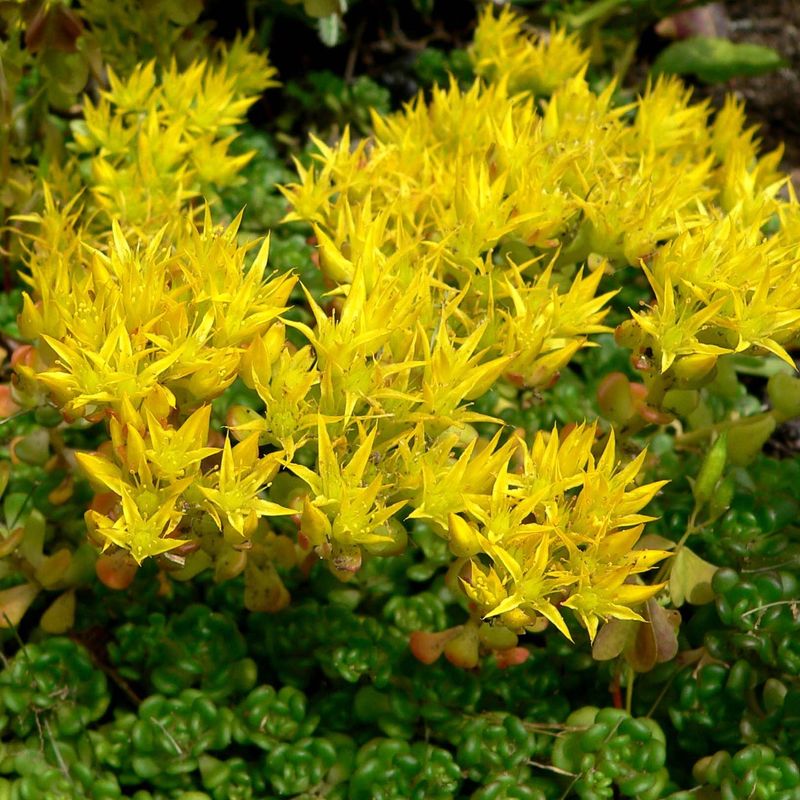
Going native has real advantages when it comes to walkway plants. Sedum oreganum, commonly called Oregon stonecrop, is a plant that evolved right here and knows exactly how to handle the local climate.
It grows naturally on rocky outcrops and dry slopes, which makes it perfectly suited to sunny walkway edges that see little water and a lot of heat in summer.
The small, rounded succulent leaves stay green through much of the year and turn reddish in response to sun and drought stress.
In late spring and early summer, it produces clusters of small yellow flowers that are cheerful and bright. Pollinators visit them regularly, adding a little life and movement to the garden.
The plant stays very compact and low, rarely growing taller than three or four inches. It does not spread aggressively, which keeps native-style walkways looking intentional and clean rather than wild and overgrown.
Because it is a native species, it requires almost no fertilizing or fussing once it is established.
Plant it in well-drained, lean soil and give it a good start with regular watering through the first season.
After that, it largely takes care of itself through the dry months that this state is known for in summer. It pairs beautifully with other native plants, gravel paths, and natural stone.
For gardeners who want a walkway that feels connected to the local landscape, this is the most authentic and fitting choice on the entire list.
9. Kinnikinnick Makes A Tough Evergreen Edge
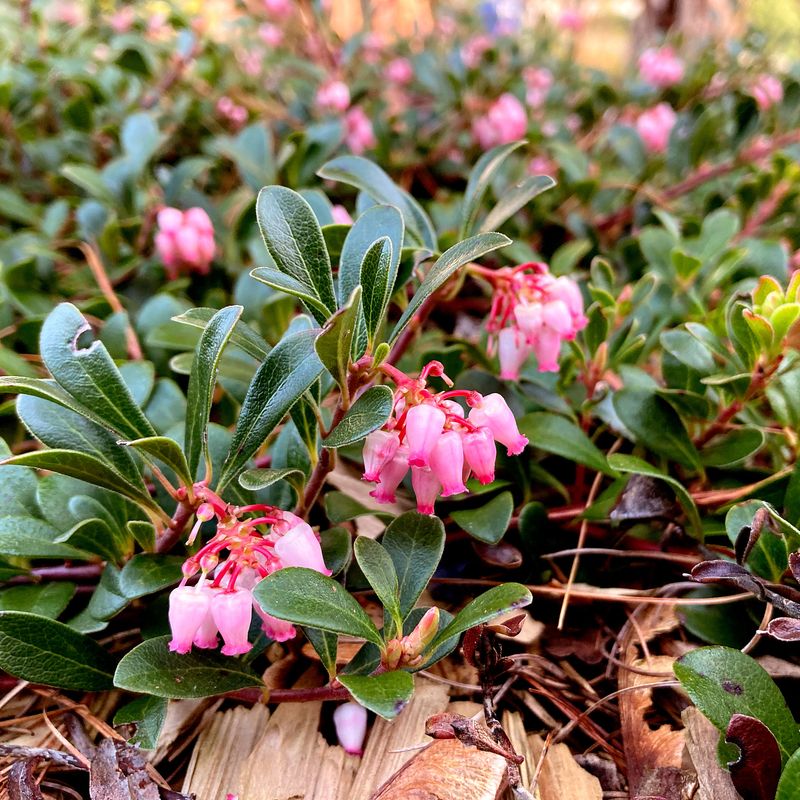
Tough, evergreen, and native to this region, kinnikinnick is a ground cover that earns serious respect from experienced gardeners.
Also known as bearberry, it forms a dense, trailing mat of glossy dark green leaves that stays attractive through every season.
In spring, tiny pink urn-shaped flowers appear, followed by bright red berries in fall that wildlife absolutely love. It is a plant that gives back to the local ecosystem while doing a great job along a path edge.
One of its biggest strengths is versatility. It handles sun, part shade, poor soils, and dry conditions without complaint.
In fact, it prefers lean, well-drained soil and does not need fertilizer to thrive. Overly rich or wet soil actually works against it, so skip the compost and let it do its thing in more natural conditions.
It is also deer-resistant, which is a major bonus in many parts of this state where deer pressure is high.
Kinnikinnick spreads at a moderate pace and stays low, usually under six inches tall. It does not jump fences or swallow neighboring plants.
Once established, it is one of the most hands-off ground covers available in the Pacific Northwest.
Planting it along a walkway edge creates a polished, year-round look that requires almost no maintenance.
For gardeners who want a native, evergreen, and genuinely low-fuss option, kinnikinnick is about as close to a perfect walkway plant as it gets.