Pennsylvania Herbs That Give You More Than Just Leaves
Most herb gardens in Pennsylvania are grown for one thing. The leaves. Basil for pesto, thyme for roasting, mint for everything imaginable.
The culinary uses are the obvious draw, and most gardeners stop there without exploring what else these plants are doing or could be doing in the yard and in the home.
But certain Pennsylvania herbs give considerably more than a handful of leaves for the kitchen.
They produce flowers that attract pollinators in numbers that ornamental plants rarely match. They create habitat for beneficial insects that quietly manage pest pressure across the rest of the garden.
Some have medicinal properties worth knowing about. Others deter pests, improve soil health, or offer seeds and roots that expand their usefulness well beyond any single culinary purpose.
1. Dill
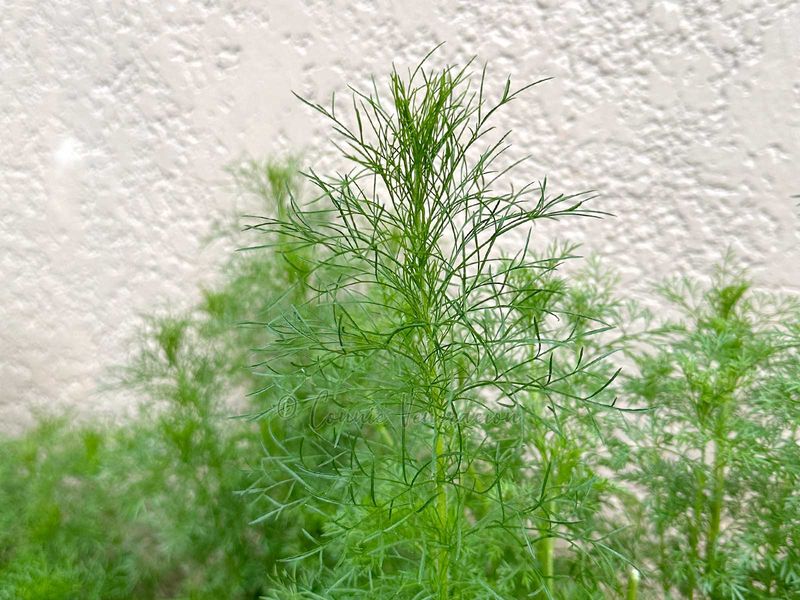
Pickle lovers already know dill for its bright, tangy flavor. But this feathery herb hands you three gifts, not one.
First come the leaves, called dill weed. Snip them fresh to jazz up potato salad, fish, or homemade dressings.
They grow fast in Pennsylvania’s cool spring weather and taste best before the plant flowers.
Next, dill sends up cheerful yellow blossoms in summer. Those flower heads are exactly what you toss into a jar of homemade dill pickles.
Many Lancaster County families swear their pickle recipe just won’t taste right without them.
Last, the plant makes seeds. Dry them and you have a warm, slightly bitter spice great for bread, soups, and even tea that settles an upset stomach.
Save a few seeds and you can plant a brand new crop next year for free.
Dill grows easily from seed sown right in the ground once frost passes. Give it full sun and well-drained soil, and it mostly takes care of itself.
It can grow tall, sometimes three feet, so plant it where wind won’t knock it over.
Here is a neat bonus. Swallowtail butterflies lay eggs on dill, and their striped caterpillars munch the leaves.
If you spot them, leave a few plants for the bugs and grow extra for yourself.
Because dill reseeds itself so willingly, one planting often returns year after year. That means more leaves, flowers, and seeds without much effort.
For a plant that flavors pickles, feeds butterflies, and spices your bread, dill earns its garden spot.
2. Chamomile
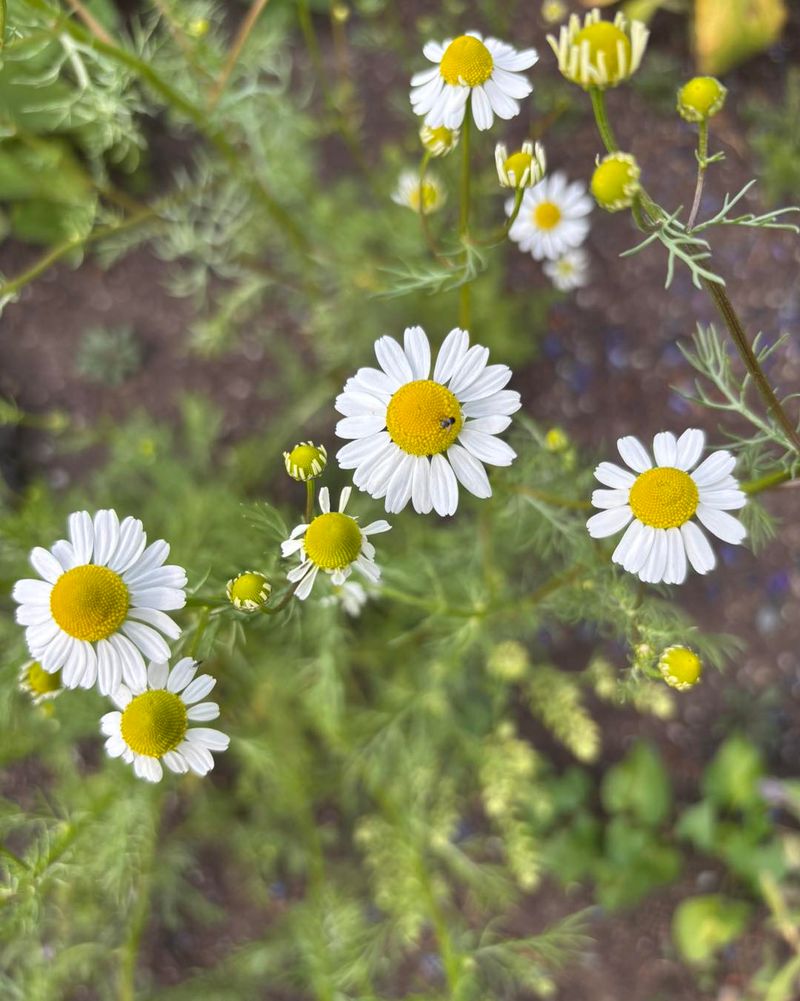
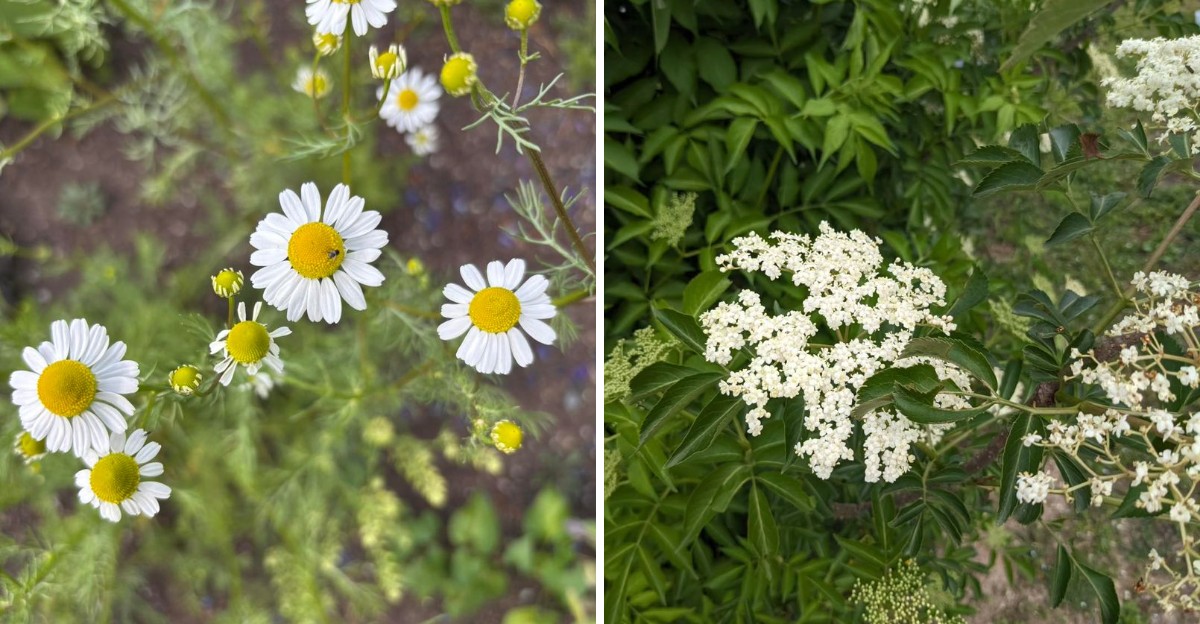
Sleepy tea drinkers, this one is for you. Chamomile looks like a patch of tiny daisies, but those little flowers pack a soothing punch.
The star of the show is the blossom. Pick the small white-and-yellow flowers, dry them, and steep them for a calming tea that many people sip before bed.
The taste is soft, sweet, and a little like apples.
You get more than tea, though. Dried chamomile flowers can go into homemade salves and bath soaks that ease itchy or tired skin.
Some folks even use cooled chamomile tea as a gentle rinse for shiny hair.
The feathery leaves add value too. While people mostly use the blooms, the whole plant smells wonderful and helps invite bees and other helpful insects into your Pennsylvania garden.
Your Pennsylvania Garden Changes Every Week. Your Plan Should Too.
Gardening in Pennsylvania changes quickly throughout the season. Every Friday you’ll receive a simple weekly plan showing exactly what to plant, prune, fertilize, harvest, and protect so you never miss the right timing.
German chamomile grows as an annual, but it drops seeds so freely that it often pops back up on its own each spring. Plant it in full sun with average soil, and it barely asks for anything.
It handles our state’s ups and downs in weather without complaint.
Harvest is a fun, calming chore. On a sunny morning, pinch the open flowers between your fingers and drop them into a basket.
Spread them out to dry for about a week, then store them in a jar.
Did you know chamomile has been used in home remedies for thousands of years? Ancient Egyptians honored it, and Pennsylvania Dutch families kept it growing near their doors.
One small plant gives you tea, skincare, and a happier garden buzzing with life.
3. Fennel
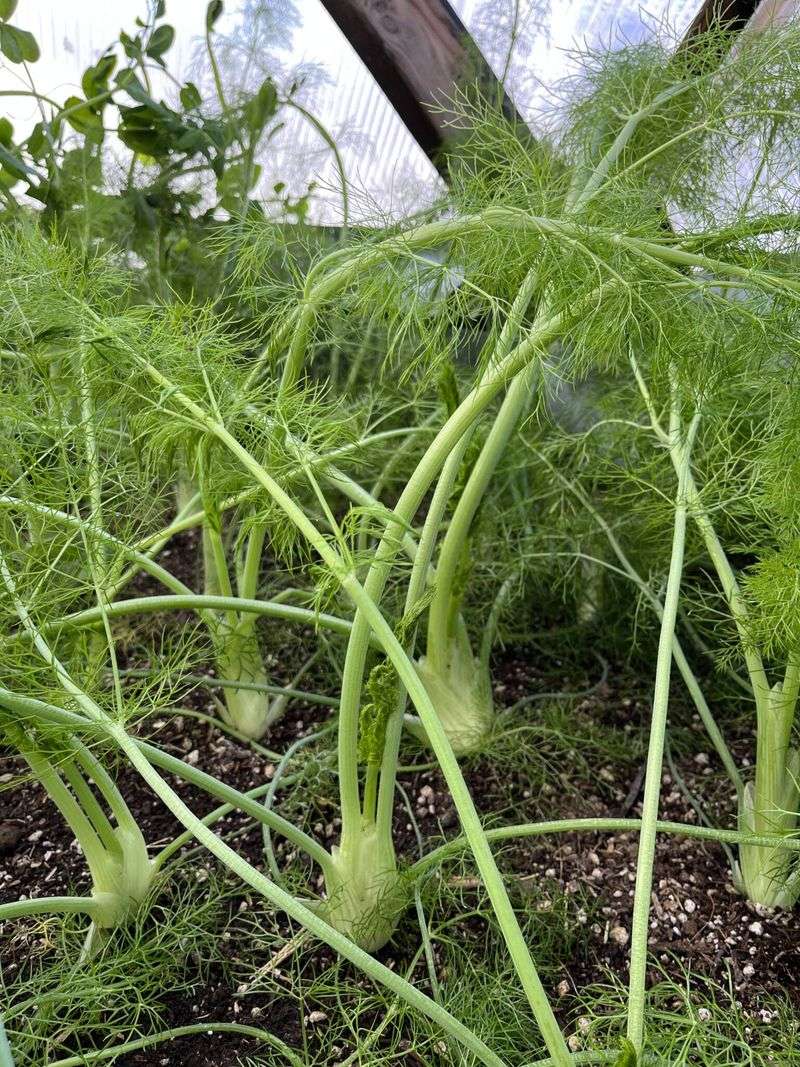
Fennel is like three vegetables wearing one costume. Crunch on the bulb, snip the fronds, and save the seeds.
Every part earns its keep.
Down low, bulb fennel forms a fat white base that tastes like a sweet, mild version of licorice. Slice it thin for salads or roast it until soft and golden.
It pairs beautifully with roasted chicken or fresh oranges.
Up top, the feathery green fronds work just like an herb. Chop them over fish, soup, or eggs for a light, fresh flavor.
They look pretty on the plate too.
Then there are the seeds. After fennel flowers with clusters of tiny yellow blooms, it forms seeds you can dry and store.
Those seeds spice up sausage, bread, and tea, and some people chew them to freshen their breath.
Fennel enjoys full sun and rich, loose soil. In Pennsylvania, plant it after the last frost and give it room, since it can stretch several feet tall.
Keep it a little apart from dill, because the two can cross and confuse your seeds.
Pollinators adore fennel flowers. Bees, tiny wasps, and swallowtail caterpillars all show up for the buffet, which helps your whole garden thrive.
A quick tip: if you want fat bulbs, choose a variety called Florence fennel and mound soil around the base as it grows. If you mostly want fronds and seeds, common fennel works great and often comes back each year.
Fun fact, Roman soldiers once chewed fennel seeds for energy on long marches. From bulb to seed, this herb keeps giving all season long.
4. Borage
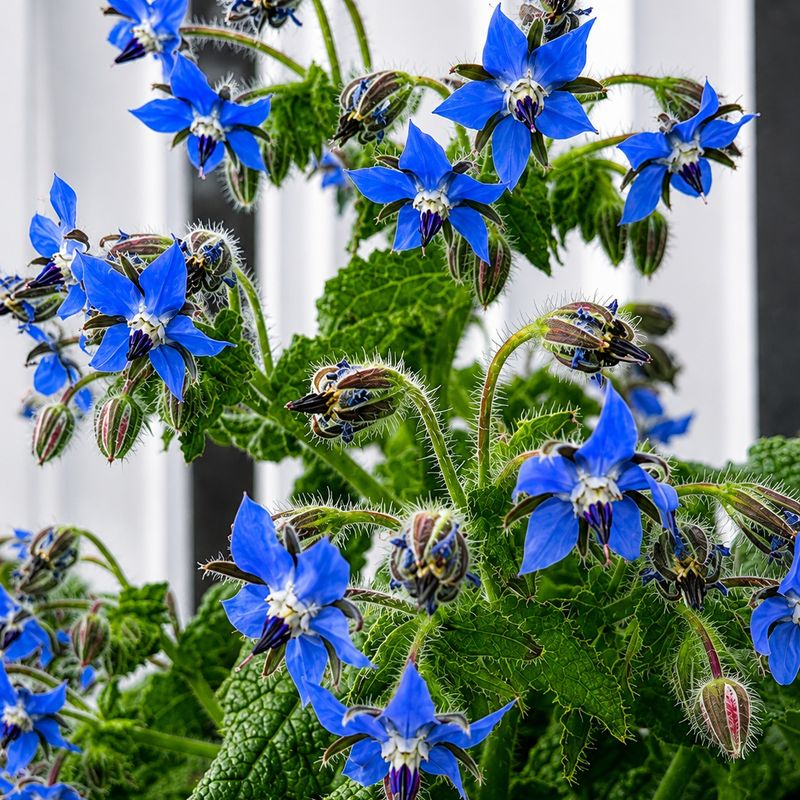
Meet the herb with edible flowers that taste like cool cucumber. Borage grows fast, blooms bright blue, and gives you leaves, flowers, and seeds worth having.
Those star-shaped blue flowers are the showstopper. Toss them into salads, freeze them inside ice cubes for pretty drinks, or sprinkle them on a cake.
They taste crisp and refreshing, perfect for a hot Pennsylvania afternoon.
The young leaves are edible too. They carry that same cucumber flavor and can go into soups or be cooked like spinach.
Older leaves get fuzzy and prickly, so grab them while they are small.
Borage also makes seeds packed with helpful oils. Gardeners often let a few plants form seeds so they can grow more next season without buying a thing.
Here is where borage really shines. Bees go wild for it, and the flowers refill with nectar quickly, making it one of the best plants for a buzzing, healthy garden.
Planting it near tomatoes and squash can boost your veggie harvest.
Growing borage could not be simpler. Scatter seeds in sunny soil after frost, water them in, and stand back.
It grows about two feet tall and often reseeds itself, popping up again year after year.
One thing to know, borage leaves are a little fuzzy, so most people enjoy them cooked or use just the tender young ones raw. The flowers, though, are pure fun straight off the plant.
Old gardening lore says borage brings courage and cheer. Whether or not that’s true, its blue blooms and busy bees sure make a garden feel happy.
5. Coriander And Cilantro
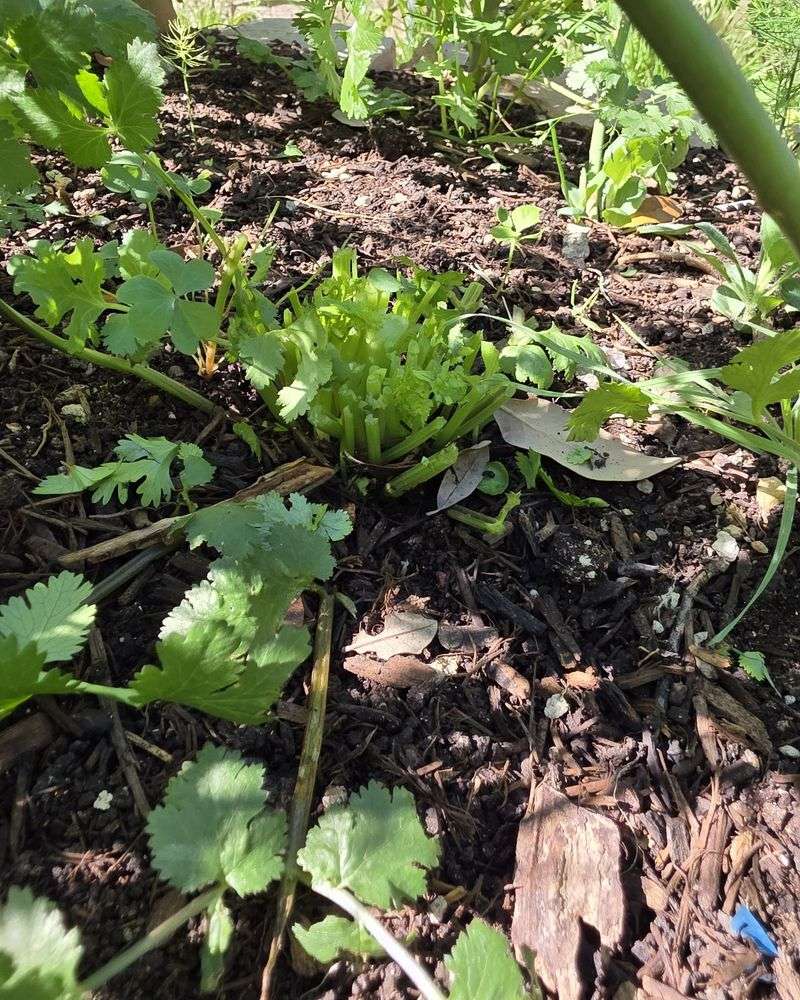
Two herbs, one plant. That’s the magic of this green wonder.
When it’s young, we call the leaves cilantro. When it flowers and forms seeds, we call those seeds coriander.
Start with the leaves. Fresh cilantro brings a zesty, citrusy kick to tacos, salsa, and rice bowls.
Some people taste soap instead of citrus, and that’s just genetics, not a mistake in your cooking.
Let the plant grow up, and it sends out lacy white flowers. Bees and tiny helpful bugs love them, so your garden gets busy and healthy.
After the flowers fade, round seeds appear. Dried, these coriander seeds have a warm, lemony, slightly nutty flavor.
Crush them into curries, soups, and homemade spice blends. They store for months in a jar.
In Pennsylvania, this herb likes cooler weather. Plant it in spring or late summer, since hot days make it flower fast, a process called bolting.
If you want more leaves, plant a little every few weeks so you always have some ready.
Give it full sun to light shade and moist, rich soil. It grows quickly, so you won’t wait long for your first snip of cilantro.
Here’s a money-saving trick. Let some plants go to seed, then save those seeds.
You can cook with half and plant the other half next season, getting free harvests again and again.
Fun bit of history, coriander seeds have been found in ancient Egyptian tombs, showing people have loved this plant for thousands of years. From fresh leaves to spicy seeds, it truly gives you two ingredients in one.
6. Echinacea (Purple Coneflower)
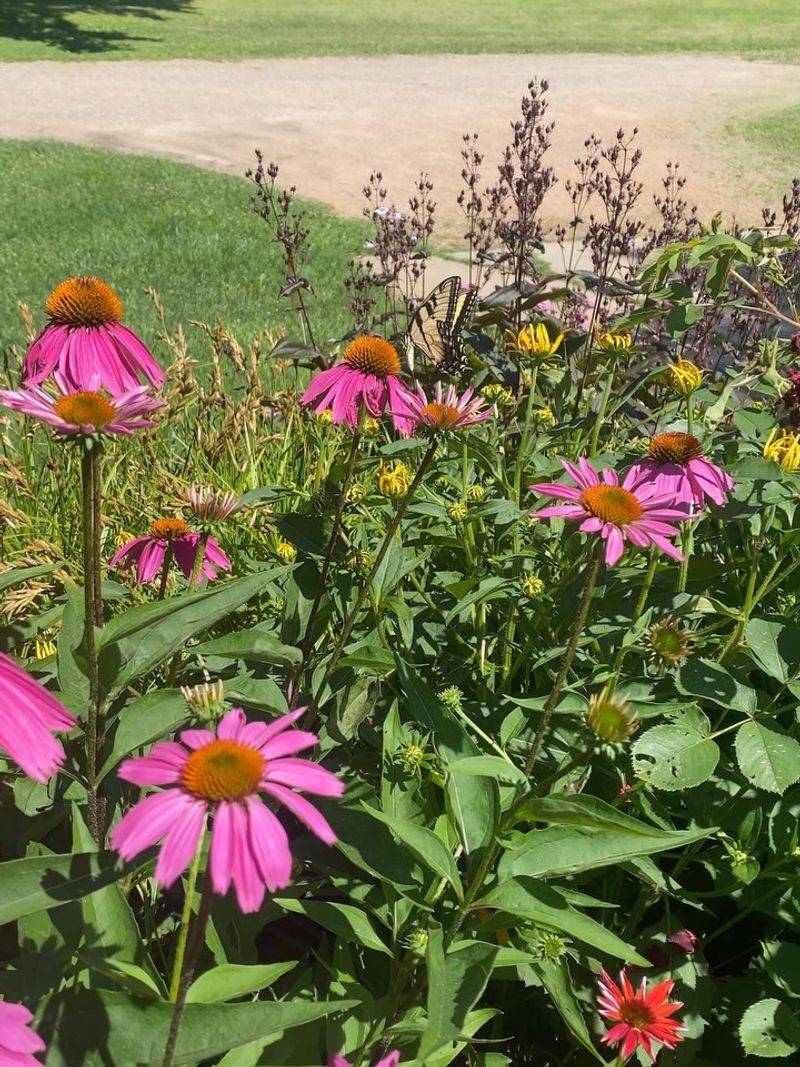
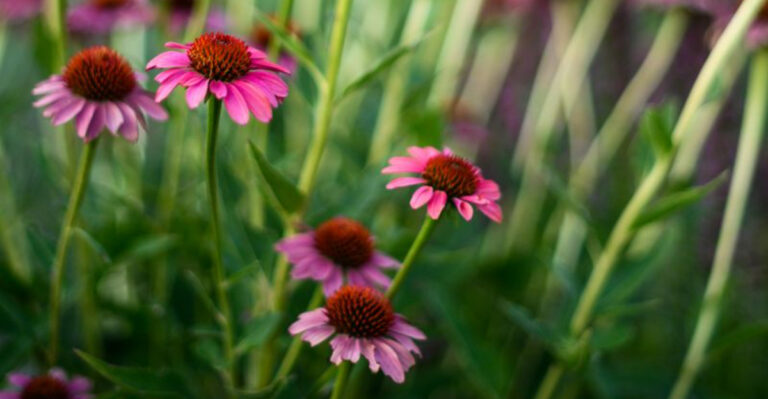
Bright purple petals and a spiky orange center make echinacea easy to spot. This tough native beauty gives you flowers, leaves, and roots all in one plant.
Many people know echinacea from cold-season teas and syrups. The roots and flowers are often dried and brewed to support the body during sniffly winter months.
Herbalists have leaned on it for generations.
The flowers do double duty. They look gorgeous in a garden, standing tall on sturdy stems, and they attract butterflies and bees all summer long.
Later, the seed heads feed goldfinches and other birds.
Even the leaves get used in some herbal blends. While the roots are the strongest part, gathering from the whole plant lets you make the most of it.
Echinacea, also called purple coneflower, is a Pennsylvania-friendly perennial. That means it comes back year after year without replanting.
It handles heat, cold, and dry spells like a champ once its deep roots settle in.
Plant it in full sun with well-drained soil. Give it a couple of seasons before harvesting roots, so the plant grows strong and you don’t take too much too soon.
Snip flowers freely, though, since that encourages more blooms.
Here’s a helpful tip. Leave some seed heads standing through fall and winter.
They feed hungry birds and add pretty texture to a sleepy garden.
Did you know echinacea is native to North America and was used by Indigenous peoples long before settlers arrived? By planting it, you honor local history, support wildlife, and stock your own natural remedy shelf, all from one hardy flower.
7. Elderberry
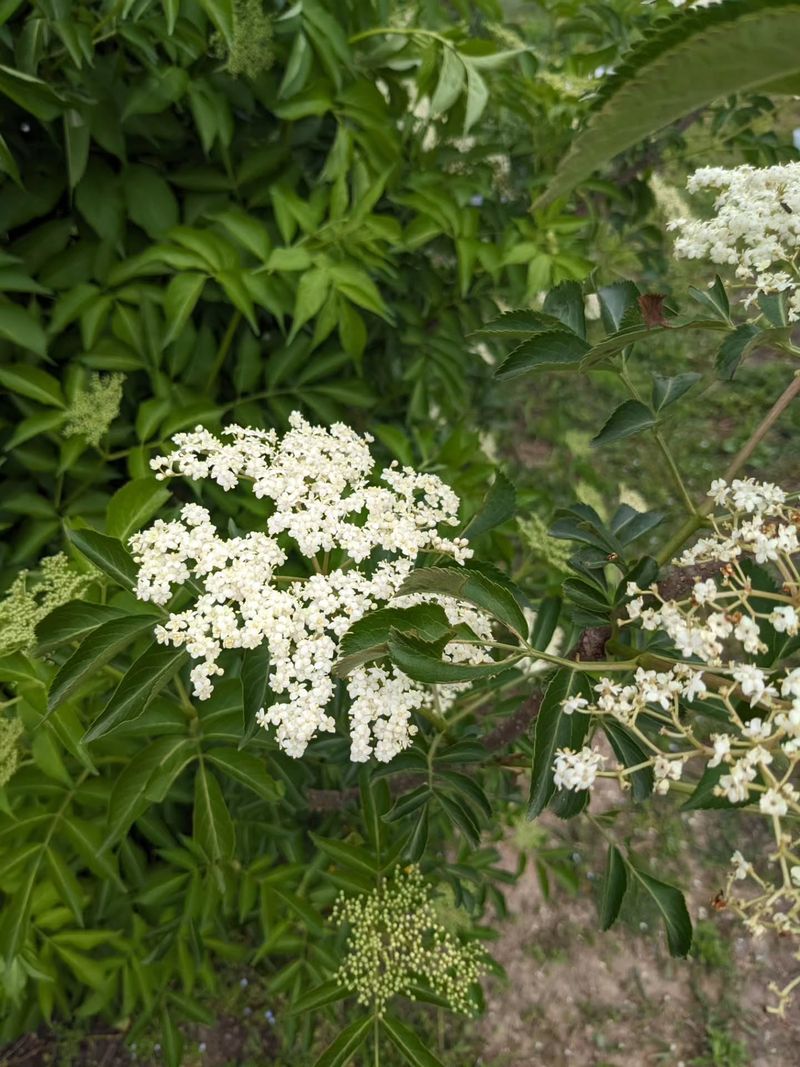
Technically a shrub, elderberry acts like a giant herb and rewards you twice each year. First it blooms, then it fruits, and both are treasures.
In early summer, elderberry covers itself in flat, lacy clusters of tiny white flowers. People pick these blossoms to make fragrant tea, syrup, and even fritters.
The scent is sweet and a little dreamy.
By late summer, those flowers turn into clusters of small dark purple berries. Cooked into syrup or jam, elderberries are a classic Pennsylvania home remedy for winter sniffles.
Many families keep a bottle of elderberry syrup ready when cold weather hits.
Important safety note, always cook elderberries before eating them, and skip the leaves, stems, and raw berries, since those can make you feel sick. A little heat makes the berries safe and tasty.
Elderberry grows wild along Pennsylvania streams, fences, and roadsides, so it clearly loves our climate. In a garden, give it moist soil, plenty of sun, and room to spread, because it can grow large and bushy.
Birds adore the berries, so you may find yourself racing robins to the harvest. Planting two different varieties nearby helps the shrub set more fruit.
Here’s a bonus, the big flower clusters and berry bunches attract pollinators and songbirds, turning one shrub into a busy wildlife hangout.
Fun history bit, elderberry has been used in folk medicine across Europe and America for centuries, earning nicknames like the medicine chest of the countryside.
With flowers for tea and berries for syrup, this hardworking plant truly gives you far more than leaves.