7 Pennsylvania Plants With Silver Leaves
Have you ever noticed how certain garden plants seem to glow even on an overcast day? That effect almost always traces back to silver or grey foliage, and once you start using it deliberately in a Pennsylvania garden, the transformation is genuinely striking.
Silver leaved plants do something green foliage simply cannot. They reflect light, brighten darker corners, and create contrast that makes every color around them appear more vivid.
In a Pennsylvania garden, where shade and overcast skies are a regular part of the season, that kind of reflective presence is more valuable than most gardeners realize.
They’re also surprisingly tough. Many silver leaved plants are drought tolerant, deer resistant, and low maintenance once established.
Pennsylvania grows some outstanding silver leaved options. Here are the ones worth adding to your garden right now.
1. Lamb’s Ear
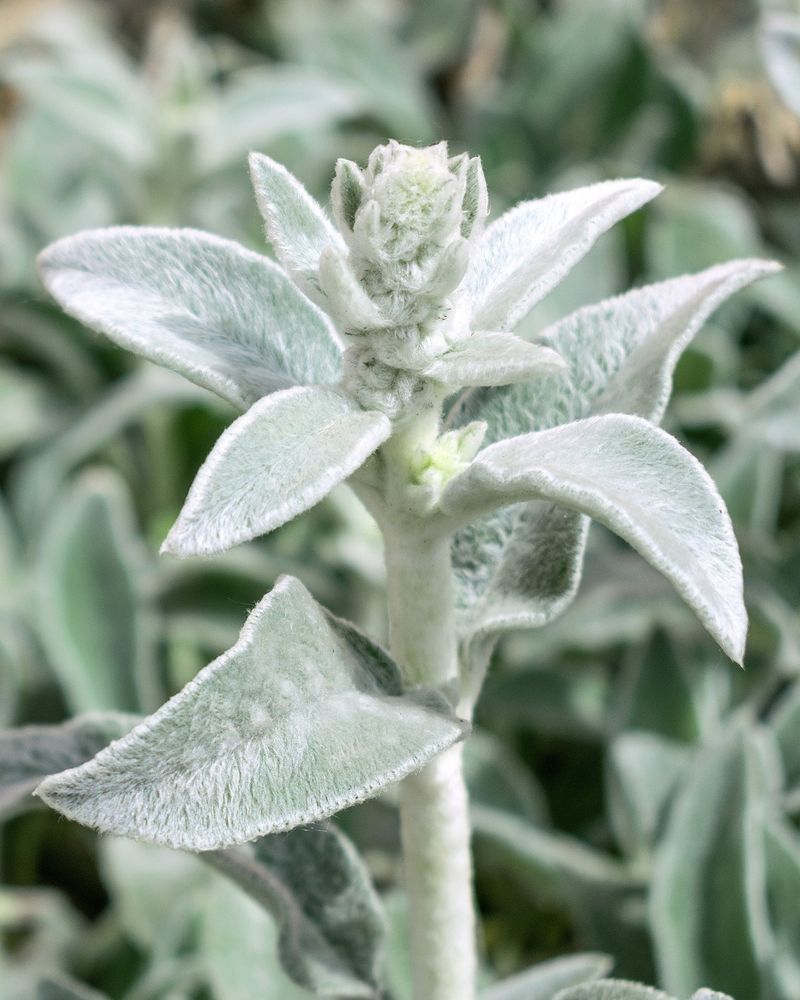
Run your fingers across Lamb’s Ear and you will understand its name right away. The leaves feel like the softest velvet, and their silvery fuzz makes children giggle with delight.
This plant loves sunny spots in Pennsylvania gardens. It spreads slowly to form a soft carpet, which makes it great for edging paths or filling in gaps between stepping stones. The fuzzy coating helps the plant hold onto water, so it handles dry summers with ease.
Lamb’s Ear does not ask for much. Well-drained soil and a sunny location keep it happy. Too much water or heavy clay can cause the leaves to rot, so avoid soggy spots. In summer, tall spikes of small purple flowers rise up, drawing in busy bees.
Deer and rabbits usually leave this plant alone, which is a big win for country gardeners. The fuzzy texture just is not tasty to them. If leaves look ragged by late summer, trim them back and fresh new growth will appear.
Fun fact: long ago, people used the soft leaves as bandages for small cuts because they are gentle and clean-feeling. That old nickname, woolly betony, still pops up now and then.
Plant Lamb’s Ear near colorful flowers like coneflowers or salvia. The silver leaves make bright colors look even richer. It also works well in a sensory garden where kids and grandparents can touch and enjoy it.
For a tidy look, divide the clumps every few years in spring. This keeps the patch healthy and gives you free plants to share with neighbors and friends.
2. Dusty Miller
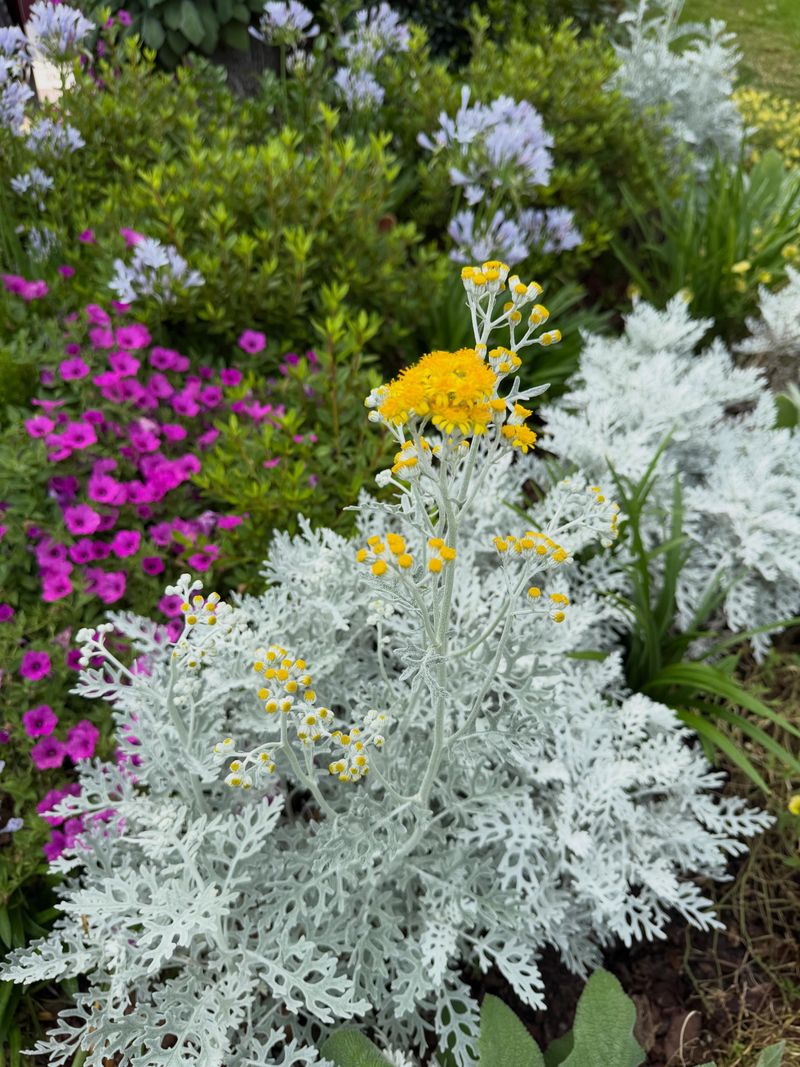
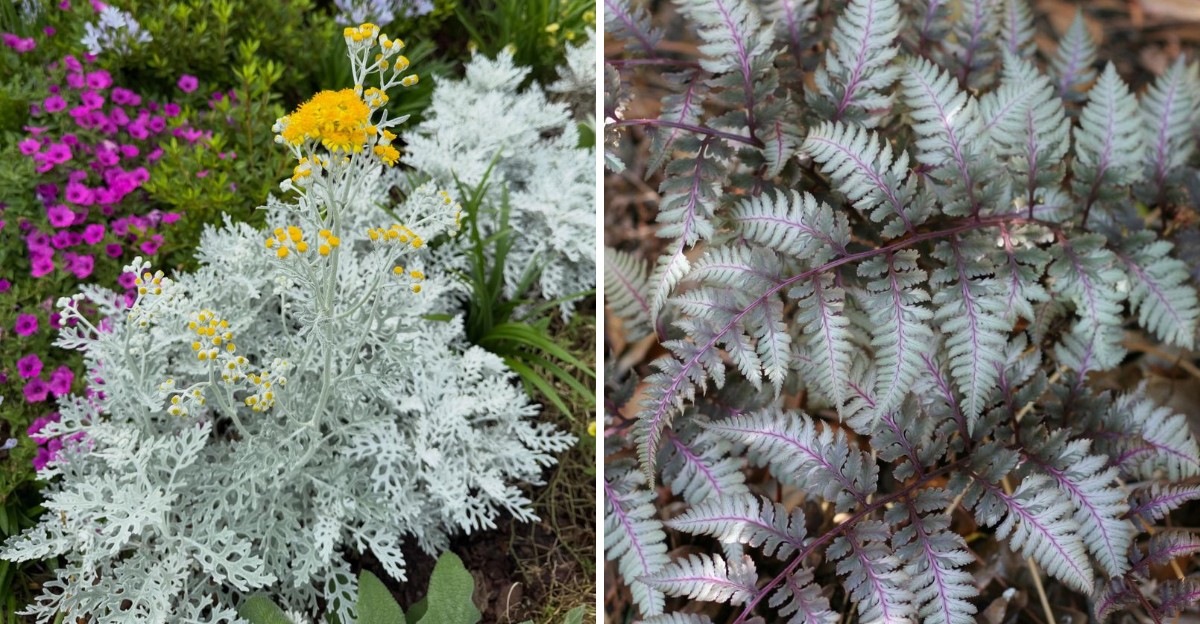
If you want a plant that looks like it was dusted with silver powder, Dusty Miller is your star. Its lacy, cut leaves shine bright and stay lovely from spring all the way into fall.
Gardeners across Pennsylvania love using Dusty Miller as a filler plant. Its cool silver tone calms down loud colors and makes flower beds feel balanced. Tuck it between red geraniums or purple petunias and watch the whole planting glow.
Sunshine is the secret to its best color. In bright light, the leaves turn almost white and silvery. In too much shade, they fade toward green and lose their sparkle.
Your Pennsylvania Garden Changes Every Week. Your Plan Should Too.
Gardening in Pennsylvania changes quickly throughout the season. Every Friday you’ll receive a simple weekly plan showing exactly what to plant, prune, fertilize, harvest, and protect so you never miss the right timing.
This plant is tough when it comes to dry weather. Once it settles in, it barely needs extra water. It also shrugs off heat, salt, and poor soil, which makes it handy for tricky spots near driveways or sidewalks.
Most gardeners grow Dusty Miller as an annual here, planting fresh ones each spring. In milder winters, it sometimes returns for another season. Pinch off any yellow flowers to keep the plant focused on making beautiful leaves.
Container gardeners adore it too. A pot mixing Dusty Miller with trailing flowers looks like something from a fancy magazine. The silver leaves spill and mound in a soft, cloud-like way.
Here is a neat tidbit: the plant belongs to the daisy family, even though its flowers are pretty plain. People grow it purely for those show-stopping leaves.
Give it good drainage and plenty of sun, and Dusty Miller will reward you with steady shimmer all season long.
3. Russian Sage
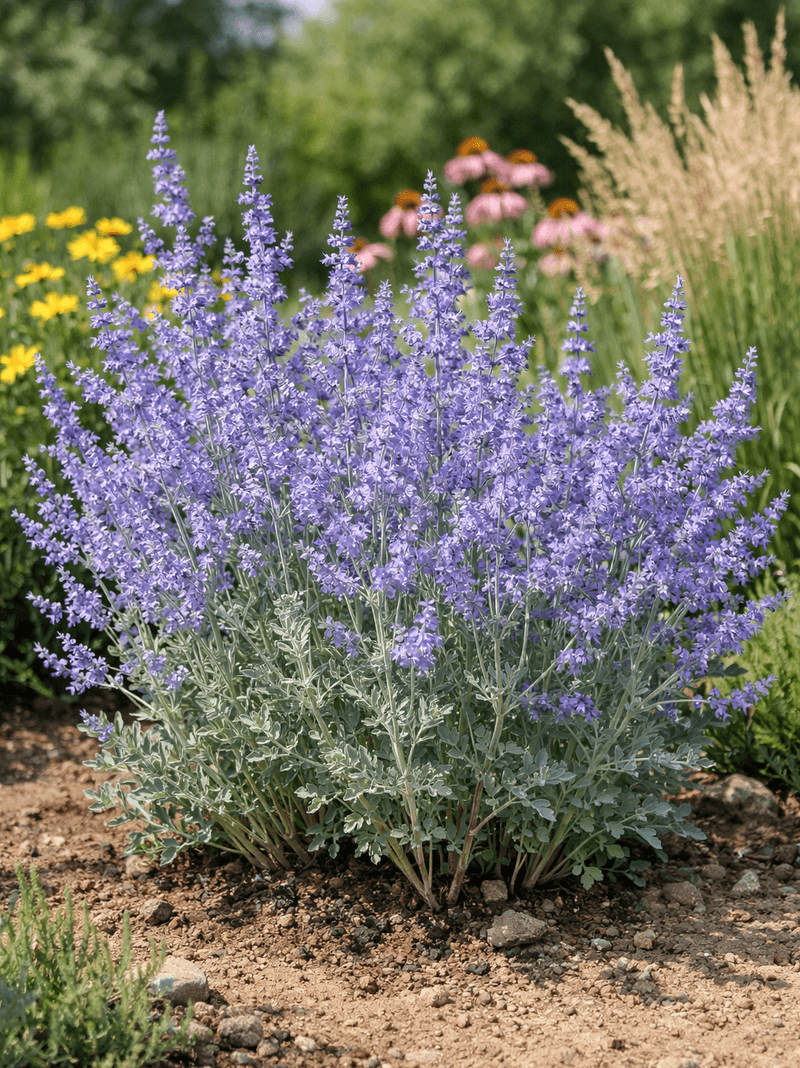
Picture a cloud of purple flowers floating above shimmering silver stems, and you have Russian Sage. This plant brings movement and shine to any sunny Pennsylvania yard.
The leaves and stems glow a soft silvery-gray, and when you brush against them, they release a fresh, spicy scent. Tall wands of tiny purple-blue blooms appear in mid to late summer, dancing in every breeze.
Toughness is this plant’s middle name. It laughs at heat, drought, and poor soil. Once its roots settle in, you can almost forget to water it, which makes it perfect for busy gardeners.
Give Russian Sage full sun and room to grow, because it can reach three or four feet tall and wide. Skinny stems may flop over, so planting it near sturdier neighbors gives it gentle support.
Pollinators cannot resist it. Bees and butterflies swarm the blooms, turning your garden into a buzzing, fluttering party all summer long. Deer, however, tend to skip it thanks to the strong scent.
Come spring, cut the old stems back to about a foot tall. This tidy trim encourages fresh, bushy growth and loads more flowers for the coming season.
Here is something surprising: despite its name, Russian Sage is not a true sage and did not come from Russia. It hails from central Asia, but the name stuck anyway.
Pair it with black-eyed Susans or ornamental grasses for a breezy, meadow-like look. The silver foliage keeps the show going even after the flowers fade, making Russian Sage a smart pick for four-season interest.
4. Silver Mound Artemisia
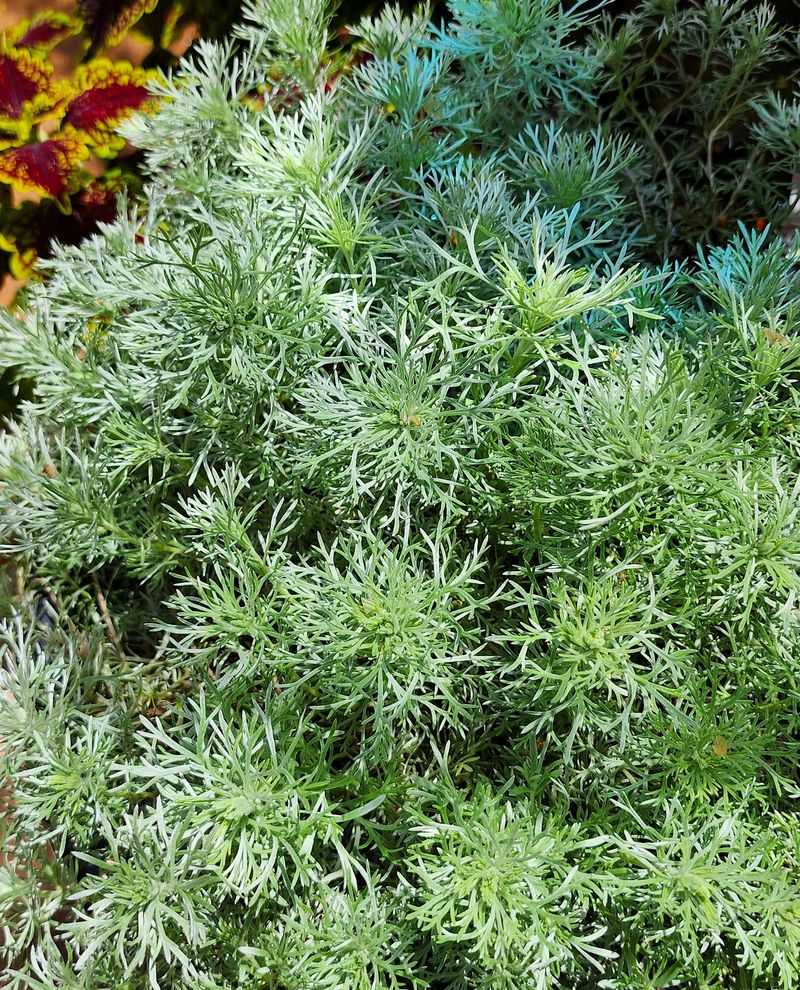
Soft, feathery, and shaped like a fluffy cushion, Silver Mound Artemisia looks good enough to pet. This little plant forms a neat silvery dome that begs to be touched.
Its fine, thread-like leaves catch the light beautifully. In a Pennsylvania rock garden or along a border edge, the mound stays tidy and adds a soothing, silvery glow all season.
Sun and good drainage are what this plant craves. It thrives in dry, lean soil, and it actually hates being pampered with too much water or rich fertilizer. Overwatering can cause the pretty mound to split open in the middle.
Because it stays small, usually under a foot tall, it works well at the front of a bed. It also looks charming spilling over the edge of a stone wall or tucked between larger plants.
Deer and rabbits usually walk right past it, which keeps the neat shape safe. The soft leaves have a faint herbal scent that critters do not enjoy.
If the mound starts to flop in midsummer heat, give it a light haircut. Trimming keeps the plant compact and encourages a fresh flush of silvery growth.
A little history: Artemisia plants are named after Artemis, the Greek goddess of the hunt and the moon. The silvery, moonlit color fits that name perfectly.
Pair Silver Mound with brightly colored blooms like red salvia or golden coreopsis. The contrast makes both the flowers and the silver stand out.
For anyone wanting a low, easygoing accent, this cushiony charmer is hard to beat in the Keystone State.
5. Silver Sage
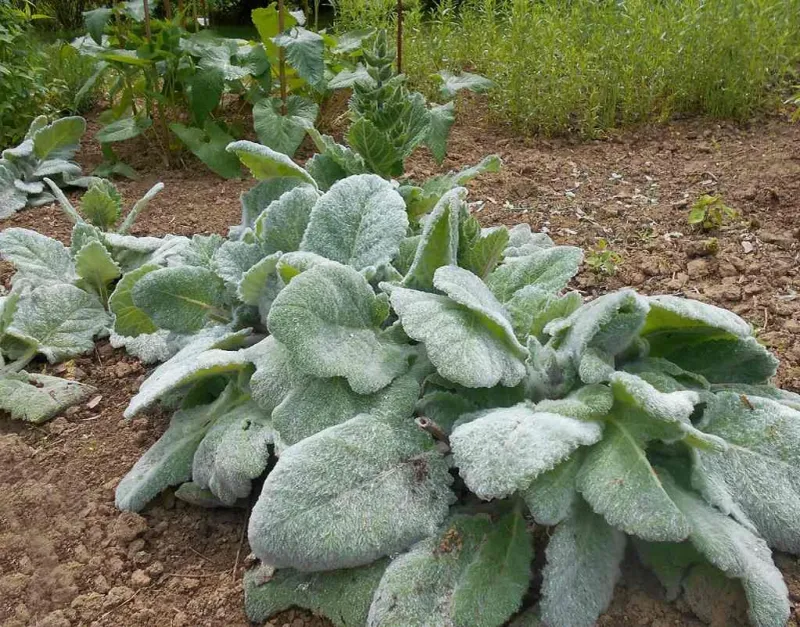
Big, bold, and wonderfully fuzzy, Silver Sage grabs attention with leaves that look wrapped in soft white wool. Just one plant can become the star of a garden bed.
The broad leaves form a low rosette that hugs the ground. Their thick, felt-like coating gives them a bright silvery-white shine that stands out among ordinary green plants.
Pennsylvania gardeners like this plant for hot, sunny spots with sandy or gravelly soil. It handles dry conditions like a champ, since the fuzzy leaves help trap moisture and reflect harsh sunlight.
In its second year, tall flower stalks shoot up, sometimes reaching three feet high. The blooms are small and yellowish, but the towering stems add fun height and drama to the display.
Good drainage matters most for keeping this beauty healthy. Wet, heavy soil in winter is its biggest enemy, so plant it on a slope or in a raised bed to keep roots happy.
Silver Sage often behaves as a short-lived plant, but it drops seeds that sprout new babies nearby. That means you can enjoy fresh rosettes year after year with little effort.
Touch the leaves and you will notice how soft and warm they feel, almost like a cozy blanket. Kids especially love running their hands over the plush surface.
Try pairing Silver Sage with lavender or catmint for a soft, dreamy garden corner. The silvery leaves make purple flowers look extra rich.
For anyone wanting a striking silver centerpiece that also handles rough conditions, this fuzzy wonder delivers plenty of texture and shine throughout the growing season.
6. Lavender
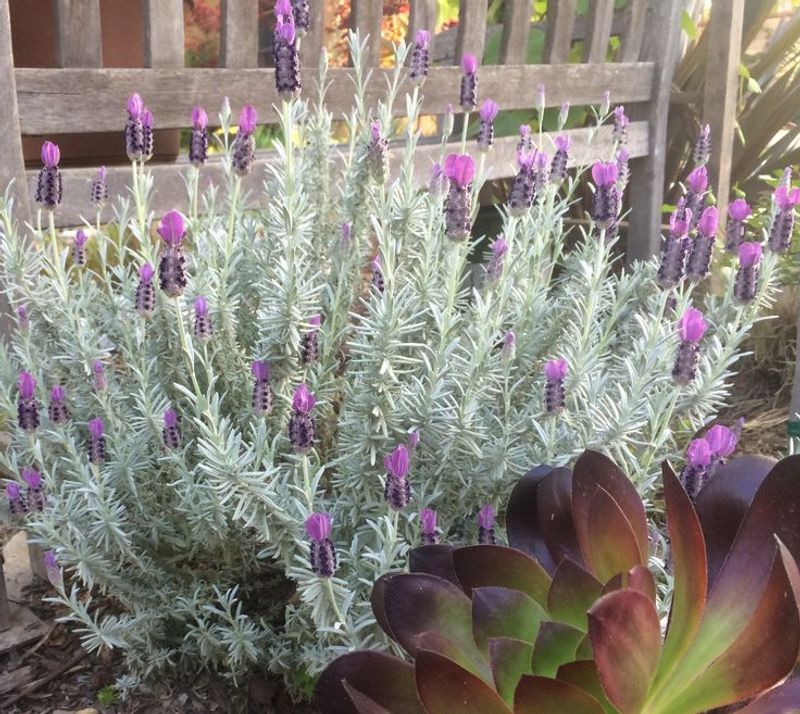
Few plants smell as heavenly as lavender, and its silvery-gray leaves are just as lovely as its famous purple flowers. This herb brings beauty, scent, and calm to any garden.
The narrow leaves have a soft, silvery tone that looks great even before the flowers bloom. When the fragrant purple spikes arrive in summer, the whole plant becomes a magnet for bees and butterflies.
Lavender loves the sun and needs well-drained soil to thrive in Pennsylvania. It grows best on slopes, in raised beds, or in pots where water drains away quickly. Soggy roots are its main trouble.
Choose hardy types like English lavender, which handle our cold winters better than some fancier kinds. A little winter mulch helps protect the roots during frosty months.
After the flowers fade, give the plant a light trim to keep it bushy and neat. Cutting it back also encourages more blooms and stops the stems from turning woody too fast.
Here is a fragrant fact: people have used lavender for thousands of years to freshen homes and help folks relax. Dried bundles still make lovely, sweet-smelling gifts.
You can snip the flowers and hang them upside down to dry. Later, use them in sachets, teas, or simple crafts with the family.
Deer usually avoid lavender because of its strong scent, so it stays safe in country gardens. Plant it near a walkway where you can brush past and enjoy the aroma.
With its silver leaves and soothing perfume, lavender rewards Pennsylvania gardeners with beauty for the eyes, nose, and pollinators alike.
7. Japanese Painted Fern
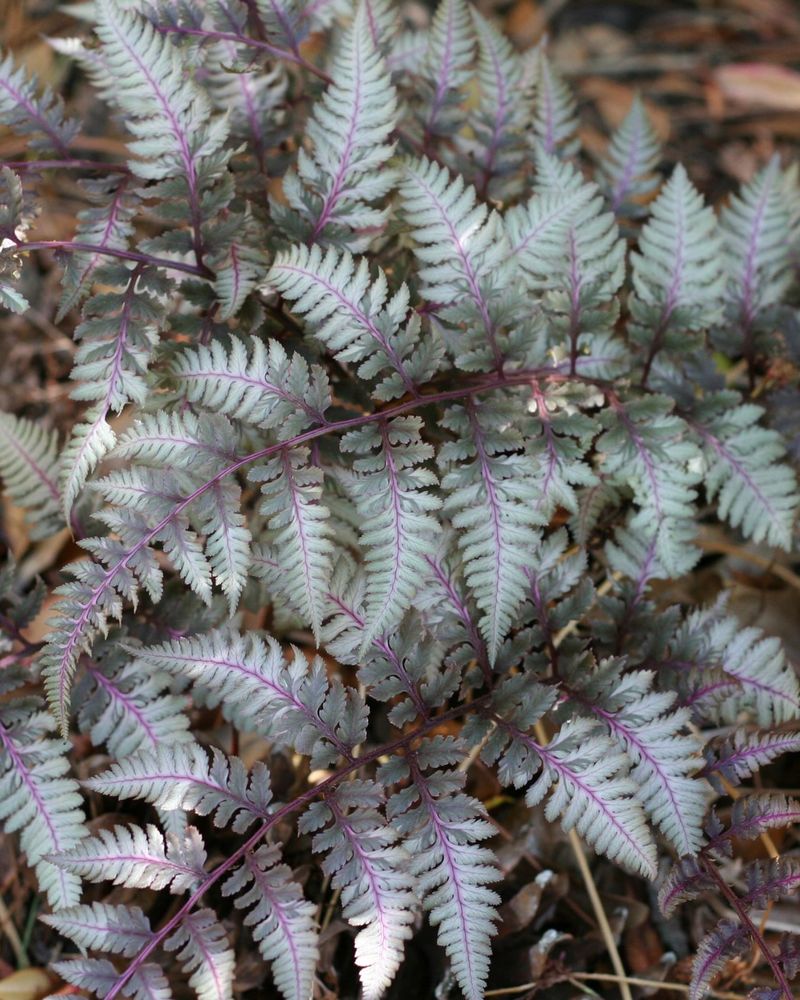
Not every silver-leaved plant needs bright sun. The Japanese Painted Fern brings shimmering silver to shady Pennsylvania corners where other plants struggle to shine.
Its delicate fronds glow with silvery-gray tones, often brushed with soft purple and deep red along the stems. The result looks like an artist gently painted each leaf by hand.
Shade lovers, rejoice. This fern thrives under trees or on the north side of a house, filling dim spots with cool, glimmering color. Moist, rich soil keeps it looking its best.
Unlike many silver plants that crave dry heat, this one prefers steady moisture. Adding compost or leaf mulch helps the soil stay damp and gives the fern the nutrients it enjoys.
It grows in a tidy clump about one to two feet tall. Over time, the clump slowly widens, but it never becomes pushy or invasive, making it a polite garden guest.
Winter causes the fronds to fade away, but do not worry. Fresh fiddleheads unfurl every spring, bringing that painted silver look back again like clockwork.
Pair this fern with hostas, astilbe, or coral bells for a rich shade garden full of texture. The silver fronds brighten dark spots and make greens look livelier.
Fun detail: this plant has won awards from garden groups for its beauty and easygoing nature. Gardeners around the world treasure its unique coloring.
Deer tend to leave ferns alone, another reason it works well in wooded Pennsylvania yards. If your garden has too much shade for flowers, this shimmering fern proves that silver can steal the show even without full sun.