The Meaning Behind Seeing A Beaver At Work Near Your Ohio Pond
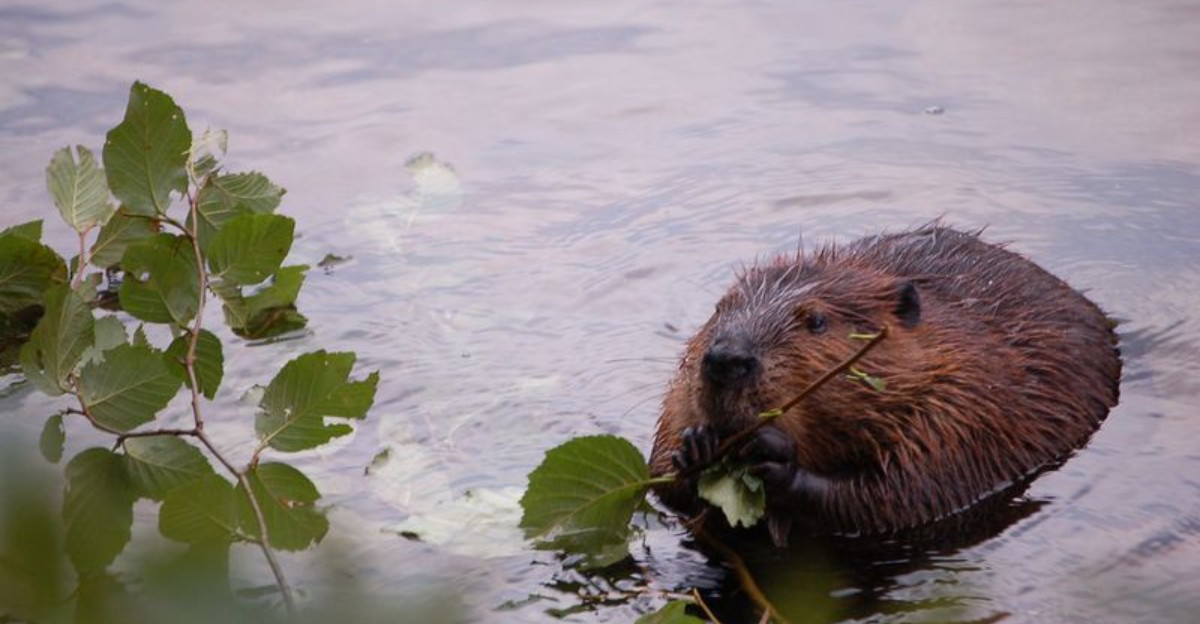
Something’s been chewing through the trees near that pond, and it’s not just a few gnaw marks here and there.
Whole trunks are showing tooth marks stacked in a pattern, wood chips scattered at the base, and somewhere close by there’s probably a dam or lodge that wasn’t there last season.
That work isn’t random destruction, even though it can look that way at first glance. Beavers build with intention, and Ohio’s ponds and slow-moving streams make ideal territory for the kind of construction project they’ve been running for generations.
A beaver showing up near a pond usually means the water itself, the surrounding trees, and the setup as a whole checked enough boxes to make it worth the effort.
Once you know what that effort is actually accomplishing, the mess left behind stops looking like damage and starts looking like something else entirely.
1. Understand Why Activity Starts To Fade
Late fall brings a strange stretch where the pond feels busier and quieter at the same time. Insect buzz drops off while the sound of gnawing picks up.
Cooler nights slow insects down because they cannot warm their bodies on their own. Cooler temperatures slow insect activity, and many pollinators become less active as fall progresses.
Beavers go the opposite direction. Fall is their peak construction season, when they patch dams, plaster lodges with mud, and haul branches into underwater food piles.
Young beavers also strike out on their own around this time, looking for new territory and a mate. That wandering explains why a pond with no residents in August suddenly has a dam in November.
So if your shoreline seems emptier of wings but louder at dusk, the timing lines up perfectly. Nothing has gone wrong with your pond.
A helpful habit is keeping a simple calendar of what you notice each week. Over two or three seasons you will spot a rhythm you can predict.
Watch for floating de-barked sticks near a lodge once ice forms. Those pale, peeled twigs are leftovers from winter meals and a reliable clue that residents are still home beneath the surface, quietly waiting out the cold.
2. Watch Late Season Pollinators Prepare For Winter
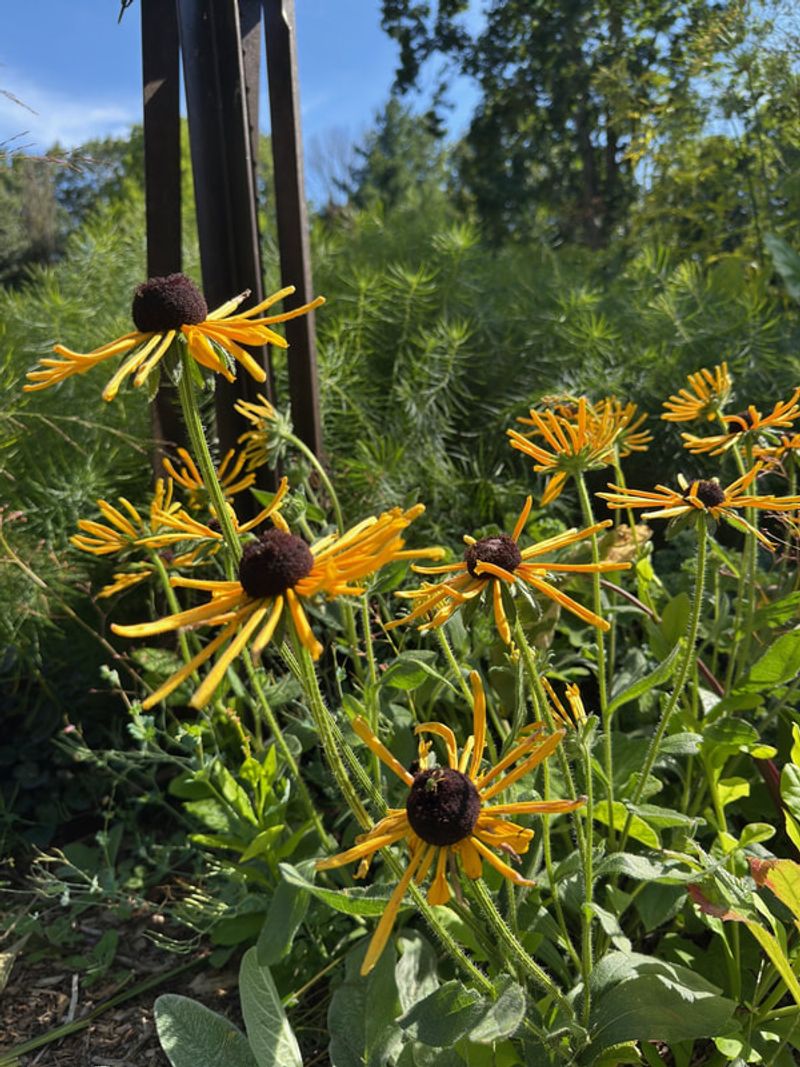
Stand near the pond in mid October and you will notice two work crews on the same shift. One is chewing willow along the bank, and the other is hovering over the last purple asters.
Bumblebees, hoverflies, and late monarchs move with real urgency in fall. Their bodies need sugar and pollen to build up reserves before cold weather settles over Ohio.
Beaver activity happens to help them out. When a beaver family cuts trees and raises the water level, sunlight pours into spots that used to sit in deep shade.
Those sunny, damp edges fill in fast with joe-pye weed, boneset, goldenrod, and smartweed. Pollinators follow the flowers, which is why beaver ponds often hum louder than a plain, tidy pond.
Give yourself twenty minutes with a folding chair and watch which blooms get the most traffic. Write down the plant names in a notebook or snap a few photos with your phone.
Your Ohio Garden Changes Every Week. Your Plan Should Too.
Gardening in Ohio changes quickly throughout the season. Every Friday you’ll receive a simple weekly plan showing exactly what to plant, prune, fertilize, harvest, and protect so you never miss the right timing.
Fun fact: beavers are mostly active at dusk and dawn, so you can watch bees in the afternoon and the builders at sunset. One pond, two completely different nature shows.
Seeing both together usually means your shoreline is healthy and layered. Open water, soft mud, flowering plants, and gnawed wood all point to a place that supports far more life than bare grass ever could.
3. Leave Late Blooms For Hungry Bees
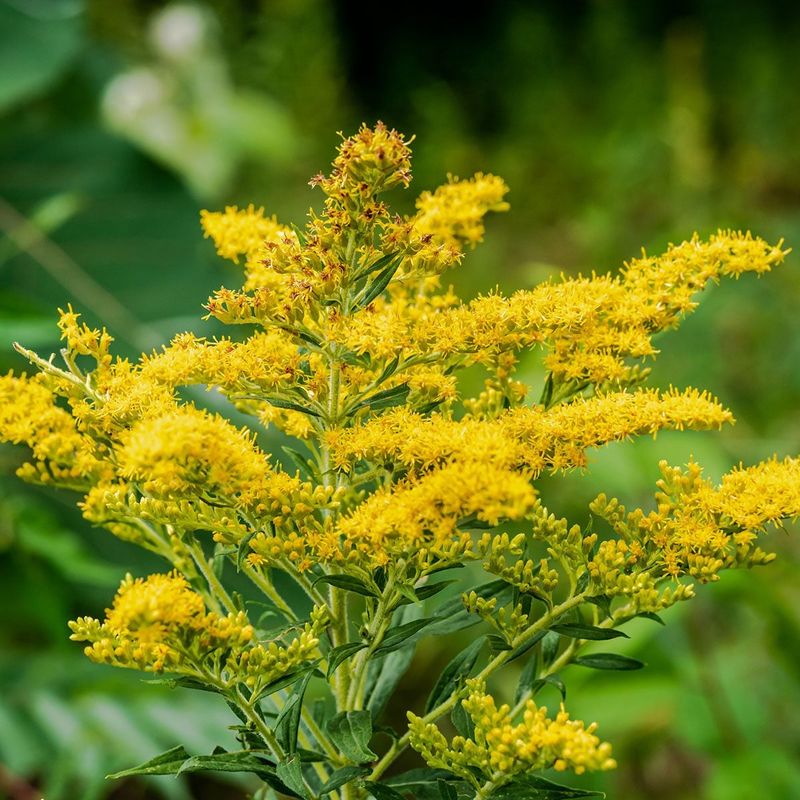
Here is a chore you are allowed to skip: cutting down the messy flowers along your pond bank in September.
Goldenrod, asters, ironweed, and boneset are the closing act of the pollinator year. In Ohio they carry bees and butterflies through the final warm weeks.
Beaver ponds tend to grow these plants generously because of the wet, sunny edges the animals create. Flooded ground plus open sky is exactly what many native wildflowers want.
When people mow the whole shoreline flat, that food disappears in an afternoon. The pollinators move on, and so do the birds that eat the insects.
Try mowing a walking path instead of the entire bank. You keep your access to the water while the flowers keep feeding whatever stops by.
If goldenrod worries you, know that it does not cause hay fever. Ragweed blooms at the same time and gets the blame unfairly.
A practical approach is dividing the shoreline into thirds and trimming only one section each year. Something is left standing while the rest recovers.
Beavers and bees both benefit from a shaggy edge. Seeing that busy rodent near your water is a nudge to let a little wildness stay put through autumn.
4. Protect Garden Food Sources Into Fall
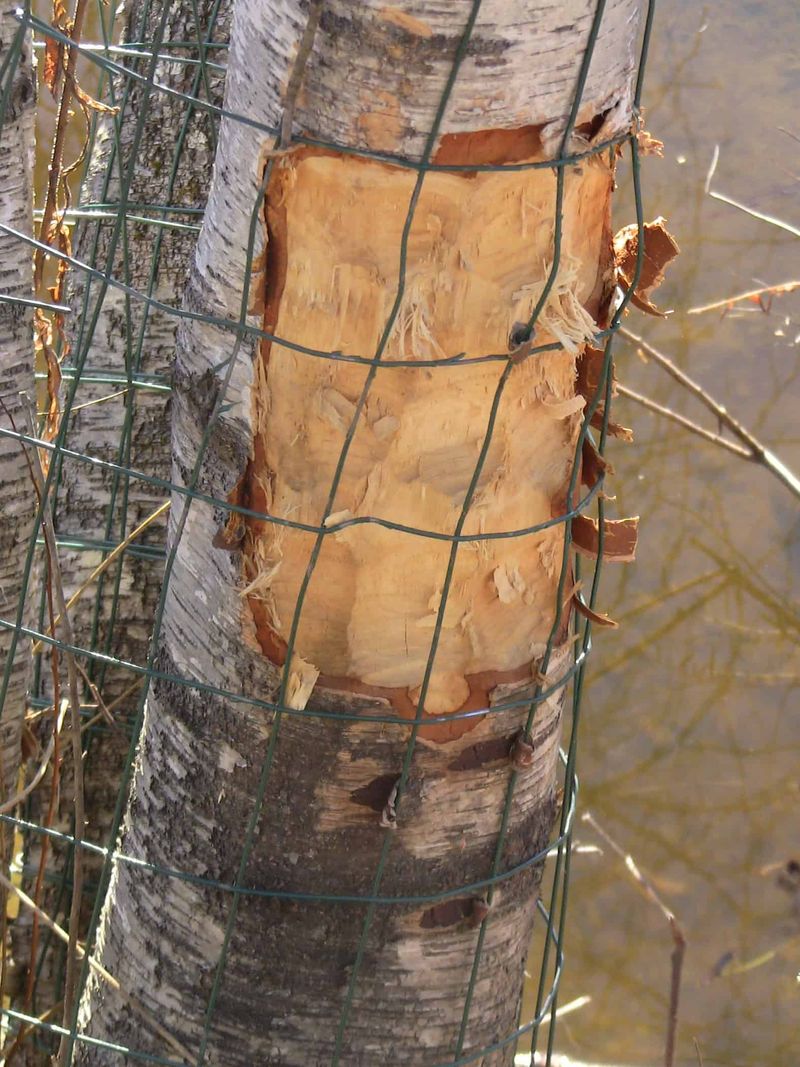
A beaver moving in nearby gives you a reason to look at your garden with fresh eyes, and not only because of the trees.
Beavers favor poplar, aspen, willow, birch, and maple. If those grow within a hundred feet of the water, expect chew marks eventually.
Wrapping trunks with wire mesh, about three feet high with a little breathing room, protects the trees you care about most. Hardware cloth works well and lasts for years.
Meanwhile your flower beds are doing pollinator duty. Zinnias, sedum, salvia, anise hyssop, and cosmos keep producing nectar right up to the first hard frost.
Keep those plants watered during a dry September so blooms stay plump and useful. Thirsty flowers make less nectar, which shortchanges visiting insects.
Skip broad insect sprays in autumn as well. Late-season bees are stocking up for a long rest, and a single treatment can undo weeks of feeding.
A clever trick: paint protected trunks with a gritty sand and latex paint mix. Beavers dislike the texture and generally look elsewhere for softer wood.
Sharing the space works better than fighting over it. You save your favorite maple, the beaver takes the scrubby willow, and the garden hums along untouched.
5. Recognize The Signs Of Seasonal Change
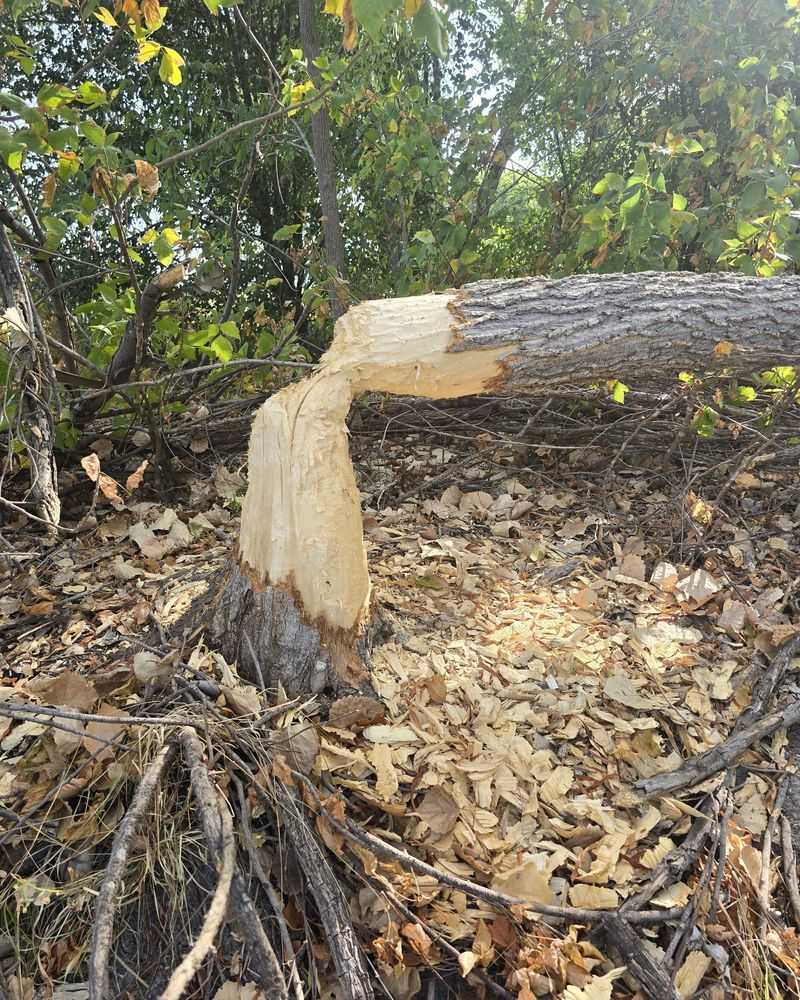
Nature posts its schedule in plain sight if you know where to look. Your pond keeps a very detailed bulletin board.
Pointed stumps that look sharpened with a pencil sharpener mean a beaver has been felling wood. Fresh chips and pale, damp cuts show the work happened within a day or two.
Mud mounds along the bank are territory markers, dabbed with scent from glands. Finding several usually means a family has claimed the area for the season.
Meanwhile the insects are sending signals too. Fewer butterflies, sluggish bees on cool mornings, and crickets going quiet all mark the shift toward winter.
Cattails browning, milkweed pods splitting open, and asters fading tell the same story from the plant side. Everything is moving in the same direction at once.
Jot down first and last sightings each year. Naturalists call this phenology, and backyard records genuinely help scientists track changing seasons.
Beavers nearly vanished from Ohio by 1830, then returned during the 1930s and 1940s. Reading these signs today means you are watching a comeback story in progress.
Learning the language of stumps, scent mounds, and quiet fields makes autumn feel less like an ending. It reads more like a long, careful preparation.
6. Grow Plants That Support Fall Pollinators
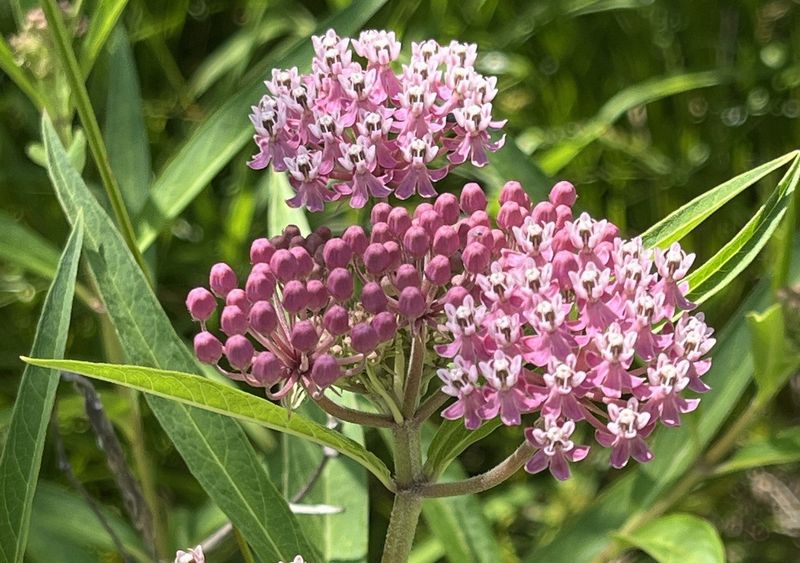
Think of planting a fall garden as leaving snacks out for guests who travel a very long way.
New England aster, smooth aster, showy goldenrod, swamp milkweed, and joe-pye weed all thrive in the damp soil that surrounds Ohio ponds. Wet feet do not bother them one bit.
Those same species handle the fluctuating water levels a beaver dam creates. When the pond rises, they bend and adapt rather than fail.
Buttonbush deserves a spot too, with its odd white pincushion flowers that bees crowd in summer. It also holds the bank together during heavy rain.
Plant in clusters of three to five rather than single specimens. Bigger patches are easier for pollinators to find and more efficient for them to feed on.
Fall is a fine planting time in Ohio since cool soil encourages roots to settle in. Water new plants weekly until the ground stiffens up.
Choose native varieties over fancy hybrids when you can. Some ornamental versions produce showy petals but very little nectar or pollen underneath.
The bonus is a shoreline that looks intentional instead of neglected. Neighbors see a garden, the bees see a buffet, and the beaver still gets the scruffy willow patch it wanted anyway.
7. Avoid Removing Bee Friendly Flowers Too Soon
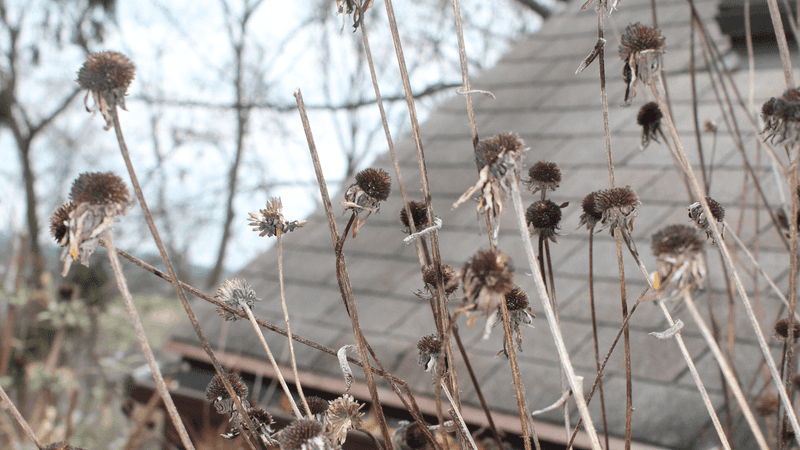
The urge to tidy up hits hard once the flowers start looking ragged. Resist it a while longer.
Plenty of blooms keep offering nectar even when the petals look tired. A patch of asters can still be feeding bumblebees in early November during a mild Ohio autumn.
Cutting stems down in September removes that safety net. Insects searching for one last meal find bare ground instead.
Hollow stems matter as well. Small native bees tuck themselves inside dried stalks of coneflower, bee balm, and goldenrod to pass the winter.
Leaving stems standing until late April gives those residents time to emerge. Trimming them to about a foot tall in spring still leaves usable shelter.
Seed heads pull double duty by feeding goldfinches, sparrows, and juncos through the cold months. A single coneflower can supply several bird visits.
Beavers, oddly enough, model the same lesson. They store branches underwater in fall so food waits for them later, and standing stems store shelter the very same way.
Frost-covered seed heads catch morning light beautifully too. What looks like laziness in October turns into a working winter habitat, which is a pretty good deal for skipping one afternoon of yard work.
8. Create Shelter For Overwintering Insects
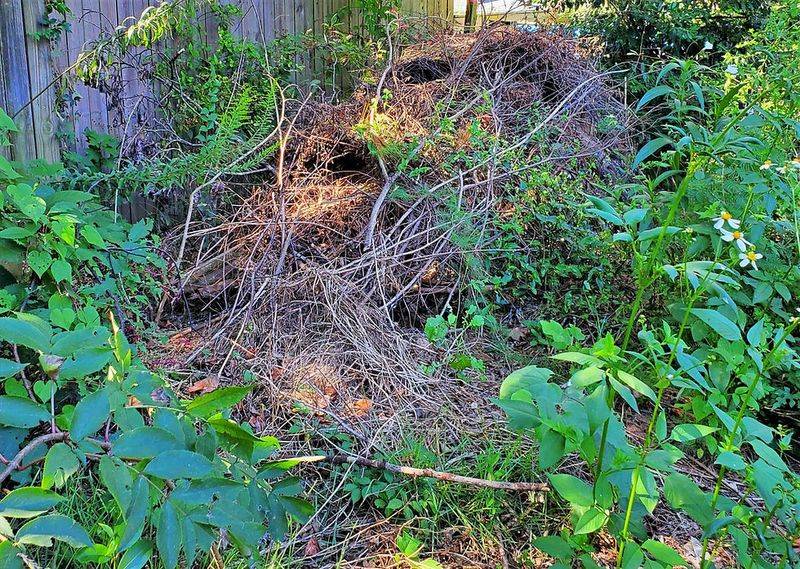
Beavers set an excellent example when it comes to winter housing. Sticks, mud, an underwater door, and a warm chamber above the waterline.
Insects need shelter too, though theirs is far simpler. Leaf litter, hollow stems, loose bark, and rotting logs do the job nicely.
Queen bumblebees burrow just an inch or two into soft soil and leaf cover. Raking the shoreline bare removes exactly the blanket they were counting on.
Piling branches in a quiet corner creates shelter for beetles, spiders, and small mammals. Any wood a beaver leaves behind can go straight onto the pile.
Leaving a few bare patches of sandy ground helps as well, since many native bees nest in the soil. Sunny, unmulched spots are prime real estate.
Fallen logs partly in the water give frogs, turtles, and dragonfly larvae places to shelter. The beaver pond itself becomes a wildlife apartment building.
Beaver lodges get plastered with mud in autumn, which freezes into something like natural concrete. Inside stays surprisingly mild even during an Ohio cold snap.
Borrow the strategy at a smaller scale. Rough edges, stacked wood, and unraked leaves turn your pond bank into a place where dozens of species quietly wait out the season.
9. Know When A Beaver Is Becoming A Problem
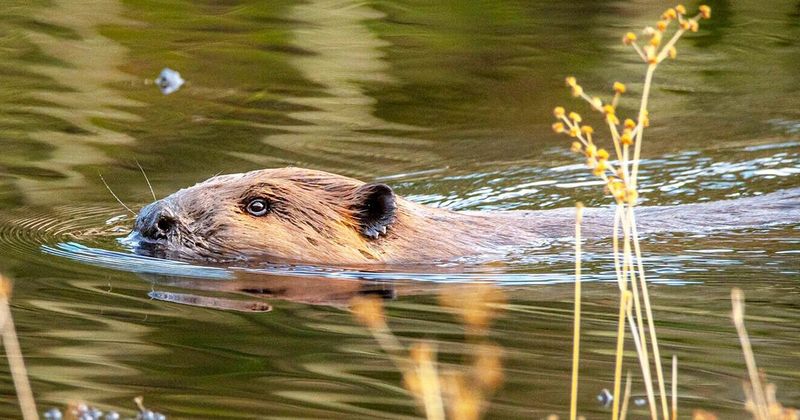
A beaver near your pond is usually a sign of a healthy ecosystem, but there is a point where appreciation needs to be balanced with protection. The same dam that creates wetlands can also send water somewhere you do not want it.
Watch the water level first. If a dam begins flooding a driveway, road, septic area, basement, or valuable planting area, the issue is no longer just wildlife watching.
It becomes a property-management problem.
Trees need attention too. Beavers naturally target willow, poplar, aspen, birch, and maple because the bark and branches provide food and building material.
Losing a few volunteer trees along the shoreline is normal. Losing a favorite specimen tree you planted years ago is different.
The best solutions usually focus on preventing conflict rather than removing the animal. Wire mesh around valuable trunks, protecting culverts, and installing properly designed water-control devices can allow beavers and people to share the same space.
Avoid destroying the dam without a plan. Beavers are persistent builders, and a removed dam often comes back quickly if the conditions still attract them.
A beaver pond can be one of the most valuable features on a property. The goal is not always to remove the beaver – it is to keep the benefits while preventing damage.
10. Keep Your Garden Alive After Summer
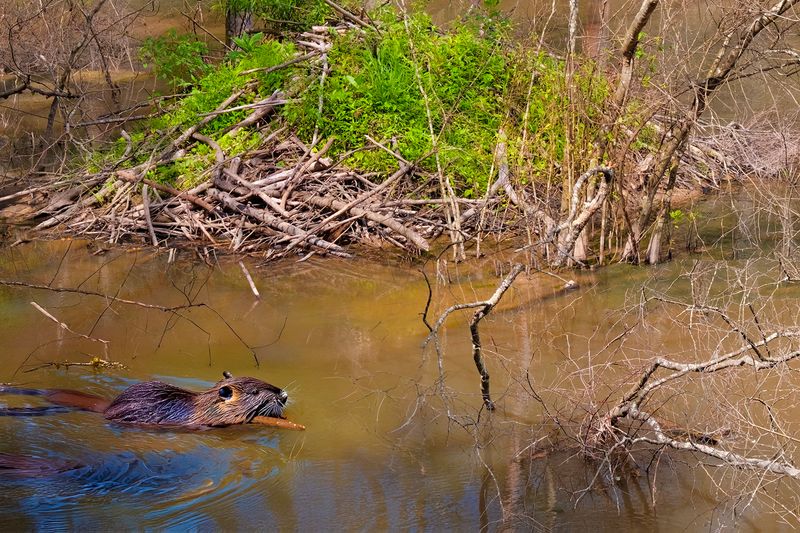
By the time October winds down, a beaver pond can look like the most interesting place on the property.
Water backed up behind a dam slows erosion, traps sediment, and recharges groundwater underneath. Wetland plants filter nitrogen and phosphorus while they grow.
Herons, wood ducks, frogs, turtles, fish, and dragonflies all pile into that habitat. Scientists call beavers a keystone species because so much depends on their work.
Your garden can ride that same momentum. Late bloomers, standing stems, brush piles, and unraked leaves keep activity going well past the tomato harvest.
Flooding is worth managing honestly, of course. Flow devices such as pond levelers let water pass through a dam while the beavers stay put, and Ohio groups offer guidance on installing them.
Protect the trees you value, plant natives along the damp edges, and let the rest grow a little shaggy. Most conflicts shrink once expectations shift.
Seeing a beaver hauling a branch through your pond at dusk is worth pausing for. That animal was nearly gone from Ohio two centuries ago and rebuilt its place here on its own.
Treat the sighting as a compliment. Something wild looked at your water and decided it was good enough to build a life around.