Pennsylvania Yards With Fewer Bugs Often Have This Growing Along The Fence
September evenings in Pennsylvania still bring people out onto the porch before the cold really sets in. Somebody flips on the light, settles into a chair, and within minutes starts swatting at their own neck.
Yet a few yards on the block stay strangely peaceful even this late in the season. Neighbors linger out there long after dark without doing that twitchy little dance around the patio table.
The secret is rarely an expensive gadget or a smoky fogger grabbed off the hardware store shelf. More often it is something green and stubborn holding the line where the fence runs.
Those yards smell faintly herbal when a cool breeze rolls through, sweet with a sharp edge. Meanwhile, every cat within six blocks has developed loud and very strong opinions about that fence.
The Fence-Line Trick Behind Fewer Backyard Bites
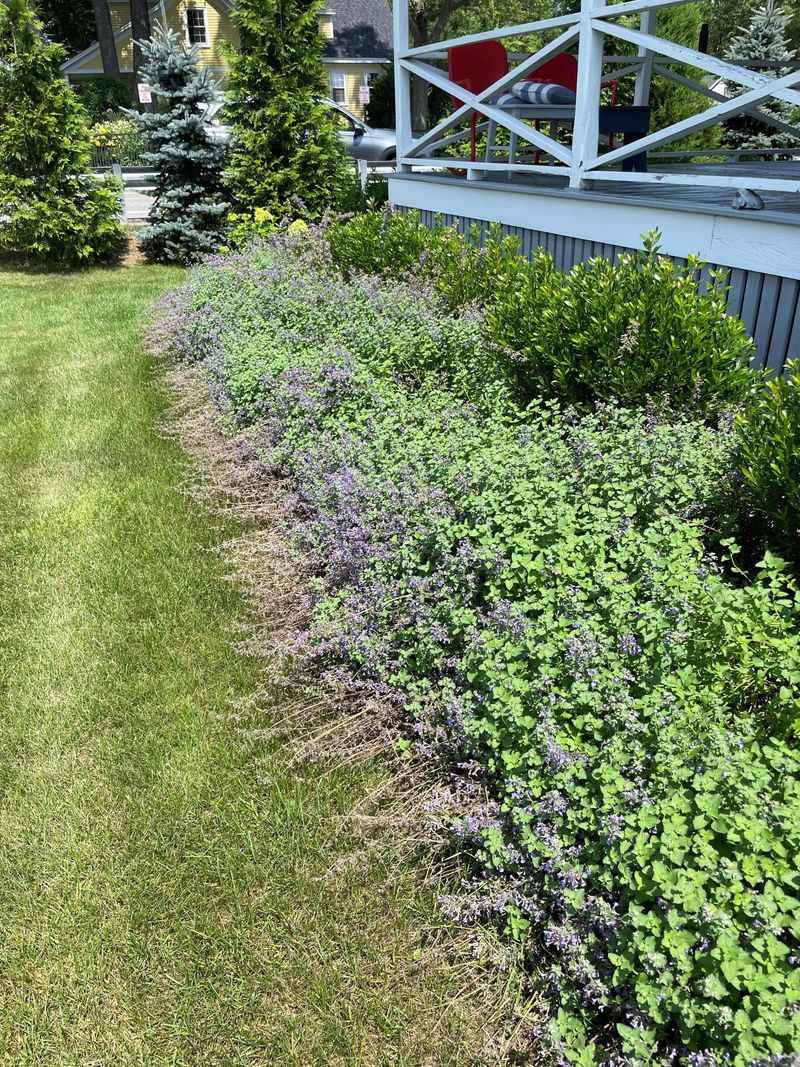
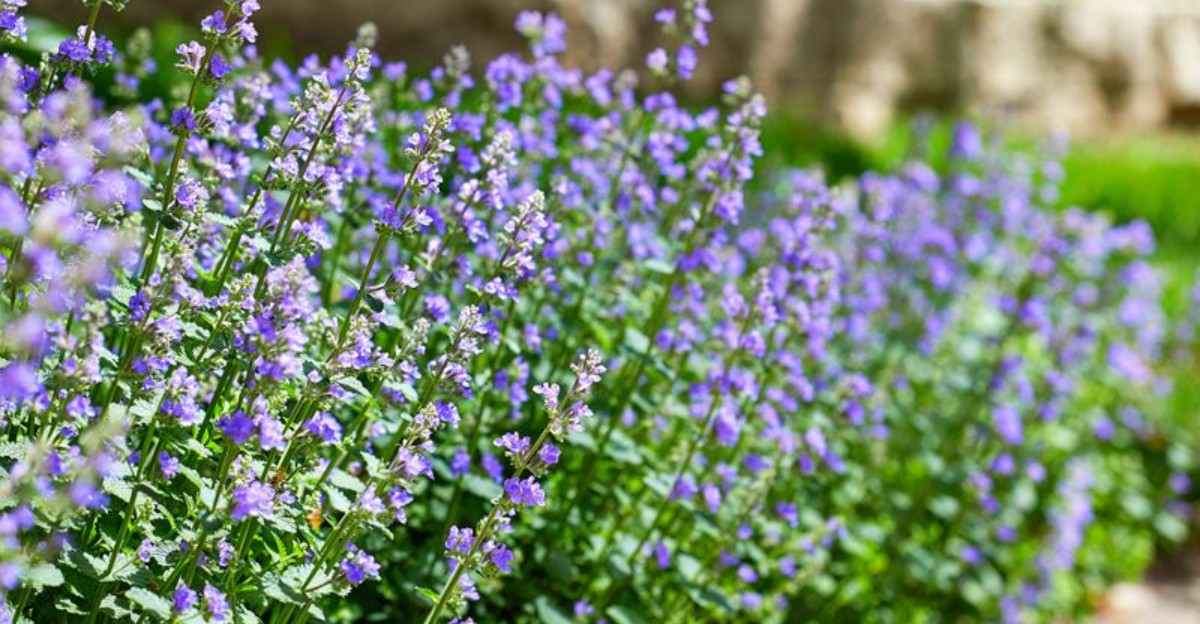
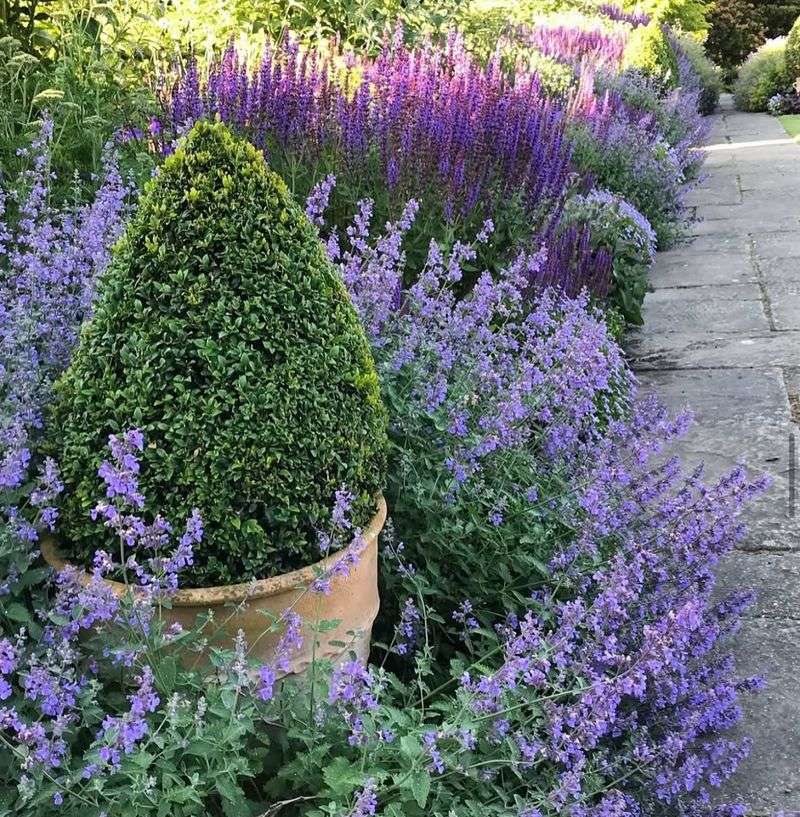
Walk past a Pennsylvania yard with a low purple hedge along the fence, and you have met catmint. Nepeta is the quiet workhorse behind plenty of calm, comfortable summer evenings on the patio.
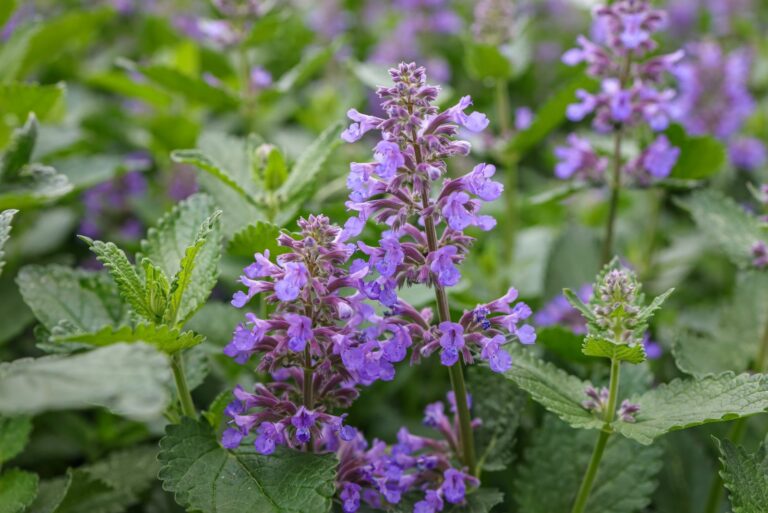
Plants grow in soft mounds roughly two feet tall, with gray-green leaves and lavender-blue flower spikes. Brush against one and you get a sharp, minty smell that lingers on your fingers.
That smell comes from oils insects dislike, which is the whole reason gardeners line fences with it. Mosquitoes, gnats, and even some beetles tend to drift toward easier, less fragrant territory.
Pennsylvania sits mostly in hardiness zones five through seven, and catmint handles that range without fuss. Cold winters, humid Julys, and heavy clay soil rarely bother a clump once it is established.
Walkers Low and Six Hills Giant are two popular choices for long fence runs in Pennsylvania. Both bloom for weeks and bounce back fast after a simple midsummer haircut with shears.
Pollinators love the flowers, so the hedge buzzes with bees while biting insects stay away. That trade feels odd at first, though it is exactly what a healthy yard looks like.
Deer and rabbits tend to leave catmint alone too, which matters a lot in Pennsylvania suburbs and farm country. One planting solves two problems, and that is rare in any garden bed.
Give each plant about eighteen inches of space and plenty of sunshine along the fence. Within two seasons the row fills in, and your porch time gets noticeably quieter.
The Nepetalactone Effect On Mosquitoes And Gnats
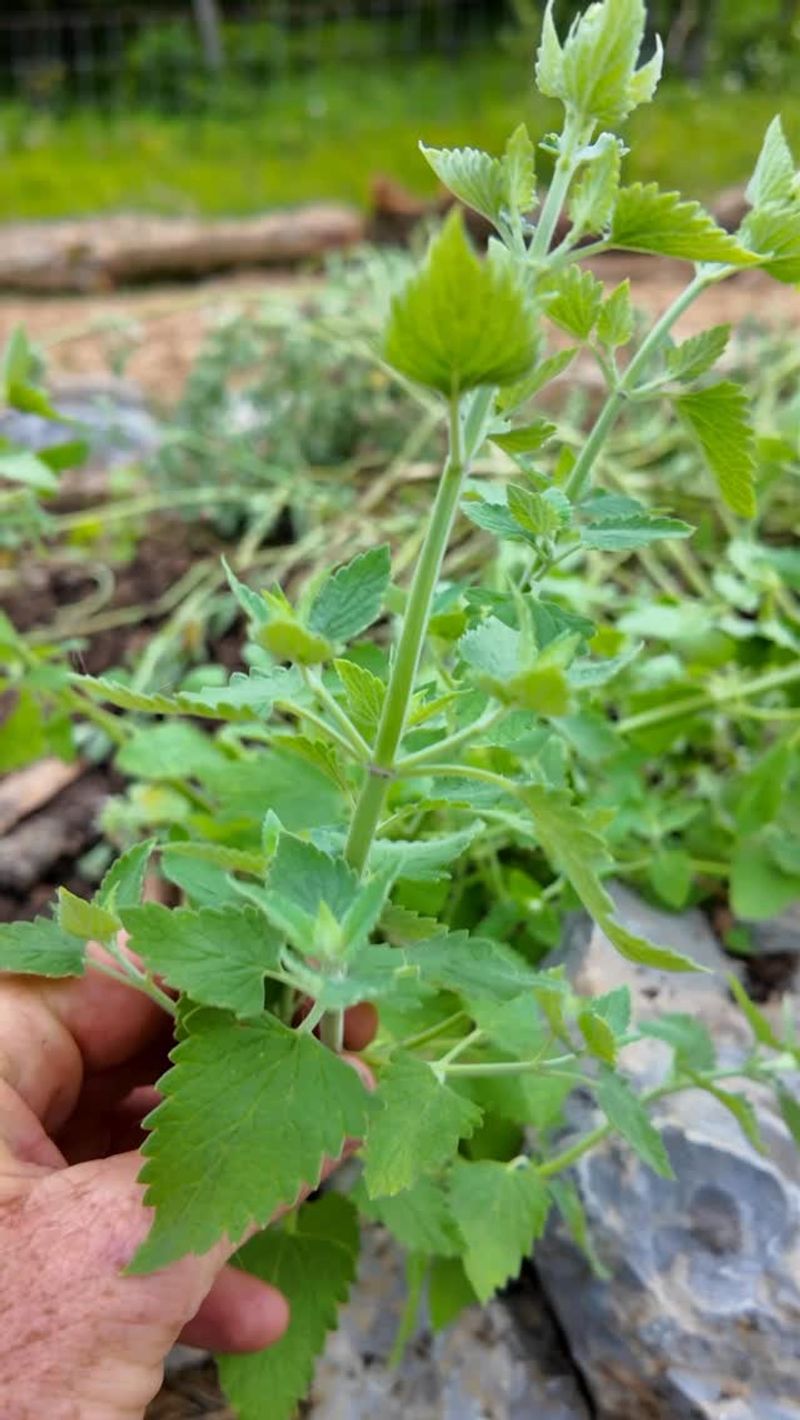
Researchers at Iowa State once tested nepetalactone from the related catnip plant and found it outperformed common repellents in lab trials. The active compound behind that result carries a real tongue-twister of a name, nepetalactone.
Nepetalactone sits inside tiny glands on the leaves and stems, waiting for something to disturb them. Wind, rain, a passing dog, or your jeans all release a little into the air.
Insects pick up that chemical through the same receptors they use for sensing irritants and danger. The scent scrambles their signals, so they move along instead of settling near your ankles.
Lab results and backyard reality are two different things, and honest gardeners admit it. A fence row of catmint reduces pressure in the area nearby, though it is not a shield.
Your Pennsylvania Garden Changes Every Week. Your Plan Should Too.
Gardening in Pennsylvania changes quickly throughout the season. Every Friday you’ll receive a simple weekly plan showing exactly what to plant, prune, fertilize, harvest, and protect so you never miss the right timing.
Plants sitting quietly in a border release far less oil than crushed leaves ever would. Running a hand along the row before dinner gives the effect a noticeable, short-lived boost.
Some folks rub a fresh leaf on their sleeves or shoes before heading out for yard work. The scent fades within an hour, so a second pass is usually worth the trouble.
Gnats and mosquitoes are most bothered, while flies and some beetles also keep their distance. Bees and butterflies ignore the compound and crowd the blooms from June through September.
Consider the hedge one useful layer of defense rather than the entire bug plan. Pair it with drained gutters, emptied buckets, and a fan on the porch for real results.
Fence Line Placement And Pennsylvania Planting Seasons
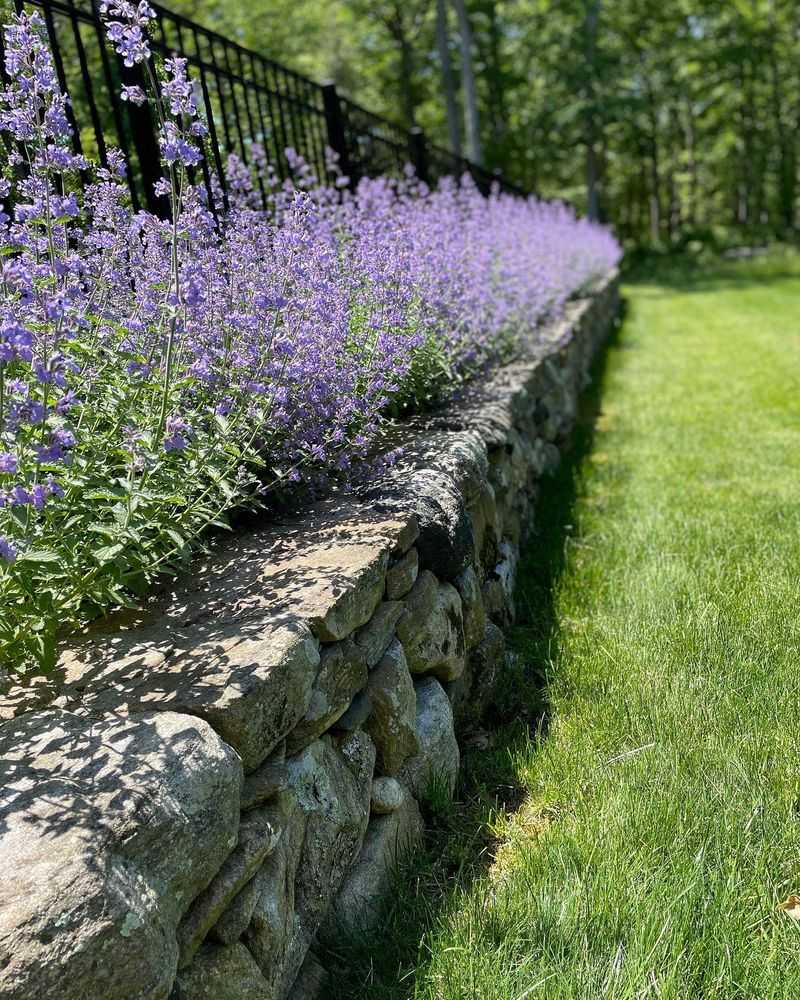
Timing matters far more than most homeowners expect when starting a fence-line planting in this state. Mid-April through late May gives young roots a solid head start before real summer heat arrives.
September works too, since cool air and warm soil push root growth without stressing the plant. Aim for roughly six weeks before the first hard frost date in your county.
Philadelphia gardeners get a noticeably longer window than folks up in Potter or Tioga County. Check local frost dates rather than trusting a generic tag from the big garden center.
Sun exposure decides how well the entire row performs once the plants settle in. Catmint wants at least six hours of direct light, so a south or west fence is ideal.
Spacing trips up beginners more than anything else when lining a long property fence. Eighteen to twenty-four inches between plants looks sparse in May and perfect by August.
Set the row about a foot away from the fence boards instead of crowding them. Air needs to move behind the plants, and you will want room to pull stray weeds.
Wet, soggy ground near a downspout is the one spot worth skipping along the fence. Roots sitting in standing water rot quickly, and that whole section thins out by July.
Water new plants deeply twice a week for the first month, then ease off gradually. Established catmint handles Pennsylvania dry spells with very little help from the garden hose.
Common Mistakes That Weaken A Catmint Border
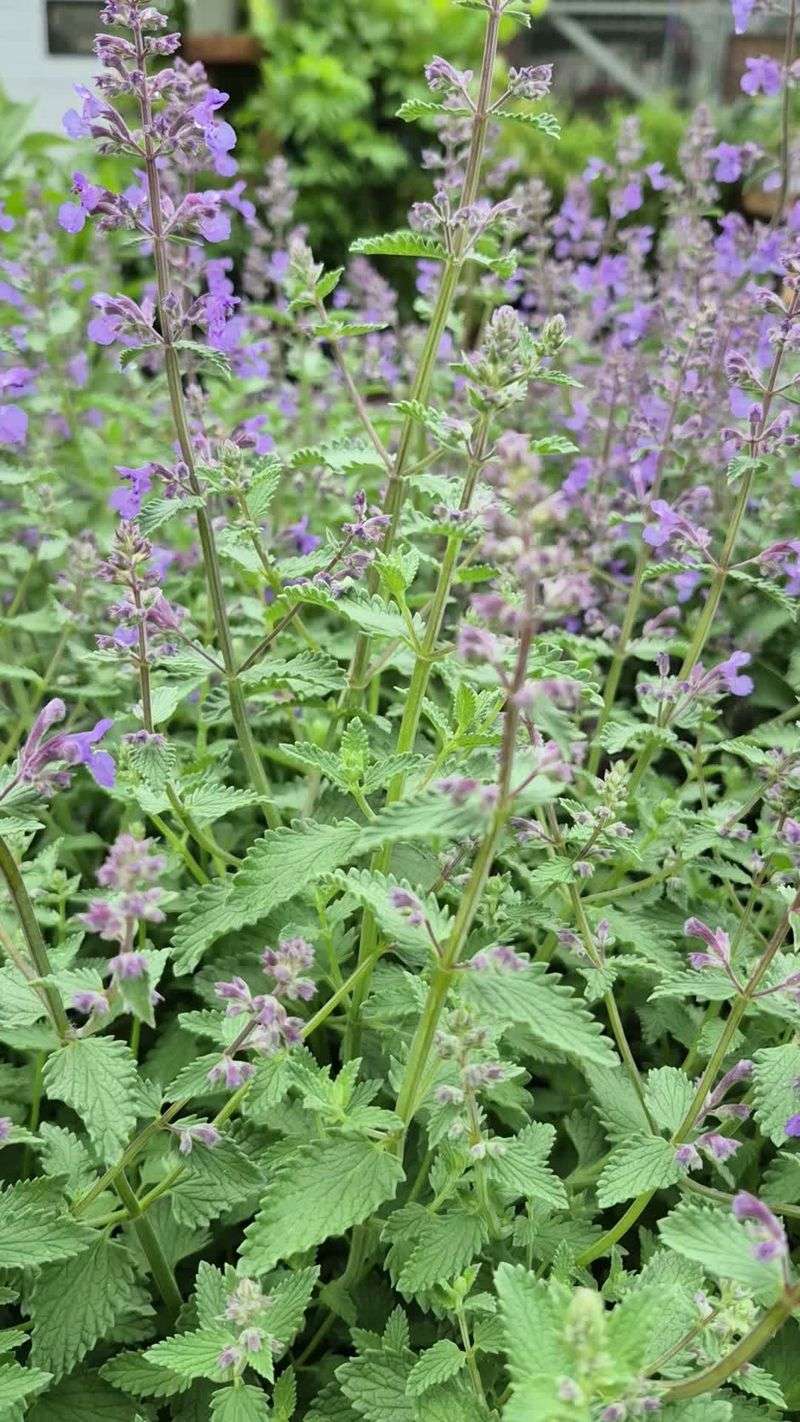
A neighbor once planted forty catmint plants along her fence and had bare stems by August. Her mistake was simple enough, and it repeats in yards across the state every single summer.
She fed the entire row with rich lawn fertilizer, hoping for bigger and bushier growth. Catmint responds to heavy feeding by flopping open in the middle like a split pillow.
Lean, ordinary soil produces sturdier stems and stronger scent, which is exactly what you want. Skip the fertilizer, and the plants generally take care of themselves without much fuss at all.
Overwatering ranks as the second biggest fence-row problem showing up in Pennsylvania backyards. Mulch piled right against the crown traps moisture and invites rot during a long rainy stretch.
Confusing catmint with true catnip leads to a very different kind of headache in the yard. Catnip grows taller and weedier and reseeds aggressively, while most catmint stays tidy and sterile.
Shade is another quiet troublemaker along fences shaded by old maples or tall privacy panels. Plants stretch, bloom weakly, and give off far less of the scent that repels insects.
Leaving spent flowers in place stops the second bloom that normally carries you through September. A quick shear after the first flush resets the entire row within about two weeks.
Crowding plants shoulder to shoulder looks great in June and invites mildew by August. Give them breathing room, and the hedge stays thick for years rather than a few months.
Soil, Sun, And Shearing Fixes For Fuller Plants
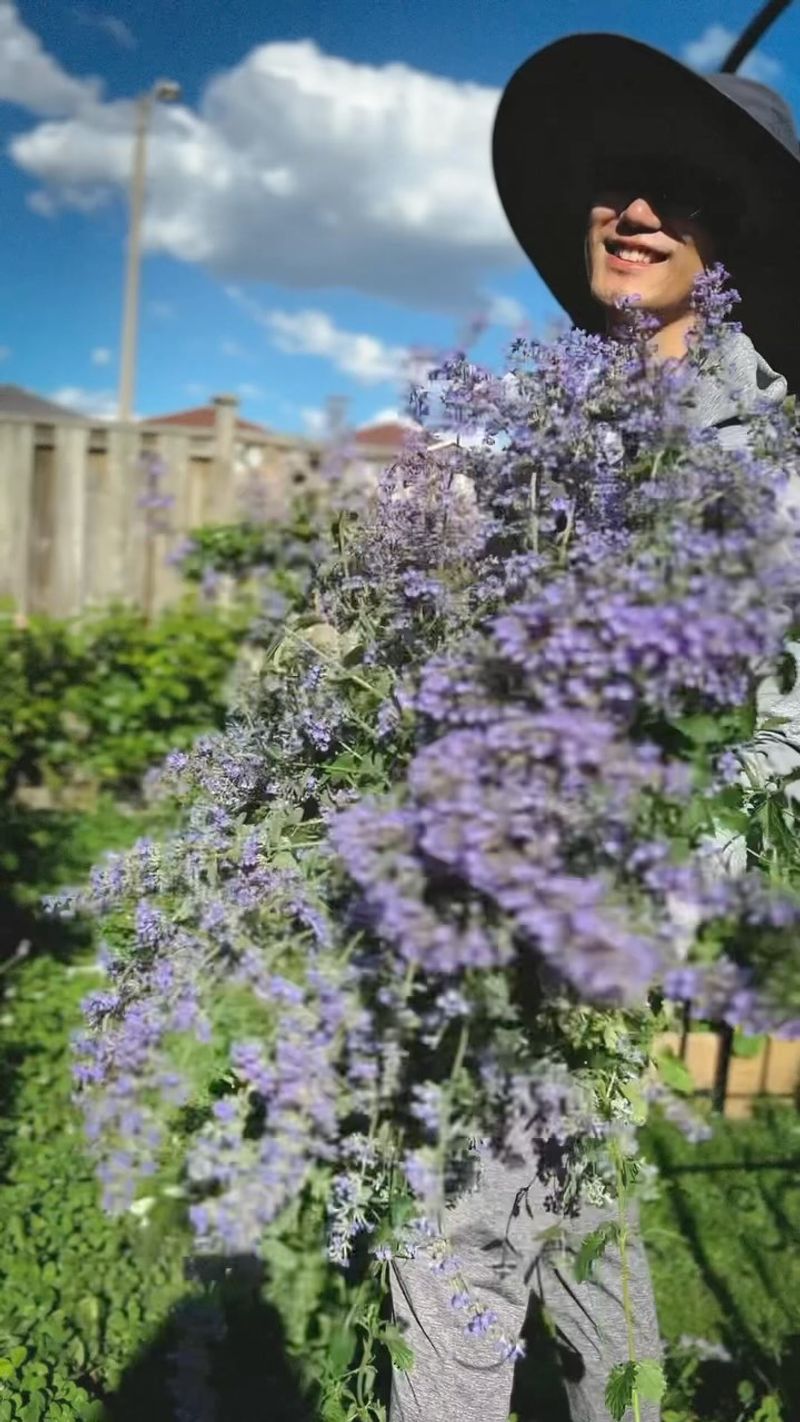
Gardeners call that midsummer trim the Chelsea chop, and catmint responds to it beautifully. Cut the entire mound back by roughly one third once the first flush of blooms fades.
Fresh growth appears within about ten days, looking tighter and greener than what you cut away. A second wave of flowers usually follows by late August or early September.
Soil fixes come down to drainage rather than richness, especially in the heavy clay here. Work coarse sand or fine gravel into the planting hole to loosen up heavy ground.
Raised beds or slightly mounded rows along the fence solve soggy spots without much extra work. Two or three inches of extra height makes a real difference during a wet spring.
Sun trouble takes more effort, though a little pruning overhead often solves the problem. Thinning one low tree branch can hand the row two extra hours of daily light.
Gritty compost helps, but skip manure and heavy amendments that push soft and floppy growth. A thin top-dressing of compost in early spring is plenty for the whole growing season.
Division every three or four years keeps older clumps from hollowing out in the middle. Dig in spring, split the crown with a spade, and replant the healthy outer pieces.
Fall cleanup can wait until March, since old stems shelter the crown through winter cold. Cut them down when new shoots appear at the base, and the row rebuilds itself quickly.
Year After Year Results And Long Term Bug Control
Patience pays off here, because the first summer rarely delivers the quiet evenings you pictured. By year two, the row knits together and the difference becomes obvious right after sundown.
Established catmint returns each spring without replanting, which suits busy Pennsylvania homeowners very well. One afternoon of planting work buys close to a decade of easy, low-maintenance fence border.
Neighbors often notice the change before you do, usually while standing around the grill talking. Fewer swats, longer conversations, and much less citronella smoke drifting across the whole yard.
Pairing catmint with lemon balm, bee balm, or lavender stretches the effect further along the fence. Mixed plantings also look far better than one single repeated row of the same plant.
Bug pressure drops the most when you remove nearby breeding spots at the same time. Standing water in plant saucers, tarps, and clogged gutters undoes a lot of good work.
Chickens, bats, and dragonflies do their part too, and catmint gives them useful cover nearby. A yard with layers handles insects better than any single product sitting on a store shelf.
Expect the hedge to spread slowly outward rather than seeding itself all over the lawn. Most named varieties are sterile, so surprise seedlings popping up in beds stay pretty rare.
Pennsylvania summers will still bring their buggy nights, and no single plant changes that fact. Still, the porch feels different when the fence line is quietly doing half the work.