The Native Ohio Wildflower That Blooms Golden Through The First Frost
Most of the yard has already gone quiet by this point, spent flowers and browning stems everywhere, the kind of look that makes fall feel like it’s already halfway to winter.
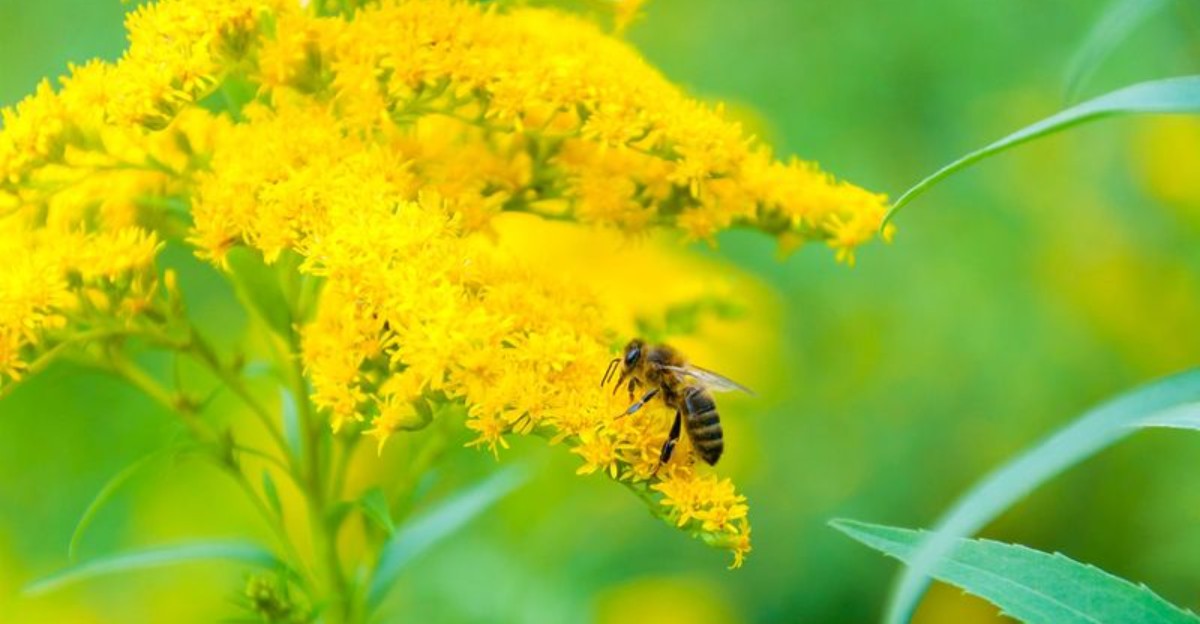
Then there’s the one patch still going strong, blazing gold in a corner most people forgot was even part of the garden.
That timing isn’t an accident. This particular native keeps blooming long after everything else has packed it in for the season, holding onto color right through conditions that would shut down most other flowers completely.
It’s not fussy about soil, doesn’t need coddling through summer, and somehow saves its best show for exactly the moment gardens usually look their emptiest.
Plenty of people walk past a patch of it every fall without knowing what they’re looking at, right as it’s doing more for late-season color, and for the last pollinators still working the yard, than almost anything else still standing in an Ohio garden.
1. Meet Tall Goldenrod, Ohio’s Late-Season Golden Native
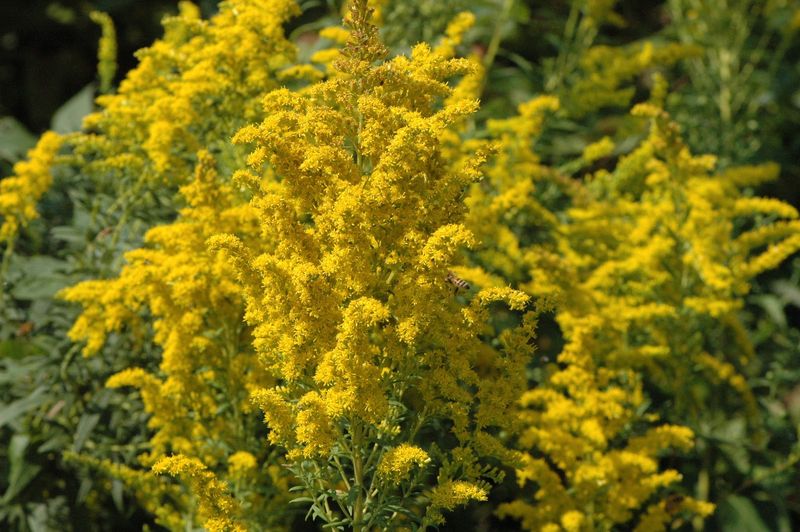
Ohio is home to many native goldenrod species, including tall goldenrod (Solidago altissima), Canada goldenrod (Solidago canadensis), and giant goldenrod (Solidago gigantea).
This article focuses on tall goldenrod, one of the tall, late-season species that brings bright yellow color to fields and gardens.
Common names can overlap, so the scientific name is the safest way to know exactly which goldenrod you are looking at. Giant goldenrod and Canada goldenrod have similar fall displays but differ in their preferred habitats and growth habits.
Blooming usually kicks off in early September and keeps rolling through the autumn months. That timing matters more than it sounds, because by then most summer flowers have wrapped up their show.
Naturalists call plants like these cornerstones of the autumn landscape. They hold the food supply together during the stretch when insects need calories the most.
Drive any country road in September and you will spot them. Ditches, field edges, old pastures, railroad banks, and the sunny margins of woods all get that unmistakable yellow wash.
Ohioans treat the first big flush as an unofficial signal that fall has arrived. It shows up before the maples turn and before the first frosty morning.
If you have ever wondered what gives Ohio its September glow, now you know the answer. Goldenrod does the heavy lifting, quietly and every single year.
2. Look For Tall Stems Topped With Sweeping Yellow Blooms
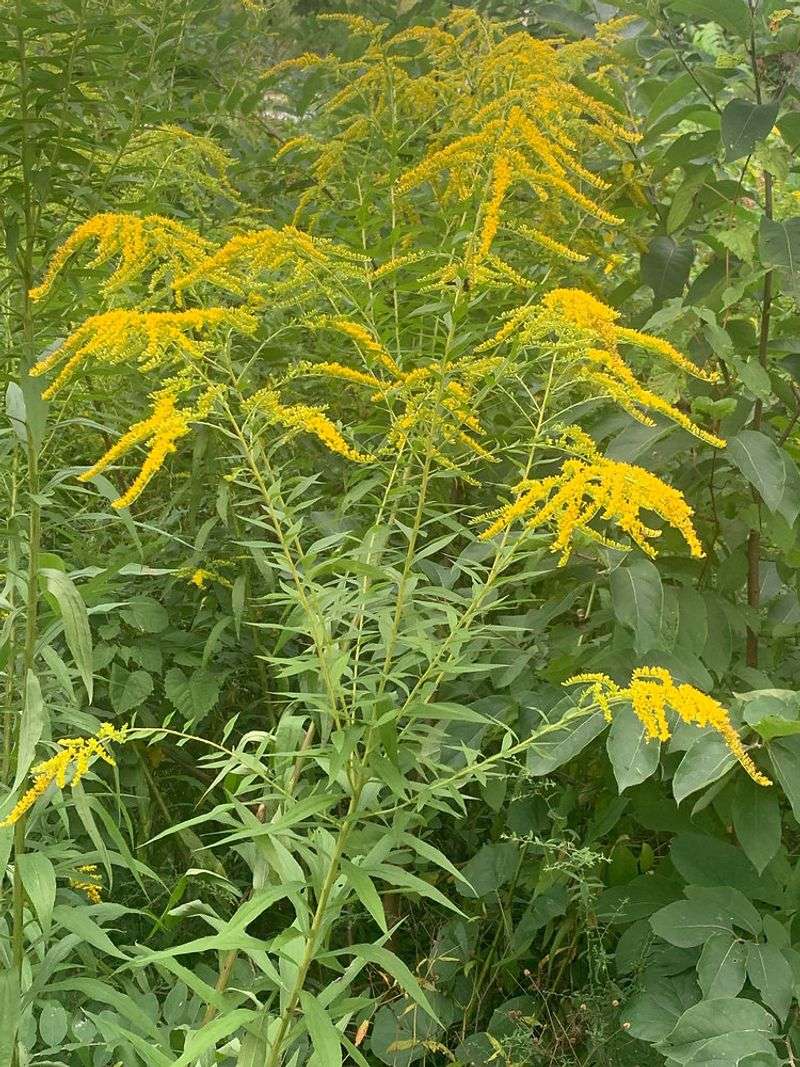
Tall goldenrod can reach several feet in height, producing many small yellow flower heads along branching stems. The individual flowers are tiny, but together they form the large golden plumes that make the plant so noticeable in late summer and fall.
The overall shape is more useful for casual identification than trying to distinguish species by one feature alone. Look for tall, upright stems, narrow leaves, and branching clusters of small yellow flowers concentrated toward the upper portion of the plant.
If you need a precise identification, compare the plant with a reliable regional field guide or extension resource rather than relying only on a common name. Goldenrod species can look remarkably similar, especially when they are growing alongside one another.
Your Ohio Garden Changes Every Week. Your Plan Should Too.
Gardening in Ohio changes quickly throughout the season. Every Friday you’ll receive a simple weekly plan showing exactly what to plant, prune, fertilize, harvest, and protect so you never miss the right timing.
That distinction matters if you are choosing a plant for a specific garden site. Different goldenrods vary in height, moisture tolerance, and how aggressively they spread, so knowing the species helps you match the plant to the location.
3. Give Tall Goldenrod Sun And Room To Reach Its Full Size
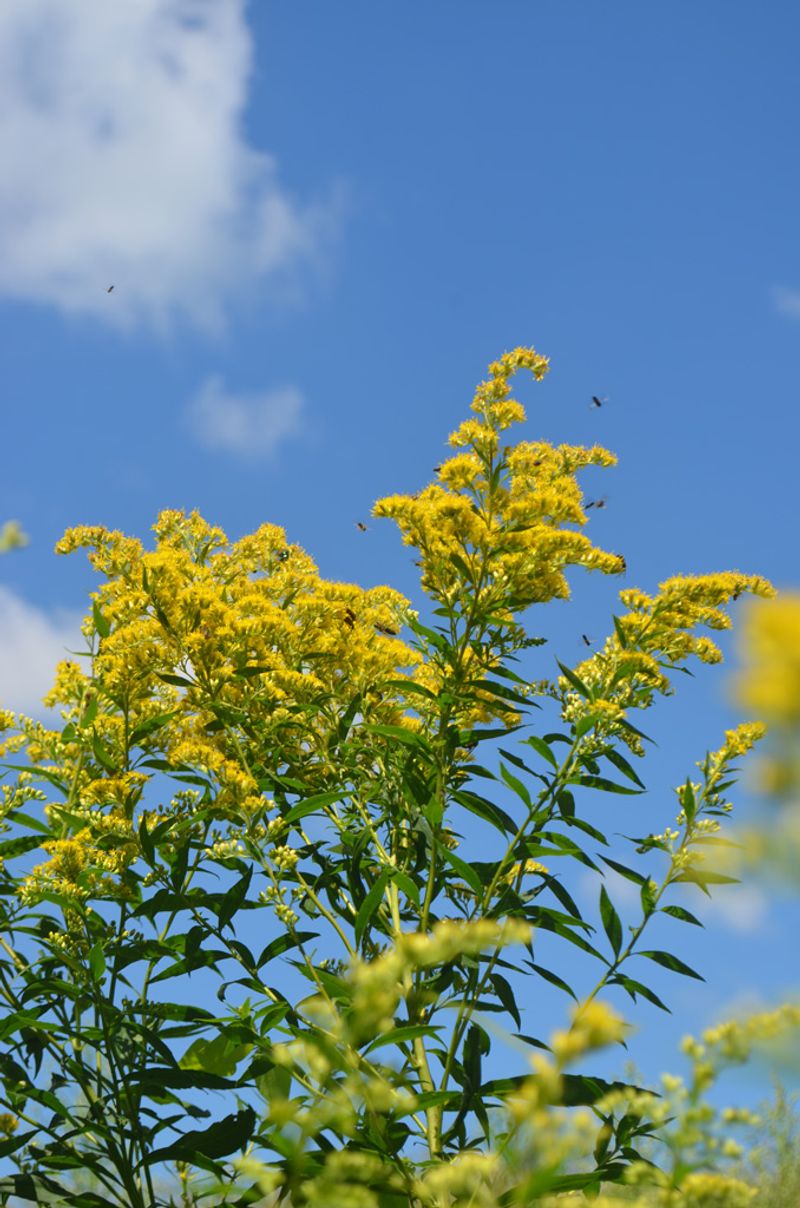
Sunlight is the deal-breaker here. Tall goldenrod performs best in full sun, particularly when you want strong flowering and upright growth.
Some goldenrods tolerate partial shade, but reduced light can mean fewer flowers and weaker stems. Stick one in the shade and you get a leafy green plant with very few blooms.
The plant survives fine, but the golden payoff shrinks down to almost nothing.
Room matters just as much. Tall goldenrod can spread through underground rhizomes as well as seed, allowing an established planting to become a substantial patch over time.
Give it room if you want a naturalized planting, meadow edge, or wildlife garden rather than a tightly controlled flower bed.
If you are working with a small ornamental bed, choose a more compact goldenrod cultivar or another fall-blooming native that fits the available space.
Floppy stems are a common complaint. Tall plants loaded with flower plumes often lean sideways once the blooms open, especially after heavy rain.
There is an easy fix that experienced gardeners swear by. If tall goldenrod becomes too floppy for the site, cutting it back earlier in the growing season can encourage shorter, more branched growth.
The exact timing depends on the plant and the look you want, so avoid heavy pruning once flower buds are developing.
Think about placement before you plant. Back of the border, along a fence, or in a wild patch where spreading is welcome all work beautifully.
Give goldenrod sun, space, and one early-summer haircut, and it rewards you with weeks of color.
4. Match Goldenrod To The Soil Moisture Your Yard Already Has
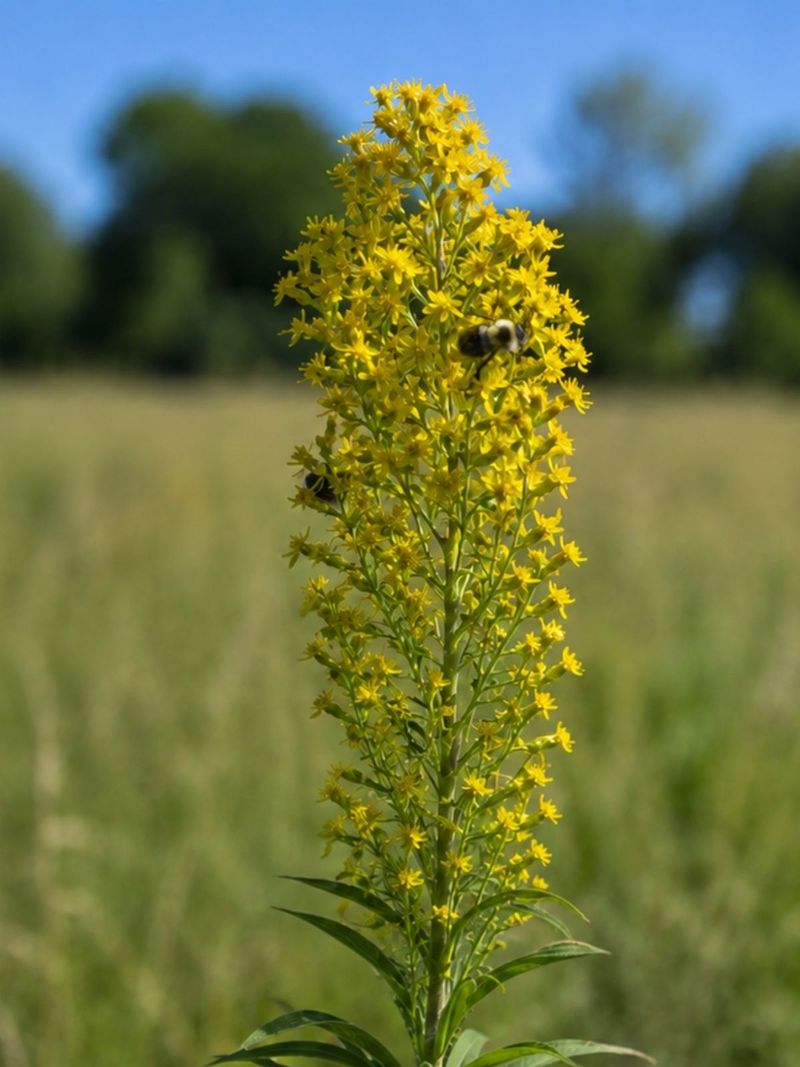
Goldenrods are not all equally thirsty, so soil moisture is one reason identifying the species matters. Tall goldenrod can tolerate a range of conditions once established, while some other goldenrod species are especially well suited to moist ground.
Tall goldenrod is adaptable once established and can handle a range of ordinary garden soils, although good drainage is still important. It performs best when the site provides adequate moisture without staying permanently waterlogged.
Other goldenrod species have different moisture preferences, which is useful when choosing a plant for a particular part of the yard.
If you have a consistently wet area, select a goldenrod species or cultivar specifically suited to those conditions rather than assuming tall goldenrod is the best match.
Light shade is tolerated, which surprises people who assume every prairie plant demands blazing sun all day. Flowering still drops off in deep shade, so partial is the limit.
Other goldenrod species have different moisture preferences, which is useful when choosing one for a particular part of the yard. Before planting, match the species or cultivar to the site’s drainage rather than assuming every goldenrod wants the same conditions.
For home gardeners, that opens up a spot many people struggle with. Low corners of the yard that puddle after storms become an opportunity instead of a headache.
Rain gardens are another smart match. Goldenrod handles the wet-then-dry swings that trip up fussier ornamentals.
Match the species to your site and the plant does the rest. Pick a naturally moist pocket of ground, and watering chores drop to almost zero after the first season.
5. Welcome Bees And Butterflies With Late Season Nectar
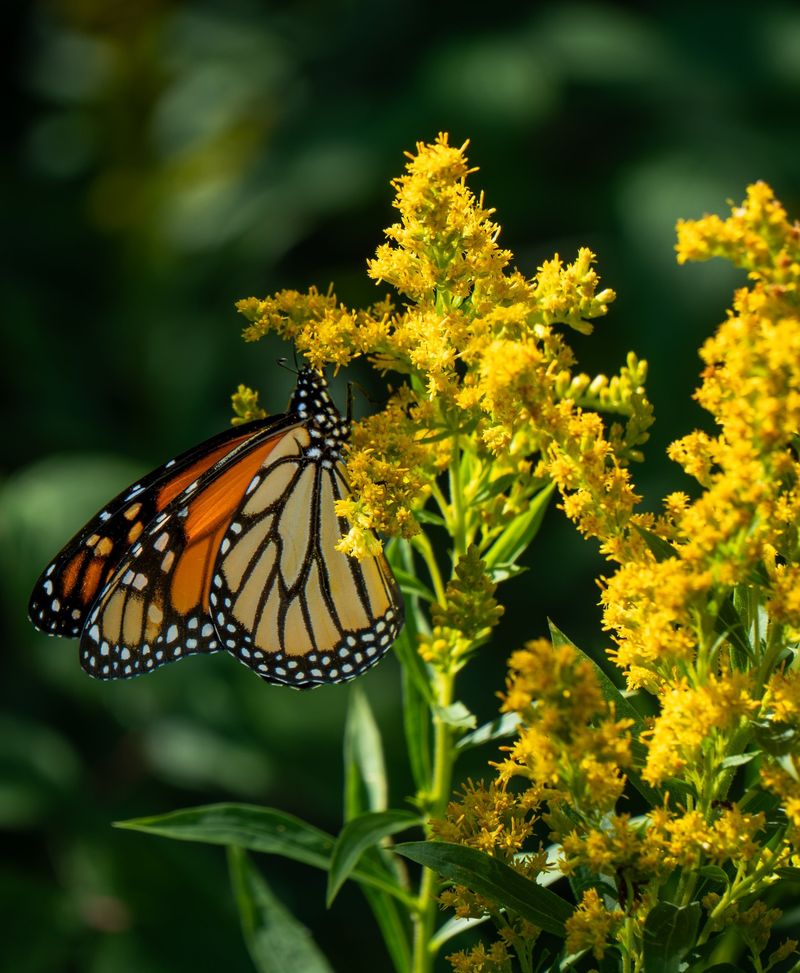
Stand next to a blooming patch in September and you will hear it before you see it. The whole plant hums with bees, flies, beetles, wasps, and butterflies working the flowers at once.
That crowd is not an accident. Goldenrod pumps out generous amounts of nectar and pollen at a time of year when almost nothing else is offering a meal.
Native bees depend on the pollen for feeding their young. Predatory insects that patrol your garden for pests stop by for a nectar refill between hunts.
Then there are the caterpillars. Goldenrods support a large variety of caterpillars and other insects, making them valuable host and food plants in the fall landscape.
Baby songbirds eat them by the hundreds, so a goldenrod patch quietly feeds birds too.
Ecologists give plants like these a special label: keystone or foundational species. Remove them and a shocking number of other creatures lose ground.
The practical takeaway is simple. A clump of native goldenrod can support a much broader range of insects than many highly bred ornamental plants, making it a valuable addition to a wildlife-focused garden.
Skip the pesticides near the patch and let the insects gather. Watching the traffic is half the fun of growing it.
6. Give Migrating Pollinators One More Reliable Food Stop
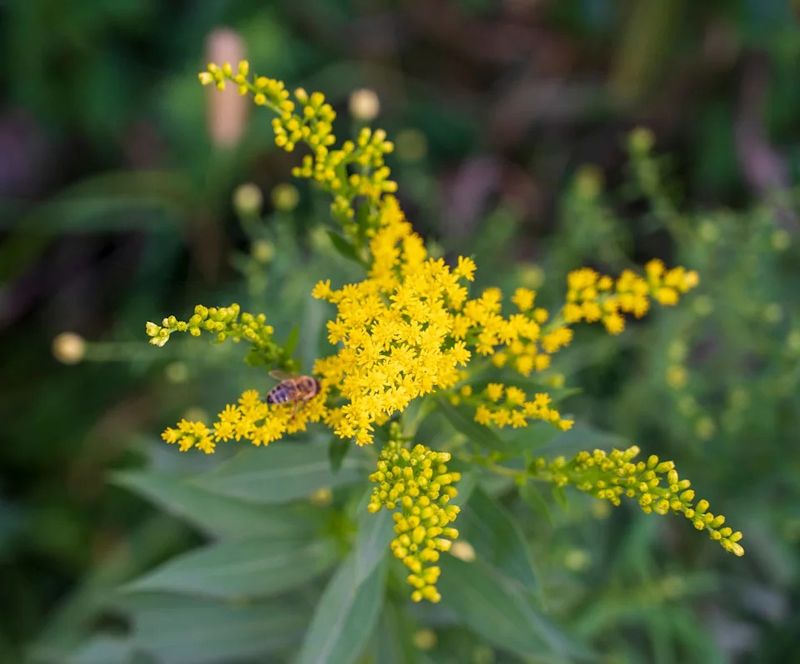
Picture a butterfly heading south with hundreds of miles still ahead. Fuel stops along that route are limited, and every missed meal makes the trip harder.
Goldenrod helps fill that seasonal gap by providing nectar and pollen while many summer flowers are fading. That makes a late-season patch useful to pollinators that are still active in the state during fall.
Migrating insects pass through Ohio during the fall, and large patches of late-blooming flowers can provide valuable feeding opportunities along the way.
Insects that stay put need it too. Bees building up winter stores and queens fattening before hibernation all draw on these late blooms.
Planting native goldenrod at home extends that network. Even a small patch links up with parks, roadsides, and farm edges to form a scattered chain of food.
Timing is the real gift. Bloom dates that stretch toward the first frost mean the buffet stays open when the weather starts turning.
Gardeners sometimes tidy up too early in autumn out of habit. Leaving goldenrod standing while it is still flowering keeps that food source available a few weeks longer.
One plant, one season, countless visitors fed. Hard to argue with that return on a few square feet of yard.
7. Pair Goldenrod With Asters For A Longer Fall Display
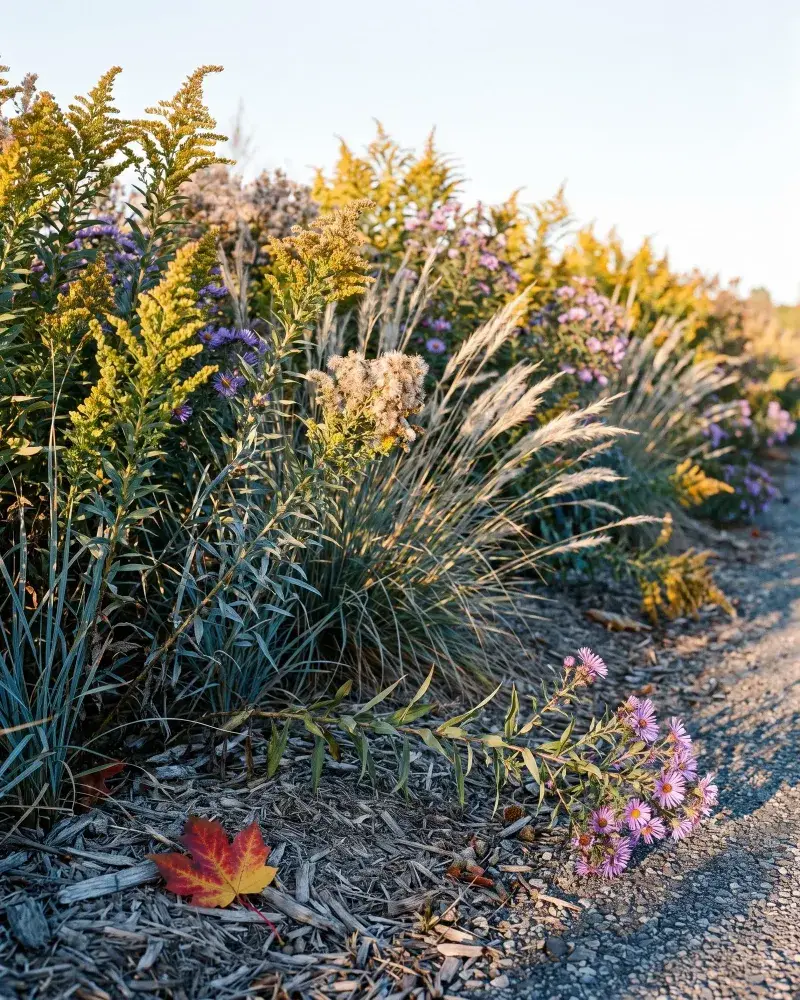
Purple and gold together is a color combination designers charge money for. Nature figured it out first, and Ohio prairies prove it every September.
Goldenrods and asters start blooming around the same time, lighting up prairies and woodland edges side by side. Their overlap is why so many fall photos look almost too colorful to be real.
Asters pull their own weight with pollinators. Like goldenrod, they draw bees, flies, and butterflies hunting for pollen and nectar at the tail end of the season.
Pairing them stretches the show. Different species peak at slightly different moments, so the bed keeps producing color instead of flashing once and quitting.
Structure helps the combination work visually. Tall goldenrod plumes rise behind mounded asters, giving the planting layers instead of one flat block of bloom.
New England aster is a popular partner in our gardens. Its deep violet petals make the surrounding yellow look even brighter by contrast.
For wildlife, the pairing doubles the menu. Insects that prefer one flower shape over another both find something they can use.
Plant them in drifts rather than single specimens. Planting in groups or drifts creates a stronger visual effect and provides a larger, more concentrated food source for visiting insects.
8. Leave The Seed Heads Standing To Support Winter Wildlife
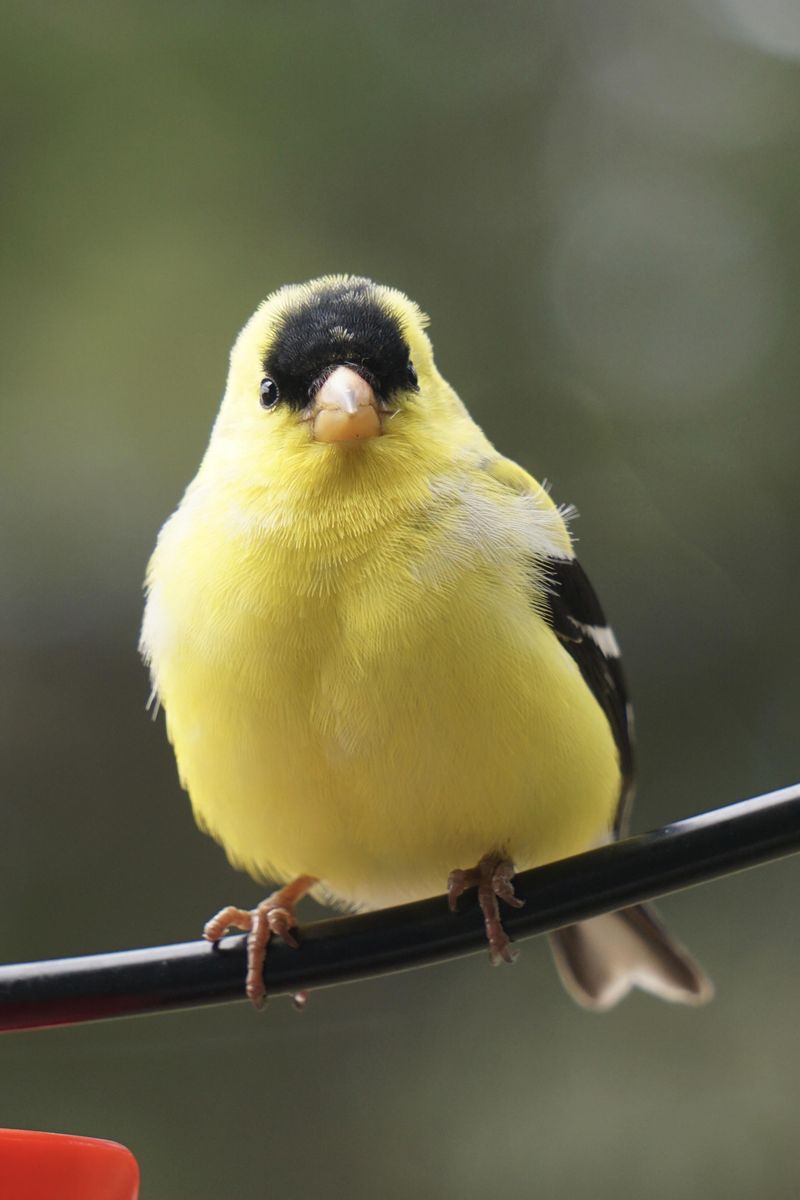
American Goldfinches and other seed-eating birds can use the seeds that develop after goldenrod flowers fade, giving the dried stems another purpose long after the main bloom display is finished.
Goldenrod produces abundant seeds, which can feed birds and also allow the plant to spread naturally into suitable areas.
Birds are not the only guests. Stems and the leaf litter piled around the base give invertebrates a sheltered place to wait out the cold months.
Hollow dried stems get a second life as housing. Native bees tuck their nests inside them, sealing off little chambers that hold next year’s generation.
Cutting everything down in October erases all of that overnight. The bed looks neat, sure, but the winter wildlife moves on.
A middle-ground approach works well. Leave the old stems standing at roughly 12 to 24 inches tall and let them break down naturally over time.
That height keeps the bee nurseries intact while still looking intentional rather than neglected. Come spring, new growth hides the stubble quickly.
Frost-covered seed heads also earn their keep visually. On a gray January morning, those silvery plumes and a flash of goldfinch yellow are worth far more than bare mulch.
9. Choose Native Goldenrod Without Blaming It For Fall Allergies
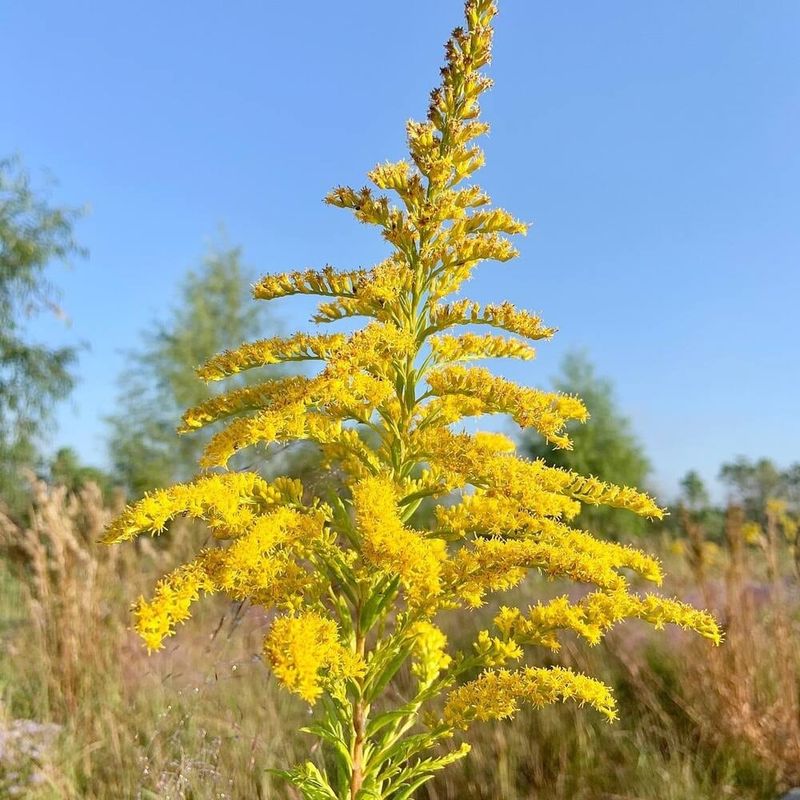
Poor goldenrod has taken the blame for decades. Every September, sneezing people glare at the yellow flowers and assume they found the guilty party.
Goldenrod pollen is relatively heavy and sticky compared with the lightweight pollen of wind-pollinated plants, so it is much less likely to become a major airborne allergy trigger. Insects handle the delivery, which is exactly why the flowers are so showy in the first place.
Ragweeds (Ambrosia species) are the actual troublemakers. They bloom at the same time, in the same fields, with light pollen that wind carries for miles.
Ragweed flowers are small, green, and forgettable. Nobody notices them, so the bright yellow neighbor standing nearby gets accused instead.
Learning to tell the two apart is a useful fall skill. Look for drooping green spikes on ragweed versus fluffy golden plumes on goldenrod.
For gardeners, this means you can plant native goldenrod without guilt. If someone experiences fall allergies, ragweed or other airborne pollen sources are much more likely to be responsible than the goldenrod blooming beside them.
Pass the fact along when someone complains. Setting the record straight helps a hardworking native plant keep its place in Ohio gardens and roadsides.