Bring these 8 Wisconsin herbs indoors before frost and keep cooking with them all winter
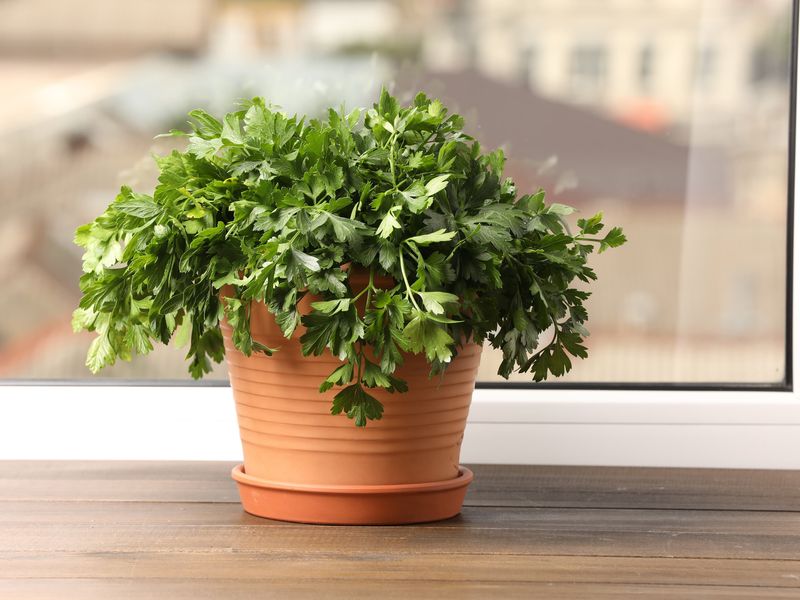
Cold weather comes fast in Wisconsin, and the first frost can hit as early as late September up north or mid-October down south. If you have herbs growing outside right now, they will not survive freezing nights, so this is the time to act.
Moving your favorite plants into pots and onto a sunny windowsill lets you keep snipping fresh flavor even when snow is piling up outside. Here are eight herbs worth rescuing before the cold sets in.
1. Rosemary
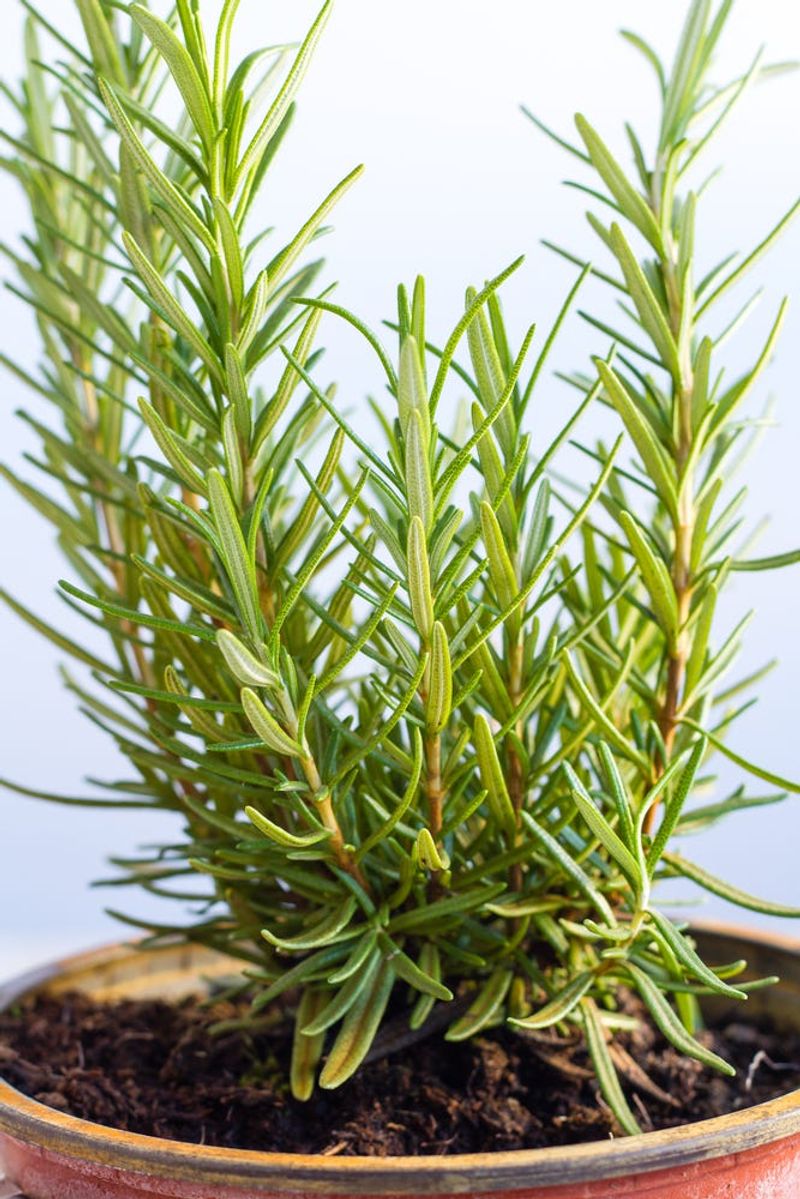
Few herbs smell as good as rosemary when you brush past it, and that piney scent is worth protecting once Wisconsin nights turn cold. Rosemary is not hardy here, so it will die outside without your help before the first hard freeze.
Give it a bright south or west-facing window and cooler indoor air, somewhere between 40 and 65 degrees. Good air circulation matters too, since stuffy spots invite powdery mildew on this plant.
Water only when the top inch of soil feels dry, but never let the roots sit in a puddle or dry out completely. A weekly misting or a pebble tray keeps it happy in a heated Wisconsin home, and you should skip fertilizer entirely through winter.
2. Sage
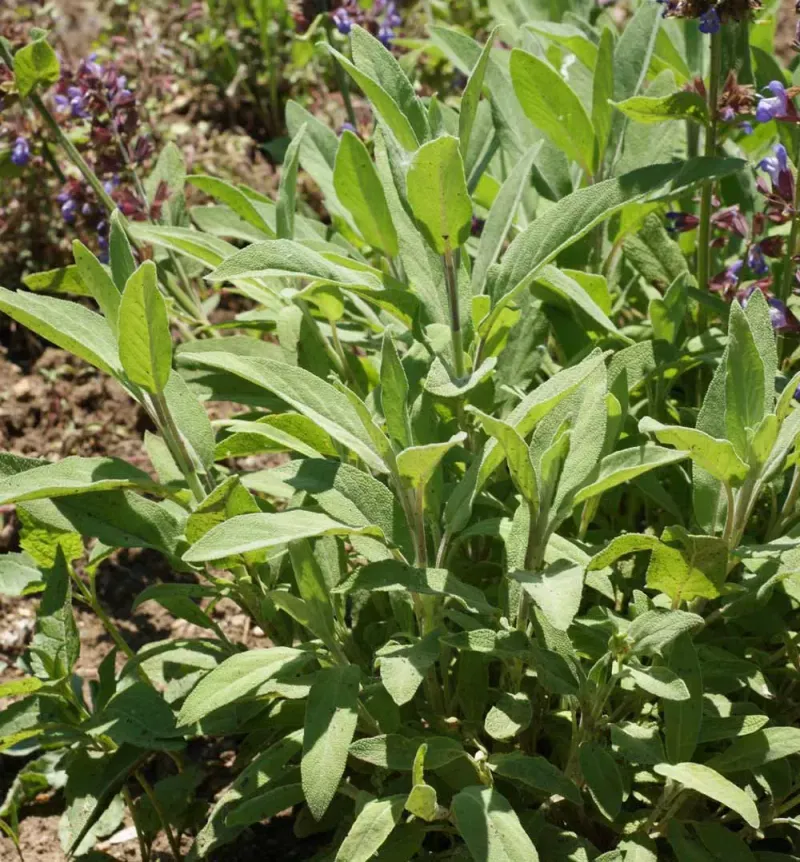
Sage brings that earthy, savory punch to stuffing and roasted dishes, which makes it a keeper heading into the holiday cooking season. Many common sage varieties are actually cold-hardy perennials across Wisconsin, surviving in zones 4a through 10b, but ornamental types are more delicate.
Smaller plants make the easiest move indoors for a steady winter supply. Set sage in a sunny window where it gets plenty of bright light, and keep the room around 70 degrees.
Water sparingly and let the top inch of soil dry between drinks, since soggy roots quickly rot on this herb. Toss in some good ventilation and your sage will reward every Wisconsin cook with fragrant leaves all season.
3. Thyme
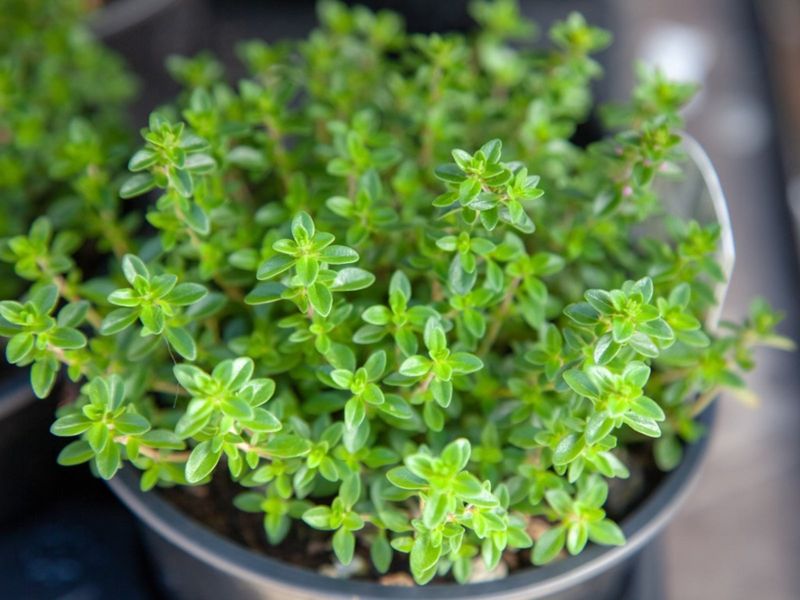
Tough little thyme punches way above its size, tucking flavor into soups, roasts, and everything in between. Common thyme handles southern Wisconsin winters down to about Zone 4, yet it also settles nicely into life on a windowsill.
Rather than digging up the whole plant, snip a small clump from your outdoor patch and pot it in a well-draining mix. Place that pot under bright light and let the soil dry slightly between waterings.
Cooler nights do not bother this resilient herb one bit, which is handy since Wisconsin homes cool down after dark. A single clump keeps producing enough sprigs to season your winter kitchen without much fuss at all.
4. Oregano
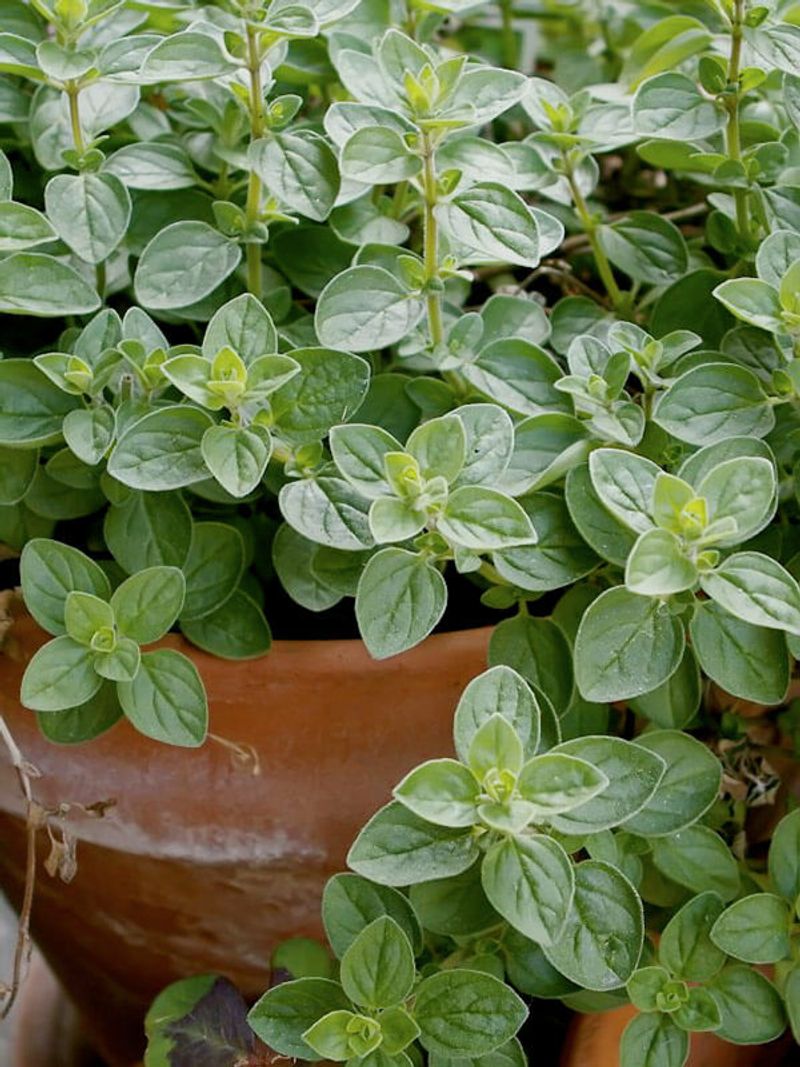
Pizza night just is not the same without oregano, and luckily this cold-hardy perennial travels indoors with ease. If you already grow it in a container, you are halfway there before the Wisconsin frost arrives.
Trim the stems down to about 3 or 4 inches before bringing it in, which cuts down on damage and encourages fresh growth. Set the pot somewhere warm with bright, indirect sunlight, or park it under fluorescent lights.
Your Wisconsin Garden Changes Every Week. Your Plan Should Too.
Gardening in Wisconsin changes quickly throughout the season. Every Friday you’ll receive a simple weekly plan showing exactly what to plant, prune, fertilize, harvest, and protect so you never miss the right timing.
A well-draining potting mix keeps the roots healthy, so give the plant a good drink before the ground outside freezes. Go easy on nitrogen fertilizer once it is inside, since too much pushes weak growth that struggles in Wisconsin’s dim winter light.
5. Mint
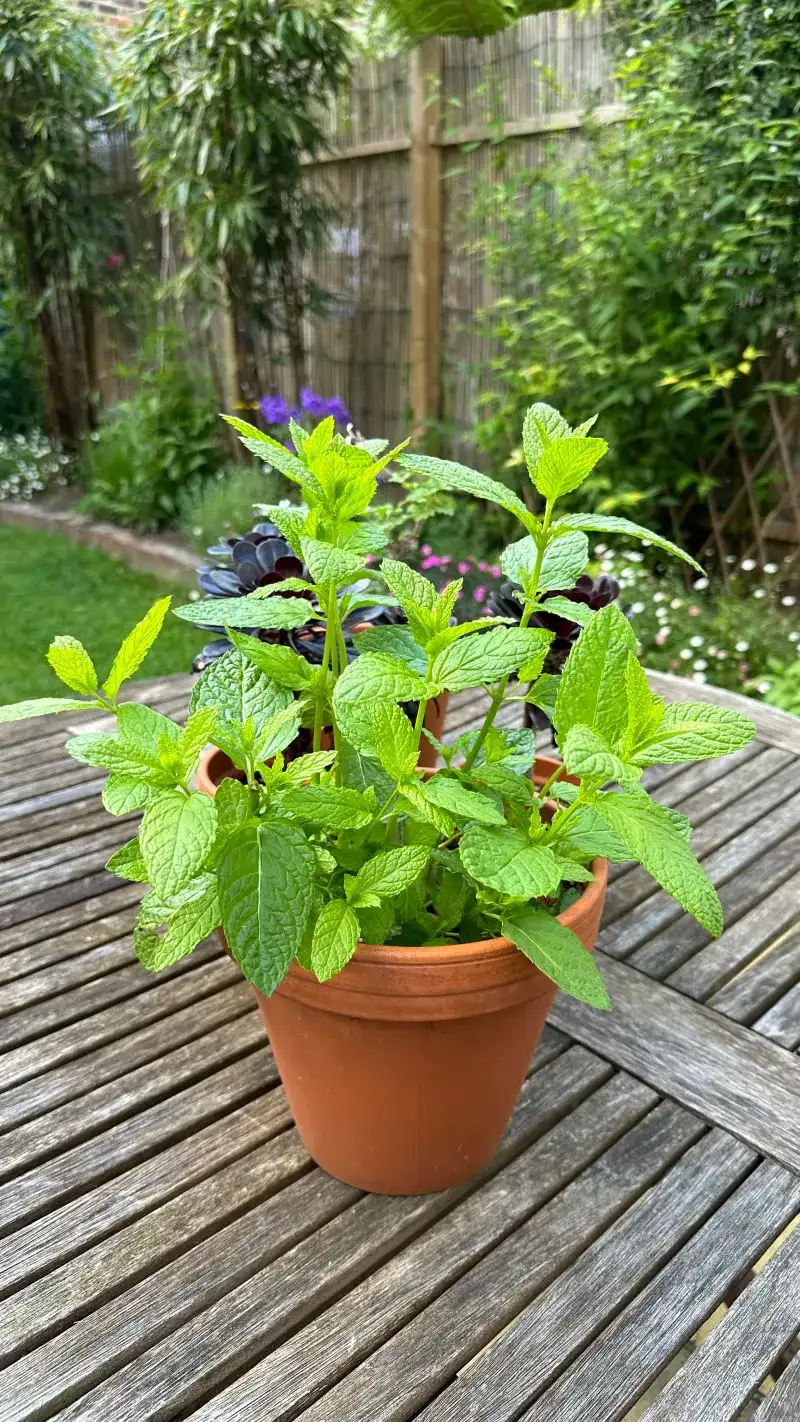
Mint practically begs to be grown in a pot, mostly because it takes over any garden bed you plant it in. That aggressive spreading habit becomes a bonus indoors, where it just keeps giving you leaves for tea, desserts, and cocktails.
Wisconsin’s cool climate actually suits mint fine, and it moves inside without complaint. Give it bright light and steady moisture, never letting the pot dry out all the way.
Here is a fun bonus: mint roots so easily from cuttings that you can start brand new plants in a glass of water. Snip a few stems, wait for roots, and you will have backup mint growing on your Wisconsin windowsill in no time.
6. Chives
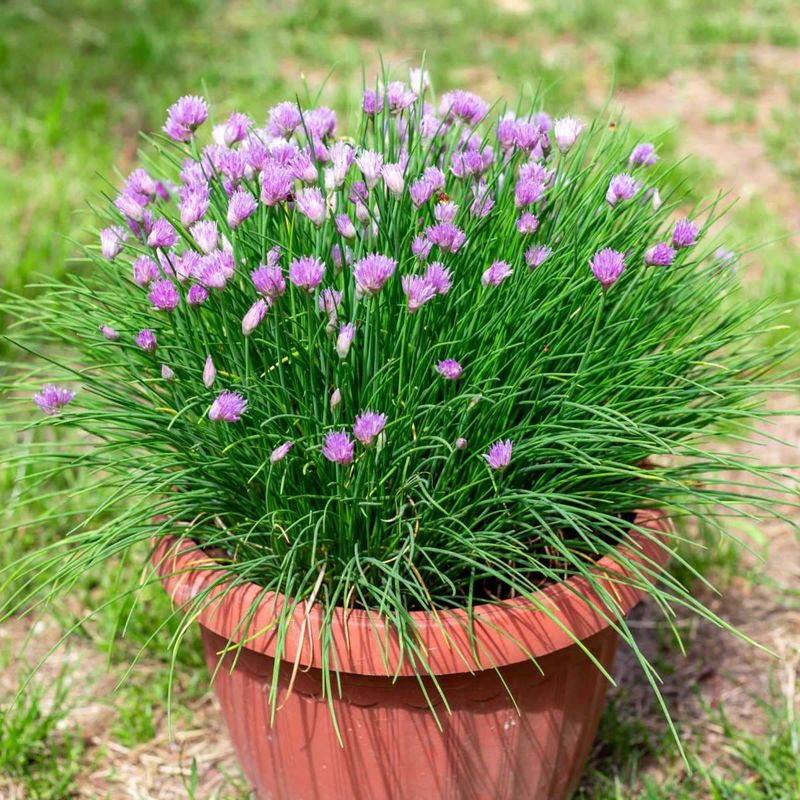
Reliable and low-drama, chives come back year after year in Wisconsin gardens and ask for almost nothing in return. Their mild onion flavor brightens baked potatoes, eggs, and soups all winter long.
These cold-tolerant perennials transition indoors without a struggle and keep producing green stalks. Do not panic if the foliage fades a bit during the darkest months, since it bounces back strong once spring returns.
Set the pot in a spot with plenty of sunlight and water when the top two inches of soil feel dry. A snip here and there keeps a Wisconsin kitchen stocked with that fresh, oniony bite whenever you need it.
7. Parsley
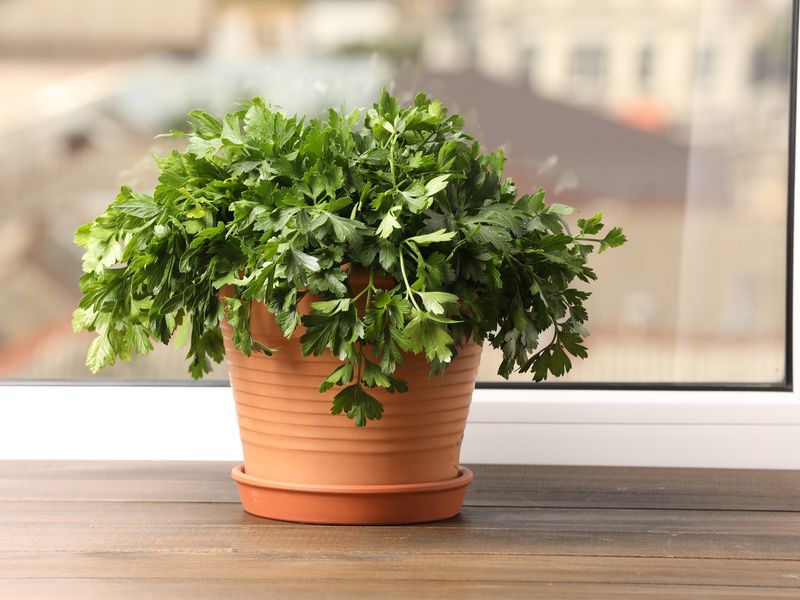
Often treated as a garnish and then ignored, parsley deserves a spot on your winter windowsill for its fresh, clean flavor. In Wisconsin it grows as a biennial, though most folks treat it like an annual and start fresh each year.
Good news for shadier windows: parsley tolerates partial shade, but it still perks up with strong indoor light. Keep the soil moist without letting it turn soggy, and the plant rewards you steadily.
If you want more punch for cooking, choose flat-leaf parsley over the curly kind, since it carries a bolder flavor. A single healthy pot keeps a Wisconsin cook in fresh green sprigs through the long, gray stretch of winter.