What It Means When Minnesota Lakes Turn Over And Bring Strange Smells To The Surface
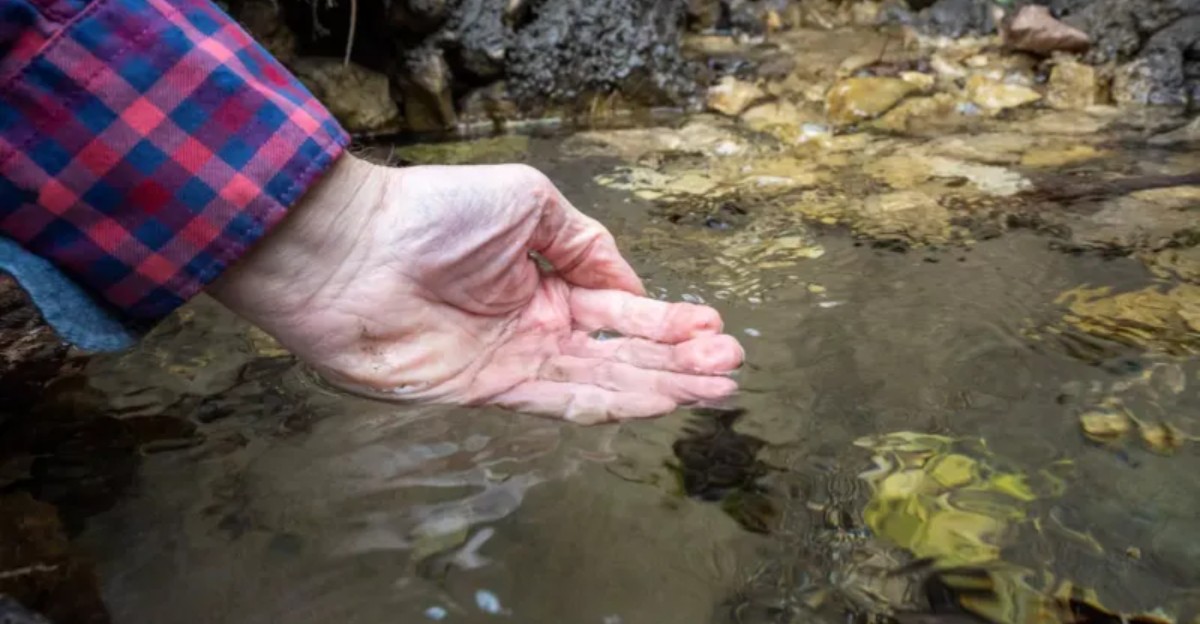
That smell hitting your nose tonight isn’t ordinary pollution or lakeside rot. Minnesota lakes flip themselves over each autumn, mixing top and bottom water. Cooling air pulls surface water down, pushing deep water up fast.
Decaying plant matter and trapped gases finally reach open surface air. Water clarity drops as sediment and organic debris swirl upward. Fish sense this shift too, changing where they feed and hide.
Your dock view now reflects a chemical reshuffling happening below. Swimmers notice murkiness, anglers notice fish moving to new depths. Scientists across Minnesota call this turnover a predictable seasonal engine.
Oxygen levels shift dramatically, reshaping where life concentrates underwater. None of this signals contamination, despite what your nose suggests. Local biologists confirm this pattern repeats yearly, temperature driving it.
Understanding turnover changes how you plan fishing, swimming, and dock evenings. What happens next determines whether your favorite point that produced strong numbers in August might feel empty for a week.
The Autumn Water Shuffle Explained

Picture a glass of iced coffee that has been sitting out all summer, layered and still. Minnesota lakes do the same thing from June through August.
Warm, light water floats on top while cold, heavy water sits below. Between them is a sharp temperature band that acts like an invisible lid.
September air starts cooling that top layer night after night. Once the surface water chills down to roughly the same temperature as the deep water, the layers weigh about the same.
At that point a strong wind is all it takes. The whole lake mixes from top to bottom in a process limnologists call fall turnover.
Bottom water that has been trapped since spring suddenly rides up to the surface. It carries dissolved gases, fine sediment, and organic material that decomposed for months in low-oxygen bottom water.
That is the moment your nose gets involved. The smell is not pollution sneaking in, it is gases the lake has stored since spring being released.
Deeper lakes in the northern part of the state usually flip later than shallow southern ones. A shallow prairie lake might mix several times a season, while a deep Boundary Waters lake waits for one dramatic event.
Very shallow lakes often skip strong layering because wind tends to keep them mixed most of the year, though the exact depth varies by lake.
Once mixing finishes, oxygen spreads evenly through the water column again. The lake resets itself, which matters a lot for fish heading into the long ice season ahead.
Why The Water Suddenly Smells Like Rotten Eggs
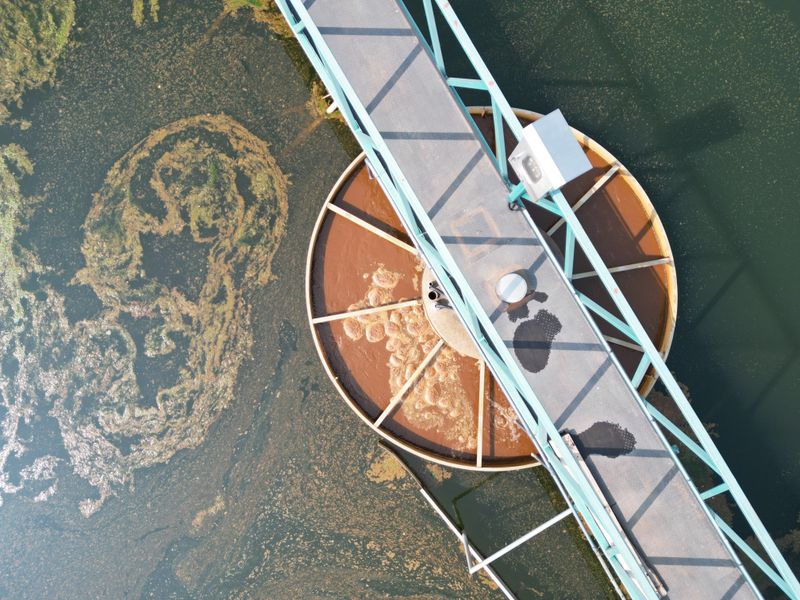
Sulfur compounds are responsible for the rotten egg smell that some lakeshore homeowners notice in early fall.
Down at the bottom of a layered lake, oxygen runs low by late summer. Bacteria living in that muck switch to a different way of processing leaves, algae, and other leftovers.
Instead of producing carbon dioxide, they release hydrogen sulfide gas. It builds up in the sediment and the cold bottom water, unnoticed until the lake mixes.
Your Minnesota Garden Changes Every Week. Your Plan Should Too.
Gardening in Minnesota changes quickly throughout the season. Every Friday you’ll receive a simple weekly plan showing exactly what to plant, prune, fertilize, harvest, and protect so you never miss the right timing.
When turnover arrives, that gas rides upward and escapes into the air. Human noses can detect hydrogen sulfide at incredibly tiny concentrations, which is why a small amount smells so dramatic.
Methane can also be released from lake sediment, sometimes appearing as small bubbles near shore, particularly when the bottom is disturbed. You may spot silvery bubbles popping around dock posts on a still morning.
The odor usually fades within roughly a week or two, though timing can vary depending on lake size and wind conditions. Wind, sunlight, and fresh oxygen break the gases down quickly once they reach open air.
Shallow bays with heavy muck bottoms tend to smell strongest. Lakes with sandy bottoms and less organic buildup often barely register.
If the smell lingers for many weeks, that is worth a call to your county water office. Persistent odor can point to a failing septic system or excess nutrients feeding the muck.
Otherwise, crack a window on the far side of the cabin and wait it out. The lake is simply finishing a chore it does each September.
Cloudy, Brown Water Is Part Of The Deal
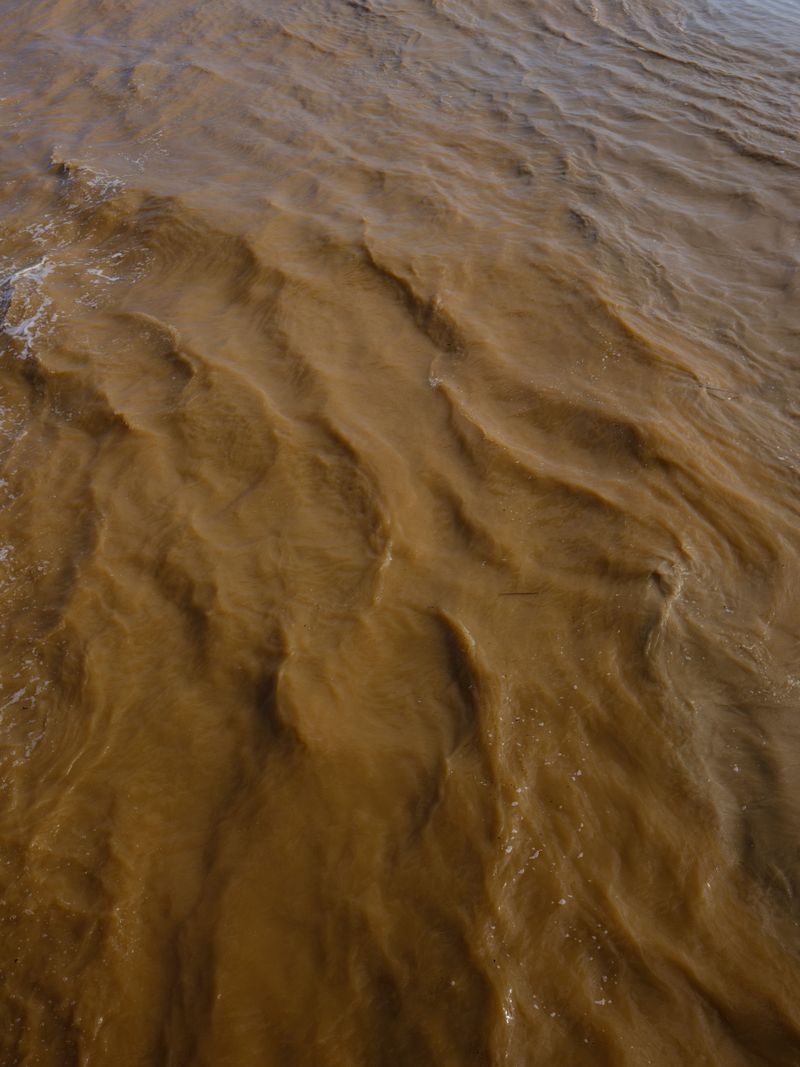
Clarity takes a hit during turnover, and it catches people off guard. Water that was clear enough to see your toes in August turns the color of weak tea.
Mixing lifts fine silt and decomposed plant matter off the lake bottom. Those particles stay suspended until the water calms and they slowly settle again.
Iron and manganese also come up from the deep zone. When they hit oxygen at the surface, they change form and create a rusty or milky tint.
Some lakes get a short algae flush after turnover as well. Nutrients like phosphorus that were locked in bottom water suddenly become available across the whole lake.
That can spark a brief bloom, especially during a stretch of warm September afternoons. Blooms after turnover are often short-lived, since cooling water and shorter days tend to limit further growth, though this varies by algae type and nutrient levels.
Here is a practical tip for cabin owners who draw water from the lake. Change or clean your intake filters in the weeks after mixing, since sediment clogs them faster than usual.
Swimmers should use common sense during this window. If the water looks like pea soup or has a paint-like sheen, stay out and keep pets out until it clears.
Photographers often find this stretch appealing. The muted water color makes shoreline maples and tamaracks pop in a way clear blue water does not.
Give it two or three weeks. Clarity generally rebounds and often gets better than it was all summer.
Fish Scatter And Bite Patterns Go Sideways

Many Minnesota walleye guides expect a slower bite during turnover week. Fishing conditions can change quickly during this period.
The reason is simple once you think about it. All summer, fish stack near the layer boundary where temperature and oxygen both suit them.
Turnover erases that boundary. Suddenly the entire lake offers similar temperature and decent oxygen, so fish spread out wherever they please.
Bait scatters too, which pulls predators in unpredictable directions. Your favorite point that produced twenty fish in August might feel empty for a week.
Patience pays more than panic. Many anglers slow their presentation way down, using jigs worked gently along breaklines rather than fast trolling passes.
Shallow shoreline structure often produces better than deep basins during this stretch. Rocks and remaining green weeds hold heat and attract baitfish.
Watch your electronics rather than your memory. Marks will show up in places that made no sense a month earlier.
Once the lake settles, usually a week or two after mixing finishes, autumn fishing turns excellent. Cool water boosts fish activity as they feed heavily before ice forms.
Muskie and pike hunters especially look forward to the post-turnover window. Big fish roam shallow and hit large baits with real enthusiasm.
If September brings a slow fishing day, the water column is usually responsible, not the gear. Conditions often improve within a few days.
Reading The Signs Before Turnover Hits

Turnover rarely sneaks up on people who pay attention. The lake drops hints for a week or more before the big mix.
Surface temperature is the clearest signal. When your graph shows the surface water cooling into the range where it matches deeper water temperatures, mixing is close.
Steam fog on calm mornings is another clue. Cold air over relatively warm water creates that ghostly layer drifting across the surface.
Look for floating debris arriving out of nowhere. Bits of old weed, fluffy brown flakes, and clumps of organic material often surface a day or two ahead.
A long stretch of cold nights followed by a windy front usually triggers the event. Wind is the mixer, and fall storms do the heavy lifting on big waters.
Keep a simple notebook or phone note each fall. Jot the date your lake flipped, the air temperature, and how long the odor lasted.
After two or three seasons you will predict it within a few days. That kind of local knowledge beats any app.
Neighbors are useful too. Lakeshore communities tend to trade turnover reports the same way they trade ice-out dates in spring.
Some Minnesota lakes, such as Lake Minnetonka, have documented ice-out records dating back to the 1800s, though turnover timing can still vary from year to year.
Knowing the schedule lets you plan. Book the fishing trip after the flip, and schedule the swim party before it.
Helping Your Lake Handle The Flip Better
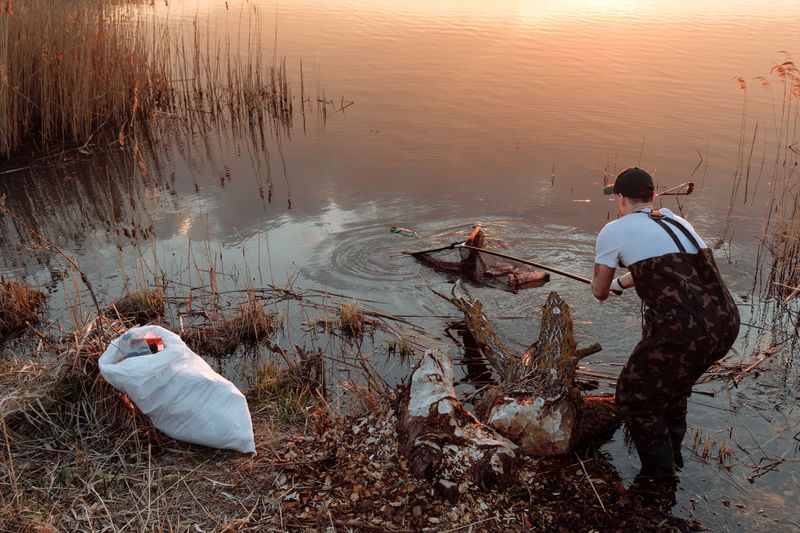
Lakes that smell strongest during turnover are usually the ones carrying the heaviest nutrient load. Shoreline residents have real influence over nutrient levels.
Phosphorus is the primary contributing nutrient. It feeds algae, algae sinks and decomposes, and that decomposition creates the smelly, oxygen-poor bottom conditions.
Fertilizer running off lawns is an easy fix. Minnesota restricts phosphorus in most lawn fertilizers already, so check the three numbers on your bag and choose one with a zero as the middle number, which indicates no phosphorus.
Leave a buffer of native plants along the water’s edge. Deep-rooted grasses, sedges, and shrubs catch runoff before it reaches the lake.
Rake autumn leaves away from the shoreline and the street. A single bag of leaves washing in adds a surprising amount of phosphorus.
Septic systems deserve attention every few years. Pumping on schedule prevents nutrients from leaking toward the water table.
Rain gardens work well on gently sloped lots when properly designed. They capture roof and driveway runoff and let it soak in rather than rush downhill.
Join or support your local lake association. Volunteer water monitoring programs, supported by organizations like the Minnesota Pollution Control Agency, track clarity and temperature across the state, and that data guides real management decisions.
Small actions add up across an entire shoreline community. Clearer water, milder odors, and healthier fish populations follow over time.
Turnover will happen regardless, since it is a natural part of how northern lakes work. What you control is how gentle or how pungent that annual reset turns out to be.