Why Oregon Broccoli Bolts Before It Forms A Proper Head
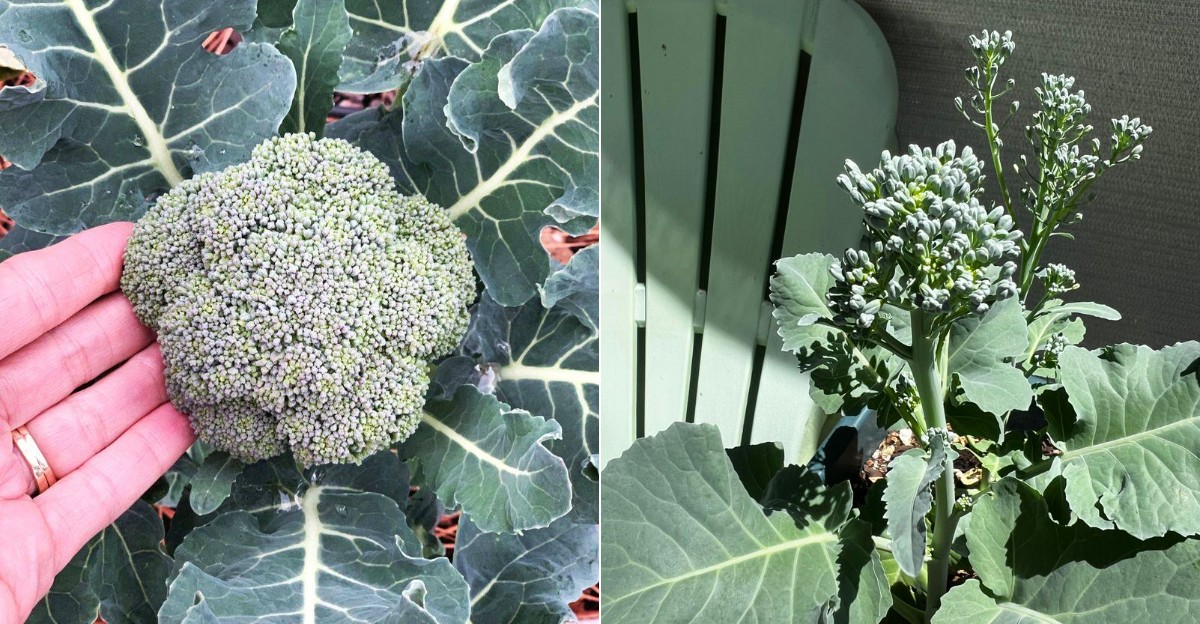
Broccoli has one frustrating habit: it can decide to flower before you get the harvest you were waiting for.
Instead of a compact green head, you may end up with loose buds stretching upward and tiny yellow flowers opening far too soon. Once broccoli starts bolting, there is no way to make it return to head production.
Oregon’s changing temperatures can make this especially tricky. Broccoli responds to stress, heat, and other growing conditions by speeding up its move toward flowering, and the timing of planting can make a big difference.
The good news is that bolting is often preventable in future crops. A better planting window, steady moisture, and the right growing conditions can give your plants more time to form substantial heads before they switch gears.
Understanding what pushes broccoli to bolt is the first step toward getting the harvest you actually planted for.
1. Warm Weather Can Trigger Bolting
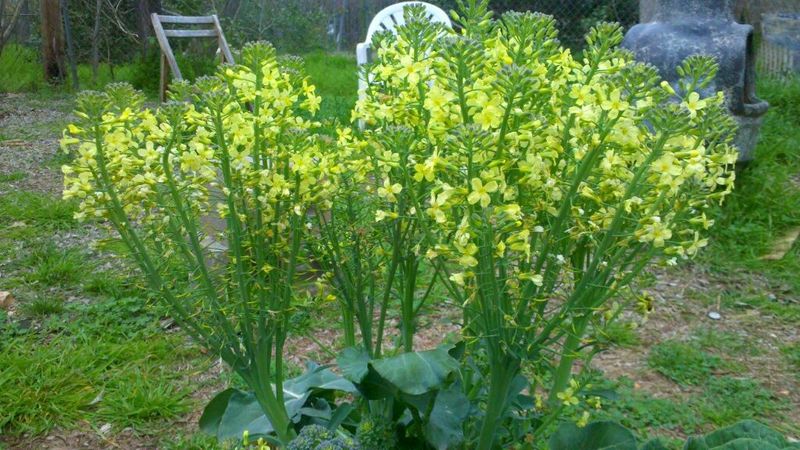
Heat is one of the biggest reasons broccoli gives up on forming a head. When temperatures climb past the mid-seventies, the plant thinks summer has arrived. It rushes to make flowers and seeds instead of a tight green head.
Oregon springs can feel cool one week and suddenly warm the next. That quick jump tricks broccoli into bolting fast. Once flowers appear, the head loosens and turns yellow.
Broccoli is a cool-season crop, so it loves mild days and chilly nights. The sweet spot sits around sixty to seventy degrees. Anything hotter puts stress on the plant and speeds up flowering.
You can beat the heat with smart timing. Plant early in spring or wait for a fall crop when days cool down. Fall planting often works best in Oregon.
Watch the weather forecast during the growing season. If a warm spell is coming, be ready to shade your plants or water more often. Small steps like these keep the plant calm.
Choosing heat-tolerant varieties also helps a lot. Some broccoli types handle warm days better than others. Check seed packets for words like slow-bolting or summer-friendly.
Did you know broccoli tastes sweeter when grown in cool weather? Heat can make it bitter and tough. Keeping plants cool gives you tastier heads and a longer harvest window.
2. Young Plants Struggle When Temperatures Swing
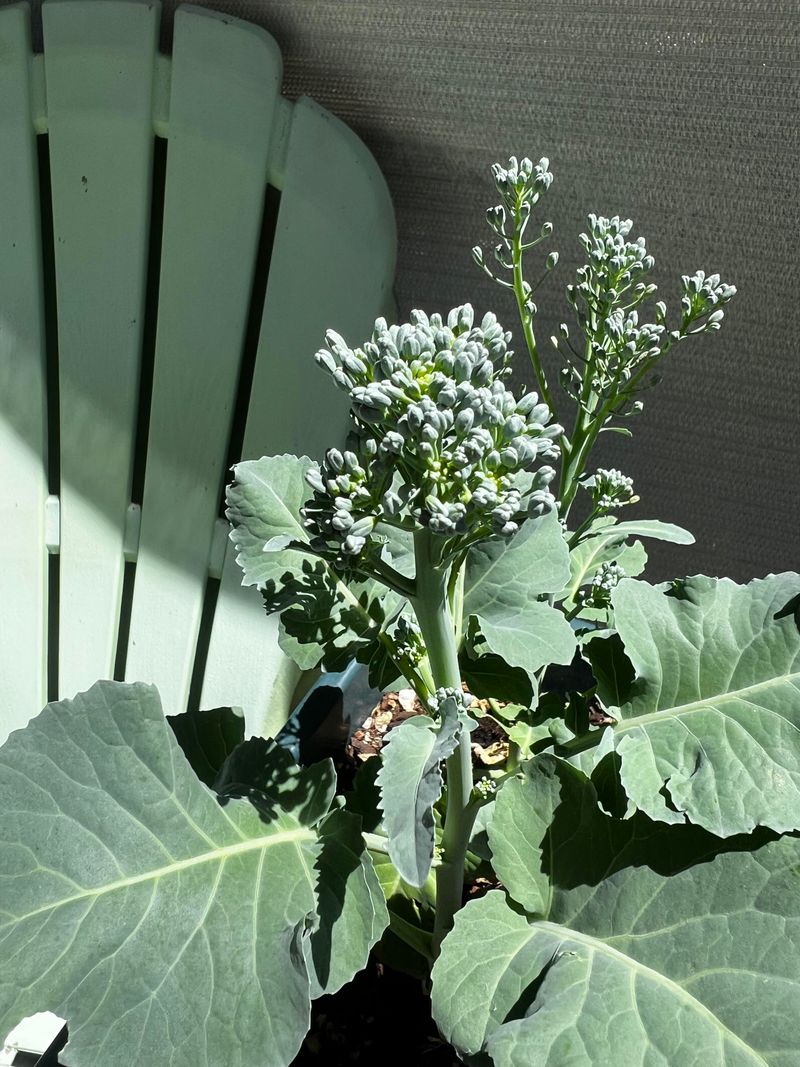
Baby broccoli plants are surprisingly sensitive. When they are young and small, sudden cold snaps followed by warm days can shock them. That shock sometimes tells them to flower early.
This kind of stress is called vernalization. A few chilly nights after a warm start can trigger it. The plant reads the swing as a sign that seasons are changing fast.
Oregon weather loves to bounce around in spring. One morning might be frosty, and the afternoon might feel like summer. Tender seedlings feel every one of those swings.
To protect young plants, harden them off slowly before planting outside. Let them spend a little more time outdoors each day for about a week. This builds their strength.
Cover seedlings with row covers during cold nights. These light fabrics trap warmth and block chilly winds. They also shield plants from surprise frost.
Your Oregon Garden Changes Every Week. Your Plan Should Too.
Gardening in Oregon changes quickly throughout the season. Every Friday you’ll receive a simple weekly plan showing exactly what to plant, prune, fertilize, harvest, and protect so you never miss the right timing.
Timing matters here too. Wait until the worst of the early cold has passed before transplanting. Steady, mild weather gives young broccoli a calm start.
Healthy transplants also handle stress better. Feed them well and keep the soil moist while they settle in. Strong roots help plants shrug off small weather bumps.
Patience really pays off with young broccoli. Rushing them into unstable weather often leads to early bolting. A little extra care at the start saves your whole crop later.
3. Dry Soil Can Add More Stress
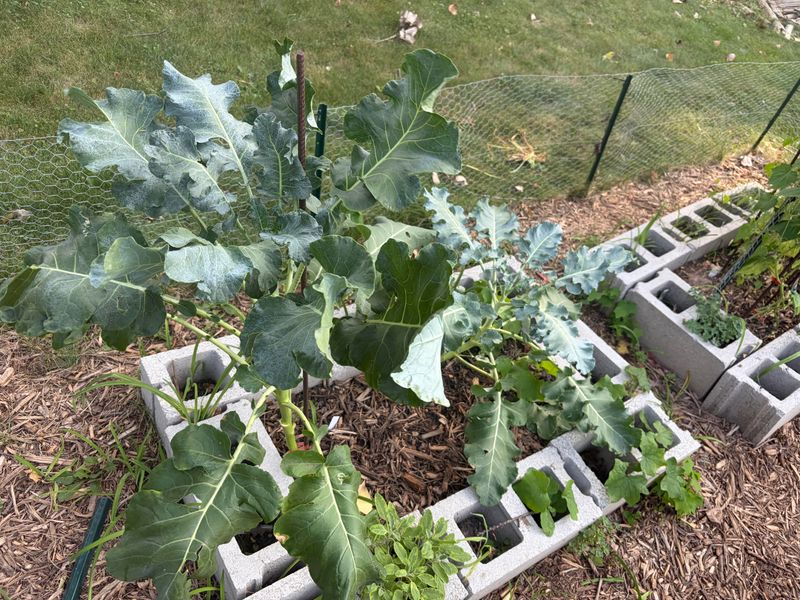
Thirsty broccoli is stressed broccoli. When the soil dries out, the plant panics and often rushes to flower. Dry roots send a signal that survival is at risk.
Broccoli has shallow roots that dry out quickly. Even a few hot days without water can leave the plant struggling. That struggle pushes it toward bolting.
Oregon summers can turn dry fast, especially in July and August. Gardeners sometimes forget how much water broccoli really needs. The soil looks fine on top but is dry underneath.
Check moisture by pushing your finger a couple inches into the dirt. If it feels dry down there, it is time to water. Do this every few days during warm spells.
Deep watering works better than quick sprinkles. Aim to soak the soil so roots stay cool and hydrated. Morning watering gives plants a strong start to the day.
Mulch is a simple trick that helps a lot. A layer of straw or bark holds moisture in the soil. It also keeps roots cooler on hot afternoons.
Watch for wilting leaves in the heat of the day. That drooping is an early warning sign of dry stress. Quick action can save the head before it bolts.
Steady moisture keeps broccoli happy and calm. Calm plants focus their energy on making big, tasty heads instead of flowers.
4. Late Planting Can Push Broccoli Into Heat
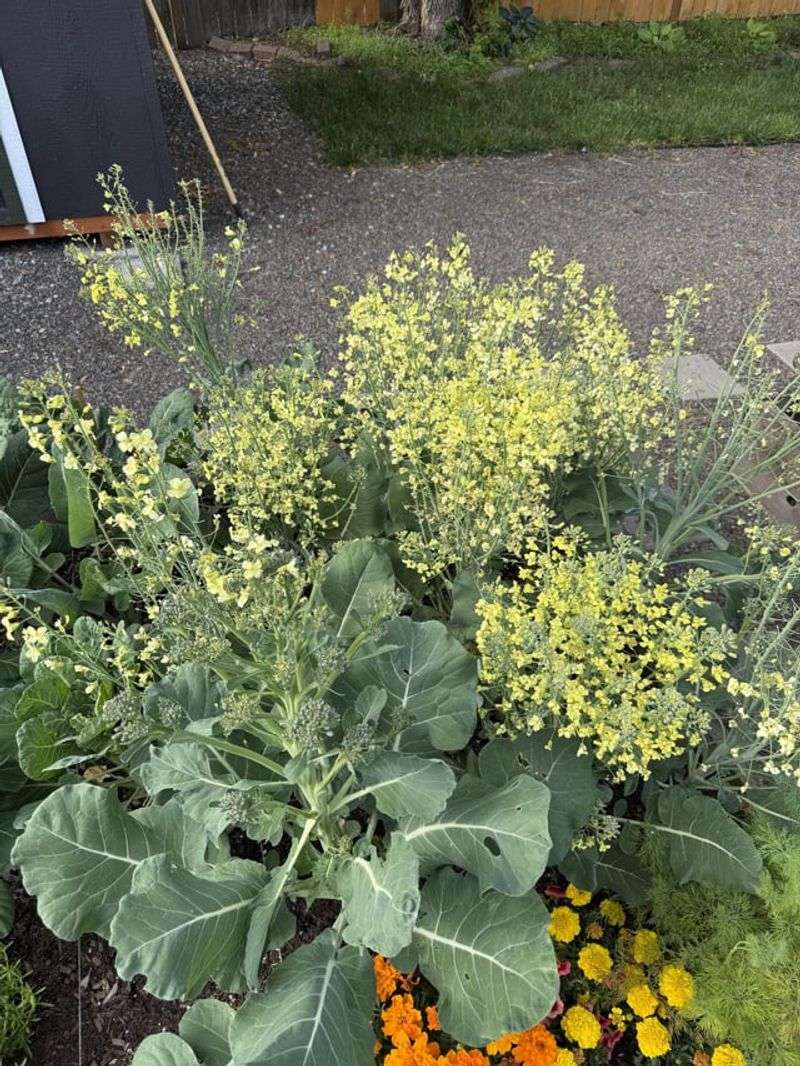
Timing can make or break your broccoli. Plant too late in spring, and your crop matures right when summer heat arrives. That warm timing almost guarantees bolting.
Broccoli takes weeks to grow from seed to head. If you start late, those growing weeks land in the hottest part of the year. The plant runs out of cool days.
Many Oregon gardeners get excited and plant on a warm spring day. But if the calendar is already deep into spring, the clock is against them. Heat catches up quickly.
Planning your planting dates is the smart fix. Count backward from your area’s hottest weeks to find the best start time. This helps heads form during cool days.
Spring crops should go in early, while the weather is still chilly. That way the plant matures before summer peaks. Cool maturity means firm, tight heads.
Fall planting is often the winner in Oregon. Start seeds in mid to late summer for a cool-season harvest. Fall broccoli tends to grow beautifully.
Keep notes each year about what dates worked. Weather patterns shift, but records help you fine-tune your schedule. Over time, you will nail the perfect window.
Getting the timing right removes a huge amount of stress. When the calendar and the weather line up, broccoli rewards you with excellent heads.
5. Crowded Plants Compete For Water And Light
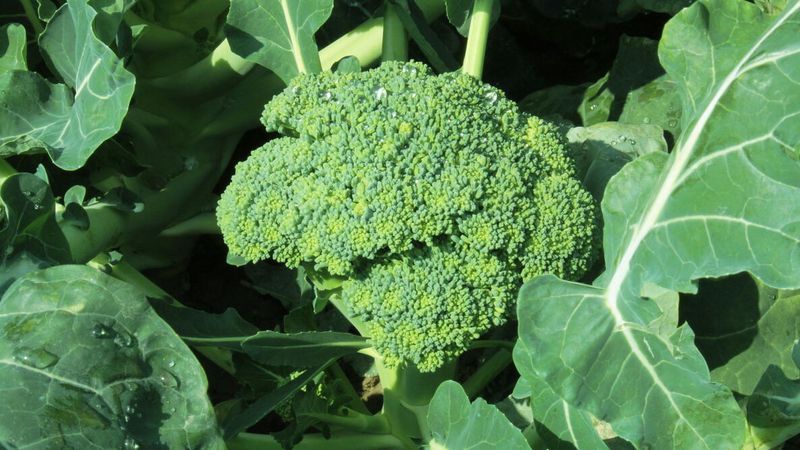
Broccoli plants need their own space to thrive. When they grow too close together, they fight for water, food, and sunlight. That constant battle stresses them out.
Stressed plants often bolt instead of making heads. Crowding also blocks airflow, which invites pests and disease. Weak, crowded broccoli rarely forms a proper head.
It is tempting to plant lots of seedlings in a small bed. More plants seem like more food, right? But packing them in usually backfires.
Give each broccoli plant about eighteen inches of room. This spacing lets roots spread and leaves catch full sun. Room to grow means stronger, calmer plants.
Thin out extra seedlings while they are still small. Removing the weakest ones helps the strong plants flourish. It feels harsh, but it truly helps your crop.
Good spacing also makes watering more even. Each plant gets the moisture it needs without stealing from neighbors. That balance keeps bolting away.
Airflow between plants helps too. Dry leaves resist mildew and other problems. Healthy leaves feed the head as it forms.
Plan your garden layout before planting day. Sketch rows with proper gaps so nothing gets cramped later. A little planning saves big headaches.
When plants have breathing room, they focus on growing tight, tasty heads. Space really is one of the simplest gifts you can give your broccoli.
6. Broccoli Needs Consistent Moisture While Growing
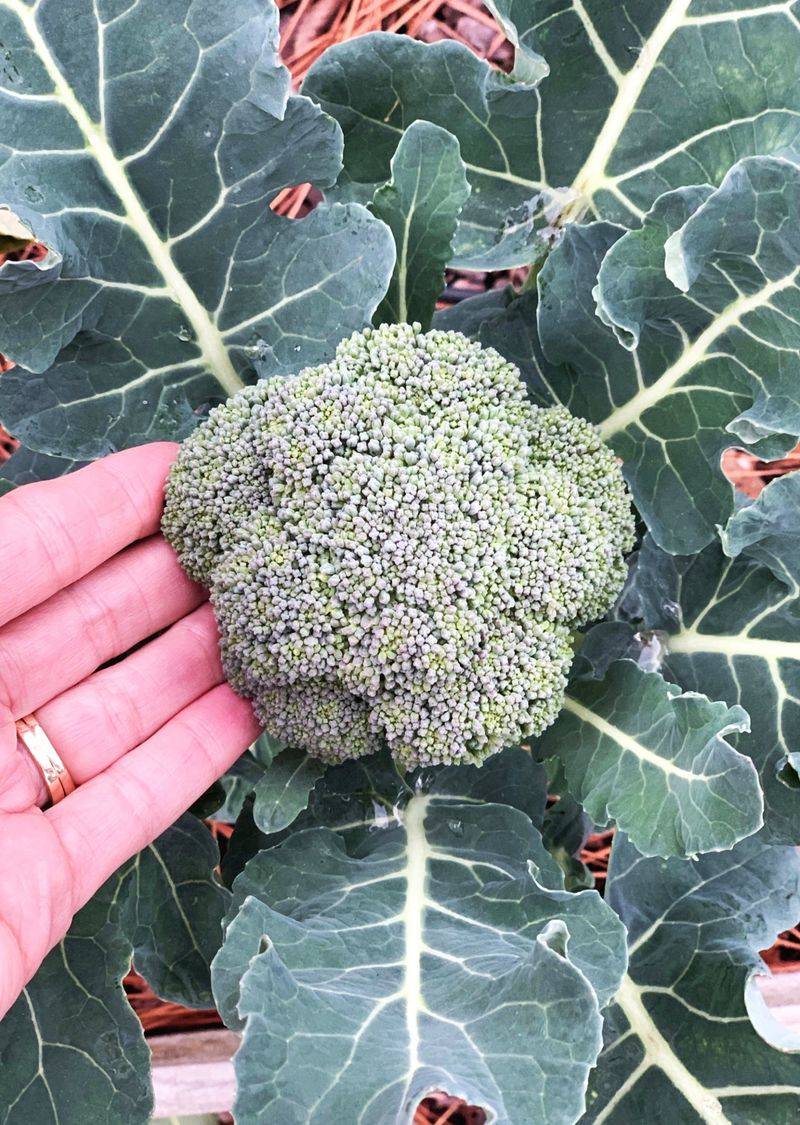
Steady water is the secret to firm broccoli heads. Plants that get soaked one day and forgotten the next feel confused. That up-and-down watering can trigger bolting.
Broccoli likes its soil evenly moist all the time. Not soggy, not bone dry, just steady. Roots stay comfortable when moisture stays consistent.
Many gardeners water heavily, then skip several days. The plant swings between flood and drought. Each swing adds a little stress that builds up.
Setting a simple watering routine helps a lot. Aim for regular drinks every few days during warm weather. Consistency beats big, occasional soakings.
A drip system or soaker hose makes this easy. These tools deliver slow, even water right to the roots. They also save water and time.
Mulch again earns its keep here. A cozy layer over the soil slows evaporation. That keeps moisture steady between waterings.
Check the soil often, especially during dry stretches. Your finger is the best tool for testing dampness. Trust what you feel a couple inches down.
Even moisture also helps plants take in nutrients. Well-fed, well-watered broccoli grows big and tight. The head fills out beautifully with steady care.
Think of watering like feeding a pet on schedule. Reliable care keeps everything running smoothly. Your broccoli will thank you with a fine harvest.
7. Cool Weather Helps Heads Develop Properly
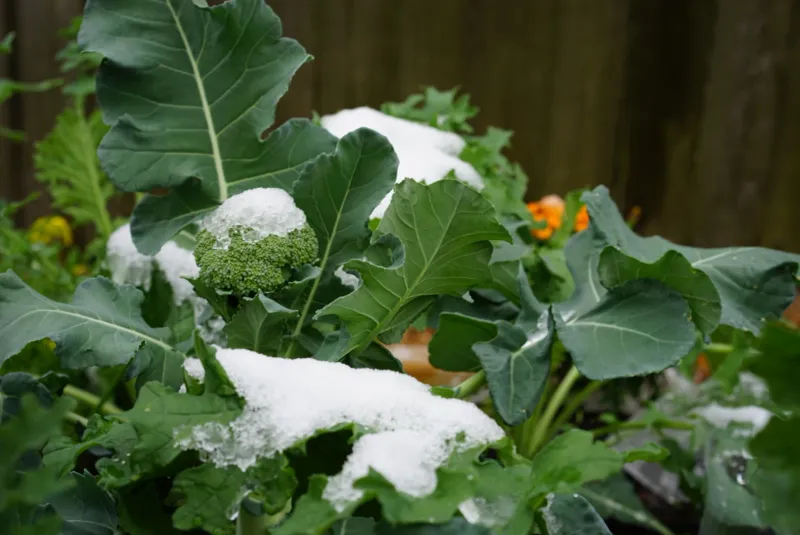
Cool days are broccoli’s best friend. Mild temperatures let the plant slow down and focus on building a tight, firm head. That calm growth makes all the difference.
When nights turn chilly and days stay comfortable, broccoli feels right at home. It packs its energy into the head instead of flowers. The result is a dense, tasty crop.
Oregon’s cool spring and fall seasons are perfect for this. Gardeners who match their growing to these windows often see great results. Cool weather rewards good planning.
Aim for maturity during those mild stretches. That usually means an early spring crop or a fall planting. Both dodge the hottest part of summer.
Broccoli grown in the cool also tastes sweeter. Chilly nights bring out its best flavor. Heat, by contrast, can turn it bitter.
Keep an eye on the forecast as heads form. If a cool run is ahead, your timing is spot on. Let the plant enjoy those gentle days.
Fall crops especially shine in Oregon. As summer fades, the weather turns ideal for heading up. Many growers get their biggest heads this way.
Working with the weather instead of against it saves so much stress. Cool days do the hard work for you. Plan around them, and success follows.
8. Shade Can Help During Unexpected Warm Spells
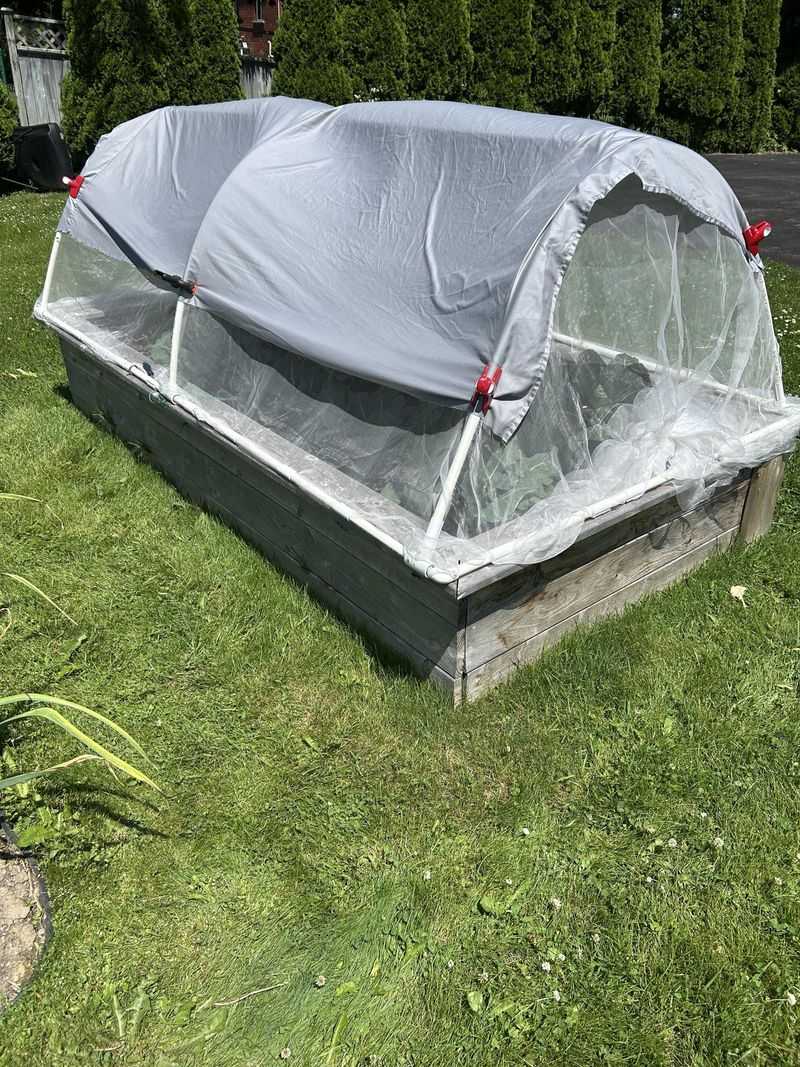
Surprise heat waves can wreck a broccoli crop fast. When a warm spell pops up out of nowhere, shade becomes your best defense. A little cover keeps plants cool and calm.
Shade cloth is a favorite tool for many gardeners. Draped over hoops, it blocks harsh afternoon sun. The plants underneath stay several degrees cooler.
Oregon weather loves to throw curveballs. A mild week can suddenly heat up without much warning. Being ready with shade saves your plants from stress.
You do not need fancy gear to make shade. Old sheets, umbrellas, or taller companion plants can all help. The goal is simply softer light during hot hours.
Focus shade on the hottest part of the day. Late morning through afternoon is when sun hits hardest. Cover then, and uncover in the cool evening.
Shade also slows water loss from the soil. Cooler ground stays moist longer. That means less stress and less watering for you.
Watch your plants for signs of heat trouble. Wilting or yellowing hints they need relief. Quick shade can turn things around.
Keep shade materials handy so you can act fast. When the forecast warns of heat, set up cover the night before. Being prepared beats scrambling later.
With a bit of shade on standby, warm spells lose their power. Your broccoli keeps its cool and its head.