Keep your Wisconsin succulents alive indoors this winter with these 8 low-light survival tricks
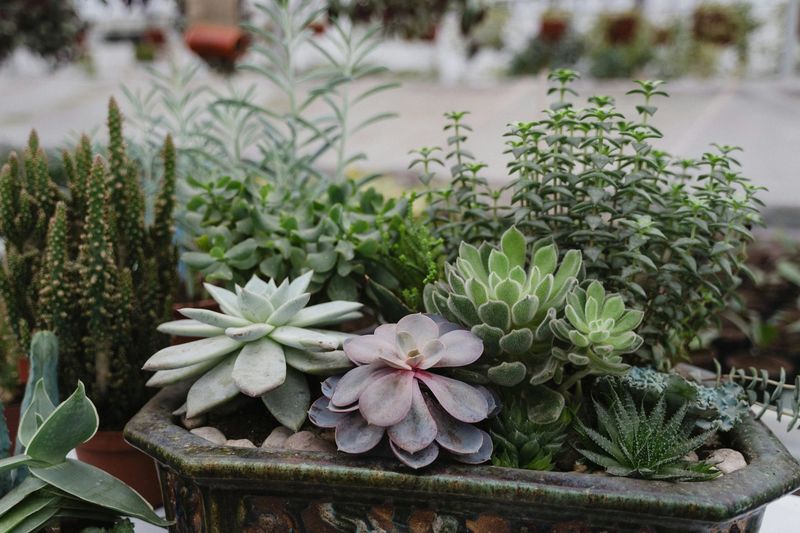
When the short days and gray skies roll into Wisconsin, your sun-loving succulents can start to struggle indoors. Cold windows, dry heated air, and weak winter light all make survival tricky for these desert plants.
The good news is that a few simple changes can keep them green and happy until spring. Here are eight easy tricks to help your succulents make it through the long cold months.
1. Maximize Natural Light, Wisconsin Style
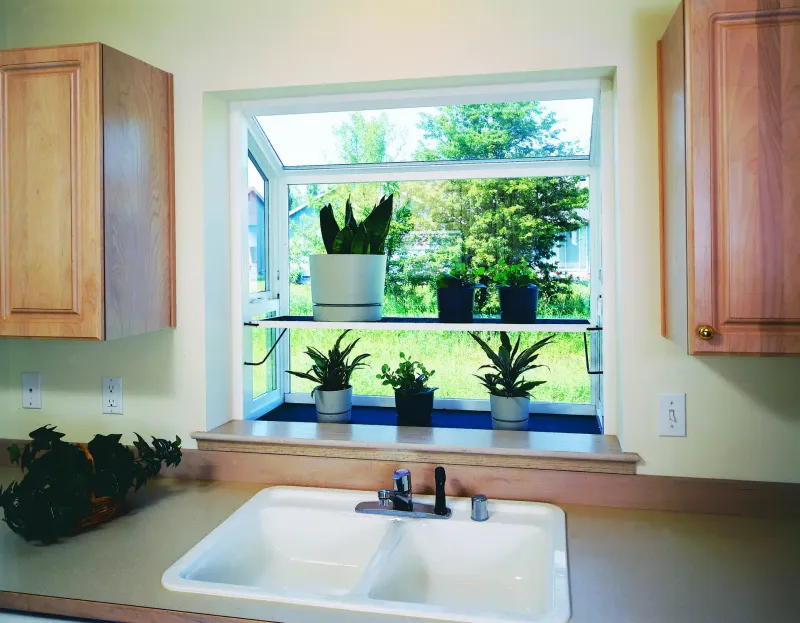
Light becomes gold in the darker months, and every ray counts when you live somewhere with such short winter days. Move your succulents to the brightest window you have, because a Wisconsin winter offers far fewer daylight hours than summer does.
South-facing windows are the champions here, giving the most intense and longest-lasting sunlight. East or west windows work too, offering softer indirect light that still keeps plants from fading.
Grab a cloth and wipe those panes clean, since dust and grime block a surprising amount of light. A sparkling window can make all the difference for a stressed succulent trying to soak up whatever sun a Wisconsin sky provides.
2. Supplement with Grow Lights for Wisconsin’s Dark Days
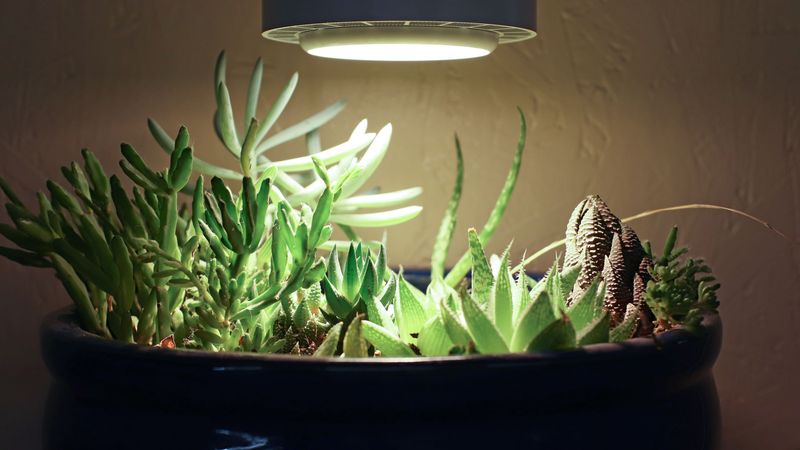
Sometimes the sun just does not show up, and cloudy stretches are common across a Wisconsin winter. When your plants start reaching and stretching toward the glass, that leaning is a signal they are hungry for more light.
An LED grow light running 12 to 14 hours a day fills the gap beautifully. It mimics the strong, steady light succulents crave and stops that awkward stretching known as etiolation.
Give your pots a quarter turn every week so all sides get their fair share of the glow. Rotating keeps growth even and tidy, which matters when Wisconsin skies refuse to cooperate for days on end.
3. Master Wisconsin Winter Watering
Overwatering is the number one killer of houseplants in winter, and succulents are especially picky. Most of them slip into a sleepy dormant state during a Wisconsin winter, which means their thirst nearly disappears.
Wait until the soil is bone dry before reaching for the watering can. Depending on the plant, that might be every four to six weeks, or even once every couple of months for the deeply dormant ones.
Choose a bright morning and use tepid water around 68 degrees, letting the excess drain fully out the bottom. Cold, soggy soil invites root rot, a problem that spreads fast in the still air of a heated Wisconsin home.
4. Mind the Wisconsin Indoor Climate
Temperature swings can shock a succulent faster than you might expect. Some types actually enjoy a cool spell between 45 and 55 degrees to trigger dormancy, while others prefer a comfy 65 to 75 degrees during the day.
Whatever the variety, keep them steady and shielded from sudden change during a Wisconsin winter. Pull plants back from icy, drafty windows and doors where cold air seeps in overnight.
Radiators and heating vents are just as risky, blasting hot dry air that can crisp a plant in hours. Any tender succulents still outdoors should come inside well before temperatures dip below freezing, which happens early in much of Wisconsin.
Your Wisconsin Garden Changes Every Week. Your Plan Should Too.
Gardening in Wisconsin changes quickly throughout the season. Every Friday you’ll receive a simple weekly plan showing exactly what to plant, prune, fertilize, harvest, and protect so you never miss the right timing.
5. Ensure Proper Drainage for Wisconsin Homes

Drainage is where good succulent care truly begins. Indoors, air moves slowly and soil dries out sluggishly, so the wrong mix traps water right around the roots.
That standing moisture is trouble in a Wisconsin home where winter airflow is limited.
Reach for a specialized cactus and succulent blend, or stir perlite and coarse sand into regular potting soil to loosen it up. The chunkier the mix, the faster water passes through.
Never plant in a pot without drainage holes, no matter how cute it looks. Those little openings let excess water escape and keep your Wisconsin succulents from sitting in a soggy trap.
6. Skip Fertilizing in Wisconsin’s Dormant Season
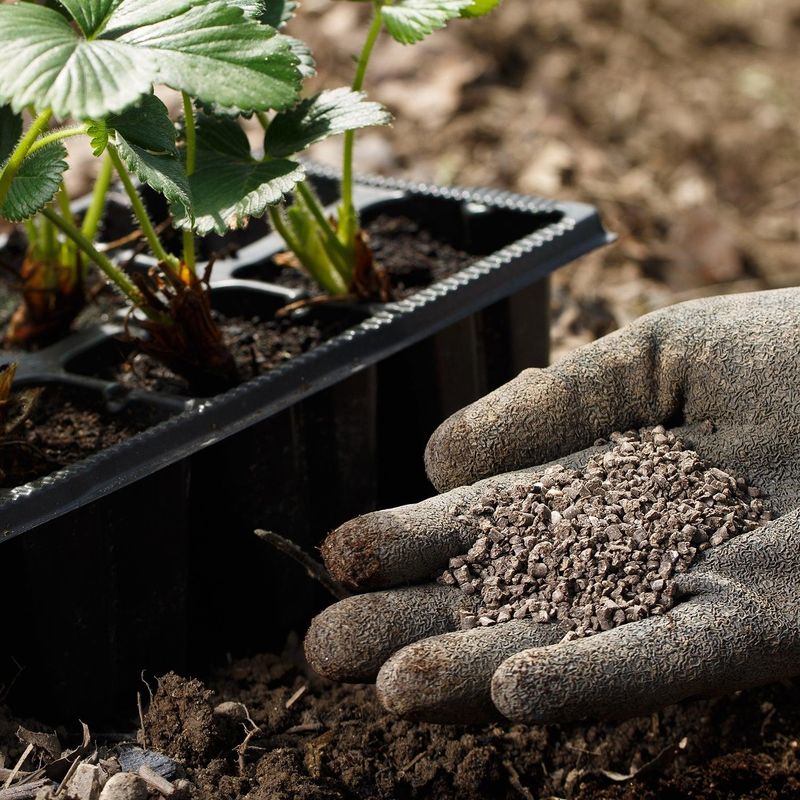
Feeding a sleeping plant does more harm than good. During their winter rest, succulents simply are not growing, so they cannot use the nutrients you offer.
Across a Wisconsin winter, that unused fertilizer just piles up in the soil.
All that buildup can actually burn and damage the roots, turning a helpful gesture into a setback. Put the plant food away and let your succulents doze in peace.
Once spring returns and you spot fresh growth, that is your cue to start feeding again. Waiting until the Wisconsin days lengthen keeps your plants safe and ready to bounce back.
7. Boost Air Circulation for Healthy Wisconsin Succulents
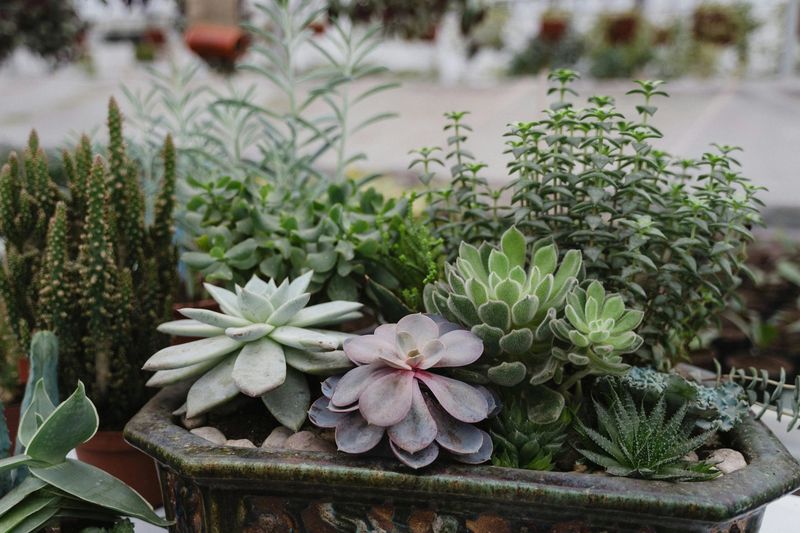
Stale, motionless air is a playground for fungus and creepy-crawlies. When succulents huddle together on a crowded shelf, moisture lingers and problems brew.
Good airflow breaks that cycle, especially in a tightly sealed Wisconsin home.
A small oscillating fan running a few hours each day works wonders. That gentle breeze dries surface moisture and discourages pests like spider mites from setting up shop.
Peek at your plants often for signs of mealybugs or webbing, and act quickly if you find any. A dab of insecticidal soap or neem oil clears them out and keeps your Wisconsin succulents thriving until the warm season returns.