The Best Orange And Purple Flower Pairings For Oregon Gardens
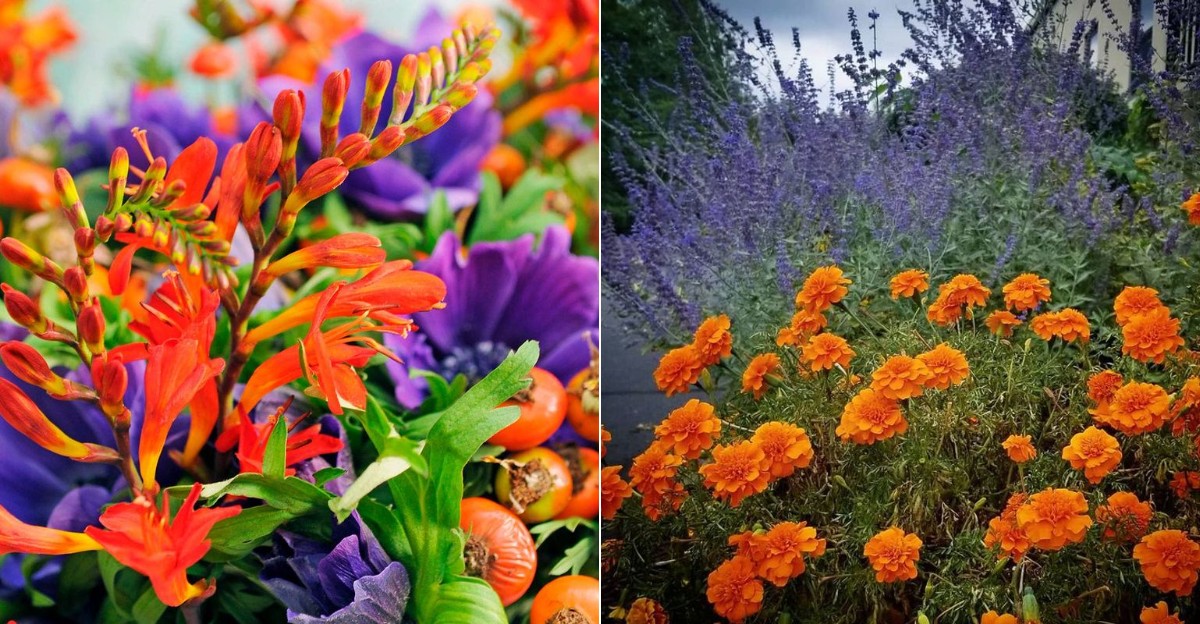
Orange and purple can give an Oregon garden a surprisingly dramatic look, especially when the two colors appear together in a flower bed.
The warm orange tones bring energy and brightness, while purple adds depth and makes those vivid blooms stand out even more.
Used thoughtfully, the combination can make a garden feel colorful without looking chaotic.
The key is choosing flowers that can handle your garden’s growing conditions and bloom around the same time. You can mix tall flowers with lower-growing varieties, repeat the same shades in different areas, or use containers to create smaller bursts of color.
Foliage also plays an important role, helping connect the contrasting blooms and keep the planting from feeling too busy.
With the right combinations, you can create a long-lasting display that keeps your garden looking lively through the growing season.
1. Calendula Looks Great With Purple Salvia
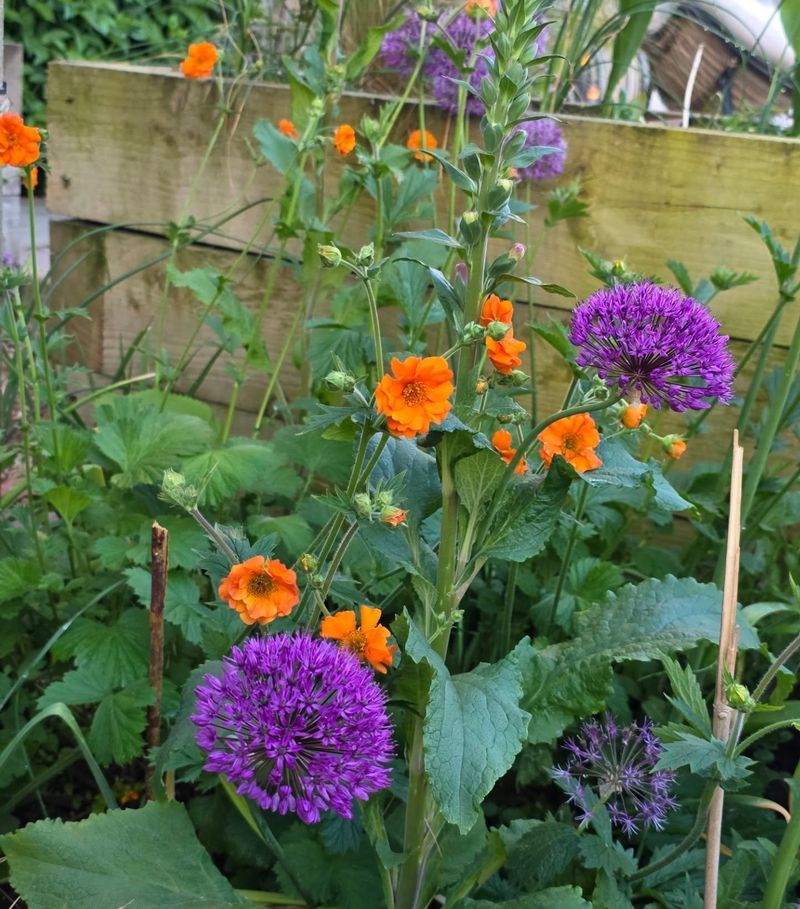
Bright and cheerful, calendula acts like a burst of sunshine in any bed. Its round orange petals sit low, while purple salvia rises tall behind them. Together they build a layered look that feels full and lively.
Calendula loves the cool, damp springs that Oregon gives so freely. Plant seeds right in the ground after the last frost, and they sprout fast. Salvia enjoys the same sunny spots but wants soil that drains well.
You get bonus points with this combo because both flowers feed bees. On warm afternoons, you will spot buzzing visitors moving between the two. That makes your garden feel alive and busy.
Deadheading helps a lot here. Snip off faded calendula blooms, and fresh ones pop up within days. Salvia keeps flowering longer when you trim spent spikes too.
A fun detail about calendula is that its petals are edible. People sprinkle them on salads for a pop of color. Just make sure you grow them without sprays first.
Space them about a foot apart so air can move freely. Good airflow keeps leaves healthy through Oregon’s wet weeks. Water at the base rather than the leaves.
By midsummer, this pairing looks bold and full. The orange glows against the deep purple, catching every eye that passes by your yard.
2. Marigolds Brighten Purple Catmint
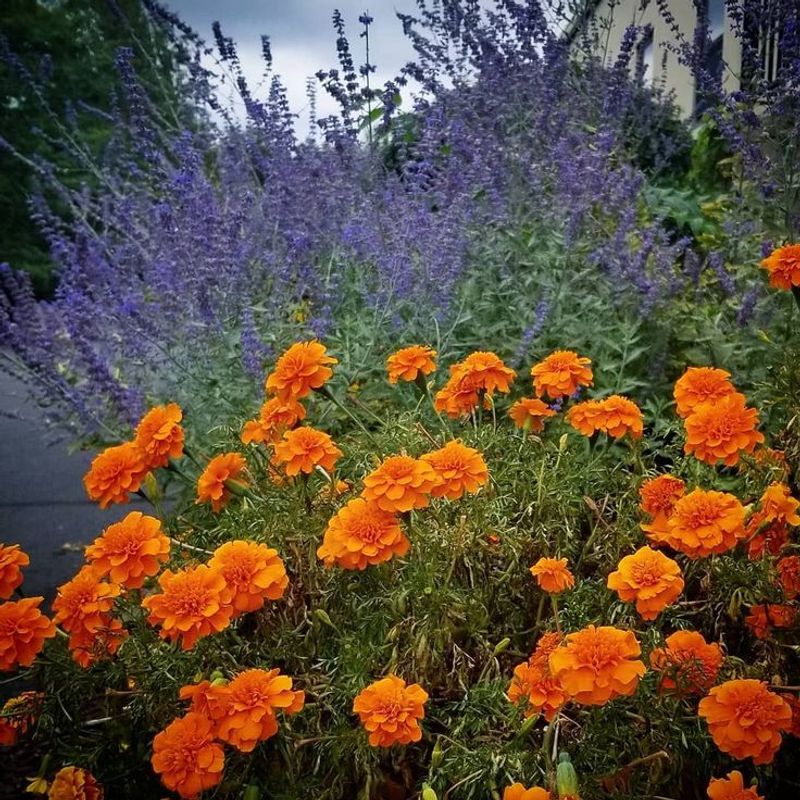
Few flowers work as hard as marigolds. They bloom all season and ask for very little in return. Set them next to fuzzy purple catmint, and the contrast feels crisp and clean.
Marigolds bring a punchy orange that stays bright even in strong sun. Catmint spills out in soft purple waves, softening the bolder edges. The mix reads as both tidy and wild at once.
Oregon gardeners like this pairing because both plants shrug off dry spells once settled. Catmint is drought friendly, so it fits well in sunny valley yards. Marigolds handle heat with ease too.
Gardeners have long used marigolds to guard veggie patches. Their scent seems to bother some pests, so many folks plant them near tomatoes. Catmint, meanwhile, draws in bees and butterflies by the dozen.
Give catmint a quick shear after its first bloom. It bounces back with a second flush of purple within weeks. Marigolds just need old flowers pinched off now and then.
Your Oregon Garden Changes Every Week. Your Plan Should Too.
Gardening in Oregon changes quickly throughout the season. Every Friday you’ll receive a simple weekly plan showing exactly what to plant, prune, fertilize, harvest, and protect so you never miss the right timing.
Plant them in full sun for the strongest color. Both like well drained soil, so add compost if your ground stays soggy. Space marigolds about eight inches apart.
This combo stays neat and colorful from June until the first frost. It suits borders, edges, and containers alike, making it a flexible pick for beginners.
3. Crocosmia Pops Against Purple Verbena
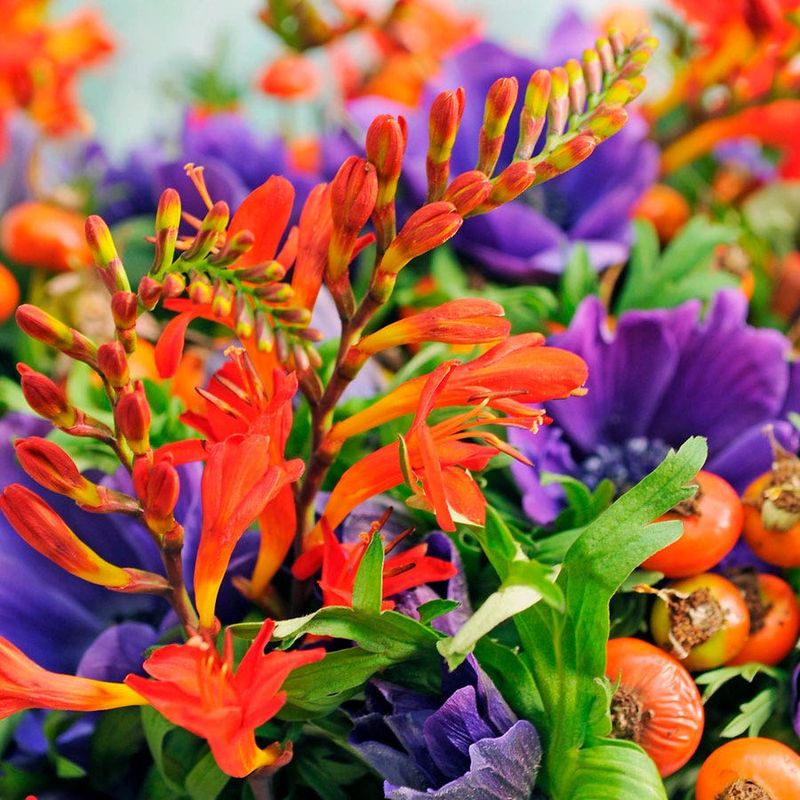
Talk about drama in the garden. Crocosmia sends up arching stems lined with fiery orange blooms that seem to dance. Paired with low purple verbena, the height difference makes both plants shine.
Crocosmia grows from small bulbs called corms. Once planted, they spread and return year after year, which gardeners love. The mild winters let the corms rest safely underground.
Verbena hugs the soil and spreads outward in a carpet of purple. It fills gaps that taller plants leave bare. The result is a bed with color from top to bottom.
Hummingbirds go wild for crocosmia’s tube shaped flowers. If you want more of these tiny visitors, this is a great pick. Butterflies favor the verbena below.
Full sun brings out the boldest orange, so pick a bright spot. Crocosmia handles the coast and the valley equally well. Verbena wants good drainage to avoid soggy roots.
Give crocosmia room to clump up over time. Dig and divide the corms every few years to keep them strong. Verbena just needs a trim to stay bushy.
Blooms usually peak in mid to late summer, right when many gardens start to fade. That timing makes this pair a smart way to stretch color into the warmer months and beyond.
4. Orange Tiger Lilies Stand Out Beside Purple Phlox
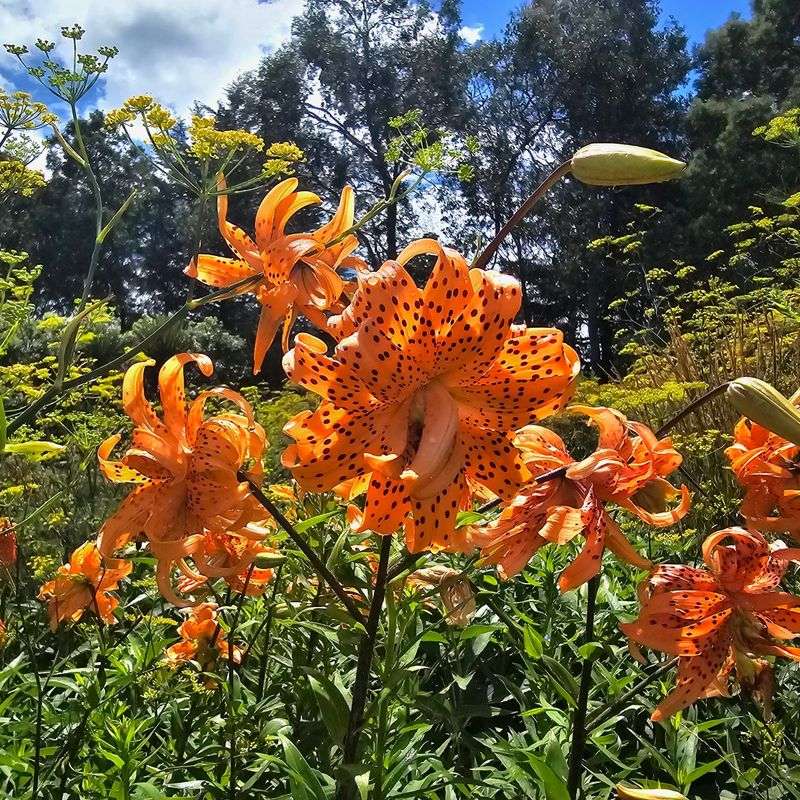
Spotted and showy, tiger lilies bring instant personality. Their orange petals curl back to reveal dark freckles that look almost painted on. Set them by purple phlox for a rich, full display.
Tiger lilies grow tall and strong, often reaching several feet. Phlox forms rounded clusters lower down, balancing the tall stems above. The two heights build a garden with real depth.
Oregon’s cool nights suit both of these plants nicely. Lilies grow from bulbs and come back each spring without fuss. Phlox returns too, spreading a little wider each year.
A neat fact about tiger lilies is the little black bulbils along their stems. You can pluck these and plant them to grow new lilies for free. It feels like a fun garden secret.
Phlox fills the air with a sweet scent on warm evenings. Butterflies and moths drop by often, adding gentle movement to the scene. The purple blooms glow at dusk.
Plant both in rich soil with steady moisture. Lilies like their roots cool and their heads in the sun. A layer of mulch helps hold water during dry stretches.
Watch for powdery mildew on phlox in humid spots. Space plants well and pick mildew resistant types to stay ahead. This pairing rewards you with weeks of bold summer color.
5. California Poppies Pair With Purple Penstemon
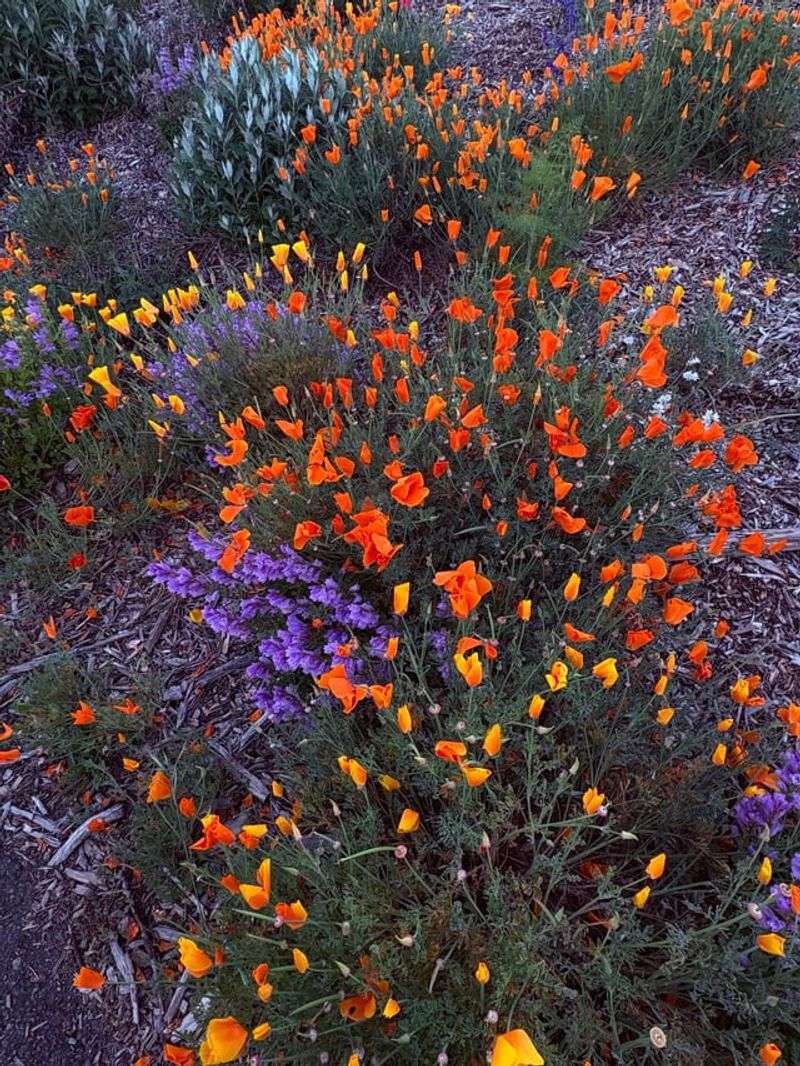
Wild and free spirited, California poppies feel like a slice of the West Coast. Their silky orange cups open in sun and close at night. Purple penstemon spikes stand nearby, adding vertical charm.
Poppies self seed with ease, so once you plant them, they often return on their own. That makes them a favorite for low effort gardens across the state. They love dry, sunny spots.
Penstemon shares that same love of sun and good drainage. Its tall purple flowers attract hummingbirds and native bees. Together, these two feel natural and unforced.
Both plants handle drought like champs. Once their roots settle in, they need little watering. That fits perfectly with Oregon’s dry summer stretches in the valley and east side.
Scatter poppy seeds in fall or early spring right where you want them. They dislike being moved, so plant them in place. Penstemon can go in as small plants for a head start.
The orange and purple look wild in the best way, like a natural meadow. This works great in rock gardens or along sunny slopes. Poor soil actually suits them fine.
Let some poppy pods dry and drop their seeds. Next year, you get a fresh wave of color for free. This easygoing pair keeps giving with almost no work from you.
6. Dahlia Blooms Work With Purple Asters
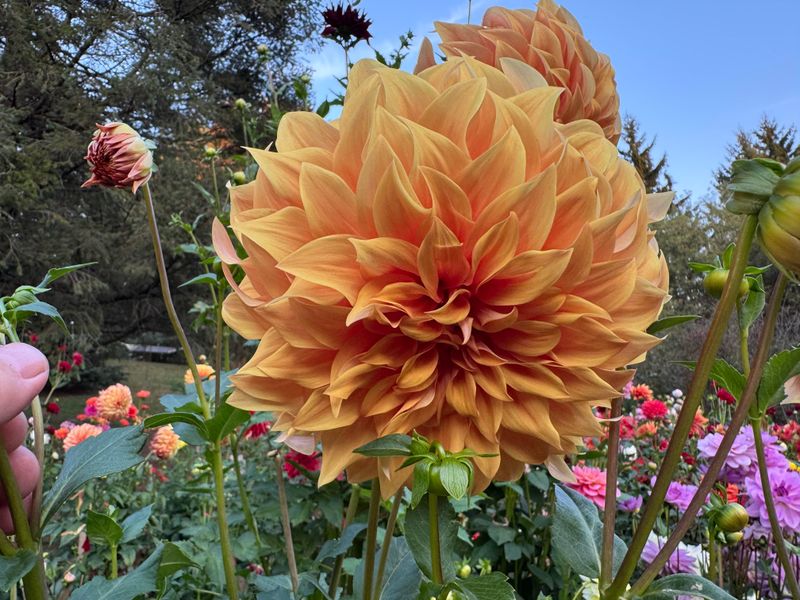
Big, bold, and unforgettable, dahlias steal the show every fall. Their orange blooms can grow as wide as a dinner plate. Pair them with dainty purple asters, and the size contrast dazzles.
Dahlias grow from tubers planted after the last frost. Our long, mild autumns give them plenty of time to shine. They often bloom right up until cold weather arrives.
Asters bring clouds of small purple daisies at the same time of year. They fill in around the taller dahlias with a soft haze. The timing makes them natural partners.
Both plants love the sun and rich, well fed soil. Add compost before planting to give them a strong start. Dahlias may need stakes since their heavy blooms can flop.
Pollinators adore asters in early fall when other flowers fade. Bees stock up before winter, so your garden helps them out. That is a nice bonus for a pretty bed.
Deadhead dahlias often to keep new buds forming. Snip faded blooms just above a leaf pair. This simple habit keeps flowers coming for weeks longer.
In colder parts of Oregon, dig up dahlia tubers before hard frost. Store them dry until spring, then replant. This late season pair ends your garden year on a high, colorful note that feels grand.
7. Orange Nasturtiums Contrast With Purple Basil
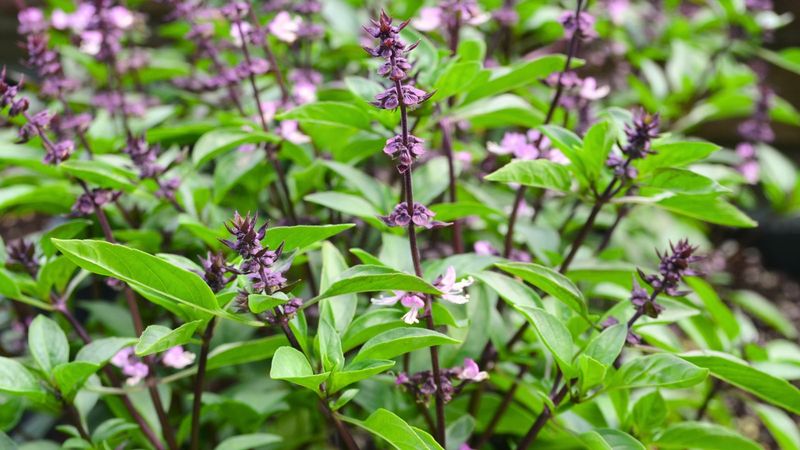
Playful and edible, nasturtiums bring joy to any garden. Their round leaves and orange blooms trail and tumble wherever you let them. Purple basil beside them adds deep, moody color and a spicy scent.
Nasturtiums grow fast from big, easy to handle seeds. Kids love planting them because the seeds are simple to hold. Within weeks, you get bright flowers and lush leaves.
Purple basil offers dark foliage that makes the orange pop even more. It also gives you fresh leaves for cooking. Two plants, one bed, plenty of use.
Both the flowers and leaves of nasturtiums are edible. They taste peppery, a bit like radish, and brighten up salads. Toss a few petals on a plate for a fun touch.
These plants thrive in mild summers without much fuss. Nasturtiums actually bloom more in poor soil, so skip heavy feeding. Basil prefers richer ground and steady warmth.
Give nasturtiums room to sprawl or a trellis to climb. They look lovely spilling over pots and walls. Basil stays bushier if you pinch the tops often.
Watch for aphids on nasturtiums, since some gardeners use them as bait plants. A quick spray of water knocks pests off. This tasty, colorful pair proves gardens can be both pretty and useful at once.
8. Daylilies Bring Warmth Beside Purple Coneflowers
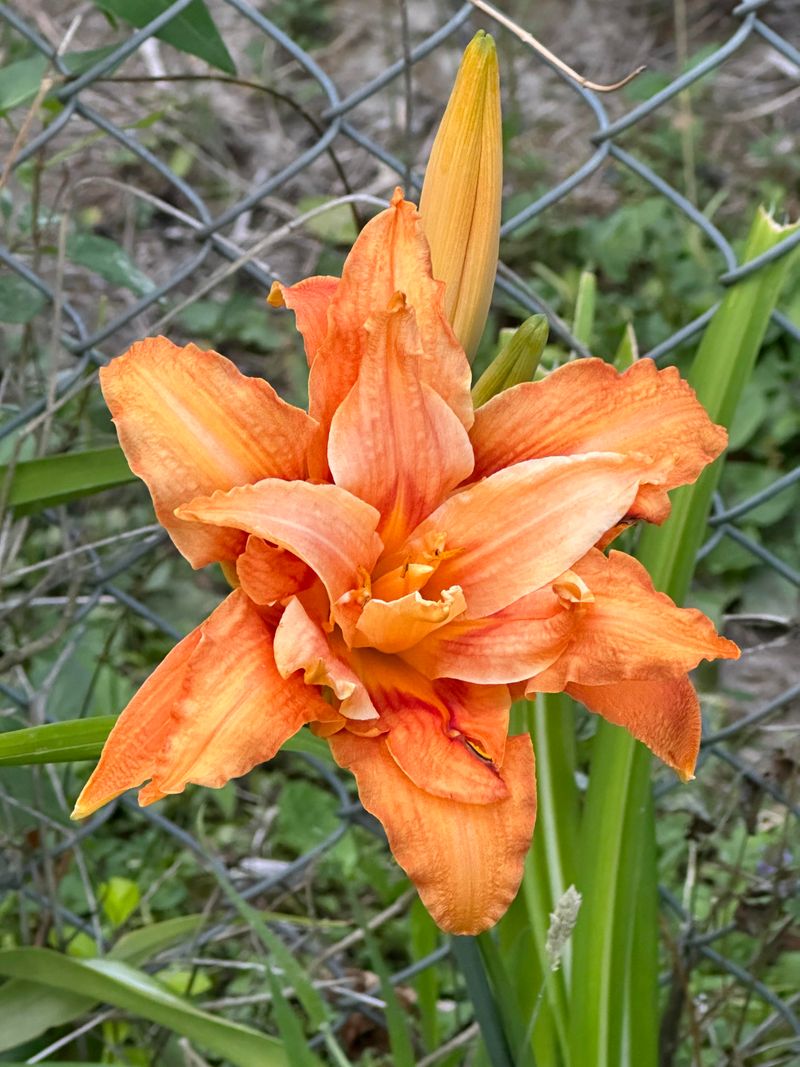
Reliable and sunny, daylilies feel like old friends. Each bloom lasts just one day, but the plant keeps making more. Purple coneflowers nearby add a steady, upright partner with charm.
Daylilies handle almost anything Oregon throws at them. They grow in sun or part shade and forgive poor soil. Once planted, they spread into full, healthy clumps.
Coneflowers stand tall with raised centers that look like tiny crowns. Their purple petals contrast beautifully with orange daylily trumpets. The two build a warm, welcoming scene.
Butterflies love coneflowers, and finches eat the seeds in fall. Leaving the dried seed heads gives birds a snack through winter. Your garden becomes a little wildlife stop.
Both plants are tough perennials that return each year. They need little care once settled, which suits busy gardeners. Divide the clumps every few years to keep them vigorous.
Plant them in full sun for the best flower count. Water during dry spells the first season while roots grow. After that, they mostly fend for themselves.
Deadhead coneflowers if you want a tidier look, or leave them for the birds. Daylilies just need spent blooms pinched off. This laid back duo rewards you with color all summer while asking almost nothing in return, perfect for hands off gardens.
9. Orange Zinnias Look Strong With Purple Verbena
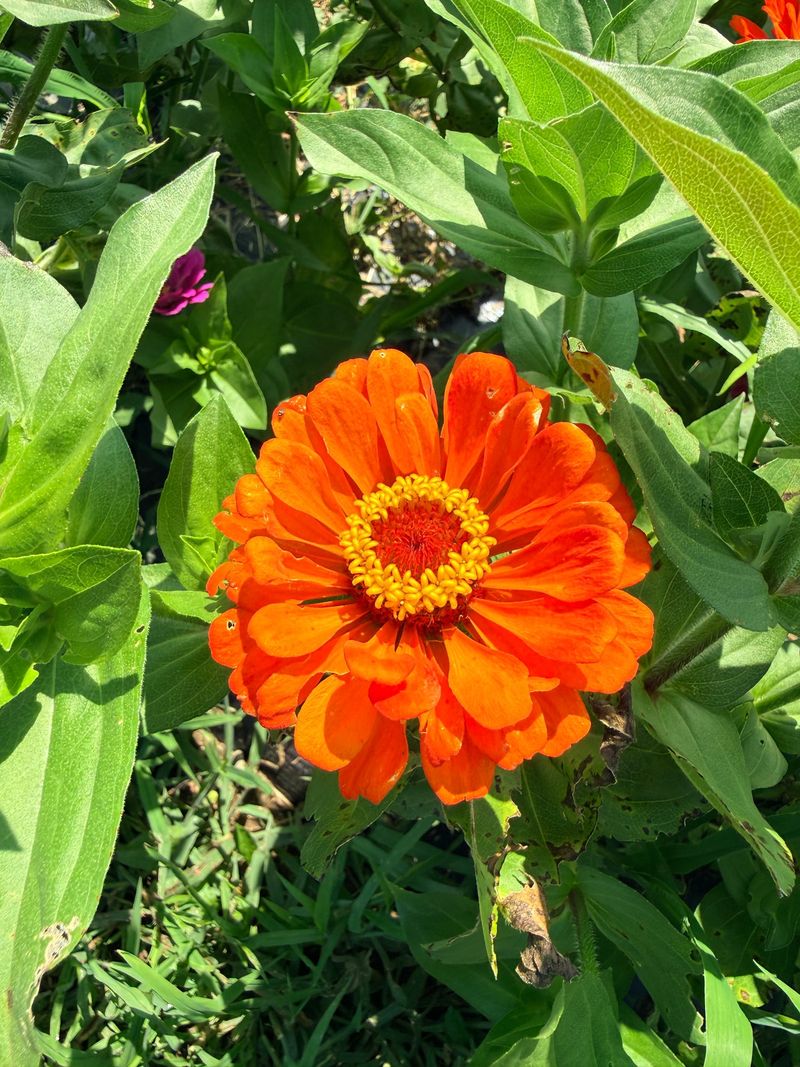
Cheerful and bold, zinnias light up a garden like few others. Their layered orange petals stand up straight on sturdy stems. Purple verbena weaving below finishes the picture with a soft carpet.
Zinnias grow quickly from seed and bloom for months. Sow them once the soil warms in late spring. In no time, you get armloads of bright flowers.
Verbena trails and spreads, filling space at the base of the taller zinnias. The low purple mounds make the upright orange stems feel grounded. It is a balanced, full look.
Both plants love full sun and warm days, which Oregon summers offer. They handle heat well and keep blooming through it. Regular watering keeps them lush.
Zinnias make wonderful cut flowers for the kitchen table. The more you cut, the more the plant produces. That gives you endless bouquets all season long.
Butterflies flock to zinnias, so your garden buzzes with life. Verbena draws them too, doubling the fluttering visitors. Kids enjoy watching the show up close.
Space zinnias with good airflow to fend off mildew on the leaves. Water at the base and pick resistant types if needed. Pinch young zinnias to make them bushier.
From midsummer to frost, this pair stays strong and vivid. It works in beds, borders, and pots, making it a flexible, joyful way to end your growing year.