Raised Tunnels Across Your Florida Lawn This September? A Mole May Actually Be Hunting Something Worse
Those raised ridges cutting across the yard showed up practically overnight. New ones every morning, snaking through the grass like something’s working a route on purpose.
Dealing with the mole feels like the obvious move.
That mole isn’t the real problem. Moles tunnel because they’re hunting, and a yard suddenly full of tunnels usually means grubs, earthworms, and larvae underneath are thick enough to be worth the effort.
Handle the mole without dealing with what drew it in, and another one shows up within weeks, working the same buffet the first one found.
Florida’s warm, humid September creates exactly the underground conditions that turn a lawn into that kind of buffet. What’s actually driving those tunnels says more about the yard than the mole ever will.
1. Meet The Eastern Mole Hunting Beneath Your Florida Lawn
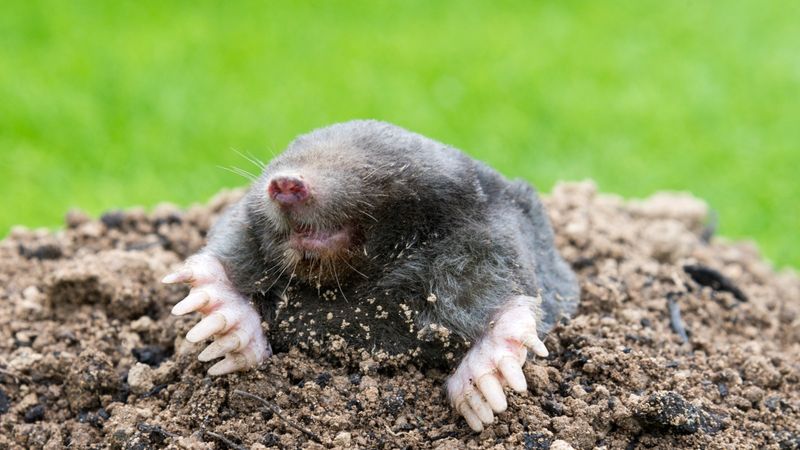
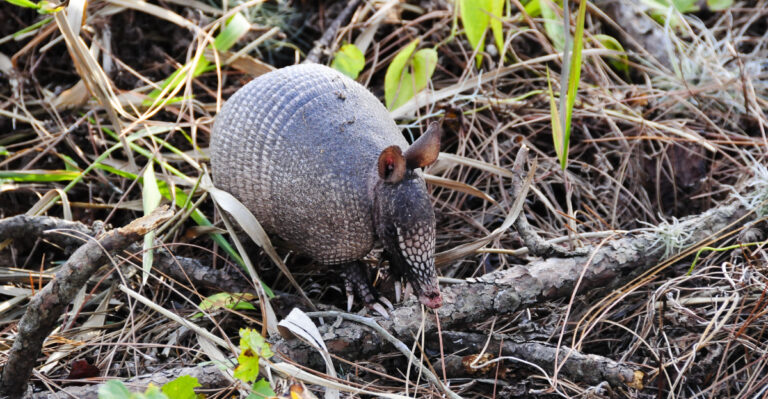
Picture a velvet-furred digger about the size of a hot dog bun, built like a living shovel. That is the Eastern mole, a mole species found in parts of northern Florida and across much of the eastern United States.
It measures roughly 4.4 to 7 inches long with a cylindrical body, a pointed pink snout, and front feet shaped like paddles. Its eyes and ears are so tiny they hide under fur, which is fine, because sight matters little underground.
Here is the part that surprises people: moles are insectivores, not plant eaters. They hunt earthworms, grubs, and other soil creatures, so your flower bulbs are not on the menu.
Moles stay busy all year, but activity climbs in spring and fall when soil stays soft and prey is plentiful. September fits that window perfectly, which explains the sudden ridges crossing your turf.
They build two tunnel types. Shallow feeding runs sit just under the surface and create those raised lines, while deeper tunnels serve as permanent travel routes and shelter.
The digging does aerate soil and trims some insect populations, so a mole is not purely a villain. Still, tunneling lifts grass roots away from soil, and lawns respond by browning along the ridges.
Knowing the animal helps you decide what actually needs attention.
2. Look Below The Tunnel For The Food Drawing It In
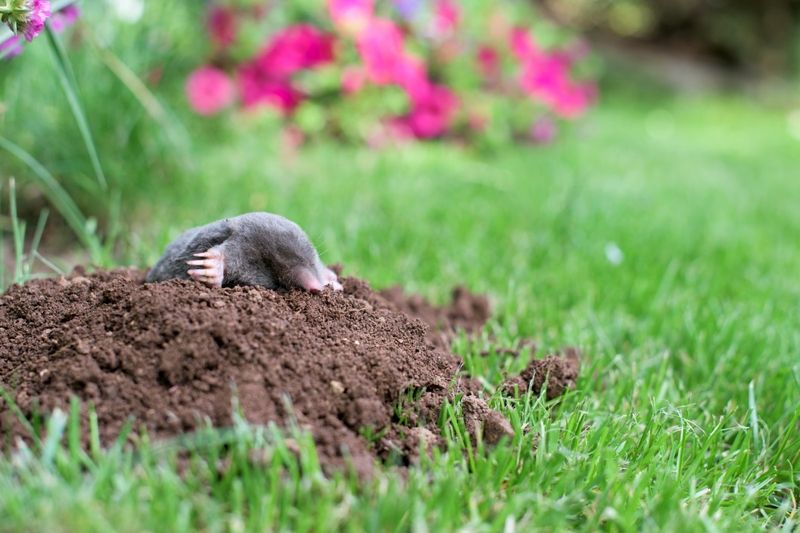
Think of a mole tunnel as a receipt. It tells you something down there was worth eating, and a mole followed the trail.
Moles pick soil that stays moist and crowded with invertebrates. Earthworms are a major part of an Eastern mole’s diet, along with other soil-dwelling invertebrates.
Much of a mole’s life is simply a worm hunt. Tunnels work like traps, and the mole patrols them to collect whatever fell in since the last pass.
They also grab whatever else shows up. Beetle larvae, ants, crickets, slugs, and assorted soil insects all get eaten when the mole bumps into them mid-dig.
Appetite drives the whole show. A single mole may eat 60 to 100 percent of its body weight each day, so it cannot afford to sit still.
That detail matters for you. Heavy tunneling usually points to a food-rich patch of soil, not random bad luck, and the food itself might be harming your grass.
Your Florida Garden Changes Every Week. Your Plan Should Too.
Gardening in Florida changes quickly throughout the season. Every Friday you’ll receive a simple weekly plan showing exactly what to plant, prune, fertilize, harvest, and protect so you never miss the right timing.
So before you focus on the tunnel maker, dig a small test hole. What you pull out of that soil tells you whether you have a harmless worm buffet or an insect problem worth treating.
3. Put Mole Crickets High On The September Suspect List
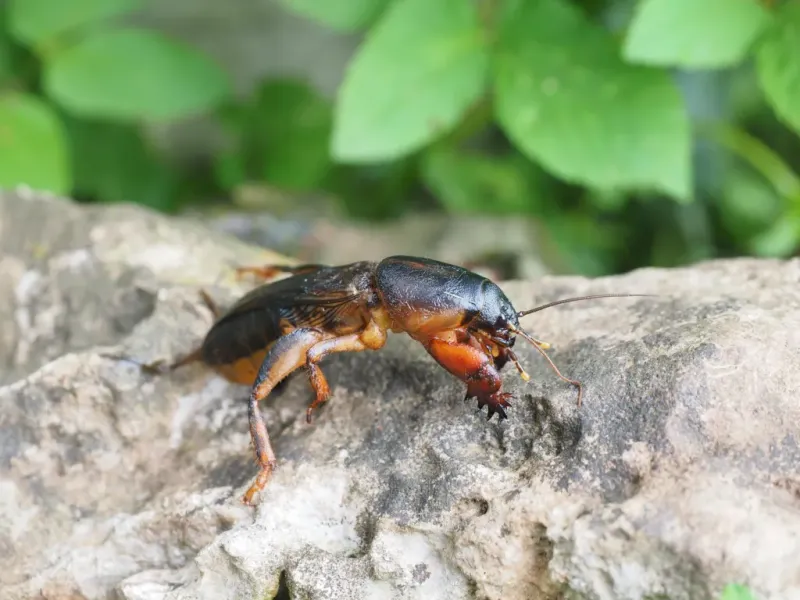
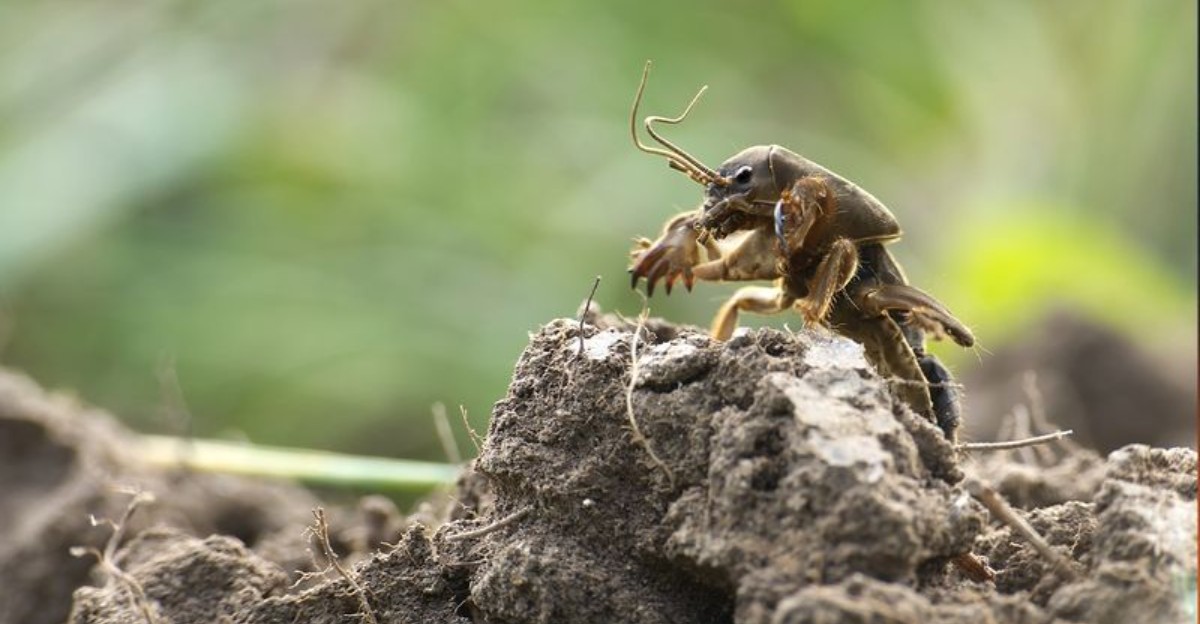
Florida has an underground insect with front legs that look borrowed from a tiny backhoe. Mole crickets rank among the state’s most damaging turfgrass pests, and late summer is their moment.
Three invasive species cause most of the trouble: tawny, southern, and short-winged mole crickets. The native northern mole cricket generally leaves lawns alone.
Their worst stretches run March through June, then again from late August into early October when most are mature adults. September lands right in that second wave.
Damage happens two ways. Their tunneling near the surface slices grass roots and pushes soil upward, and they also chew on roots and tender shoots.
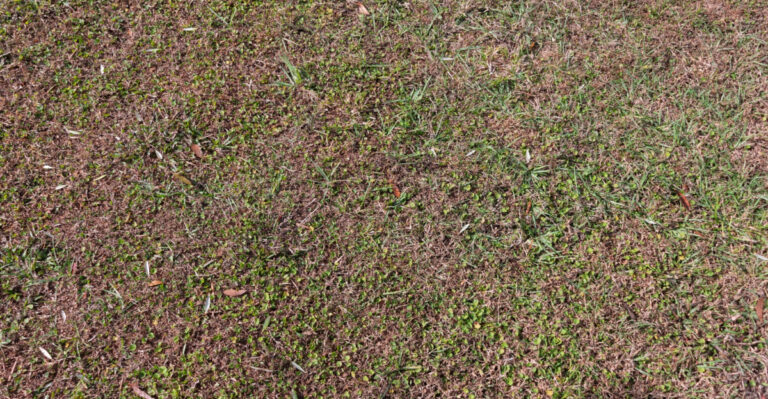
The result shows up as brown patches, thin grass, and turf that feels oddly spongy when you walk across it. Some homeowners describe the raised trails as little earthquake cracks running through the yard.
Adults fly surprising distances and work at night, tunneling and feeding in the dark. That nocturnal habit is why many people see the damage long before they see the insect.
Fun detail: mole crickets chirp from burrows shaped to amplify sound, turning the ground into a speaker. If your lawn is bulging and buzzing in September, put these diggers near the top of your list.
4. Watch For White Grubs Feeding Beneath Weakening Turf
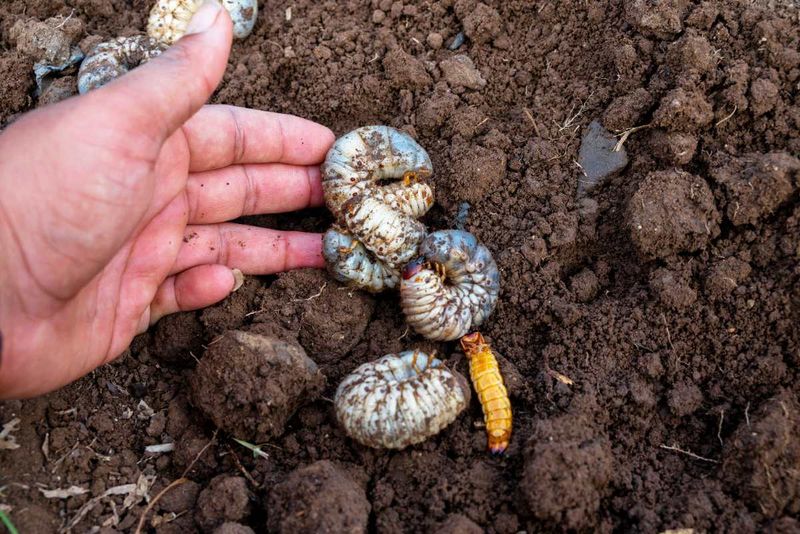
Peel back a weak patch of turf in September and you may find pale, curled larvae lounging in the soil. Those are white grubs, the larval stage of scarab beetles like June bugs, masked chafers, and Japanese beetles.
In Florida, June beetles, masked chafers, and sugarcane grubs are the usual sources. The larvae are white, C-shaped, and range from half an inch to two inches long, with a brown head capsule and six small legs.
They feed on grass roots and organic matter while sitting only one to three inches down. That shallow depth is exactly where a mole hunts.
Damage tends to show up from late summer into early fall, especially when turf is already stressed by heat or uneven watering. Grubs typically hatch from eggs laid in late summer, then feed through fall and again in spring.
Warning signs include yellowing or browning patches, grass that thins for no clear reason, and turf you can lift like loose carpet because roots were chewed away.
Some Florida areas, including the Tampa Bay region, see peak grub damage in September. A quick check helps: cut a one-foot square, flip it, and count.
A high grub count, especially when paired with visible turf damage, is a reason to investigate further and consider treatment options.
5. Remember That Earthworms Can Attract Moles Too
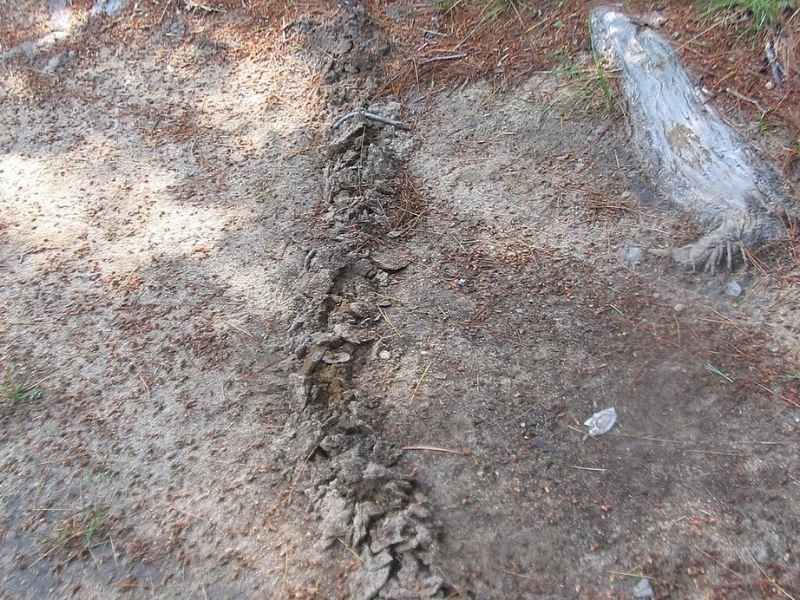
Sometimes the reason a mole moved in is embarrassingly flattering. Your lawn is healthy, and worms love it.
Earthworms are the main course for Eastern moles, often making up 70 to 100 percent of what they eat. A mole’s daily routine is built around finding them.
Lawns that get steady watering and hold plenty of organic matter tend to support big worm populations. Those same conditions look like an all-you-can-eat buffet to a mole cruising the neighborhood.
Which leads to a frustrating truth. You can treat for grubs, watch the grub count drop, and still see fresh ridges appear next week, because the worms are still there.
Worms themselves are helpful. They break down clippings and leaves, improve drainage, and keep soil loose, so nobody recommends chasing them off.
What you can adjust is watering. Constantly soggy soil keeps worms high and moles active near the surface, while a normal deep-but-less-frequent schedule encourages both to settle deeper.
Keeping thatch and heavy organic buildup in check also reduces the food layer near the top few inches. Think of it as making the top floor of your soil a little less inviting without harming the good things happening below.
6. Expect Moist Soil To Bring The Hunt Closer To The Surface
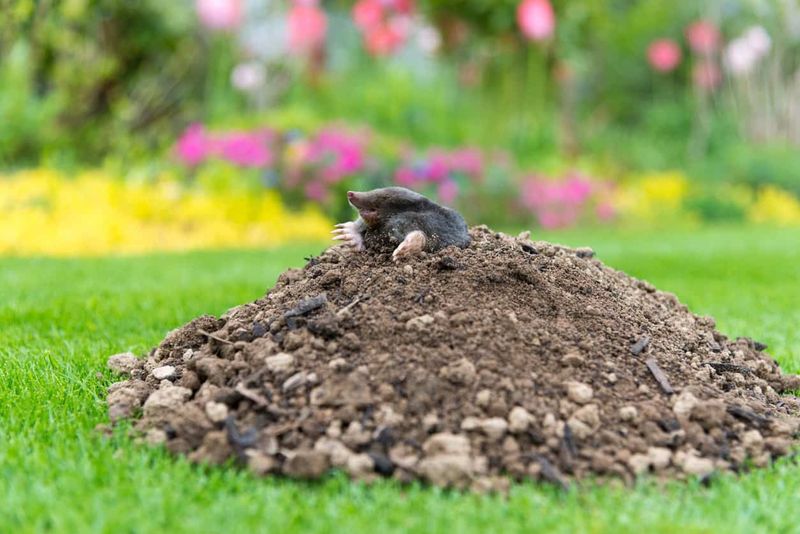
Ever notice how ridges appear the morning after a downpour? Rain softens soil, and soft soil is a mole’s favorite digging condition.
Moist ground does two helpful things for a mole. Digging takes less effort, and the invertebrates it hunts move up toward the damp upper layers.
During warm, wet stretches in spring and summer, moles stay near the top where meals are easy to reach. Their shallow feeding tunnels usually run just one to four inches below the surface.
Florida’s rainy season stretches into September, so fall soil moisture keeps that surface hunting going. More surface tunneling means more visible ridges across your grass.
Cold snaps and dry spells flip the pattern. Moles follow worms downward, sometimes reaching remarkably deep soil layers where moisture lingers.
That up-and-down habit explains why mole activity seems to vanish, then roar back. The animal did not leave, it simply changed floors.
Practical takeaway: watch your irrigation. Overwatered turf stays soft and worm-rich, which invites surface tunneling and also encourages fungal problems.
Water deeply and less often, check that sprinkler zones are not overlapping, and fix low spots that stay soggy. Firmer, better-drained soil is simply less convenient for a hungry digger working the top few inches.
7. Separate Mole Tunnels From The Smaller Trails Mole Crickets Make
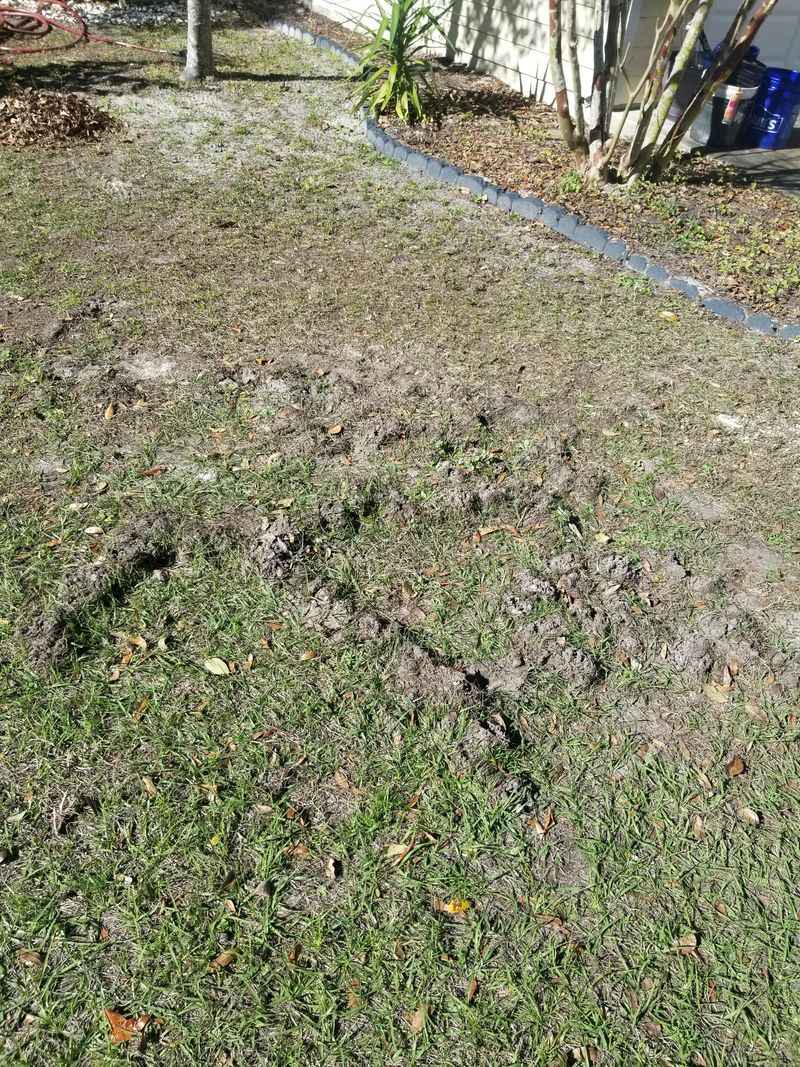
Two different diggers, two different signatures. Learning the difference saves money and wasted effort.
Mole work looks bold. You get raised ridges wide enough to see from across the yard, plus cone-shaped mounds of loose soil where the animal pushed dirt up while building deeper tunnels.
Mole cricket work looks sketchier. Their tunnels tend to be much smaller and more superficial, with loose, disturbed soil rather than the prominent raised ridges produced by moles.
Touch gives another clue. Soil above mole cricket tunnels feels loose and spongy underfoot because the top inch has been churned and roots have been cut.
Mound shape helps too. Mole cricket mounds are small and can resemble ant hills, and they do not connect into long continuous ridges the way mole ridges do.
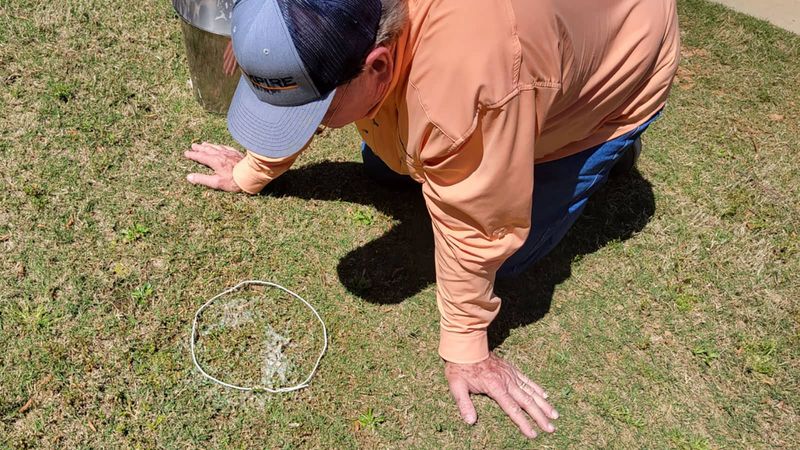
To confirm crickets, try a soap flush. Mix a couple tablespoons of lemon-scented dish soap into two gallons of water, pour it slowly over about two square feet, and watch for a couple of minutes.
Irritated mole crickets usually climb to the surface within minutes. If several appear, you have your answer, and the mole was probably just following the crowd.
Do the test in the evening or early morning on moist soil, and rinse the area afterward so the soap does not linger on the grass blades.
8. Check Damaged Turf Before Blaming The Mole For Everything
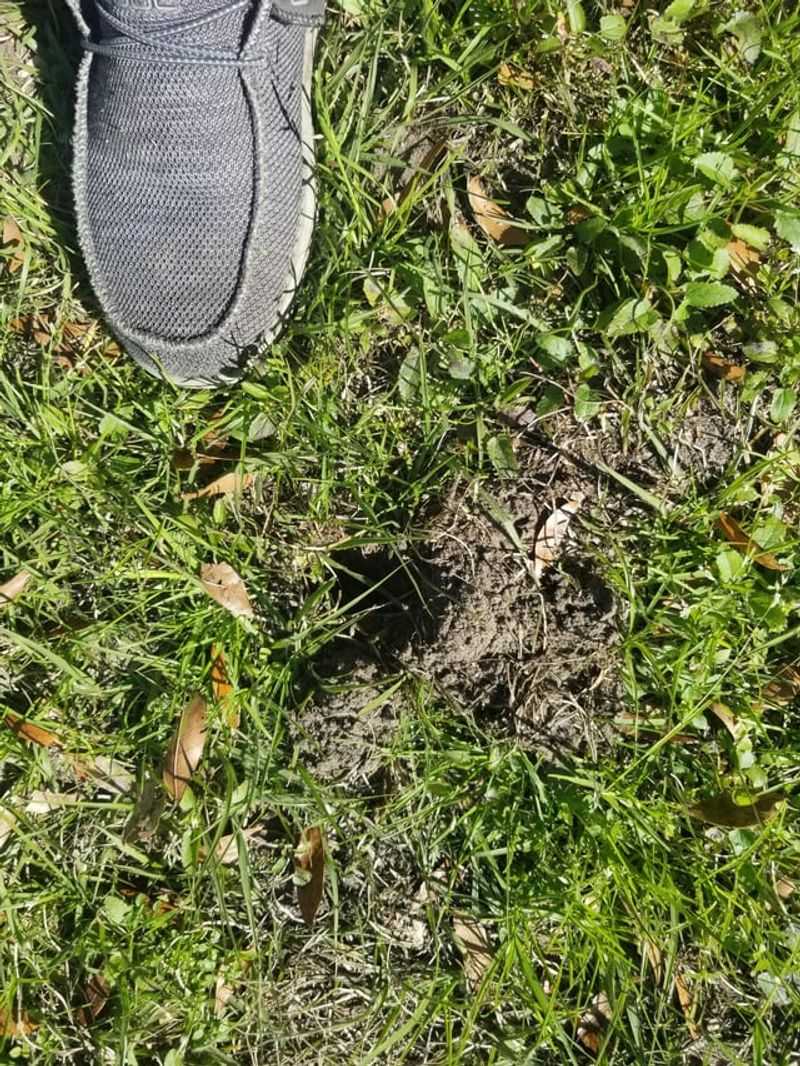
Moles make an easy scapegoat because their evidence is so obvious. Meanwhile, several other problems quietly produce the same brown patches.
Insects deserve a look first. Chinch bugs, sod webworms, and armyworms all chew Florida turf and leave thinning, discolored areas that look suspiciously mole-shaped.
Disease is another strong contender. Warm, humid Florida weather encourages brown patch and dollar spot, both of which create circular patches of failing grass.
Then there is water. Drought stress and overwatering can produce similar symptoms, and a stuck sprinkler head or clogged nozzle causes damage that no pest control product will fix.
Nutrition and general stress matter too. Compacted soil, heavy shade, mower blades set too low, and missing nutrients all weaken turf until it thins out.
Voles cause real confusion. These small plant-eating rodents chew roots, bulbs, and garden plants, and homeowners routinely blame moles for that damage even though moles skip vegetation.
A smart approach is to inspect before you spend. Pull a few grass blades and look for chewed edges, check whether roots are intact, dig a small plug, and note whether patches follow sprinkler patterns.
Gathering that information takes fifteen minutes and often points you toward a much simpler fix than you expected.
9. Identify The Underground Pest Before Reaching For A Treatment
Guessing is the most expensive step in lawn care. Correct identification comes first, and everything else follows from it.
Because so many issues share symptoms, inspect the whole picture: grass blades, root condition, soil moisture, sunlight, and mowing height. Patterns tell stories that single symptoms cannot.
For suspected grubs, lift a square section of turf and look for the C-shaped larvae along with chewed roots. Five or more grubs per square foot suggests treatment may be worthwhile.
For mole crickets, the soap flush test gives a quick answer without guesswork. Counting how many mole crickets surface helps you judge whether the population is serious.
Integrated Pest Management offers strong options for mole crickets, including the Larra bicolor wasp and insect-parasitic nematodes. These biological helpers sometimes outperform conventional chemical products over time.
Keep expectations realistic about moles. Reducing grubs alone may not send a mole packing, since earthworms and other insects still fill its plate.
When handling nuisance wildlife, choose legal methods and skip poisons that could endanger pets, birds, or other animals wandering your yard.
If the damage keeps spreading or your efforts stall, a professional lawn care service can identify the culprit and build a plan. Paying for the right diagnosis usually costs less than repeating the wrong treatment.