The Fall Lawn Repair Mistake California Homeowners Make After A Hot Summer
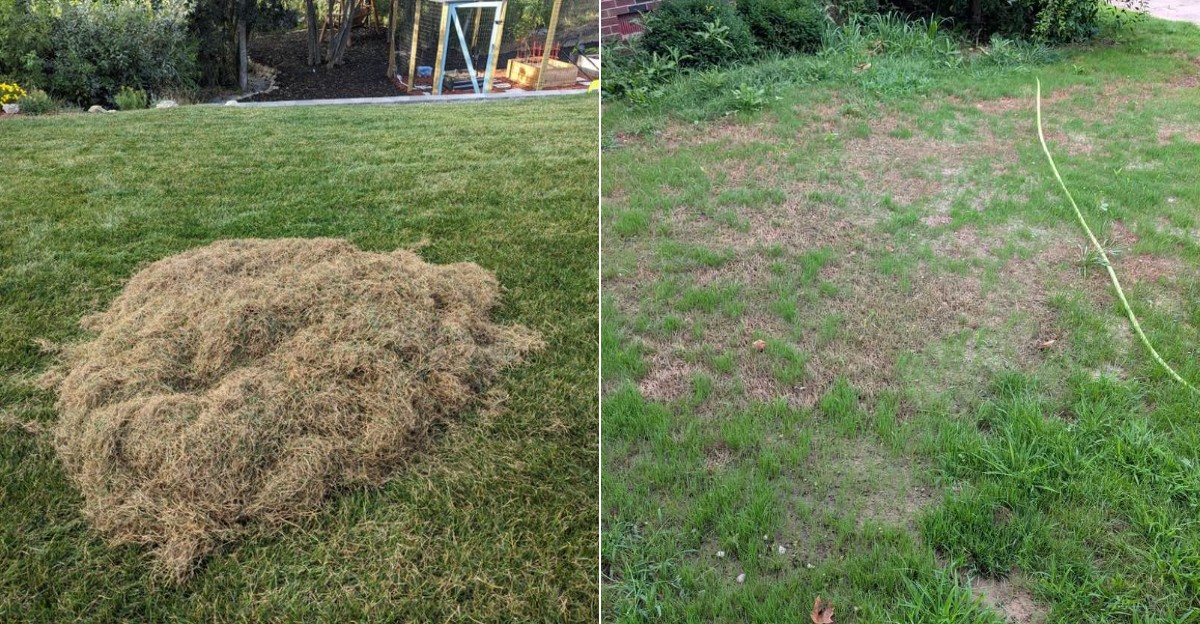
After months of heat, your California lawn may look rough enough to make you want to fix everything at once.
Brown patches, thin grass, and bare spots can make fall feel like the perfect time to reseed, fertilize, and bring the whole yard back to life. But rushing into repairs can leave you with even more work later.
Summer heat can affect your lawn in several ways, and the damage you see on the surface does not always tell the whole story. Some areas may need new seed, while others have underlying problems that need attention first.
Soil condition, irrigation, grass type, and the timing of your repairs all matter when you are trying to rebuild a healthy lawn.
Before you start spreading seed across every brown patch, take a closer look at what caused the damage. Fixing the real problem can give your lawn a much better chance of recovering this fall.
1. Reseeding Will Not Fix Compacted Soil
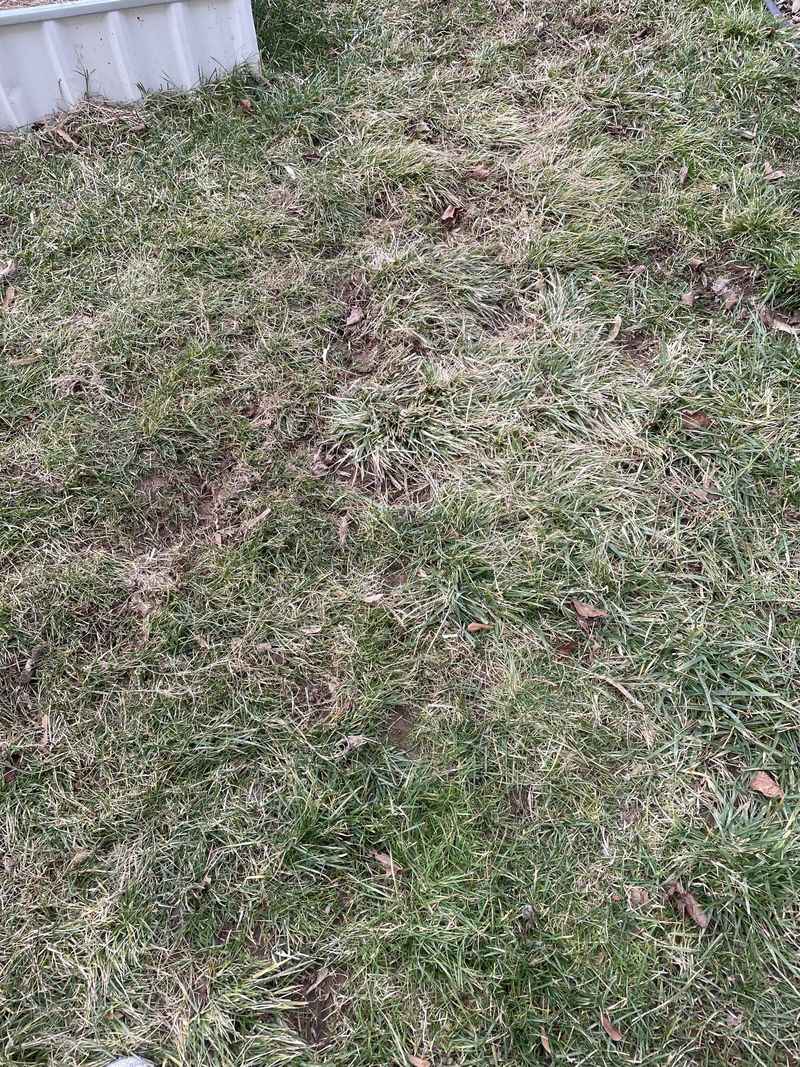
Picture spreading fresh seed over ground so hard you could bounce a coin off it. That is what many folks do without realizing the soil is the real problem.
When dirt gets packed down tight, roots cannot push through. Water pools on top instead of soaking in. Air, which grass roots need, gets squeezed out completely.
Summer foot traffic, pets, and heavy heat all press the soil into a solid layer. New seed sitting on that surface has almost no place to settle and grow.
You can test for compaction with a simple trick. Push a screwdriver into the ground after watering. If it stops quickly or feels tough, your soil is too tight.
Adding more seed over packed dirt only feeds the birds. The grass that does sprout will have weak, shallow roots that fade fast.
Before you reseed, plan to loosen the ground first. Aeration and adding organic matter make a huge difference for new growth.
Think of soil like a bed. Seeds want soft, cozy space to stretch out, not a hard floor.
Fixing compaction takes a little extra effort, but it pays off. Your grass will grow thicker and stay green longer.
Skip this step, and you will be buying seed again next fall with the same sad results.
2. Hot California Summer Soil Can Reject New Seed
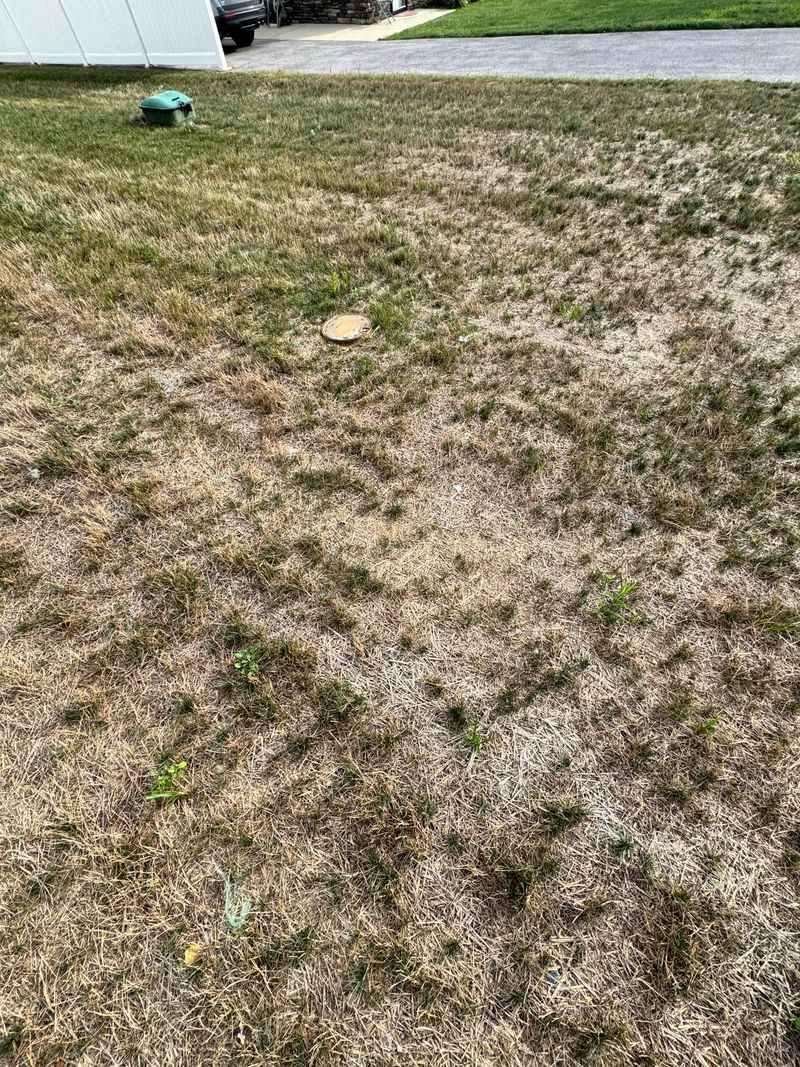
Believe it or not, soil that baked all summer can actually push seed away. Overheated, dry dirt often turns water-repellent, and that surprises a lot of homeowners.
When ground gets extremely hot and dry, it forms a waxy coating. Water beads up and rolls off instead of soaking in deeply.
This condition is called hydrophobic soil. Seeds cannot sprout when moisture never reaches them, no matter how often you water.
You might notice puddles that vanish without wetting the ground below. That is a clear sign your soil is fighting the water.
A wetting agent, sold at garden stores, helps break that waxy barrier. It lets moisture finally reach the seed and roots.
Raking the surface lightly also helps water find its way in. Loosening the top layer opens tiny paths for moisture.
Your California Garden Changes Every Week. Your Plan Should Too.
Gardening in California changes quickly throughout the season. Every Friday you’ll receive a simple weekly plan showing exactly what to plant, prune, fertilize, harvest, and protect so you never miss the right timing.
Waiting for cooler California fall temperatures makes a big difference too. Soil that has cooled down accepts water far more easily.
Try watering deeply a few days before you plant. This wakes up the dry ground and prepares it for seed.
Rushing seed onto scorched, stubborn soil wastes your effort. Give the ground time to recover from summer stress first.
A little patience and the right prep turn hostile dirt into a welcoming home for new grass.
3. Bare Spots Often Have An Underlying Cause
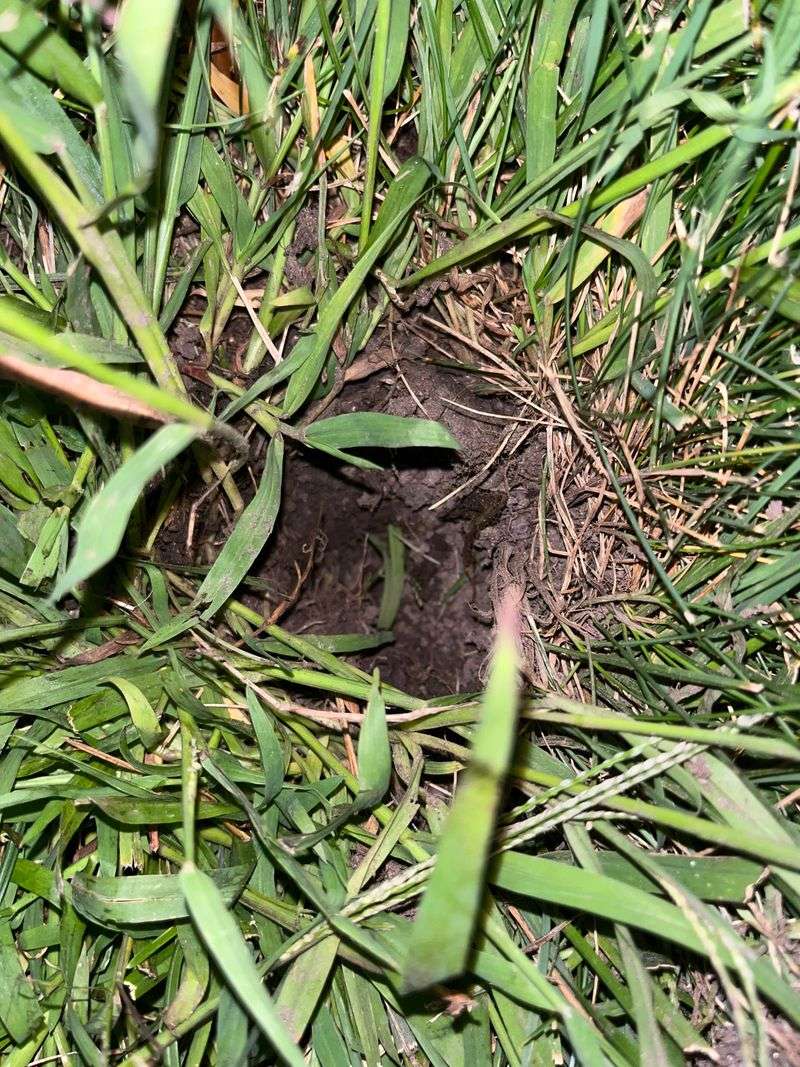
Every bare patch tells a story, and it is rarely just bad luck. Something caused that spot to thin out, and seed alone will not solve it.
Pet urine, buried debris, heavy shade, or a hidden pest problem can all leave empty gaps. If you ignore the cause, grass will keep struggling there.
Take a moment to investigate before you plant. Dig gently into the bare area and look at what is happening underground.
Sometimes you will find old roots, rocks, or a patch of clay. Other times insects like grubs have been feeding on the roots.
Dog spots often show a burned center with a green ring around them. Flushing the area with plenty of water helps clear the salts.
Shady corners under trees may simply need a shade-tolerant grass type. Regular seed will not thrive without enough sunlight.
Fixing the root problem first saves you from repeating the same repair. Detective work now means less frustration later.
Write down what you find in each spot. Different patches may need different solutions.
Once you know the true cause, your repair plan becomes clear. Then the seed you spread actually has a fair shot.
Treating the symptom without the cause is like painting over a leak. It looks fine briefly, then trouble returns.
4. Check Irrigation Before Spreading More Seed
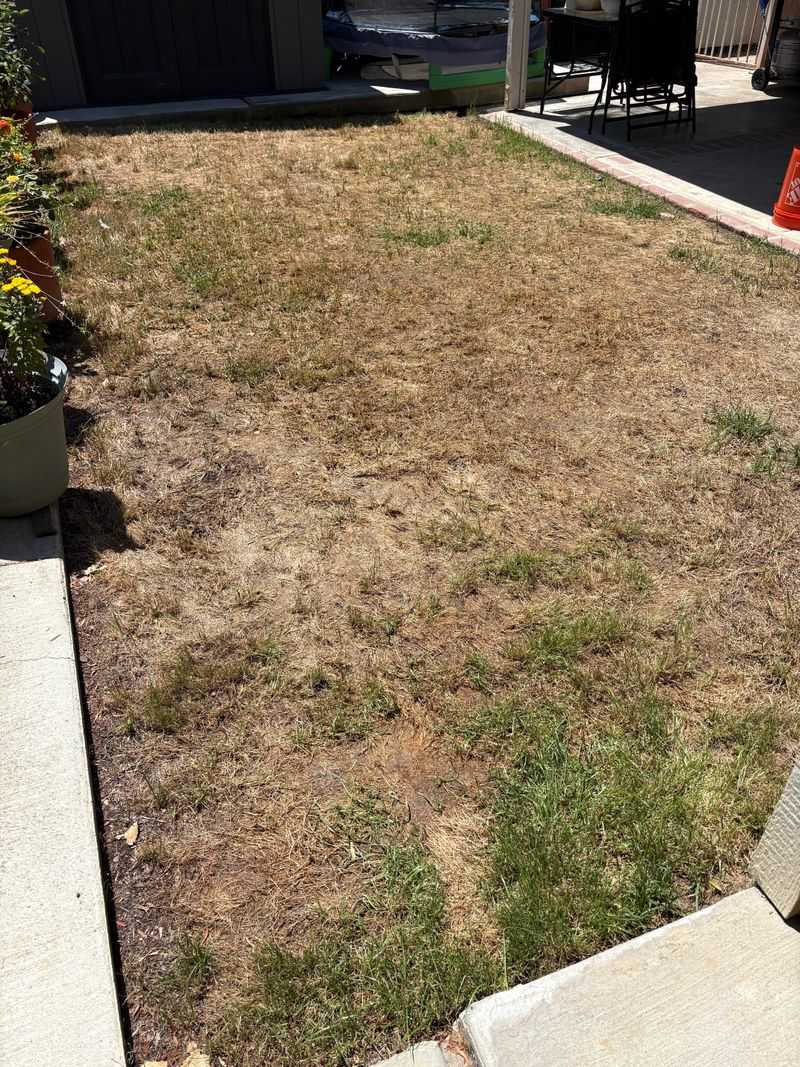
A broken sprinkler can quietly ruin your whole reseeding project. Before you plant a single seed, run your system and watch it carefully.
Many bare spots line up perfectly with sprinkler heads that spray too little. Others get soaked while nearby areas stay bone dry.
Turn on each zone and walk the yard. Look for clogged nozzles, tilted heads, or spots the water never reaches.
Place small cups around the lawn to measure coverage. After running the system, check which cups hold less water.
Uneven watering creates uneven grass every single time. New seed needs steady moisture across the entire area to sprout well.
Fixing a bent head or clearing a clog takes only minutes. That small repair can save your whole seeding effort.
Drip lines and older systems especially deserve a close look. Summer heat can crack pipes and wear out parts.
If your controller is set wrong, the timing may be off too. Cooler fall days often need less frequent watering.
Test everything before you buy seed, not after. Discovering a problem later means starting over completely.
A well-tuned irrigation system gives every seed the water it needs. That reliable moisture is the difference between success and another patchy year.
5. Aerate Compacted Areas Before Reseeding
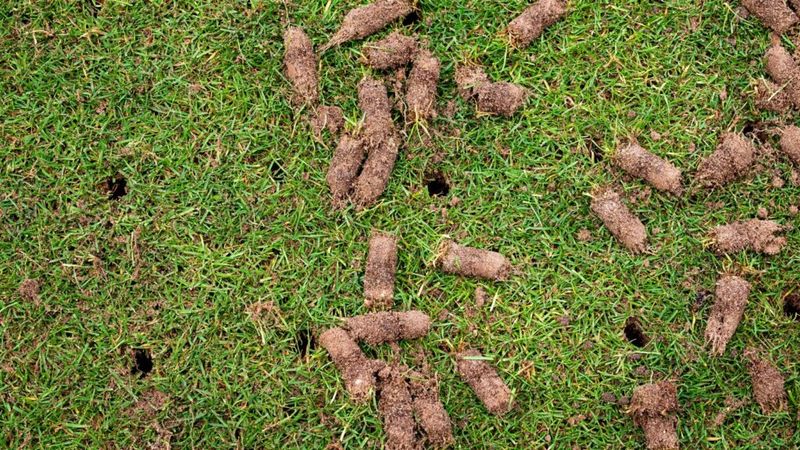
One of the smartest fall moves is aerating before you seed. This simple step opens up packed soil and gives roots room to breathe.
A core aerator pulls small plugs of dirt from the ground. Those little holes let air, water, and seed reach deeper.
You can rent a machine or hire a lawn service for larger yards. For small areas, a manual tool works just fine.
The best time is when soil is slightly moist, not soggy or dry. Damp ground releases plugs more easily and cleanly.
After aerating, spread your seed right over the fresh holes. Seeds that fall into those openings sprout much better.
Leave the soil plugs on the lawn to break down naturally. They return nutrients to the ground as they crumble.
Compacted spots along walkways and play areas need this most. Those high-traffic zones get pressed the hardest all summer.
Skipping aeration means your seed sits on a sealed surface. Even good seed struggles when it cannot reach loose soil.
Combine aeration with a thin layer of compost for even better results. The mix feeds young roots as they grow.
This one task transforms hard, tired ground into a welcoming bed. Your fall repair suddenly has a real foundation for thick grass.
6. Remove Excess Thatch Where It Blocks Seed
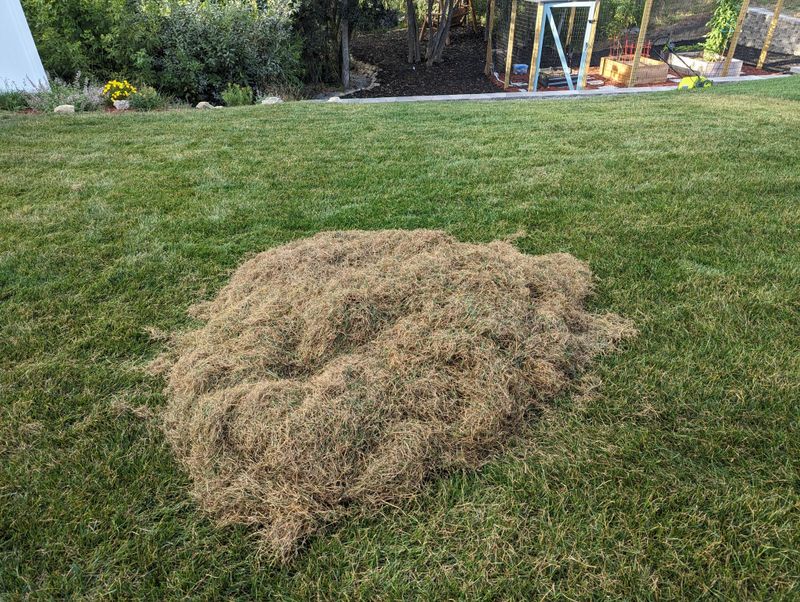
Hidden between your grass and soil sits a layer called thatch. A little is healthy, but too much becomes a wall against new seed.
Thatch is a spongy mat of old stems, roots, and clippings. When it grows thick, water and seed cannot pass through it.
Press your fingers into the lawn and feel for a bouncy layer. If it is more than half an inch, you have too much.
Seeds dropped on heavy thatch never touch the soil below. They dry out on top and go nowhere.
A dethatching rake or power rake pulls that buildup free. Raking in fall clears the way for fresh growth.
Work in sections and rake firmly to lift the tangled mat. You will be surprised how much comes up.
After clearing thatch, the ground opens for seed to settle. Now moisture can flow straight to the roots.
Regular mowing and light watering help keep thatch from returning. Too much fertilizer, oddly, can make it grow faster.
Bag the removed thatch or add it to your compost pile. It breaks down nicely over time.
Clearing this blockage is a step many people skip. Do it, and your seed finally reaches the soil it needs to thrive.
7. Keep New Seed Consistently Moist
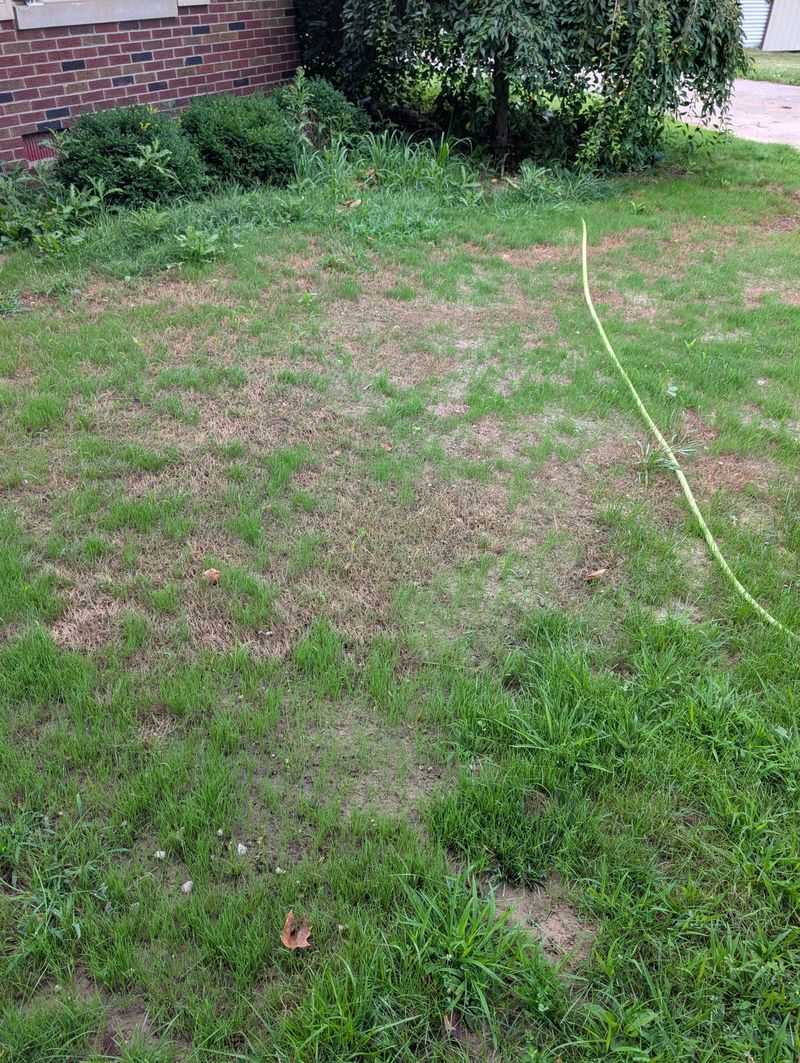
Here is the golden rule of reseeding in California: never let new seed dry out. Consistent moisture is what wakes seeds up and keeps them growing.
Fresh seed needs damp soil every day, sometimes twice a day. Even a few hours of dryness can stop sprouting cold.
Light, frequent watering works far better than one heavy soak. The goal is a moist surface, not a flooded one.
Early morning and late afternoon are the best watering times. Cooler hours keep moisture from evaporating too fast.
Once seeds sprout, slowly water less often but more deeply. This trains young roots to reach down into the soil.
Covering seed with a thin straw mat helps hold moisture in. It also protects seed from hungry birds.
Watch the weather and skip watering after a good fall rain. Overwatering can wash seed away or cause mold.
A small sprinkler on a timer makes this job easy. You will not have to remember every session yourself.
The first two to three weeks matter most for moisture. After that, your grass grows stronger and needs less babysitting.
Stay patient and keep that soil damp. Steady moisture is the secret that turns tiny seeds into a lush, green lawn.
8. Do Not Bury Seed Under A Thick Soil Layer
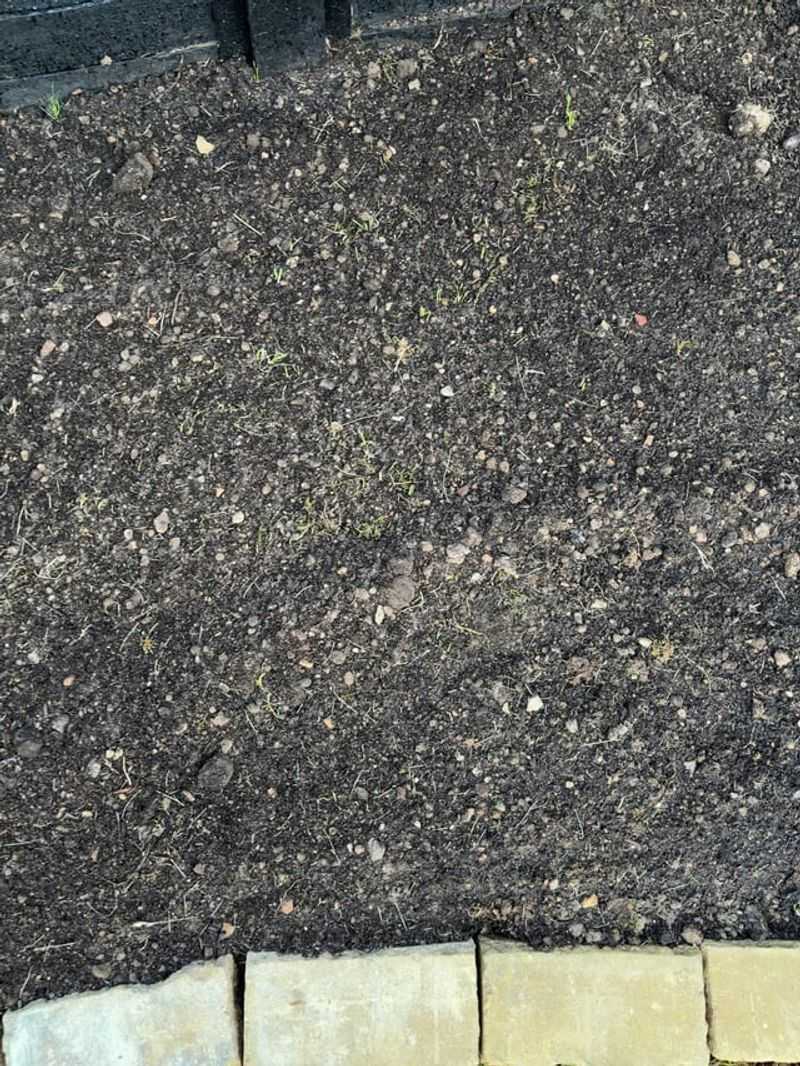
It seems helpful to cover seed with plenty of dirt, but that mistake smothers your grass before it starts. More soil is not better here.
Grass seed is tiny and needs sunlight and air to sprout. Bury it too deep, and it never reaches the surface.
The right cover is thin, barely a light dusting over the seed. A quarter inch of soil or compost is plenty.
Piling on thick dirt blocks warmth and light from the seed. It uses up all its energy trying to climb out.
A gentle rake mixes seed lightly into the top layer. Just enough contact helps it hold moisture and take root.
Rolling the area softly presses seed into good contact. Skip heavy stomping, which packs the ground too tight.
Some people spread topsoil like frosting on a cake, and that fails. Think whisper-thin, not blanket-thick.
If you use compost as a cover, keep it light and even. Clumps leave some seed too deep and some exposed.
Check that you can still spot a few seeds on the surface. That tells you the layer is just right.
Getting the depth correct is a small detail with big results. Light coverage lets every seed break through and fill your California lawn.