Why Texans Should Plant Fall Salvia Along Their Fence For Pollinators
Fence lines in Texas yards are some of the most underused spaces in any residential landscape.
They get trimmed, occasionally planted with something fast growing, and otherwise treated as boundaries rather than opportunities.
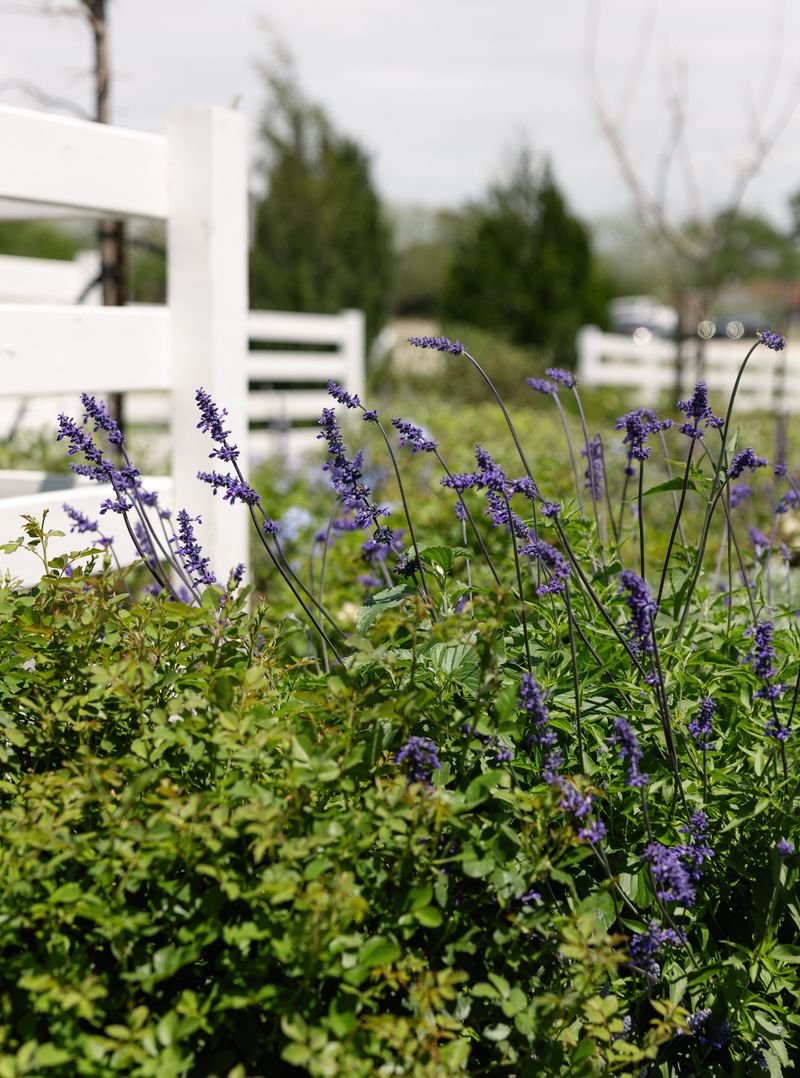
But a fence line planted with the right fall salvia becomes something considerably more interesting than a property edge. It becomes a pollinator corridor.
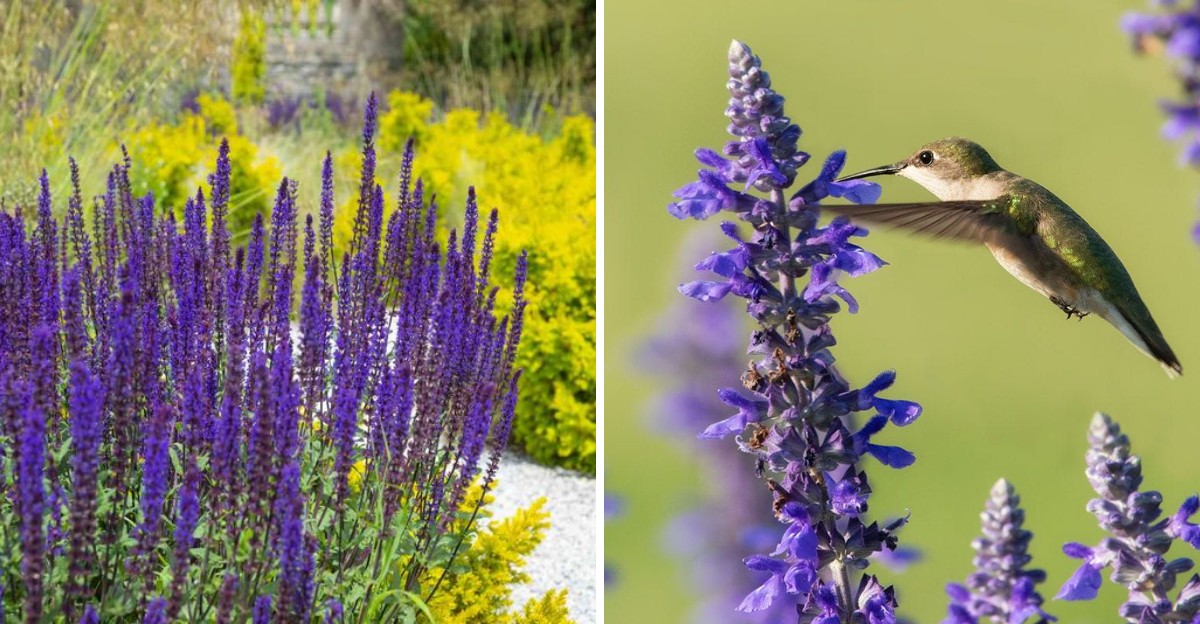
Fall salvias bloom at exactly the moment when most Texas garden plants have stopped, providing nectar for bees, butterflies, and hummingbirds that are still active and still searching for reliable food sources heading into the cooler months.
A fence line of blooming salvia in fall is one of the most ecologically useful plantings a Texas homeowner can make with very little effort.
1. Salvia Loves The Texas Heat
Summer in Texas can feel like standing next to an open oven, and most delicate flowers give up fast. Salvia shrugs off that heat and keeps blooming while other plants wilt.
Its roots dig deep and store water, so it stays strong even when the ground turns crusty and dry. That toughness makes it a smart pick for busy folks who forget to water now and then.
Fall planting gives salvia a big head start. The soil is still warm from summer, but the air has cooled down. Roots grow quickly during these weeks, settling in before winter arrives.
By the time the next scorching season rolls around, your salvia will already be established and ready to handle triple-digit temperatures. A plant that thrives on neglect is a gift in a hot state like Texas.
You can plant salvia in full sun without worry. It actually blooms better with more light, unlike shade lovers that scorch by noon. A fence line usually gets plenty of sunshine, making it a natural home for this sun-worshipping bloomer.
Once your salvia is settled, watering just once a week is often enough. During really dry spells, a deep soak every few days keeps it happy.
Fun fact: many Texas native salvia types, like autumn sage, grow wild across the Hill Country. That means they already know how to survive local weather.
Choosing a variety adapted to your region gives you the best chance at a fuss-free, colorful fence that pollinators will visit again and again all season long.
2. Hummingbirds Can’t Resist Those Blooms
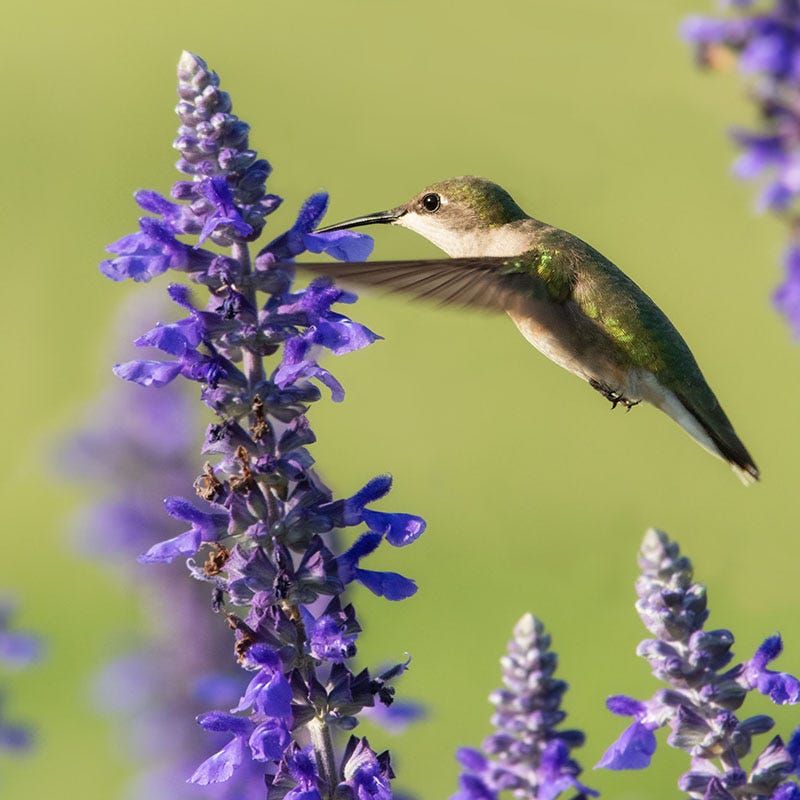
Picture a tiny hummingbird zipping through your yard, wings buzzing like a soft motor. Salvia flowers are shaped like little trumpets, and that shape fits a hummingbird’s long beak perfectly.
These birds drink nectar deep inside each bloom, and salvia serves up plenty. Red and pink varieties are especially popular because hummingbirds are drawn to warm, bright colors.
Fall is a big travel season for hummingbirds. Many are migrating south and need fuel for the long trip. A fence lined with salvia becomes a roadside diner, giving these travelers the energy they need to keep flying.
You’ll likely see more of them stopping by your yard than ever before. Watching them feed just a few feet away is a treat the whole family can enjoy.
Your Texas Garden Changes Every Week. Your Plan Should Too.
Gardening in Texas changes quickly throughout the season. Every Friday you’ll receive a simple weekly plan showing exactly what to plant, prune, fertilize, harvest, and protect so you never miss the right timing.
To bring in even more visitors, plant salvia in clusters rather than single spots. A big splash of color is easier for hummingbirds to spot from the air.
Mixing a few salvia colors also keeps things interesting for both the birds and you. Avoid using bug sprays near the flowers, since chemicals can harm the very creatures you want to attract.
Here’s something neat: hummingbirds have amazing memories. They remember where good nectar sources are and return to them year after year.
Once your salvia becomes a known stop, those same birds may visit again next season.
Set up a comfy chair near the fence and enjoy the show. Few backyard sights beat a hummingbird sipping from a flower you planted yourself, and salvia makes that moment happen naturally.
3. Busy Bees Get A Reliable Food Source
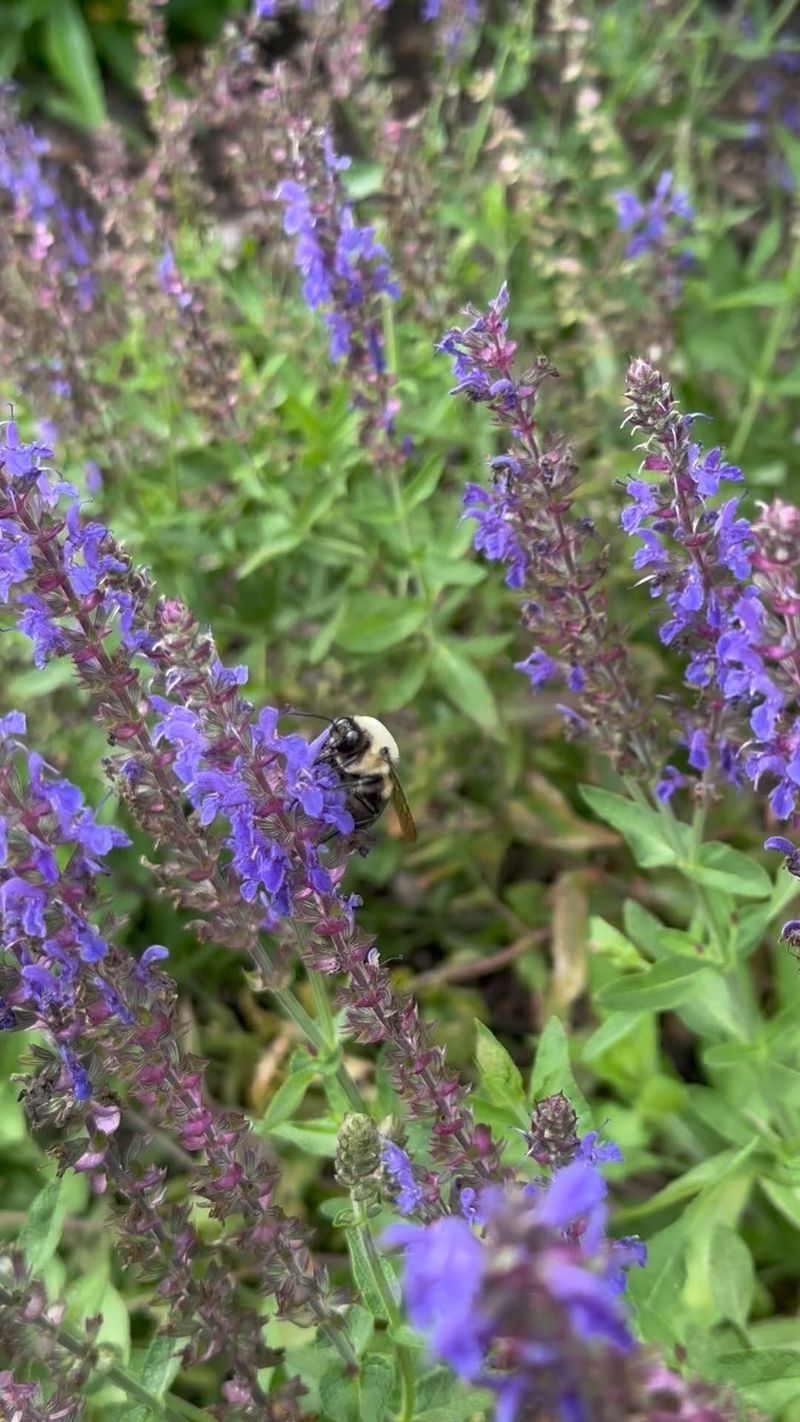
Bees do a huge amount of work in our world, pollinating the crops that fill our plates. Sadly, many bee populations have been shrinking, and they need all the help they can get.
Salvia offers a steady buffet of nectar and pollen, especially valuable in fall when many other flowers have faded. A fence full of blooms becomes a bee cafeteria that stays open late in the year.
Native bees and honeybees both flock to salvia. The plant keeps producing flowers for weeks, so bees don’t have to travel far to find their next meal.
That reliable supply helps them build strength before cooler weather sets in. Your simple gardening choice ends up supporting an entire tiny workforce.
Purple and blue salvia varieties are magnets for bees, since these colors stand out clearly to their eyes. Planting a mix means you cover the color preferences of many different pollinators at once.
Skip the pesticides and let nature find its balance instead. Healthy bees pay you back by pollinating nearby vegetables and fruit trees.
Did you know bees can visit hundreds of flowers in a single trip? Salvia’s tall flower spikes let them land and feed many times without flying far, which saves them precious energy.
Give bees a little water source nearby, like a shallow dish with pebbles, and your fence garden becomes even friendlier. Watching bees drift lazily from bloom to bloom is a peaceful sight.
By planting salvia, you turn your fence into a helpful pit stop that keeps these important insects buzzing along strong and steady.
4. Butterflies Add Living Color To Your Yard
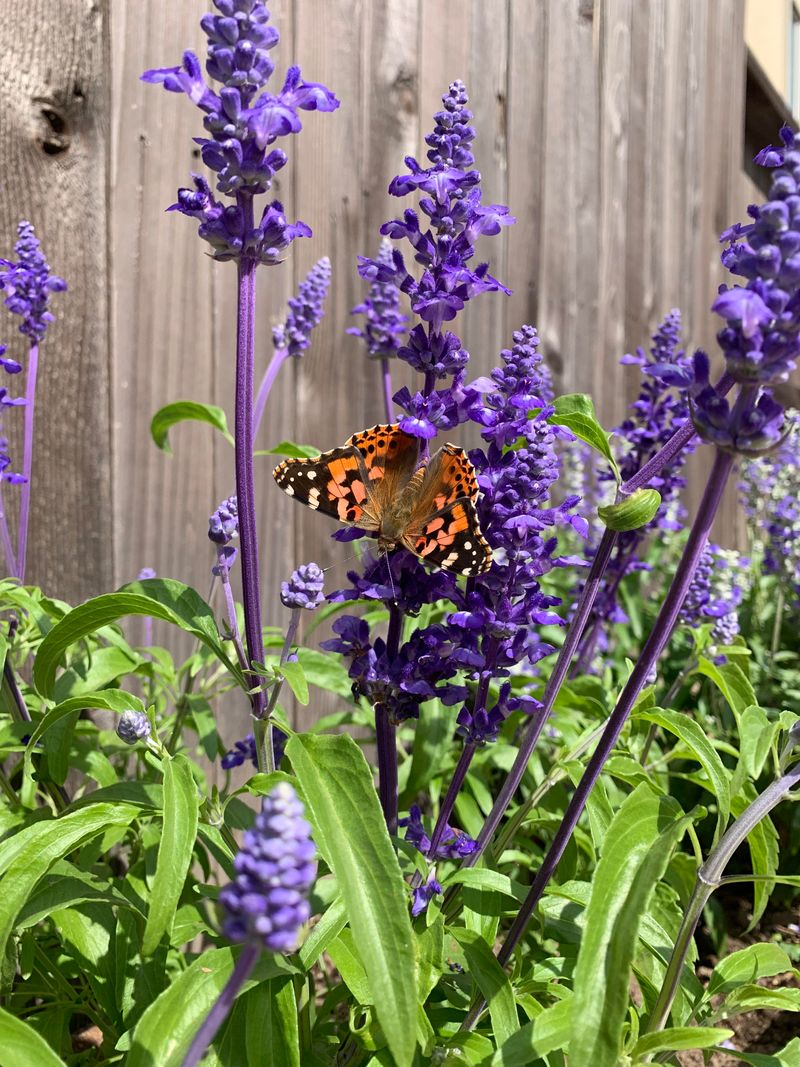
Nothing brightens a garden quite like butterflies floating from flower to flower. Salvia’s open, nectar-rich blooms make excellent landing pads for their delicate legs.
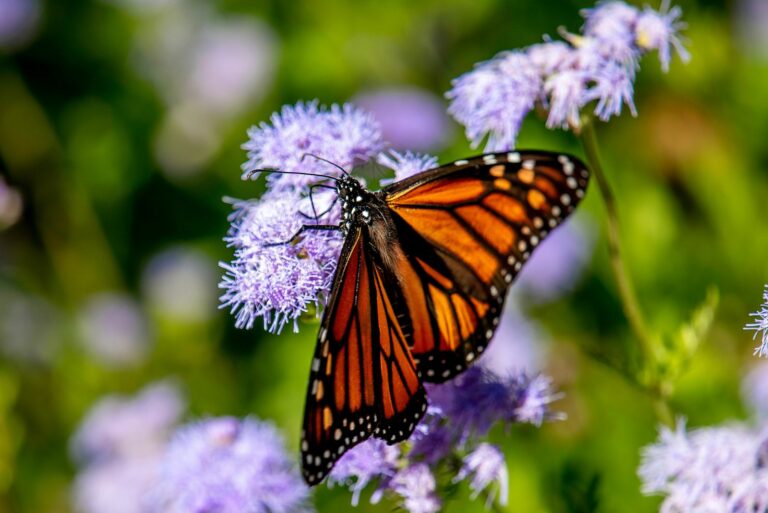
Species like swallowtails, painted ladies, and even monarchs stop by to sip. Their fluttering wings turn an ordinary fence into a moving painting.
Autumn matters a lot for monarchs, who migrate through Texas on their way to Mexico. They rely on flowers along the route to refuel during their incredible journey.
Your salvia can become one of those rest stops. Providing food during migration is a real gift to a butterfly that travels thousands of miles.
To attract even more butterflies, plant salvia in a sunny, sheltered spot. Butterflies love warmth and calm air, since strong wind makes flying tricky.
A fence naturally blocks some breeze, creating a cozy pocket where butterflies feel safe to feed. Adding a flat rock nearby gives them a warm place to bask in the sun.
Here’s a fun tidbit: butterflies taste with their feet. When they land on a salvia bloom, they can instantly tell if it holds tasty nectar. Good thing salvia always delivers.
Try planting a few different bloom colors to please a wider crowd. Pinks, reds, and purples together look stunning and pull in a bigger variety of visitors.
Keep your garden chemical-free so caterpillars and butterflies stay safe. Over time, your fence line can become a favorite neighborhood stop.
Grab a camera, because the photo opportunities are endless. A butterfly perched on a salvia bloom is the kind of simple beauty that makes gardening feel truly rewarding.
5. Low Maintenance Means More Free Time
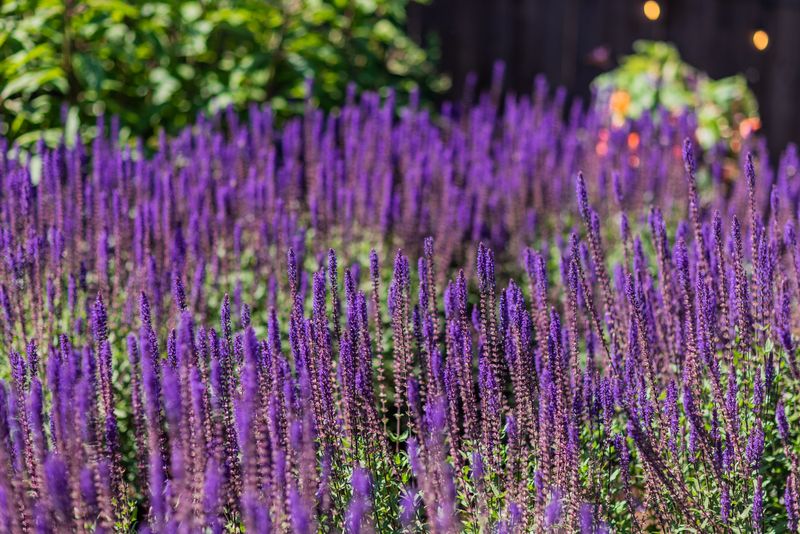
Some plants demand constant babysitting, but salvia is refreshingly easygoing. Once it settles into your fence line, it mostly takes care of itself.
You won’t need to fuss over it daily or follow complicated care routines. For anyone with a packed schedule, that hands-off nature is a huge win.
Watering needs stay low after the first few weeks. A deep drink now and then keeps salvia happy, especially since it handles dry spells so well.
Fertilizer is rarely necessary either. Too much feeding can actually make the plant leggy, so a light touch works best.
Pruning is simple and quick. Snip off faded flower spikes, and salvia rewards you with a fresh round of blooms. This little trick, called deadheading, keeps the color coming for months.
In late winter, a good trim shapes the plant and encourages strong spring growth. That’s about all the effort it asks of you.
Pests tend to leave salvia alone, partly because its leaves have a strong scent that many bugs dislike. Deer and rabbits usually skip it too, which is great news for rural Texas yards.
Less pest trouble means fewer sprays and fewer headaches for you. Your plants stay healthy while doing their job for pollinators.
Because salvia spreads and fills in over time, it can even crowd out weeds. That saves you from hours of pulling unwanted plants along the fence.
Spend your weekends relaxing instead of laboring. With salvia handling most of the work, you get a gorgeous, buzzing fence line and plenty of extra time to actually enjoy your yard.
6. A Colorful Fence Line Boosts Curb Appeal
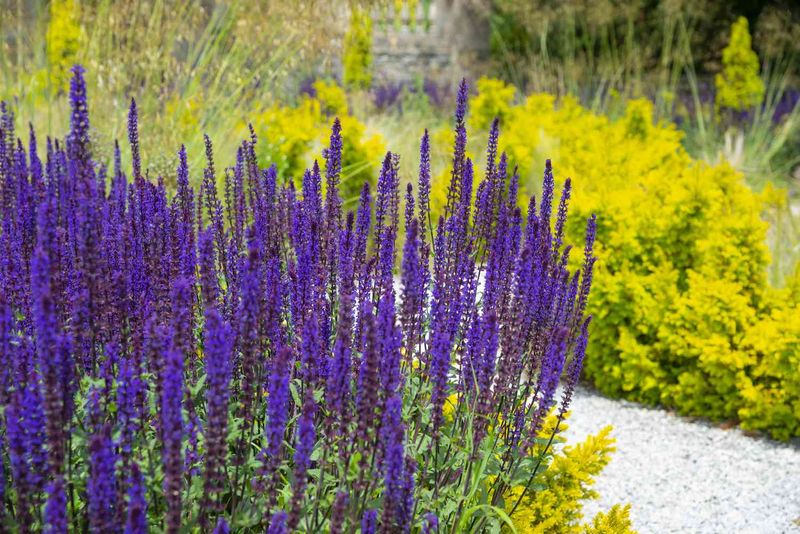
Bare fences can look plain and a little lonely. Dress one up with salvia, and suddenly your whole yard feels alive and welcoming.
Tall flower spikes in reds, purples, and pinks create a natural border that draws the eye. Neighbors and visitors will notice the difference right away.
Because salvia grows in tidy clumps, it lines up neatly along a fence without sprawling into a mess. The plants form a soft, colorful wall that softens hard fence edges.
That kind of finished look can even bump up your home’s value if you ever decide to sell. Buyers love a yard that shows off good care.
Blooming lasts a surprisingly long time, often from spring through fall. That means your fence stays bright for most of the year instead of just a few short weeks.
Different varieties bloom at slightly different times, so mixing them keeps the color rolling. A little planning gives you nonstop beauty.
Salvia also pairs nicely with other plants. Tuck in some ornamental grasses or lantana, and you build a layered look with different heights and textures.
Combining plants creates depth that looks professionally designed, even if you’re a total beginner. The fence becomes a real garden feature rather than an afterthought.
Here’s a bonus: all that color and movement from visiting pollinators makes your yard feel like a lively little sanctuary. Beauty and purpose come together in one spot.
Snap a few photos of your blooming fence and you’ll likely inspire friends to try the same. A pretty, purposeful border is something to be proud of every single day.
7. You Help Support The Local Ecosystem
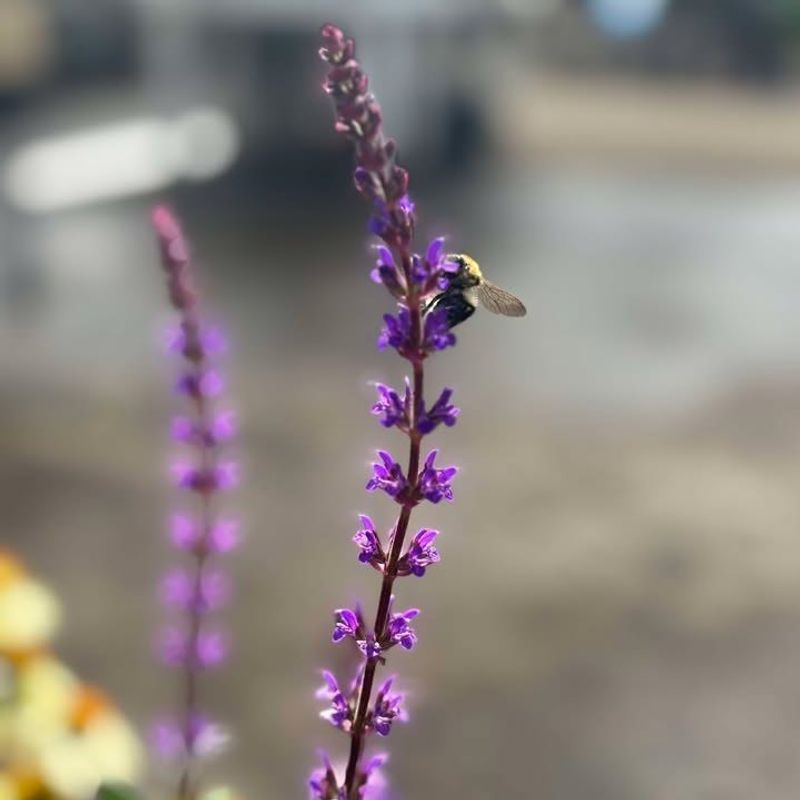
Every garden is part of something bigger. When you plant salvia along your fence, you become a helper in your neighborhood’s web of life.
Pollinators like bees and butterflies keep plants reproducing, which feeds birds, animals, and eventually people. Your small patch of flowers plays a real role in that chain.
Texas has lost a lot of natural wildflower areas to roads and buildings over the years. Backyard gardens can fill some of that gap, offering food and shelter where it used to be.
A fence line of salvia acts like a mini wildlife refuge. Multiply that across a whole street, and the impact grows fast.
Native salvia types are especially good for local wildlife. They evolved right alongside Texas pollinators, so they match perfectly with what those creatures need.
Choosing native varieties also means less water and less effort, since the plants already fit the climate. It’s a win for you and for nature.
Encouraging pollinators has a ripple effect on your whole yard. Better pollination means healthier vegetable gardens, fuller fruit trees, and more seeds for wild plants nearby.
You might even notice more songbirds visiting, since insects and seeds draw them in. One simple planting choice sets off a chain of good things.
Talking with neighbors about your salvia can spread the idea, too. If several yards on a block plant pollinator flowers, they form a connected pathway that helps wildlife travel safely.
Taking part in something meaningful feels good. By turning your fence into a pollinator haven, you give back to the land around you and help keep Texas buzzing with life.