Single-Ingredient Fertilizers That Work Wonders On California Tomatoes
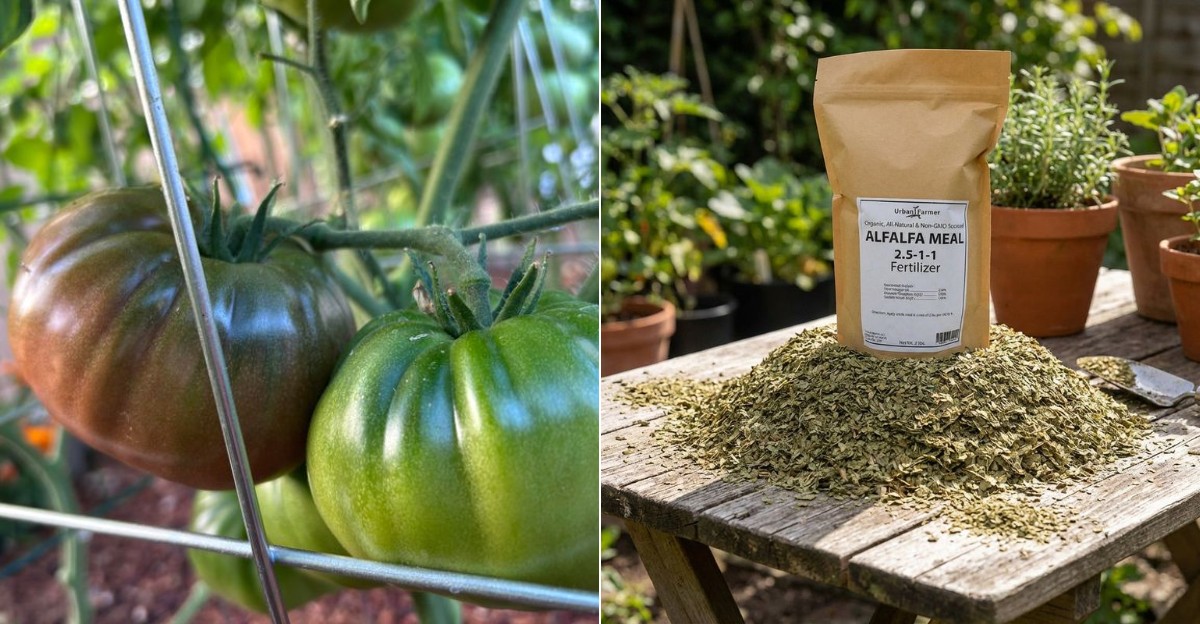
Your California tomato plants do not need a complicated fertilizer routine to grow strong and produce a great harvest.
Sometimes, a single ingredient is all you need to fix a nutrient gap, encourage healthier growth, or help your plants handle the demands of a long growing season.
The right fertilizer can support bigger plants, greener leaves, and more flavorful tomatoes without adding unnecessary extras to your garden soil.
Ingredients like composted organic materials, potassium-rich options, and other simple amendments can give your tomatoes the boost they need at different stages of growth.
You just need to match the fertilizer to what your plants are asking for. Too much of one nutrient can create problems, while the right amount can help your California tomato plants thrive through warm weather and keep producing delicious fruit.
1. Blood Meal Adds A Strong Nitrogen Boost
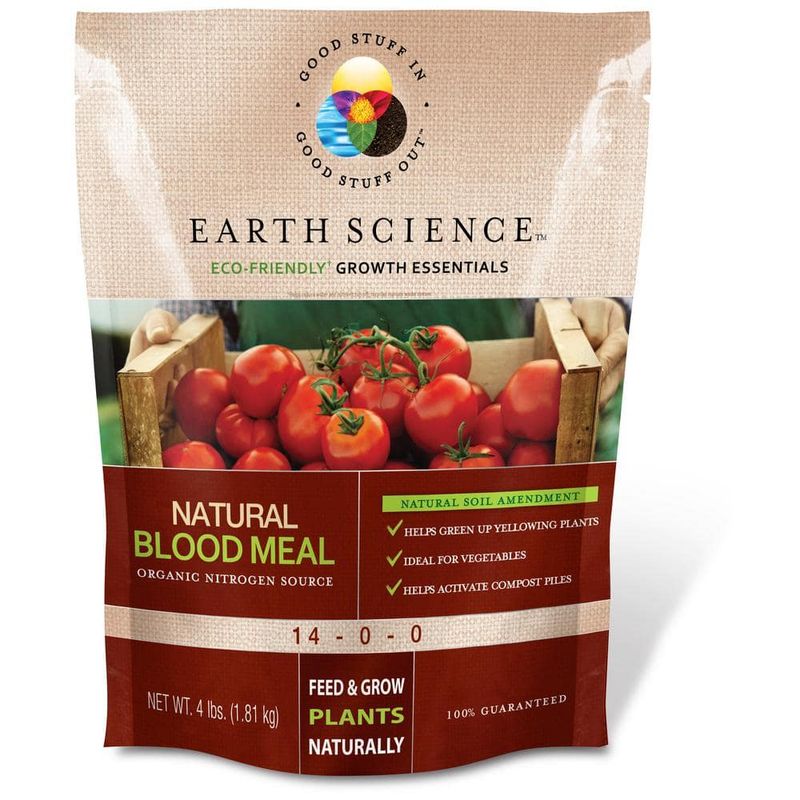
Weak, pale green leaves usually mean your tomato plant is craving nitrogen, and blood meal delivers it fast. This dried powder comes from animal blood and packs a powerful punch of nutrients.
Early in the season, tomatoes grow lots of leaves and stems before they ever make fruit. Blood meal supports that green growth so plants have plenty of energy to build a strong frame. California gardeners often use it in spring when young plants need a quick push.
A little goes a long way here. Sprinkle a small amount around the base, then gently mix it into the top layer of soil. Water it in well so the nutrients reach the roots quickly.
Be careful not to overdo it, because too much nitrogen makes bushy plants with very few tomatoes. Follow the package directions and start light if you are unsure.
One bonus is that the strong scent can help keep some hungry critters, like rabbits and deer, away from your garden. That protection is handy in areas near open fields or hills.
Use blood meal mostly during the leafy growing stage, not once flowers appear. Timing it right gives you sturdy plants ready to support heavy clusters of ripening fruit later on.
2. Bone Meal Supplies Phosphorus And Calcium
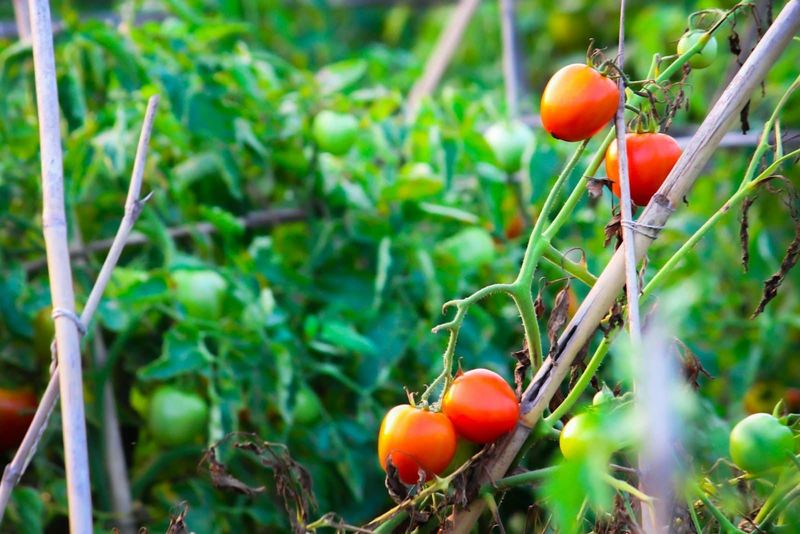
Strong roots and beautiful flowers start with phosphorus, and bone meal is one of the best natural sources you can find. Made from ground animal bones, it slowly releases nutrients that tomatoes love.
When you plant a new tomato seedling, mixing a scoop of bone meal into the hole gives roots a head start. Phosphorus helps young plants dig deep and settle in fast, which matters in California’s warm soil.
Bone meal also brings calcium to the table. Calcium fights blossom end rot, that ugly brown spot that ruins the bottom of tomatoes. Steady calcium keeps fruit smooth and healthy.
Because it breaks down slowly, bone meal feeds your plants over several weeks. You do not need to reapply it often, which saves time and effort during a busy growing season.
For the best results, work it into the soil rather than leaving it on top. Roots need to reach the phosphorus, and mixing it in helps them do that quickly.
Your California Garden Changes Every Week. Your Plan Should Too.
Gardening in California changes quickly throughout the season. Every Friday you’ll receive a simple weekly plan showing exactly what to plant, prune, fertilize, harvest, and protect so you never miss the right timing.
Keep in mind that bone meal works best when soil is not too alkaline. Since parts of California have chalky soil, a quick pH check helps you know if it will do its job well before you spread it.
3. Potassium Sulfate Helps During Fruit Production
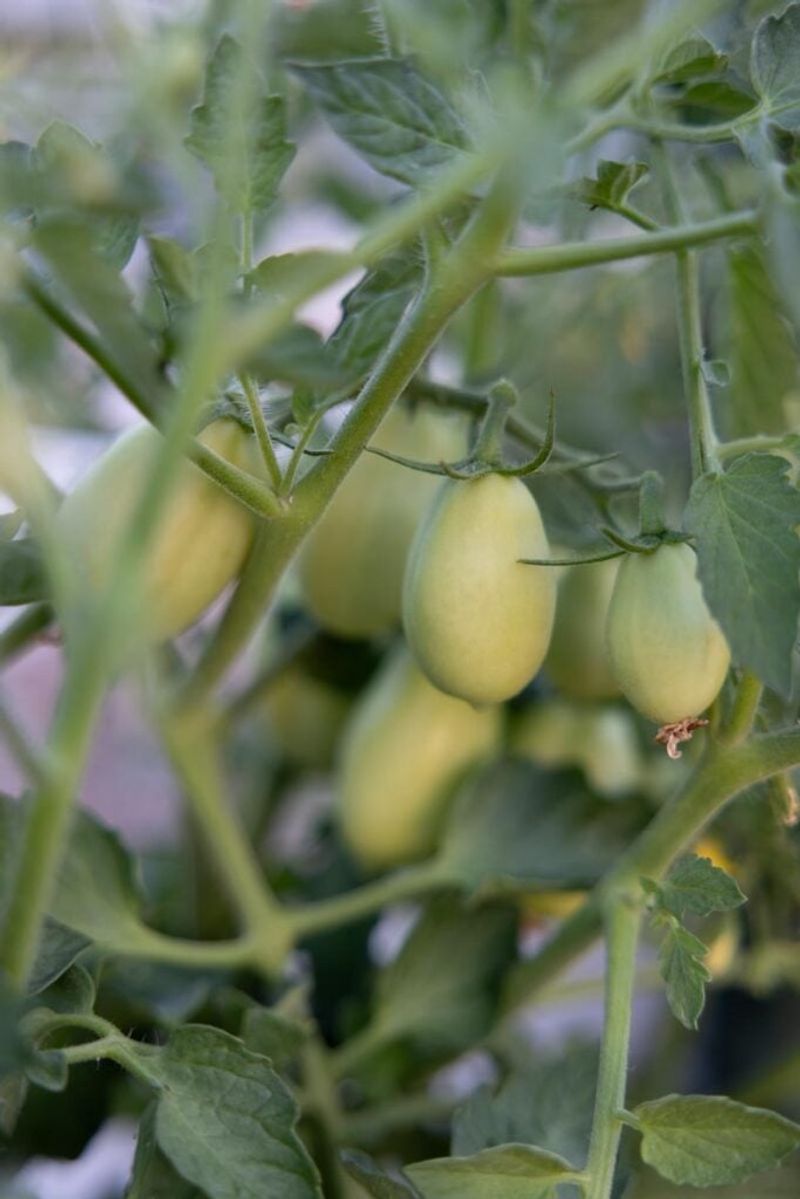
Once flowers turn into little green tomatoes, your plants shift their focus to making fruit, and that is when potassium becomes the star. Potassium sulfate delivers this nutrient without adding extra nitrogen.
Potassium helps tomatoes grow bigger, sweeter, and more evenly colored. It also strengthens plants so they can handle California’s hot afternoons and dry stretches with less stress.
Many gardeners reach for potassium sulfate because it also supplies sulfur. Sulfur supports flavor and helps plants use other nutrients more effectively, giving you tastier results at harvest.
Timing makes a real difference. Apply it as fruit begins to set and swell, spreading a small amount around the base and watering it in. Roots then carry the potassium straight to the developing tomatoes.
Unlike some potassium sources, this one will not raise your soil’s salt levels too fast. That gentle quality makes it a smart pick for repeated feeding during a long season.
Watch your plants for clues. Yellow edges on older leaves or fruit that ripens unevenly can signal low potassium. A light feeding often brings quick improvement.
By feeding potassium at the fruiting stage, you help each tomato reach its full size and rich, garden-fresh taste that store-bought fruit rarely matches.
4. Fish Meal Gives Tomatoes A Slow Nutrient Source
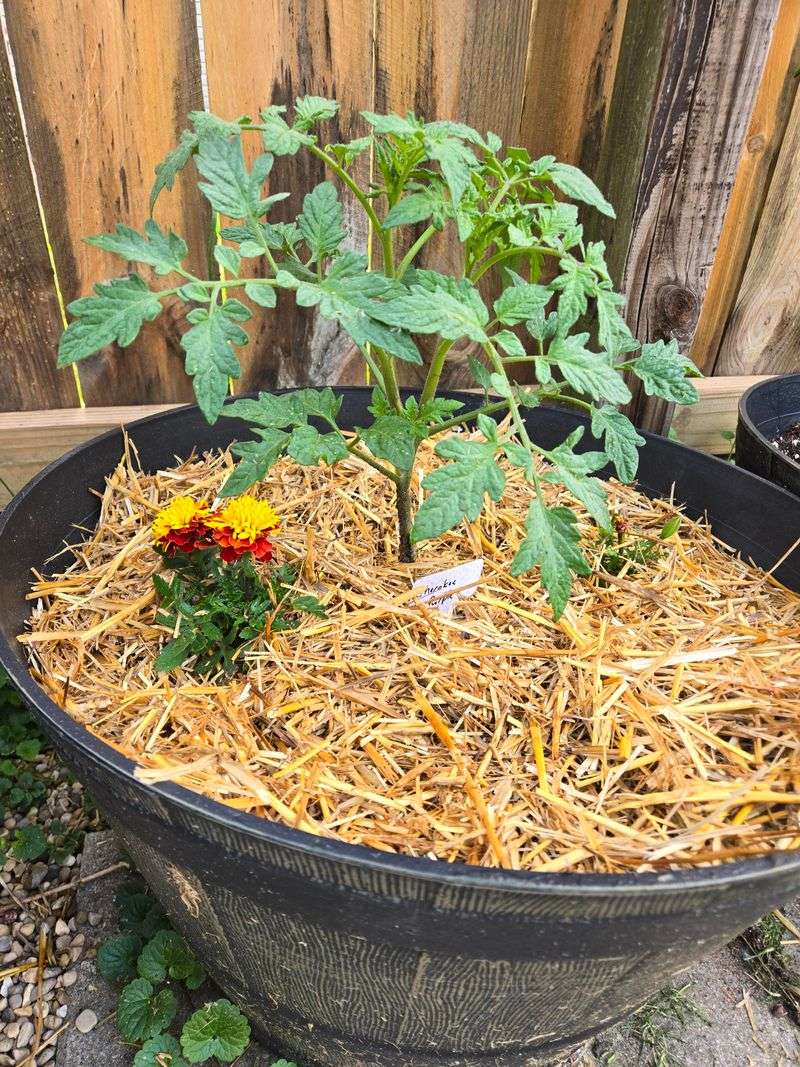
Patient gardeners love fish meal because it feeds tomatoes slowly and steadily over many weeks. Made from dried, ground fish, it releases nutrients as soil microbes break it down.
This slow-release action means fewer feedings for you and a more even supply for your plants. Instead of a quick spike, tomatoes get a gentle, ongoing meal that keeps growth balanced.
Fish meal offers a nice mix of nitrogen along with smaller amounts of phosphorus and other nutrients. That combination supports both leafy growth and healthy roots at the same time.
Warm California soil speeds up the breakdown process, so the nutrients become available faster during the growing season. That makes it a reliable choice for spring and early summer.
Mix fish meal into the soil around your plants and water it in well. Working it under the surface reduces the strong smell and keeps curious animals from digging around.
One thing to expect is that fishy odor right after you apply it. The scent fades in a day or two, and a layer of mulch on top helps a lot.
Because it also feeds soil life, fish meal improves the ground over time. Healthier soil means stronger tomato plants and better harvests season after season in your garden.
5. Alfalfa Meal Adds Nitrogen And Organic Matter
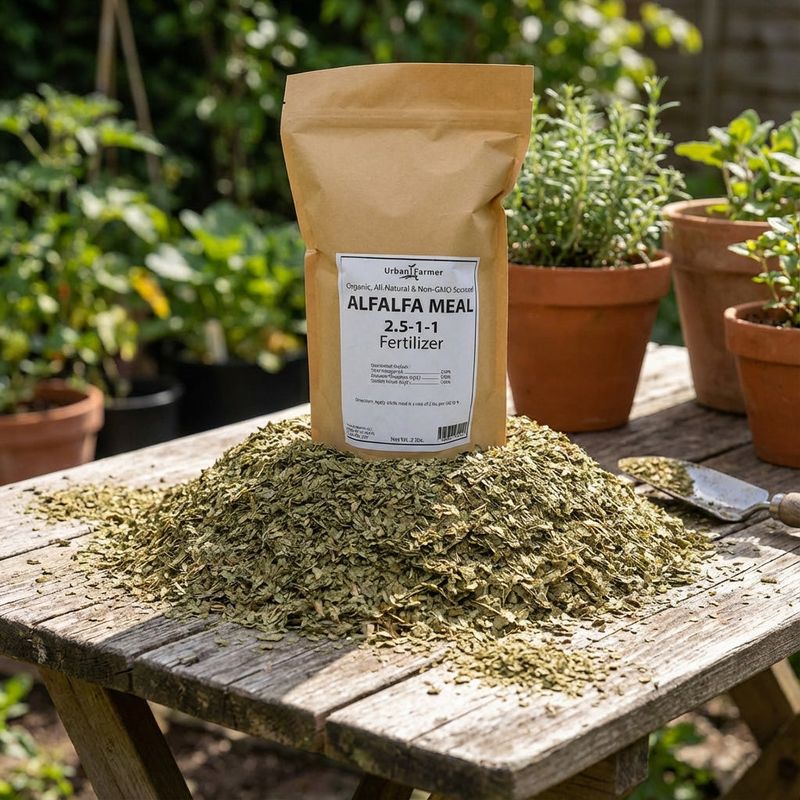
Made from dried, ground alfalfa plants, this gentle fertilizer does double duty by feeding tomatoes and improving the soil at the same time. Gardeners appreciate how easy it is to use.
Alfalfa meal supplies a mild dose of nitrogen, perfect for steady leafy growth without overwhelming your plants. Since it is gentle, the risk of overfeeding stays low.
Beyond nutrients, it adds organic matter that loosens hard soil and helps it hold water. In California’s dry climate, better water retention means less frequent watering and happier roots.
There is also a hidden gem inside alfalfa called triacontanol. This natural growth booster encourages healthy plants and can lead to more flowers and fruit down the line.
To use it, sprinkle alfalfa meal around your tomatoes and scratch it lightly into the top of the soil. Water afterward so it starts breaking down and feeding your plants.
Earthworms and helpful soil microbes love this stuff. As they feed on it, they create rich, crumbly soil that gives roots the perfect place to grow.
Because it works slowly and safely, alfalfa meal fits well into almost any tomato feeding plan. It is a favorite for gardeners who want steady growth and richer, living soil over time.
6. Kelp Meal Supplies Smaller Amounts Of Several Nutrients
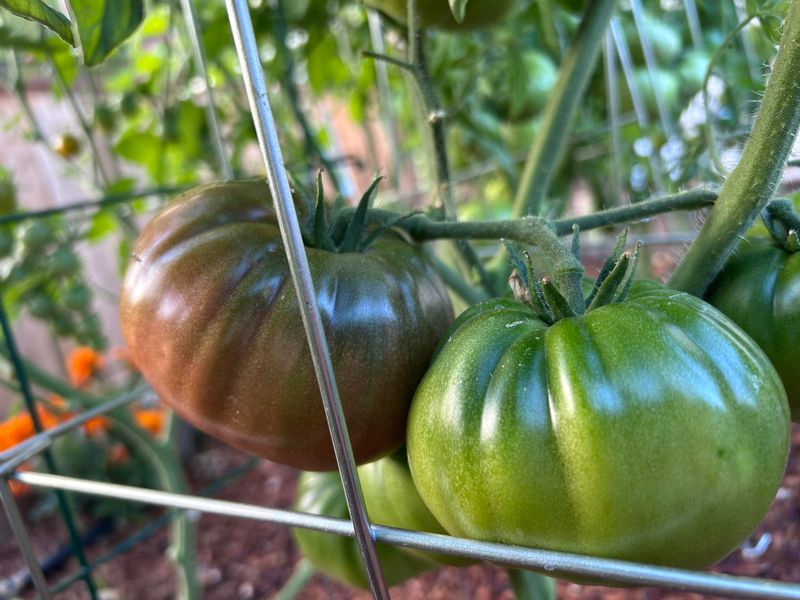
Straight from the ocean, kelp meal is dried seaweed packed with tiny amounts of many helpful nutrients. It works less like a heavy meal and more like a daily vitamin for tomatoes.
You will not get a big nitrogen boost here, and that is the point. Instead, kelp meal delivers trace minerals like zinc, iron, and manganese that plants need in small doses.
These trace nutrients often go missing in regular soil. When they run low, tomatoes can look off even if the main nutrients seem fine. Kelp meal fills those gaps nicely.
It also contains natural growth hormones that support strong roots and help plants handle stress. In California’s heat waves, that extra resilience can make a real difference.
Using it is simple. Mix a small amount into the soil or blend it with other fertilizers for a well-rounded feeding. A little sprinkle covers a lot of ground.
Many gardeners pair kelp meal with a nitrogen source like blood meal or alfalfa meal. Together they cover both the major and minor nutrient needs of your plants.
Think of kelp meal as the finishing touch. It rounds out your tomato’s diet so plants stay healthy, colorful, and ready to produce fruit throughout the whole growing season.
7. Use Nitrogen Carefully Once Fruit Is Forming
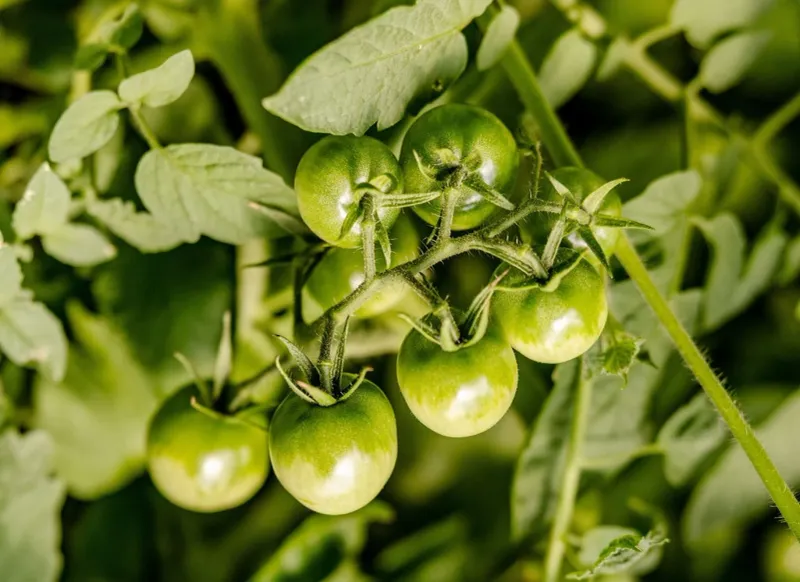
Here is a mistake that catches many new gardeners: feeding too much nitrogen after tomatoes start forming fruit. The result is a giant, leafy plant with hardly any tomatoes to show for it.
Nitrogen is wonderful early on when plants build leaves and stems. But once flowers appear and fruit begins to set, the plant needs to shift its energy toward making tomatoes.
Extra nitrogen at this stage tells the plant to keep growing green instead. All that leaf growth steals energy that should go into swelling, ripening fruit.
To avoid this, ease off nitrogen-heavy fertilizers like blood meal once you spot flowers and tiny tomatoes. Switch your focus to potassium and phosphorus instead.
Watch your plants for warning signs. Lush, dark green leaves with very few flowers usually mean nitrogen levels are too high for the fruiting stage.
If that happens, simply stop adding nitrogen and let the plant catch up. Feeding potassium can help nudge it back toward producing fruit.
California’s long, sunny season gives tomatoes plenty of time to ripen, so patience pays off. Managing nitrogen carefully keeps your plants balanced between healthy leaves and a heavy, tasty harvest you can be proud of.