The 11 Native California Plants To Grow Instead Of Oleander
Oleander has been a familiar sight in California for years, but plenty of gardeners are ready for something with a little more charm and a lot more local character. That is where native plants come in.
They can bring color, texture, movement, and that effortless California look without making a yard feel generic or stuck on the same old choices.
Swapping out oleander can make the whole garden feel fresher and far more interesting. Some native plants bring bold flowers, some show off with striking foliage, and some have that easygoing beauty that looks right at home the second they go in the ground.
They also give a landscape a stronger sense of place, which is hard to fake with plants that could belong almost anywhere. Once you start looking at the native options California has to offer, oleander stops feeling like the default.
Suddenly there are far more exciting ways to fill a yard with beauty, structure, and personality.
1. Toyon
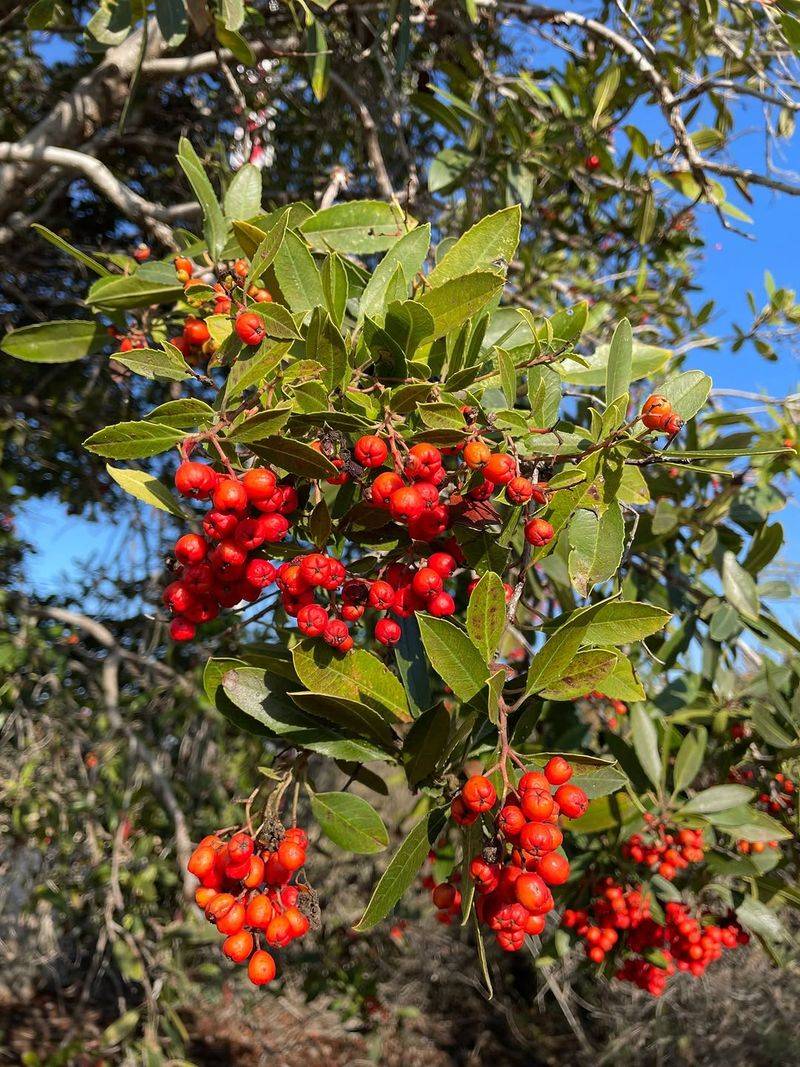
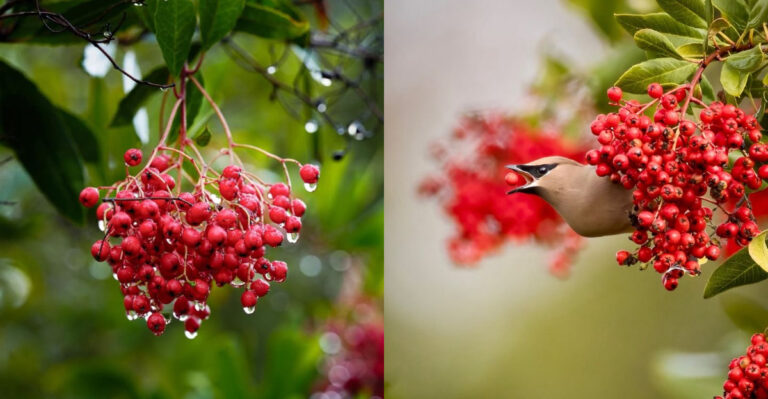
Sometimes called California Holly, Toyon is one of the most recognizable native shrubs in the state. Its clusters of bright red berries appear in winter, giving your garden a cheerful pop of color during the cooler months.
Birds absolutely love the berries, so expect plenty of feathered visitors.
Toyon grows well across many parts of California, from coastal areas to inland hillsides. It can reach up to 15 feet tall, making it a solid choice for a privacy screen or windbreak.
It handles drought well once it gets settled in the ground.
This shrub thrives in full sun to partial shade and prefers well-drained soil. You do not need to water it much after the first couple of years.
Toyon is also fire-resistant, which is a huge bonus for homeowners in fire-prone regions of California. It keeps its leaves year-round, so your yard always looks green and alive.
Planting Toyon is one of the easiest ways to support local birds and pollinators while keeping your landscape looking sharp and natural.
2. Coffeeberry
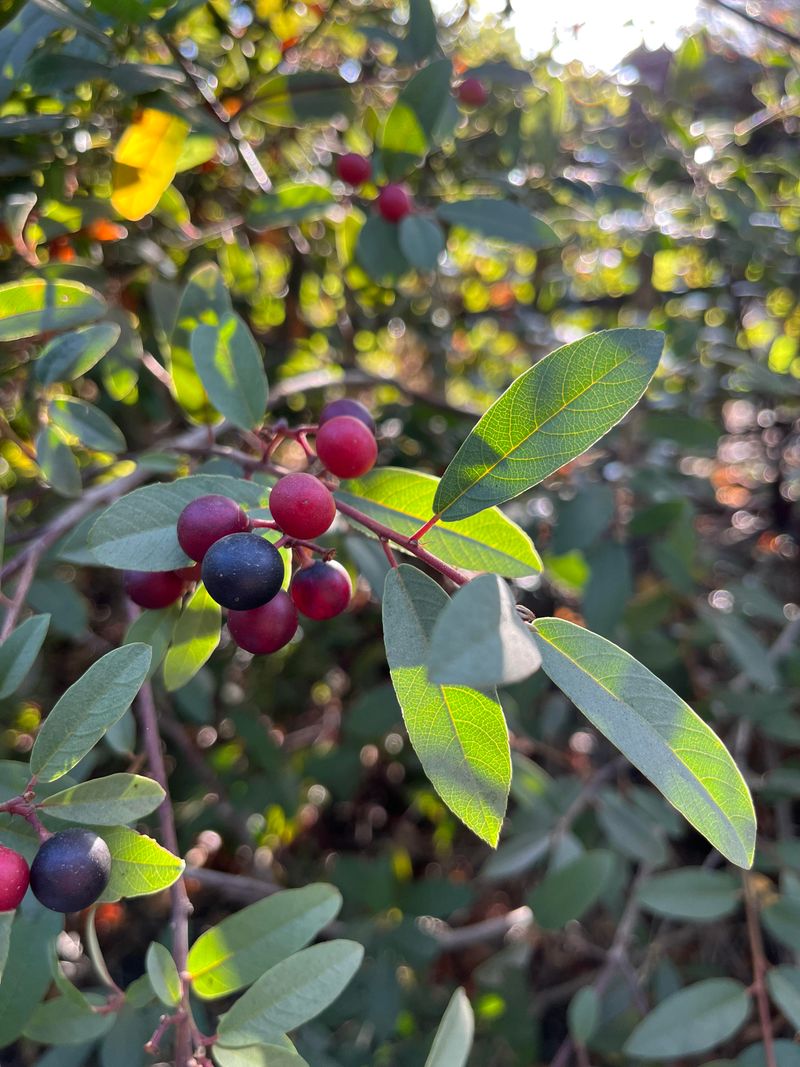
Coffeeberry earns its fun name from the berries it produces, which look a lot like coffee beans as they ripen. The berries start out green and slowly turn red, then deep purple or black.
Wildlife, especially birds and small mammals, are drawn to them throughout the season.
One of the best things about Coffeeberry is how adaptable it is. It grows in coastal scrub, chaparral, and even shady woodland areas across California.
Whether your yard gets full sun or sits mostly in shade, there is likely a variety of Coffeeberry that will work well for you.
Mature plants can range from 3 to 15 feet depending on the variety, so you have real flexibility when it comes to sizing. Once established, it needs very little water and almost no maintenance.
The evergreen foliage stays attractive all year long, giving you a clean, polished look without much effort. Coffeeberry also works beautifully as a hedge or background plant.
For California gardeners who want something low-maintenance and wildlife-friendly, this shrub is a reliable and rewarding pick that rarely disappoints.
Your California Garden Changes Every Week. Your Plan Should Too.
Gardening in California changes quickly throughout the season. Every Friday you’ll receive a simple weekly plan showing exactly what to plant, prune, fertilize, harvest, and protect so you never miss the right timing.
3. California Wax Myrtle
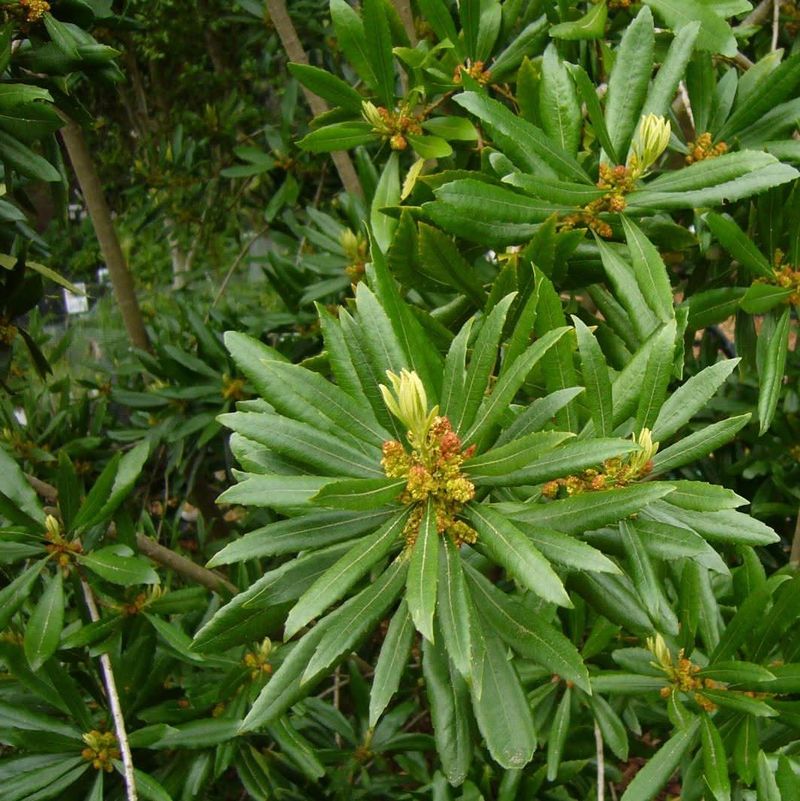
If you have ever walked past a hedge that smells faintly spicy and fresh, there is a good chance it was California Wax Myrtle. The aromatic leaves give off a pleasant scent when brushed, making it a sensory treat in any garden.
It is a plant that rewards you just by walking past it.
California Wax Myrtle grows quickly and can reach heights of 10 to 20 feet, making it excellent for tall privacy screens or windbreaks. It handles coastal conditions really well, including salty air and wind, which makes it a popular choice for gardens near the California coast.
The small waxy berries it produces are a favorite food source for birds, especially warblers and other migratory species that pass through California. The dense canopy also provides great nesting cover.
This plant thrives in full sun to partial shade and tolerates a range of soil types. Once established, it is quite drought-tolerant.
Compared to Oleander, it poses no toxicity risk to children or pets, making it a much safer option for family-friendly yards. It is a true multitasker in the landscape.
4. White Coast Ceanothus
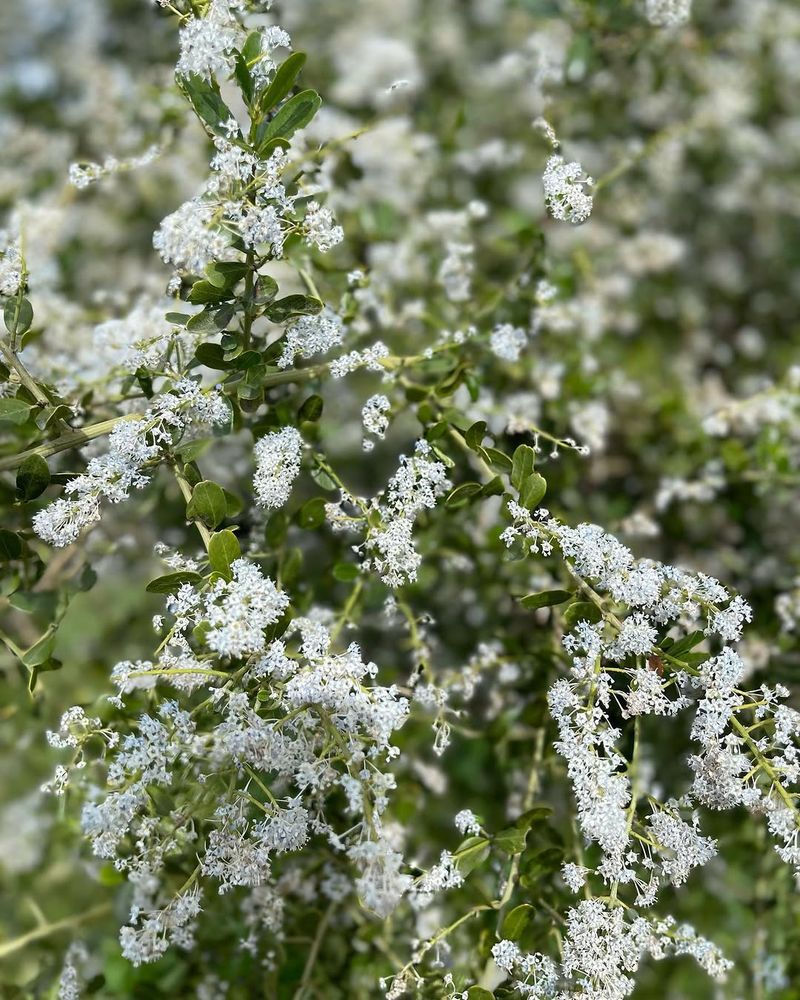
Few native California shrubs put on a floral show quite like Ceanothus. The White Coast variety produces masses of creamy white flower clusters in spring that practically glow in the sunlight.
Bees go absolutely wild for the blooms, making this plant a pollinator magnet from the moment it starts flowering.
White Coast Ceanothus is a tough, evergreen shrub that stays attractive even when it is not in bloom. The dark green, slightly glossy leaves create a clean backdrop in the garden year-round.
It typically grows 4 to 8 feet tall and spreads nicely, making it useful as a screen or slope stabilizer.
Planting it on a hillside or slope is a smart move because it has a strong root system that helps hold soil in place. This is especially useful in parts of California where erosion is a concern.
It needs very little water once established and does best in well-drained soil with full sun. Avoid overwatering, as that is really the main thing that can cause problems.
As a safe, showy, and eco-friendly alternative to Oleander, White Coast Ceanothus checks every box a California gardener could want.
5. Hollyleaf Cherry
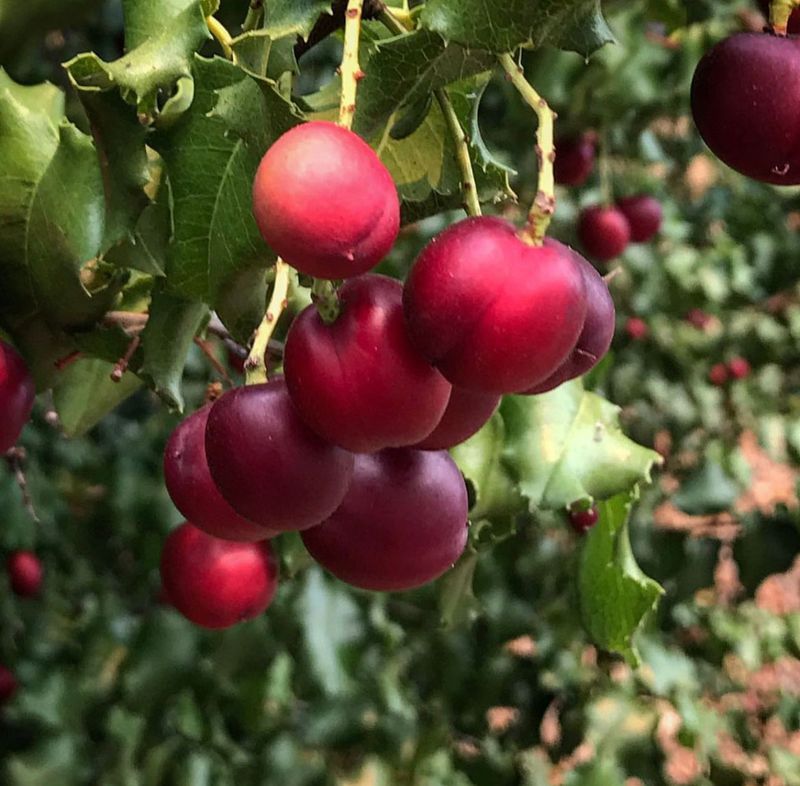
Hollyleaf Cherry has a bold, striking look that makes it stand out in any California garden. The leaves are deep green and edged with spiny teeth, similar to holly, giving it a tough and textured appearance.
Despite looking a little fierce, it is a wonderfully useful plant for gardeners across the state.
In late spring, small white flowers appear and attract bees and other pollinators. By summer, the plant produces dark red to purple cherry-like fruits that birds and wildlife find irresistible.
The fruit has a large pit and is not really meant for human snacking, but the wildlife absolutely enjoy it.
Hollyleaf Cherry can grow quite large, sometimes reaching 20 feet or more, which makes it a great choice for creating a natural privacy barrier or a wildlife-friendly hedge. It thrives in the dry, sunny conditions found throughout much of California and is extremely drought-tolerant once established.
It also works well as a slope plant, helping to control erosion in hilly areas. For anyone looking to replace Oleander with something safe, native, and visually impressive, Hollyleaf Cherry delivers on every front with very little fuss.
6. Catalina Cherry
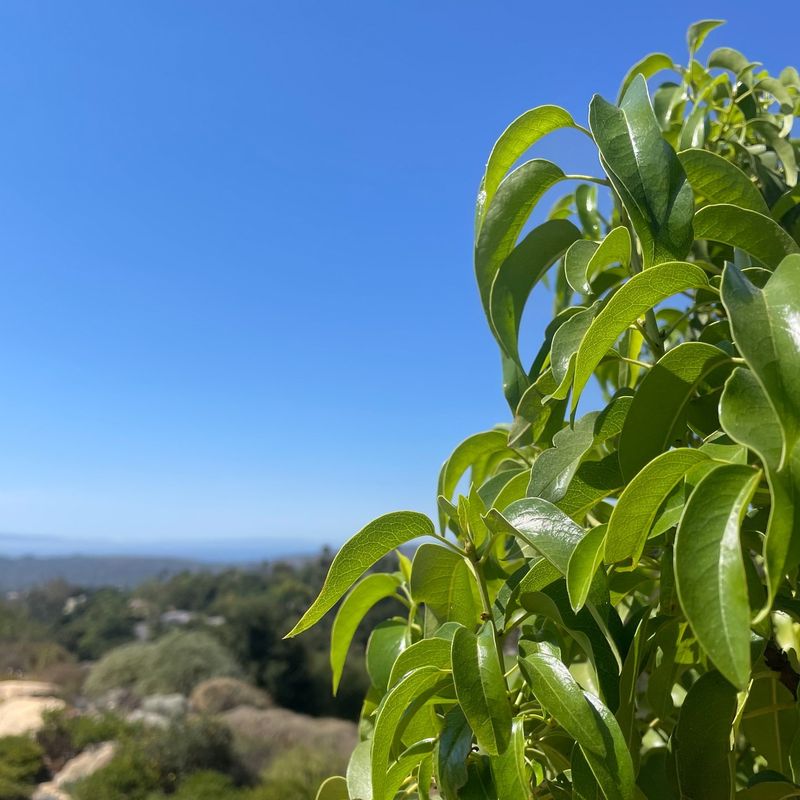
Originally from the Channel Islands off the California coast, Catalina Cherry is the bigger, bolder cousin of the Hollyleaf Cherry. The leaves are large and glossy, and the whole plant has a lush, tropical feel that makes it look like it belongs in a fancy botanical garden.
Yet it is surprisingly easy to grow.
In spring, long clusters of fragrant white flowers cover the plant and draw in bees and butterflies. By late summer, those flowers become large, dark purple fruits that birds absolutely love.
The fruits are edible for wildlife and were historically used by Indigenous peoples of California as a food source.
Catalina Cherry can grow into a small tree reaching up to 25 feet, or it can be kept smaller with occasional pruning. It handles the heat and dry summers of Southern California especially well.
Give it full sun and well-drained soil, and it will reward you with minimal care needs. Unlike Oleander, it is safe around pets and children.
If you want something that looks impressive, supports local wildlife, and thrives in California’s climate without demanding constant attention, Catalina Cherry is a top-tier choice.
7. Mountain Mahogany
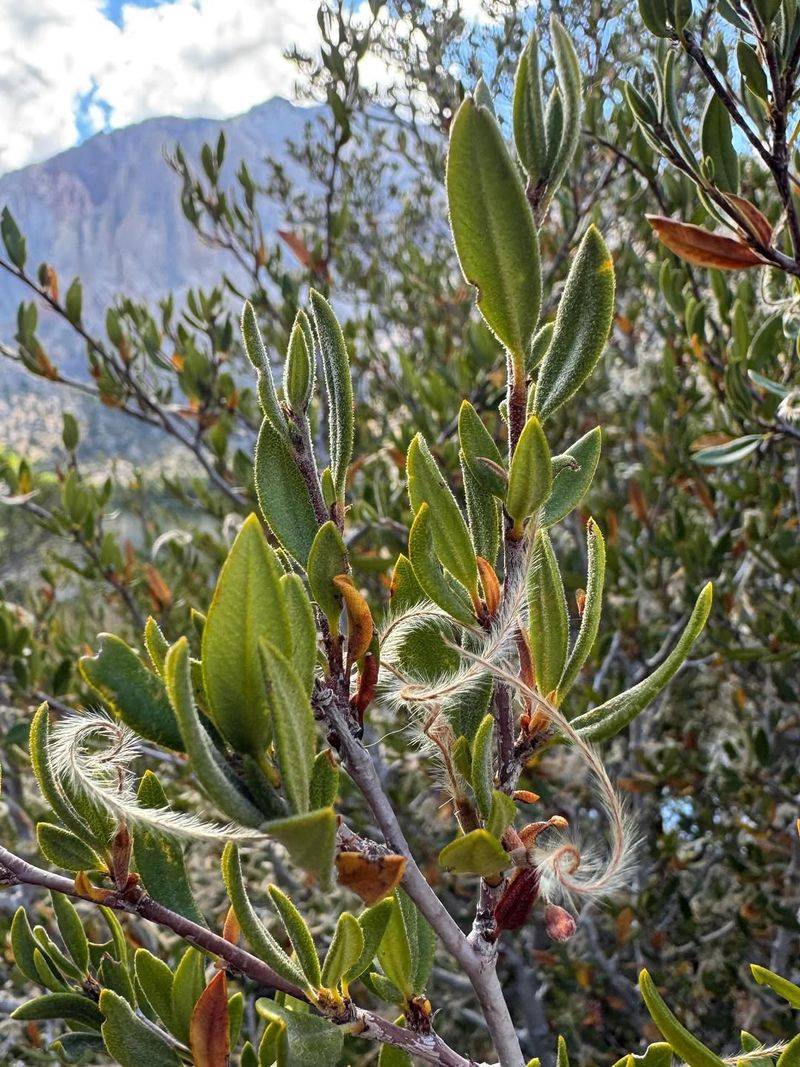
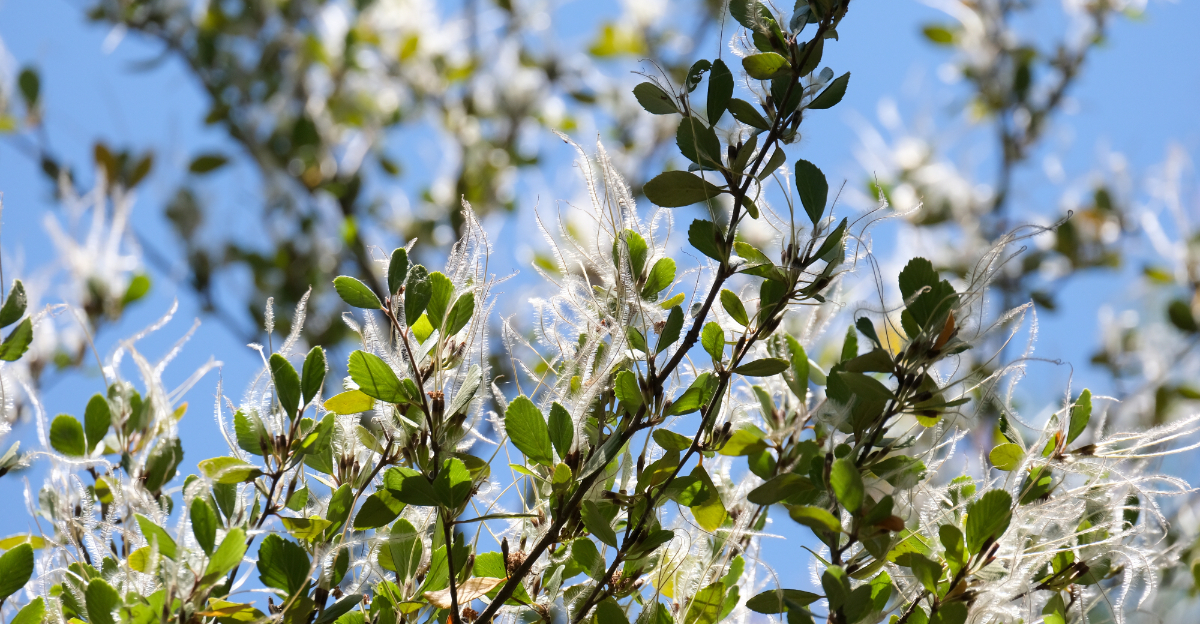
Mountain Mahogany is one of those plants that looks interesting in every single season. In late summer and fall, the seeds develop long, feathery, corkscrew-shaped tails that shimmer and twist in the breeze.
It looks almost magical when the light catches all those silvery spirals at once.
Beyond its visual appeal, Mountain Mahogany is incredibly tough. It grows naturally in dry, rocky hillsides and chaparral zones across California, so it is built to handle tough conditions.
Once established, it needs almost no supplemental water, making it one of the most drought-resistant shrubs you can plant.
The plant provides excellent cover and food for deer and other wildlife. It can grow anywhere from 5 to 20 feet tall depending on the species and conditions.
The dense, leathery foliage stays green year-round, adding structure to the landscape even in the driest months. Mountain Mahogany does best in full sun with good drainage and is not fussy about soil quality.
For California gardeners dealing with hot, dry slopes or rocky areas where other plants struggle, this native shrub is a hardworking and visually unique alternative to Oleander that never needs coddling.
8. California Bay Laurel
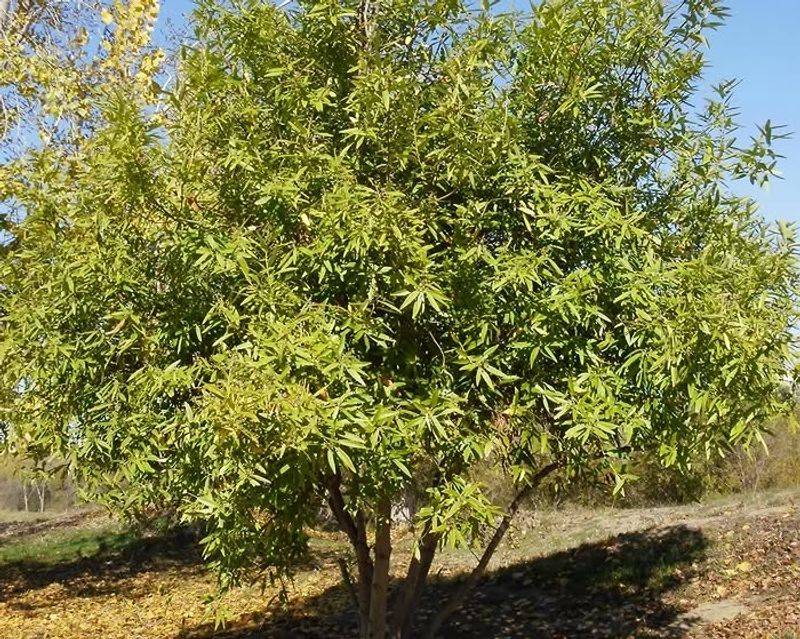
Walk into a California woodland and you will likely smell California Bay Laurel before you see it. The long, narrow leaves release a strong, spicy aroma that is even more intense than the bay leaves sold in grocery stores.
It is a scent that is hard to forget once you have experienced it.
California Bay Laurel can grow as a large shrub or a medium-sized tree, sometimes reaching 75 feet in the wild. In a garden setting, it is much more manageable and can be pruned to stay at a comfortable size.
It thrives in shade and partial sun, making it one of the few native California plants that actually prefers shadier spots.
The leaves can be used in cooking the same way regular bay leaves are, though the flavor is stronger, so use them sparingly. Small yellow flowers appear in late winter and attract early-season pollinators.
The plant produces small olive-like fruits that wildlife enjoy. California Bay Laurel is non-toxic, unlike Oleander, and adds a wonderful fragrance to any garden.
It grows well in many parts of California and brings year-round beauty with very little maintenance required from you.
9. Serviceberry
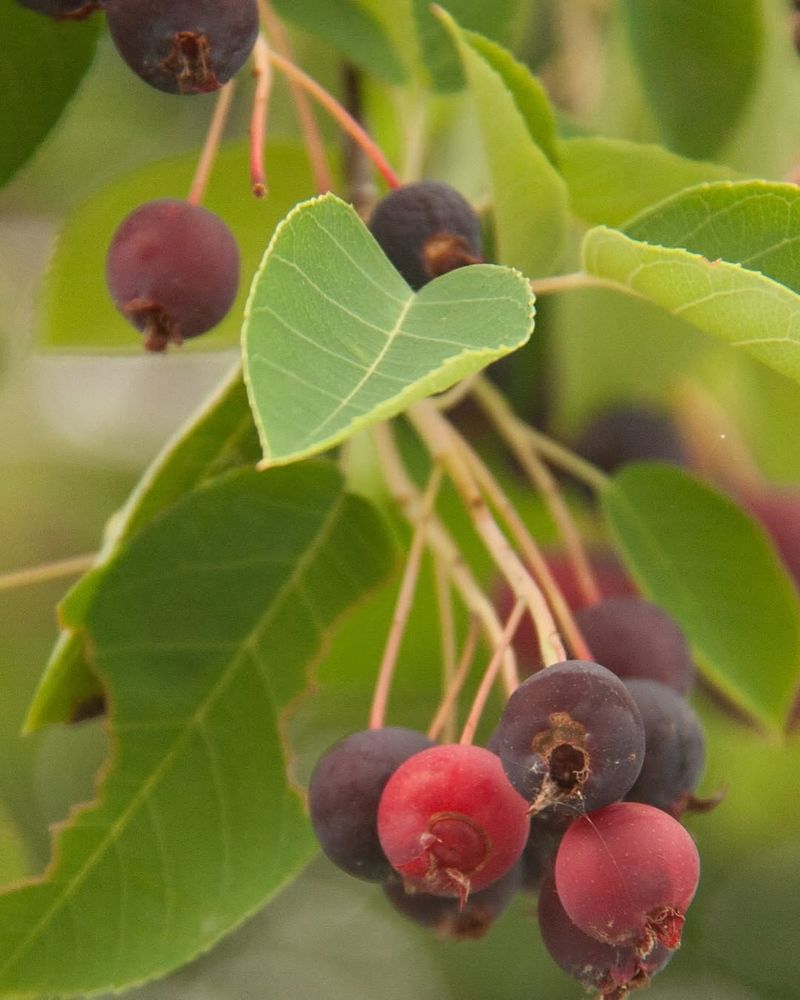
Serviceberry might not be the most talked-about native California plant, but gardeners who discover it tend to become instant fans. It puts on a spectacular spring show with clouds of small white flowers that appear before the leaves fully open.
The effect is soft, airy, and genuinely beautiful.
After the flowers fade, the plant produces small berries that ripen from red to a deep purple-blue. The berries are edible for humans and absolutely beloved by birds.
In fact, you might find yourself competing with local wildlife for the harvest, which is honestly part of the fun.
Serviceberry grows well in mountainous and foothill regions of California. It handles cold winters better than many other native shrubs, making it a great option for higher elevation gardens.
In fall, the leaves turn shades of orange and red, adding yet another season of visual interest. It prefers well-drained soil and does well in full sun to partial shade.
Once established, it is quite drought-tolerant. For anyone who wants a plant that offers spring flowers, summer berries, and fall color all in one package, Serviceberry is a rare and delightful find among California natives.
10. Coyote Brush
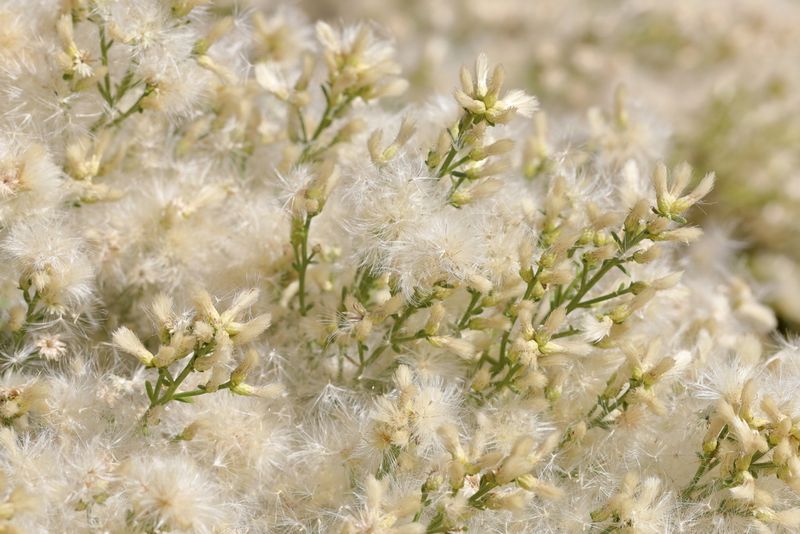
Coyote Brush is the kind of plant that does not ask for much and gives back a great deal. It is one of the toughest native shrubs in California, growing happily in coastal bluffs, disturbed hillsides, and dry inland slopes without complaint.
If you have a difficult spot in your yard where nothing else seems to work, Coyote Brush is worth a try.
In fall and early winter, the plant produces masses of small white fluffy flower heads that attract an impressive variety of native insects. Researchers have actually counted dozens of different insect species visiting Coyote Brush in bloom, which makes it one of the most ecologically valuable shrubs you can plant in California.
It grows fast, which is great for quickly filling in bare areas or covering slopes prone to erosion. The evergreen foliage stays neat and tidy most of the year.
Coyote Brush handles drought, wind, and poor soil with ease. It typically grows 3 to 9 feet tall and spreads to a similar width.
Compared to Oleander, it is completely safe for kids, pets, and wildlife. For a reliable, wildlife-supporting, low-maintenance option in any California garden, Coyote Brush earns its place every single time.
11. Blue Elderberry
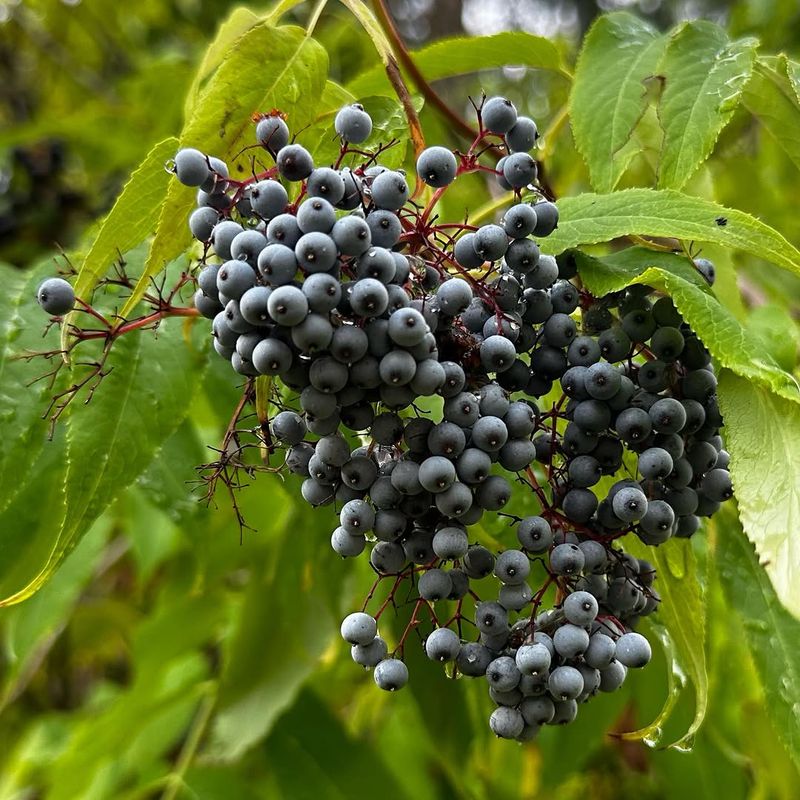
Blue Elderberry is the kind of plant that earns its keep in the garden from top to bottom. In late spring, large flat-topped clusters of tiny white flowers open up and attract bees, butterflies, and other beneficial insects in impressive numbers.
The floral display is generous and genuinely lovely to look at.
By summer, those flowers turn into heavy drooping clusters of deep blue-purple berries coated with a silvery bloom. The berries are a major food source for birds throughout California.
They are also used by people to make elderberry syrup, jam, and juice, though they should always be cooked before eating.
Blue Elderberry grows quickly and can reach 10 to 20 feet tall, forming a large, multi-stemmed shrub or small tree. It is adaptable to many soil types and does well near seasonal streams or in garden areas that get occasional water.
However, once established, it handles dry summers reasonably well. It is found naturally across much of California, from coastal areas to inland valleys.
Unlike Oleander, every part of this plant supports local ecosystems rather than threatening them. Planting Blue Elderberry is one of the most rewarding things a California gardener can do for local wildlife.