Should You Keep Watering Florida Gardenias The Same Way In September
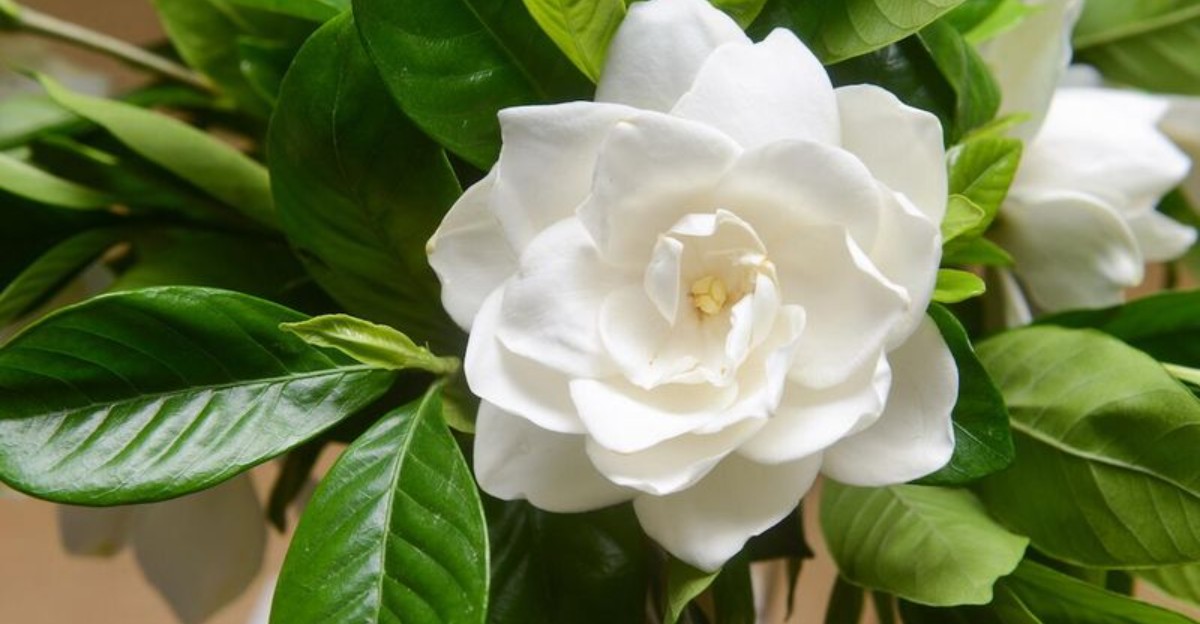
The hose routine hasn’t changed, same days, same amount, same assumption that gardenias still want what they always wanted. September might already be working against that.
Florida gardenias shift as the heat eases off. Roots that needed constant moisture through the hottest stretch start wanting less as growth slows and soil stops drying out as fast between waterings.
Keep the old schedule running and water sits around the roots longer than it should, inviting rot and fungal problems that have nothing to do with drought.
The plant won’t complain right away either. Leaves stay green, nothing wilts, nothing looks obviously wrong for weeks.
By the time root damage shows up on the surface, the schedule that seemed fine all along has usually been the actual problem for a while.
1. Let September Rainfall Rewrite The Gardenia Watering Schedule
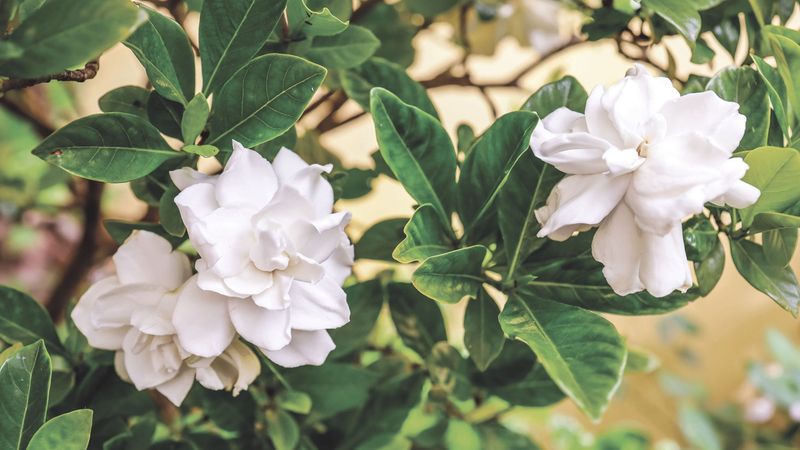
September can bring substantial rainfall across Florida, often enough that many gardenias need less supplemental irrigation than they did during the hotter, drier months.
Gardenias generally want about an inch of water each week. Rain counts toward that total, so a couple of good soakers can cover the whole job.
The tricky part is that Florida storms come in short, intense bursts. A five minute downpour can look dramatic on the driveway while barely wetting the soil under a thick canopy of leaves.
A cheap rain gauge clears up the confusion fast. Set one in an open spot, check it after storms, and add up what fell before you reach for the hose.
Rainfall also swings wildly from town to town and year to year. Your neighborhood might get drenched while a friend across the county stays dry through the same week.
Treat the calendar as a suggestion rather than a rule. If the gauge shows an inch since your last watering, skip the round and let the roots breathe.
Adjusting as the weather shifts is the whole trick. Gardenias respond well to gardeners who pay attention instead of running the same program all year.
2. Check The Soil Before Adding Another Round Of Water
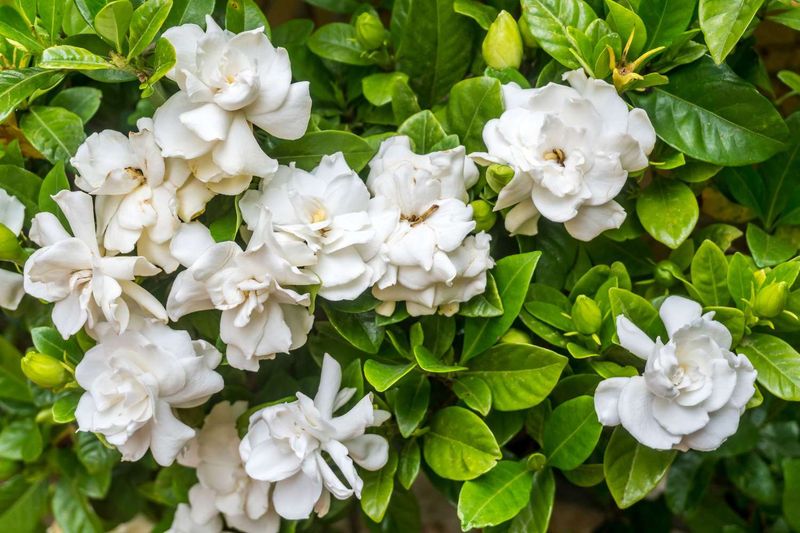
Your fingers are the most reliable moisture meter you own. Check the soil a few inches below the surface near the base of the shrub and notice whether it feels cool and damp or dry.
Cool and damp means wait. Dry and crumbly at that depth means the plant is ready for a drink.
Surface appearances lie constantly in September. Mulch and topsoil dry out fast in the sun, while the soil an inch or two down can still be holding plenty of moisture from Tuesday’s storm.
The goal for gardenias is steady moisture without sogginess. If soil clumps into a muddy ball and water squeezes out, skip watering and let things drain.
Try checking in two or three spots around the shrub. Roots spread wider than the canopy, and one dry patch near a downspout can give you a misleading reading.
Morning is a good time for the test. Plants sometimes droop in afternoon heat even when the soil is perfectly damp, and that wilt fools people into overwatering.
Your Florida Garden Changes Every Week. Your Plan Should Too.
Gardening in Florida changes quickly throughout the season. Every Friday you’ll receive a simple weekly plan showing exactly what to plant, prune, fertilize, harvest, and protect so you never miss the right timing.
Wipe your hands, note what you found, and repeat every few days. After a couple of weeks you will start predicting the soil’s condition before you even touch it, which saves water and spares the roots.
3. Keep Gardenias Moist Without Leaving Their Roots Waterlogged
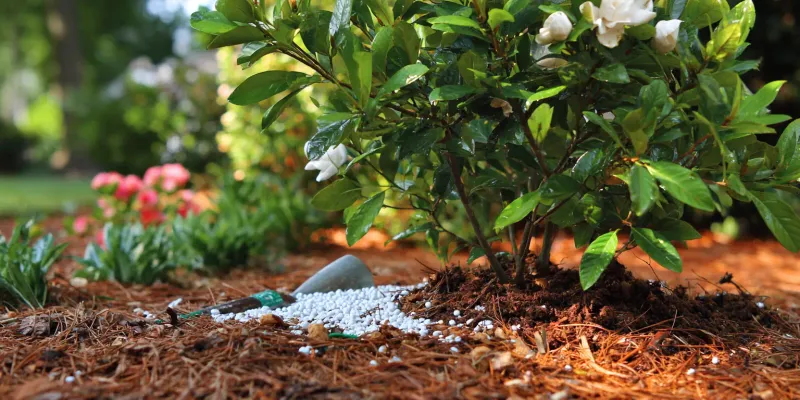
Gardenias have a reputation for being fussy, and root moisture is a big reason why. They like soil that stays evenly damp, yet they struggle in ground that stays wet for days.
Roots need air pockets between soil particles. Fill those pockets with standing water and the roots cannot take in oxygen, which opens the door to rot and other diseases.
Watch for the warning signs. Yellowing leaves, buds falling off before they open, and limp foliage often point toward too much water rather than too little.
That confuses plenty of gardeners, because thirsty plants wilt too. When leaves droop and the soil is soaked, the answer is drainage, not more irrigation.
Drainage deserves attention before September storms arrive. Beds that sit in a low spot collect runoff from the whole yard, and gardenias planted there stay soggy long after the rain stops.
Raising the bed a few inches or mixing in coarse organic matter helps water move through. For container gardenias, confirm the drain holes are open and lift the pot onto feet so water escapes freely.
Think of it as damp sponge, not soaked towel. That mental picture keeps the balance right through the wettest weeks of the year.
4. Stop Watering Gardenias On The Same Schedule As The Lawn
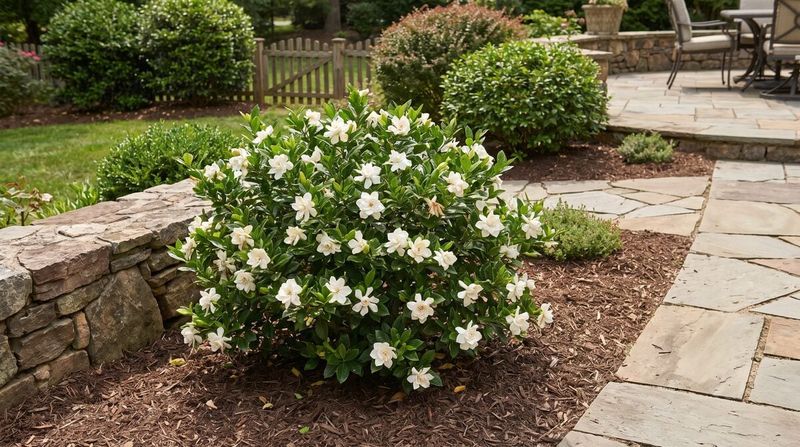
Most sprinkler systems were designed with turfgrass in mind. Grass has shallow roots and wide coverage needs, while a gardenia sits in one spot with deeper roots and different appetites.
Running both on one timer usually means the shrub gets whatever the lawn gets. In September, that often adds up to far more water than the gardenia wants.
Age changes the equation too. A shrub planted three years ago handles dry stretches better than one that went in last month, and no single zone setting fits both.
Soil type matters as much as age. Sandy beds drain fast, while amended or shaded beds hold moisture long after the lawn surface looks parched.
Excess water around gardenias invites trouble beyond soggy roots. Constantly damp conditions encourage fungal problems and give certain pests a comfortable place to settle in.
The fix does not require a plumber. Many controllers let you assign shrub beds to their own zone or reduce run minutes for that zone during the rainy months.
If separating zones is not an option, cap or redirect the heads that spray into the gardenia bed and water those shrubs by hand. A watering can and five minutes beat a poorly matched schedule every time.
5. Give Sandy Florida Soil A Closer Moisture Check
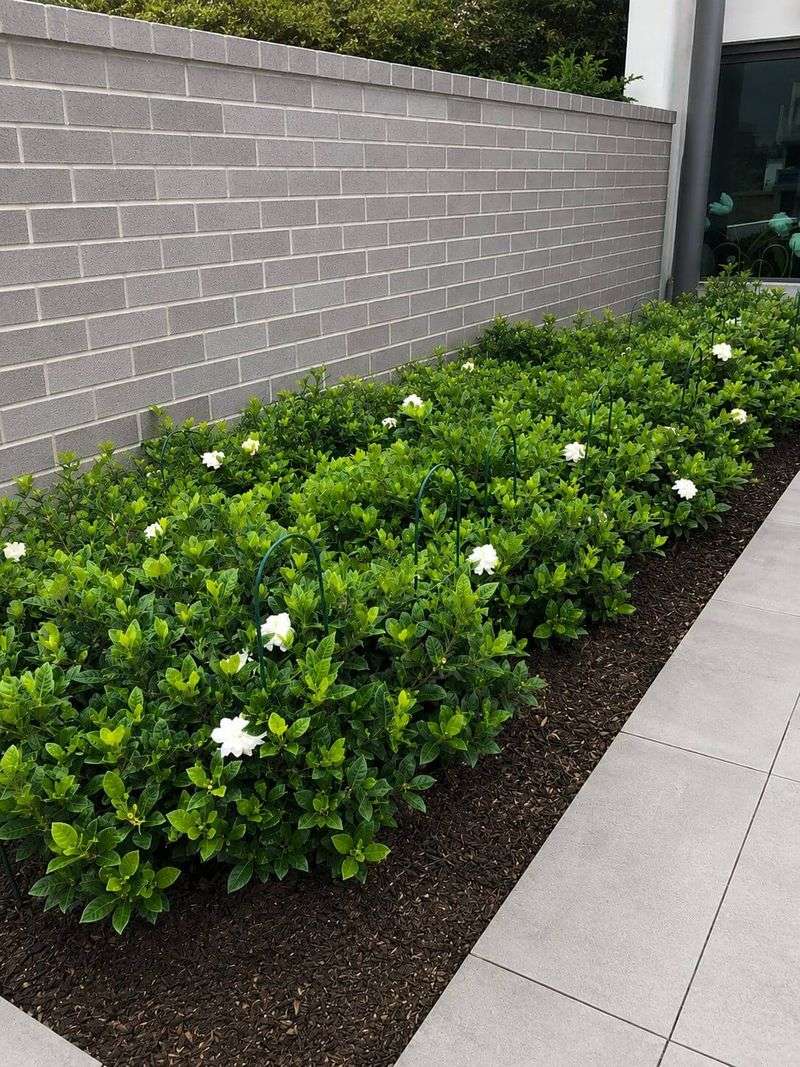
Sand drains like a colander. Much of Florida sits on pale, gritty soil that lets water slip past the root zone before the plant can use it.
Sandy ground also heats up quickly. Warm soil dries faster, so a gardenia in sand may need water again two days after a storm that satisfied a neighbor’s clay-heavy bed.
Nutrients wash through just as easily. Repeated flushing leaves sandy soil short on the minerals gardenias need, which shows up as pale or yellowing foliage.
Yellow leaves in sandy spots sometimes trace back to nematodes as well. These tiny soil organisms damage roots, and weakened roots cannot pull in water even when the ground is damp.
Building up organic matter is the long game. Adding organic matter such as compost can improve sandy soil structure and help it hold moisture more consistently.
Mulch handles the short game. Two or three inches of pine bark or pine straw shades the soil, slows evaporation, and keeps moisture steadier between rains.
Leave a small gap between mulch and the trunk so the base stays dry. With better soil structure above and steady mulch on top, sandy sites become far easier to manage through September.
6. Aim Water At The Root Zone Instead Of Soaking The Leaves
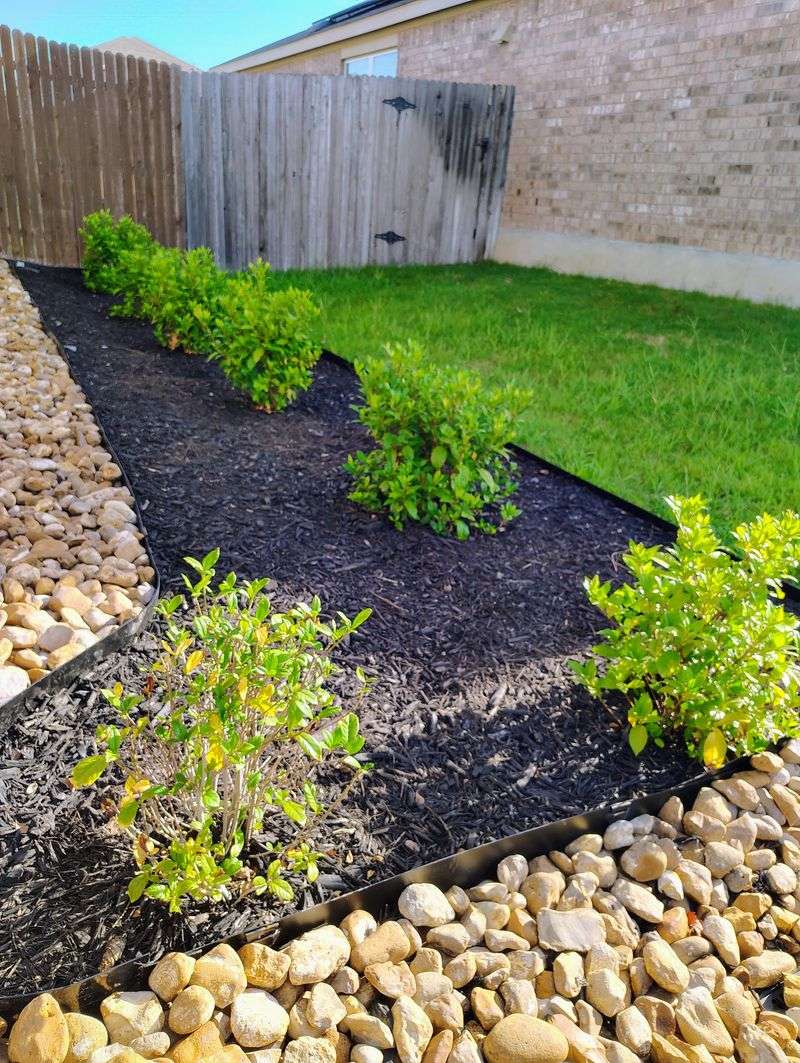
Picture a sprinkler blasting an open gardenia flower. Keeping flowers and foliage wet for long periods can leave the plant looking worse and may contribute to disease pressure.
Leaves fare little better. Wet foliage that stays damp for hours creates the perfect setup for leaf spot and other fungal issues.
Roots are where water actually does its job. Applying it slowly and deeply at the base of the shrub sends moisture where it can be absorbed instead of evaporating off the canopy.
Drip tubing and soaker hoses shine here. Snake one around the drip line, let it run low and slow, and the water soaks in rather than running off.
A hose set on a trickle works fine too. Lay it near the trunk, walk away for ten or fifteen minutes, then check how far the moisture has traveled.
Timing changes the outcome as well. Overhead watering late in the evening leaves leaves damp all night, which is exactly when fungal spores get comfortable.
Early morning is the safer window if you cannot avoid overhead spray. Leaves dry within a couple of hours, and the plant heads into the heat with moisture already in place rather than beading on its blooms.
7. Let A Working Rain Sensor Cancel Unneeded Irrigation
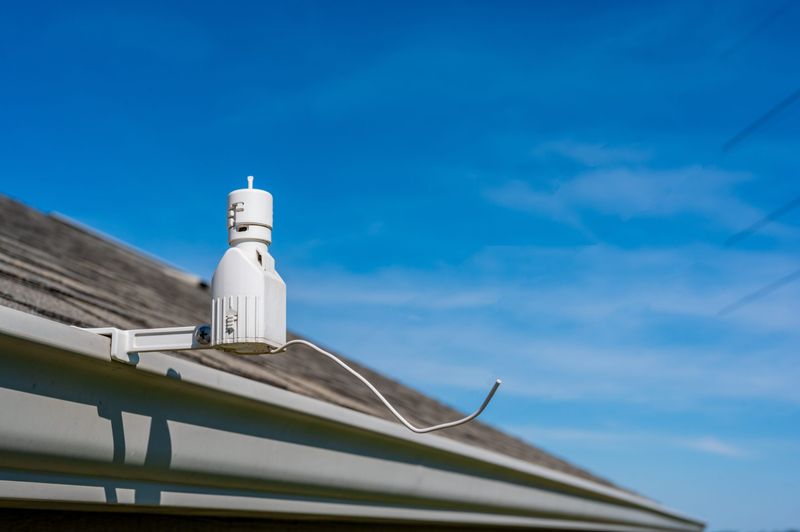
Here is a rule many Florida homeowners have not heard: every new automatic irrigation system in the state is required to include a rain shut-off device. Some counties extend that requirement to older systems too.
The gadget itself is simple. It sits where rain can reach it, swells or fills when precipitation arrives, and tells the controller to hold off on the next cycle.
Skipping unnecessary cycles saves real money. Lower water bills show up quickly, and the pump and valves get a break from running when they are not needed.
For gardenias, the benefit goes past the budget. Fewer soggy cycles means fewer disease problems and less stress on roots already dealing with September downpours.
Sensors do wear out, though. Sun, debris, and insect nests can jam the mechanism, leaving it stuck in the open position while the sprinklers run through a thunderstorm.
Test yours this month. Press the sensor plate or pour water on it, then try to start a zone manually and confirm the system refuses.
Clear away leaves and spider webs while you are up there. Five minutes of maintenance keeps the device honest for the rest of the rainy season.
8. Watch New Gardenias More Closely Than Established Shrubs
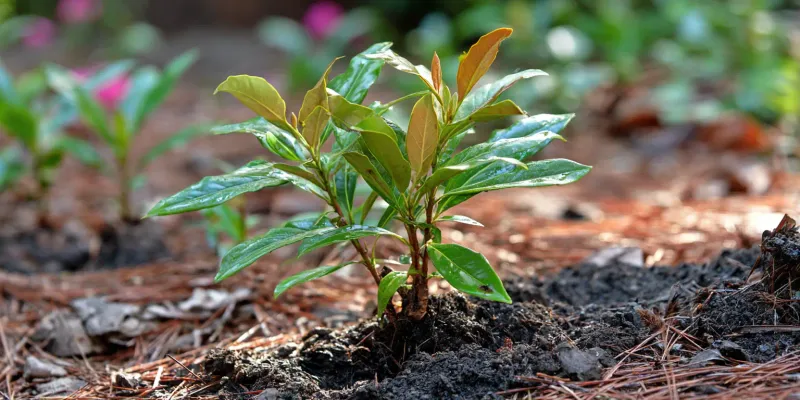
Newly planted gardenias live on a tiny patch of roots. Whatever moisture sits in that original root ball is pretty much all they can reach for the first several weeks.
Plan on watering a fresh planting two or three times a week for roughly six weeks. The goal is steady dampness that encourages roots to push out into the surrounding soil.
Spring plantings often need even more attention. Some need water daily or every other day for three or four months, especially in sandy ground or during a dry spell.
Established shrubs play by different rules. After a few seasons of root growth, a gardenia handles short dry stretches reasonably well and gets by on about an inch of water weekly.
That tolerance has limits. Even a mature plant sulks in dry soil, dropping buds and losing leaf color when moisture runs short for too long.
September rain usually covers older shrubs without help. Younger ones still deserve a soil check every few days, since a fast-draining planting hole can dry out between storms.
Mark your new plantings with a stake or a note on your phone. Remembering which shrub went in last month makes the whole routine easier to manage.
9. Keep Water Quality In Mind Before Blaming The Gardenia
Sometimes the problem is not how much you water but what comes out of the hose. Gardenias react to water chemistry more than most landscape shrubs.
Salty water causes trouble fast. Output from a water softener or certain reclaimed systems carries salts that build up in soil and stress the roots.
Brown, crispy leaf tips are a classic clue. Water chemistry, including salts and certain dissolved minerals, can contribute to leaf-tip browning even when the soil moisture is adequate.
Hard, alkaline tap water creates a slower problem. Over months it nudges soil pH upward, and gardenias prefer acidic ground to stay healthy.
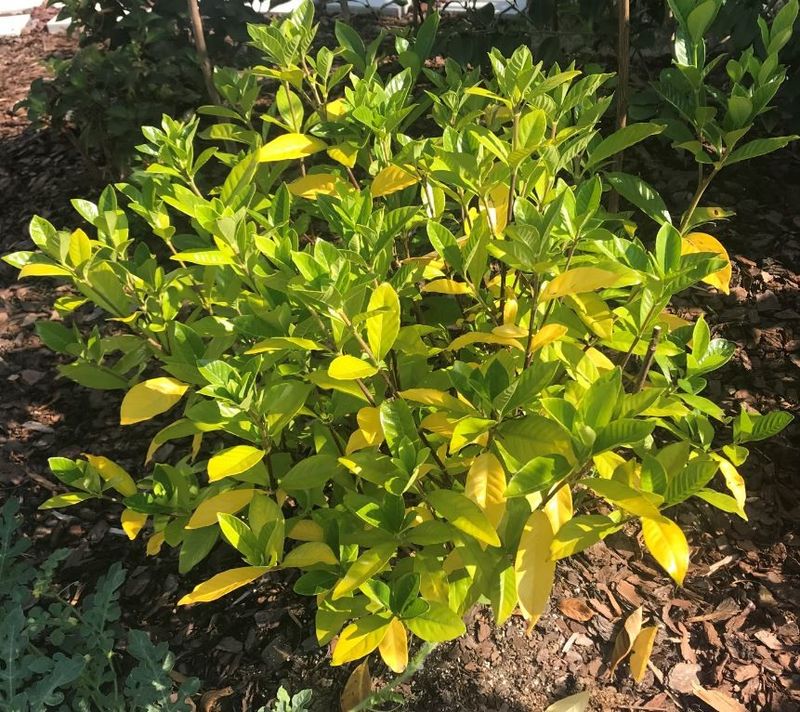
Once pH climbs above about 6.5, iron becomes hard for the plant to absorb. The result is yellow leaves with green veins, a pattern gardeners often mistake for a watering mistake.
Rainwater solves a lot of this for free. A barrel under a downspout collects plenty during a Florida September, and containers especially appreciate the softer water.
Distilled water works for potted plants too, though it costs more. A simple soil pH test kit tells you whether the water or something else deserves the blame, and that answer saves a season of guessing.