What Those White Mushrooms In Your Virginia Yard Are Really Telling You
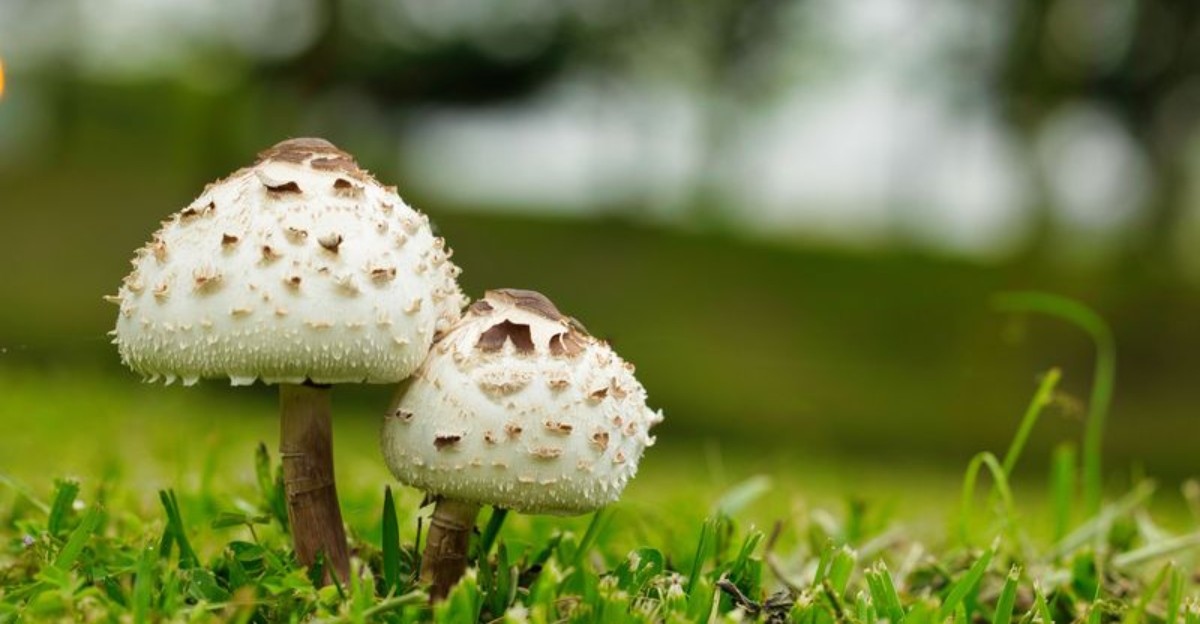
Step outside after a summer rain in Virginia, and you may notice something new scattered across the lawn: tiny white mushrooms rising through the grass like little umbrellas.
They can appear overnight, vanish just as quickly, and leave many homeowners wondering what is happening beneath the surface. The good news is that these little fungi are often clues, not causes for alarm.
Mushrooms reveal what is going on in the hidden world of soil, roots, moisture, and decaying organic matter. They can point to wet conditions, buried wood, shady spots, or recent changes in the landscape.
Once you learn how to read the signs, those unexpected white caps become useful hints about your yard’s health.
A Damp Lawn Can Explain Why White Mushrooms Are Suddenly Appearing
Rain falls on Tuesday, and by Thursday morning your grass is dotted with pale caps. Moisture is the single biggest trigger for a mushroom flush.
Fungi live in the soil year round as thin threads you cannot see. When water soaks in and stays, those threads finally have what they need to push up fruiting bodies.
Virginia weather makes this common, since humid stretches and heavy summer storms keep soil damp for days. Add an irrigation system running every morning, and you have doubled the invitation.
Drainage matters just as much as rainfall. Compacted soil holds water near the surface instead of letting it sink away, so the top few inches stay soggy long after the sky clears.
A simple test helps here. Push a screwdriver into your lawn, and if it takes real effort, the soil is likely packed tight and due for core aeration.
Watering habits are worth a second look too. Shorter, more frequent sprinkles keep the surface wet, while longer soakings spaced further apart let the top layer dry between rounds.
Early morning is the smartest window for watering. Grass blades and soil get several daylight hours to dry, which makes the yard less welcoming to fungal growth.
Fixing low spots where puddles linger also cuts down on repeat appearances. A little topsoil and reseeding can level things out before the next storm rolls through.
Once the soil dries, the caps shrivel on their own. No spray needed, just patience and a smarter watering schedule.
Decaying Leaves And Mulch Give Fungi Something To Break Down
Think of fungi as the cleanup crew nobody hired but everybody needs. Their whole job is turning yesterday’s leaves into tomorrow’s plant food.
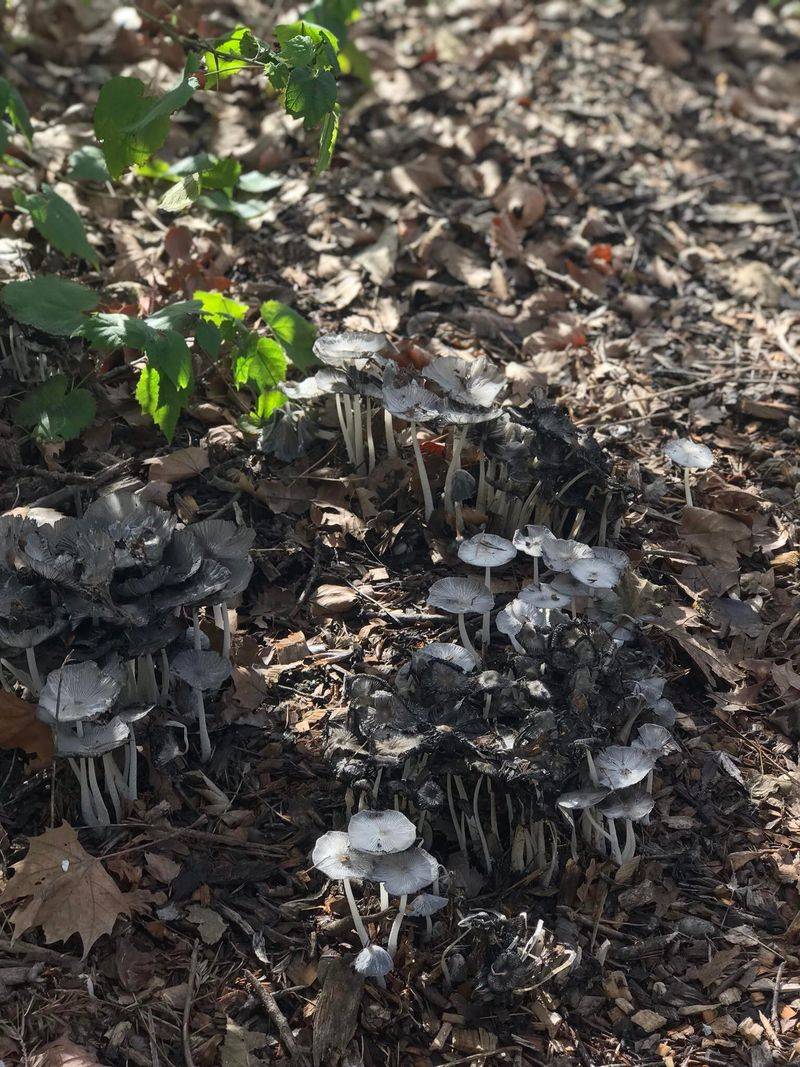
Mushrooms show up where there is something to eat, and organic debris is the buffet. Fallen leaves, grass clippings, buried twigs, and mulch all qualify.
Mulched flower beds around homes are famous for this. Hardwood mulch breaks down quickly in humid conditions, and white caps often appear along the edges within weeks of a fresh application.
Thatch plays a quiet role too. That spongy layer of old stems and roots between the soil and green blades holds moisture and food at the same time.
When thatch climbs past half an inch, fungal activity can increase. Dethatching removes excess organic buildup, while aeration improves drainage and airflow in the soil.
Your Virginia Garden Changes Every Week. Your Plan Should Too.
Gardening in Virginia changes quickly throughout the season. Every Friday you’ll receive a simple weekly plan showing exactly what to plant, prune, fertilize, harvest, and protect so you never miss the right timing.
Raking leaves promptly in fall helps as well. Piles left sitting through a wet November turn into a mushroom nursery by spring.
Bagging clippings occasionally, especially after a long stretch without mowing, keeps heavy clumps from smothering the turf. Light clippings are fine and actually recycle nitrogen back into the lawn.
Stirring or raking mulch every few weeks breaks up the fungal threads and speeds drying. It takes five minutes and makes beds look freshly refreshed.
Fun detail worth knowing: the nutrients released by this breakdown feed your grass for free. The mushrooms are essentially handing your lawn a meal.
Mushrooms Near Trees May Point To Roots Hidden Beneath The Soil
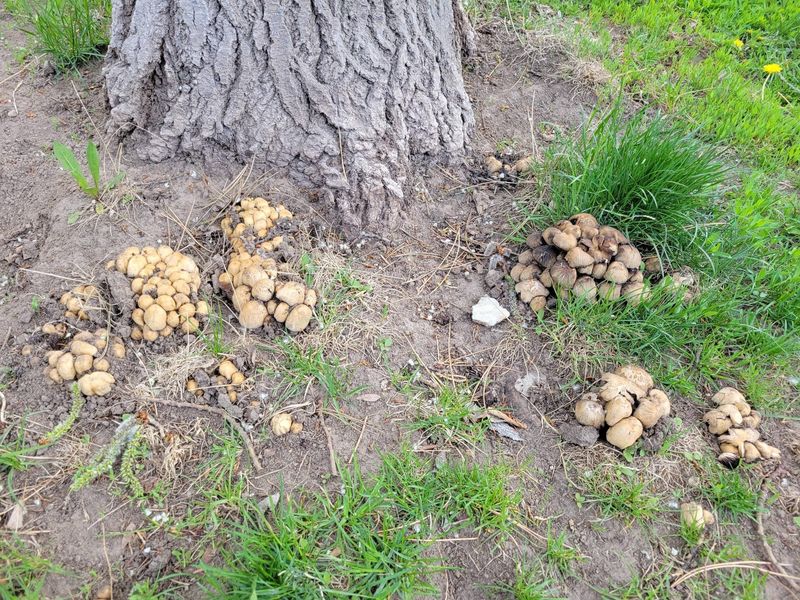
A ring of white caps hugging the base of an old oak is not random. Something woody is breaking down below, and the fungi found it.
Old stumps are the usual suspects. Even after a tree is cut and ground, a surprising amount of root material stays underground for years.
Homeowners often remove a storm damaged maple or pine and then see mushrooms in that same spot for several seasons afterward. The fungal network is slowly processing what was left behind.
Buried construction debris causes it too. Builders sometimes bury scrap lumber or stumps during grading, and decades later the evidence surfaces as mushrooms.
Not every tree related fungus is a decomposer, though. Many form partnerships with living roots in an arrangement called mycorrhizae.
In that relationship, fungal threads extend the root system’s reach and help pull in water and minerals. The tree shares sugars in return, and both parties come out ahead.
So mushrooms near a healthy tree are not automatically a warning, but the tree’s overall condition matters more than the presence of caps alone. Vigorous canopy growth and steady leaf color are better health indicators than caps in the grass.
Keep an eye out for shelf shaped growths on the trunk itself. Those firm, bracket like fungi deserve a call to a certified arborist for evaluation.
For ordinary ground mushrooms near roots, mowing or knocking them over works fine. The network underground continues its useful recycling work regardless.
A Fairy Ring Can Reveal Fungal Activity Under Your Lawn
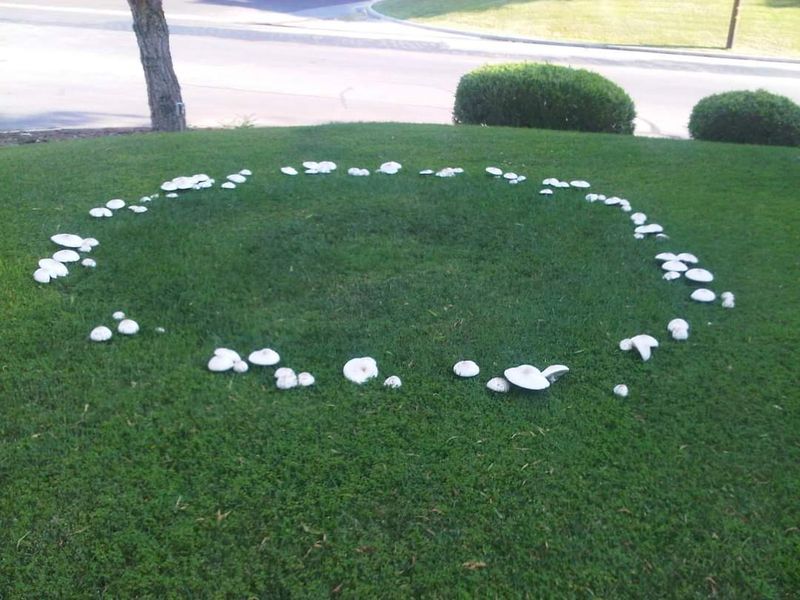
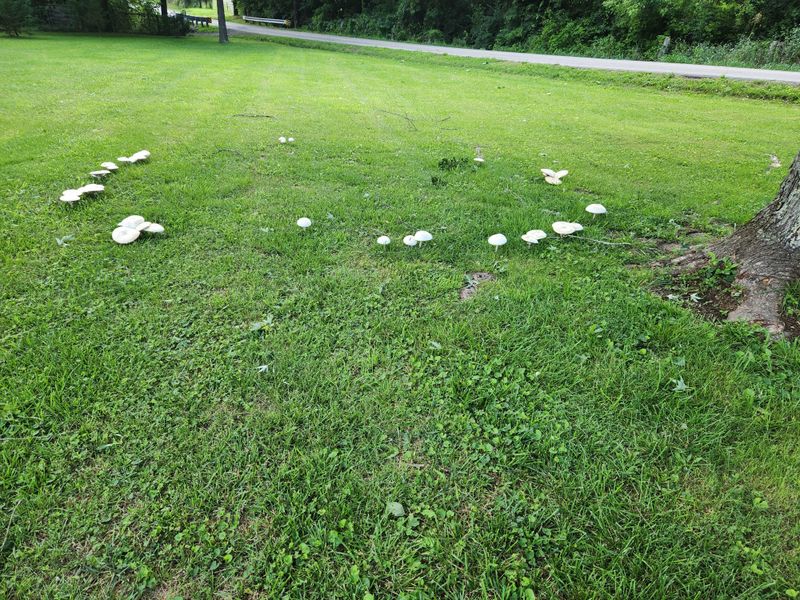
Folklore says elves danced there. Science shows that fairy rings often form as fungal networks expand outward through the soil.
Fairy rings appear as circles or arcs, sometimes just a few feet wide and sometimes stretching across half a yard. The shape comes from mycelium growing evenly in all directions.
Three types show up on Virginia lawns. One produces a ring of mushrooms, another creates a band of deep green grass, and a third leaves a stripe of thin, stressed turf.
The dark green version happens because the fungus releases nitrogen as it digests organic matter. Your grass gets a free feeding along that line.
The thin, struggling version is trickier. Dense fungal threads can make soil water repellent, so rain runs off instead of soaking down to the roots.
Aeration through the affected band helps water reach the root zone again. Commercial soil wetting agents may help improve water penetration in hydrophobic soils.
Rings often trace where a tree once stood. As the buried stump and roots break down, the fungus works outward in a widening circle.
Fungicides are often inconsistent for fairy rings because the fungal network is extensive and difficult to treat completely. Consistent watering, aeration, and light fertilizing usually even out the color difference.
Honestly, many homeowners grow fond of them. A perfect green circle in the yard is a conversation starter with every neighbor who walks by.
Shady Corners Often Create The Conditions Mushrooms Need To Grow
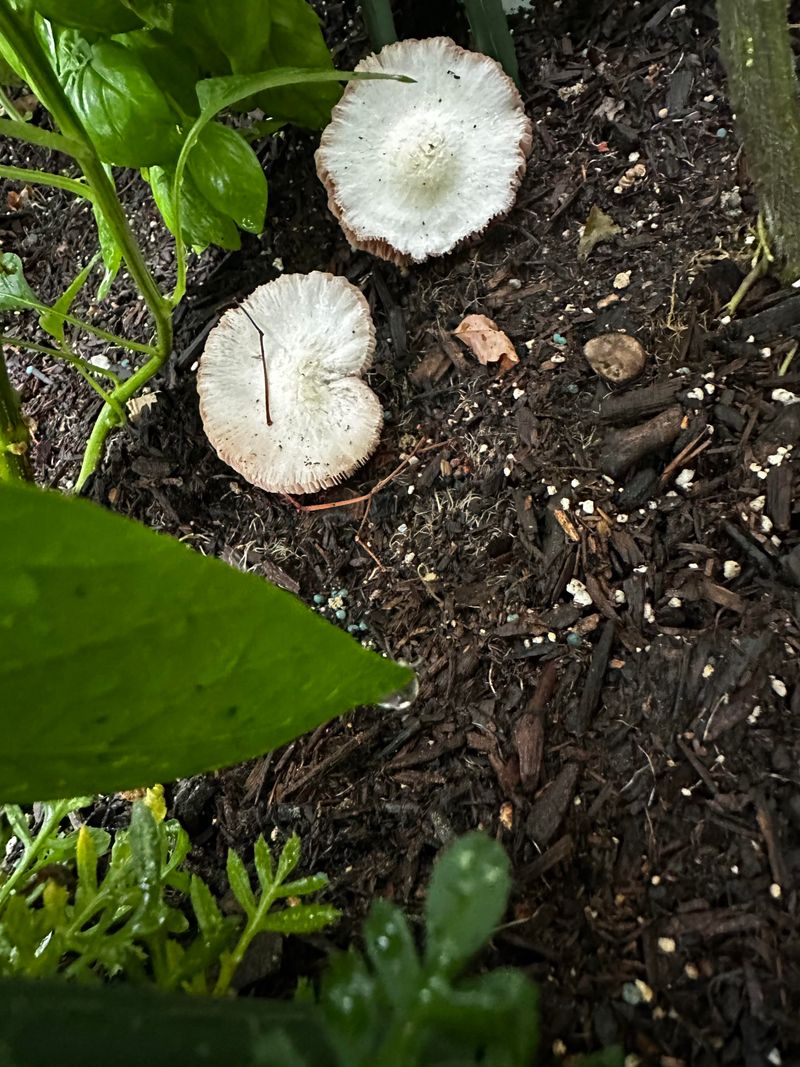
Notice how the caps cluster behind the shed, under the deck stairs, or along the fence line on the north side. Shade is doing the heavy lifting there.
Sunlight dries soil fast. Take it away and the ground under those spots stays damp long after the open lawn has firmed up.
Air movement is usually poor in those pockets too. Fences, dense shrubs, and low tree limbs trap humidity right at ground level.
Yards with mature hardwoods deal with this constantly, since a full summer canopy blocks most direct light from reaching the turf below. Grass thins out and fungi move in.
Pruning is the most effective fix. Raising the lower branches of trees by a few feet lets morning sun and breeze reach the ground.
Thinning overgrown shrubs works the same way. You are not removing the plants, just opening gaps so light filters through.
Watering deserves adjustment in these zones as well. Shaded areas need considerably less water than sunny sections, yet most sprinkler systems treat them identically.
Installing separate zones or simply hand watering shady patches prevents constant sogginess. Less standing moisture means fewer flushes.
Where grass refuses to thrive no matter what, consider changing the plan. Shade tolerant ground covers, hostas, ferns, or a gravel and stepping stone feature can turn a problem corner into a nice retreat.
Mushrooms in shade are a sign of local conditions, not lawn failure. Change the light and moisture, and the message changes too.
New Sod Can Bring Hidden Fungi To The Surface
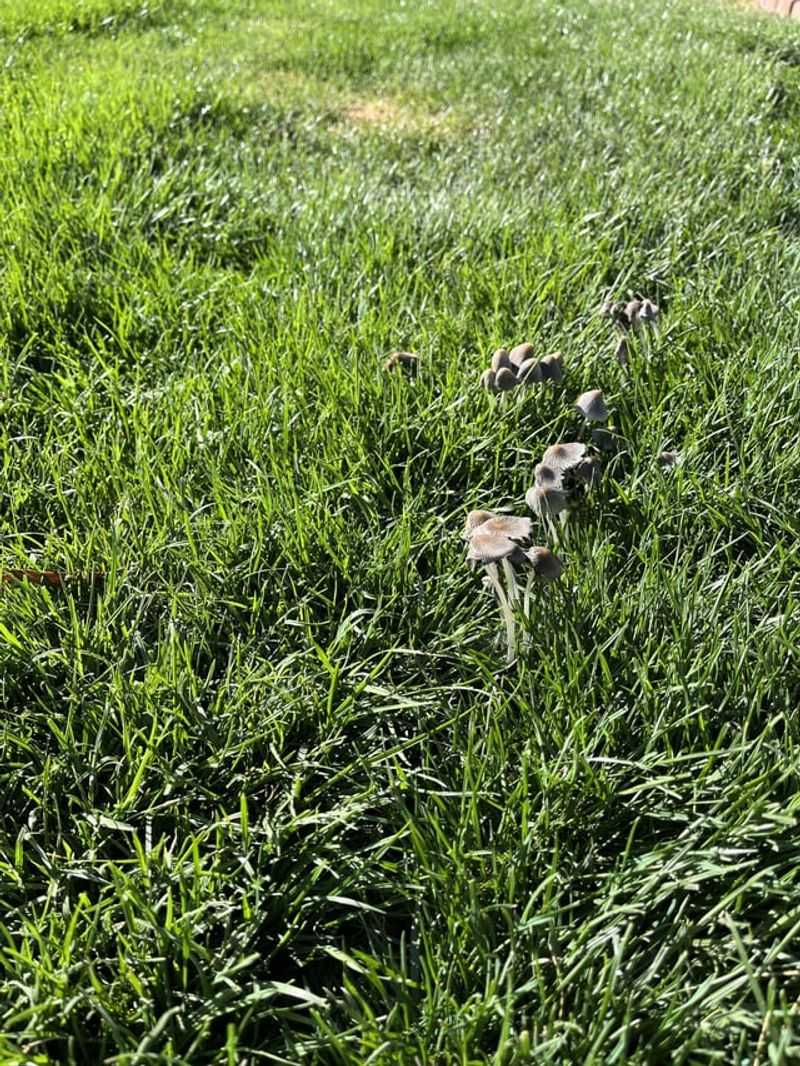
You spend real money on fresh sod, water it faithfully, and two weeks later mushrooms show up along the seams. Frustrating, sure, but predictable.
New sod demands heavy watering to root properly. Many installers recommend daily soakings for the first couple of weeks.
All that moisture is exactly what dormant fungi were waiting for. The spores and threads arrived in the soil layer attached to the sod or were already living in your existing ground.
Compost rich soil beneath sod adds fuel. Blended topsoil often contains partially broken down wood fiber, which fungi happily consume.
Homeowners who install sod during warm, humid months see this more often than those who lay it in cooler weather. Heat plus daily irrigation speeds everything along.
Good news arrives with time. As roots knit into the soil and you cut watering back to two or three deeper sessions per week, the flushes taper off on their own.
Mowing handles the visible caps in the meantime. A mower knocks them down and scatters them without harming the young turf underneath.
Resist the urge to reach for chemicals. Treating a brand new lawn adds stress without addressing the moisture that caused the flush.
Keep watch on drainage while the sod establishes. If water pools in certain areas, raking and leveling now saves trouble later.
Consider the mushrooms a temporary side effect of a lawn getting established. They fade as the watering schedule normalizes.
A Flush Of Mushrooms Does Not Necessarily Mean Your Grass Is In Trouble
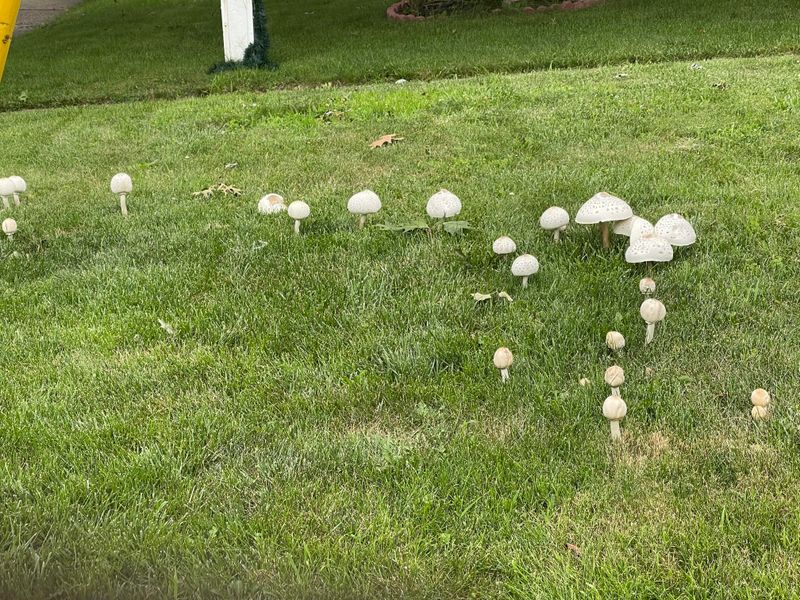
Here is the part most people are relieved to hear. Lawn mushrooms are generally not attacking your grass at all.
They are fruiting bodies, the visible tip of a much larger network living quietly underground. Think of them like apples on a tree, with the real organism hidden from view.
Their presence usually signals biological activity in the soil. Earthworms, bacteria, and fungi working together tend to produce turf with better structure and nutrient flow.
Across Virginia, lawn care professionals hear this question every rainy season, and the answer rarely changes. Healthy soil hosts fungi, and fungi occasionally fruit.
Safety is worth a practical note. Some wild mushrooms are toxic if eaten, so households with young children or curious pets should remove them rather than leave them standing.
Picking them by hand with a glove is fine, and touching them briefly causes no harm. Wash up afterward and toss them in the trash instead of the compost pile.
Do not bother with fungicide. The bulk of the organism sits deep in the soil where sprays cannot reach, so the money is wasted.
Mowing over them is the fastest cleanup. Most caps collapse within a day or two anyway once the weather dries out.
Watch your grass color, density, and root depth for real health clues. If those look good, a scattering of white caps is simply your yard showing off its busy underground neighborhood.