Virginia Homeowners Are Replacing Driveway Ornamentals With These Edible Plants
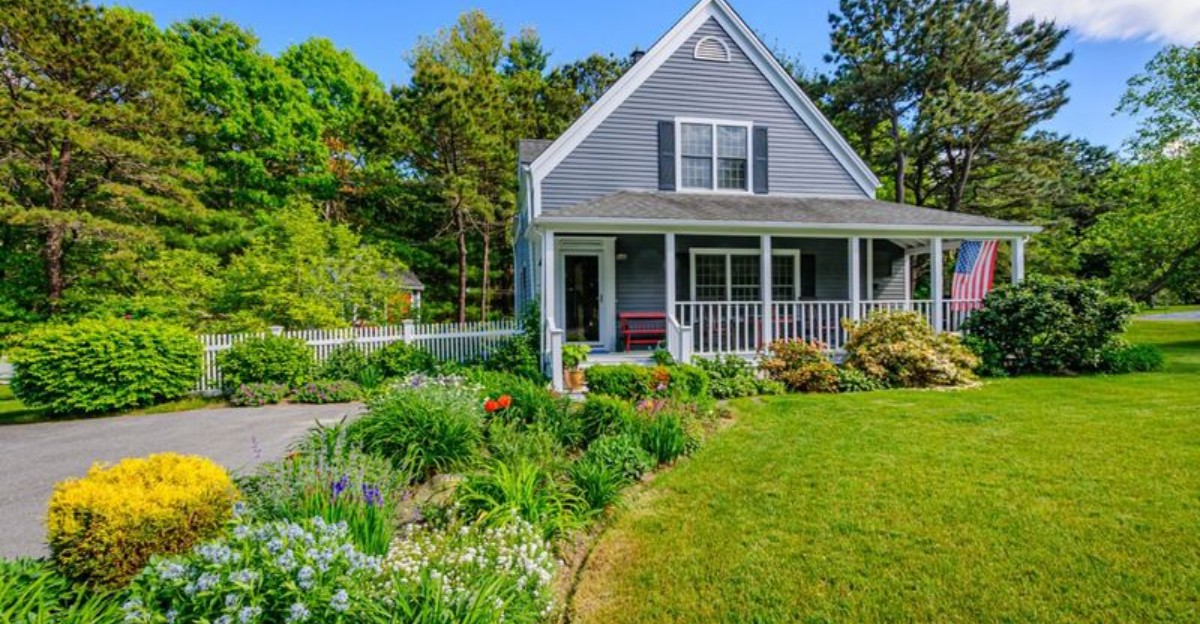
Why settle for a row of shrubs that only looks good when you could grow something you can actually eat?
Virginia homeowners are turning fence lines, driveway borders, and awkward corners into productive garden spaces without sacrificing curb appeal. The key is choosing edible plants that fit the space and handle the state’s heat, humidity, and soil.
Some stay low and compact, while others climb fences or grow into larger landscape features. The result is a yard that looks polished, provides fresh food, and makes better use of those overlooked spaces around your property.
1. Grapes Turn Fence Lines Into Productive Vertical Gardens
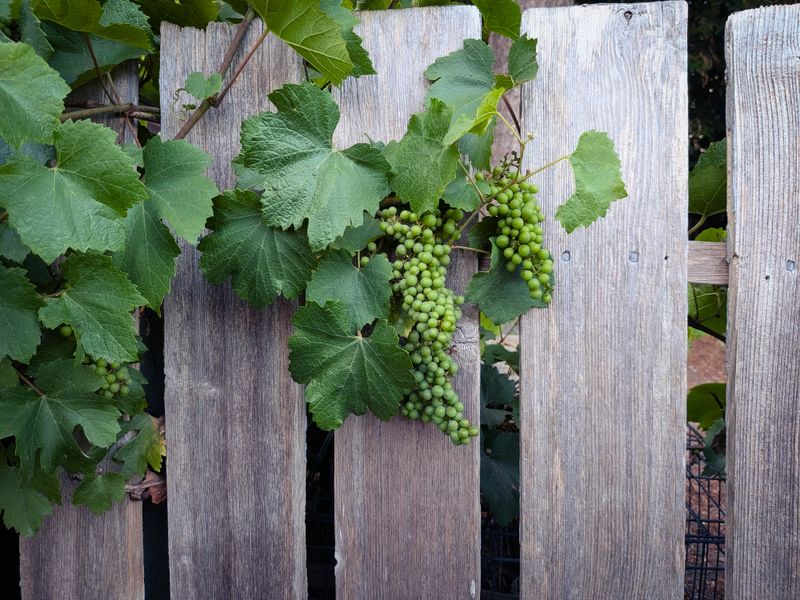
An empty fence is basically wasted real estate, and grapevines know it. Give them wire, wood, or an old split rail line and they climb straight up into space you were not using anyway.
Vertical growing works beautifully in yards where the front lawn is small but the property edge runs long. Training vines upward keeps fruit off the ground and lifts leaves into moving air, which cuts down on the mildew problems our humid summers love to hand out.
Plan on strong support before you plant. A single vine can carry serious weight once the clusters fill out, so sagging wire quickly becomes a headache.
Full sun matters more than fancy soil here. Six to eight hours keeps sugar levels up and helps leaves dry fast after morning dew.
Pruning is the part people skip, and it shows. Cutting back most of last year’s growth each winter feels harsh, but it pushes the vine toward fruit instead of endless leafy sprawl.
Muscadine types handle the heat in the eastern half of the state, while hybrid bunch grapes often do better in the cooler mountain counties. Ask a local nursery which one suits your zip code.
The payoff arrives in late summer. You get shade, privacy, autumn color, and buckets of fruit from a strip of ground that used to hold nothing but weeds.
2. Blackberries Add Edible Fruit To Sunny Driveway Borders
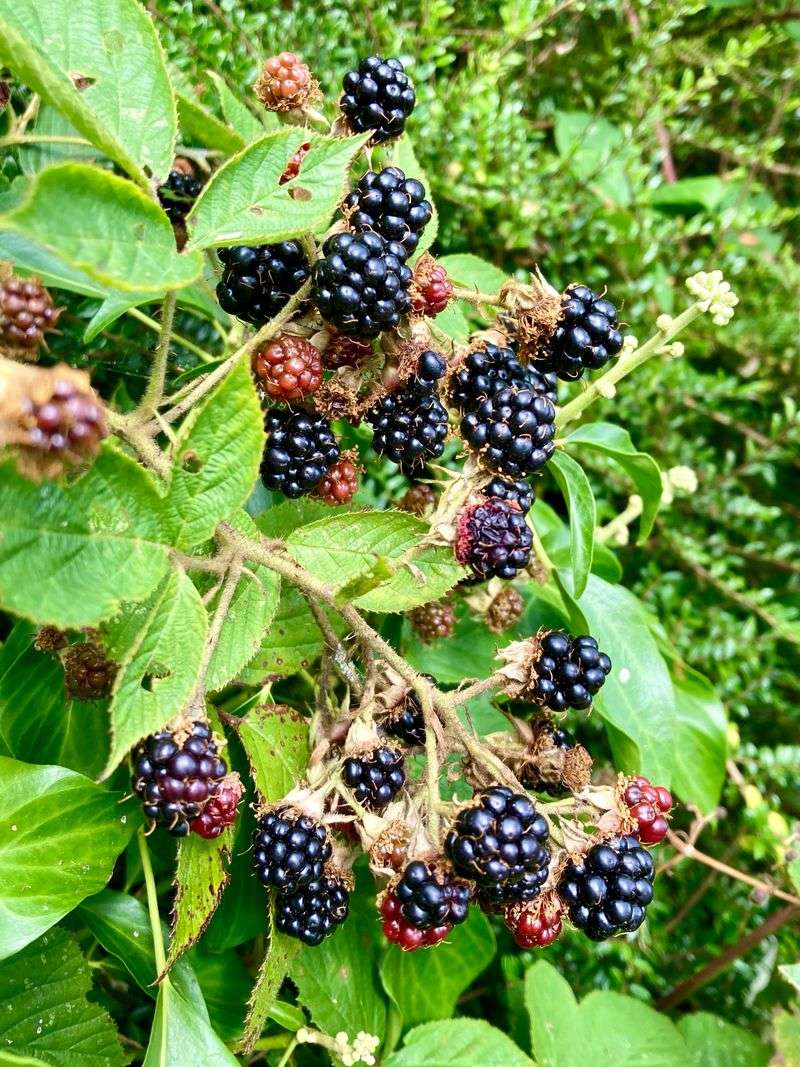
Ask anyone who grew up here about summer, and blackberry stains on a t-shirt come up fast. Planting them along a sunny driveway border brings that memory right to the front of the house.
Fruit shows up quickly with these plants. Many canes start producing within one to two years and keep going for a decade or longer with basic care.
Soil preference is straightforward. Well drained sandy loam with a pH near 6.0 to 6.5 and at least three percent organic matter gives roots what they want.
Thornless varieties changed everything for driveway plantings. Cars, bikes, and bare arms pass by constantly, so smooth canes save you a lot of scratched skin and grumbling.
Support keeps the planting looking intentional rather than wild. A simple two wire trellis or a fence panel holds canes upright and makes picking a two minute job.
Blackberries generally shine in the cooler parts of the state, though they perform well statewide with steady moisture. Mulch helps enormously during those dry August stretches.
Your Virginia Garden Changes Every Week. Your Plan Should Too.
Gardening in Virginia changes quickly throughout the season. Every Friday you’ll receive a simple weekly plan showing exactly what to plant, prune, fertilize, harvest, and protect so you never miss the right timing.
Harvest season runs from mid June into July across much of the state. Berries pull off cleanly when ripe, so if you have to tug, wait another day.
Prune out the canes that already fruited each year. New growth replaces them, and the row stays tidy enough for the front yard.
3. Raspberries Fit Well Along Roomy Fence Line Plantings
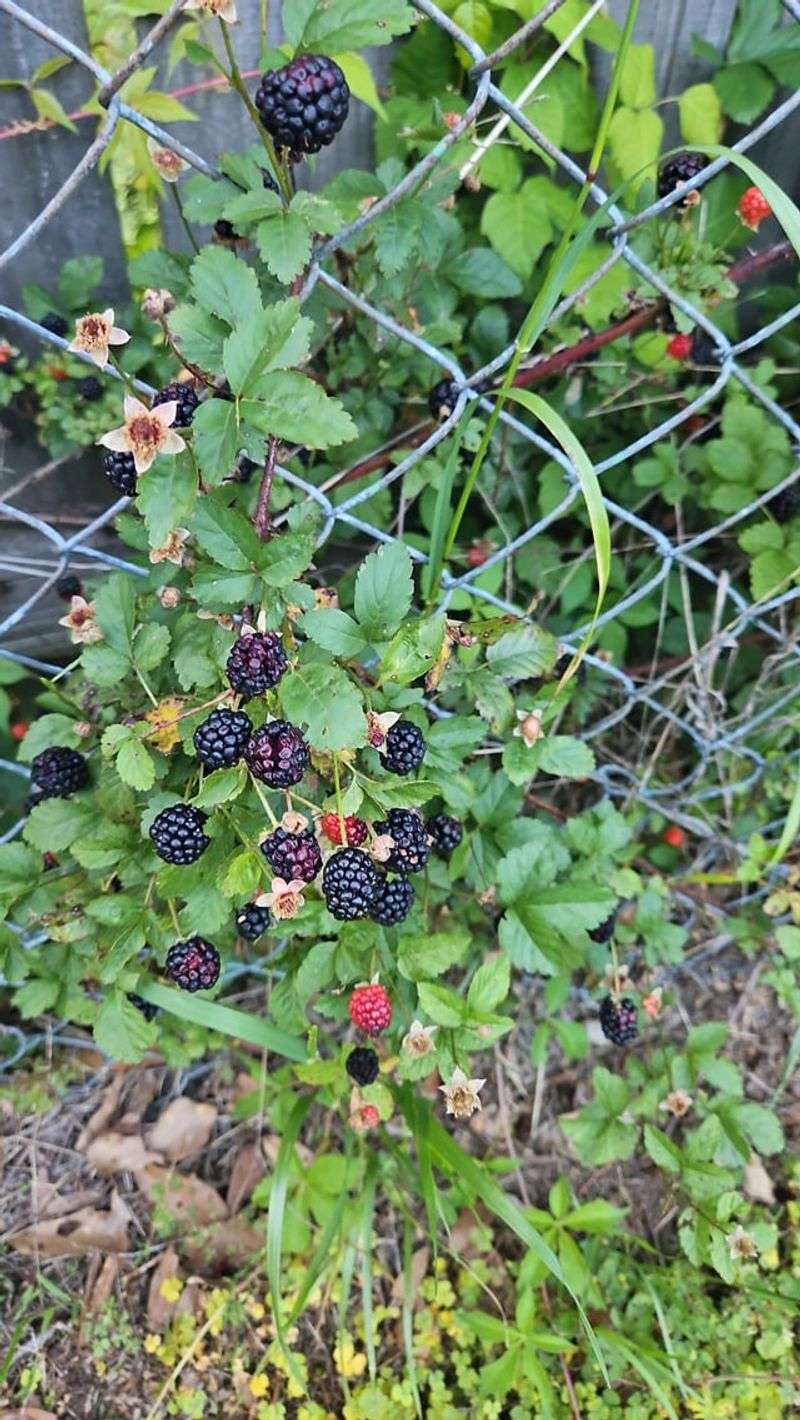
Raspberries have a habit of wandering. Red types throw up suckers all over the place, which turns a short row into a natural hedgerow within a few seasons.
Roomy fence lines suit them better than tight corners because of that spreading habit. Level ground helps too, since water running downhill washes away the shallow roots they depend on.
Raspberry roots are relatively shallow, so steady watering matters, especially from bloom through harvest. That shallow anchor means steady watering matters, roughly an inch per week from bloom through harvest for full sized berries.
Black and purple varieties behave differently than red ones. They stay in tidier clumps and appreciate a trellis or wire fence, much like blackberries do.
Warmer parts of the state tend to produce the best raspberry crops. Tying canes to fencing encourages upright growth, keeps rows neat, and makes picking far easier on your back.
Most raspberries fruit on the previous season’s canes, giving one crop each summer. A few, including Fall Gold, will even set a modest amount of fruit in mostly shaded spots.
Bare root plants are the budget friendly way to start. Set them about an inch deeper than they sat at the nursery, then trim the old cane down at ground level.
Piedmont Master Gardeners rate raspberries as one of the simpler fruits for our temperate climate.
4. Blueberries Create A Useful Edible Hedge Along Driveways
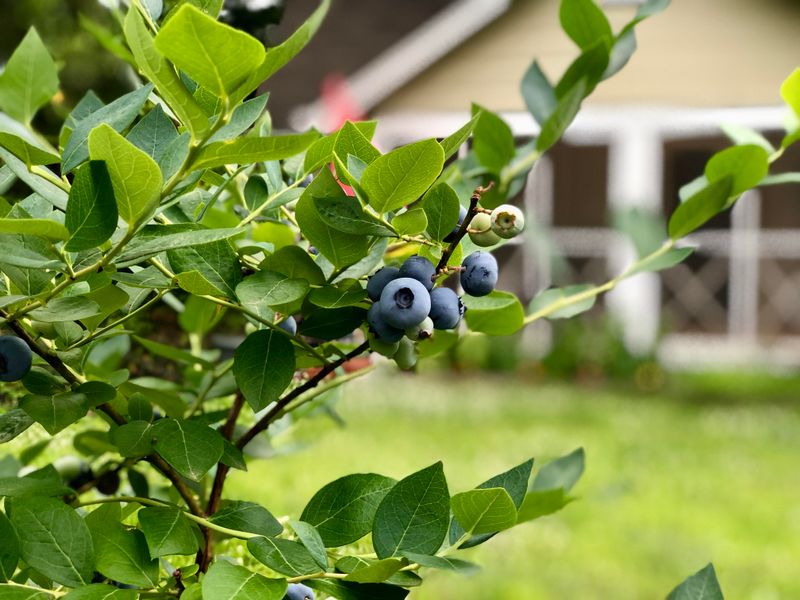
Few shrubs work as hard as a blueberry bush. Spring flowers, summer fruit, and fall leaves that shift from green into orange and deep crimson give you three seasons of interest.
As a hedge, they hold their shape without constant shearing. Lined up along a driveway, they read as an intentional design choice rather than a vegetable patch.
Acidic soil is the non negotiable part. Test the soil before planting and adjust the pH if needed; blueberries need strongly acidic soil, roughly pH 4.2 to 5.2.
Match the type to your region. Northern highbush suits the mountains and northern counties, while southern highbush and rabbiteye varieties handle the Piedmont and the eastern and southern parts of the state.
Full sun means six hours or more, and that is where the heaviest crops come from. Some varieties still yield decently in light shade around Northern Virginia, which helps on wooded lots.
Roots are shallow and fibrous, so about an inch of water weekly keeps plants comfortable, especially during that first season. Mulch holds that moisture in.
Plant at least two different cultivars. Cross pollination gives you more berries and noticeably bigger ones.
One warning from experience: birds find your bushes before you do. A lightweight net during ripening saves the harvest.
5. Strawberries Make A Low Growing Border For Narrow Spaces
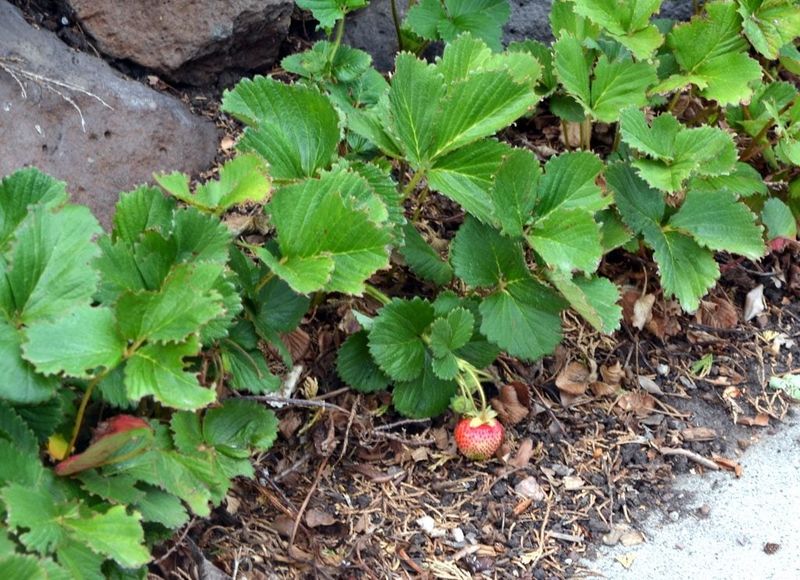
Not every strip of ground has room for a shrub. Where the pavement crowds the lawn, strawberries slip right in and cover the ground with something you can eat.
Our native Wild Strawberry, Fragaria virginiana, also goes by Scarlet or Virginia Strawberry. It spreads by runners into semi evergreen colonies that stay under six inches tall.
Adaptability is its strongest trait. Full sun or part shade both work, and it handles moist or dry, well drained soil, including ground most plants would refuse.
You have probably walked past it already. The species turns up across the state in forests, old fields, meadows, and along roadsides without anyone planting it.
Fruit size is small, but the flavor is remarkable. Those little roundish berries carry a sweetness that grocery store varieties rarely match.
White flowers open in spring and berries ripen in early summer. After harvest the foliage keeps working as a living mulch, shading out weeds beneath taller plants.
One planning note saves trouble later. Avoid spots with a history of Verticillium wilt in tomatoes, potatoes, eggplants, or other susceptible crops.
Refresh the patch every few years by thinning crowded crowns. Runners will fill the gaps faster than you expect, and the border looks lush again by midsummer.
6. Herbs Fill Small Gaps Along Driveways And Fence Lines
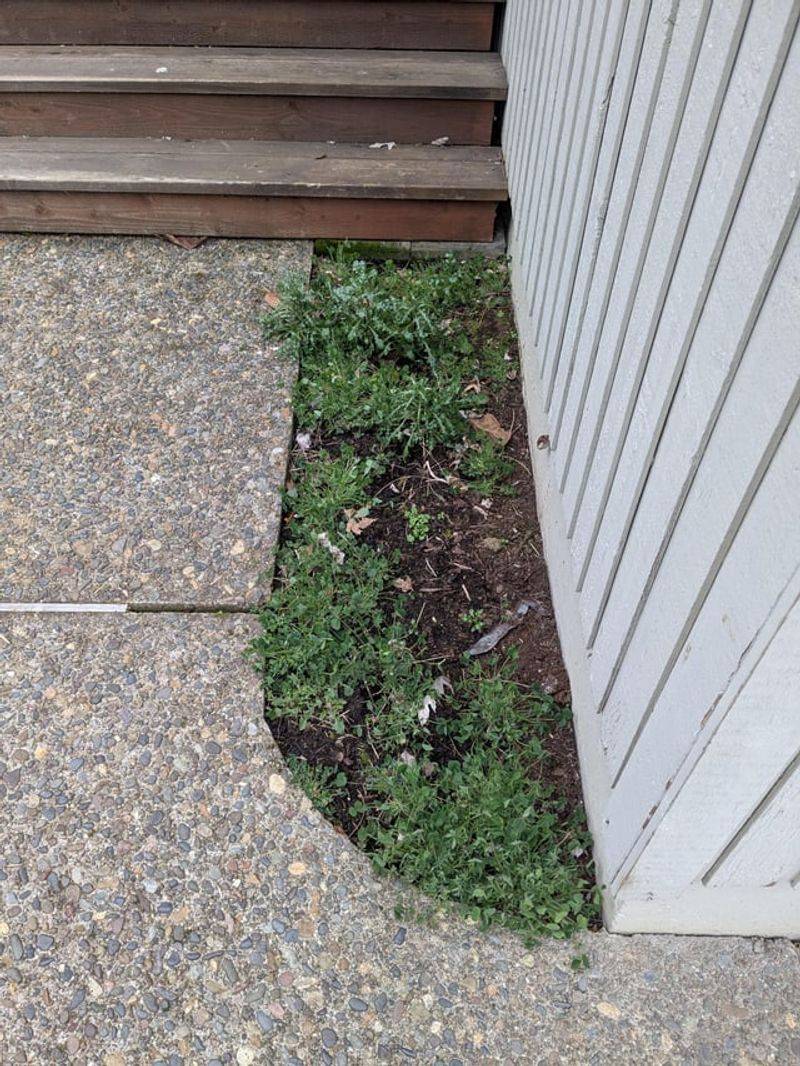
Every yard has those leftover pockets. A foot of dirt beside the mailbox post, a gap where a shrub used to sit, the sunny sliver between pavement and fence.
Herbs fill those spaces without asking for much. Basil, thyme, and rosemary top the list for anyone easing into edible landscaping because they are tough and endlessly useful in the kitchen.
Thyme handles foot traffic and heat radiating off asphalt better than most plants. Let it creep over the edge of a driveway and it releases scent whenever someone brushes past.
Rosemary grows into a small evergreen shrub in warmer parts of the state. In colder counties, treat it as a container plant you can move to shelter during hard freezes.
Basil wants richer soil and regular water, so tuck it where a downspout keeps things damp. Pinch the tops often and it stays bushy instead of shooting up flower stalks.
Drainage beats fertility with most herbs. Sandy or gravelly spots that frustrate other plantings often produce the most flavorful leaves.
Vertical tricks apply here too. Wall pockets or a narrow rail planter on the fence keeps mint contained and puts oregano at hand height.
Edible landscaping has deep roots and herbs are the easiest entry point. Start with three pots and see what disappears into dinner first.
7. Currants Bring Edible Fruit To Partly Shaded Fence Borders
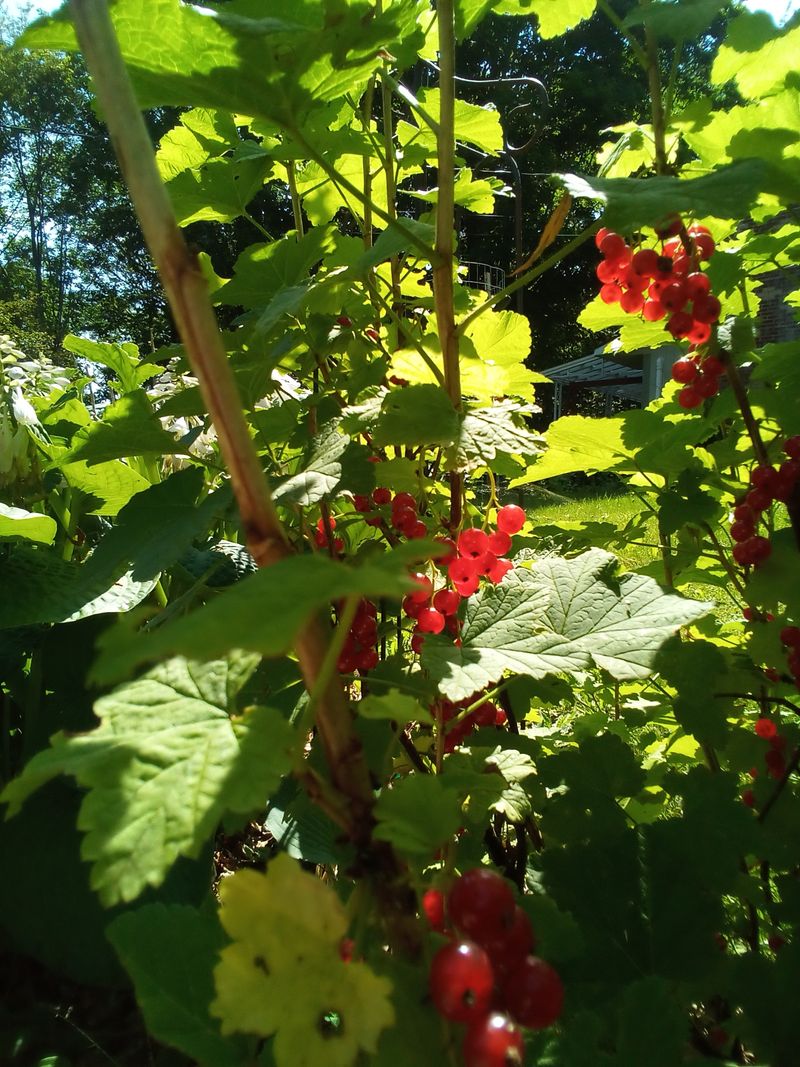
Shade along a fence line usually means hostas and hope. Currants change that math by producing real fruit where the sun only visits part of the day.
Members of the Ribes family do their best work with partial shade and decent soil. Morning sun paired with afternoon protection suits them nicely in our warmer zones.
Certain red currant varieties tolerate moderate shade well, which makes them a smart pick for garden edges and north facing borders.
Before you shop, know the rules. Currants and gooseberries are restricted in some areas of the state because of white pine blister rust.
Check with your local Virginia Cooperative Extension office before planting.
Looks are part of the appeal. Branches strung with translucent red berries catch light like small glass beads, and the dense growth forms a respectable privacy screen.
Soil preferences lean toward well draining, slightly acidic to neutral ground. Heavy clay works as long as it holds moisture without turning into a puddle.
Cold hardiness is another plus, and the shrubs adapt to urban conditions surprisingly well. City lots and townhouse fence lines suit them fine.
Pruning keeps production up. Removing older, thicker branches each dormant season pushes the plant toward fresh wood, which is where the best clusters form.
Try the fruit in jelly first. The tartness mellows into something wonderful.
8. Ground Cherries Add Compact Edible Growth To Sunny Beds
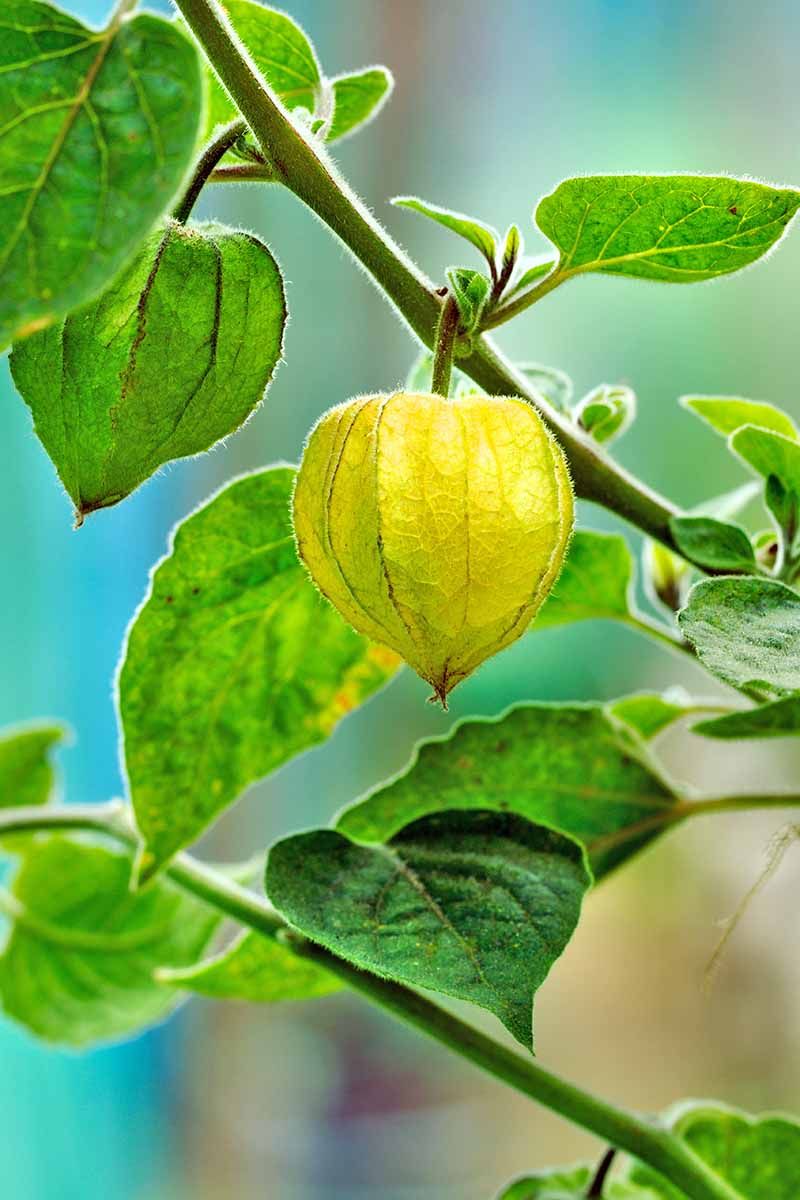
Here is a fruit that wraps itself in a paper lantern. Ground cherries belong to the nightshade family alongside cherry tomatoes and tomatillos, and the husked fruit is half the fun.
Our native Virginia Ground-cherry, Physalis virginiana, is a low perennial reaching roughly two feet tall. It spreads by rhizomes and self seeds willingly, so give it a defined bed.
Partial shade keeps it happiest, though full sun works fine when the soil drains well. The plant returns each year in USDA zones 6 through 9.
Flowers droop like pale yellow bells. Each one becomes a single berry inside a papery husk that ripens to bright orange.
One caution matters. Only the ripe yellow orange fruit is edible, and every other part of the plant is considered toxic, so teach children which pieces to leave alone.
Sprawl is the main design challenge. A tomato cage or short trellis keeps stems upright and stops the planting from flopping across the driveway.
Mulch underneath does two jobs. Fallen fruit stays clean and easy to collect, and soil moisture holds steady through summer.
The growing season runs long, so start seeds indoors several weeks ahead of the last frost date for your part of the state.
Flavor lands somewhere between pineapple and vanilla. Guests never guess correctly.
9. Serviceberries Suit Wider Driveway Landscapes With Room To Grow
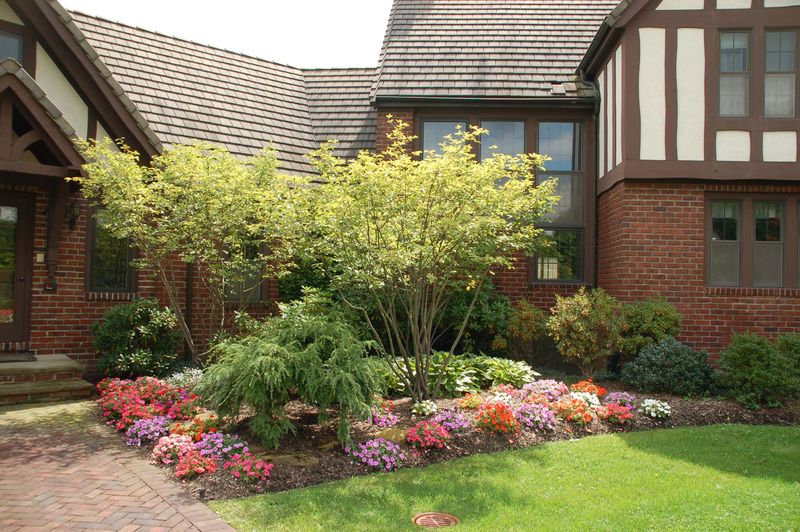
Long before supermarkets, folks around here watched serviceberry blossoms to know spring had arrived. The tree still puts on that white show every April, right when the yard needs it most.
Amelanchier species work as small trees or large shrubs, depending on how you prune. That flexibility makes them a strong pick for wider driveway landscapes with actual room.
Adaptability is a real strength. Plants set generous crops even in part shade or filtered light, which helps along tree lined properties.
Soil wise, they lean toward moist, well drained, slightly acidic ground. Once established, they tolerate drier spells better than most fruit trees.
Canadian Serviceberry, Amelanchier canadensis, has a loyal following among native pollinators, songbirds, and people who like free breakfast. Berries taste like blueberries with a hint of almond.
Year round appeal seals the deal. Spring flowers, June fruit, orange fall color, and smooth gray bark carry the planting through every season.
Skip planting near Eastern Red Cedar. The two hosts share a rust disease, and separating them saves you from spotted leaves and dropped fruit.
Native edible species like these fit naturally into landscapes because they evolved with our rainfall patterns and soil.
Fair warning about the harvest. Birds move fast, so pick every other morning once color deepens.
10. Pawpaws Work Best Along Spacious Property Edges
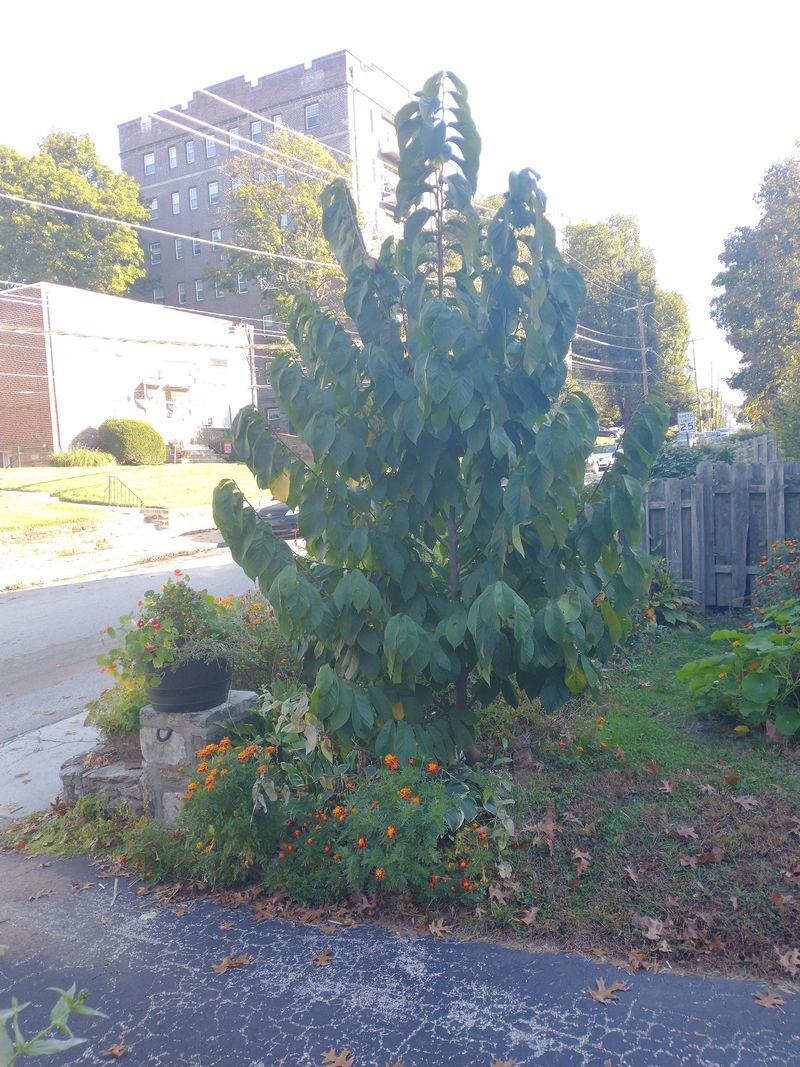
Taste a ripe pawpaw and you will wonder why it is not in every grocery store. The custardy flesh lands somewhere between banana and mango, which feels impossible for a native fruit.
Size dictates placement. Trees reach up to 30 feet tall with a similar spread, so spacious property edges beat cramped front beds.
Hedge style plantings work too, with trees spaced five to ten feet apart. The big drooping leaves create a lush, almost tropical screen.
Soil should stay moist, fertile, and well draining with a pH between 5.5 and 7.0. Partial shade through full sun both suit them, though filtered light is the minimum for flowering.
Pollination requires planning. Two unrelated trees must grow near each other for fruit to set, so buy at least a pair from different sources.
Patience pays off in four to five years. Harvest arrives from late summer into early fall, generally August through October.
Pawpaws form patches naturally by sending up root suckers. Mow around the edges if you want to keep the grove from expanding.
Deer and rabbits leave them alone, which is a rare gift in yards. Their deep roots also hold streambanks together during heavy rain.
Nurseries specializing in edible plants, including Edible Landscaping in Afton, carry grafted varieties worth the drive.