How To Invite More Owls To Your New York Yard To Help Keep Mice Away
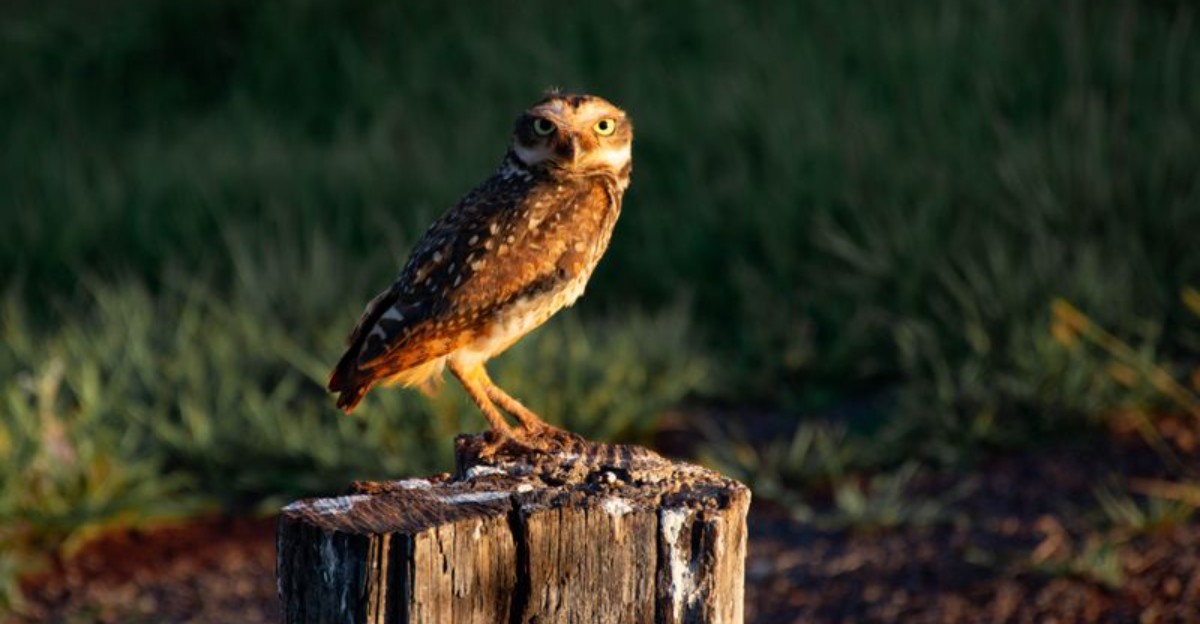
A soft whoo drifting through the trees might mean your yard has a new nighttime visitor. Owls are the backyard’s quiet hunters, slipping through the dark in search of mice and other small prey while most of us are inside.
You don’t need a huge property or a wild forest edge to make your yard more inviting. Owls are mainly looking for a few basics: safe cover, a high perch to watch from, and enough prey to make the visit worthwhile.
Many New York yards already sit close to the habitats these birds use. A few thoughtful changes can make your property much more appealing to them.
Once you know what these nighttime hunters look for, that familiar call from the trees starts to sound less like a mystery and more like a sign that your yard is becoming a place wildlife wants to visit.
1. Add Dense Native Cover For Safer Owl Hunting
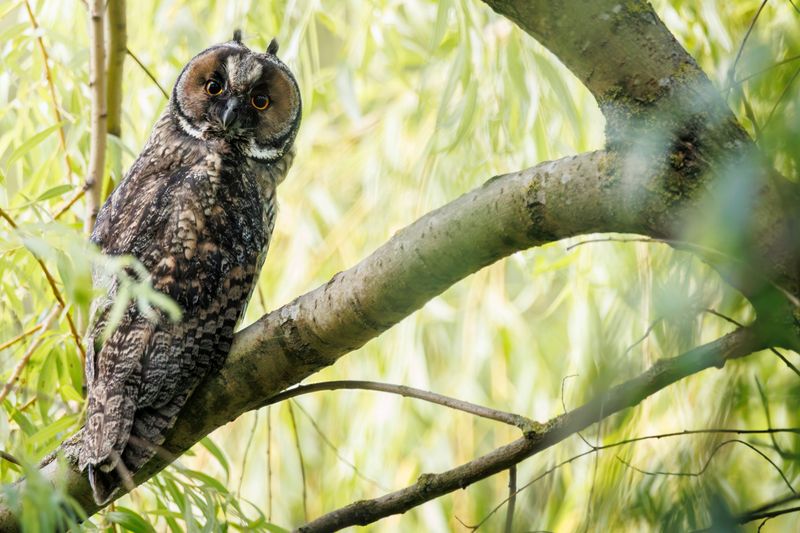
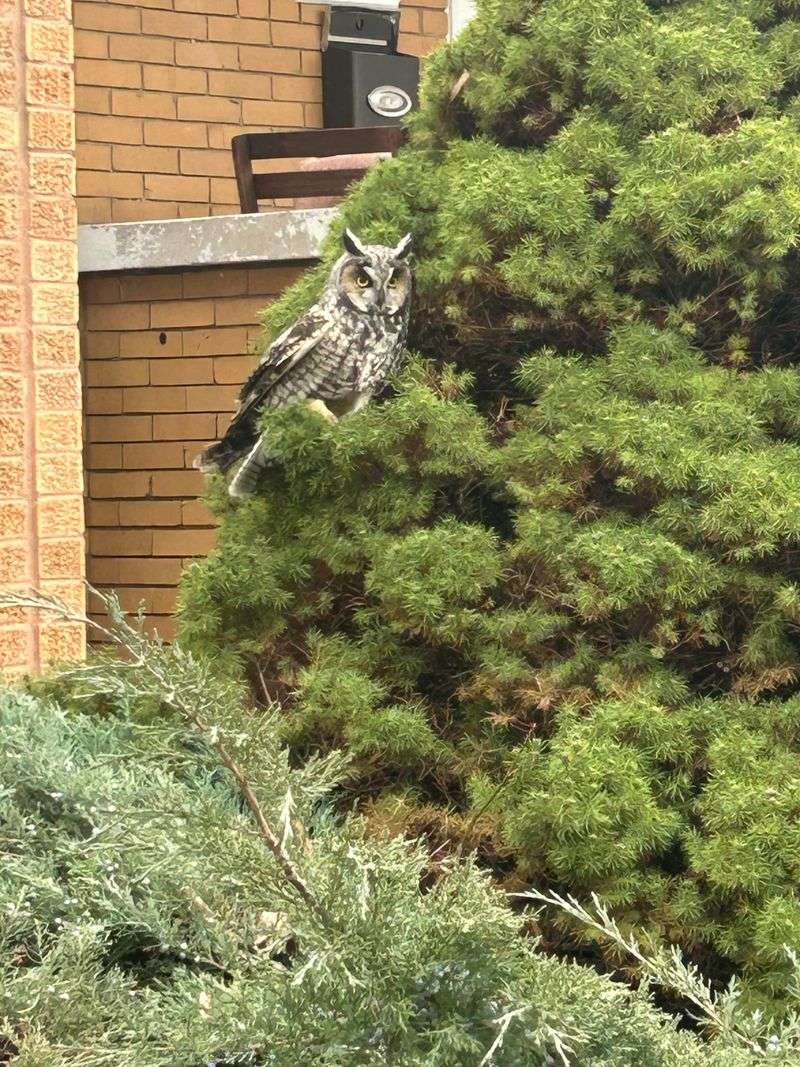
Owls spend most of the daylight hours sitting still, and they want thick branches hiding them while they do it. Evergreens are the gold standard for that kind of daytime shelter.
White pine, spruce, eastern red cedar, and juniper hold their needles through the cold months, blocking wind, rain, and wet snow. In upstate New York, where February gusts cut hard, that shelter matters more than almost anything else you can plant.
Existing trees deserve first priority. A mature tree already offers roosting branches, nest sites, and insect life that feeds the smaller birds and mammals owls hunt.
Under the tall stuff, add a middle layer. Serviceberry, dogwood, witchhazel, and highbush blueberry build height steps between the lawn and the canopy.
Those layers do double duty. Owls use lower branches as staging spots when swooping on prey, and songbirds use the same shrubs for nesting and shelter.
Try planting evergreens in clusters of three or five instead of single spaced specimens. Grouped trees create a shady pocket that feels protected rather than exposed.
Edges are magic for hunting. A line of dense cover beside open lawn or meadow gives an owl a place to perch and a clear view of movement below.
Give new plantings a couple of seasons to fill in. Patience pays off, and many homeowners notice their first roosting owl once the shrub layer gets thick enough to hide a bird the size of a coffee can.
2. Leave Some Natural Areas For Better Wildlife Habitat
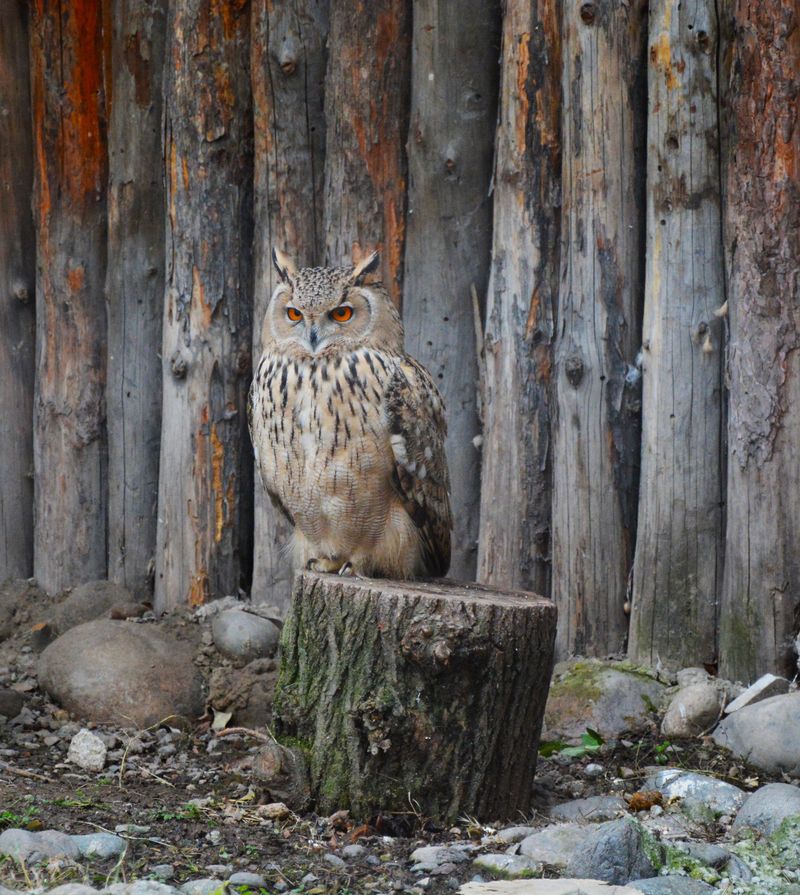
Tidy yards look great in photos, but owls tend to skip them. A yard with a few wild corners feeds far more wildlife than one mowed flat from fence to fence.
Wildlife biologists describe good habitat in three layers: tall canopy trees above, small trees and shrubs in the middle, and herbaceous plants near the ground. Most lawns have only the top layer, if that.
Start small by letting one back section grow long. Tall grass and wildflowers shelter voles, mice, and shrews, which happen to be the main menu items for owls.
Your New York Garden Changes Every Week. Your Plan Should Too.
Gardening in New York changes quickly throughout the season. Every Friday you’ll receive a simple weekly plan showing exactly what to plant, prune, fertilize, harvest, and protect so you never miss the right timing.
Mowing a neat path around the edge keeps the look intentional. Neighbors read a mowed border as a design choice rather than neglect.
Brush piles are another easy win. Stack branches, sticks, and fallen leaves into a loose mound about waist high, tucked near the tree line.
Small mammals move in quickly, and owls learn where those hot spots sit. Think of it as setting the dinner table a polite distance from the house.
Fallen logs, leaf litter, and standing seed heads all add to the mix. Insects thrive there, insects feed rodents and birds, and owls follow the whole chain.
Across New York, so much former farmland and meadow has been turned into pavement and turf. Even a modest wild patch of a hundred square feet gives night hunters a reason to circle back tomorrow.
3. Create Perches Where Owls Can Watch The Yard
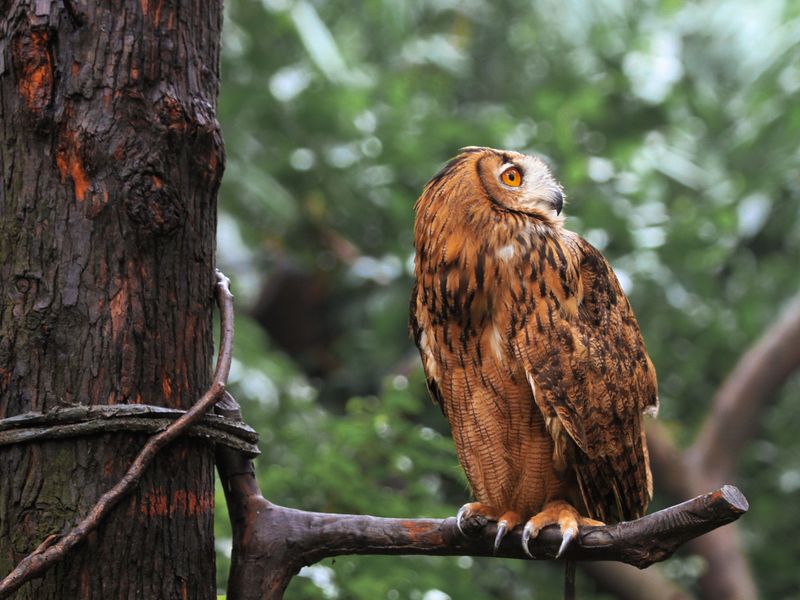
Hunting takes energy, so owls prefer to sit and let dinner walk by. A high, open perch turns your yard into an easy workplace for them.
Bare branches on older trees work beautifully. So do fence tops, tall posts, and the exposed limbs sticking above a hedgerow.
Got a standing snag, meaning a tree that has lost its leaves for good? Leaving it upright, if it poses no hazard to people or buildings, greatly raises your odds of hosting an owl.
Cavities in snags matter too. Screech owls and barred owls both nest and roost inside hollow openings rather than building stick nests.
If snags are scarce, sink a sturdy post with a crossbar on top. Six to twelve feet of height with a clear sightline over open ground does the trick.
Nest boxes fill the gap where old trees are missing. Mount boxes for small owls at least eight to twelve feet up, or around ten feet in shadier spots.
Where barn owls occur, their larger boxes are typically placed fifteen to twenty feet high in open fields, barns, or other suitable agricultural areas.
Position boxes facing open fields or meadows where rodents are plentiful. Barn owls hunt farmland edges across much of rural New York, and a well placed box near hay fields or pasture can attract a nesting pair within a season or two.
4. Reduce Rodent Hiding Spots Around Buildings
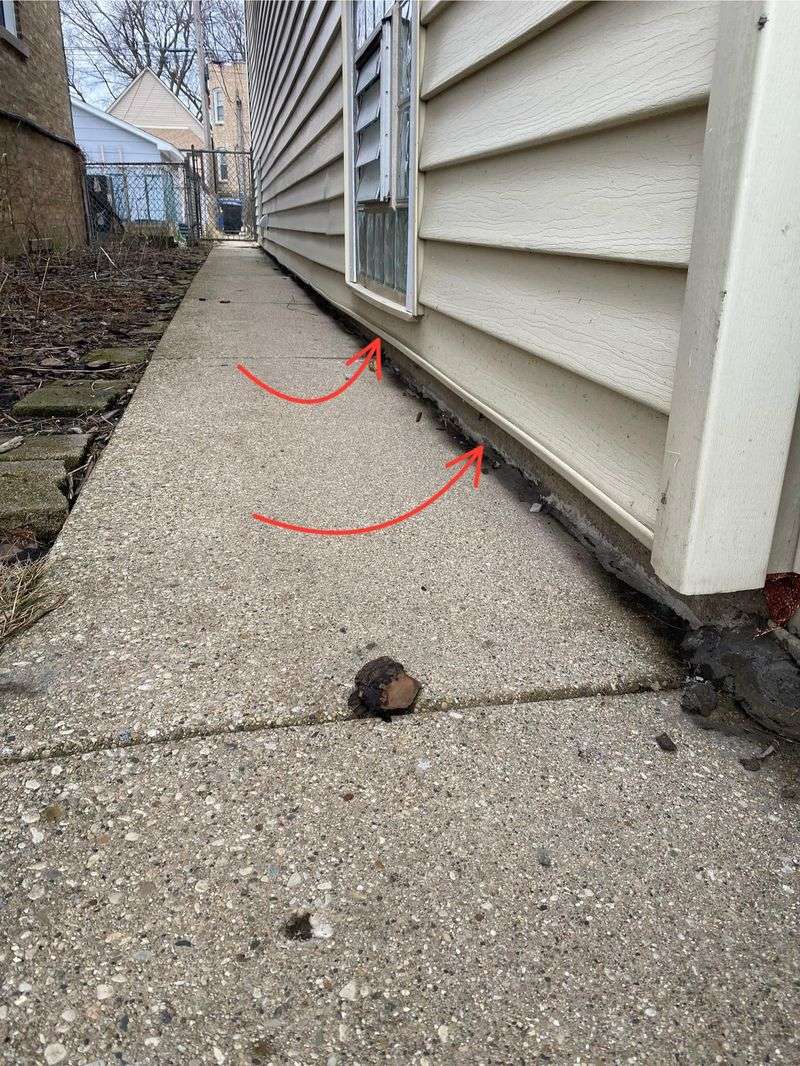
Here is the balancing act: you want mice in the yard for the owls, but not inside your walls. Location makes all the difference.
Owls hunt in the open, so prey needs to live where wings can reach it. Rodents nesting under your porch steps are invisible to a hunting bird and expensive for you.
Start by moving clutter away from the foundation. Firewood stacks, leaf piles, and stored lumber pressed against siding give mice a private hallway indoors.
Shift those materials twenty or thirty feet out, ideally near your brush pile. Prey stays available to owls while your basement stays quiet.
Seal the small openings next. Gaps around pipes, dryer vents, and sill plates can be stuffed with steel wool and covered with hardware cloth.
Trim shrubs so they do not press directly against walls. A gravel or mulch strip about a foot wide around the base of the house helps too.
Secure food sources that draw crowds. Spilled birdseed, uncovered compost, and open pet food bowls create rodent hubs right beside your door.
Store seed in metal cans with tight lids and sweep under feeders weekly. Plenty of homeowners find that this one habit cuts indoor mouse activity sharply.
The end result is a yard with prey in the open field and none in the attic. Owls can help keep outdoor rodent populations in check while your building remains protected with proper exclusion.
5. Protect The Food Chain Owls Depend On
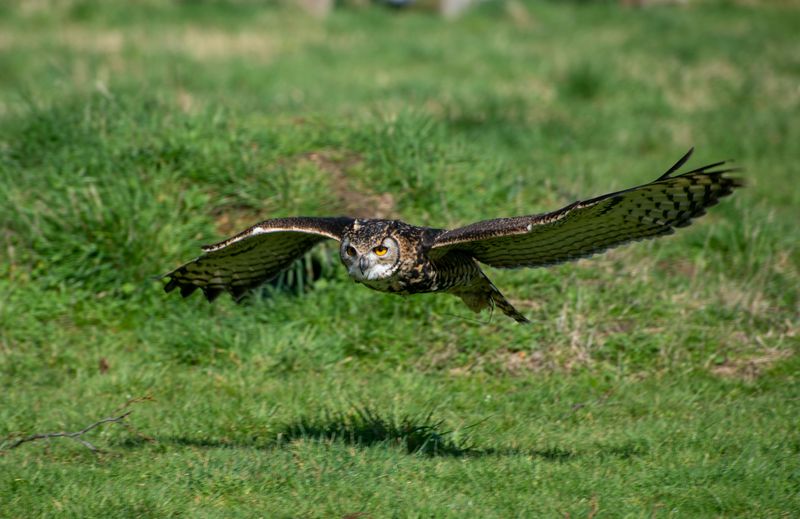
A single barn owl family can consume hundreds of rodents during a nesting season when prey is abundant. That appetite only works if the prey base stays strong.
Owls across the state feed mostly on small mammals: meadow voles, white footed mice, chipmunks, ground squirrels, and the occasional rat. Insects, frogs, and small birds fill in the gaps.
Healthy prey numbers depend on plants. Seeds, berries, nuts, and green shoots feed rodents, and rodents feed the night hunters overhead.
Leaving seed heads standing through winter keeps that engine running. Goldenrod, aster, coneflower, and native grasses hold food long after the first frost.
Acorns matter enormously in woodlands. Oak trees drop mast that supports mice, chipmunks, and squirrels, which is one reason barred owls thrive near mature oak stands.
Water helps as well. A shallow basin or small backyard pond supports insects, amphibians, and the mammals that drink there.
Try resisting the urge to remove every mole run or vole tunnel from the lawn. Those tunnels signal a working ecosystem, and owls read them as an invitation.
Short-eared owls hunt open grasslands in places like the Hudson Valley and western New York, following vole cycles from field to field. Their presence signals a food web functioning the way it should.
Feed the base of the pyramid, and the top takes care of itself. Owls show up where groceries are reliable.
6. Skip Excess Chemicals That Disrupt Backyard Wildlife
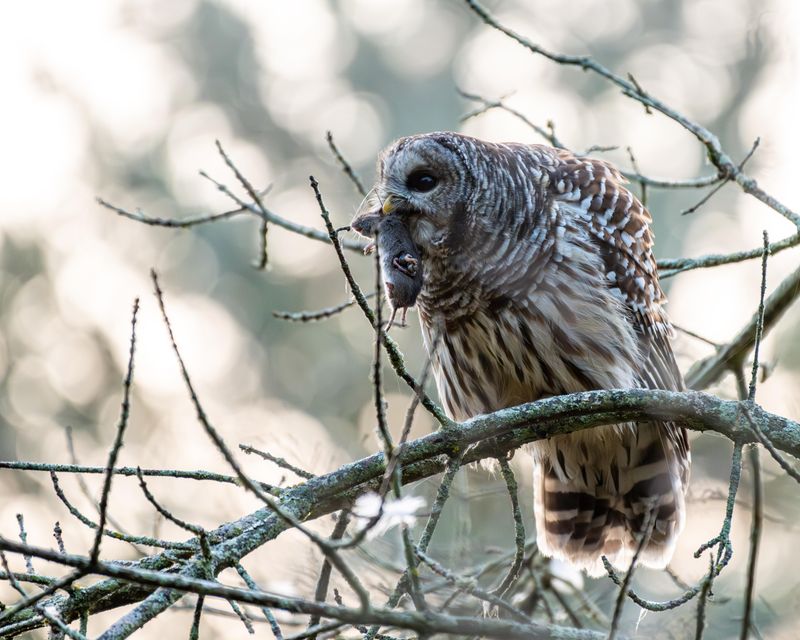
Rodent bait blocks are a serious concern because poisoned rodents can expose owls and other predators to secondary poisoning. A poisoned mouse stays active for days, and it is exactly the slow, stumbling prey an owl grabs first.
That is secondary poisoning, and it works its way up the food chain silently. Owls, hawks, foxes, and family pets all end up exposed.
Retiring rodenticides is the strongest pro owl move you can make. Snap traps inside buildings, sealed entry points, and tidy storage handle indoor problems without risk to wildlife.
Broad insecticides deserve a second look too. Spraying for mosquitoes or lawn grubs wipes out the insects that feed birds, shrews, and toads.
Herbicides thin out the plant variety that shelters prey. Bare, chemically managed turf supports very little living underneath it.
Runoff carries the problem downstream. Fertilizers and pesticides applied in yards can reach streams, lakes, and drinking water sources after a heavy rain.
Compost, mulch, and aged manure build soil without the side effects. Healthier soil grows deeper roots, and deeper roots handle drought better than any spray bottle can.
Spot treatment beats blanket spraying if you must intervene. Pull weeds by hand, accept a few chewed leaves, and let predators do their job.
Owls need a couple of seasons to notice the change. Once the food supply is clean and steady, they tend to stick around your neighborhood.
7. Welcome More Native Plants For More Wildlife
Many North American land birds rely heavily on insects to feed their chicks, which is one reason native plants support diverse wildlife. More bugs means more songbirds and more rodents, which means more owls.
Native species have shared this landscape with local wildlife for ages. Caterpillars recognize their leaves, bees recognize their flowers, and the whole system clicks together.
Oaks lead the pack for sheer wildlife value. Hickories, red maples, sugar maples, and white pines rank high as well.
Shrubs bring the mid layer to life. Serviceberry, chokeberry, dogwood, witchhazel, inkberry, and highbush blueberry offer fruit through several seasons.
Down low, goldenrods and asters keep pollinators fed into fall. Wild ginger and foamflower fill shady ground where lawn struggles anyway.
Eastern red cedar earns a spot twice, offering berries plus the thick evergreen roosting cover owls favor.
Start with one bed instead of remaking everything. Convert a ten by ten patch of turf, mulch it well, and add five or six native species.
Local nurseries and native plant sales carry regional stock suited to your soil and hardiness zone. Staff there can steer you toward plants that thrive on your particular slope or shade.
Layer by layer, your yard becomes real habitat rather than decoration. Owls notice places like that, especially where development has left little else nearby.