Why New York Plants Are Wilting Despite Regular Watering This Summer
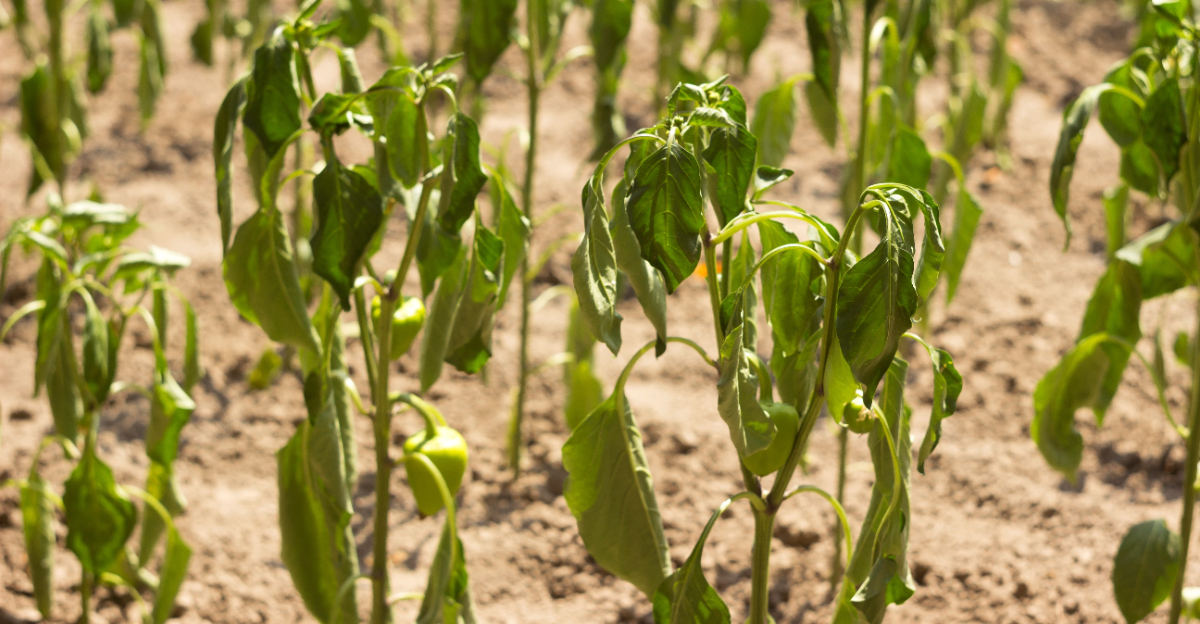
You did everything right this morning, and your plants are still wilting anyway. At this point you are starting to take it personally.
New York summers humble even experienced gardeners, and this one is no exception. Wilting is not always a cry for water, sometimes something deeper is off, and pouring more on the problem only masks it.
Soil that looks moist on top can be bone dry two inches down. Roots sitting in midday heat have a harder time doing their job than most people expect. Even the time of day you water can quietly sabotage an otherwise solid routine.
If your garden is struggling despite your best efforts, the answer is probably not more water. It is understanding what water alone simply cannot fix in this heat.
When Regular Watering Is Not Enough To Keep Garden Plants Healthy
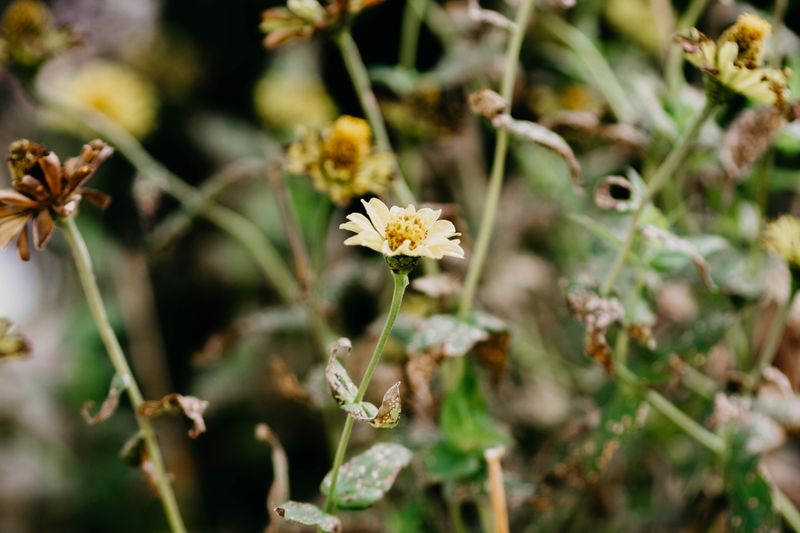
Your watering can is full, your schedule is consistent, and your plants still look defeated. That is one of the most discouraging moments in the garden.
Watering regularly sounds like the right move. But plants need more than moisture to stay upright and healthy during extreme heat.
Think of a plant like a straw drawing liquid upward. When air temperatures soar past 90 degrees, many plants struggle to pull up moisture as fast as they lose it.
New York plants are wilting despite regular watering this summer because evaporation outpaces absorption. Water leaves the leaves faster than roots can pull it in.
The stomata, tiny pores on leaves, open wide in heat to cool the plant. That process releases water vapor rapidly, draining the plant from the inside out.
Even if you water twice a day, the plant may still lose moisture faster than it gains it. Frequency alone is not the full answer.
Root depth matters too. Shallow roots cannot access cooler, moister soil layers during a heat wave. They sit in hot, dry topsoil that bakes quickly.
Healthy plants need consistent deep watering, not just surface sprinkles. A slow soak reaching six to eight inches down makes a real difference.
Watering at the wrong time compounds the problem. Midday watering evaporates before roots absorb it, wasting your effort and stressing the plant further.
Understanding why watering falls short is the first step. The next step is learning what heat actually does to your garden.
How High Temperatures Affect Plant Moisture Levels In New York Gardens
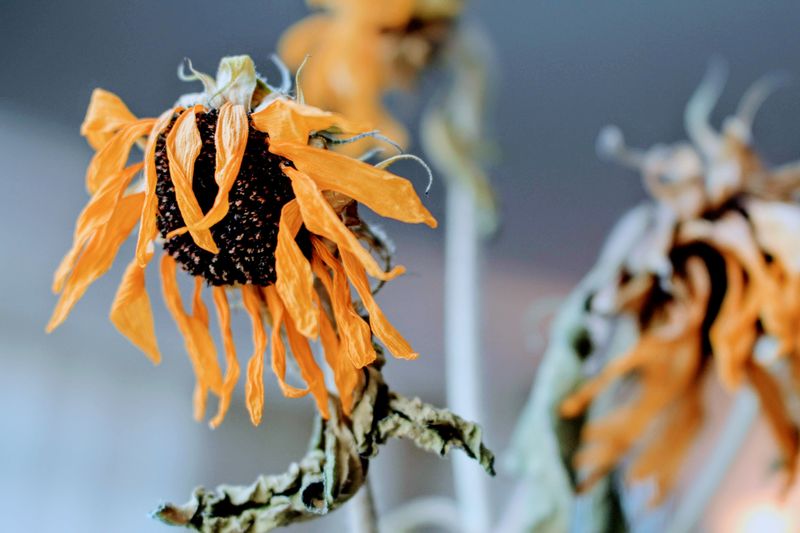
Heat is sneaky. It does not just warm the air around your plants. It actively pulls moisture out of every leaf and stem.
When temperatures climb above 85 degrees Fahrenheit, most common garden plants begin to struggle. Above 95 degrees, many begin to slow their growth and conserve energy to cope.
Plants manage heat through transpiration, which is basically sweating. They release water vapor through their leaves to lower their internal temperature.
A single tomato plant can lose close to a quart of water through transpiration on a particularly hot day. That is a staggering amount.
Your New York Garden Changes Every Week. Your Plan Should Too.
Gardening in New York changes quickly throughout the season. Every Friday you’ll receive a simple weekly plan showing exactly what to plant, prune, fertilize, harvest, and protect so you never miss the right timing.
The soil surface heats up fast in direct sun, sometimes reaching temperatures far hotter than the air above it. Roots sitting in that hot zone suffer silently.
Hot soil also dries out at an accelerated rate. Water you pour in the morning may be completely gone by noon on a 95-degree afternoon.
Plants in containers face even greater challenges. Pots absorb and radiate heat, cooking roots from the outside in ways ground soil never would.
Concrete and asphalt in urban areas create a heat island effect. City gardens can run several degrees hotter than suburban or rural gardens nearby.
That extra heat amplifies moisture loss dramatically. A plant that handles heat well in a suburban yard may have a harder time on a Brooklyn patio.
Recognizing how temperature hijacks moisture is empowering. Once you see the pattern, you can start fighting back with smarter strategies.
Soil Conditions That Make Watering Less Effective During Heat Waves
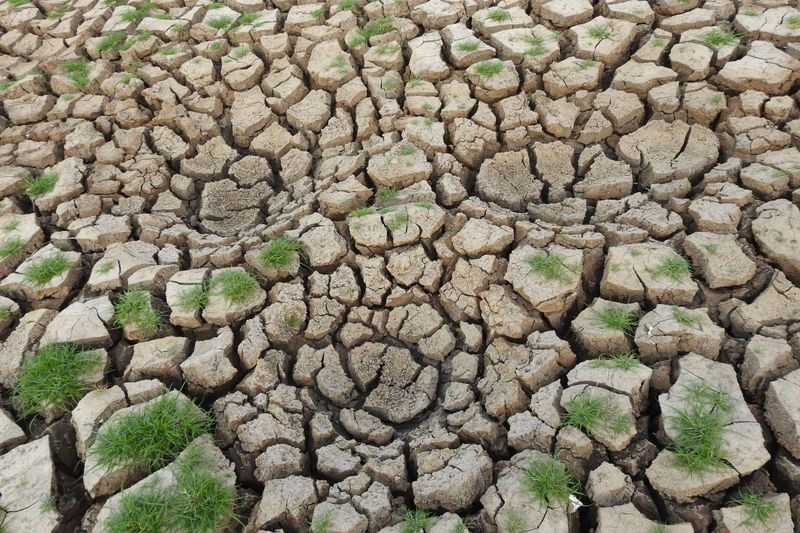
Not all soil is created equal, and summer heat exposes every weakness fast. Soil that looks fine in spring can become a problem by July.
Compacted soil is one of the biggest hidden culprits. Water hits the surface and runs off sideways instead of soaking down to the roots.
Clay-heavy soil, common in many parts of the Northeast, bakes hard in heat. Water can pool on the surface and drain slowly instead of reaching roots efficiently.
Sandy soil has the opposite issue. Water drains through so quickly that roots barely get a chance to absorb anything before it disappears downward.
Both extremes leave plants vulnerable during a heat wave. The solution in both cases involves improving soil structure with organic matter like compost.
Hydrophobic soil is another sneaky problem. When soil dries out completely, it can actually repel water, causing it to bead up and roll away.
You can test this easily by pouring a small amount of water onto dry soil. If it pools and takes more than a minute to soak in, your soil may be hydrophobic.
Breaking hydrophobic conditions requires slow, repeated watering over several days. A wetting agent mixed into the soil can also help restore absorption.
Mulch is your best ally against soil moisture loss. A two-to-three inch layer of organic mulch cuts evaporation dramatically and keeps roots cooler.
Fixing your soil is not glamorous work, but it changes everything. Better soil means every drop of water you give actually reaches where it belongs.
Signs Your New York Plants Are Heat Stressed And Not Just Thirsty
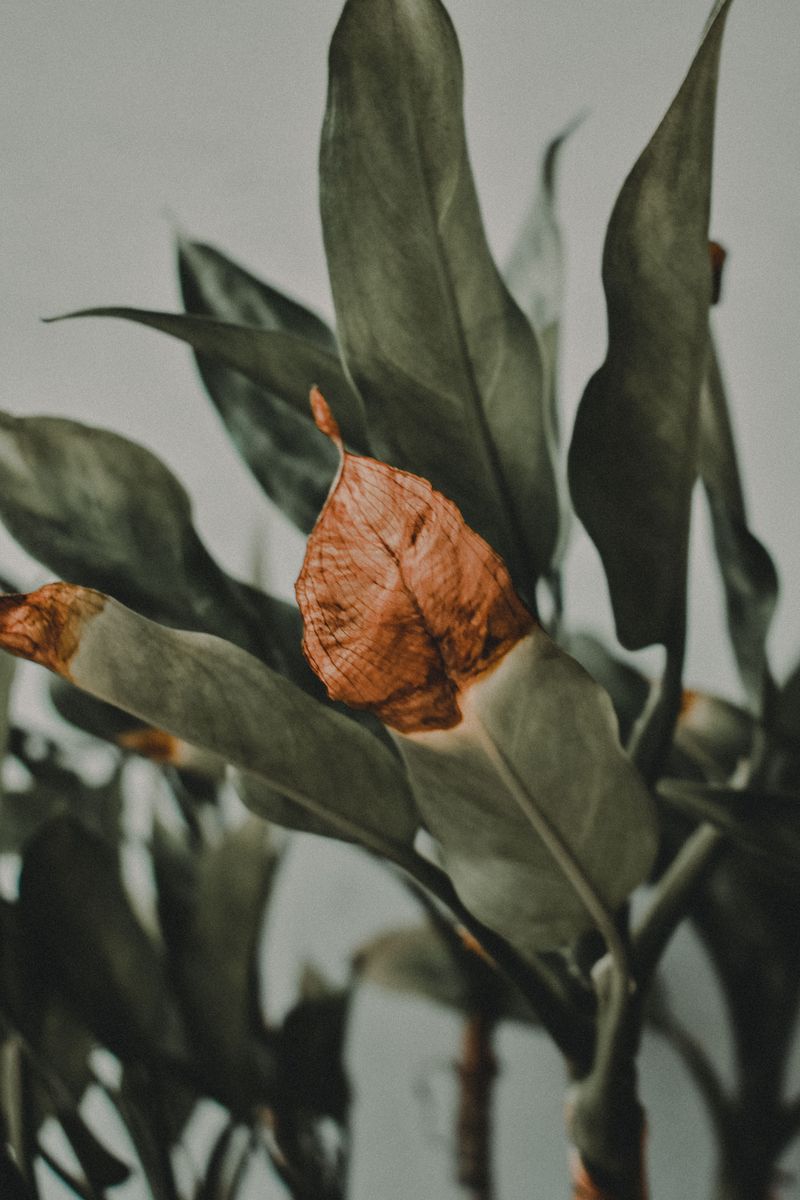
Wilting looks the same whether a plant needs water or needs shade. Knowing the difference can save you from making things worse.
A thirsty plant often perks back up relatively quickly after a thorough watering. A heat-stressed plant stays droopy even after a thorough soak.
Leaf curl is another clue. Plants curl their leaves inward to reduce the surface area exposed to sun, cutting down on moisture loss.
Scorched or bleached patches on leaves signal sun damage, not dehydration. Pouring more water on a sunburned plant will not reverse that kind of damage.
Brown, crispy leaf edges often mean salt buildup or root damage from overheating. Adding more water in that situation can actually make root stress worse.
Yellowing lower leaves combined with wilting often point to root problems. Roots damaged by heat cannot transport water efficiently, even when the soil is moist.
Flower drop is a dramatic heat stress signal. Plants shed blossoms to conserve energy when they are overwhelmed, even if they were perfectly healthy days before.
Checking soil moisture before watering is always the smart first move. Stick a finger two inches into the soil. If it feels damp, the plant does not need more water.
Overwatering a heat-stressed plant is a common and damaging mistake. Soggy roots in hot soil create ideal conditions for root rot to take hold fast.
Reading your plants correctly is a skill that grows with practice. Once you spot the real signals, your response becomes far more targeted and effective.
Watering Techniques That Actually Help Plants Survive Summer Heat
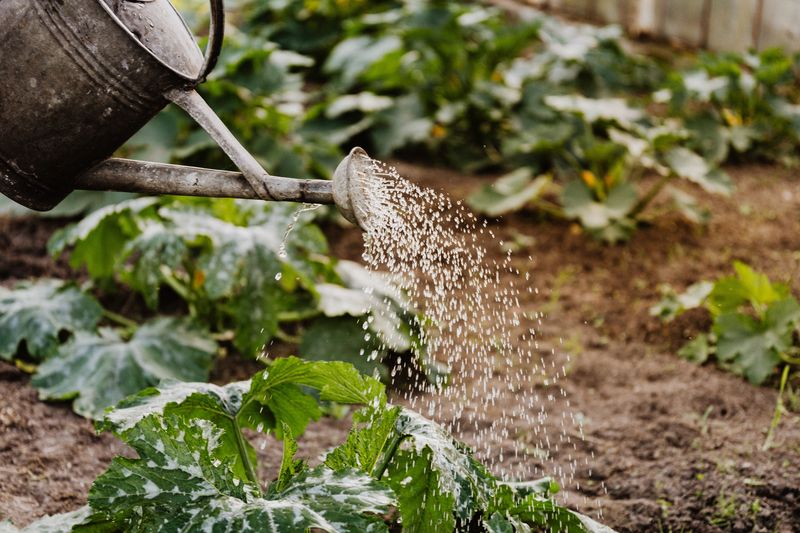
Smarter watering beats more watering every single time during a heat wave. Technique matters as much as frequency when temperatures climb.
Early morning watering is the golden rule. Watering in the early morning gives roots time to absorb moisture before the heat peaks.
Evening watering is the second-best option when mornings are not possible. Avoid late-night watering though, since wet foliage overnight can encourage fungal growth.
Deep, slow watering beats shallow, frequent sprinkles every time. Aim for water to reach at least six inches below the surface to encourage deep root growth.
Drip irrigation is one of the most effective tools for summer gardens. It delivers water directly to the root zone, significantly reducing evaporation compared to overhead watering.
Soaker hoses work similarly and are far more affordable. Laid along the base of plants, they release water slowly and steadily where it counts most.
Mulching around plants after watering locks in that moisture for hours. It acts like a lid on the soil, slowing evaporation dramatically through the hottest part of the day.
Grouping plants together helps too. Clustered plants create a microclimate with slightly higher humidity, reducing the rate at which each individual plant loses moisture.
Shade cloth is an underrated weapon against summer wilting. A 30 to 50 percent shade cloth draped over vulnerable plants cuts heat stress significantly.
Small changes in how you water can transform your garden’s resilience. The goal is not just survival but thriving through the hottest weeks ahead.
Other Factors Behind Summer Wilting That Watering Cannot Fix
Sometimes the problem has nothing to do with water at all. Other forces are quietly working against your garden this summer.
Pests like spider mites thrive in hot, dry conditions. They damage plant tissue so efficiently that even a well-watered plant can wilt from their feeding alone.
Root-knot nematodes are microscopic worms that attack roots underground. A plant with severely damaged roots struggles to absorb water even when the soil is adequately moist.
Fungal diseases love the combination of heat and humidity that summer brings. Root rot, in particular, destroys a plant’s ability to take up water from the inside.
Nutrient deficiencies can mimic drought stress surprisingly well. A plant low in potassium or magnesium may wilt and look parched even when soil moisture is adequate.
Pot-bound plants are another overlooked issue. When roots circle the inside of a container with no room to expand, water absorption becomes severely limited.
In heavily polluted urban areas, particulate buildup on leaf surfaces can occasionally interfere with how plants breathe and manage moisture.
Reflected heat from walls, fences, and pavement can create localized hot zones far hotter than open garden spaces. Plants near south-facing brick walls take the hardest hit.
Overcrowded planting leads to intense root competition. Neighboring plants fight for the same water and nutrients, leaving weaker specimens wilted and struggling.
Addressing these hidden stressors alongside smarter watering gives your garden the full support it deserves during the toughest stretch of summer.