What It Really Means When Blue Jays Won’t Leave Your Texas Yard This September
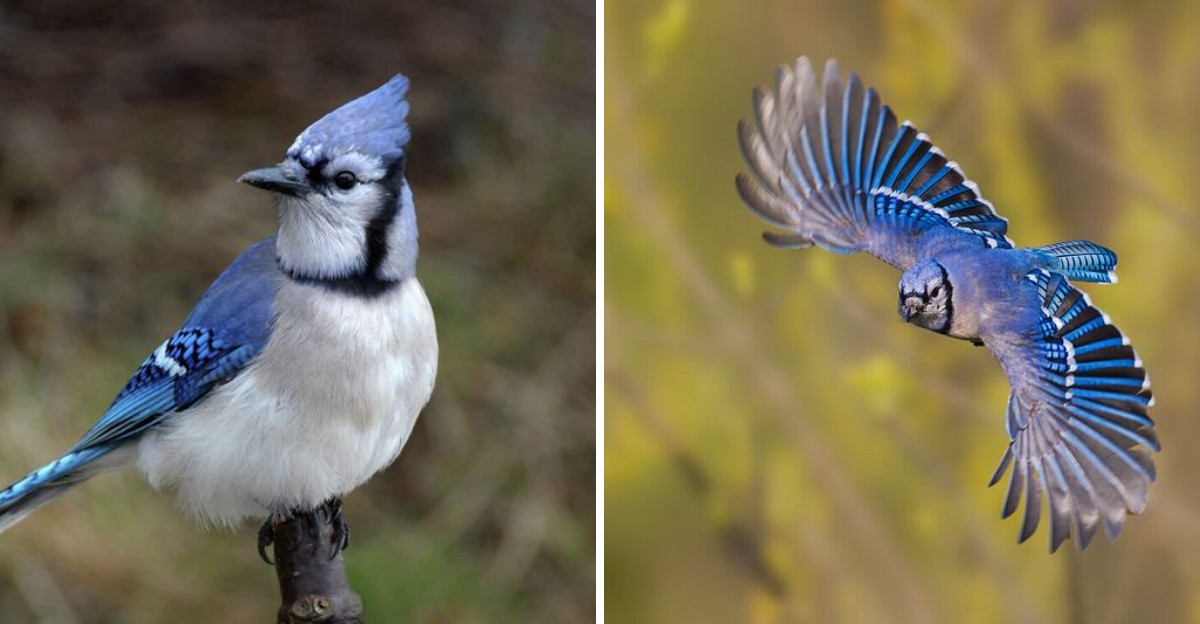
Blue jays are not subtle visitors. When they’re in a Texas yard, you know it. Loud, bold, and impossible to overlook, they announce themselves from the moment they arrive.
But if blue jays have been unusually persistent in your Texas yard this September, staying longer, appearing in greater numbers, and returning more frequently than feels normal, that behavior is telling you something specific.
September blue jay activity in Texas is driven by real seasonal pressures that make this month one of the most purposeful in their annual calendar.
The yards they concentrate in right now are offering something these birds need urgently.
Understanding what that is reveals something genuinely interesting about your trees, your yard, and the biological rhythms playing out in your neighborhood this fall.
1. They Found A Steady Food Source In Your Yard
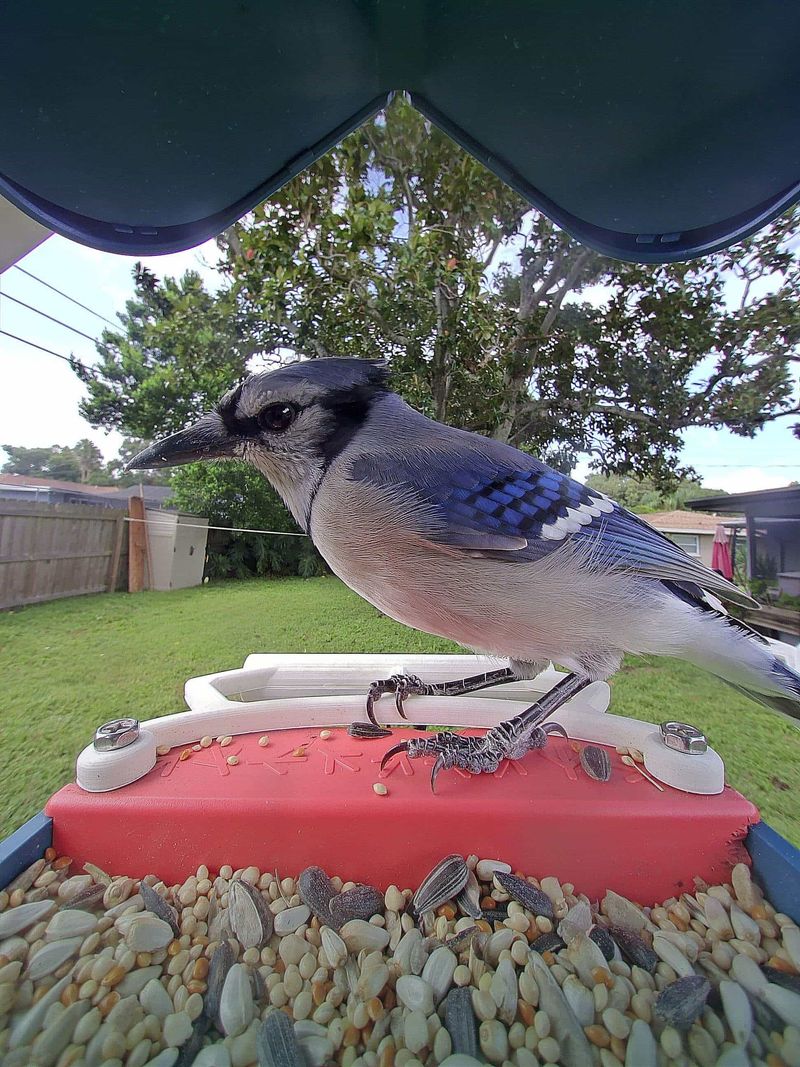
Food is usually the number one reason blue jays hang around a yard. When these birds discover a reliable buffet, they mark it as home base and return again and again.
Blue jays love peanuts, sunflower seeds, acorns, and corn. If your feeder stays full or your oak trees drop plenty of acorns in September, you have basically opened a restaurant they cannot resist. They remember exactly where the good stuff is.
These birds are also famous for hiding food. A single blue jay can store thousands of seeds and nuts each fall. So when they linger in your yard, they may be busy stashing snacks for the colder months ahead.
You can keep them happy by offering whole peanuts in the shell or a tray feeder with mixed seeds. They enjoy having space to grab and go, since they often carry food away to hide it somewhere safe.
Fresh water helps too. A shallow birdbath gives them a spot to drink and cool off during warm Texas afternoons. Clean it every few days so the water stays fresh and inviting.
If you want fewer squirrels stealing the treats, try a baffle on your feeder pole. Blue jays will still find plenty, and you will save money on seed.
Watching them plan ahead is honestly fun. Every trip they make shows how smart and organized these birds really are.
When your yard becomes their pantry, expect daily visits and lots of noisy chatter as they claim their favorite spots.
2. Your Yard Feels Safe And Protected
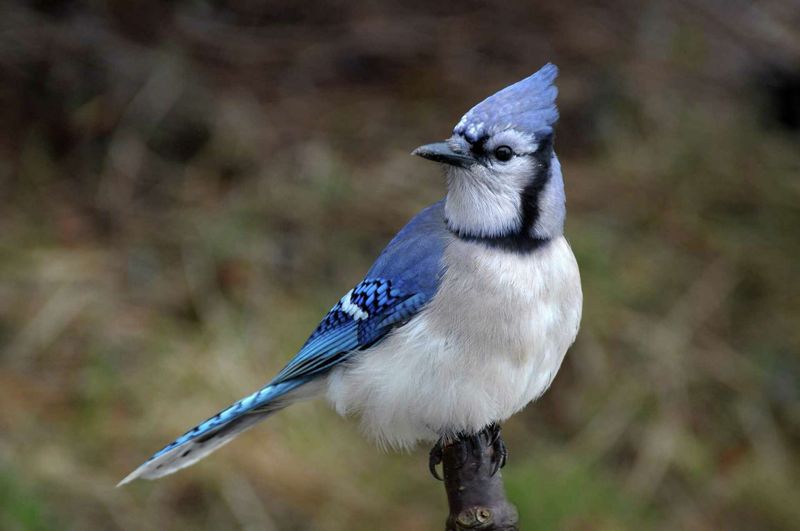
Safety matters a lot to birds, and blue jays are picky about where they feel comfortable. If they refuse to leave, your yard probably feels like a fortress to them.
Tall trees, thick shrubs, and leafy branches give blue jays places to hide from hawks and other predators. When they know they can duck into cover fast, they relax and stay longer.
These birds are also loud watchdogs. They often scream a warning when danger shows up, and other birds listen. A yard where they can perch high and scan the area suits their protective personality perfectly.
You can make your space even safer by planting native Texas trees like live oaks or cedar elms. These offer shade, shelter, and food all in one, which blue jays absolutely appreciate.
Your Texas Garden Changes Every Week. Your Plan Should Too.
Gardening in Texas changes quickly throughout the season. Every Friday you’ll receive a simple weekly plan showing exactly what to plant, prune, fertilize, harvest, and protect so you never miss the right timing.
Keep cats indoors if you can. Outdoor cats scare birds away and make a yard feel risky. A calm, cat-free zone tells blue jays they can settle in without worry.
Avoid trimming every bush down to nothing. Some wild, bushy corners give birds the cover they crave. A slightly messy garden edge can become their favorite hideout.
They also like having several escape routes. Open perches near thick cover let them see trouble coming and dash to safety in seconds.
When a yard checks all these boxes, blue jays treat it like home. Their constant presence is a compliment, really.
It means you built a place where they feel bold, comfortable, and totally at ease, which is exactly what these confident birds want.
3. They Are Raising Or Guarding Young Ones Nearby
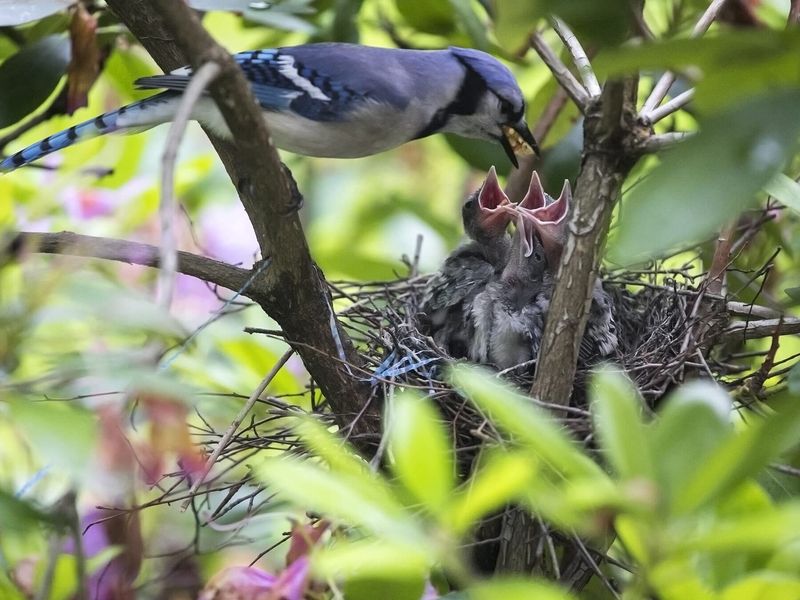
Sometimes blue jays stick around because they have family business to handle. Late nesting season can stretch into early fall, and parents stay close to protect their young.
Blue jays are fiercely devoted parents. If a nest or a group of fledglings sits in or near your yard, the adults will hover nearby to watch over them. Leaving would mean abandoning their babies, and they simply will not do that.
Young jays learn slowly. They follow their parents around for weeks, begging for food and practicing their flying skills. Your yard might just be their classroom this September.
You may notice extra noise during this time. Fledglings make squeaky, pleading calls, and parents answer back constantly. All that chatter is normal family talk.
To help, keep your feeders stocked with easy foods like peanuts and seeds. Tired parents appreciate a quick meal so they can spend more time guarding their kids.
Give them space and avoid getting too close to any nest you find. Blue jays defend their territory boldly and may swoop at anything they see as a threat, including people.
Leave water out for the whole family. Baby birds and busy parents both need to drink and cool off on warm afternoons.
Watching young jays grow up is a treat. They start out clumsy and end up as confident, striking birds.
If your yard hosts a jay family this fall, you get a front-row seat to one of nature’s sweetest shows, complete with plenty of loud, proud parenting.
4. Cooler Weather Is Coming And They Sense It
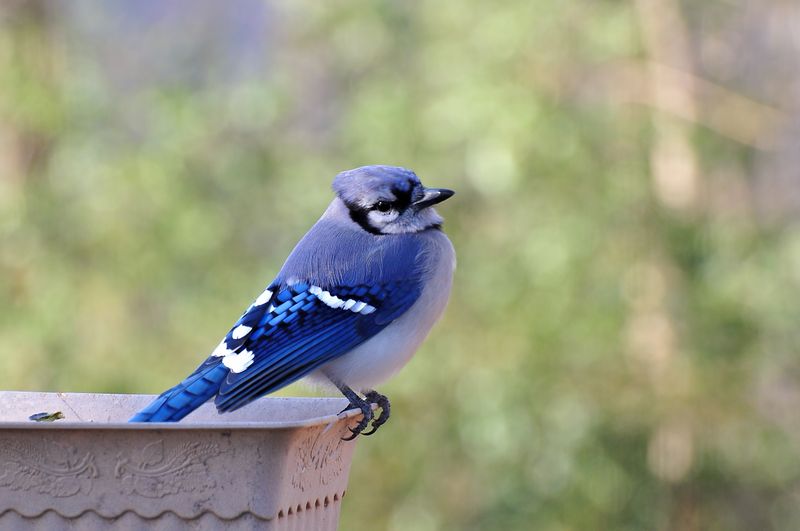
Blue jays are surprisingly good at reading the seasons. When September rolls in, they often kick into high gear because they feel the shift toward cooler days.
These birds prepare for fall by gathering and hiding tons of food. Their sudden burst of yard activity may mean they sense colder weather approaching and want to stock up while supplies last.
Texas autumns can be mild, but blue jays still plan ahead. They bury acorns and nuts all over, creating hidden pantries they will dig up later when food gets harder to find.
You might spot them flying back and forth, cheeks stuffed with peanuts. Each trip is part of their careful survival strategy, and your yard may be a key part of the plan.
Help them out by offering high-energy foods now. Peanuts, sunflower seeds, and suet give them the fuel they need to build up their stashes and stay strong.
Keep an eye on the acorn crop from your oak trees. A big acorn year draws even more jays, since these nuts are one of their all-time favorite foods.
Their hoarding actually helps nature. Forgotten acorns often sprout into new oak trees, so blue jays quietly plant forests without even trying.
When you see them working hard in September, you are watching instinct in action. They cannot check a weather app, yet they somehow know change is coming.
That steady preparation keeps them busy in your yard, day after day, as they get ready for whatever the season brings next.
5. Your Trees Offer The Perfect Perch And Roost
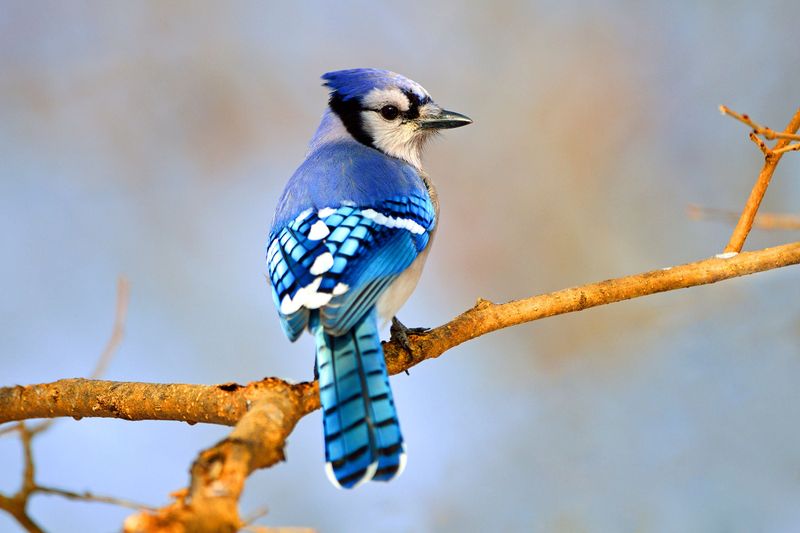
Blue jays love a good lookout spot, and your trees might offer exactly what they want. A high, sturdy perch gives them a clear view of everything below.
From up high, these birds watch for food, danger, and other jays. If your yard has tall trees with strong branches, it becomes their favorite command center.
They also use trees for roosting at night. A safe, leafy spot where they can tuck in and sleep is worth returning to again and again.
Blue jays often gather in loose groups during fall. Your trees may become a meeting place where several birds hang out, call to each other, and keep watch together.
You can encourage this by keeping mature trees healthy. Avoid heavy pruning during nesting and roosting seasons so the birds keep their comfy perches.
Different heights help too. Blue jays like having tall trees for lookout duty and lower shrubs for quick cover. A mix of both makes your yard extra appealing.
Notice where they land most often. That favorite branch is probably their throne, the spot with the best view and the easiest escape route.
Native Texas trees like pecans and oaks do double duty. They provide perches and food, which is a combination blue jays find hard to beat.
When birds pick your trees as their home base, they treat the whole yard as their turf. Their bold calls from up above are their way of announcing they own the place.
Enjoy the show, because a well-treed yard rarely stays quiet for long with jays around.
6. They Are Defending Their Territory From Other Birds
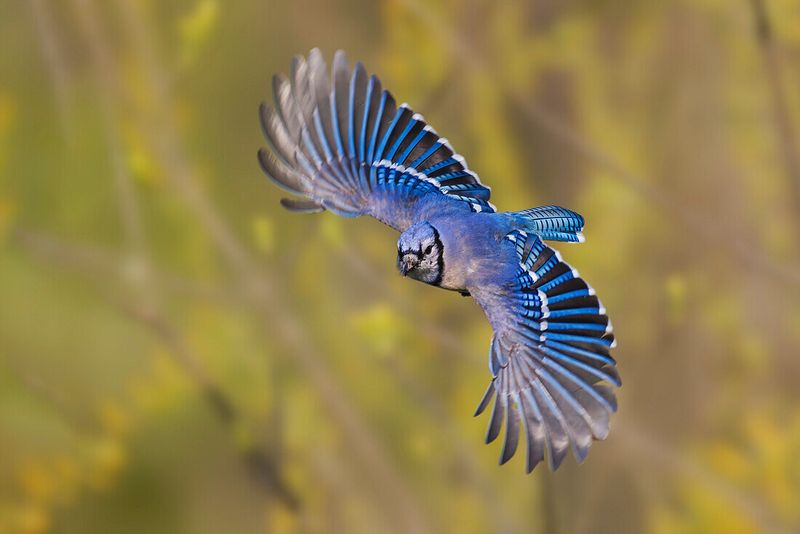
Blue jays have a bold, no-nonsense attitude when it comes to their space. If they refuse to leave, they may be busy guarding the yard they claimed as their own.
These birds can be a little bossy. They chase off squirrels, other birds, and anything else that tries to raid their favorite feeder or hangout spot.
Once a blue jay decides a yard belongs to it, it defends that turf with loud calls and quick dives. Backing down is not really their style.
You might see them puff up, spread their wings, and screech at intruders. It looks dramatic, but it is just their way of saying stay away from my stuff.
Their territorial nature actually protects smaller birds sometimes. When jays sound the alarm about a hawk or cat, everyone in the yard benefits from the warning.
To keep the peace, try spreading out multiple feeders. More stations mean less fighting, and shy birds get a chance to eat without a bossy jay in charge.
Give them their own peanut spot if you can. A dedicated tray of their favorite treats may satisfy them enough to leave other feeders alone.
Watch how they interact with squirrels. Blue jays and squirrels often battle over the same nuts, creating some pretty entertaining backyard drama.
Their confidence is honestly impressive for a bird their size. They stand their ground against much bigger creatures without hesitation. When jays guard your yard so fiercely, it means they value it highly.
That loyalty comes with plenty of noise, but also a lively, entertaining backyard full of personality.
7. Some People See Them As A Sign Of Good Luck
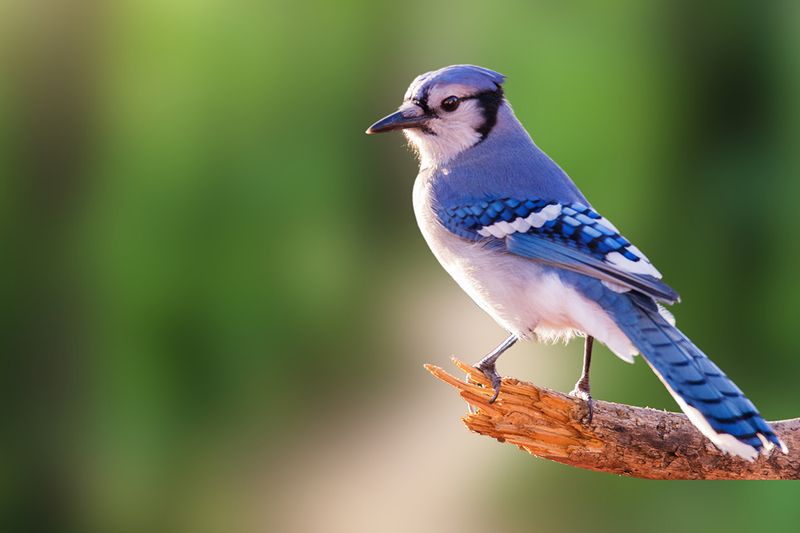
Beyond food and shelter, some folks believe blue jays carry a deeper meaning. For years, people have seen these bright birds as messengers of good things.
In many old beliefs, a blue jay visiting your yard stands for confidence, energy, and protection. Their bold nature makes them a symbol of standing tall and speaking up.
Some people feel that a jay lingering nearby is a reminder to stay strong during tough times. Whether or not you believe it, the idea is a nice one to hold onto.
Their brilliant blue color has always caught human eyes. Many cultures link the color blue to peace, clarity, and calm, which adds to the bird’s special reputation.
You do not have to be superstitious to enjoy this. Simply watching a jay brighten your yard can lift your mood on an ordinary September day.
Take it as a gentle nudge to slow down and notice nature. Birds like these remind us that beauty is often right outside our windows.
If you like the idea, keep a little journal of your bird visits. Writing down when the jays appear can turn birdwatching into a fun, meaningful habit.
Share the sightings with kids or neighbors too. Stories about lucky birds spark curiosity and get people excited about the wildlife around them.
Whether you see them as lucky charms or just clever, gorgeous birds, blue jays add something special to a yard.
Their steady presence this fall can feel like a small gift. So next time one refuses to leave, smile and welcome the company it brings.