Why Faded Coneflowers Should Stay In Your Garden Instead Of Being Cut Back
Wilted stems trick you into thinking the season is over. Beneath those faded blooms, you’ll find creatures settling in for shelter. Ladybugs you disturb now lose hollow stalks meant for winter.
Bees you overlook burrow into pithy canes until spring. Butterflies you might miss hide inside curled, browning leaves. Seed heads you dismiss as messy feed finches through lean weeks.
Sparrows near you depend on that stubborn tangle for calories. Frost soon turns your brittle stalks into fragile winter apartments. Cutting now strips your garden of food, shelter, and camouflage.
You gain healthier soil and stronger pollinator activity by waiting. Your instinct says tidy, but that urge misleads you now. Patience rewards you with a livelier, more resilient garden.
Timing matters more than tidiness for you once temperatures drop. Waiting costs you little beyond a slightly wilder looking yard. Skip the pruners this month and watch what moves toward you.
1. Songbirds Treat Seed Heads Like A Snack Bar
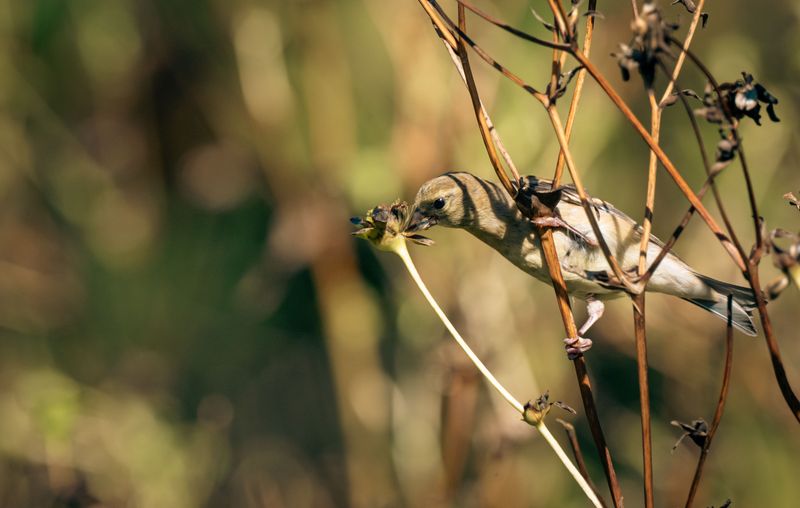
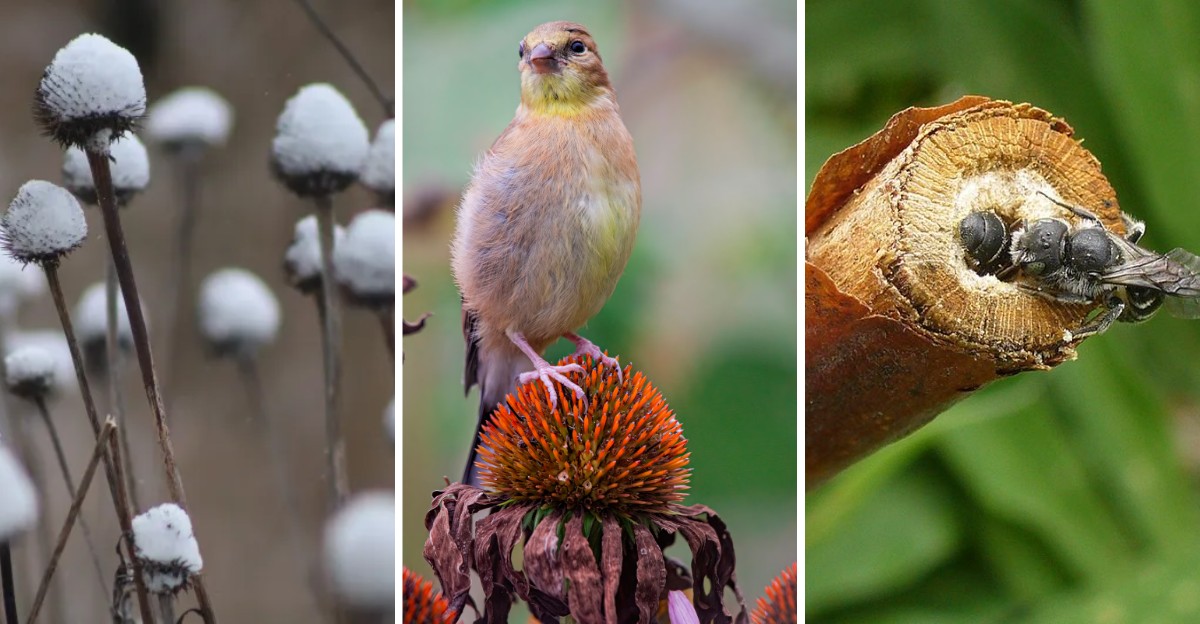
Stand still near a patch of spent coneflowers on a cool September morning and you may hear a soft tick-tick-tick. That sound is a goldfinch working through a seed head like a kid with a bag of sunflower seeds.
Coneflower centers are packed with small, oil-rich seeds that finches, chickadees, juncos, and sparrows genuinely favor. The spiky cone acts like a natural feeder, holding seeds upright and easy to reach.
Cutting those stems in early fall removes a food source right when birds are fueling up for cold weather. Leaving them standing gives your yard a free, self-refilling snack station that needs no scooping or cleaning.
There is also the entertainment factor. Watching a goldfinch cling sideways to a swaying stem beats staring at bare mulch from the kitchen window.
If you want to help the show along, plant coneflowers in clusters of five or more rather than singles. Bigger groups hold more seed and attract birds that feel safer in numbers.
Skip any fall cleanup in that section and simply let the stems brown naturally. Birds will find them without an invitation, usually within a week or two of the seeds ripening.
Come spring, you can trim whatever the birds left behind. By then the seed heads will look hollow and picked over, which is a good sign your garden did its job.
Fun detail: goldfinches nest later than many songbirds, partly because they rely on seeds like these.
2. Hollow Stems Become Winter Apartments For Native Bees
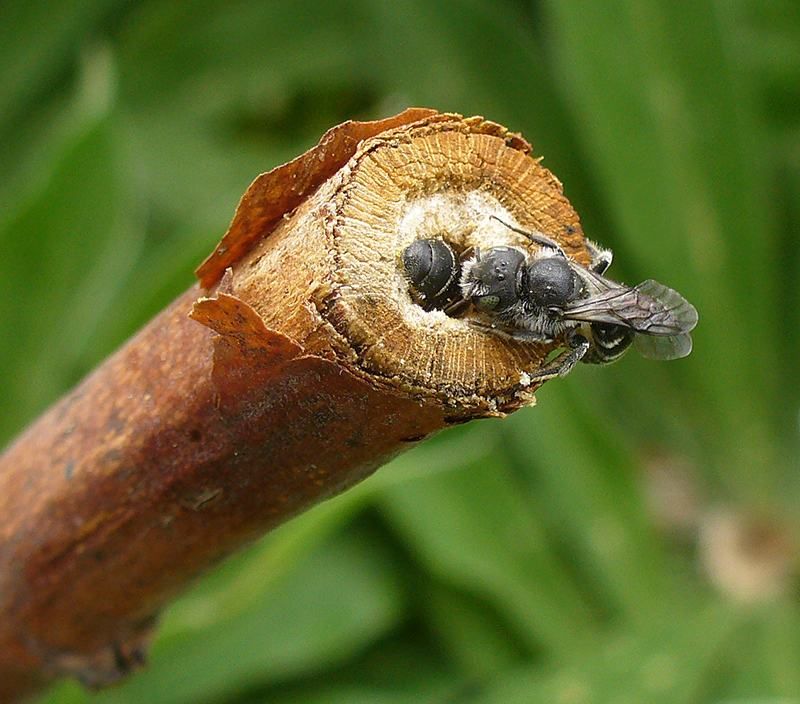
Here is something that surprises a lot of gardeners: many native bees do not live in hives at all. Roughly seven out of ten nest in the ground, and a good share of the rest tuck into hollow or pithy plant stems.
Coneflower stalks, once dry, offer exactly the kind of narrow tunnel small mason bees and leafcutter bees look for. They lay eggs inside, seal the chamber, and the young stay protected through the cold months.
Chopping stems to the ground in September removes that housing right as bees are settling in. Worse, stems hauled to the compost pile or curb take next year’s pollinators with them.
The fix is refreshingly lazy. Leave stalks standing at full height through winter, then cut them to about 12 to 18 inches in late spring once temperatures stay reliably warm.
Those leftover stubs keep working as nest sites while new foliage grows up and hides them. Nobody will notice the bare sticks by June.
If tidiness matters in your front yard, try this trick. Leave the back border wild and keep only the front edge trimmed, which reads as intentional rather than neglected.
More native bees in spring means better fruit set on tomatoes, squash, blueberries, and apples. That payoff starts with a decision you make in September, or rather a decision to do less. This low-effort approach can meaningfully benefit the garden.
3. Standing Stalks Bring Structure To A Snowy Landscape
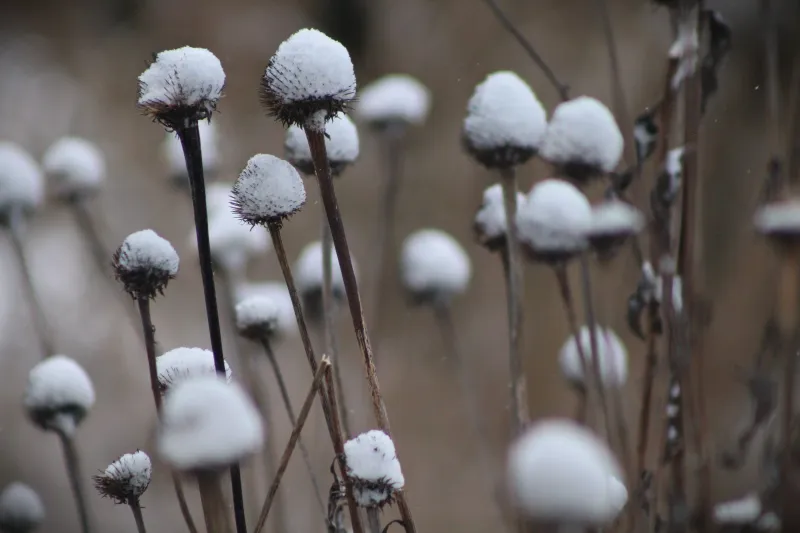
A garden cut flat to the ground in autumn has a certain problem come January. It looks like a blank sheet of paper nobody bothered to write on.
Coneflower stems hold their shape remarkably well through wind, rain, and frost. Those dark cones catch snow like tiny hats, and the effect on a gray morning is genuinely lovely.
Garden designers have been leaning into this for decades. The late-season look of brown seed heads against ornamental grasses became a signature of naturalistic planting styles across Europe and North America.
You do not need a designer’s eye to pull it off. Mix coneflowers with sedum, little bluestem, or black-eyed Susan and the whole bed gains texture that lasts until March.
Frost adds another layer of charm. Ice crystals outline each bristle on the cone, turning something plain into something photograph-worthy for about two hours after sunrise.
Practical tip: choose sturdier coneflower varieties if wind is an issue in your yard. Older, taller types sometimes flop, while compact cultivars tend to hold upright longer.
Avoid staking or fussing. Part of the appeal is the slightly wild, weathered look that comes from letting plants stand as they are.
When spring cleanup finally arrives, you will have enjoyed roughly five extra months of garden interest from plants you already own. This is one of the higher-return, lower-effort choices in fall gardening.
4. How Coneflowers Self-Seed With Minimal Effort
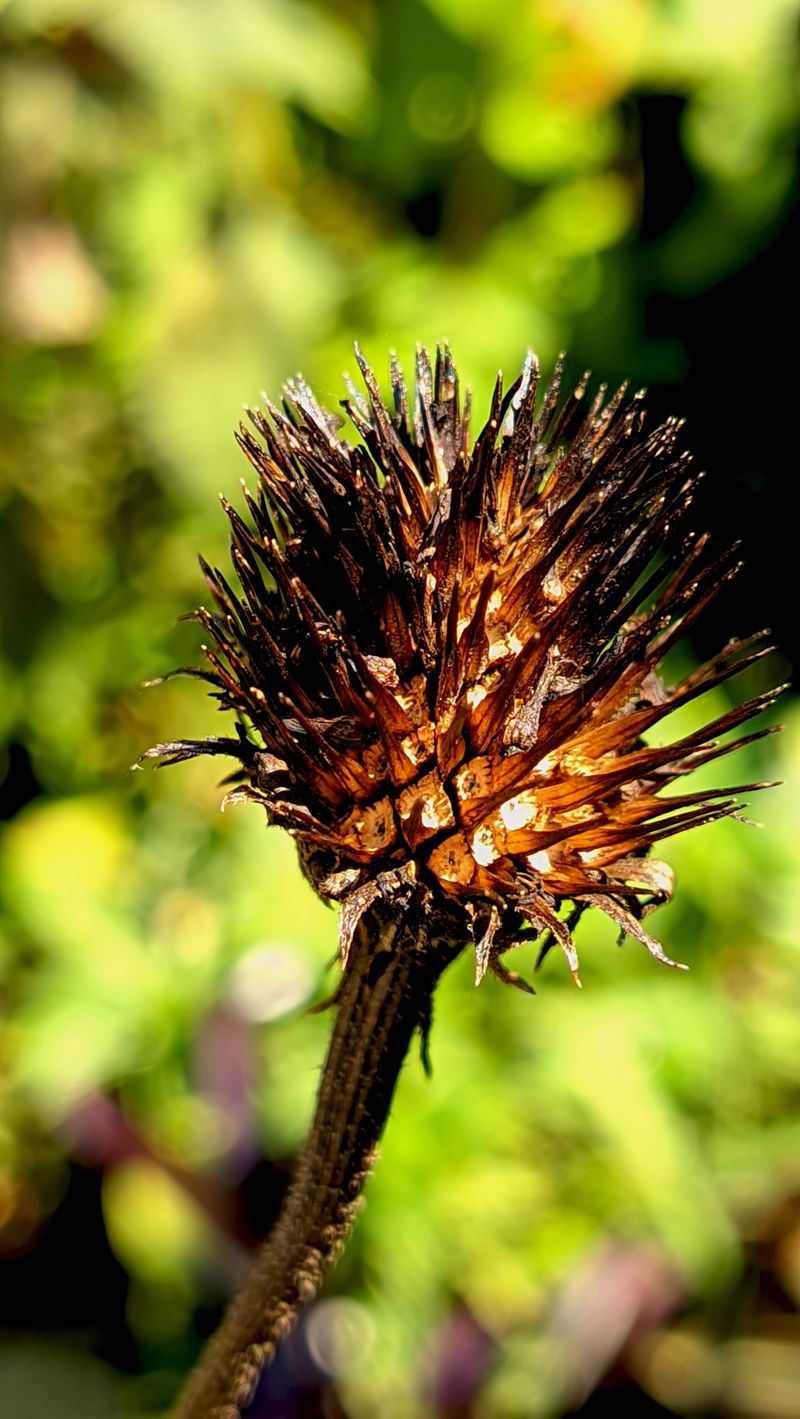
Ever wonder how a coneflower patch seems to widen a little each year? The plants are quietly handling their own propagation while you are not looking.
Ripe seeds drop from the cones through fall and winter, land nearby, and get chilled by cold weather. That chilling period, sometimes called stratification, is what wakes many of them up in spring.
Clip the seed heads in September and you interrupt the whole process. Leave them, and volunteer seedlings tend to appear in loose drifts that look far more natural than anything planted on purpose.
Those freebies save real money. A single established plant can produce hundreds of seeds, and nursery coneflowers typically cost several dollars apiece, depending on size and retailer.
In spring, look for small rosettes of slightly fuzzy, oval leaves near the parent plants. Once they reach three or four inches tall, lift them with a hand trowel and move them wherever you want more color.
A word of caution for anyone growing fancy hybrids. Seedlings from those often revert to plain purple or pink, so treat surprises as bonus plants rather than exact copies.
If self-sowing feels like too much, simply thin the volunteers or pull the ones in awkward spots. You stay in control either way.
Gardeners who share plants love this habit too. Potted-up seedlings make excellent gifts, trade material, or donations for a neighborhood plant swap in May.
5. Crown Protection Helps Plants Handle Freeze And Thaw Cycles
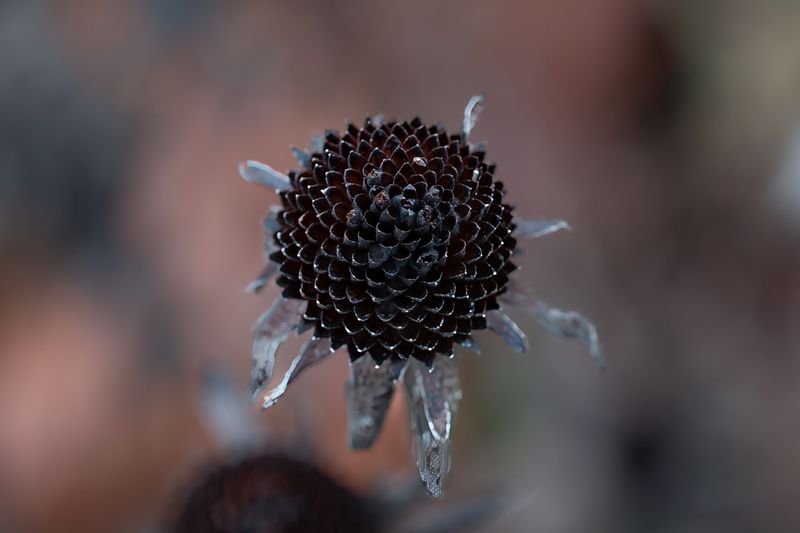
Think of the coneflower crown, that spot where stems meet roots, as the plant’s control center. Damage there and the whole plant struggles the following year.
Standing stems and the leaf litter that collects around them create a small buffer zone. Snow catches in the stalks, and that snow acts like a blanket over the soil.
Bare, exposed soil goes through harsher freeze and thaw swings. Repeated heaving can push shallow crowns upward, leaving roots sitting in cold air where they take a beating.
In colder growing zones, a coneflower cut to the ground in September and left uncovered can look weaker in May than its untrimmed neighbor.
The old stems also mark exactly where each plant sits. That saves you from accidentally planting bulbs or stepping on a crown during early spring work.
Skip the heavy mulch pile right against the crown, though. Coneflowers dislike soggy conditions, and a thick wet mat can invite crown rot over a rainy winter.
A light layer of chopped leaves plus the plant’s own stems strikes a good balance. Air still moves, moisture drains, and the soil temperature stays steadier.
Wait until you see fresh green growth pushing up before removing anything. That growth is your signal the crown made it through fine and no longer needs the extra cover. Patience in fall tends to show up as vigor in summer.
6. Beneficial Insects Overwinter In Garden Debris
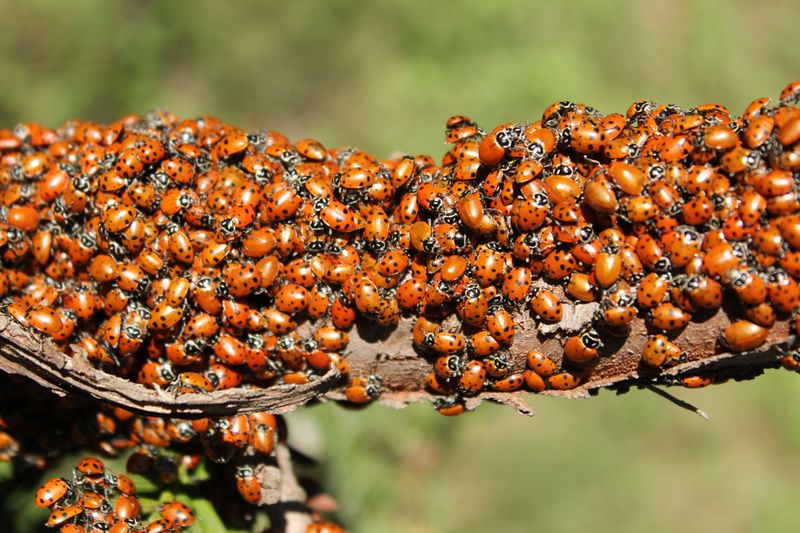
There is a whole crew of garden helpers looking for a place to wait out winter right now. Ladybugs, lacewings, tiny parasitic wasps, and predatory beetles all need shelter.
Dried coneflower foliage, curled leaves, and the crevices around stems provide that shelter. A single square foot of standing perennial debris can host a surprising number of insects.
Why should you care? Those same insects handle aphids, thrips, and caterpillars in your vegetable beds next June, free of charge.
Lacewing larvae can consume several hundred aphids over their larval stage, making them valuable natural pest control. Keeping their parents alive through winter is cheaper than buying bugs online in spring.
Fall cleanup that strips beds bare sends that workforce packing. Then aphid outbreaks hit in early summer before any predators have arrived to balance things out.
Leaving coneflower stems and nearby leaf litter in place keeps the pest-control team on site. You are essentially hiring locally instead of importing help.
One practical note: do leave genuinely diseased material out of the equation. Foliage covered in heavy powdery growth is worth removing, while ordinary brown and crispy leaves can stay.
When you finally tidy up, move slowly and in stages. Cutting a portion of the garden in April and the rest in May gives insects time to relocate. Small timing choices like that can make garden maintenance easier and more effective.
7. Skipping Fall Pruning Saves You Real Time And Effort
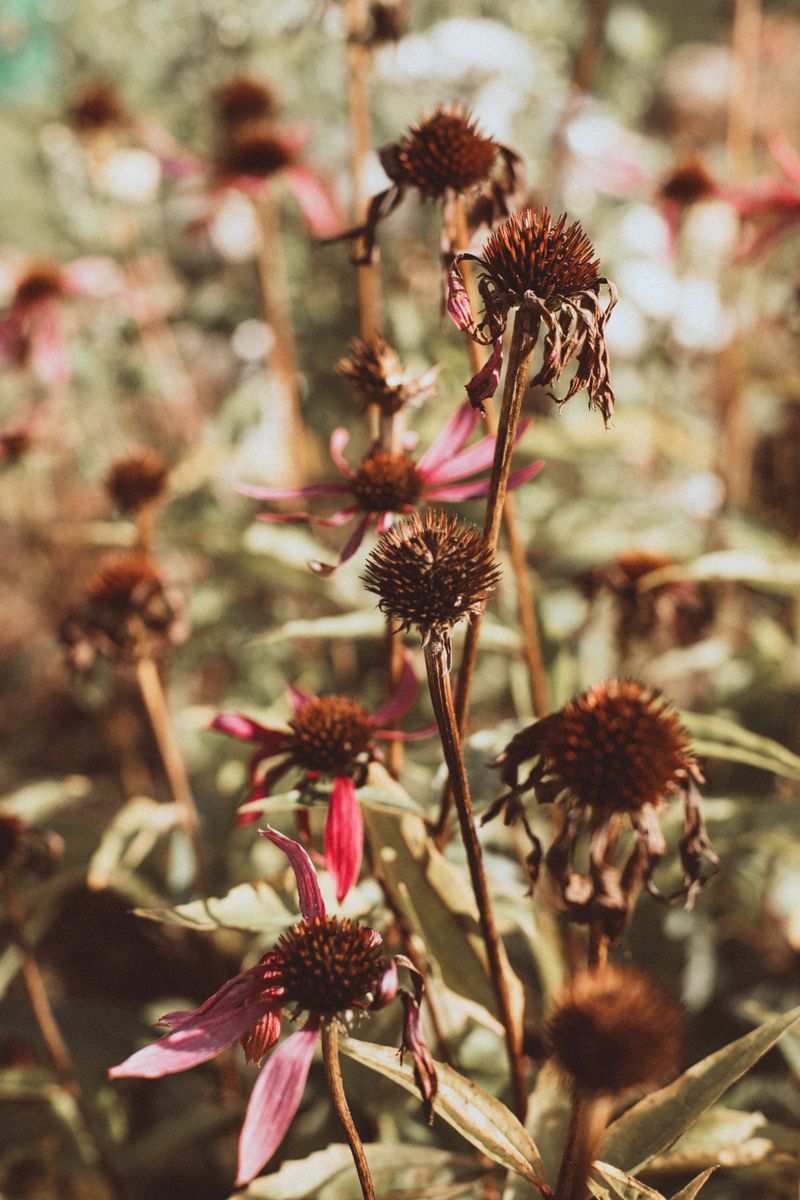
Let us be honest about September gardening. The list is long, the days are shrinking, and nobody is begging for extra chores.
Trimming and cutting back a large coneflower planting can eat an entire afternoon. Bending, snipping, bagging, and hauling adds up fast across a big bed.
Moving that job to spring means doing it once instead of twice. Stems that have stood all winter snap off easily, sometimes with a simple tug by hand.
Spring cutting is also faster because the material is bone dry and light. No heavy, sap-filled stalks to wrestle into a bin or wheelbarrow.
Timing helps your back too. Mid-spring work happens in mild weather rather than during a rushed pre-frost scramble.
Use the freed-up September hours for tasks that genuinely matter now. Planting garlic, dividing overgrown perennials, sowing cool-season greens, or spreading compost all pay off more than trimming spent flowers.
A pair of hedge shears makes spring cleanup even quicker. Gather a handful of stems, cut at once, and drop the bundle straight onto the compost pile.
Some gardeners chop the dry stalks into two-inch pieces and leave them as mulch right there. Free organic matter, no hauling.
Approached this way, leaving coneflowers standing is not laziness dressed up as ecology. It is simply better scheduling, and the garden happens to benefit at the same time.
8. Uncut Coneflowers Turn Your Yard Into A Small Wildlife Corridor
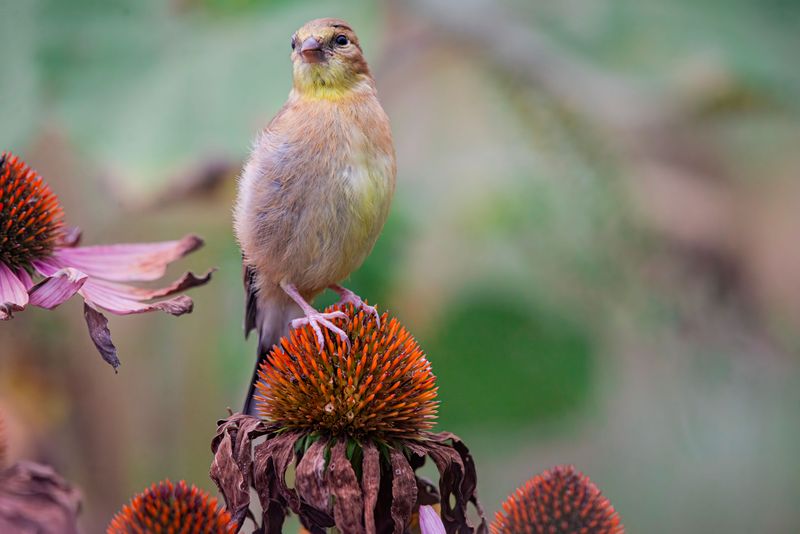
Picture your neighborhood from a bird’s point of view in November. Mowed lawns and cleared beds stretch out like a food desert with occasional oases.
A patch of standing coneflowers becomes one of those oases. Seeds, shelter, and insect life gathered in one spot draw wildlife that otherwise passes right over.
Some studies on urban gardens suggest that yards with standing winter vegetation may support more bird and insect activity than yards cut bare each autumn.
Scale matters less than you think. Even a bed measuring four by eight feet can serve as a useful stepping stone between larger green spaces.
Chain a few of these together across a street and you have created a genuine corridor. Butterflies, bees, and birds move through in short hops rather than risky long flights.
Talk to neighbors if the untidy look raises eyebrows. A small sign reading Wildlife Habitat or Pollinator Garden shifts the conversation from messy to intentional surprisingly well.
Pair coneflowers with other seed-bearing plants for a stronger effect. Goldenrod, aster, joe-pye weed, and switchgrass all hold up nicely and feed different visitors.
Add a shallow water source and you have covered the basics of habitat. Food, cover, water, and a place to raise young, all from plants you were about to cut down.
September plays a key role in this process. Setting the shears aside now shapes what shows up in your garden for the next six months.