Protect your Wisconsin roses through winter with these 8 steps before the first hard freeze
Cold weather comes fast in Wisconsin, and your roses need a little help to make it to spring. A hard freeze, when temperatures drop to 28 degrees or lower for an hour, can hit northern areas as early as September and southern areas by mid to late October.
The good news is that a few simple steps taken at the right time can keep your bushes alive and blooming next year. Here are eight easy ways to tuck your roses in before winter arrives.
1. Stop Fertilizing in Early August

Fertilizer feels like a gift to your plants, but late in the season it can backfire. When you feed roses in Wisconsin too close to fall, you push out tender new shoots that never get tough enough to survive the cold.
Put away the fertilizer by early August. That break tells the plant to slow down and start moving toward its natural sleep, called dormancy.
Roses that harden off properly handle Wisconsin’s frosty nights far better than plants still trying to grow. Think of it as helping them power down before the long winter rest.
2. Stop Deadheading by Labor Day
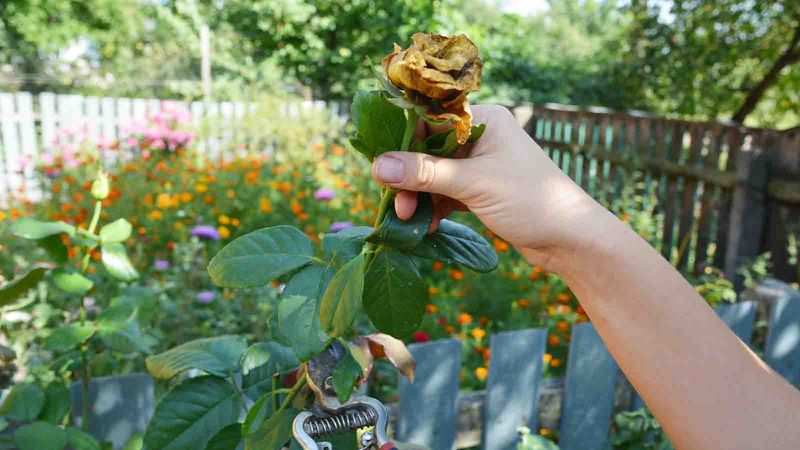
All summer long, snipping off faded blooms keeps roses flowering again and again. Once Labor Day rolls around, though, it pays to set the pruners aside and let nature take over.
When you stop deadheading, the spent flowers turn into rose hips, those round little fruits. Those hips send a clear message to the plant that flowering season is done.
For roses across Wisconsin, that signal starts the shift toward dormancy. Letting hips form is one of the easiest steps on this list, since it mostly means doing nothing at all.
3. Clear Out Garden Debris
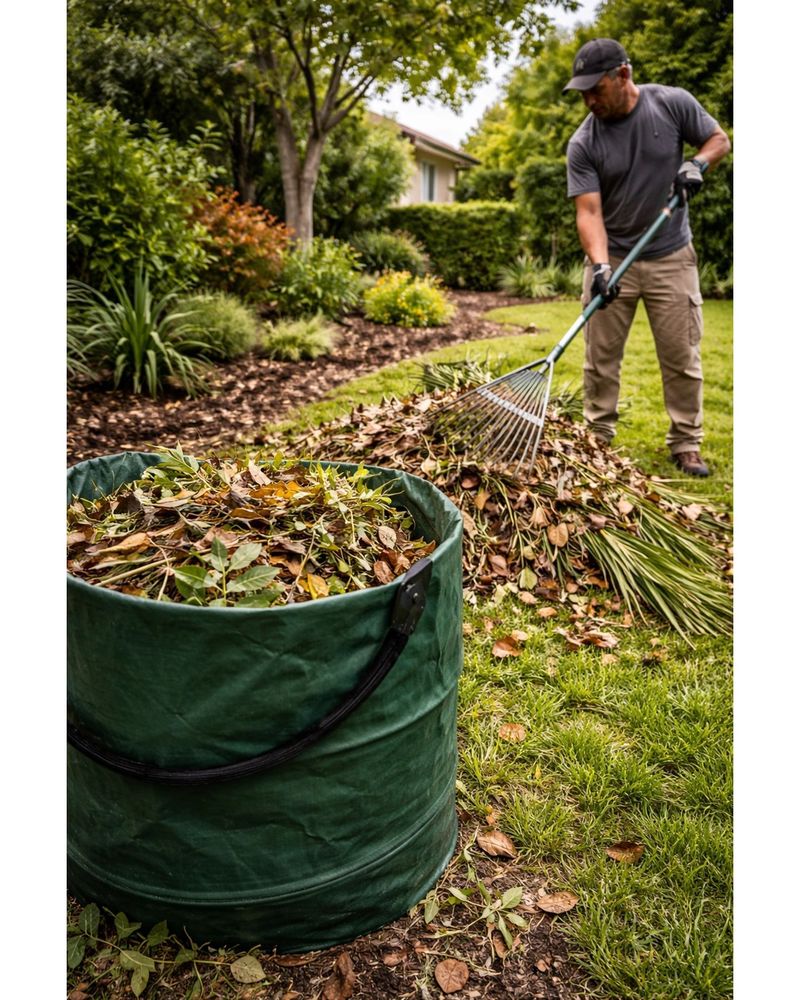
Fallen leaves might look cozy piled around your bushes, but they are actually a hiding spot for trouble. Diseases and fungi love to spend the winter tucked into old plant scraps.
Rake up every dropped leaf and bit of debris from around the base of each rose. A clean bed gives spores and pests nowhere to camp out until spring.
Gardeners in Wisconsin who tidy up in fall often see fewer black spot and mildew problems the following year. Toss the diseased leaves in the trash rather than the compost pile to be safe.
4. Keep Watering Until the Ground Freezes

It seems odd to water plants heading into winter, yet moisture is one of your roses’ best friends in the cold months. Dry roots suffer far more damage than roots sitting in moist soil.
Keep giving your bushes a good drink right up until the ground actually freezes solid. Moist soil that freezes protects the roots better than dry soil that freezes.
Wisconsin winters bring plenty of drying wind and stretches without snow cover, so that stored water really matters. A well-hydrated rose walks into winter with a big advantage.
5. Prune Lightly, Not Hard

The urge to give roses a big haircut before winter is common, but fall is the wrong time for it. Large cuts do not have enough time to heal before the freeze, leaving open wounds for cold to sneak in.
Your Wisconsin Garden Changes Every Week. Your Plan Should Too.
Gardening in Wisconsin changes quickly throughout the season. Every Friday you’ll receive a simple weekly plan showing exactly what to plant, prune, fertilize, harvest, and protect so you never miss the right timing.
Trim only the thin, spindly growth or shorten tall canes just enough so the plant fits under its winter cover. Save the serious shaping for spring.
Many rose experts across Wisconsin recommend waiting until the new season to do real pruning. A gentle trim now keeps your plant safe without stressing it out.
6. Mound Soil Over the Base

Once the temperatures have stayed below freezing for several days, it is time to build a protective hill. Pile 8 to 10 inches of soil, compost, or shredded leaves right over the base of each plant.
Aim to cover the bud union, which is that knobby spot where the rose was grafted. This mound insulates the crown and keeps the plant evenly cold, so it does not thaw and refreeze over and over.
Those freeze-thaw swings are a real threat during Wisconsin winters, and the mound softens the blow. Just do not scrape soil from right around the roots, and try to finish the job by Thanksgiving.
7. Add Mulch and Wrap for Wind
After the ground has frozen, spread a 2 to 4 inch layer of loose mulch over the mound you built. Straw, marsh hay, or evergreen boughs work beautifully because they hold air pockets and do not mat down.
Those air spaces are what make mulch such a strong insulator for roses through a Wisconsin winter. Add it after freezing so mice do not decide to nest there for the season.
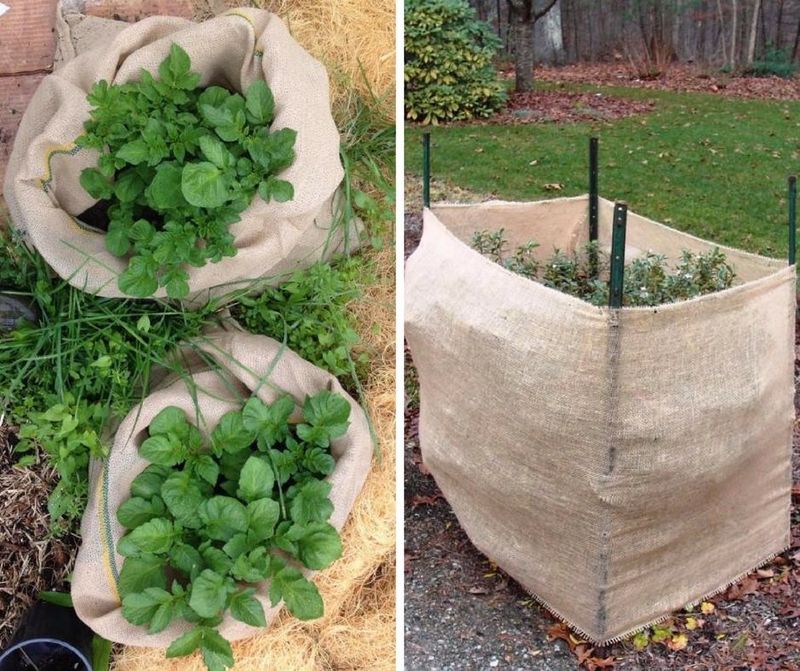
Tall or climbing roses need extra help against harsh wind. Loosely tie the canes together with twine, and wrap the plant in burlap to block the drying gusts that can sap moisture and crack the wood.